
Balasana – Child Posture
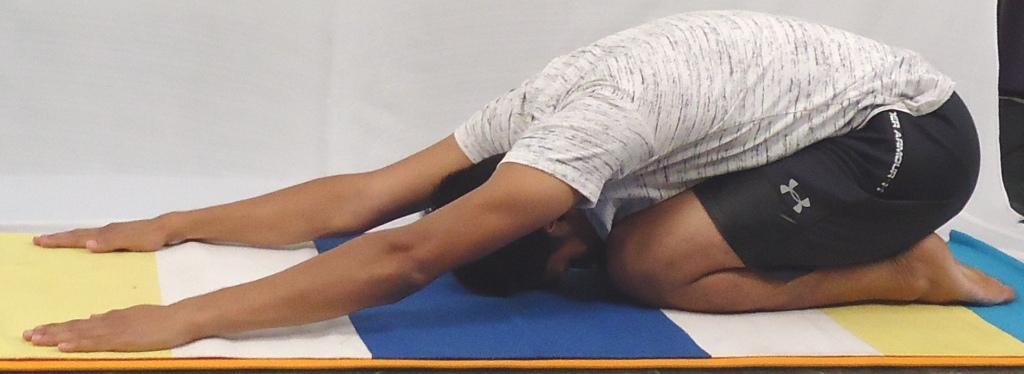
Balasana – Child Posture (bala – child) Practice: Kneel on the floor. By both your toes and knees and sit on your heels Inhale raise your both arms up, lengthen tail bone, exhale bend forward , from lower back so abdomen, chest on front of thighs, crown of head on the ground, Arms relax above your head. Keep breathing at your abdominal, it improves our breathing and reduces extreme stress levels. Balasana (child posture) is a relaxation posture. Remain in this posture till you feel refresh and rejuvenated completely. Now come up from hip region by lengthening the spine. Unfold both your knees and relax at sitting posture. Benefits: Rejuvenates all abdominal organs, cardiac and respiratory system. Reduces unnecessary which deposit at thighs and buutt region. Improves digestion. Improve flexibility of hips, thighs, and ankles. Calms the brain and helps relieve stress and fatigue. Relieves back and neck pain when done with head and spine supported Enhances blood flow to the head, stimulates the brain cells, improve the memory, and concentration level. Give flexibility to the spine, ankles and knees #Yoga teacher training certification course near me #Best yoga teacher training certification courses in Bangalore #Yoga teacher training certificate course fees in Bangalore
Ardha Chandra Asana – Half Moon Posture
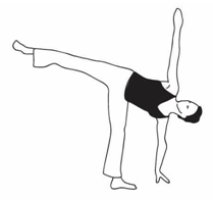
Ardha Chandra Asana – Half Moon Posture (ardha- half, Chandra – moon) Practice: Come to Tadasana, with both feet touching from the heel to the big toe, keeping the back straight and the arms pressed slightly against the sides with palms facing inward. Bring the hands together at the heart region with palms lightly pressed against each other called namaskara mudra. Inhale and raise the arms straight up keeping the palms touching each other together. Arch your body backwards keeping your arms alongside your neck, beside, ear and head, fall the head backward and stay here. Keep your knees till waist region, straight while holding posture. Stay for 10 to 20 seconds, at final posture breathing at nose normally. Exhale, return back to Tadasana and relax. Benefits: Makes the lower back flexible. Stimulates and strengthen the entire back, arms, neck muscles, chest and shoulders. Improves, respiration. #Yoga teacher training certification course near me #Best yoga teacher training certification courses in Bangalore #Yoga teacher training certificate course fees in Bangalore
Ardha Navasana – Half Boat Posture
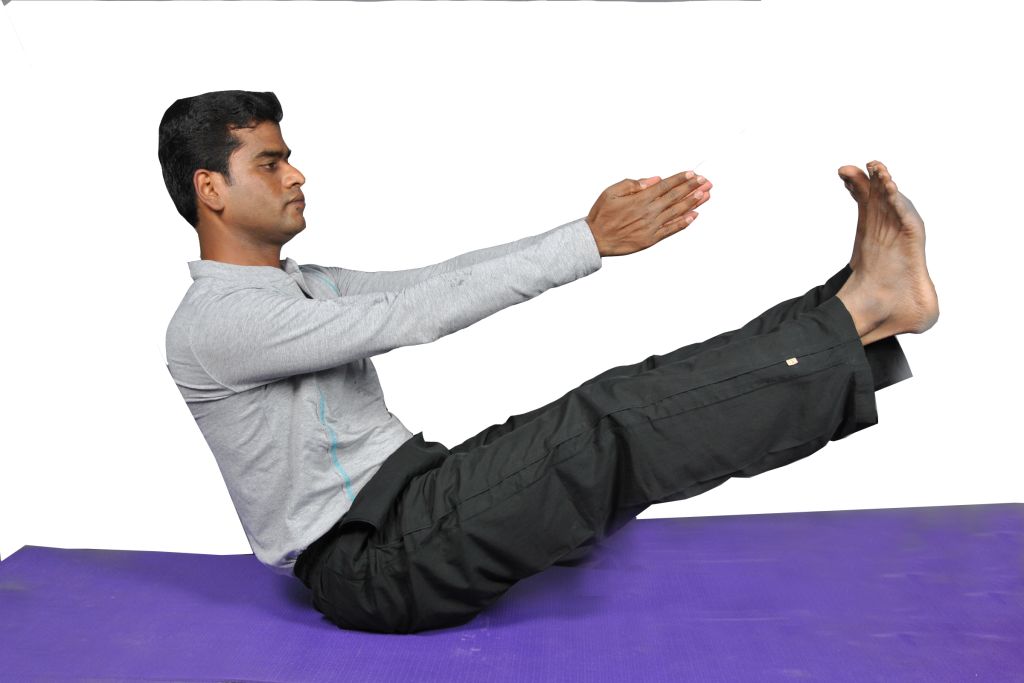
Ardha Navasana – Half Boat Posture (ardha – half, nava – boat) Practice: Come to sitting posture called Dandasana (staff pose), interlock your fingers and place it back of head. Exhale, recline the spine back and simultaneously raise your both legs at 35 degree angle. So, crown of head and toes at same level. Keep balancing at your buttocks muscles. Stay for 10 to 30 seconds, by breathing at your abdominal muscles, deeply. Do not have hunch back and keep both knees straight, by gazing at your big toes. Inhale, return back to Dandasana, and repeat one more time. Benefits: Strengthen abdominal muscles and lower back muscles. Make abdominal fat to reduce rapidly, Increases intensity of awareness and concentration. Bring balance at our body and mind level. Remove oscillation mental state. Peoples, who have weak back, will be panacea for them. #Yoga teacher training certification course near me #Best yoga teacher training certification courses in Bangalore #Yoga teacher training certificate course fees in Bangalore
Ardha Chakrasana – Half Wheel Posture
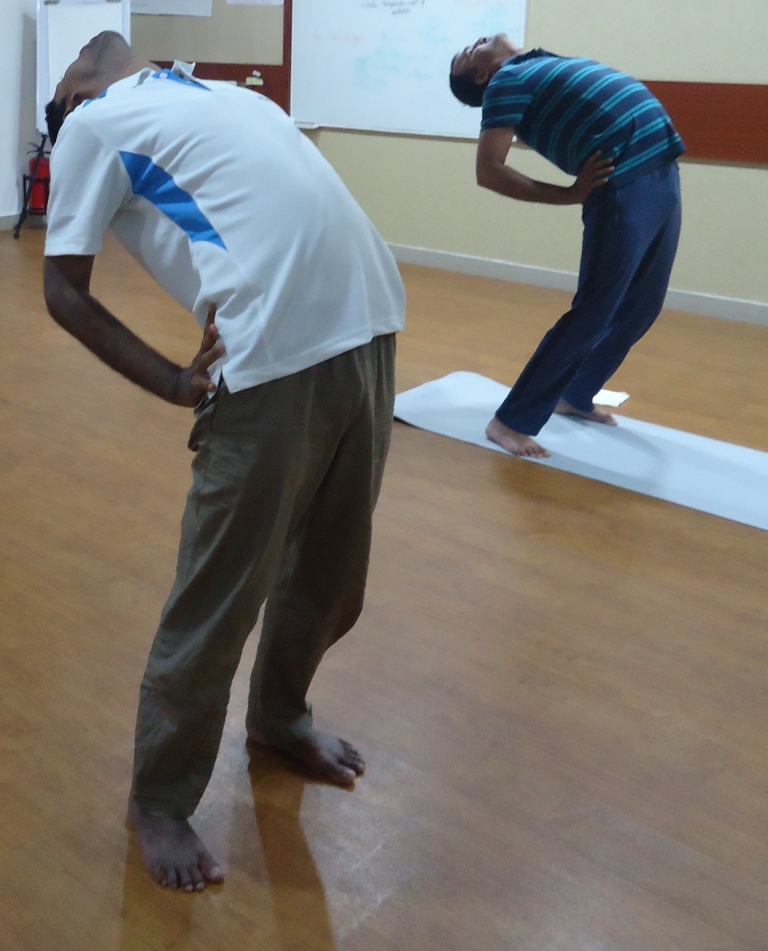
Ardha Chakrasana – Half Wheel Posture (ardha – half, cakra – wheel) Practice: Come to sanding posture called Tadasana (mountain posture) or samastithi. Support your both palms, back of hip. Exhale, by pushing hip forward and bend backwards from the sacral region. Widen chest, head backward. Stay for 10 to 20 seconds, with normal inhalation and exhalation through nostrils, by neck, shoulder and face muscles relaxed. Inhale, come up and relax. Benefits: Makes the lower back flexible. Stimulates and strengthen the entire back, neck muscles, chest and shoulders. Improves respiration. #Yoga teacher training certification course near me #Best yoga teacher training certification courses in Bangalore #Yoga teacher training certificate course fees in Bangalore
Ardha Baddha Padma Paschimottanasana – Half Bound Lotus Forward Bend
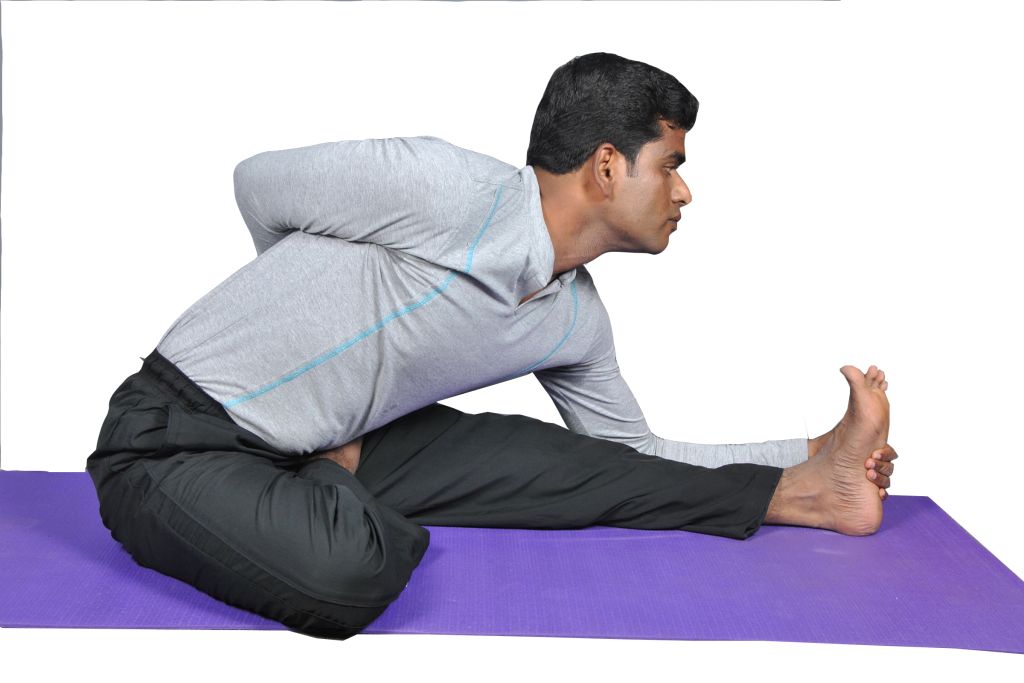
Ardha Baddha Padma Paschimottanasana – Half Bound Lotus Forward Bend (ardha – half, baddha – bound, padma – lotus) Practice: Come to sitting pose called Dandasana (staff posture) by keeping palms beside hips, inhale and raise both arms side way turn palms facing forward, now lengthen your spine. Exhale, bend forward catch hold right ankles with help of right arm, bend right leg knee place the heels on left thigh, left foot close and touching below the navel. Bring the right arm around back and catch hold the big toe, inhale come up heighten your back , exhale bend forward and catch hold left leg toe, by abdomen close to front of thighs , chin touching shin bone , bend elbows rest on ground. Remain in this posture for 10 to 30 seconds, by breathing at your nostrils very slowly. Inhale, lift head, left arm up. Release right arm and unfold right leg knee, relax for 10 to 30 seconds and repeat same at opposite side. Benefits: It gives flexible, suppleness and opens the joints called wrist elbow, shoulder, knees and ankle joints. It activates pancreas and makes insulin to function efficiently, it strengthen pelvic region , hip joints and inner deep quadriceps thigh muscles, release fatigue and tiredness of leg muscles. Melts and remove kidney or gall bladder stone. Improves digestive mechanisms. Stimulates and massages intestines, good observing of nutrients so body fuel with enough energy and eliminates the tools good for constipation. Burn abdomen fat and makes it flat. Align the body evenly at both side, balance the both right and left side of body energy level. #Yoga teacher training certification course near me #Best yoga teacher training certification courses in Bangalore #Yoga teacher training certificate course fees in Bangalore
Urdhva Mukha Svanasana – Upward-Facing Dog
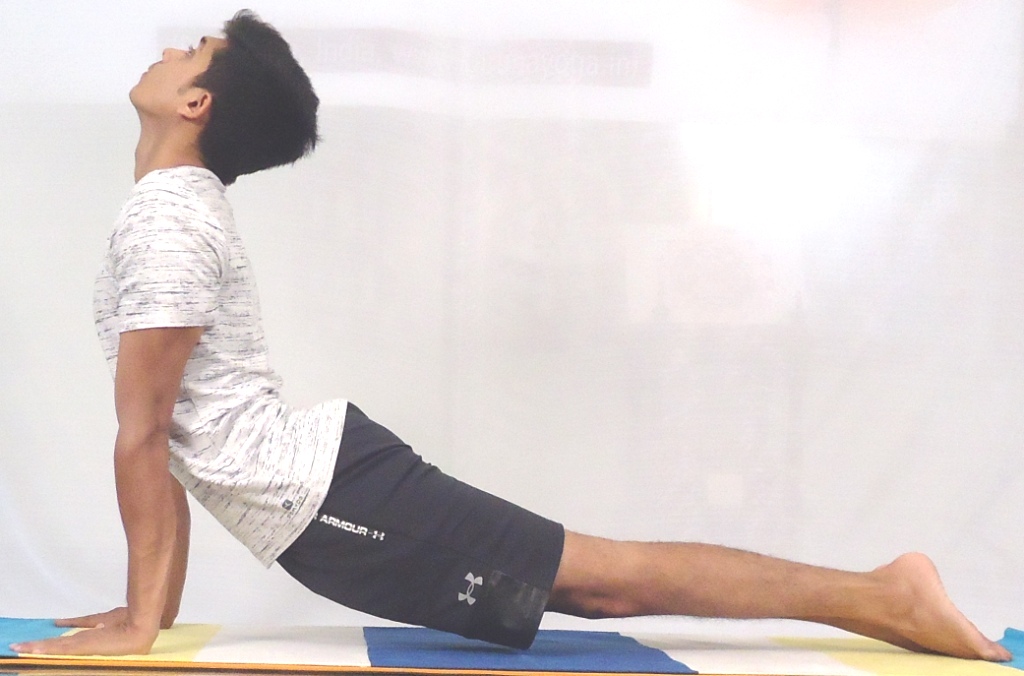
Urdhva Mukha Svanasana – Upward-Facing Dog (urdhva – upward, mukha – face, svana – dog) Practice: Lie down on stomach in Makrasana (crocodile) relaxation posture by placing back of palm over palm, throat resting over it, both feet one foot apart, heels facing each other. From Makrasana, bring your legs together palms beside chest at your last rib cage, fingers spread out little pointing forward, elbows upward and closer to each other. Inhale and gradually raise the chin, chest, abdomen, till your pelvic region. Keep the arms, legs straight and tightened at the knees, balancing at your palms and legs. Distribute the pressure evenly at your back. Do not shrug your back open your chest and widen your shoulder. Stay in this posture for around 10 to 30 seconds, by deep long breathing at your abdomen and chest region. Return back to Makrasana again and relax completely. Benefits: Strengthen respiratory system. Tones lower back and reduce lower back pain gradually. Activates thyroid gland and optimizes it is function. Deep relaxation to abdominal and pelvic region leads to increase auto – immunity. Strengthen entire spine and its muscles. #Yoga teacher training certification course near me #Best yoga teacher training certification courses in Bangalore #Yoga teacher training certificate course fees in Bangalore
Ujjayi The Victorious Breath
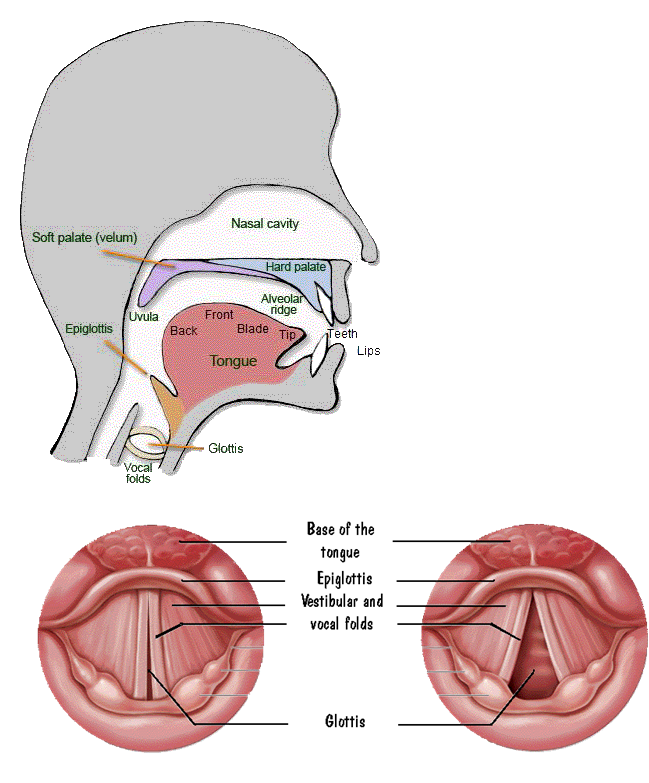
Ujjayi The Victorious Breath Breath is the fuel that feeds the internal fire, gives it life, keeps the flame going. The vital life energy, prana, is controlled by the breath. In yoga, ujjayi breathing (victorious breath) is used to enrich prana. By breathing through the nose, with the mouth closed, the breath is felt from the throat, producing a hissing sound. This sound of the breath keeps the mind focused. As the mind begins to wander, the sound of the breath keeps bringing you back home and away from the mumbling, bumbling mind. The mind becomes focused and calm as each pose flows into the next in concert with the breath. The breath is the link between body and mind. Practice Sit in a comfortable meditative pose or lie in savasana. Become aware of the natural breathing process and feel the air passing down through the windpipe. Slightly contract the region at the back of the throat as you do when you swallow. Inhale and exhale through the nose with the mouth closed. Make the inhalation and exhalation long, deep and controlled. Practice full yogic breathing and concentrate on the sound. Begin practicing for 3 minutes and progressively work your way up to 10 minutes. 2. Practice as above, but fold the tongue back so that the tip of the tongue presses the back of the soft palate on the roof of the mouth. 3. As you inhale say “sa” to yourself and as you exhale say “ha.” Repeat ten times. Inhalation and exhalation should be of equal duration, smooth and relaxed. 4. Notice your mind wandering as you practice breathing and keep bringing your mind back to the breath. 5. Focus on the exhalation. Notice where your breath normally stops. Increase the fullness of the exhalation. #Yoga teacher training certification course near me #Best yoga teacher training certification courses in Bangalore #Yoga teacher training certificate course fees in Bangalore
Surya Bhedana Pranayama
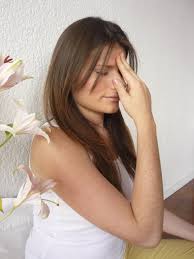
Surya Bhedana Pranayama Sit on Padmasana or any sitting posture by keeping your spine, neck and head straight. Close the eyes. Keep the left nostril closed with your right ring and little fingers. Slowly inhale without making any sound as long as you can do it comfortably through the right nostril. Then exhale very slowly without making any sound through the left nostril by closing the right nostril with the thumb. Repeat OM mentally with Bhava and meaning during inhalation and exhalation. This Pranayama should again and again be performed, as it purifies the brain and destroys the intestinal worms and diseases arising from excess of wind (Vayu). This removes the four kinds of evils caused by Vayu and cures Vata or rheumatism. It cures rhinitis and various sorts of neuralgia. The worms that are found in the frontal sinuses are removed. It destroys decay and death, awakens Kundalini Sakti and increases the bodily fire. #Yoga teacher training certification course near me #Best yoga teacher training certification courses in Bangalore #Yoga teacher training certificate course fees in Bangalore
YOGIC CONCEPT OF BALANCED DIET
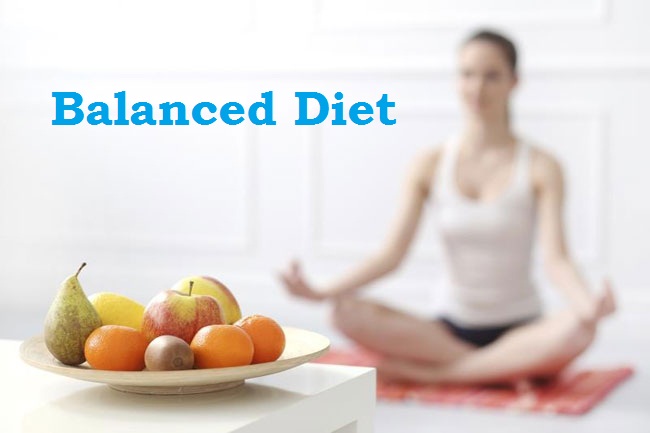
YOGIC CONCEPT OF BALANCED DIET The yogic concept of a balanced diet includes those diets which bring about a balance at all levels- physical, pranic, mental, emotional, and intellectual. Ancient books on yoga tell us that food that would obstruct and destroy physical, mental and emotional balance and equanimity should not be taken. Rajasic and Tamasic foods produce undesirable effects on the body and the mind. So they should be avoided. Yoga is a path to control the body and the mind and so it is logical that Rajasic or Tamasic food had no place in the yogéc diet. Much importance is laid on the goodness of Sattvic food. Sattvic food has all the necessary constituents required by the body. Fruits and vegetables provide precious vitamins and minerals to the body which helps the body to resist diseases. They also contain fibers which prevent or cure constipation. Cereals provide mostly carbohydrates to the body, which give heat to the body. Butter and ghee provide fat to the body which provides the body with heat and it also lubricates the joints. Proteins are available from milk, curd, and buttermilk. This constituent is necessary for the constitution of the body and the reconstruction of cells. The Yogasutras also touches on how much to eat and what to eat (2, 3, 4, 5). Yogis should eat moderately. The ideal is that while eating, one should fill half the stomach with food, a quarter of stomach with water and the remaining quarter for free movement of air. In this modem world, our diet has become increasingly soft and spicy. We eat this type of food excessively. Excessive eating is a burden to the digestive organs. It will lead to indigestion and gas and also causes obesity. Indigestion, gas and obesity are the three factors which obstruct the practice of asanas and hinder the path to Sadhana. In short, those who practice yoga should take simple and nourishing food in less quantity in order to gain mastery over the body and mind. One should also consider one’s own profession while choosing one’s food to suit. #200 hour Yoga teacher training certificate course in Bangalore #Yoga course Bangalore #100/200/300/500 hour Yoga teacher training India
CONCEPT OF STRESS
CONCEPT OF STRESS Stress is an adaptive response. It is the wear and tear of our bodies experience as we adjust to our continually changing environment. It’ the body’s reaction to an event that is seen as emotionally disturbing, disquieting or threatening. When we perceive such an event, we experience what one stress researcher, walter cannon, called the ‘fight or flight response’. To prepare for fighting or fleeing the body increases its heart rate, blood pressure, more blood is sent to the heart and the muscles and the respiratory rate increases. As a positive influence, stress can help compel us into action: it results in a new awareness and an exciting new perspective. As a negative influence; it results in feelings of distrust, rejection, anger and depression, which in turn can lead to health problems like headache, upset of stomach, rashes, insomnia, ulcers etc. #500hrttc#50hrttc#200hrttc#restorativeyoga#asanapranayamamudrabandha#onlineyogacourse#bestyogainstitute#yogateachertraining#bestyogacourse CAUSES The external stimuli, which trigger off a progressive series of physiological and emotional responses in the body, leading to the stress response are known as stressors. SOME OF THE MAJOR STRESSORS IN LIFE ARE Death of a spouse Divorce Marital Seperation Jail term Personal injury or illness Marriage Death of a close family member STRESS CYCLE It has four components Stressor: External threat / challenge / internal thought or worry Strain: Internal struggle to maintain the homeostasis Stress reaction: Emotional / Physical disruption in normal functioning Steers coping: Process of dealing with stress reaction Stressor – Strain – Stress reaction – Coping – Resolution or again repeating coping phase. MAJOR TYPES OF STRESSORS Psychological :Attitude, personality, self-esteem and ethnicity Physical: Environment, nutrition, drugs and chemical Role : Role conflict / ambiguity, multiple roles Sociological: Political, Economic, Ethnic, Cultural, Stress response STRESS AROUSAL STAGE Persistent irritability and anxiety, bruxism and or insomnia occasional forgetfulness or inability to concentrate. STRESS RESISTANT STAGE Absenteeism or tiredness for work, tired and fatigued for no reason, procrastination and indecision, social withdrawal with cynicism, resentful. indifferent and defiant, increased use of coffee, alcohol, tobacco Etc. * SEVERE EXHAUSTION STAGE Chronic sadness or depression, chronic mental and physical fatigue, isolation and withdraw self – destructive thoughts. SYMPTOMS The symptoms can be grouped into the following sections. Short term physical symptoms Short term performance effects Long term physical symptoms Internal symptoms Behavioral Symptoms SHORT TERM PHYSICAL SYMPTOMS These mainly occur as your body adapts to perceived physical thereat and are caused by release of adrenaline. Although you may perceive these as unpleasant and negative, they are signs that your body is ready for the explosive action that assists survival or high performance. Faster heart beat Increased Sweating Cool Skin Cold Hands and feet Feelings of nausea Rapid breathing Tense muscles Dry mouth Desire to urinate and diarrhoea are the symptoms of survival stress SHORT TERM PERFORMANCE EFFECTS While adrenaline helps you survive in a fight or flight situation, it does have negative effects in situations where this is not the case It interferes with clear judgement and makes it difficult to take the time to make good decisions. It Can seriously reduce your enjoyment of work Where you need good physical skills. It gets in the way of fine motor control. It causes difficult situations to be seen as a threat and not a challenge. It damages the positive frame of mind you need for high quality work by Promoting negative thinking Damaging self confidence Narrowing attention Disrupting focus and concentration Making it difficult to cope with distractions. It consumes mental energy in distraction, anxiety. frustration, temper. LONG TERM PHYSICAL SYMPTOMS These occur where your body has been exposed to adrenaline over a long period. One of the ways adrenaline prepared you for action is by diverting resources to the muscles from the areas of the body, which carry out body maintenance. This means that if you are exposed to adrenaline for a sustained period, your health may start to deteriorate. This may show up in the following ways: Change in appetite Frequent colds Asthma Backache Digestive problems Headache Skin eruptions Sexual disorders Feeling of intense Long term tiredness Internal symptoms: of long term stress When you are under stress or have been tired for a long period of time, you may find that you are less able to think clearly and rationally about problems. This can lead to internal emotional upsets like worry, anxiety, Confusion, inability to concentrate or make decisions, feeling ill, feeling out of control or overwhelmed by events, mood changes like depression, frustration, hostility, helplessness, impatience and irritability being more lethargic, difficulty in sleeping, drinking, more alcohol and more smoking, changing eating habits, reduced sex drive and relying more on medication. BEHAVIORAL SYMPTOMS OF LONG TERM STRESS Talking too fast or too loud Yawning Fiddling and twisting Nail biting Grinding teeth Drumming fingers and pacing Bad moods like being irritable, critical and defensive. Reduced personal effectiveness like being more forgetful, Accident prone Changing work habits Increased absenteeism POSSIBLE PHYSICAL DISORDERS CAUSED BY OR EXACERBATED BY STRESS. Hypertension Cardiovascular disorders Migraine and tension headaches Cancer Arthritis Respiratory disease Ulcers Colitis Muscle tension problems POSSIBLE EMOTIONAL DISORDERS CAUSED BY OR EXACERBATED BY STRESS Anxiety Panic attack Depression Adjustment Disorders POSSIBLE BEHAVIORAL DISORDERS CAUSED BY OR EXACERBATED BY STRESS Conduct disorders Eating Disorders Alcoholism Hyperchondricism The main basic factor in the development of stress disease appears to be mental trauma which produces overtaking of the excitation and inhibition process of the cerebral cortex. It can be acute, severe or moderate but repetitive which cannot be tolerated by the cerebral cortex. It acts as a trigger mechanism, which ultimately leads to the development of stress diseases. Most of these diseases are caused by the disturbance in the environmental factors which stimulate the exteroceptors to convey the excessive stimulation to the cerebral cortex. This may lead to development of stress disease. For the practical purposes, kurtsin divided the cerebral cortex into three groups of cerebral centers with specific functions. Mental brain Somatic brain Visceral brain Somatic brain which controls the action of