
Mind & object – Kaivalya Pada – Patanjali Yoga Sutra
Patanjali Yoga Sutra – Kaivalya Pada Mind & object 4.16. Na chaika chittatantram vastu tadapramanakam tada kim syat| Na-not Cha-and Eka-one Chitta-mind Tantram-dependent Vastu-object Tat-that Apramanakam-non-cognized Tada-then Kim-what Syat-would happen The object of perception is not dependent on the chitta, what would happen to the object of perception when the medium of cognition is not there?. Patanjali Yoga Sutra – Kaivalya Pada Reflection of object 4.17. Taduparagapeksitvachchittasya vastu jnatajnatam| Taduparaga-the reflection of the object in chitta Apeksitvat-because of necessity Chittasya-of the mind Vastu-object Jnata-known Ajnatam-unknown The mind needs the reflection of the objects for its cognition.
Purusha knows the mind-Kaivalya Pada-Patanjali Yoga Sutra
Patanjali Yoga Sutra – Kaivalya Pada Purusha knows the mind 4.18. Sada jnatascittavrttayastatprabhoh purusasyaparinnamitvat| Sada-always Jnatah-are known Chittavrttayah-modifications of mind Tatprabhoh-on its master Purusasya-of the purusha Aparinamitvat-due to changelessness Purusha, the master of chitta, is chnageless, therefre, he always knows the modifications of the mind.
What is perception ? – Kaivalya Pada-Patanjali Yoga Sutra
Patanjali Yoga Sutra – Kaivalya Pada What is perception ? 4.15. Vastusamye chittabhedattayovibhaktah panthah| Vastusamye-by sameness of the object Chittabhedat-by the difference of the mind Tayoh-of these two vibhaktah –separate panthah-path of manifestation Because of the sameness of object and difference of mind their ways are different.
Potentiality of object- Kaivalya Pada-Patanjali Yoga Sutra
Patanjali Yoga Sutra – Kaivalya Pada Potentiality of object 4.14. Parinamaikatvadvastutattvam| Parinama-transformation Ekatvat-due to oneness Vastu-object Tattvam-the essence The potential of the object is due to the uniqueness of transformation of the gunas.
Dominance of action or karma- Kaivalya Pada – Patanjali Yoga Sutra
Patanjali Yoga Sutra – Kaivalya Pada – Dominance of action or karma 4.7. Karmasuklakrsnam yoginastrividhamitaresam| Karma-action Asukla-not white Akrsnam-not black Yoginah-of the yogis Trividham-threefold Itaresam-of others The deed of yogis are neither white nor black, of others they are threefold. Patanjali Yoga Sutra – Kaivalya Pada Exhibition of potential desires 4.8. Tatastadvipakanugunanamevabhivyaktirvasanam| Tatah-therefrom Tadvipaka-the ripening of those Anugunanam-accordingly Eva-only Abhivyaktih-manifestation Vasanam-of potential desires Therefrom the exhibition of potential desires according to their activities, ripening only.
Vanishing of impressions-Kaivalya Pada -Patanjali Yoga Sutra
Patanjali Yoga Sutra – Kaivalya Pada Vanishing of impressions 4.11. Hetuphalasrayalambanaih sangrahitatvadesamabhave tadabhavah| Hetu-cause Phala-effect Asraya-support Alambanaih-object Sangrhitatvat-because of being bound together Esam-of these Abhave-on the disappearance Tadabhavah-their disappearance Since cause and effect, support and object are act together, by their disappearance that also disappears. Patanjali Yoga Sutra – Kaivalya Pada Past & future exist 4.12. Atitanagatam svarupo’styadhvabhedadharmanam| Atita-past Anagatam-future Svarupatah-in its essential form Asti-exists Adhvabhedat dharmanam- of inherent properties Past and future exist in their own form by difference of paths. Patanjali Yoga Sutra – Kaivalya Pada Reason for existence 4.13. Te vyaktasuksma gunatmanah| Te-they Vyakta-manifest Suksma-subtle Gunatmanah-of the nature of gunas Whether manifest or unmanifest they are of the nature of gunas.
Patanjali Yoga Sutra – Kaivalya Pada Memory & impressions
Patanjali Yoga Sutra – Kaivalya Pada Memory & impressions 4.9. Jatidesakalavyavahitanamapyantaryam smrtisamskarayorekarupatvat| Jati-class of birth Desa-place Kala-time Vyavahitanam-separated Api-even Anantaryam-sequence Smrtisamskarayoh-of memory and impressions Ekarupatvat-because of sameness in form Because memory and impression are the same in form there is a sequence although they may be classified by class of birth, place and time. Patanjali Yoga Sutra – Kaivalya Pada Source of potential impressions 4.10. Tasamanaditvam chasiso nityatvat| Tasam-there is Anaditvam-begnninglessness Cha-and Asisah-of the will to live Nityatvat-by permanence There is no beginning to them and the desire to live is eternal.
Heart, Arteries & Veins Forms the Circulatory System
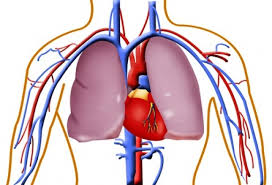
The Heart, Arteries & Veins Forms the Circulatory System: The heart pumps blood into arteries. The arteries divide and subdivide and finally end in capillaries. The capillaries later unite to form veins. The veins return blood to the heart. The arteries carry pure blood away from the heart, Veins carry De-oxygenated blood to the heart and the capillaries are minute channels receives blood from smaller arteries (arterioles) and deliver into smaller veins (venules). Blood circulation: depending on the course of blood. Circulation can be classified into: Systemic circulation. Pulmonary circulation Coronary circulation Portal circulation. Systemic circulation: it’s the blood circulation that carries oxygenated blood away from the heart, to the body, and returns deoxygenated blood back to the heart except for lungs. This circulation starts Oxygenated blood enters the left atrium from the pulmonary veins. The blood is then pumped through the mitral valve into the left ventricle. From the left ventricle, blood is pumped through the aortic valve and into the aorta, the body’s largest artery. The aorta arches and branches into major arteries and then it breaks up into smaller arteries and finally ends in capillaries. The capillaries unite to form venules which join up ultimately to form 2 large venous trunks namely superior vena cava and inferior vena cava. These 2 venous trunks open in the right atrium of the heart. Gas and nutrient exchange with the tissues occurs within the capillaries that run through the tissues. Metabolic waste and carbon dioxide diffuse out of the cell into the blood, while oxygen and glucose in the blood diffuse out of the blood and into the cell. The arterial component of systemic circulation the highest blood pressures in the body. The venous component of systemic circulation has considerably lower blood pressure in comparison, due to their distance from the heart, but contain semi-lunar valves to compensate. Systemic circulation as a whole is a higher pressure system than pulmonary circulation. Pulmonary circulation: it involves the purification of blood in lungs. It’s the circulation of the blood from the heart to the lungs for oxygenation, then back to the heart again. The Oxygen-depleted blood from the body leaves the systemic circulation when it enters the right atrium, The blood is then pumped through the tricuspid valve into the right ventricle. From the right ventricle, blood is pumped through the pulmonary valve and into the pulmonary artery. The pulmonary artery splits into the right and left pulmonary arteries and travel to each lung. The oxygenated blood then leaves the lungs through pulmonary veins, which returns it to the left atrium, completing the pulmonary circulation. Coronary Circulation: Coronary circulation involves blood supply to the heart itself, it is the circulation of blood in the blood vessels of the heart muscle. The vessels that deliver oxygen-rich blood to the myocardium are known as coronary arteries. The right and left coronary arteries arise from ascending aorta. The vessels that remove the deoxygenated blood from the heart muscle are known as cardiac veins which collect and opens into the right atrium. Portal circulation: It’s the circulation of blood through the liver. In this circulation, the portal vein carries blood that has circulated in stomach, intestine, and pancreas to liver. The portal vein divides into capillaries. These capillaries join with the capillaries of the hepatic artery. The venous blood of liver is collected by hepatic vein which joins with inferior vena cava.
Measurement of blood pressure
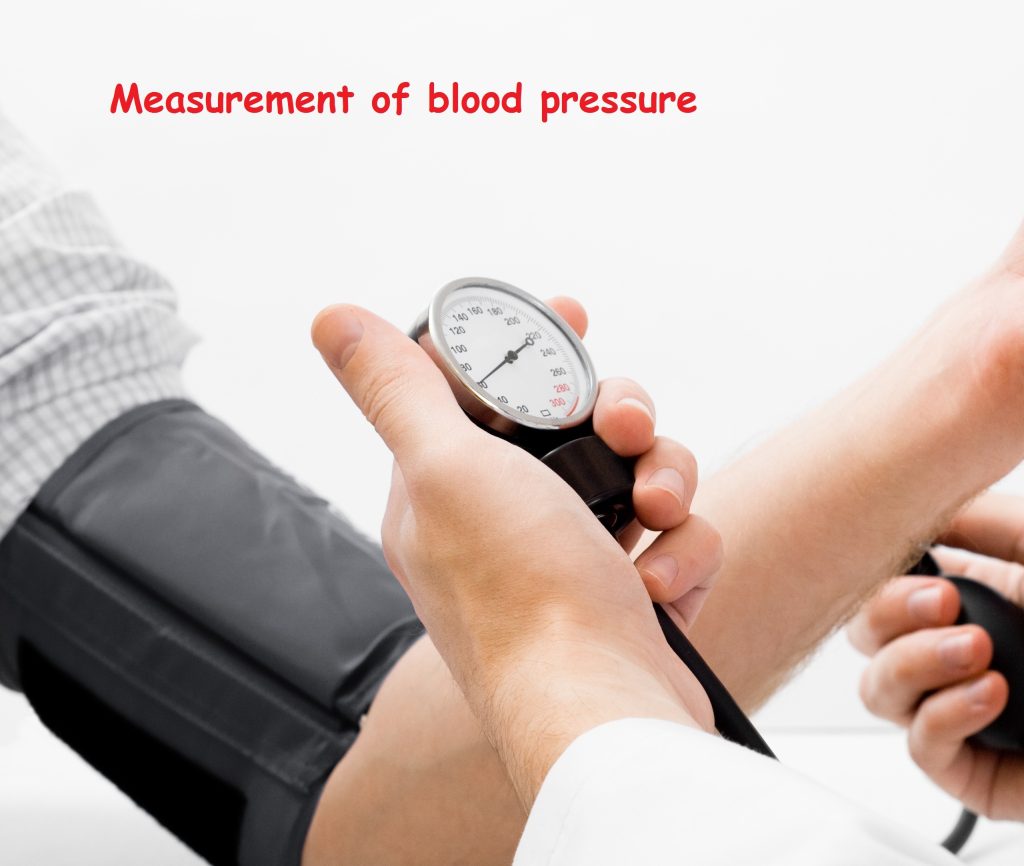
Measurement of blood pressure: Blood pressure is usually measured by an instrument called sphygmomanometer; it consists of a mercury manometer. Cuff and hand pump. The cuff is tied around the cubical fossa of the individual then the hand pump is pressed so that air is inflated in the cuff. When the cuff is fully inflated, air pressure is more than blood pressure. So blood flow in the brachial artery is completely obstructed. Now the hand pump is slowly released until the time the appearance of the first sound is heard (by means of a stethoscope put in the cubital fossa*. The manometer reading is now noted this regarding the systolic pressure. Later the hand pump is slowly released until the time that the sound becomes louder and louder. Later it stops the manometric reading is noted when the sound disappears. This reading is the diastolic blood pressure.
Unmani Avastha State

Unmani Avastha Tare jyotishi samyojya kimchidunnamayed bhruvau/ Purvayogam mano yunjannunmanikarakah kshanat// Fix the gaze on the tip of the nose and raise the eyebrows a little, within the mind contemplating, inwardly thinking of Brahma, but apparently looking outside. This will create the Unmani avastha state.