
Dhanurasana – Bow Posture
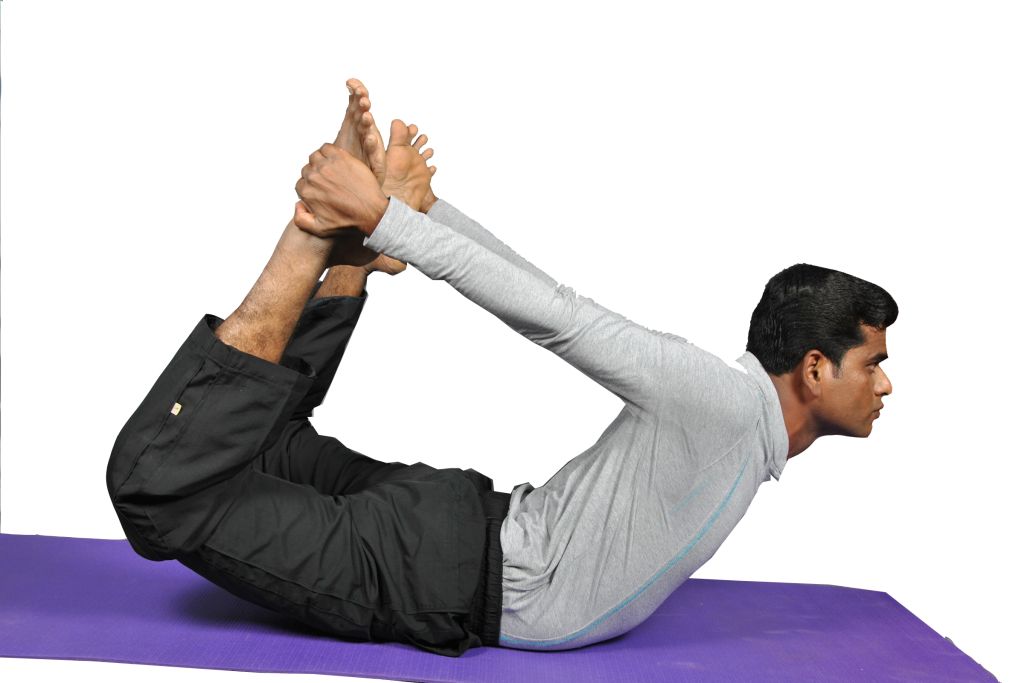
Dhanurasana – Bow Posture (dhanu – bow) Practice: Lie on prone posture called Makrasana (crocodile) relaxation posture. Now bend the knees, stretch the arms back and catch hold the right ankle with the right arm and left ankle with the left arm. Inhale, pull the legs up by pulling backward, knees off the floor and simultaneously lift head, chest, off from the floor by pulling forward. The arms straight like bow-string. Rest whole body weight on your abdomen. At beginning keep toes touching each other, knees apart. Reaching final posture bring knee and toes together. Remain in this posture for 10 to 20 seconds, breathing strongly and evenly. Exhale, release legs, return back to Makrasana (crocodile) posture. Benefits: This asana brings back elasticity to the spine and tones the abdominal organs. Good for diabetes and obesity group. Brings tremendous stamina by holding for long duration. Makes neck and arms stronger. #Yoga teacher training certification course near me #Best yoga teacher training certification courses in Bangalore #Yoga teacher training certificate course fees in Bangalore
Cakarasana – Wheel Posture
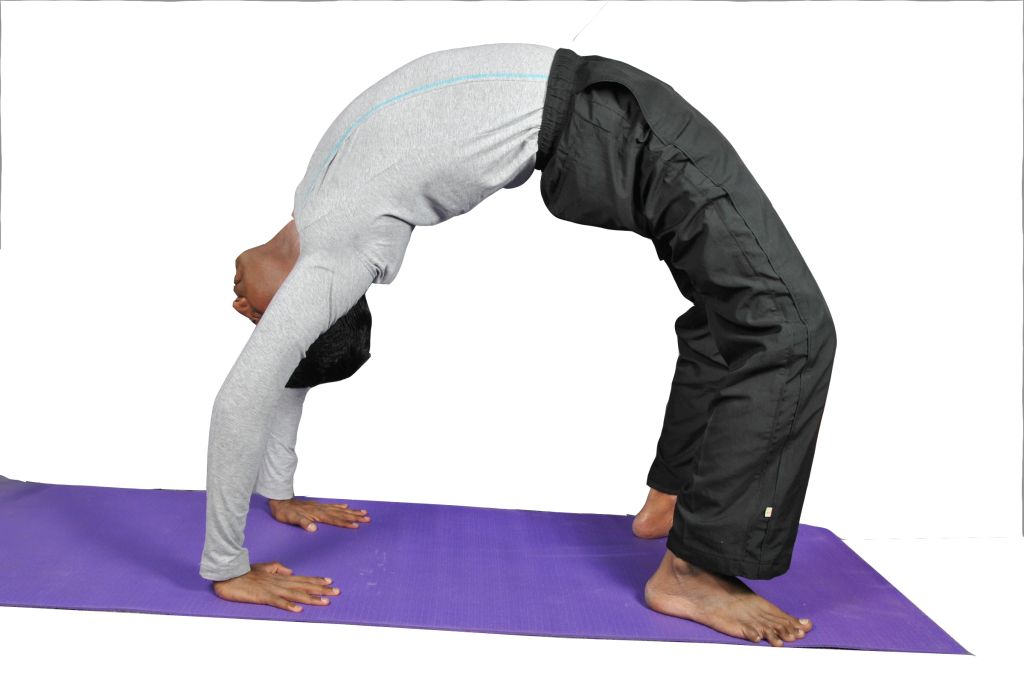
Cakarasana – Wheel Posture (cakra – wheel) Practice: Come to (Savasana) corpse posture; bring legs together foot pointing upward, arms beside thighs. Place the palms under the shoulder towards feet, elbows facing upward; bend both the knees, place heels close to butt. Inhale lift spine up, rest head on the floor. Again inhale raise head, spine, make an arch on whole body, weight bearing on palms and soles. Make elbow straight beside ears, knee straight , tighten thigh , hip , buttock muscles, open chest , shoulders, lifting towards up. Remain in this final posture for 10 to 20 second, with normal breathing at your nostrils slowly and deeply. Exhale, bend elbows, knees, and rest head on floor, then gradually spine, legs on floor, come to savasana and relax. Benefits: Stimulates and strengthen whole body from toes to head. Gives strong vigour and vitality. Effective in reducing weight faster, which slim whole body in perfect shape. Strengthen arms legs, thighs, hips and pelvic muscles. Those want strong limbs; this is a boon for them. #Yoga teacher training certification course near me #Best yoga teacher training certification courses in Bangalore #Yoga teacher training certificate course fees in Bangalore
Bhujangasana – Cobra Posture
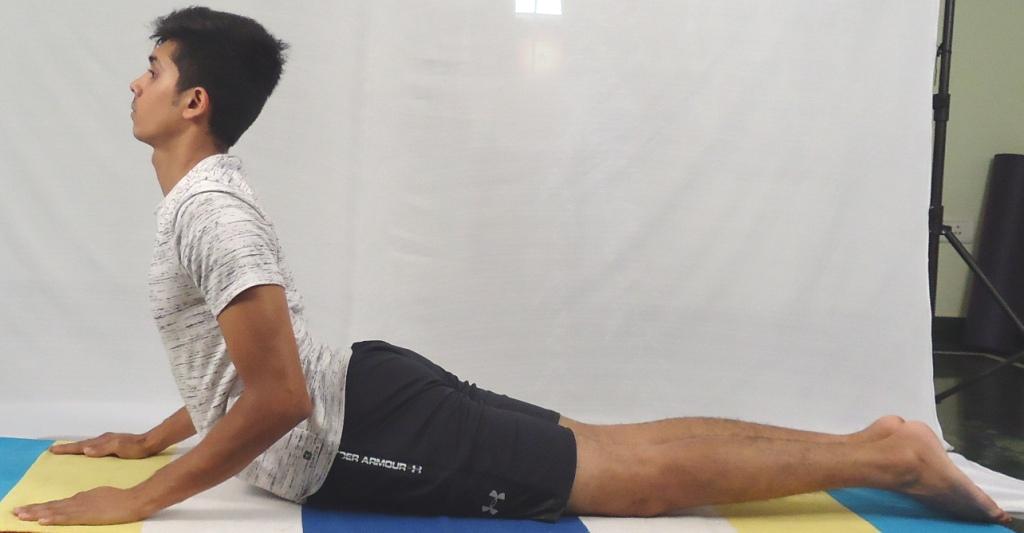
Bhujangasana – Cobra Posture (bhujanga – serpent or snake) Practice: Lie on your abdomen in prone posture. Place the palms by the side of the waist, by keeping elbow straight and locked. Inhale, lift your chin, chest, abdomen, till pelvic region. Keep the legs straight and tightened at the knees, balancing at your palms and legs. Stretch and lengthen the head neck and trunk as far back as possible. Distribute the pressure evenly at your back. Do not shrug your back open your chest and widen your shoulder. Press the tops of the feet and thighs and the pelvic region firmly into the floor. Stay in this posture for 10 to 30 seconds comfortably, breathe smoothly and slowly through nostrils. Exhale, return back to prone posture and relax it. Hold the pose anywhere from 15 to 30 seconds, breathing easily. Benefits: Strengthens the entire spinal muscles. Reduces the abdominal excessive fat. Useful in management of respiratory problems and back problems. Stretches arms, chest and lungs, shoulders, and abdomen. Firms the buttocks, hip joints and pelvic region. #Yoga teacher training certification course near me #Best yoga teacher training certification courses in Bangalore #Yoga teacher training certificate course fees in Bangalore
Balasana – Child Posture
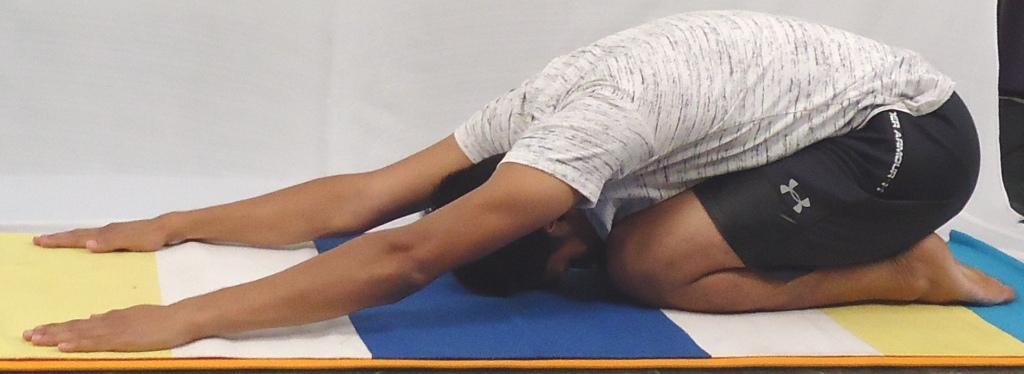
Balasana – Child Posture (bala – child) Practice: Kneel on the floor. By both your toes and knees and sit on your heels Inhale raise your both arms up, lengthen tail bone, exhale bend forward , from lower back so abdomen, chest on front of thighs, crown of head on the ground, Arms relax above your head. Keep breathing at your abdominal, it improves our breathing and reduces extreme stress levels. Balasana (child posture) is a relaxation posture. Remain in this posture till you feel refresh and rejuvenated completely. Now come up from hip region by lengthening the spine. Unfold both your knees and relax at sitting posture. Benefits: Rejuvenates all abdominal organs, cardiac and respiratory system. Reduces unnecessary which deposit at thighs and buutt region. Improves digestion. Improve flexibility of hips, thighs, and ankles. Calms the brain and helps relieve stress and fatigue. Relieves back and neck pain when done with head and spine supported Enhances blood flow to the head, stimulates the brain cells, improve the memory, and concentration level. Give flexibility to the spine, ankles and knees #Yoga teacher training certification course near me #Best yoga teacher training certification courses in Bangalore #Yoga teacher training certificate course fees in Bangalore
Ardha Chandra Asana – Half Moon Posture
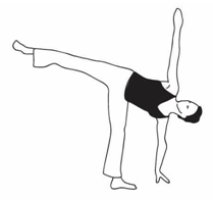
Ardha Chandra Asana – Half Moon Posture (ardha- half, Chandra – moon) Practice: Come to Tadasana, with both feet touching from the heel to the big toe, keeping the back straight and the arms pressed slightly against the sides with palms facing inward. Bring the hands together at the heart region with palms lightly pressed against each other called namaskara mudra. Inhale and raise the arms straight up keeping the palms touching each other together. Arch your body backwards keeping your arms alongside your neck, beside, ear and head, fall the head backward and stay here. Keep your knees till waist region, straight while holding posture. Stay for 10 to 20 seconds, at final posture breathing at nose normally. Exhale, return back to Tadasana and relax. Benefits: Makes the lower back flexible. Stimulates and strengthen the entire back, arms, neck muscles, chest and shoulders. Improves, respiration. #Yoga teacher training certification course near me #Best yoga teacher training certification courses in Bangalore #Yoga teacher training certificate course fees in Bangalore
Ardha Navasana – Half Boat Posture
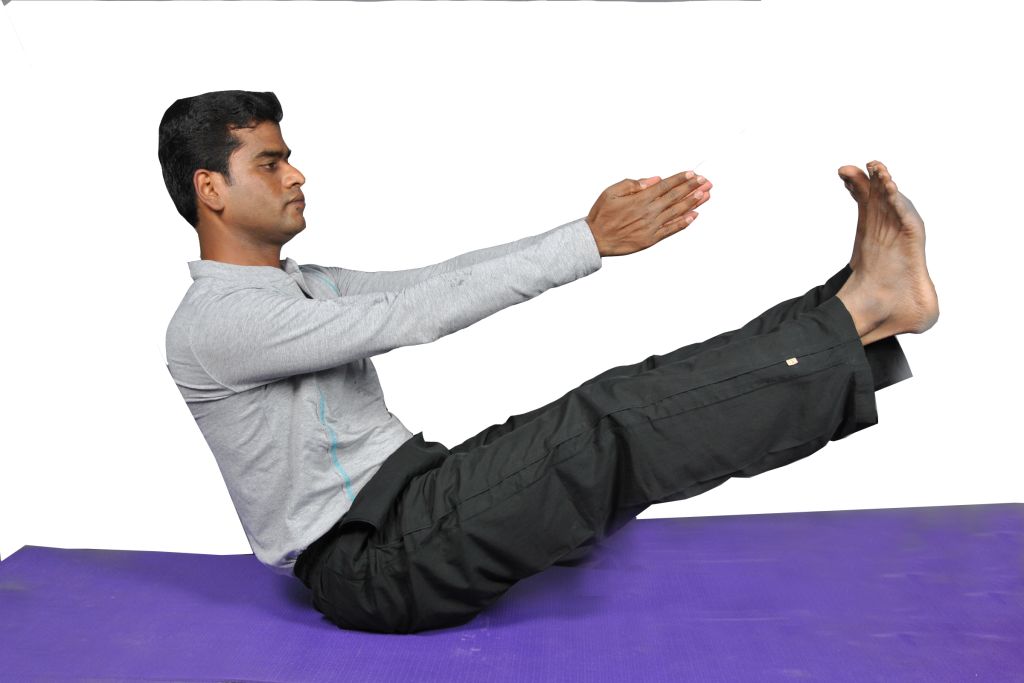
Ardha Navasana – Half Boat Posture (ardha – half, nava – boat) Practice: Come to sitting posture called Dandasana (staff pose), interlock your fingers and place it back of head. Exhale, recline the spine back and simultaneously raise your both legs at 35 degree angle. So, crown of head and toes at same level. Keep balancing at your buttocks muscles. Stay for 10 to 30 seconds, by breathing at your abdominal muscles, deeply. Do not have hunch back and keep both knees straight, by gazing at your big toes. Inhale, return back to Dandasana, and repeat one more time. Benefits: Strengthen abdominal muscles and lower back muscles. Make abdominal fat to reduce rapidly, Increases intensity of awareness and concentration. Bring balance at our body and mind level. Remove oscillation mental state. Peoples, who have weak back, will be panacea for them. #Yoga teacher training certification course near me #Best yoga teacher training certification courses in Bangalore #Yoga teacher training certificate course fees in Bangalore
Ardha Chakrasana – Half Wheel Posture
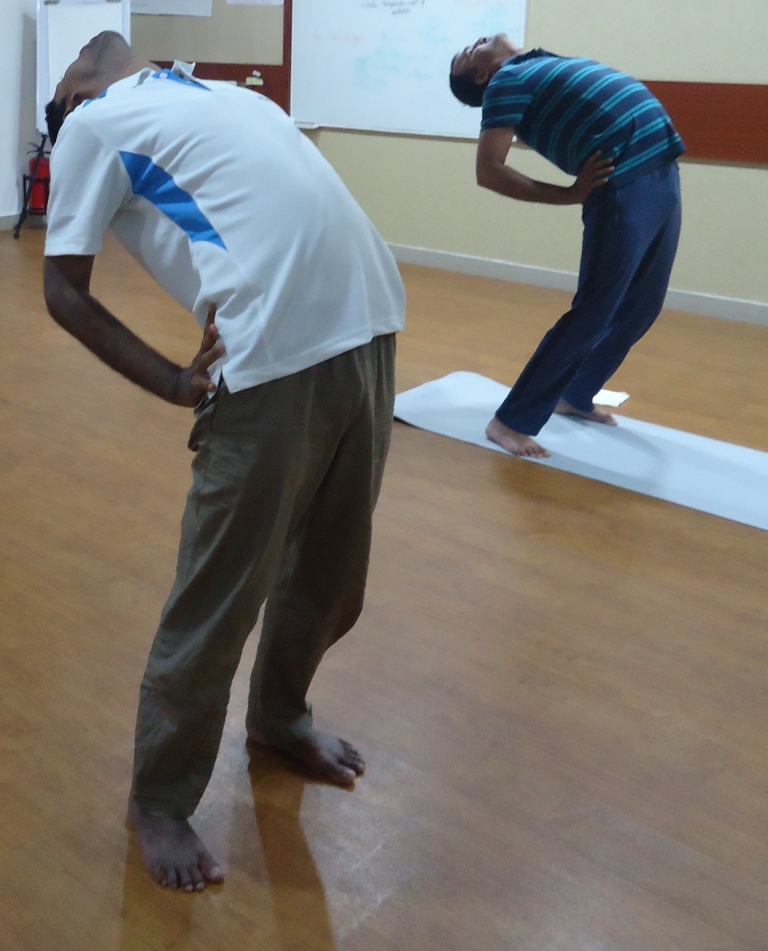
Ardha Chakrasana – Half Wheel Posture (ardha – half, cakra – wheel) Practice: Come to sanding posture called Tadasana (mountain posture) or samastithi. Support your both palms, back of hip. Exhale, by pushing hip forward and bend backwards from the sacral region. Widen chest, head backward. Stay for 10 to 20 seconds, with normal inhalation and exhalation through nostrils, by neck, shoulder and face muscles relaxed. Inhale, come up and relax. Benefits: Makes the lower back flexible. Stimulates and strengthen the entire back, neck muscles, chest and shoulders. Improves respiration. #Yoga teacher training certification course near me #Best yoga teacher training certification courses in Bangalore #Yoga teacher training certificate course fees in Bangalore
Ardha Baddha Padma Paschimottanasana – Half Bound Lotus Forward Bend
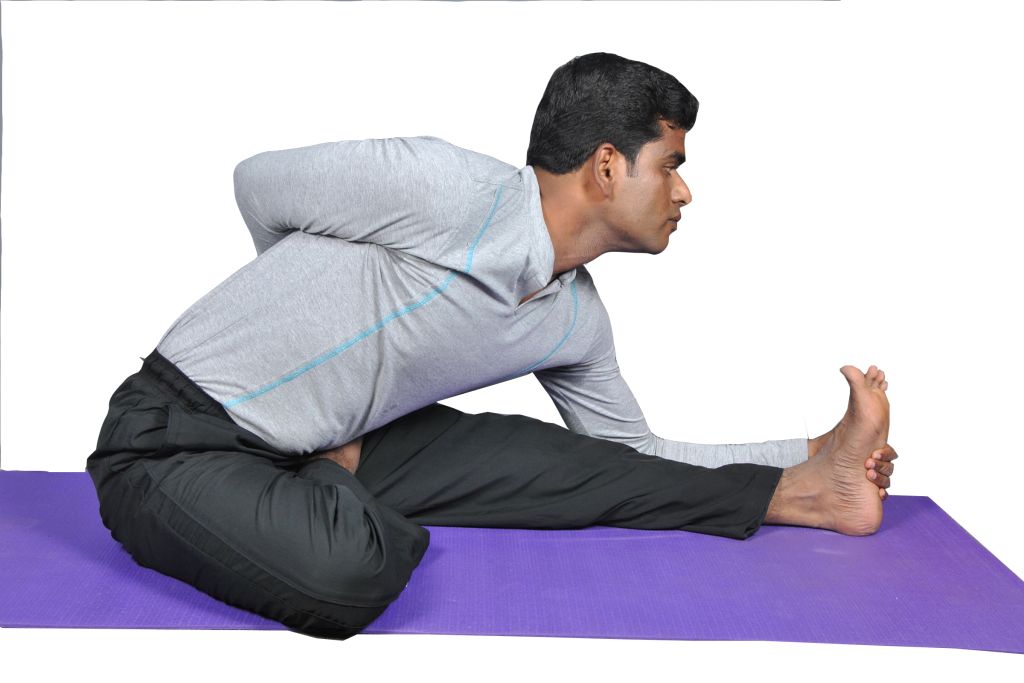
Ardha Baddha Padma Paschimottanasana – Half Bound Lotus Forward Bend (ardha – half, baddha – bound, padma – lotus) Practice: Come to sitting pose called Dandasana (staff posture) by keeping palms beside hips, inhale and raise both arms side way turn palms facing forward, now lengthen your spine. Exhale, bend forward catch hold right ankles with help of right arm, bend right leg knee place the heels on left thigh, left foot close and touching below the navel. Bring the right arm around back and catch hold the big toe, inhale come up heighten your back , exhale bend forward and catch hold left leg toe, by abdomen close to front of thighs , chin touching shin bone , bend elbows rest on ground. Remain in this posture for 10 to 30 seconds, by breathing at your nostrils very slowly. Inhale, lift head, left arm up. Release right arm and unfold right leg knee, relax for 10 to 30 seconds and repeat same at opposite side. Benefits: It gives flexible, suppleness and opens the joints called wrist elbow, shoulder, knees and ankle joints. It activates pancreas and makes insulin to function efficiently, it strengthen pelvic region , hip joints and inner deep quadriceps thigh muscles, release fatigue and tiredness of leg muscles. Melts and remove kidney or gall bladder stone. Improves digestive mechanisms. Stimulates and massages intestines, good observing of nutrients so body fuel with enough energy and eliminates the tools good for constipation. Burn abdomen fat and makes it flat. Align the body evenly at both side, balance the both right and left side of body energy level. #Yoga teacher training certification course near me #Best yoga teacher training certification courses in Bangalore #Yoga teacher training certificate course fees in Bangalore
Urdhva Mukha Svanasana – Upward-Facing Dog
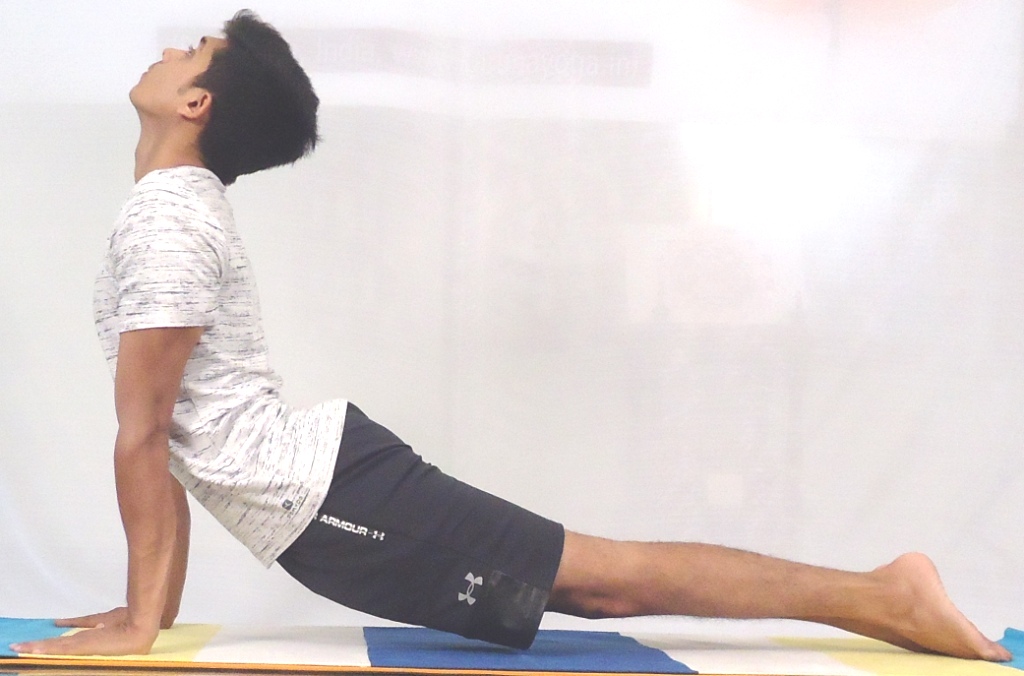
Urdhva Mukha Svanasana – Upward-Facing Dog (urdhva – upward, mukha – face, svana – dog) Practice: Lie down on stomach in Makrasana (crocodile) relaxation posture by placing back of palm over palm, throat resting over it, both feet one foot apart, heels facing each other. From Makrasana, bring your legs together palms beside chest at your last rib cage, fingers spread out little pointing forward, elbows upward and closer to each other. Inhale and gradually raise the chin, chest, abdomen, till your pelvic region. Keep the arms, legs straight and tightened at the knees, balancing at your palms and legs. Distribute the pressure evenly at your back. Do not shrug your back open your chest and widen your shoulder. Stay in this posture for around 10 to 30 seconds, by deep long breathing at your abdomen and chest region. Return back to Makrasana again and relax completely. Benefits: Strengthen respiratory system. Tones lower back and reduce lower back pain gradually. Activates thyroid gland and optimizes it is function. Deep relaxation to abdominal and pelvic region leads to increase auto – immunity. Strengthen entire spine and its muscles. #Yoga teacher training certification course near me #Best yoga teacher training certification courses in Bangalore #Yoga teacher training certificate course fees in Bangalore
Ujjayi The Victorious Breath
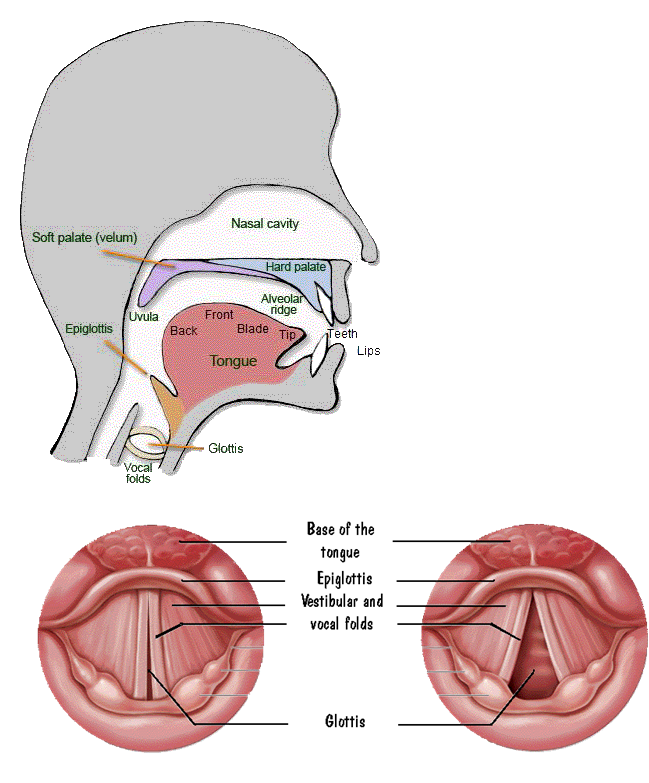
Ujjayi The Victorious Breath Breath is the fuel that feeds the internal fire, gives it life, keeps the flame going. The vital life energy, prana, is controlled by the breath. In yoga, ujjayi breathing (victorious breath) is used to enrich prana. By breathing through the nose, with the mouth closed, the breath is felt from the throat, producing a hissing sound. This sound of the breath keeps the mind focused. As the mind begins to wander, the sound of the breath keeps bringing you back home and away from the mumbling, bumbling mind. The mind becomes focused and calm as each pose flows into the next in concert with the breath. The breath is the link between body and mind. Practice Sit in a comfortable meditative pose or lie in savasana. Become aware of the natural breathing process and feel the air passing down through the windpipe. Slightly contract the region at the back of the throat as you do when you swallow. Inhale and exhale through the nose with the mouth closed. Make the inhalation and exhalation long, deep and controlled. Practice full yogic breathing and concentrate on the sound. Begin practicing for 3 minutes and progressively work your way up to 10 minutes. 2. Practice as above, but fold the tongue back so that the tip of the tongue presses the back of the soft palate on the roof of the mouth. 3. As you inhale say “sa” to yourself and as you exhale say “ha.” Repeat ten times. Inhalation and exhalation should be of equal duration, smooth and relaxed. 4. Notice your mind wandering as you practice breathing and keep bringing your mind back to the breath. 5. Focus on the exhalation. Notice where your breath normally stops. Increase the fullness of the exhalation. #Yoga teacher training certification course near me #Best yoga teacher training certification courses in Bangalore #Yoga teacher training certificate course fees in Bangalore