
Consciousness and application of respective hatha yoga practice
Consciousness and application of respective hatha yoga practice, to each layer of consciousness – mandukya upanishad. The first is the Jagratha (Walking stage, Consciousness) which is known as the Vaisvanara, in this state the individual gains experience from the external world. Vaisvanara is important for the practice of asana and pranayama as it requires the conscious experience of the external and the internal body. The second is the Swapna (Deep sleep, Subconsciousness), in this the Atma has retrieved itself into dreams away from the external world. It is withdrawal of the atman, this can toe practiced through Yoga Nidra, and Ajapa japa. The third is the Susupti (Deep Sleep, Unconsciousness), here at the desires are gone. To reach the state of Prajna, the individual should be at be to practice Dhyana or meditation, withdrawing all desires and fluctuations of mind. This will eventually lead to the knowledge of Paper consciousness and attaining it.
Relationships between chakras and endocrine glands.
Relationships between chakras and endocrine glands. Chakras interact with the physical body through two major vehicles, the endocrine system, and the nervous system. Each of the seven chakras is associated with one of the seven endocrine glands. Each of the Chakra s or has control or is responsible for particular areas of your body. The endocrine system includes a number of ductless glands that produce the hormones, acting as chemical messengers, that are secreted into the bloodstream from particular organs to stimulate or inhibit physical processes. by adjusting the hormone levels, the endocrine system works to maintain the body in a state of optimum health. The Chakras are linked with the glands responsible for creating the hormones. Unsurprisingly, the positions of the Chakra s, correspond to the positions of the glands in the endocrine system and have an effect on their functioning. The link between the Chakra s and the glands emphasises the holistic nature of health and demonstrates that you need to maintain a balance in your emotional and mental activities as well as your physical diet and exercise, as they are all deeply interrelated. Muladhara Chakra: The Root Chakra is associated with the Adrenal cortex glands. It is the centre of physical energy, grounding and self-preservation. The Root Chakra governs the track, feet, hips, spine and legs. The Root Chakra is about facing physically there and feeling at home in situations. If it is open, you feel grounded, statute and secure. Svaddhistana Chakra: The Sacral Chakra governs the sexual organs, Ovaries / Testicles, I ladder, bowel and lower intestine. This Chakra is about feeling and sexuality. When it is open, your feelings how freely and are expressed without you being over-emotional. Manipura Chakra: The Navel Chakra governs the stomach, upper intestines, upper back and upper spine. This Chakra is about asserting yourself in a group. When it is open, you feel in control and you have sufficient self-esteem. When this Chakra is under-active you tend to be passive and indecisive. Anahata Chakra: The Heart Chakra is associated with the Circulatory System and Thymes. It is the center of compassion, love and affection. The heart Chakra governs the heart, lungs, I food and circulation. As the Heart Chakra is about Love, kindness and affection when it is open, you are compassionate and friendly, you work at harmonious relationships. Vishhudi Chakra: The Throat Chakra is associated with the Respirator}* System/Thyroid hand. It is the centre for sound, communication, speech, writing and thought expression. The Throat Chakra governs the throat, thyroid, month, teeth, tongue and jaw. This Chakra is at out self-expression and taking. When it is open, you have no problems expressing yourself and you might I e doing so in a creative way. Ajna Chakra: The Third Eye Chakra is associated with the Autonomic Nervous System/Pituitary bland. It is the centre of psychic power, spirit energies, higher intuition and light. The Third Eye Chakra governs the pituitary gland, pineal gland, skull, eyes, brain, nervous system and senses. This Chakra is about insight and visualization. When it is open, you have a good intuition. You may tend to fantasize. Sahasrara chakra: The Brown chakra is associated with the central nervous system/Pineal gland. It is the centre of enlightenment, dynamic thought, truth and oneness. The Brown Chakra governs the top of the spinal cord, I rain stem, pain centre and nerves. This Chakra is about wisdom and facing one with the world. When this Chakra is open, you are unprejudiced and quite aware of the world and yourself. If it is under-active, you are not very aware spiritually.
Basic elements of Asana
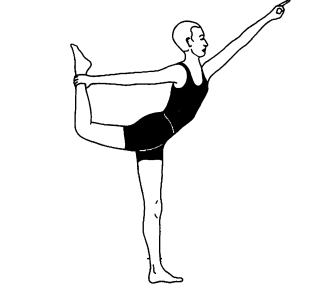
Basic elements of Asana Asanas are part of Yoga which are more related to the physical body. Asanas are a gateway towards building this connection. As Patanjali describes Asanas as sthira sukham asanam, stable and comfortable posture. The practice of Asana is more than just engaging the physical body, it is more than just coming into a pose and going out. Asanas require conscious awareness and mindfulness to keep their complete benefits. As an individual begins the practice, many asanas will not come naturally to them, and it may even feel difficult to stay for longer than 3-4 seconds. However, a mind-body connection starts to form. The mind becomes aware of the physical body feedback and a link starts to form. While repeating or practicing the same asana again, the mind is now at be to recognize one’s ability and gradually increase the hold on the posture and the body as well adjust to the stance. As this practice increases froth the physical awareness as well as the mental awareness it benefits hour physical and mental health. Especially, in the modern-day hustles, one does not always get the time to focus on themselves, their body, or their mind. The increased hassles have led people to be driven towards materialistic gains over other things. They either make time for physical improvement (exercising in the gym) or mental/ emotions (going to therapy). There is a major disconnect experienced among the youth when it comes to the mind-body relationship. The practice of Asanas can help in building that mind-body relationship needed to be more mindful in not only Asana practice but all other activities the individual might.
Pros and cons of dynamic and isometric static hatha yoga style with example.
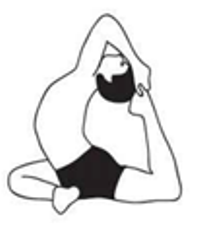
Pros and cons of dynamic and isometric static hatha yoga style with example. Dynamic Hatha Yoga: Typically done by people who are just beginning with the practice of yoga. As it is dynamic it involves a continuous flow of movement filled with energy. It is heat-producing and helps in bedding strength and flexibility. Dynamic practices aid in food circulation, tone the muscles, improve joint movement, strengthen longs building stamina, and also improve the functioning of Digestive and Excretory Systems. An exam plc of Dynamic Hatha Yoga practice is Vinyasa, Hot yoga, Surya namaskar, Asthanga Namaskara, etc. isometric Static Yoga: Typically done by higher practitioners of yoga (intermediate-advanced), it is a sub-tie practice but greatly influences the Pranic Body. It is isometric practice hence involves maintaining asana for longer periods without movement. The aim of this practice is to achieve sthira-sukha- Asanam and let the internal body heat itself reaping the benefits of the pose. It internally massages the organs improving their functioning. It builds tranquillity and calmness within individuals preparing them for the higher practice of meditation and pratyahara. The practice of Traditional Hatha Yoga Asanas by holding the asana for some time is an example of isometric Static Practice.
Concept of asana according to swami Swatmarama and Patanjali.
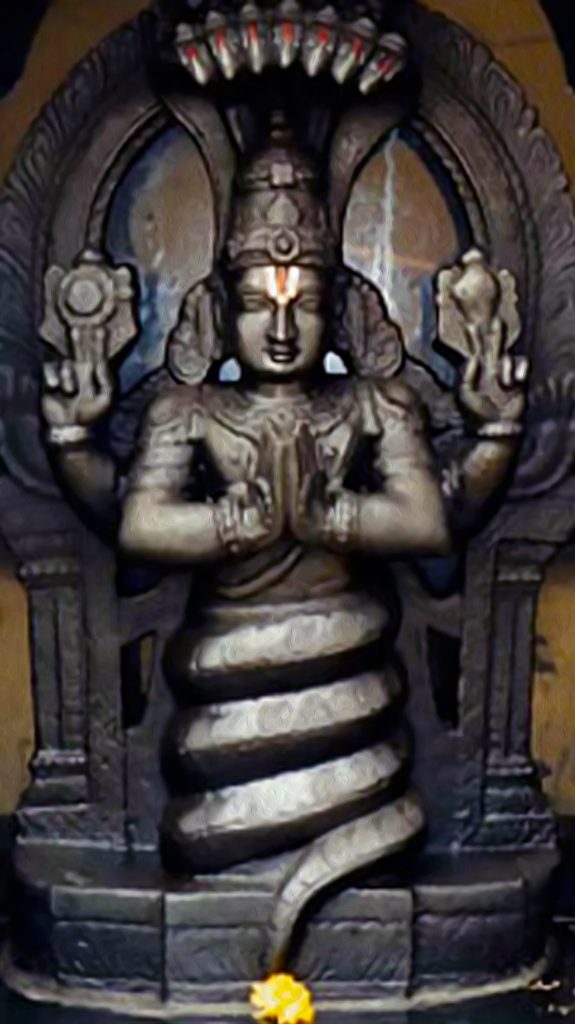
Concept of asana according to swami Swatmarama and Patanjali. Swatmarama talks about Asana as the fundamental or primary education of Yoga. Asana is believed to help with the attainment of steadiness and calmness of the mind and the body, ridding the body of mental and physical diseases and experiencing the lightness in the limbs. Asanas create the pathway for the pranic center and open the energy channels. The practice of asanas leads to higher awareness and becoming more statute in regulating the body, breath, and mind. Patanjali also talks about Asanas as a medium of facing mentally steady, calm, tranquil, and quiet. He emphasizes the notion of “ sthira- sukha- Asanam”, finding calmness, comfortableness, and steadiness in the practice of asanas. Making an effortless effort and facing content in the posture. The aim is to prepare one to be at be to comfortably hold an asana for a long period of time to be able to ultimately practice meditation.
How to implement a marketing strategy in your yoga business.
How to implement a marketing strategy in your yoga business. To build a yoga class marketing is an important tool to get people to know about your class and gain students. First, creating a wet site, including at the information at out the courses offered, teacher qualifications etc. It should also have a section for blogs. Finally, it should have contact details and social media handles. In the era of Social Media, it is first important to have a business Page on the most used apps like Instagram or Facebook. To build connections, starting with promotions of smaller pages and requesting promotions for own’s page. Can also go for paid promotions to have your page in people s feed and have more and more people engage with the page and wet site. Promotions can also be done through the word of the month, requesting people you know the spread the information or recommend the class to someone who they might know is looking for yoga classes. After gaining a few students, it is also important to receive their feedback in the public domain so more people can see and join at their will.
Cardiovascular yoga sequence
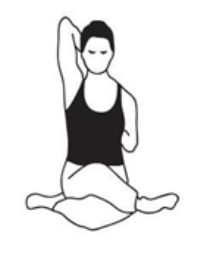
60 min practice list and sequence – cardiac problem. -Pranayama: Yogic breathing pranayama, sheetali Pranayama -Stretches: Vajrasana/ sukhasana, arms extended front stretches, arms extended side stretches, arms extended up stretches. Along with breathing -Hands track relax -Stretches: Balasana stretches, arms extended forward. Arm by the hips variation -Hands back relax -Stretches fat- cow, Bhadkona asana extended side stretches. -Standing Asanas: Tad Asana, hastha Uttanasana, low intensity Trikonna Asana, Low intensity – Low lunge (knees on the mat) -Sitting Asanas: Vajrasana, Danda asana, Gomukh asana (without leg formation then with leg formation), siddhasana -Supine Asanas: Viparita Karani -Leg raise – savasana -Cooling Pranayama: Yogic breathing pranayama, sheetali Pranayama
Yoga sequence for back pain issue, slip disc and sciatica
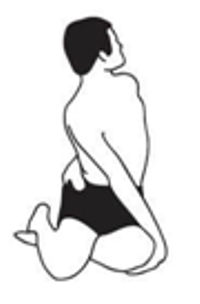
60 min practice list and sequence – back pain issue, slip disc, and sciatica. – Pranayama: Nadi Shyodhna and Anulom-vilom – Warm-up: Cat-cow, Bad asana stretch, – Standing Asanas: Tadasana, Vrikshasana, Utkatasana, ( add Uttita Trikona, Parsvakona Asana from sciatica patients, major back pain can skip or use modifications{, Warrior 1 -Sitting Asanas: Vajrasana, Ustrasna, Virasana, Gomukh asana (with legs formation for advanced, without leg formation for I beginners), Badhakona asana, Yoga Madra asana (Vyaghrasana and date Pose asana for students who have tween coming for a long time, not for beginners} – Abdomen Poses: Makrasana, Ardha Shalabh asana, halabasana, Side version leg raise, Sarpasana, Low cobra pose, (full bhujang asana for advanced{, Gupta Dhanurasana one leg variation, {Dhanurasana for advanced – Supine poses low bridge, Gupta Pawanmuktasana, Ananda Balasana – Savasana – Yogic breathing pranayama
Vinyasa yoga practice list and sequence(60 min)
60 min vinyasa yoga practice list and sequence it. both gender for the age group of 25 to 40, who does not have any physical or mental illness? – warm-up: cat-cow, balasana stretches to open the shoulders, balasana- upward dog stretch, few breaths in down dog. Standing stretches. – 2 rounds Ashtanga A with variation: Shoulder protraction and retraction in plank. – 2 rounds Ashatnaga A with Variation: Shoulder protraction and retraction in plank. + One leg -2 rounds Ashatnaga A with Variation: Shoulder protraction and retraction in plank. + One leg plank + Three-legged Downward Dog and a leg to the elbow. – 2 rounds Ashatnaga A with Variation: One leg plank + Three-legged Downward Dog and leg to the elbow. + pigeon – 2 rounds Ashatnaga A with Variation: One leg plank + Three-legged Downward Dog and a leg to the elbow + Warrior 1 to low lunge – 2 rounds Ashatnaga A with Variation: One leg plank + Three-legged Downward Dog and leg half Hanuman asana. – Supine poses: supta Pawanmuktasana, 2 sets of Bridge pose with one leg variation, Ustrasana, and jathara Parivartasana – savasana
Hatha yoga sequence(60 min)
60 min hatha yoga sequence for both gender for the age group of 25 to 40, who does not have any physical or mental illness. – Centering the class. – Chanting of Om mantra – Pranayama: Kapalbhati and Bhrastika Warm-up: Cat-cow, Bal asana stretches, Vajrasana/ Bhaddha Konnsa asana stretches, Standing stretches. – 2 rounds of Shivananda Surya Namaskara, 2 rounds of Ashtanga A, and 1 round of Ashtanga B. – Standing relaxation 1-2 minutes. Standing Asanas: Trikonna Asana, Parivritt Trikonna Asana , Parsvottanasana, Utkatasana, Utkata Konasana, and Prasarita Padottanasana. – Sitting hoses: Vajrasna, Janu Sirsasana, Parivritta Janu Sirsasana, Vakrasana, Paschimottanasana, Badhakona asana, and Upavitha Konsa asana – supine poses: Beth Bandha, Chakrasana, supta Pawanmuktasana – Ananda Balasana, jathara Parivartasana – Savasana – om Santhi Santhi santhihi