
Traditional Hatha Yoga
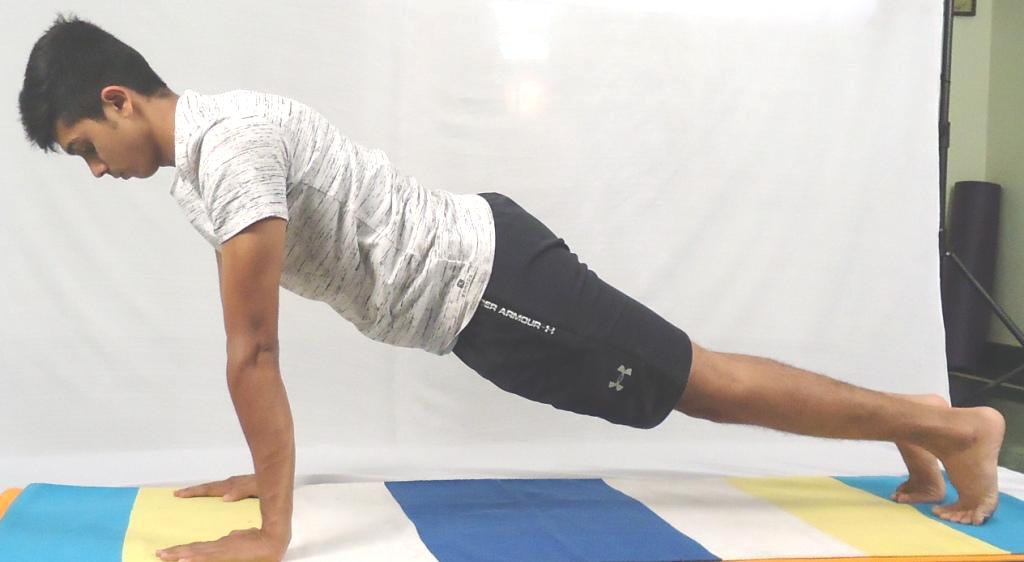
During 800 AD to 1700 AD, the followers of Patanjali Yoga gave greater importance to asanas, kriyas and pranayama for cleansing of the body and mind. This purification helped practitioners reach higher levels of practice like samadhi. This form of yoga is called Hatha Yoga. The Hatha Yoga Pradipika compiled by Yogi Swatmarama serves as a guide for every yoga aspirant. The word Hatha is a combination of two big mantras, Ha and Tha where Ha represents the mind or mental energy and Tha represents prana or the vital force. So Hatha Yoga means the union between the mental and the pranic force leading to the awakening of higher consciousness. It is the six limb yoga with the following principles: asana, pranayama, pratyahara, dharana, dhyana, samadhi. The main objective of Hatha Yoga is purification and harmonization of the body, prana and mind leading to the evolution of human consciousness. Therefore it is considered as the preliminary practice of Tantra, Raja Yoga, Kundalini Yoga and Kriya Yoga. Savasana, Padmasana, Dhanurasana are some of the asanas that serve as examples of ancient traditional Hatha Yoga. In traditional hatha yoga, kriya-asana combination is the first step supported by sattvic diet. Kriya can be Shat kriyas or any purification technique which removes the toxins from the body-mind. Kriya doesn’t necessarily mean only Shat Kriyas (six purification techniques). But every purification technique which removes the toxins from the body-mind. Therefore, you will have mantra chanting, Japa (repetition of a specific mantra), Jala neti, Trataka, Kirtans (inculcating humbleness), traditional meditation techniques for the initiation to Pratyahara, etc as part of the Hatha Yoga practice. This kind of yoga comprises a series of physical poses, called asanas, designed to cleanse the body and mind, as well as strengthen and build muscle, according to Yoga Journal. Performing Hatha yoga on a regular basis can enrich the mind, body, and soul by opening channels of energy in the body, including the spine. Sun salutations Sarvangasana Halasana Setu bandhasana Matsyasana Ardha matsyendrasana Anulom vilom pranayama Savasana
Hatha Yoga
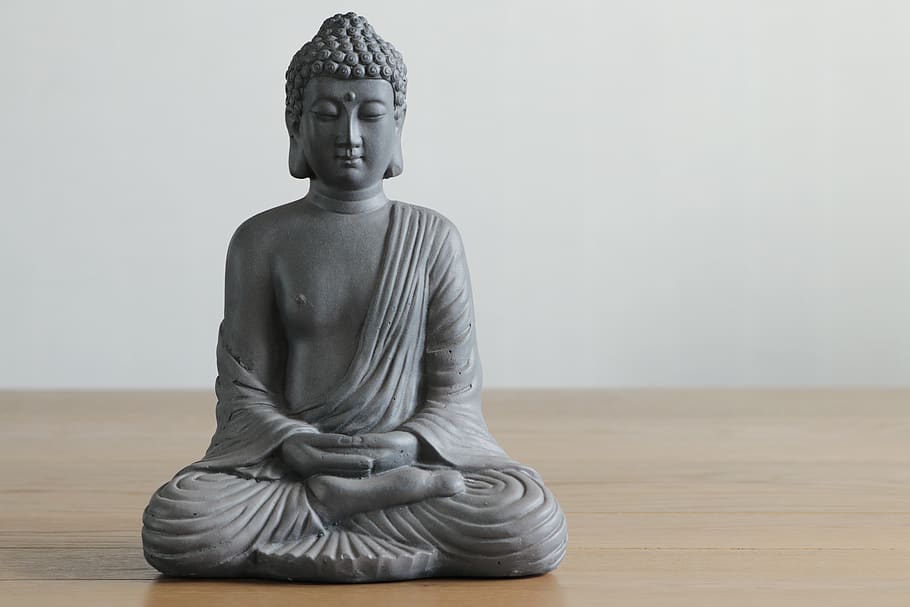
Who is the first hatha yogi In the yogic culture, Shiva is not known as the Adiyogi or the first yogi – the originator of yoga. He was the one who first put this seed into the human mind. Define hatha yoga The letter “Ha” in the term “Hatha” signifies the flow of prana breaths in the solar nadi, and the letter “Tha” signifies the flow of prana breaths in the lunar nadi. When sun and moon become one during pranayam, breath simultaneously passes through both nostrils. The pranayama sadhana is termed as Hatha yoga sadhana. Though balancing Ida and Pingala is common practice in hatha yoga, scholars of Sanskrit agree that the correct meaning of hatha is force or forceful. Hatha yoga is practiced at a slower pace, with focus on the breath, controlled movements, and stretching. Aim of hatha yoga The purpose of Hatha Yoga is relief from physical, environmental, and spiritual pain, and through the practices giving in the Hatha Yoga Pradipika, we can prepare the body for the Raja Yoga.
Samatvam yoga uchayatae
According to the Bhagavad Gita, “Samatvam Yoga Uchyate”, is the last line of verse 48, chapter 2. It translates to equanimity is called yoga or evenness is yoga In the Bhagavad Gita, Lord Krishna defines yoga as Samatvam Yoga Uchyate, which means Samatvam is Yoga. Lord Krishna explains that samatvam is a balance of mind in success and failure, gain and loss, pleasure, and pain. A yogi should be able to remain equipoised in all circumstances. That is samatvam, the yoga of equanimity, calm, and composure.
Yoga according to Patanjali
Yoga philosophy is based on the work of Maharishi Patanjali, popularly known as the ‘Patanjal Yoga Sutra’. Maharishi Patanjali has defined yoga as “Yoga chittavritti nirodhah” which means yoga is calming the fluctuations of mind or consciousness. These fluctuations are like waves rising and falling in the sea, similarly our mind keeps on stirring up different types of thoughts and emotions in the form of pleasure or sorrow. A yoga practitioner must recognize and control them through yoga. What is chitta? In Patanjali’s definition of yoga “Yoga chitta vritti nirodhah”, Vritti implies to the thoughts, feelings and emotions arising in the mind and chitta means individual consciousness which comprises of conscious, subconscious, and unconscious. Chitta is a Sanskrit word which means „consciousness‟. It refers to the mind and represents one‟s mindset or state of mind.
Principles of asana practice
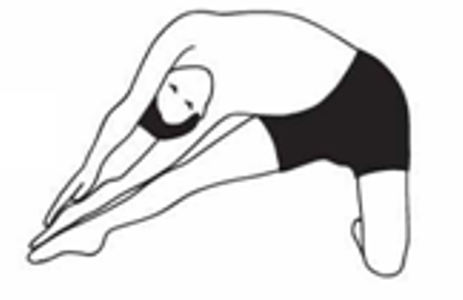
Asana forms the basis of all other yogic practices. The word ‘Asana’ is derived from ‘Asi’- to sit; these are certain special postures that help to stabilize the body and mind. Asana facilitates ease of movement and brings emotional stability to the practitioner. “Sthirasukham asanam” Asana is a posture that should be stable and comfortable. Principles of Asana: Asana should help in other yogic practices like Pranayama, Pratyahara, Dharana, Dhyana etc. to ultimately lead to Samadhi. The student should have developed correct and healthy habits of body and mind. Asana should not be viewed as mechanical skill, and it should be practiced with clear understanding of its role and importance in yogic practices. It should provide benefits such as immunity from conflicts, mastery over Pranayama, meditation, and other yogic practices. Asana should contribute towards the meditational condition on the body and physical warming up exercises have no importance in the practice of asana. Instead, prayer and mental relaxation should initiate the yoga session. Relaxation of body and mind or meditative state of mind is crucial in execution of Asana. It is not necessary to interfere with the free, relaxed flow of respiration. It is more important to maintain relaxed state at various stages of asana than mechanical repetitiveness. There shouldn’t be jerks, jumps, falls, and hurried movements in the approaching and returning phases in the performance of each asana. Neuromuscular coordination, appropriate locks and hold, ease of breathing, body balance, effortlessness, increased body-mind relaxation, tension free attitude and meditation etc. are vital than mechanical perfection. Asanas are postural patterns, and the practitioner should hold the pattern in mind and effortlessly advance towards the desired postural pattern. Asana should be performed with relaxed, normal pattern of breathing, breathing will become slow, smooth, and rhythmic on its own and the practitioner will be calmed to perform the asana thoroughly and comfortably. Breathing: Always breathe through the nose unless specified otherwise and try to co-ordinate the breath with the asana practice. Awareness: This is essential to all yoga The purpose of asana practice is to influence, integrate and harmonize all levels of being: physical, mental, emotional, pranic, psychic and spiritual. It has profound effects at every level when combined with awareness. Relaxation: Savasana can be performed at any point during asana practice, especially when feeling physically or mentally It should also be practiced on the completion of asana practice. Time of practice: Asana may be practiced at any time during the day except after The best time to practice is during Brahmamuhurta, which is two hours before sunrise as the atmosphere is pure and quiet, the stomach is empty and the mind is clear. In the evenings, two hours before sunset is also a good time. Diet: There is no specific diet to be However, it is better to eat natural food and in moderation. Vegetarian diet is not essential but is recommended at higher levels of practice. It is advised to fill half the stomach with food, one quarter with water and leave the remaining empty.
Purusharthas(human being meaning of life)
Purusharthas(human being meaning of life) Purusharthas: They are the four attainments of life. The contain the worldly values and the supreme value. The supreme value being Liberation or Moksha. The prior three values creating a path for liberation. Dharma or Virtue: it is the worldly value that can be deserted as doing the deed that benefits humanity. Artha or Wealth: It is the understanding that earning wealth is not wrong and should be done with alignment with one’ s dharma. Not facing demanding and greedy for more. Kama or Pleasure: It is the value of pleasure. It is the understanding that one can enjoy the sense of pleasure, appreciate art, music, expression, and dance. It is the pleasures that are pure and not digressed into what is considered wrong. Moksha or Emancipation: It is the ultimate value, a human need for freedom from attachment, surpassing internal fluctuations to attain eternal bliss.
Chatur Vargas (describes the four stages of life)
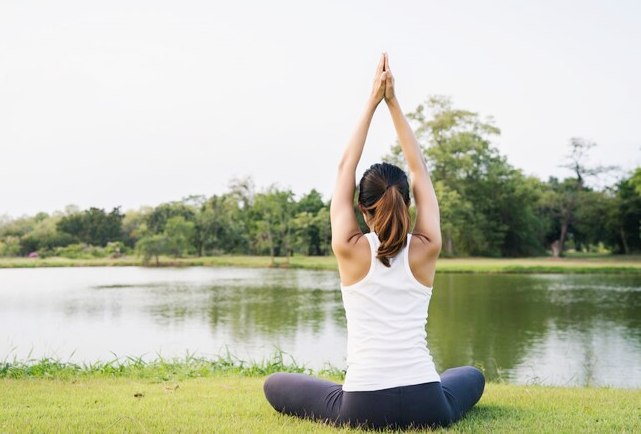
Chatur Vargas: describes the four stages of life. Brahmacharya Ashrama: From birth, till 25 years of age the individual dedicates themselves to studying and of serving celibacy. Grihastha Ashrama: From 25 to 50 years of life is the married life where the individual shares the responsibilities that come with their role in the household. During this phase the individual should perform the Pancha Maha Yajnas: Deva offerings to deva reciting vedic mantras, Rishi studying Vedas, Pitri shraddha to the departed souls and ancestors, Bhuta- distribution of food to who are in need, Atithi – honouring guests. Vanaprastha Ashrama: From 50-75 years of life is the renunciation of marital duties and involving oneself in Scripture Study and meditation to prepare oneself for the final stage of life. Some people go from the first stage to the third stage, shipping the Grihastha Ashrama. Sanyasa Ashrama: from 75 years until death is the monastic living. To live as a sannyasi letting go of all attachments, relations, friends, and egoism. Leading life to divine Mukti.
How to apply pratyahara, in our daily life, explain with example.
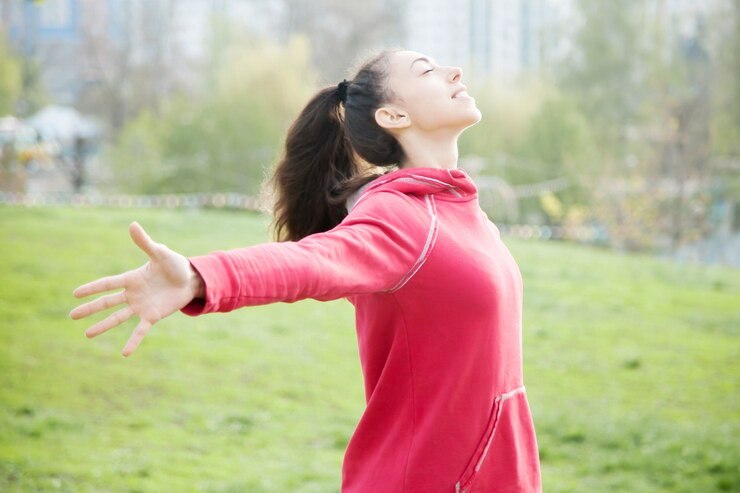
How to apply pratyahara, in our daily life, explain with an example. Pratyahara is the practice of withdrawing one’s senses from environmental influences – food, impressions & associations. This includes nourishment of one’s body with (food), the inferences and attitudes we form (impressions) and interpersonal relations (associations). It is the ultimate mastery over oneself. It is a sense of controlled detachment where one is not attaching either positive or negative emotions to the stimuli. The sensation stops are perception without forming an association. The practice of Pratyahara is especially vital when dealing with loss of any kind. Loss of a jot, a possessed material, or a loved one. Yes, it important to be affectionate and grateful of the people and the things hut it is also important to not let anything, or anyone overpower our senses. While dealing with loss of a job or a possessed material, the practice of pratyahara protects the individual from becoming pessimistic. While dealing a loss of loved ones , Pratyahara enables the individual to grieve and mourn in a healthy way, without letting the loss affect other parts of functioning and not letting it become delimitating.
Yama and niyama, for yoga teacher
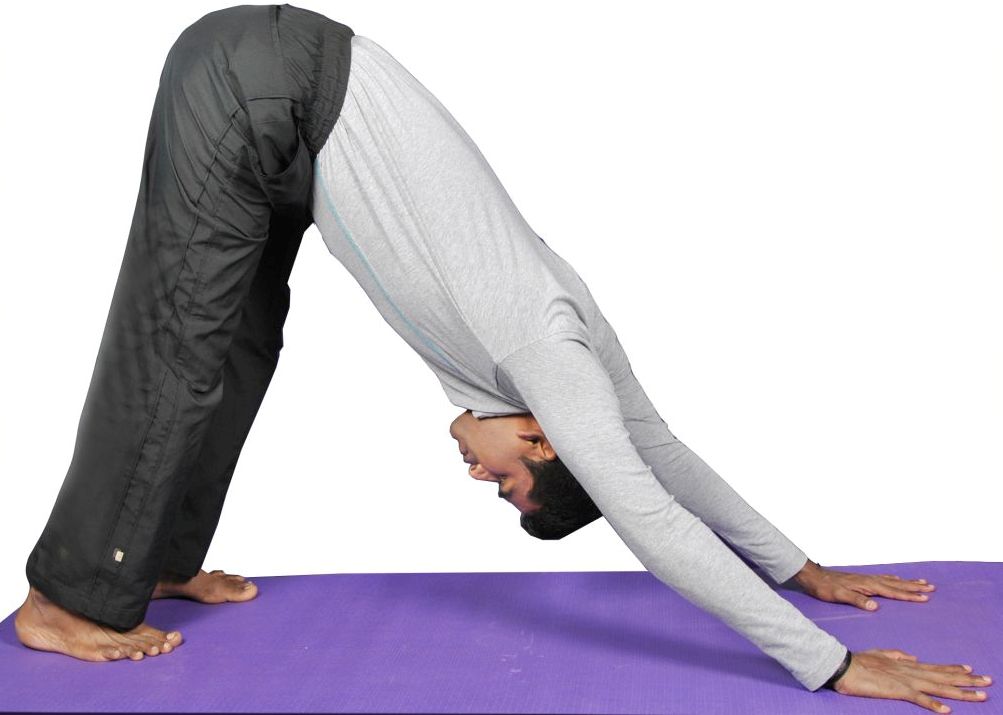
Yama and niyama, for yoga teacher The Yamas are the social Ethics which include: Ahimsa, Satya, Aparigraha, Atseya, and Bhrahamacharya. Non-violence, Truthfulness, Non- possessiveness, Non- stealing, and Abstinence. These ethics deeply correlate with the practice yoga as a teacher. As an established professional in the field, one s intention should be pure and authentic. One must not use the practice of yoga for vile practices like greed or lust. The practice of Yama helps the yoga teacher to establish a practice that is safe and healthy for the students. By practicing Non-violence, the teacher is condemning any and all sort of violence and creating a kind and warm space. by practicing Truthfulness, the teacher is practicing authenticity in the practice, only teaching things they are expert in and keeping the students from any possible harm. Through Non-possessiveness, the teacher must understand that they can be possessive of their space, their students, or the money. If they develop this possessiveness, they create a non-authentic practice environment which can in turn rain the growth of students, the space, as well as the teacher themselves. The practice of Non- Stealing ensures that the teacher is not asking for money more than that is required, in a sense, that the teacher is not looting the students. The fees should I e aligned with the type of course and classes being offered. With having a Non-stealing attitude, one understands the true value of things. Finally, Bhrahamacharya or abstinence should be practiced for the safety of the students. Many yogis in the past have used the noble practice of yoga for vile reasons staining the purity of the practice and taking advantage of their students. The Yama of Abstinence promotes a sense of self- regulation and self-control over all desires but especially sexual desires. Teachers exist for promoting growth and wellbeing in students, they should provide a safe environment for the students to Nourish. Not having self-regulation and self-control hinders the possibility of a safe environment as well as the growth of the students. This would involve not engaging in inappropriate touching, inappropriate remarks, malting innuendos, or enforcing one s beliefs on the students. The Niyamas are Personal Ethics/ Practices which include: saucha (cleanliness), santosha (contentment), tapas (self-discipline), svadhyaya (self-rejection), and ishvarapranidhana (surrender to a higher power). Practicing cleanliness is not just at out hygiene but also internal cleanliness, including here thoughts, intentions, and emotions. Practising Contentment is the practice of happiness, joy, and delight. It comes from an experience of acceptance of life, of ourselves, and of whatever life has brought as. Tapas or Self Discipline is focusing energy, creating favour, and increasing strength and confidence by willingly and gladly accepting the determination. Self-Reflection is a type of introspection which means to recollect, remember, contemplate, and meditate on the Self. It is the effort to know the Self that shines as the innermost core of your facing. Through self-rejection a teacher can grow internally become aware of their own Benefits as well as limitations and work on areas that need improvement. lshvarapranidhana, the complete surrender to the higher power or God can help a Yoga teacher become a true Yogi and follow the path of super consciousness and Bliss only enriching the teaching process and being true to the practice of yoga.
Consciousness – Vedanta view and modern psychologist view
Consciousness – Vedanta view and modern psychologist view The Vedantas or Upanishads describe four levels of consciousness: Conscious, Subconscious, Unconscious, and Super Conscious. The first is the jagratha (Waking stage, Consciousness) which is known as the Vaisvanara, in this state the individual gains experience from the external world. The second is the prajna (Deep sleep, Sub consciousness), in this the Atma has retrieved itself into dreams away from the external world. The third is the susupti (Deep Sleep, Unconsciousness), here all the desires are gone and the individual is not dreaming. It is the state of Prajna. The practice of A-kara, U-kara and M=kara is used to signify the state respectively. Combining the three (Turiya) signified by the Om-kara is the union of the atman to Brahaman moving into the final stage of conscious the Super-consciousness. The Psychoanalytical field of Psychology developed by Sigmund Freud predominantly describes three levels of consciousness. The image below describes his theory: The conscious mind consists of an individual thoughts and perceptions, this is what is immediately accessible to the individual. The Preconscious Mind consists of memories and stored knowledge. Things that are right outside the conscious awareness but can I e brought track to awareness by recall. Finally, the Unconscious Mind, it consists of all sorts of significant and disturbing material which we need to keep out of awareness because they are too threatening to acknowledge fully. These contain shameful memories, undesirable thoughts, and motives etc. While there is another phenomenon called the Subconscious Mind. The subconscious mind is often interchangeably used for the Preconscious mind. However, the subconscious mind is a secondary mind system that regulates everything in our life. It is part of our consciousness process that is not actively in focal awareness. While some theorists believe the unconscious mind is a bigger domain that consists of froth the preconscious and the unconscious mind.