
Ashtanga Vinyasa Yoga
Ashtanga Yoga is known for its set sequence of asanas, which are practiced in a specific order, and which become increasingly challenging as the practitioner progresses. The primary series consists of about 75 asanas, and the advanced series adds more difficult postures. In addition to the physical practice of asanas, Ashtanga Yoga places great emphasis on the practice of pranayama (breathing techniques), drishti (focused gaze), and bandhas (energy locks). The practice is typically taught in a Mysore-style setting, where each student practices at their own pace and receives individualized attention from the teacher. Ashtanga Yoga is considered a powerful and transformative practice, and is popular among practitioners seeking a challenging and disciplined approach to yoga. Ashtanga Vinyasa Yoga is a style of yoga practice that involves a specific sequence of postures, which are linked together through a series of flowing movements and synchronized breathing. The practice is based on the teachings of Sri K. Pattabhi Jois, who popularized Ashtanga Yoga in the Western world in the 1970s. The term “ashtanga” literally means “eight limbs” in Sanskrit, referring to the eightfold path of yoga as described in Patanjali’s Yoga Sutras. Ashtanga Vinyasa Yoga is primarily focused on the third and fourth limbs of yoga, which are asana (physical postures) and pranayama (breathing techniques). The asana practice in Ashtanga Vinyasa Yoga consists of six series of postures, each with a specific focus and level of difficulty. The first series, known as the Primary Series, is designed to purify the body and build strength and flexibility. The subsequent series, called the Intermediate Series, is focused on deeper backbends and hip openers. The later series, known as the Advanced Series, are designed for experienced practitioners and involve more challenging postures and variations. Ashtanga Vinyasa Yoga is known for its dynamic and rigorous style, with a strong emphasis on breath and movement. Each posture is linked to the breath in a flowing sequence, with a specific number of breaths assigned to each posture. The practice is typically done in a heated room to help increase flexibility and detoxification. In addition to the physical practice, Ashtanga Vinyasa Yoga also includes other components of the eightfold path of yoga, including yama (ethical principles), niyama (personal observances), and meditation. The practice is traditionally taught in a Mysore-style format, where students practice at their own pace under the guidance of a teacher. Ashtanga Yoga is a form of traditional yoga that was developed and popularized by K. Pattabhi Jois in the 20th century. It is a dynamic and physically demanding style that emphasizes synchronization of breath and movement, as well as the use of specific postures (asanas) and sequences. The term “ashtanga” comes from the Sanskrit words “ashta” (meaning eight) and “anga” (meaning limb), referring to the eight limbs of yoga as described in the Yoga Sutras of Patanjali. These eight limbs are: 1. Yama (moral restraints) 2. Niyama (observances) 3. Asana (posture) 4. Pranayama (breath control) 5. Pratyahara (withdrawal of the senses) 6. Dharana (concentration) 7. Dhyana (meditation) 8. Samadhi (union with the divine)
Anusara School of Hatha Yoga
Anusara yoga is a modern style of yoga founded in 1997 by American yoga teacher John Friend. The word “Anusara” comes from the Sanskrit language and means “to flow with grace,” “to follow your heart,” or “to be in the flow of life.” The practice of Anusara yoga emphasizes the universal principles of alignment, which aim to align the body in a way that is safe, effective, and transformative. The principles include “opening to grace,” “muscular energy,” “inner spiral,” “outer spiral,” “organic energy,” “heart opening,” and “integration.” Anusara yoga classes typically begin with a centering practice, followed by a warm-up series of poses designed to prepare the body for more challenging postures. The heart of the practice is a series of asanas (poses) that flow together in a sequence, often incorporating backbends, inversions, and arm balances. Anusara yoga also includes pranayama (breathing practices) and meditation. One of the unique aspects of Anusara yoga is its emphasis on the “Three A’s”: Attitude, Alignment, and Action. The attitude of the practice is one of positivity and celebration of life, while the alignment principles guide the practitioner to find optimal alignment in each pose. The action is about bringing the heart into every pose and allowing the practice to transform both the body and the mind. Anusara yoga is a relatively new style of yoga but has gained popularity among yoga practitioners and teachers around the world due to its focus on the principles of alignment, heart opening, and transformation.
What Is Bikram Yoga?
Bikram Yoga is a style of yoga that consists of a sequence of 26 postures and two breathing exercises. It was developed by Bikram Choudhury in the 1970s and is practiced in a heated room, typically at a temperature of 95-108°F (35-42°C) with a humidity level of 40%. The sequence of postures in Bikram Yoga is designed to work the entire body, including muscles, bones, joints, ligaments, and internal organs. The 90-minute class is structured to provide a full-body workout and to promote cardiovascular health, flexibility, strength, balance, and detoxification. The 26 postures in Bikram Yoga are performed in a specific order and are designed to be practiced in a heated room to help the body warm up and stretch more easily. The first half of the class consists of standing postures, while the second half consists of seated postures and inversions. The two breathing exercises, called Pranayama and Kapalbhati, are performed between the postures and are designed to promote deep breathing and relaxation. Bikram Yoga is often practiced by people who are looking for a challenging workout that combines physical, mental, and spiritual benefits. However, due to the high temperature and intensity of the practice, it may not be suitable for everyone, particularly those with certain health conditions.
What Is Developmental Psychology?
Developmental psychology is a subfield of psychology that focuses on the study of how individuals develop and change over their lifetime, from infancy through old age. It is concerned with examining the biological, cognitive, social, and emotional changes that occur across the lifespan, and how these changes influence behavior and interactions with the environment. Developmental psychologists study a range of topics, including language acquisition, cognitive development, socialization, personality development, emotional development, and moral reasoning. They seek to understand how individuals’ experiences, interactions, and environmental factors shape their development over time. Some of the key theories in developmental psychology include: 1. Piaget’s theory of cognitive development: This theory proposes that children go through four distinct stages of cognitive development, each marked by different abilities and ways of thinking. 2. Erikson’s theory of psychosocial development: This theory proposes that individuals go through eight distinct stages of psychosocial development, each marked by a different conflict or challenge that must be resolved in order to develop a healthy sense of self. 3. Vygotsky’s sociocultural theory: This theory proposes that cognitive development is shaped by social interactions and cultural context, and that language and communication play a crucial role in this process. 4. Bowlby’s attachment theory: This theory proposes that early experiences with caregivers shape the development of attachment styles, which in turn influence relationships and social interactions throughout the lifespan. Overall, developmental psychology seeks to understand how individuals grow and change over time, and how these changes influence behavior and interactions with the world around them.
Animal Yoga for Kids
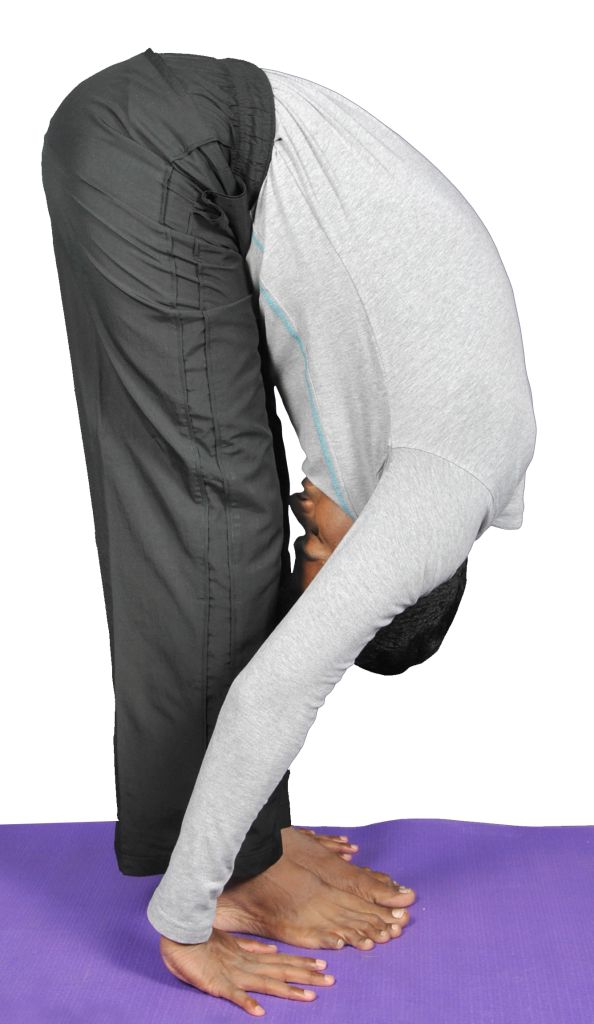
Animal yoga, also known as “zoo yoga,” “creature yoga,” or “jungle yoga,” is a form of yoga that draws inspiration from the natural movements and behaviors of animals. It is a playful and imaginative approach to yoga that uses animal poses to tap into the animal instincts within us. In animal yoga, practitioners mimic the movements and postures of animals, such as the downward dog, cat-cow stretch, cobra, lion’s pose, and many more. The goal is to connect with the animal world, find inner strength and balance, and develop a deeper sense of mindfulness and awareness. Animal yoga can be practiced by people of all ages and abilities and is especially popular among children. It is a fun and engaging way to introduce children to yoga and encourage them to explore their creativity and imagination. Animal yoga can also be a great way to reduce stress, improve flexibility, and enhance overall well-being.
What is Ananda Yoga?
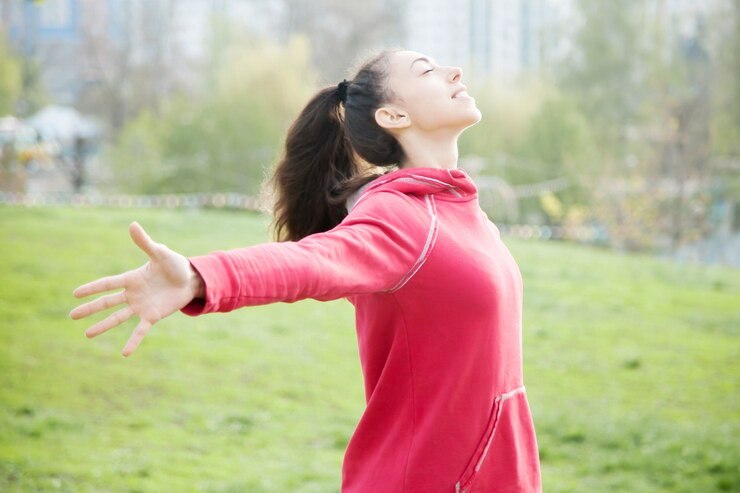
Ananda Yoga is a style of yoga that aims to harmonize the body, mind, and spirit through the integration of physical postures, pranayama (breathing exercises), meditation, and affirmations. It was developed by Swami Kriyananda, a direct disciple of Paramhansa Yogananda, who is widely known for his book Autobiography of a Yogi. Ananda Yoga emphasizes the use of silent affirmations, or positive statements, during the practice of each posture. These affirmations are intended to help practitioners deepen their awareness of the connection between their physical body and their inner self, and to cultivate a more positive outlook on life. The physical practice of Ananda Yoga is based on traditional Hatha Yoga postures, with a focus on the smooth flow of movement and breath. The practice is designed to be accessible to all levels of practitioners, with modifications offered to suit individual needs and abilities. Ananda Yoga classes typically begin with a period of centering and meditation, followed by a warm-up sequence of gentle movements and stretches. The main portion of the class consists of a sequence of standing, seated, and reclining postures, each held for several breaths. The practice ends with a period of deep relaxation, known as Savasana, and a closing meditation. Overall, Ananda Yoga aims to help practitioners experience a sense of inner peace and joy, and to deepen their connection to their true self.
What is the difference between aerobic and anaerobic exercise?
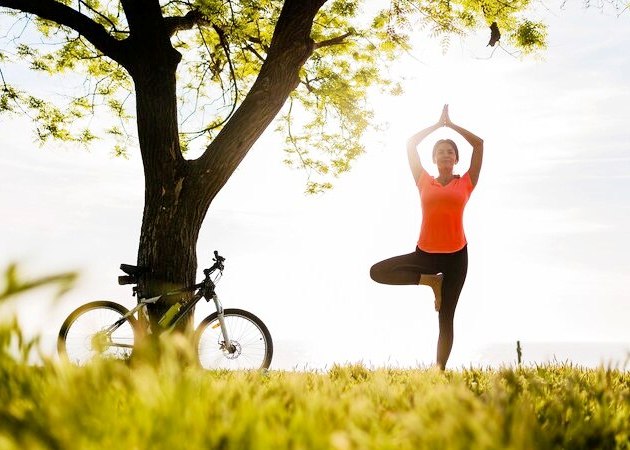
Aerobic and anaerobic exercises are two types of physical activities that differ in terms of the way they use energy in the body. Aerobic exercise is an activity that requires a steady supply of oxygen to the muscles in order to sustain physical activity over a prolonged period of time. This type of exercise typically involves rhythmic and repetitive movements that can be sustained for a long period of time without causing undue fatigue. Examples of aerobic exercises include running, cycling, swimming, dancing, and brisk walking. Anaerobic exercise, on the other hand, is a short and intense activity that does not rely on oxygen to fuel muscle contractions. This type of exercise involves high-intensity bursts of energy that can only be sustained for a short period of time before the muscles become fatigued. Examples of anaerobic exercises include weightlifting, sprinting, and jumping. During aerobic exercise, the body uses oxygen to produce energy through a process called cellular respiration. This process involves breaking down glucose and other molecules to produce ATP, which is the primary source of energy for the body’s cells. In contrast, during anaerobic exercise, the body relies on other sources of energy, such as creatine phosphate and glycogen stored in the muscles, to produce energy. Both aerobic and anaerobic exercise are important for maintaining good health and fitness. Aerobic exercise can improve cardiovascular health, help with weight loss, and reduce the risk of chronic diseases such as diabetes and heart disease. Anaerobic exercise, on the other hand, can help build muscle mass and strength, increase bone density, and improve overall physical performance.
What is Acroyoga?
Acro yoga is a type of yoga that combines acrobatics, yoga, and Thai massage. It is a partner practice that involves one person (the base) supporting another person (the flyer) in various poses and movements. The practice emphasizes trust, communication, and connection between partners. Acro yoga is often performed in groups and can involve multiple flyers and bases, making it a social and interactive form of yoga. It is a challenging practice that requires strength, flexibility, and coordination, but it can also be a lot of fun and can help build community and relationships.
Principles of Asana practice

The principles of asana, or yoga postures, are rooted in the ancient Indian text known as the Yoga Sutras of Patanjali. These principles guide practitioners to cultivate a safe, mindful, and effective asana practice. Here are some of the key principles of asana: Here are some general do’s and don’ts of asana practice: Do’s: 1. Practice under the guidance of a qualified teacher. 2. Warm up your body before starting your asana practice. 3. Listen to your body and avoid overexertion. 4. Breathe deeply and mindfully throughout your practice. 5. Stay focused and present in the moment. 6. Practice consistently to see progress over time. 7. Respect your body’s limitations and do not push beyond them. Don’ts: 1. Do not force yourself into poses that are beyond your ability. 2. Do not hold your breath or strain to achieve a pose. 3. Do not compare yourself to others in the class. 4. Do not practice on a full stomach or when feeling unwell. 5. Do not practice in a way that causes pain or discomfort. 6. Do not use props in a way that compromises your alignment or safety. 7. Do not neglect the importance of relaxation and savasana at the end of your practice. 8. Alignment: Proper alignment ensures that the body is in a safe and stable position in each pose. This helps prevent injury and allows for the correct distribution of weight and tension throughout the body. 9. Breath: The breath is an integral part of the asana practice. Practitioners are encouraged to breathe deeply and smoothly, using the breath to bring awareness to the body and to help release tension. 10. Intention: Each asana is practiced with a specific intention or focus, which helps to cultivate mindfulness and connection with the present moment. 11. Balance: Asana practice should include a balance of strength and flexibility, as well as a balance of effort and ease. Practitioners should avoid overexertion or pushing too hard, as well as excessive relaxation or lack of engagement. 12. Progression: Asana practice should be progressive, building on the foundation of simpler poses to more complex poses. Practitioners should listen to their bodies and avoid forcing themselves into poses that are not yet accessible. 13. Respect: Asana practice should be approached with a sense of respect for oneself, one’s body, and the practice itself. Practitioners should avoid comparing themselves to others or seeking validation from external sources. By following these principles, practitioners can cultivate a safe, mindful, and transformative asana practice that supports physical, mental, and spiritual well-being.
Bio-mechanics of Stretching
Biomechanics refers to the study of how the body moves and the mechanical principles that govern that movement. In the case of stretching, biomechanics is concerned with the forces and movements that occur in the body during the stretching process. When a muscle is stretched, several biomechanical factors come into play, including: 1. Elasticity: Muscles and tendons have elastic properties that allow them to stretch and return to their original shape. This is why a muscle will spring back to its original length when released from a stretch. 2. Viscoelasticity: This refers to the time-dependent properties of soft tissues. When a muscle is stretched slowly, the collagen fibers within the muscle and tendons will slowly elongate, allowing for a greater range of motion. 3. Plasticity: This refers to the ability of soft tissues to deform permanently when subjected to a prolonged stretch. Over time, regular stretching can lead to changes in the length and elasticity of muscles and tendons. 4. Muscle activation: When a muscle is stretched, the muscle spindles within the muscle are activated, sending signals to the spinal cord and brain to resist the stretch. This is known as the stretch reflex and is a protective mechanism designed to prevent injury. Overall, the biomechanics of stretching are complex and involve a variety of factors, including the type of stretch, the duration of the stretch, and the intensity of the stretch. By understanding these biomechanical principles, we can optimize our stretching routines to achieve maximum flexibility and reduce the risk of injury.