
Basic arc structure of yin yoga class
Definition of yin yoga Yin Yoga is a slow-paced, meditative style of yoga that focuses on stretching and targeting the connective tissues of the body, such as ligaments, tendons, and fascia. Unlike more dynamic styles of yoga that focus on building strength and flexibility through movement and muscular engagement, Yin Yoga involves holding passive stretches for several minutes at a time, allowing the body to relax and release tension. The practice is based on the principles of Chinese medicine and the concept of yin and yang, with the yin aspects of the body being targeted in the practice. Yin Yoga is often used as a complementary practice to more active forms of exercise and is known for its calming and grounding effects on both the body and mind. Basic arc structure of yin yoga class The basic arc structure of a yin yoga practice typically includes the following components: 1. Centering: The class begins with a centering practice, which may include some gentle movements, breathe work, or meditation to help students settle into their bodies and focus their minds. 2. Warm-up: This is followed by a gentle warm-up sequence that prepares the body for the deeper, longer holds of the yin poses. The warm-up may include movements to mobilize the joints, gentle stretches, or simple sun salutations. 3. Yin Poses: The main part of the practice consists of a series of yin poses, which are typically held for 3-5 minutes each. These poses focus on stretching the connective tissues of the body, as well as stimulating the flow of energy through the meridians. 4. Cool-down: After the yin poses, the class moves into a cool-down sequence that includes gentle stretches and movements to release any tension or tightness in the body. 5. Savasana: The practice ends with a final relaxation pose, typically savasana, where students lie down on their backs and relax completely for a few minutes. This allows the body to integrate the benefits of the practice and helps to calm the mind and reduce stress. Throughout the practice, the focus is on cultivating mindfulness, awareness, and presence in the body and mind. Students are encouraged to listen to their bodies and modify the poses as needed to suit their individual needs and limitations.
The Art of observing and adjusting asana
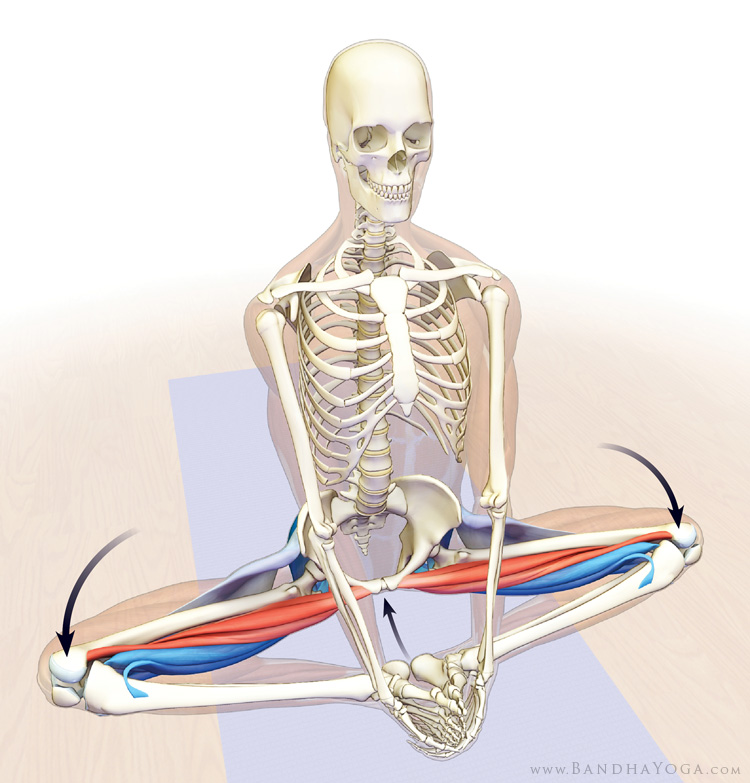
Developing practice teaching visual observation skills is essential for a yoga teacher to provide effective guidance to students. Here are some tips on how to develop these skills: 1. Practice with a mentor: Working with a mentor can provide invaluable feedback on your teaching style and help you identify areas for improvement. Ask your mentor to observe you while teaching and provide constructive criticism on your cues, sequencing, and adjustments. 2. Practice with a small group: Teaching a small group of students can help you develop observation skills as you have the opportunity to give individual feedback to each student. You can observe their alignment, breath, and overall practice and offer suggestions for improvement. 3. Develop your own practice: Cultivating a consistent personal yoga practice can help you become more familiar with the postures and transitions, which in turn will help you become more observant of your students’ practices. 4. Attend workshops and trainings: Attending workshops and trainings on teaching methodology can provide you with new teaching tools and techniques to refine your observation skills. You can learn how to cue and adjust students more effectively, and how to observe students in a non-judgmental way. 5. Film yourself teaching: Recording yourself teaching can help you observe your own teaching style and catch areas for improvement. You can also share the video with a mentor or colleague for feedback. 6. Attend classes taught by experienced teachers: Observing how experienced teachers give instructions, corrections, and adjustments to their students can be a great way to improve your own teaching skills. Take note of their verbal cues, body language, and sequencing. 7. Practice teaching with peers: Practicing teaching with your peers can help you gain confidence and refine your verbal cues and instructions. You can give each other feedback and work on improving your teaching skills together. 8. Use mirrors: Mirrors can be useful for observing students’ alignment and form during asana practice. Make sure to position yourself in a way that allows you to see everyone in the class and use the mirror to check alignment. 9. Focus on individual students: Paying attention to individual students can help you observe their progress, areas of strength, and limitations. Observe how students move, breathe, and hold poses, and use this information to give individualized feedback and guidance. 10. Record your classes: Recording your classes can be a helpful way to review your teaching and observe your students. Watch the recording and take note of areas where you can improve your verbal cues, instructions, and sequencing. In summary, developing practice teaching visual observation skills involves practice, feedback, and continuous learning. By honing these skills, you can become a more effective yoga teacher and provide better guidance to your students. By consistently practicing and refining your teaching and observation skills, you can become a more effective and confident yoga teacher.
Ethics in teaching and touching in asana adjustment

As a yoga teacher, it is important to use touch appropriately and mindfully while teaching asanas to students. Here are some guidelines on how to touch students in a safe and respectful way: 1. Always ask for permission: Before touching a student, ask for their permission. Some students may prefer not to be touched or may have injuries or medical conditions that require a specific approach. 2. Use light touch: When touching a student, use a light and gentle touch. Avoid using force or pressure, especially in sensitive areas such as the neck, back, and joints. 3. Focus on alignment: Use touch to guide a student’s alignment in a pose. Place your hands on their shoulders, hips, or other areas to gently guide them into proper alignment. 4. Respect personal space: Be aware of personal space and avoid touching students in inappropriate or uncomfortable ways. 5. Avoid touching areas that are sensitive or private: Avoid touching areas that are sensitive or private, such as the chest, groin, or buttocks. 6. Communicate clearly: When touching a student, communicate clearly about what you are doing and why. Use verbal cues to guide the student’s movement and help them understand the purpose of the touch. 7. Ask for permission: Before touching a student, ask for their permission. Some students may not be comfortable with touch, so it is important to respect their boundaries. 8. Focus on safety: When adjusting a student’s alignment or providing physical assistance, focus on safety. Only make adjustments that will help the student achieve proper alignment and avoid injury. 9. Be gentle: Use a gentle touch when adjusting students. Avoid using too much pressure or force, as this can cause discomfort or injury. 10. Avoid sensitive areas: Avoid touching sensitive areas such as the chest, stomach, or groin. Stick to adjusting the student’s limbs or back. 11. Be aware of cultural differences: Be aware that some cultures may have different attitudes towards touch. Be respectful of these differences and adjust your teaching accordingly. 12. Use language: Use language to guide students into correct alignment, rather than relying solely on touch. This will help students develop their own body awareness and avoid becoming dependent on physical adjustments. 13. Observe and listen: Observe students’ body language and listen to their verbal cues. If a student seems uncomfortable or resists your touch, stop immediately and adjust your approach. In summary, touching students should always be done with the intention of helping them achieve proper alignment and avoid injury. By following these guidelines, you can create a safe and respectful learning environment for your students. Overall, touching students during yoga classes should be done mindfully and with respect for each individual’s boundaries and needs.
What is Karuna Yoga?
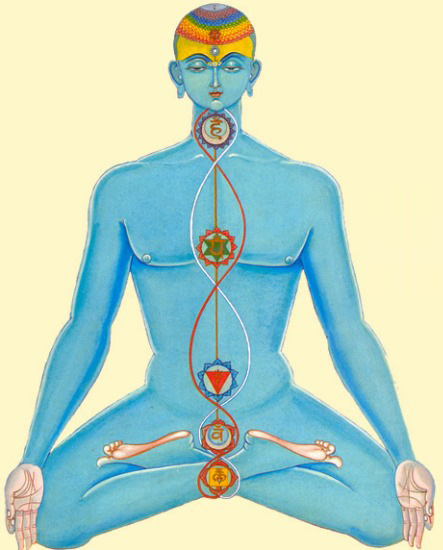
Karuna yoga is a type of yoga that combines the physical practice of Hatha yoga, involving asanas (yoga postures), pranayama (breathing practices), kriyas (internal cleansing techniques), bandhas (muscular locks and contractions), and mudras (hand gestures and seals), to greater or lesser degrees depending on the style of Hatha Yoga, with the Patanjali’s principles of Dhyana (meditation) and Samadhi (super consciousness). It is also sometimes referred to as Compassionate Yoga. Karuna is a Sanskrit word that is often translated as “compassion”, “empathy”, or “loving-kindness”. Patanjali Yoga Sutra in Samadhi Pada (1.33) • Maitri- friendliness • Karuna-compassion • Mudita-gladness • Upeksanam-indifference • Sukha-happiness • Duhkha-misery • Punya-virtue • Apunya-vice • Visayanam-of the objects • Bhavanatah-attitude • Chitta-mind • Prasadanam-purification, making peaceful In relation to happiness, misery, virtue and vice, by cultivating the attitude of friendliness, Compassion, gladness and indifference respectively, the mind becomes purified and peaceful. Karuna involves feeling empathy and compassion towards oneself and others, and is an important aspect of yoga practice. It is seen as a means of developing greater awareness and insight into the interconnectedness of all beings, and is often used as a basis for meditation and other practices aimed at cultivating a more compassionate attitude towards oneself and others. In Karuna Yoga, the principles of karuna are incorporated into the practice through the use of meditation, pranayama, and yoga postures. The aim is to cultivate greater self-compassion and compassion towards others, and to use the practice as a means of developing greater awareness and insight into one’s own thoughts and feelings.
Daily Slokas
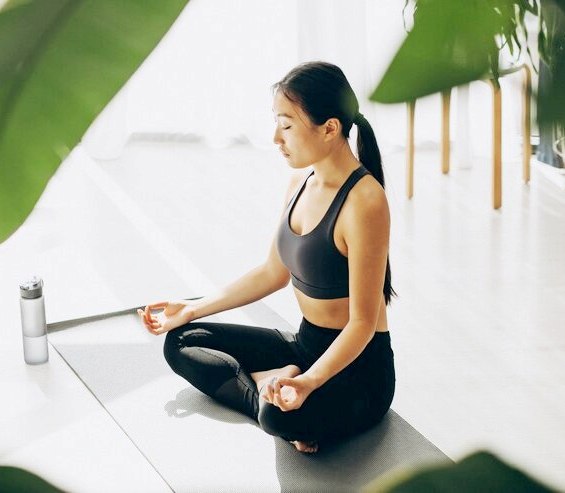
On Waking Early Morning karāgre vasate lakṣmiḥ karamadhye sarasvati . karamūle tu govindaḥ prabhāte karadarśanam . At the fore of the hands (fingers) resides Lakshmi, and at the middle (palms), Saraswathi; at the root (wrist) is seated Gauri, (so) see the palm of the hand at dawn (first). • Kara – Hand • Karaagre – Beginning of the hand; Agra=beginning • Vasate – Resides • Lakshmi – Goddess Lakshmi; deity of wealth, beauty • Kara – Madhye: In the middle of Hand (Palm); Madhya=middle • Saraswati – Goddess Saraswati; deity of Knowledge, wisdom • Kara-Moole – In the base of the hand (wrist) •Moola – base • Sthitaa – Sit/Exist • Gowri – Goddess Gowri/ Parvati; deity of Power,strength • Mangalam – Auspicious • Darshanam – Seeing Before you step on the floor samudravasane devi parvata sthana maṇḍale . viṣṇupatni namastubhyaṃ pāda sparśaṃ kṣamasvame .. O Goddess, dressed with the oceans, bedecked at the front with mountains, I bow to Thee, O consort of Vishnu, excuse my touching you with my feet. While taking a bath govindeti sadā snānaṃ goviṃdeti sadājapaṃ . govindeti sadā dhyānaṃ sadā govinda kīrtanam . Forever shall be bathing with Govinda chant, forever shall be praying with Govinda chant, forever shall be meditating with Govinda chant, forever there shall be Govinda chant. gaṅge cha yamune chaiva godāvari sarasvati . narmade sindhu kāveri jalesmin saṃnidhiṃ kuru . Ganga, Yamuna, Godavari, Saraswathi, Narmada, Sindhu, Kaveri, May all these have a holy confluence in this water. Seeing the Sun āditya hrdayaṃ puṇyaṃ sarvaśatru vināśanam jayāvahaṃ japennityaṃ akśhayyaṃ paramaṃ śivaṃ|| By Chanting the Aditya-Hridayam (the meditation of Sun in the heart ) which is very auspicious and highly beneficial, you will be victorious in battle. This holy hymn dedicated to the Sun-God will result in destroying all enemies and bring you victory and permanent happiness. oṃ bhūr bhuvaḥ svaḥ tat saviturvareṇyaṃ bhargo devasya dhīmahi dhiyo yo naḥ pracodayāt. Om, Pervading the Bhu Loka (Earth – consciousness of the physical plane), Bhuvar Loka (Antariksha – The intermediate space, consciousness of prana) and Swar Loka (Sky – Heaven, consciousness of the divine mind), That Savitur (Savitri, divine essence of the Sun) which is the most Adorable, I meditate on that divine effulgence, May that awaken our Intelligence (Spiritual Consciousness). Morning Prayers śuklāmbaradharaṃ viṣṇuṃ śaśivarṇaṃ caturbhujam . prasannavadanaṃ dhyāyet sarvavighnopaśāntaye For the pacification (and elimination ) of all obstructions pray to Vishnu who is clothed in dazzling fashion of purity, possessing the brilliance of the moon, sporting four arms, ever-happy and pleasant-faced Shuklambaradharam Vishnum • Shukla – White colored • Ambara – Sky • Dhara – wearing • Vishnu – All Pervading • Chatur – Four • Bhujam – Arms • Prasanna – Satisfied, happy, peaceful • Vadanam – Face • Dhyaayet – Meditate; (from Dhyan) • Sarva – All • Vighna – Troubles • Upashaantaye – remove, nullify, ward off Tvam eva mātā cha pitā tvam eva . Tvam eva bandhuśca sakhā tvam eva Tvam eva vidyā draviṇaṃ tvam eva . Tvam eva sarvaṃ mama deva deva . You are the mother, you are the father, you are the relative, you are the friend, you are education, you are wealth, you are everything for me, O Lord, O Lord. kāyena vāchā manaseṃdriya irvā budhyātmanā vā prakṛteḥ svabhāvāt . karomi yadyat sakalaṃ parasmai nārāyaṇāyeti samarpayāmi . Whatever I do either by body, speech, mind or sensory organs, either with my personal knowledge or natural trait, I surrender and submit all to that to supreme divine Narayana. asato mā sadgamaya tamasomā jyotir gamaya mrityormāamritam gamaya Oṁ śhānti śhānti śhāntiḥ Lead me from the unreal to the real, lead me from darkness to light, lead me from death to immortality. Before any meal Bhojana Mantra Aham vaiŚvānaro bhūtvā prāṇinām dehamāsritaḥ, Prāṇāpana sāmayuktaḥ pacāmyannam caturvidham. Annapūrṇe Sadāpūrṇe Śankara prāṇavallabhe, Jñāna vairāgya siddhyartham Bhikṣām dehi ca pārvati. Brahmārpaṇam Brahma haviḥ Brahmāgnau Brahama ṇāhutam, Brahmai vatena gantavyam Brahmakarma samādhinā. Om Śāntiḥ Śāntiḥ Śāntiḥ. Abiding in the body of living beings as Vaisvanara, associated with Prana and Apana, digest the four kinds of food. Oh mother Parvati, you are the bestower of food Annapurna, always full, the life-line of Lord Sankara; please give us both the boon of wisdom and renunciation. The oblation is Brahman, the clarified butter is Brahman, offered by Brahman in the fire of Brahman; unto Brahman verily he goes who cognizes Brahman alone in his action. Om Peace Peace Peace. Before Study sarasvati namastubhyaṃ varade kāmarūpiṇi . vidyārambhaṃ kariṣyāmi siddhirbhavatu me sadā Salutation to you, O Saraswathi, grantor of blessings and embodimentof all wishes, I am getting inducted to studies, may there be fulfilment for me forever. • Saraswati: Goddess Saraswati, deity ruling over the realm of intelligence • Namastubhyam: Salutations to you • Varade: Giver of Boons, Vara=Boon • Kama-Roopini: She who brings desires to fruition; kama=desire, roopa=form/manifestation • Vidyarambham=Beginning of Studies; Vidya=Education/ studies; Arambham=beginning • Siddhi=Accomplishment • Bhavatu=Happen/come to existence •Me – I am •Sadā – always Before an important task vakratuṇḍa mahākāya sūryakoṭi samaprabha nirvighnaṃ kuru me deva sarvakāryeṣu sarvadā O god with the twisted trunk, broad-bodied, brilliant as thousand suns, bless me with freedom from obstructions and hindrances in all my works and for all times. vakratunda mahakaya Vakra – curved Tunda – trunk Maha – great Kaya – body Surya – sun Koti – crore (10 million) Sama – equal Prabha – radiance Nir – without Vighna – trouble kuru – (please) do me – my deva – lord/ god sarva – all karyeshu – actions sarvada – all the time Before going to bed Kara charaṇa kṛtaṃ vāk kaya jaṃ karmajaṃ vā. śravaṇa nayana jaṃ vā mānasaṃ vā aparādhaṃ . vihitam avihitaṃ vā sarvam etat kṣamasva . jaya jaya karuṇā abdhe śrī mahādeva śambho. O Lord, kindly forgive all the wrong acts and omissions I have committed, whether I committed them knowingly or unknowingly, with my hands, feet, words, ears, eyes, or mind. Glory to you, Mahadeva, who is the ocean of kindness and compassion, and the cause
Number 0 to 100 counting in Sanskrit and English
Shunya – zero ekam – one dve – two trini – three chatwaari – four pancha – five shat – six saapta – seven ashta – eight naava – nine daasha – ten ekaadasha – eleven dvadaasha – twelve trayodaasha – thirteen chaturdaasha – fourteen panchdaasha – fifteen shodasha – sixteen saptadasha – seventeen ashtadaasha – eighteen navadasha – nineteen vimshatihi – twenty ekamvishatihi – twenty one dvavimshatihi – twenty two trayovimshatihi – twenty three chaturvimshatihi – twenty four panchvimshathi – twenty five shadvimshatihi – twenty six saptvimshatihi – twenty seven ashtvimshatihi – twenty eight navvimshatihi – twenty nine trimshat – thirty ektrimshat – thirty one dvatrimshat – thirty two trayatrimshat – thirty three chaturtrimshat – thirty four padmatrimshat – thirty five shattrimshat – thirty six sapttrimshat – thirty seven ashtatrimshat – thirty eight navatrimshat – thirty nine chatvaarimshat – forty ekachatvaarimshat – forty one dvichatvaarimshat- forty two trichatvaarimshat – forty three chatushchatvaarimshat – forty four panchchatvaraarimshat – forty five shaatchatvaarismshat – forty six saptachatvaarimshat – forty seven ashtachatvaarimshat – forty eight naavachatvaarimshat – forty nine paanchaashat – fifty ekpanchaashat – fifty one dvipanchaashat – fifty two tripanchaashat – fifty three chatuhupanchaashat – fifty four panchapanchaashat – fifty five shatpanchaashat – fifty six saptapanchashaat – fifty seven ashtapanchaashat – fifty eight naavapanchaashat – fifty nine shattihi – sixty ekaashtihi – sixty one dvyshtihi – sixty two tryshtihi – sixty three chaturaashtihi – sixty four panchaashtihi – sixty five shadashtihi – sixty six saptashtihi – sixty seven ashtashtihi – sixty eight navaashtihi – sixty nine saptatihi – seventy ekasaptatihi – seventy one dvisaptatihi – seventy two trisaptatihi – seventy three chatuhusaptatihi – seventy four panchasaptatihi – seventy five shatsaptatihi – seventy six saptasaptatihi – seventy seven ashtasaptatihi – seventy eight navasaptatihi – seventy nine asheetihi – eighty ekaasheetihi – eighty one dvysheetihi – eighty two tryasheetihi – eighty three chaturasheetihi – eighty four panchaasheetihi – eighty five shadasheetihi – eighty six saptaasheetihi – eighty seven ashtaasheetihi – eighty eight navasheetihi – eighty nine navatihi – ninety ekanavatihi – ninety one dvinavatihi – ninety two trinavatihi – ninety three chaturnavatihi – ninety four panchanavatihi – ninety five shannavatihi – ninety six saptanavatihi – ninety seven ashtanavatihi – ninety eight navanavatihi – ninety nine shatam – hundred
Vrischikasana (Scorpion Pose)
Vrischikasana (Scorpion Pose)
Visvamitrasana (Sage Visvamitra’s Pose)
Visvamitrasana (Sage Visvamitra’s Pose)
Vatayanasana (Horse Face Pose)
Vatayanasana (Horse Face Pose)
Utthita Hasta Padangusthasana(Extended Hand to Big Toe Pose)
Utthita Hasta Padangusthasana(Extended Hand to Big Toe Pose)