Patanjali Yoga Sutra – Sadhana Pada – Eight limbs of Yoga
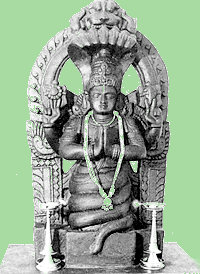
Patanjali Yoga Sutra – Sadhana Pada – Eight limbs of Yoga 2.29.Yamaniyamasanapranayamaprtayaharadharanadhyanasamadhayo’stavangani| Yama-self restraints Niyama-fixed rules Asana-postures Pranayama-breath control Pratayahara-sense withdrawl Dharana-concentration Dhyana-meditation Samadhai-samadhi Asta-eight Angani-parts Personal ethics, social ethics, postures, breath control practice, sense withdrawl from its sense objects, concentration, meditation and samadhi or supersonsciouness, constitute the eight limbs of yoga discipline. Five Self-Discipline 2.30. AhimsaSatyaAsteyaBrahmacharyaaparigraha Yamah| Ahimsa- Non-violence Satya- truthfullness Asteya- honesty Brahmacarya-sensual abstinence Aparigraha-non-acquistiveness Yamah-self-restraints Non-violence, truth, honesty, sensual abstinence, and non-possesiveness are the five self-disciplines. Following Self-Discipline is the great Path 2.31. Jatidesakalasamayanavacchinnah sarvabhauma mahavratam| Jati-class of birth Desa-country, or place Kala-time Samaya-circumstances Anavacchinnah-unconditioned Sarvabhauma-universal Mahavratam-the great discipline It can be practiced universally without exception due to birth, place, time and circumstances then yamas become great disciplines. Social-discipline for yoga practice 2.32. Sauchasantosatapahsvadhyayesvarapranidhanani niyamah| Saucha-clenaliness Santosa-contentment Tapah-austerity Svadhyaya-self-study Isvara pranidhanani-resignation to god Niyamah-fixed rules Cleanliness, contentment, austerity, self-study and self-surrender to God constitute social discipline. Path to remove mind disturbance 33. Vitarkabadhane pratipaksabhavanam| Vitarka-passions Badhane- on disturbances Pratipaksa-the opposite Bhavanam-pondering over#Yoga teacher training certificate course fees in Bangalore When the mind is disturbed by passions one should practise contemplating over their opposites nature. Qualities and characteristics of mind disturbances 2.34. Vitarka himsadayah krtakaritanumodita lobhakrodhamohapurvaka mrdumadhyadimatraduhkhajnananantaphala iti pratipaksabhavanam| Vitarka-evil passions Himsadayah-violence and others Krta-done by ones self Karita-done through others Anumodita-approved Lobha-gree#Yoga teacher training certificate course fees in Bangalore Krodha-anger Moha-confusion Purvaka-preceded by mrdu-mild madhya-moderate adhimatra-intense duhkha-pain ajnana-ignorance ananta-infinite phalah-reults iti-like that pratipaksa-opposite bhavanam-thinking Thinking of evil thoughts such as violence, whether done through oneself, through others, or approved, is caused by greed, anger and confusion. They can be mild, medium, or intense. Pratipaksha bhavana is thinking that these evil thoughts cause infinite pain and ignorance. Benefits of following Non-Violenc #Yoga teacher training certificate course fees in Bangalore 2.35. Ahimsapratisthayam tatsamnidhau vairatyagah| Ahiàsa-non-violence Pratisthayam-on being firmly established Tatsamnidhau-in its vicinity Vaira-hostility Tyagah-abandonment Those who following strongly ahimsa path, there is abandonment of hostility and enmity in his vicinity. Benefits of following Truthfulness 2.36. Satyapratisthayam kriyaphalasrayatvam| Satya-truthfulness Pratisthayam-on being firmly established Kriya-action Phala-result or fruit Asrayatvam-basis Those who following truthfullness, the actions result in fruits, entirely depending on them. Benefits of being honesty 2.37. Asteyapratisthayam sarvaratnopasthanam| Asteya-honesty Pratisthayam-on being firmly established Sarva-all Ratna-gems Upasthanam-self-presentation By being firmly established in honesty path, so all gems present with themselves. Benefits of being celibacy 2.38. Brahmacharyapratisthayam viryalabhah| Brahmacharya-sexual abstinence Pratisthayam-on being firmly established Virya-indomitable courage Labhah-gain By following celibacy, veerya is gained. #Yoga teacher training certificate course fees in Bangalore Benefits of following Non-possessiveness 2.39. Aparigrahasthairye janmakathantssambodah| Aparigraha-non-possessiveness Sthairye-on becoming steady Janma-birth Kathanta-how and from where Sambodah-knowledge On becoming stable in non-possessiveness, there arises the knowledge of how and from where birth arise. Benefits of being cleanliness #Yoga teacher training certificate course fees in Bangalore 2.40. Saucat svanga jugupsa parairasaàsargah| Saucat-from clealiness Svanga-one own body Jugupsa-indifference Paraih-with others Asamsargah-non-attachment By being cleanliness there comes indifference towards one’s own body and non-attachment to others. Control of mind through cleanliness 2.41. Satvasuddhi saumanasyaikagryendriyajayatmadarsanayogyatvani cha| Satvasuddhi-purity of internal being Sauomanasya-cheer fullness Ekagrya-one-pointedness Indriyajaya-control of senses Atmadarsana-vision of the self Yogyatvani-ftness Cha-and By the practice of mental purity one gains qualification for cheerfulness, one-pointedness, sense control and vision of the self. Benefits of being contentment #Yoga teacher training certificate course fees in Bangalore 2.42. Santosadanuttamasukhalabhah| Santosad-from contentment Anuttamah-unexcelled Sukha-pleasure Labhah-gain Infinite happiness comes from the practice of contentment. Benefits of austerities 2.43. Kayendriya siddhirasuddhiksayattapasah| Kaya-the body Indriya-sense organ Siddhi-perfection Asuddhi-impurity Ksayat-destruction Tapasah-by austerities By following austerities, impurities are eradicated and there appears perfection in the body and sense organs. Benefits of self-study #Yoga teacher training certificate course fees in Bangalore 2.44. Svadhyayadistadevatasamprayogah| Svadhyayat-by self-awareness, self-obsrvation Istadevata-the deity of choice Samprayogah-communion By self-study, union with the desired deity is brought about. Benefits of self-surrendering to God 2.45. Samadhisiddhirisvarapranidhanat| Samadhi- superconsiousness Siddhi-perfection Isvara-god Pranidhanat-self-surrender Succcess in superconsiousness comes by complete resignation to God. How should be Asana? #Yoga teacher training certificate course fees in Bangalore 2.46. Sthirasukhamasanam| Sthira-steady Sukham-comfortable Asanam-posture Steady and comfortable should be the posture. How to mastery Asana 2.47. Prayatnasaithilyananatasamapattibhyam| Prayatna-effort Saithilya-looseness Ananta-the serpent called ananta Samapattibhyam-by meditation By effortless effort and by meditation on the serpent ananta, asana is mastered. Benefits of by mastery over Asana 2.48. Tato dvandvanabhighatah| Tatah-from that Dvandva-pair of opposites Anabhighatah-no impact Thereby the pairs of opposites stop to have any impact. What is pranayama? 2.49. Tasmin sati svasaprasvasayorgativichchhedah pranayamah| Tasmin-on that Sati-having been Svasaprasvasayah-inhalation, exhalation Gati-movement#Yoga teacher training certificate course fees in Bangalore Vichchhedah-break, cessation Pranayamah-pranayama After the asana practice done, pranayama is the stopping of the movement of incoming and outcomng breath. Types of Pranayama 2.50. Bahyabhyantarastambhavrttih desakalasankhyabhih paridrsto dirghasuksmah , Bahyah-outer Abhyantara-internal Stambhavrttih-supperessed stage Desa-place Kala-time Sankhyabhih-number Paridrstah-measured Dirgha-prolonged Suksmah-subtle Pranayama is external, internal #Yoga teacher training certificate course fees in Bangalore or suspended, regulated by place, time and number and becomes prolonged and subtle. Fourth type of pranayama 2.51. Bahyabhyantaravisayaksepi chaturthah| Bahya-external Abhyantara-internal Viñaya-object Aksepi-transcending Chaturtha-fourth The fourth pranayama is that which transcends the internal and external object, called it breathless state. By practicing pranayama luminosity achieved 2.52. Tatah ksiyate prakasavaranam| Tatah-thereby Ksiyate-disappears#Yoga teacher training certificate course fees in Bangalore Prakasa-light Avaranam-covering Thereby the covering of light vanish. Pranayama for good concentration 2.53. Dharanasu cha yogyata manasah| Dharanasu-in concentartion Cha-and Yogyata-fitness Manasah-of the mind And mind becomes well qualified for concentration. Withdrawing of the mind 2.54. Svavisayasamprayoge chittasvarupanukara indriyanam pratyaharah| Sva-ones own Visaya-object Asamprayoge-not coming into contact Chitta-mind Svarupa-own form Anukara-imitating Iva-as if Indriyanam-of the senses Pratyaharah-withdrawal Pratyahara means, the imitation by #Yoga teacher training certificate course fees in Bangalore the senses of the mind by withdrawing them from their respective sense objects. Mastery over the senses by pratyahara 2.55. Tatah paramavasyatendriyanam| Tatah-thereby Parama-highest Vasyate-mastery Indriyanam-of the senses This is the highest state of mastery over the sense organs by pratyahara practice. #Yoga teacher training certificate course fees in Bangalore
Hatha Yoga Pradipika – Chapter Three: Mudra and Bandha
Hatha Yoga Pradipika – Mudra and Bandha -Ten Mudras destroy old age Mahamudra mahabandho mahavedhascha khechari/ Uddiyanam mulabandhas cha bandho jalandharabhidhah//(Chapter -3, Verse 6). Maha Mudra, Maha Bandha, Maha Vedha, Khechari, Uddiyana, Moola Bandha and Jalandhara Bandha. (Chapter -3, Verse 6). #100/200/300/500 hour Yoga teacher training India Karani viparitakhya vajroli saktichalanam/ Idam hi mudradasakam jaramarananasanam//(Chapter -3, Verse 7). Viparita Karani Mudra, Vajroli and Shakti Chalana, truly, these are the ten mudras which destroy old age and death. (Chapter -3, Verse 7). #100/200/300/500 hour Yoga teacher training India (1). Maha Mudra (The Great Attitude) Padamulena vamena yonim sampidya dakshinam/ Prasaritam padam krtva karabhyam dharayeddrdham//(Chapter -3, Verse 10). Press the left heel into the perineum or vagina, straighten the right leg, and with the hands, strongly take hold of the outstretched foot. (Chapter -3, Verse 10). #100/200/300/500 hour Yoga teacher training India Kanthe bandham samaropya dharayed vayum urdhvatah / Yatha dandahatah sarpo dandakarah prajayate//(Chapter -3, Verse 11). By locking the throat and holding the breath, the prana rises straight, just like a snake beaten with a stick becomes straight. (Chapter -3, Verse 11). Rjvibhuta tatha saktih kundali sahasa bhavet/ Tada sa maranavastha jayate dviputasraya//(Chapter -3, Verse 12). So the kundalini sakti becomes very straight at once. Then the ida and pingala nadi become lifeless as the sakti enters into the sushumna nadi. (Chapter -3, Verse 12). Tatah sanaih sanaireva rechayennaiva veghatah/ Mahamudram cha tenaiva vadanti vibudhottamāh//(Chapter -3, Verse 13). Then breathe out slowly and gradually, not quickly. Indeed this is explained as maha mudra by the great siddhas. (Chapter -3, Verse 13). (2).Maha Bandha (Great Lock) Parshnim vamasya padasya yonisthane niyojayet/ Vamorupari samsthapya dakshinam charanam tatha// Press the heel of the left foot in the perineum or vagina and place the right foot on the left thigh. (Chapter -3, Verse 19). #100/200/300/500 hour Yoga teacher training India Purayitva tato vayum hrdaye chubukam drdham/ Nishpidya yonimakunchya manomadhye niyojayet// Thus breathing in, bring the chin to the chest strenum bone, Jalandhara Bandha, constrict the perineal or cervical region as moola bandha and focus on the eyebrow center known as shambhavi mudra). (Chapter -3, Verse 20). Dharayitva yathasakti rechayedanilam sanaih / Savyangghe tu samabhyasya dakshangghe punarabhyaset// Having holding the breath as long as feeling comfortable, then breathe out slowly. Once completing the practice on the left side, practice again on the right side too.(Chapter -3, Verse 21). Matamatra tu keshamchitkanthabandham vivarjayet/ Rajadantasthajihvaya bandhah sasto bhavediti// Some of them think that the throat lock Jalandhara Bandha is unnecessary and it is sufficient to keep the tongue against the front teeth. (Chapter -3, Verse 22). #100/200/300/500 hour Yoga teacher training India Kalapasamahabandhavimochanavichakshanah/ Trivenisangghamam dhatte kedaram prapayenmanah// Maha bandha release one from the bonds of death, makes the three nadis join together in Ajna chakra and enables the mind to attain the sacred state of Shiva, Kedara. (Chapter -3, Verse 24). (3). Maha Vedha Mudra (Great Piercing Attitude) Atha mahavedhah Mahabandhasthito yogi krtva purakam ekadhih/ Vayunam ghatimavrtya nibhrtam kanthamudraya// The Hatha Yogi, in the position of Maha Bandha, should breath in, make the mind steady and hold the movement of prana by doing the throat lock. (Chapter -3, Verse 26). #100/200/300/500 hour Yoga teacher training India Samahastayugho bhumau sphichau sanadayechchanaih/ Putadvayam atikramya vayuh sphurati madhyaghah// Placing the palms of the hands on the ground, he should slowly beat the bumps gently on the ground. The prana then leaves the two nadis ida and pingala and enters into the middle channel sushumna nadi. (Chapter -3, Verse 27). Mahavedhoa yam abhyasan mahasiddhipradayakah/ Valipalitavepaghnah sevyate sadhakottamaih// This is maha vedha, and by practicing its benefited great perfections. Wrinkles, grey hair and the trembling of old age are avoidable, thus the best of practitioners devote themselves to it. (Chapter -3, Verse 29). Khecharya mudritam yena vivaram lambikordhvatah/ Na tasya ksharate binduh kaminyasleshitasya cha// Even when there is movement of the bindu and it enters the genitals, it is catched by closing the perineum and is taken upward direction. (Chapter -3, Verse 43). Sushiram jnanajanakam panchasrotah samanvitam/ Tishthate khechari mudra tasminsunye niranjane// Five nadis unite in this cavity and it is the root source of knowledge. Khechari should be established in that void, untainted by ignorance. (Chapter -3, Verse 53). (4). Uddiyana Bandha (Abdominal Retraction Lock) #100/200/300/500 hour Yoga teacher training India Atha uddiyanabandhah Baddho yena sushumnayam pranastuddiyate yatah/ Tasmad uddiyanakhyoa yam yoghibhih samudahrtah// Uddiyana bandha is so-called by the yogis because through its practice the prana (is concentrated at one point and) rises through sushumna. (Chapter -3, Verse 55). Uddinam kurute yasmadavisrantam mahakhaghah/ Uddiyanam tadeva syattatra bandho abhidhiyate// The bandha explained is called the rising or flying bandha, because through its practice, the great bird Shakti flies upward with ease and comfortably. (Chapter -3, Verse 56). #100/200/300/500 hour Yoga teacher training India Udare paschimam tanam nabherurdhvam cha karayet / Uddiyano hyasau bandho mrtyumatangghakesari// Sucking the abdomen back in and making the navel rise is called Uddiyana Bandha. It is the lion which conquers the elephant death. (Chapter -3, Verse 57). (5). Moola Bandha(perineum/cervix retraction lock) Atha mulabandhah Parshnibhaghena sampidya yonim akunchayed ghudam/ Apanam urdhvam akrshya mulabandho abhidhiyate// Pressing the perineum/vagina with the heel and contracting the rectum so that the apana vayu moves upward it’s called moola bandha. (Chapter -3, Verse 61). #100/200/300/500 hour Yoga teacher training India Adhogatim apanam va urdhvagam kurute balat/ Akunchanena tam prahur mulabandham hi yoginah// By contracting the perineum the downward moving apana vayu is forced to go upward. Hatha Yogis called it as Moola Bandha. (Chapter -3, Verse 62). Gudam parshnya tu sampidya vayumakunchayed balat/ Varam varam yatha chordhvam samayati samiranah// Press the heel strongly against the rectum and contract forcefully and repeatedly, so that the prana energy rises. (Chapter -3, Verse 63). Pranapanau nadabindu mulabandhena chaikatam/ Gatva yogasya samsiddhim yachchato natra samsayah// There is no doubt that by practicing moola bandha, prana/apana and nada/bindu are joined, and total perfection gained.64 (6). Jalandhara Bandha (throat lock) Atha jalandharabandhah Kanthamakunchya hrdaye sthapayechchibukam drdham/ Bandho jalandharakhyoayam jaramrtyuvinasakah// Contracting the throat by bringing the chin to the chest sternum bone is the bandha called Jalandhara Bandha. It
Hatha Yoga Pradipika – Food conducive for Hatha Yogic Practices

Hatha Yoga Pradipika – Food conducive for Hatha Yogic Practices Ghodhuma-sali-yava-shashtika-sobhanannam / Kshirajyakhanda-navanitasi hamadhuni// Sunthipatolakaphaladikapanchasakam / Mudghadidivyam udakam cha yamindrapathyam//(Chapter -1, Verse -62). #Yoga course Bangalore The most supporting foods for the Hatha Yogic practices are: good grains, wheat, rice, barley, milk, ghee, brown sugar, sugar candy (crystallized sugar), honey, dry ginger, patola fruit (species of cucumber), five vegetables, mung, pulses, and pure water. (Chapter -1, Verse -62). #Yoga course Bangalore Pushtam sumadhuram snighdham Gavyam dhatupraposhanam / Manobhilashitam yoghyam yogi bhojanamacharet//(Chapter -1, Verse-63). The Hatha Yogi should take nourishing and sweet food mixed with, ghee and milk; it should nourish the dhatus (basic body constituents) and be pleasing and suitable for body-mind-soul. (Chapter -1,Verse-63). #Yoga course Bangalore
Hatha Yoga Pradipika – Practice Yoga without mental tension

Practice of sadhana devoid of mental tension, according to guru’s instruction Evam vidhe mathe sthitva sarvachintavivarjitah / ghurupadishtamargena yogameva samabhyaset // (Chapter -1, Verse -14) In this way, dwelling in the hermitage, being devoid of all mental tensio ,Hatha Yoga should be practiced in the way instructed by the Guru. (Chapter -1, Verse -14). #50/100/200/300/500 hr Yoga teacher training certificate course Bangalore
Hatha Yoga Pradipika – Place for Yoga practice

Hatha Yoga Pradipika – Place for Yoga practice Surajye dharmike dese subhikshe nirupadrave / dhanuh pramanaparyantam silagnijalavarjite / Ekante mathikamadhye sthatavyam hathayogina // (Chapter -1, Verse- 12). The Hatha Yoga practitioner should live alone in a hermitage and practice in a place the length of a bow (one and a half meters), where there is no hazard from rocks, fire or water, and which is in a well-administered and virtuous kingdom (nation or town) where good alms can be easily attained, without any dificulties. (Chapter -1, Verse – 12). Alpadvaram arandhragartavivaram atyuchchanichayatam/ Samyaggomayasandraliptam amalam nihsesajantujjhitam / Bahye mandapavedikuparuchiram prakarasamveshtitam / proktam yogamathasya lakshanam idam siddhair hathabhyasibhih // (Chapter -1, Verse – 13). Hatha Yoga hermitage as prescribed by the siddhas for the Hatha Yoga practitioners. The room for spiritual practice should have a small door, without any aperture (window), holes or cracks, being neither too high nor too low. It should be spotlessly clean, wiped with cow dung and free from animals or insects. Outside, there should be an open platform with a thatched roof, a well and a surrounding wall (fence). The appearance of the hermitage should be pleasant auspicious. (Chapter -1, Verse -13). #50/100/200/300/500 hr Yoga teacher training certificate course Bangalore
Hatha Yoga Pradipika – Three types of Pain or tapas(Yoga teacher training course in India)

Three types of Pain or tapas (adhyatmik – spiritual, adhidevik – environmental and adhibhautik – physical). Aseshatapataptanam samasrayamatho hathah / aseshayogayuktanamadharakamatho hathah // (Chapter -1, Verse -10). For those continually tempered by the heat of tapas or austerities (the three types of pain – spiritual, environmental and physical) Hatha Yoga is like the hermitage giving protection from the heat. (Chapter -1, Verse -10). #50/100/200/300/500 hr Yoga teacher training certificate course Bangalore
Cultivating Awareness by Asana or Posture

Cultivating Awareness by Asana or Posture The first two members of the eightfold path, yama and niyama, strictly regulate the yogi social contacts and his personal life. This is intended to reduce the production of unwholesome volition which would only increase his stock of karma involving him further in conditioned existence. His sole goal is to eradicate completely all karma stored in his depth consciousness in the form of subliminal impressions (samskara). For this transformation of consciousness maximum quiet is called for. The yogi has to establish himself in a place where his inner work will not be interrupted by external stimuli. #200 hour Yoga teacher training certificate course in Bangalore The first step is to immobilize the body in one of the many ‘postures’ prescribed for meditative absorption in the yoga texts. The posture or asana keeps the body steady and relaxed. By withdrawing and folding together his limbs, the yogi achieves an immediate change of mood which greatly aids his single – mindedness. The history of the meditative postures reaches far back into the past. Probably the earliest depiction of as asana is on a seal found during the excavations of Mohenjo Daro in the Indus valley. It is impossible to say when and where they yogic ‘posture’ first originated. It is presumably a natural development of the crouched position so common among eastern people who generally chairs. #200 hour Yoga teacher training certificate course in Bangalore Asana meant at first only meditative seat. During the rise of Tantrism, however at first, when the body moved more into the focus of attention, the physiological side –effects of asana began to be seriously investigated. The heyday of the asana as a meditative and health – giving practice was connected with the emergence of Hatha yoga. The asana was made up into instrument for strengthening and perfecting the physical frame so that it might endure the stress of the vigorous spiritual exercises demanded in Tantrism. The description of a particular ‘posture’ in the yoga texts is often appended with the refrain tat – sarva – vyādhi – vinasakam or ‘this is the destroyer of all diseases’. Patanjali prescribes no special posture but emphasizes that it should be steady and comfortable, to cultivate awareness #200 hour Yoga teacher training certificate course in Bangalore
Yoga philosophy of Buddhism
Yoga philosophy of Budhism The Buddha was dedicated Yogi with a passion for meditative absorption, and his doctrine was primarily designed to who a concrete way out of the maze of sorrowful existence. The yoga of the Buddha comprises eight distinct members. #Yoga teacher training certificate course fees in Bangalore Samma – ditthi – right, the realization of the transiency of conditioned existence Samma sankalppa – ‘right resolve’ the threefold decision to renounce what is ephemeral, to practice benevolence and not to hurt any being. Samma vaca ‘right speech’, the abstention from idle and false talk Samma – kammanta ‘right behviour’ the proper moral conduct Samma –ajiva ‘right livelihood’ the lay followers duty to pursue an occupation which does not demand the harming of beings Samma vayama ‘right exertion, the warding off of unwholesome mental activity, chiefly by means of controlling the emotive reactions to external stimuli Samma sati – ‘right mindfulness’, the cultivation of awareness of the psychosomatic processes; Samma Samadhi – ‘right unification, the practice of certain techniques for the internalization of consciousness.#Yoga teacher training certificate course fees in Bangalore The Yogic nature of the Buddha’s path is further demonstrated by the use of such techniques as ‘Posture’ (asana) and ‘control of the life force’ (pranayama). The most commonly adopted meditational posture is the Pallanka-seat, seat, as depicted on innumerable seated. Buddha status. The texts emphasize ‘erect bodily posture’ (uju – kaya), the Buddhist technical term for ‘vital – force’ (prana) is ‘creative constituent of the body’ or Kaya –sankhara. As opposed to the Hindu schools of yoga, Buddhism does not advocate the stopping of the vital force in the form of violent breath retention. The practitioner is instead advised to follow the movement of the breath with the mind. This is a particular the application of the techniques of ‘mindfulness’ (sati). This practice, known as sati – patthana, is widely employed in modern Theravada (the oldest surviving school of Hinayana). #Yoga teacher training certificate course fees in Bangalore The yogi who has penetrated though all delusive phenomena by virtue of his single mindedness in the highest stage of jhana enters nibbana. Because the Buddha denied the notion of a continuous entity abiding with the flux of phenomenal existence, he has been accused of nihilism, but against this charge he defended himself on several occasions. Thus when emancipation is attained, it is no longer possible to say anything meaningful about the nature of the liberated ‘being – whether he is or is not. For the extinguished one there is no measure and there is nothing to define him by. When all phenomena (dharma) disappear all ways of language also cease. #Yoga teacher training certificate course fees in Bangalore
Yoga in the Mythology: Puranas
Yoga in the Puranas The Puranas are a group of sacred writings which contain a wealth of mythological, historical, philosophical, ritualistic, scientific and not least yogic traditions. Ideally a Purana – the word means ‘ancient’ –should deal with five topics: #Best100/200/300/500 hour yoga teacher training India sarga – creation pratisarga – dissolution vamsa – genealogy (of gods and saints) manvantara –description of the word – ages vamsa –anucarita – genealogy of kings Most of the important puranas deal with Yoga in a more or less detailed manner, e.g. the Visnu, Bhagavata, Markandeya, Agni, Matsya, Garuda, Siva, Bhagavata, Markandeya and the Garuda Purana. Siva Purana #Best100/200/300/500 hour yoga teacher training India The Siva purana speaks of three types of yogis who worship Siva: kriya yogi – who is engaged in sacred rites tapo yogi – who desists from hurting others and practices sense withdrawal and also performs various kinds of worship; Japa yogi – who always performs japa (recitation) and is free from all desires and maintains all the observances of the other two types as well. Japa is practised with the five syllable mantra of Siva: namah Sivaya, homage to Siva. Elsewhere in this text five divisions of yoga are mentioned: #Best100/200/300/500 hour yoga teacher training India mantra yoga – concentration on the meaning of the mantra sparsa yoga – as above plus the practice of the control of the life force (pranayama) bhava yoga – the recitation of the mantra is dropped abhava yoga – the universe is contemplated maha yoga – the nature of Siva is contemplated. Bhagavata Purana #Best100/200/300/500 hour yoga teacher training India The yoga enunciated in the Bhagavata Purana follows closely the theistic line of the Bhagavad Gita. Yoga is primarily the wholehearted contemplation of the supreme Narayana or Krsna, who is considered the supreme refuge of yoga. Krsna is depicted as outlining the method of this yoga. From this description it is evidence that this particular teaching incorporates a good deal of breathing techniques, characteristic of most tantric forms of yoga. A triple yoga is taught: jnana is valuated higher than karma which is meant for all those who have not yet acquired perfect distaste for worldly objects. #Best100/200/300/500 hour yoga teacher training India Markandeya Purana Yoga is also dealt with in the Markandeya purana which speaks in detail about the qualities of a person suitable for yoga and the environmental conditions necessary of success in its practice. The body is recognized as an important instrument for making spiritual progress. According to the text the mark of perfection in yogi is that sat in which no being fears him, nor does he fear others. The yogis are subdivided according to the predomi nance of either of the three gunas. They are also distinguished by their achievement on the path. #Best100/200/300/500 hour yoga teacher training India pratibha – stage – the yoga comprehends all the sacred scriptures and others branches of knowledge sravanda – stage – he known all the whorls and their meaning daiva – stage – he perceives everything including the deities bhrama – stage – his mind is fickle and without proper support which impedes his progress. #Best100/200/300/500 hour yoga teacher training India
Karma Yoga: Do Yoga, Be Detached

Meaning of Karma Yoga The world karma (or karma), derived from the root Kr (‘to do’), has many meanings; it signifies ‘action. Work, deed, product, effect’, and so on. The term karma–yoga is best translated with ‘yoga of unselfish and correct) action’. The starting point of this yoga is the ascertainment of the fact that life is action. Inactivity can only be a denial of life itself. Hence it cannot be a remedy to the human situation. What is required s a properly channeled activity. It is an axiom of Karma yoga that the wholesome transcendental realization is not only to be gained by a meditative withdrawal from the world, but also by an active participation in life. Both approaches are recommended in the Bhagavad-Gītā, karma yoga is extolled as superior to mere renunciation (samnyāsa). The fundamental principles of Karma yoga are aptly expressed in these verses from the Bhagavad-Gītā: #50/100/200/300/500 hr Yoga teacher training certificate course Bangalore Action and mental attitude Not by abstention from actions does a man enjoy actionlessnes (naiskarmya), nor by renunciation alone does he approach perfection. For, not even for a moment can anyone ever remain without performing action. Every (being) is unwittingly made to act by the primary – constituents (guna) born of the world ground #50/100/200/300/500 hr Yoga teacher training certificate course Bangalore This word is action – bound, save when this (is intended) as sacrifice. With that purpose (in mind), o son – of – kunti, engage in action devoid of attachment. Therefore always perform unattached the right deed, for the man who performs action without attachment obtains the supreme. Through karma yoga every action is turned into a sacrifice and hence does not defile the individual. Only selfish actions, born of ignorance, have the power to bind man to the cycle of repeated births and deaths. The ideal of Karma yoga is actionlessness in action or naiskarmya – karma. Vāsistha of Vālmīki Another important scripture expounding this yoga is the yoga – Vāsistha of Vālmīki. It favours an even more positive affirmation of mundane existence than the Bhagavad-Gītā. The yogin is invited to fully participate in the activities of his family and society. Jnana and karma are compared to the two wings of a bird. Emancipation is achieved by a harmonious development of means, knowledge and action. #50/100/200/300/500 hr Yoga teacher training certificate course Bangalore