
Kundalini at Brahmarandhra Nadi
Kundalini is to be blocked at Brahmarandhra Nadi The ultimate union and samadhi happens at sahasrara chakra. This location is at the crown of the head. The very upper portion of head is called brahmarandhra. The energy and consciousness must remain there, if they gone beyond, there is no return back to the physical body. Jnatva sushumnasadbhedam krtva vayum cha madhyagham / Sthitva sadaiva susthane brahmarandhre nirodhayet// Staying in the most conducive place, having found out how to penetrate sushumna and move the prana through the middle passage, it should be blocked in the brahmarandhra, the center of higher consciousness state.(Chapter -4, Verse 16).
Karma annihilated when prana flows Sushumna Nadi

Karmas get annihilated when prana flows in Sushumna Nadi All Karmas(actions) get annihilated when prana flows in sushumna nadi, mind remain in complete shoonya(void). Sushumnavahini prane sunye visati manase/ Tada sarvani karmani nirmulayati yogavit// When prana is moving through sushumna nadi, mind is in pure shoonya(void). Then all the karmas of the one knowing yoga are annihilated. (Chapter -4, Verse 12).
Hatha Yogi – Ghata Avastha (vessel stage)
Ghata Avastha (vessel stage) Ghata avastha (vessel stage) – Vishnu granthi is pierced the greatest bliss is revealed. Then from that emptiness the sound of the kettledrum appears. Dvitiyayam ghatikrtya vayurbhavati madhyaghah / Drdhasano bhaved yogi jnani devasamas tada// In the second stage, when ghata is reached, the Shakti moves into the middle nadi. Being remain in his asana the wise Hatha Yogi is comparable to a divine being. (Chapter -4, Verse 72). Vishnughranthes tato bhedat paramanandasuchakah / Atisunye vimardas cha bherisabdas tada bhavet// When the Vishnu granthi is pierced the greatest bliss is revealed. Then from that emptiness the sound of the kettledrum appears. (Chapter -4, Verse 73).
Prana and Mind end in Samadhi state
Ending of Prana and Mind in Samadhi state Ending of Prana and Mind in Samadhi state – Activities of prana is annihilated, then mind is reabsorbed in samadhi. Yada samkshiyate prano manasam cha praliyate/ Tada samarasatvam cha samadhir abhidhiyate// When the activities of Prana are totally annihilated, then mind is reabsorbed in samadhi state achieved. (Chapter -4, Verse 6). Individual soul merge with universal soul, all desires eliminated When Jivatma unites with Paramatma, desires are eliminated Tatsamam cha dvayoraikyam jivatmaparamatmanoh / Pranashtasarvasangkalpah samadhih so abhidhiyate// When the twofold characteristics of the individual soul and cosmic soul become one, all desires are eliminated and that state is called samadhi. (Chapter -4, Verse 7).
Factors affecting blood pressure
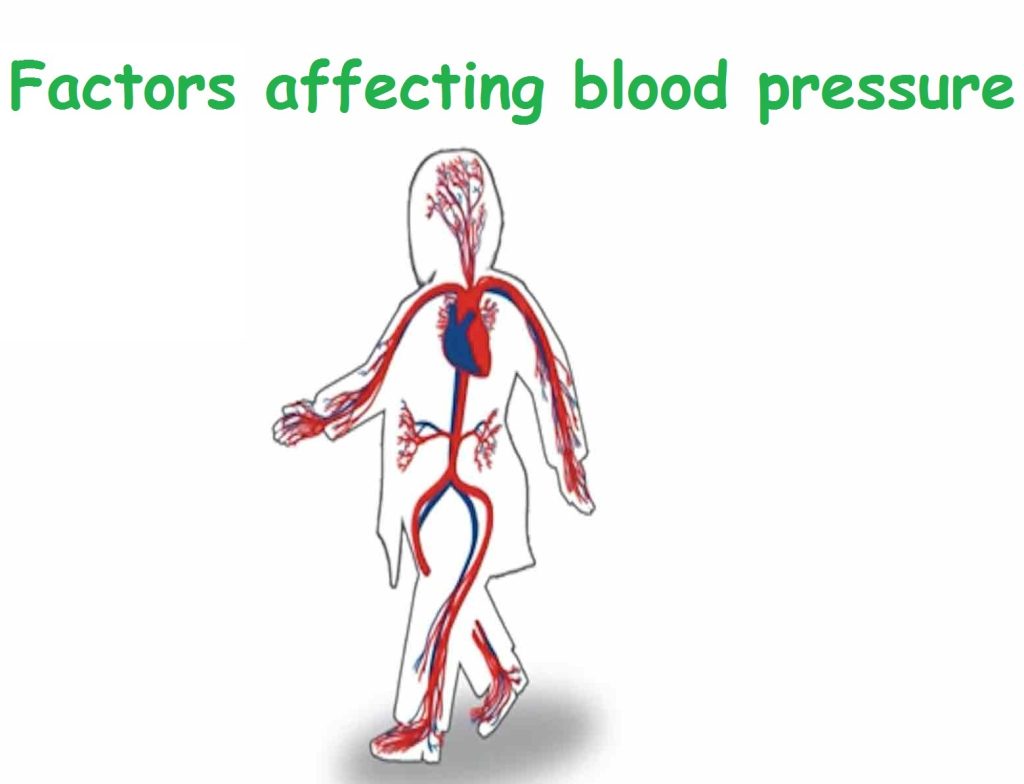
Factors affecting blood pressure: Blood volume. Cardiac output Peripheral resistance. The elasticity of blood vessels. The diameter of the lumen of blood vessels. The viscosity of blood. Blood volume: it’s the total amount of blood in circulation. A sufficient amount of blood in blood vessels is necessary to maintain normal blood pressure loss of blood as in hemorrhage produces a fall in blood pressure. Cardiac output is the quantity of blood pumped by the heart in one minute. It’s the product of stroke volume and the heart rate. An increase in stroke volume increases systolic blood pressure. An increase in cardiac output increases both systolic and diastolic blood pressure. Peripheral resistance: is the resistance offered by blood vessels for the flow of blood. Resistance is offered mainly by small blood vessels, especially arterioles. Elasticity of the arterial walls distends the aorta when the ventricle contracts. The elastic recoils when the ventricle relaxes. This recoiled pushes the blood onwards. The decrease in elasticity as in atheroma produces a rise in blood pressure. 50 The diameter of the lumen of blood vessels: can be altered, narrowing of the lumen increases the resistance to blood flow and this increases blood resistance to blood flow and this increases blood pressure. Enlargement of the lumen has the opposite effect. The viscosity of blood: it’s the blood stickiness. The viscosity of blood spends on plasma, plasma proteins and number of the red blood cells. An increase in viscosity increases blood pressure.
Concentration on nada erase ‘bad karma’
Concentration on nada burns ‘bad karma’ Concentration on nada burns ‘bad karma’ – Bad karma’(sin) is destroyed by constant concentration on nada. The finite mind and prana dissolve into the spotless niranjana. Sada nadanusandhanat kshiyante papasamchayah/ Niranjane viliyete niśchitam chittamarutau// Sin is eliminated by constant concentration on nada or sound. The finite mind and prana dissolve into the spotless niranjana state. (Chapter -4, Verse 105).
Chitta: Vasana and Prana
Chitta has two qualities: vasana and prana Hetudvayam tu chittasya vasana cha samiranah / Tayorvinashta ekasmintau dvavapi vinasyatah// Chitta has two qualities, vasana and prana. When one of the two is eliminated or deactivated the other also will become inertia. (Chapter -4, Verse 22).
Hatha Yogi-Arambha Avastha (beginning stage)
Arambha Avastha (beginning stage) Arambha avastha (beginning stage) – When the Hatha Yogi experiences arambha in the void of the heart, his body becomes lustrous and brilliant with a divine smell and disease less. Brahmaghranther bhaved bhedad anandah sunyasambhavah/ Vichitrah kvanako dehe anahatah sruyate dhvanih// The Brahma granthi being pierced, the feeling of bliss arises from the nothingness; wondrous, tinkling sounds and the spontaneous sound anahata are heard within the body. (Chapter -4, Verse 70). Divyadehas cha tejasvi divyaghandhas tvaroghavan/ Sampurnahrdayah sunya arambhe yogavan bhavet// When the Hatha Yogi feels arambha in the void of the heart, his body becomes lustrous and brilliant with a divine smell and diseaseless. (Chapter -4, Verse 71).
Disorders of Heart
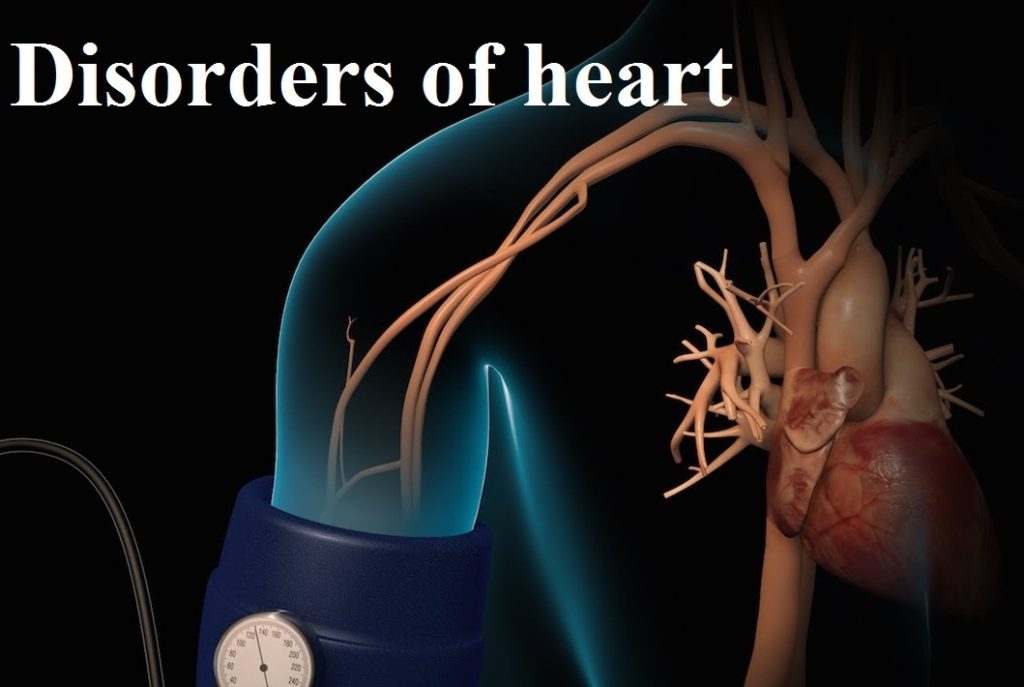
Disorders of Heart Cardiac failure: It’s a condition in which the myocardium of ventricle is unable to maintain sufficient circulation of blood to meet the needs of the body. Depending on onset it may be classified into: 1- Acute failure: when it’s sudden. 2- Chronic failure: when it’s gradual. Stenosis of valves: it’s the narrowing of the valves of the heart. In this condition, the edges of the cusps of the valves become rough. So they stick together and narrow the valvular opening. The incompetence of valves: it’s a functional defect caused by the failure of the valve to close completely. This allows blood to flow back into the ventricle when it relaxes. Angina pectoris: it’s a pain occurring due to myocardial ischemia. It occurs due to narrowing of coronary arteries. Due to this, physical effort causes severe ischemic pain. Myocardial infarction: it’s the death of an area of cardiac tissue due to lack of coronary blood supply to the segment of the myocardium. It occurs due to occlusion of the coronary artery. Cardiac arrhythmia: it’s a disorder in cardiac rate and rhythm. It occurs due to defective impulses formation and defective impulse conduction in the heart.
Vipareeta Karani Mudra (reversing attitude)
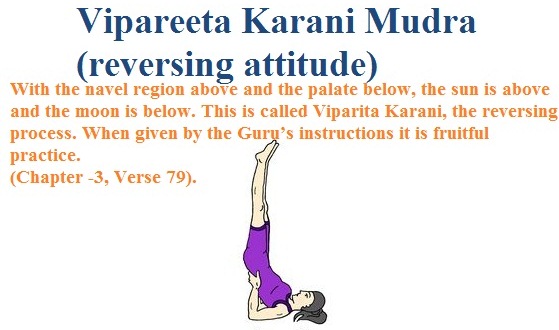
Vipareeta Karani Mudra (reversing attitude) Urdhvanabheradhastalorurdhvam bhanuradhah sasi / Karani viparitakha ghuruvakyena labhyate// With the navel region above and the palate below, the sun is above and the moon is below. This is called Viparita Karani, the reversing process. When given by the Guru’s instructions it is fruitful practice. (Chapter -3, Verse 79). Valitam palitam chaiva shanmasordhvam na drsyate / Yamamatram tu yo nityamabhyasetsa tu kalajit// The practice should be done daily, gradually increasing the duration. After six months of practice, grey hairs and wrinkles become vanished. One who practices it for yama three hours masters or conquers death.(Chapter -3, Verse 82).