
Attainment of strength By samyama–Patanjali Yoga Sutra – Vibhuti Pada
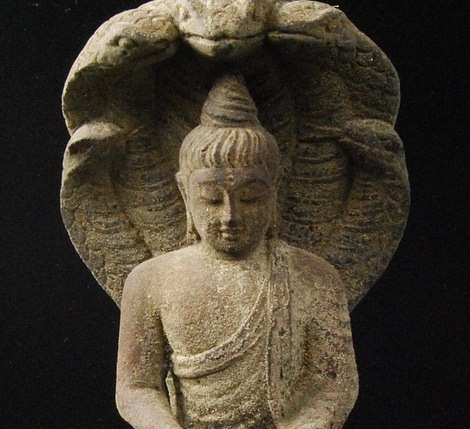
By samyama attainment of strength 3.25. Balesu hastibaladini| Balesu-by samyama on the powers Hasti-elephant Bala-stength Adini-etc By applying samyama on the stenght of an elephant, etc. the corresponding strength is gained.
Intuitive knowledge By samyama-Patanjali Yoga Sutra – Vibhuti Pada
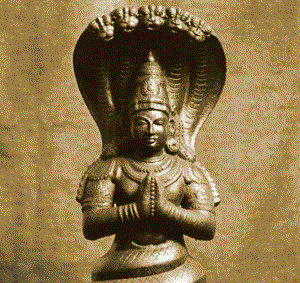
By samyama acquire intuitive knowledge 3.34. Pratibhadva sarvam| Pratibhat-from pratibha Va-or Sarvam-everything Or everything by virtue os pratibha or intuition.
Mastery of sense organs By samyama-Patanjali Yoga Sutra – Vibhuti Pada
By samyama mastery of sense organs 3.48. Grahanasvarupasmitanvayasamyamadindriyajayah| Grahana-power of cognition Svarupa-real nature Asmita-egoism Anvayarthavatva samyamat-by samyama Indriyajayah-mastery over the sense organs Mastery over the sense organs is obtained by applying samyama on the power of cognition, real nature, egoism, all-pervasiveness and purposefulness.
Divine hearing By samyama-Patanjali Yoga Sutra – Vibhuti Pada
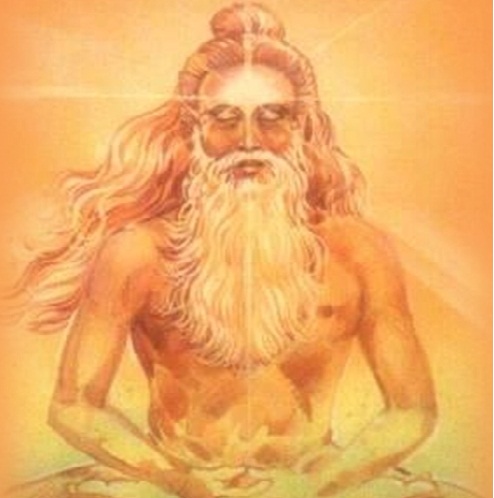
By samyama gain power of divine hearing 3.42. Srotrakasayoh sambandhasaàyamaddivyam srotram| Srotra-ear Akasayoh-space Sambandha-relation Samyamat-by samyama Divyam-divine Srotram-organ of hearing By applying samyama on the relation of the ear and space, gained divine hearing.
By samyama eight psychic powers – Patanjali Yoga Sutra – Vibhuti Pada
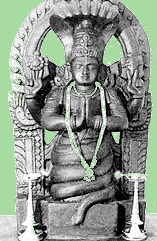
By samyama attainment of eight psychic powers(asta siddhis) 3. 46 . Tto ‘ debt instruments of Dipr come Durbawa are Kaysampttddharmanabhigatshcha | Tattoo-therefrom Animadi-anima etc. Pradurbhavah-appearance Kayasampat-bodily well Tat-that Dharma-function Anabhighatah-non-obstructions Cha-and From that the appearance of anima, perfection of the body and non-obstruction from the functions of the body gained.
Withdrawing of the mind-patanjali yoga sutra
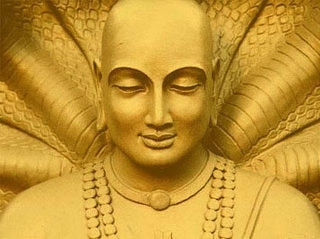
Withdrawing of the mind 2.54. Svavisayasamprayoge chittasvarupanukara indriyanam pratyaharah| Sva-ones own Visaya-object Asamprayoge-not coming into contact Chitta-mind Svarupa-own form Anukara-imitating Iva-as if Indriyanam-of the senses Pratyaharah-withdrawal Pratyahara means, the imitation by the senses of the mind by withdrawing them from their respective sense objects.
Why should one pursue discipline for Yoga Practice-pys
Why should one pursue discipline for Yoga Practice 2.2. Samadhibhavanarthah klesatanukaranarthasca| Samadhi-superconsciousness Bhavanarthah-for developing the state of Klesa-cause of afflictions Tanu-thin Karanartha- for making Cha-and For growing the consciousness of samadhi and for the aim of thinning out the cause of afflictions, so that kriya yoga practised.
What is pranayama? – patanjali yoga sutra
What is pranayama? 2.49. Tasmin sati svasaprasvasayorgativichchhedah pranayamah| Tasmin-on that Sati-having been Svasaprasvasayah-inhalation, exhalation Gati-movement Vichchhedah-break, cessation Pranayamah-pranayama After the asana practice done, pranayama is the stopping of the movement of incoming and outcomng breath.
Types of Pranayama-patanjali yoga sutra
Types of Pranayama 2.50. Bahyabhyantarastambhavrttih desakalasankhyabhih paridrsto dirghasuksmah , Bahyah-outer Abhyantara-internal Stambhavrttih-supperessed stage Desa-place Kala-time Sankhyabhih-number Paridrstah-measured Dirgha-prolonged Suksmah-subtle Pranayama is external, internal or suspended, regulated by place, time and number and becomes prolonged and subtle.
By Meditation Future Pain Avoidable – patanjali yoga sutra
Through Meditation Future Pain can Be Avoidable 11. Dhyanaheyastadvrttayah| Dhyana-meditation Heyah-reducible Tadvrttayah-their modification The modifications of the kleshas are reducible through meditation.