
Yoga & Its Stretching Mechanism
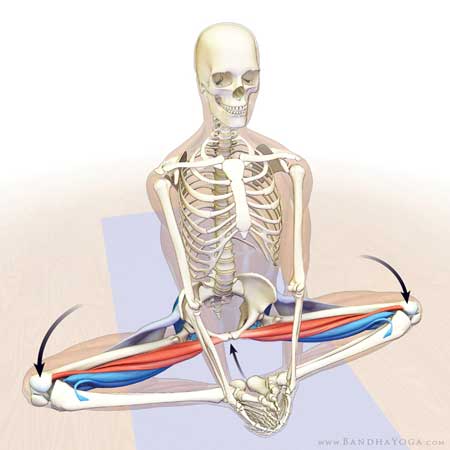
Yoga & Its Stretching Mechanism Stretching can facilitate mobility, improve muscle mechanics. Definition and goal of stretching Stretches is specific positions sustained to increases and maintain the length of a muscle or a muscle group. It lengthens tendons, warms up ligaments, and prepares joints for work. As a result, there is: Additional flexibility throughout the body. Decreased tightness or stiffness. Improved awareness of the muscles. Increased coordination and agility in daily. Enhanced circulation, which products (lactic acid, carbon dioxide, nitrogen, cellular metabolites) from the muscles. Reduced pressure on joint cartilage and spinal discs, which reduces the arthritic wear-and – tear process. Reduced inflammation and pain of the joints. Less stress on the nervous system. Exercise and stretching Strengthening muscles Improving cardiovascular function Strengthening the immune system Stimulating body chemicals(epinephrine, endorphin) Reducing stress Rehabilitating from injury Improving ability and stamina for additional work or play. What happens in a stretch? All the stretches in a manual are static stretches; which are controlled and slow. In a static stretch, as you a stretch a muscle in a slow and gentle fashion, you increase its tension. In a few milliseconds, the spinal cord reflexively tells the muscles to shorten in order to protect the muscle from being overstretched. It takes 6-10 seconds for the brain and spinal cord to perceive that the stretch is safe and, suddenly, the mild pulling sensation you feel of the muscle shortening to resist the stretch is gone. It is in the next 20-24 seconds that the stretch has the beneficial effects. That is why a stretch must be held for at least 30 seconds. A good rule to follow is that if you feel the uncomfortable stretching sensation for more than 10 seconds, you are stretching too far and too fast. You should ease off slightly until the sensation is gone and then hold for 30 seconds. It is important that you do not bounce when you stretch this kind of stretching, known as a ballistic stretch. Creates more than double the amount of tension as compared to a static stretch .Even though it is not done in many aerobic classes and workout videos, it may actually cause nerve damage and muscle fiber tearing. It also does not improve flexibility. When should you stretch Ideally, stretching should be done when the body is warm. That way, there is sufficient blood flow carrying important minerals, such a calcium and magnesium, throughout the tissues before you begin to stretch. Optimum muscular relaxation is also the key to effective stretching. If you bathe instead of shower, you can stretch in the living room or bedroom in the morning after your bathe. A morning stretch prepares the muscles and the human frame for the daily stressors encountered. Warming up Goal is to get the blood flowing without challenging the body to new heights. Their cold muscles tendons and ligaments are not prepared to deal with the sudden onset of strain, which can cause ankle sprains, pinched spinal nerves, or ruptured Achilles tendons. If you exercise for 60 minutes, you need 9-12 minutes of warm up. Cooling down You Should do a cool-down stretch routine .This helps eliminate the metabolic build-up of waste , such a lactic acid , nitrogen and carbon dioxide , from the muscles to enhance muscles repair and recovery . Otherwise, the metabolic waste will cause muscle stiffness, which affects the movements of the joints. If you incorporate deep abdominal breathing during the cool-down, you will increase the cellular the waste removal even more. For example, if you exercise for 60 minutes, you need 3-9 minutes of cooling down. , you need 3-9 minutes of cooling down. When a muscle is relaxed, it requires little fuel. With a muscle is moving properly, the blood flow requirements are maintained. When a muscle is held in one position without moving, the fuel demand of the muscles does not equal the actual flow it receives. This condition is called static muscle loading. The reduced blood flow blood flow means les oxygen or fuel supply to the muscle. As a result, metabolic waste products, such as lactic acid, are created and muscular fatigue occurs. This leads to various types of pain, such a s headaches, shoulder stiffness, or low back pain, which are commonly suffered from repetitive stress at stationary jobs. If you exercise three times a week for an hour each time, you would warm up with 10 minutes of stretching and cool down for 5 minutes (total of 15 minutes). Senior peoples Have shortened and stiffened with age. 65 or 85-year-old muscle can still be trained to work. Diet and stretching Calcium Calcium helps the in fracture of the muscle fibers, known as cross-bridges, to work optimally. These cross bridges link two muscle fibers together and create a shortening, or contraction, in the muscle. Calcium helps the nerves and muscle communicate. A shortage of calcium causes the nerves to become irritated, which leads to muscle tension, stuffiness, and eventual pain. Magnesium Magnesium is required to release the cross bridge between the muscle fibers at the end of a muscle contraction so that muscle can relax. Approximately 70% of the body’s magnesium is located in the bones, 30% is found in soft tissues and associated structures. If the body is deficient in magnesium, the muscle will not relax enough. Instead, they will tend to stay in a contracted, tight, or stiff condition. Over time, this stiffness can be felt knots, ropes, or even cramps. Magnesium deficiency is also closely related to heart diseases. Cold and heat therapy If you have a dull or sharp pain in a localized area, apply ice to it in 10- minute’s intervals. For muscle stiffness, use a heating pad or, better yet, take a warm shower. Endorphin theory Endorphins and enkephalins are chemicals that are made in the human body. They are opiates that inhibit pain when released. Endorphins and enkephalins can be stimulated both physically and mentally. The gate theory of pain
Do’s and Don’ts Of Yogic Practices
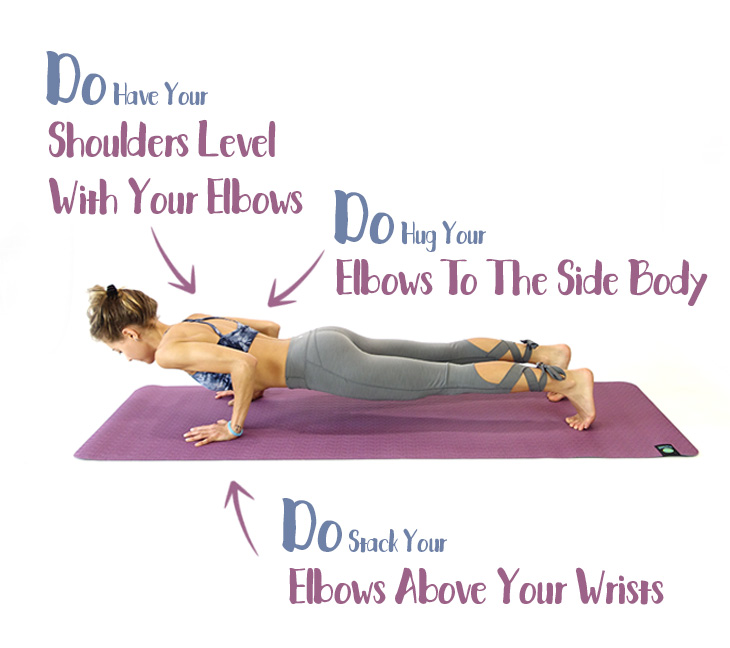
Sun: Do not practice asanas after being out in the hot sun for several hours. Time: The best time to practice yoga is either early in morning or late in evening. Without the practice of the principles of Yama and Niyama, which lay deep firm foundations for building characters, there cannot be an integrated personality. Cleanliness and Food: Before starting to practice asanas, the bladder should be implied and the bowels evacuated. Bath: Asanas come easier after taking bath. Food: Asanas should preferably to done on empty stomach. Place: They should be done in a clean airy place, free from insects and noise. Closing of eyes: In beginning, keep the eyes open. Then you will know what you are doing and where you go wrong. The brain: The body alone should be active; the brain should be passive, waterfall and alert. Breathing: The breathing should be done through nostrils only and not through mouth. Do not restrain breath while in process of asana. Savasana: Always lie down for 10 – 15 min after completing asanas. Asanas and Pranayama: Pranayama may be done either very early in morning before the asanas or in evening after completing them. Persons with BP should not start with sirsana and sarvangasana. Those suffering, displacement of retina should not attempt topsy – turny poses. Mirror: If you are doing asanas in front of a mirror, keep it perpendicular to floor. Read carefully hints and cautions for practice of asanas. Avoid disturbances such as phone calls or kids around. Avoid standing on your head during menstrual period. Pregnancy: All asanas can be practiced during first 3 months of pregnancy. Menstruation: Avoid asanas during menstrual period. After delivery: No asanas should be done during 1st month after delivery. Remove hard contact lenses. Fold up the hairs. Do asanas only on Yoga mat. Fold blankets neatly when preparing to use. Practice yoga in loose – fitting clothing and bare feet. Yogasanas should be practiced with an empty stomach. There should be specific time for yoga. Early morning 4 to 6 and evening 5 to 6 timings are preferable. Dress should be minimum. Wristwatch, bangles, chains, rings etc., should be remove. If yogasana is practiced in the evening the savasana should be practiced first. Concentration should be maintained throughout. Yogasana should not be practiced fast. It should be practiced slowly, continuously & rhythmatically. Yogic practices should be performed is an orderly way. First suryanamaskar, then Asana, Pranayama & finally meditation. During all the yogic practices breathing is very important. Breathing should be co-ordinated with the asanas. After the yoga, relaxation is a must with normal breathing. The place to perform asanas should be well ventilated & should be away from any animal or insect disturbances. Yoga should not be practiced under fan. For asanas sattvic diet is essential. 39.All the asanas should be practiced on mat exception is suryanamaskar. Asanas should be practiced in a peaceful place away from music or T.V. It should be practiced regularly at the same time. 42.A clean bath is necessary after the practice of yoga. The final poster of yoga ‘relaxation’ should not be strained. The muscle should be relaxed in the final poster. Any muscle catch during yoga should be solved by gentle massage. Yoga should be maintained according to ones flexibility & not by comparison with others. During yoga practices, backward bending should be accompanied by inhalation & forward bending should be accompanied by exhalation. Apart from practicing reading scriptures is also important. Repeat the same asanas for many vises Generally yoga should be precise, nor too tense taking or short. Good observation necessary. Limited speech essential.
Backward Bending Asanas
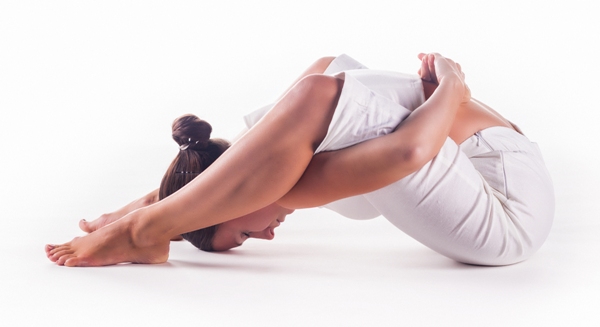
Karuna Yog Vidya Peetham, TTC program in Bangalore will make you proficient in various “Backward bending Asanas”. Our experts in this field will help you to learn these techniques. Backward bending Asanas are postures, which equip the body out to confront the world. They are stimulating and extroverting. Because theyexpand the chest and encourage inhalation, they are associated with the attitude of embracing life. There are additionally dynamic postures, which are performed against gravity. Therefore, to carry out such postures, one requires a great deal of strength and energy. On a physical level, the backward bending Asanas extends the abdominal muscles, and tone and strengthen the muscles controlling the spine. The spinal nerves, which emerge from between the adjoining vertebrae, are decompressed. This has certain positive repercussions throughout the body considering the fact that these nerves offer energy to all the other nerves, organs and muscles in the body. The spinal segment is a ‘stacked pile’ of vertebrae and discs. Groups of muscles amplify all along it, masking and assisting it from all aspects. Maintenance of the spine in a straight and aligned position, in spite of all movement, relies absolutely upon the balanced, supportive contraction and tone of the muscles. The muscles themselves are controlled unconsciously through posture. Subconscious tensions and ‘hang-ups’ are frequently reflected pondered inside the tonic activity of the back muscles, ensuing in too hard or excessively remiss zones instead of homogeneous consistency. Research has demonstrated that 90% of spinal pain has its foundation in muscular unevenness. If these imbalances are prolonged, then the ‘stack pile’ of the vertebral column is misaligned, the ligaments are strained and symptoms of spondylitis, slipped disc, sciatica and osteoarthritis start to manifest. The exercise of a balanced regime of backward and forward bending Asanas can revise postural deformities and neuro-muscular imbalances of the vertebral column. Likewise, with all Asanas, it is essential to carry out these practices with appropriate control and synchronization of the breath so that the entire group of muscles is consistently contracted. Polluted blood has an inclination to consolidate in the back region where circulation tends to be sluggish due to continuous maintenance of an upright position. These Asanas help to circulate, purify and enrich the blood in this region. Backward bending Asanas create a negative pressure in the abdomen and pelvis, helping neuro-circulatory toning of all the related organs. They in addition, massage the abdomen and pelvic organs by means of stretching the muscles in this area, especially the rectus abdomini. Not all the Asanas taught in the 200-hour Hatha Yoga TTC course is meant for everyone. People suffering from excessive lower back curve (lumbar lordosis) should avoid practicing the Asanas in this section. However, they could try some of these – Saral bhujangasana, Ardhashalabasana and Gomukhasana. Generally, during pregnancy, Asanas which involves the stomach heavily are not recommended. Of the Asanas in this section, Kandharasana practiced gently will give the benefits of backward bends. In general, each practice should be carefully studied before starting to try them out. Karuna Yoga Maha Vidya Peetham, teacher training will take care of all your concerns regarding the matter.
Mudras(Yoga Gesture)
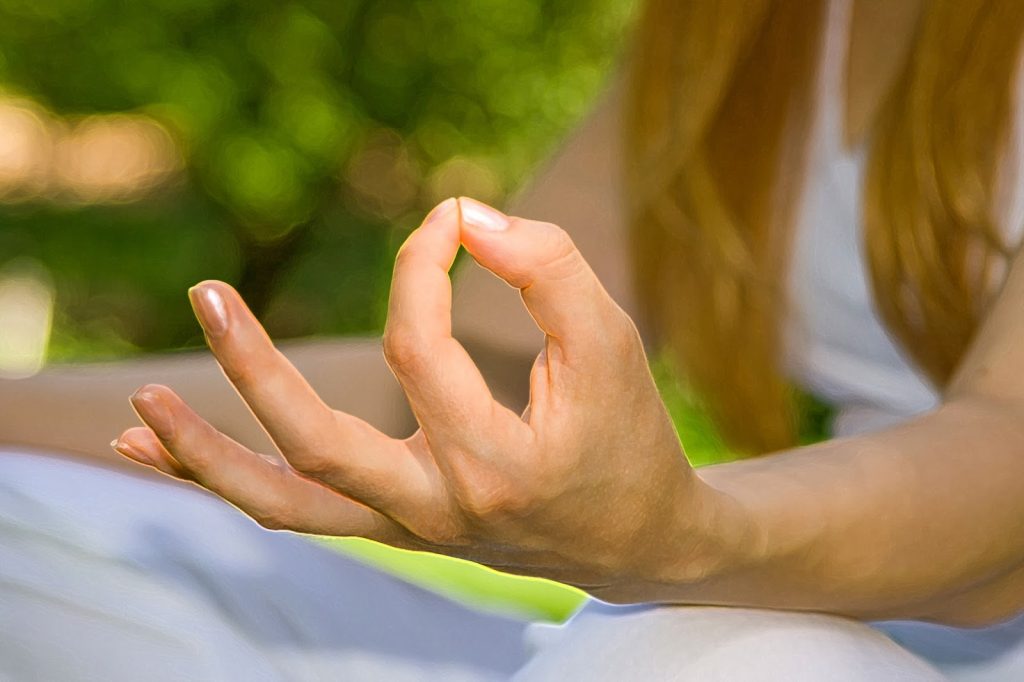
Karuna Yoga Maha Vidya Peetham, Yoga TTC program in Bangalore India, will make you proficient in various “Mudras”. Our experts in this field will help you learn these techniques. The Sanskrit word mudra means ‘gesture’ or ‘attitude’. Mudras can be described as psychic, emotional, devotional and aesthetic gestures or attitudes. Yogis have encountered mudras as attitudes of energy flow, intended to link individual Pranic force with universal or cosmic force. The Kularnava Tantra traces the word mudra to the root mud, meaning ‘delight’ or ‘pleasure’, and dravay, which means ‘to draw forth’. Mudra is also defined as a ‘seal’, ‘short-cut’ or ‘circuit by means of pass’ After being a part of the Karuna Yoga Maha Vidya Peetham, Yoga TTC program, you will realize that mudras are a combination of subtle physical movements, which adjust mood, attitude and belief. In addition, it deepens consciousness and focus. A mudra may also involve the complete body in a collection of asana, pranayama, bandha and visualization techniques, or it is able to be a simple hand function. The Hatha Yoga Pradipika and other yogic writings view mudra to be a Yoganga, an independent department of yoga, requiring an extremely diffused awareness. Mudras are presented after some capability has been achieved in Asana, Pranayama and Bandha, and net blockages have been eliminated. Mudras have been depicted in different writings from ancient times to the present day so as to safeguard them for the future generations. However, such references have been by no means specified or genuinely itemized or as these systems were not designed to be gained from a book. Practical training from a guru was constantly thought to be a vital imperative before endeavoring them. Mudras are higher practices which prompt to awakening of the pranas, chakras and kundalini, and which can give major siddhis, psychic powers, on the advanced practitioner. A scientific look at mudras In scientific terms, mudras offer a means to provide a means to get admission to and influence the unconscious reflexes and primal, instinctive addiction styles that originate in the primitive areas of the brain across the brain stem. They establish a subtle, non-intellectual reference to those areas. The 200-hour Hatha Yoga course at Karuna Yoga Maha Vidya Peetham, teacher training center in, India focuses on the essence of the centuries-old tradition of mudras. Furthermore, each mudra sets up a unique link and has a correspondingly special impact on the body, mind and Prana. The purpose is to create constant, repetitive postures and gestures that may snap the practitioner out of instinctive habit styles and set up a more refined consciousness.
Dhanurasana – Bow Posture
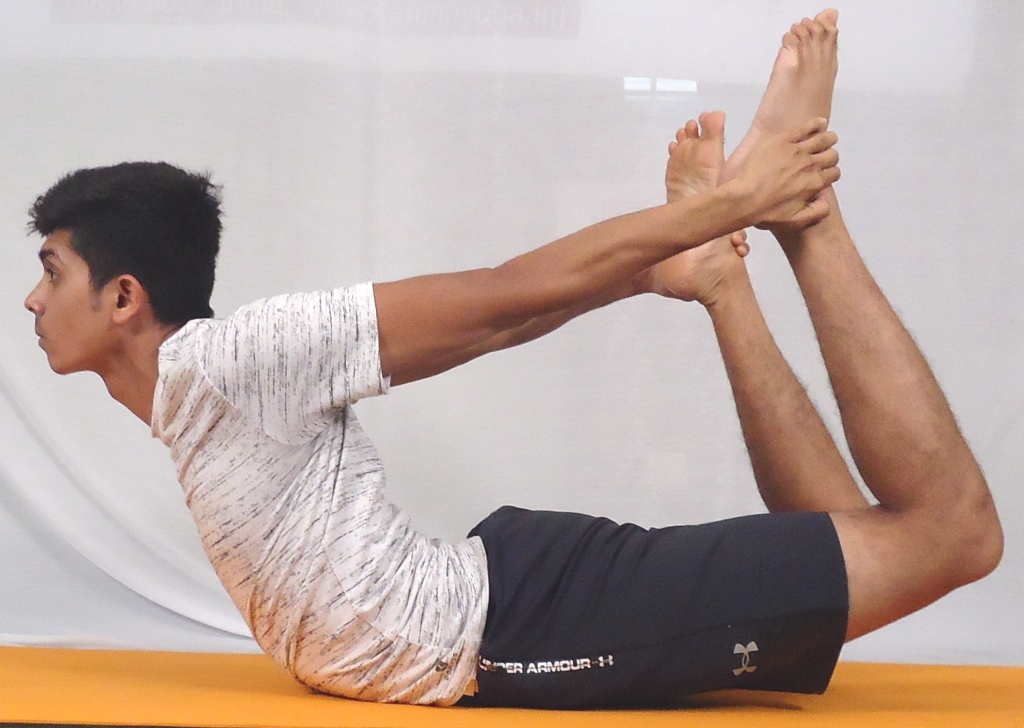
Dhanurasana – Bow Posture (dhanu – bow) Practice: Lie on prone posture called Makrasana (crocodile) relaxation posture. Now bend the knees, stretch the arms back and catch hold the right ankle with the right arm and left ankle with the left arm. Inhale, pull the legs up by pulling backward, knees off the floor and simultaneously lift head, chest, off from the floor by pulling forward. The arms straight like bow-string. Rest whole body weight on your abdomen. At beginning keep toes touching each other, knees apart. Reaching final posture bring knee and toes together. Remain in this posture for 10 to 20 seconds, breathing strongly and evenly. Exhale, release legs, return back to Makrasana (crocodile) posture. Benefits: This asana brings back elasticity to the spine and tones the abdominal organs. Good for diabetes and obesity group. Brings tremendous stamina by holding for long duration. Makes neck and arms stronger.
Matsyasana – Fish Posture
Matsyasana – Fish Posture Practice: Lie supine on the floor with the hands extended along the body and the feet together. Raise the legs upto 90 degree, by keeping the knees straight. Press the palms against floor, raise the trunk by bending the legs towards the head and touch the toes on the ground. Interlock fingers rest back of head straight. Both legs straight and firm. Stay for 10 to 20 seconds, keep breathing evenly and deeply. By palms support lower the trunk and slowly come back to supine posture. Benefits: Deeply stimulates abdominal organs. Gives good exercise to the thyroid glands. Gives a good stretch to the spinal column, thus it builds a strong and supple supine. (matsya – fish) Practice: Come to supine posture, by bringing legs together, arms beside thi Now adopt padmasana with support of both hands. Place palms above shoulder press against floor, lift head neck, chest, spine and make arch on your back. Grasp big toe with thumb, index, middle finger, press elbows down, close to body, and give minimum pressure to head region. Stay in this posture for 10 to 30 seconds, breathe normally. Release toes and palms supporting above head, and release head, neck, trunk on ground, unfold both legs release padmasana. Come back to Savasana and relax. Lie on your back on the floor, in savasana(corpse pose) Benefits: A traditional text Gheranda Samhita (2:21)says that Matsyasana is the destroyer of all diseases Strengthen your entire back, neck region. Helps in balancing the function of the thyroid gland. Effective for diabetes, asthmatics and back problems.
Halasana – Plough Posture
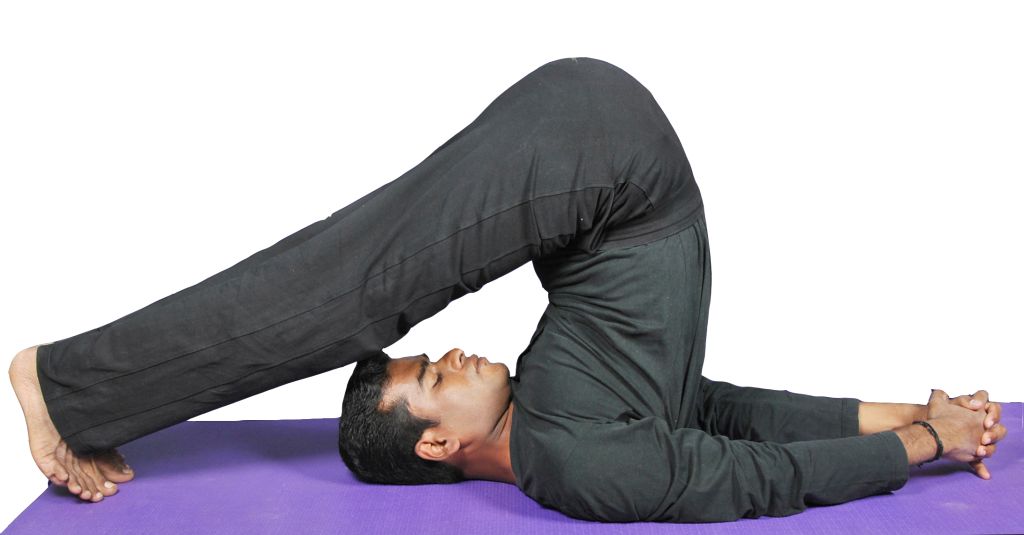
Halasana – Plough Posture (hala – plough) Practice: Lie supine on the floor with the hands extended along the body and the feet together. Raise the legs upto 90 degree, by keeping the knees straight. Press the palms against floor, raise the trunk by bending the legs towards the head and touch the toes on the ground. Interlock fingers rest back of head straight. Both legs straight and firm. Stay for 10 to 20 seconds, keep breathing evenly and deeply. By palms support lower the trunk and slowly come back to supine posture. Benefits: Deeply stimulates abdominal organs. Gives good exercise to the thyroid glands. Gives a good stretch to the spinal column, thus it builds a strong and supple supine.
Cakarasana – Wheel Posture
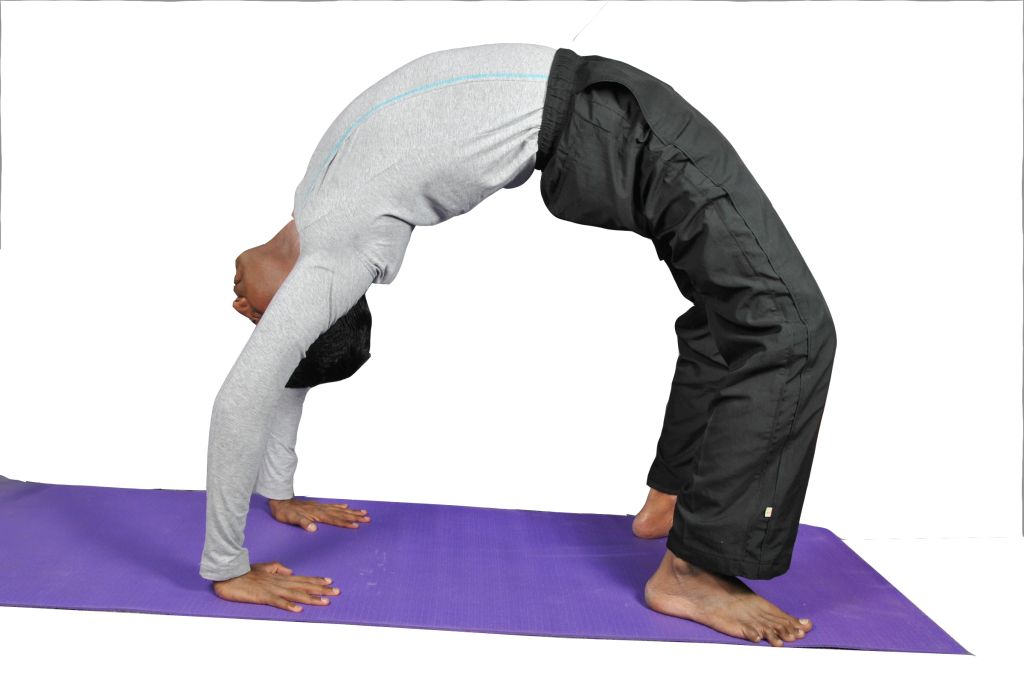
Cakarasana – Wheel Posture (cakra – wheel) Practice: Come to (Savasana) corpse posture; bring legs together foot pointing upward, arms beside thighs. Place the palms under the shoulder towards feet, elbows facing upward; bend both the knees, place heels close to butt. Inhale lift spine up, rest head on the floor. Again inhale raise head, spine, make an arch on whole body, weight bearing on palms and soles. Make elbow straight beside ears, knee straight , tighten thigh , hip , buttock muscles, open chest , shoulders, lifting towards up. Remain in this final posture for 10 to 20 second, with normal breathing at your nostrils slowly and deeply. Exhale, bend elbows, knees, and rest head on floor, then gradually spine, legs on floor, come to savasana and relax. Benefits: Stimulates and strengthen whole body from toes to head. Gives strong vigour and vitality. Effective in reducing weight faster, which slim whole body in perfect shape. Strengthen arms legs, thighs, hips and pelvic muscles. Those want strong limbs; this is a boon for them.
Sarvangasana ( Shoulder Standing Pose)
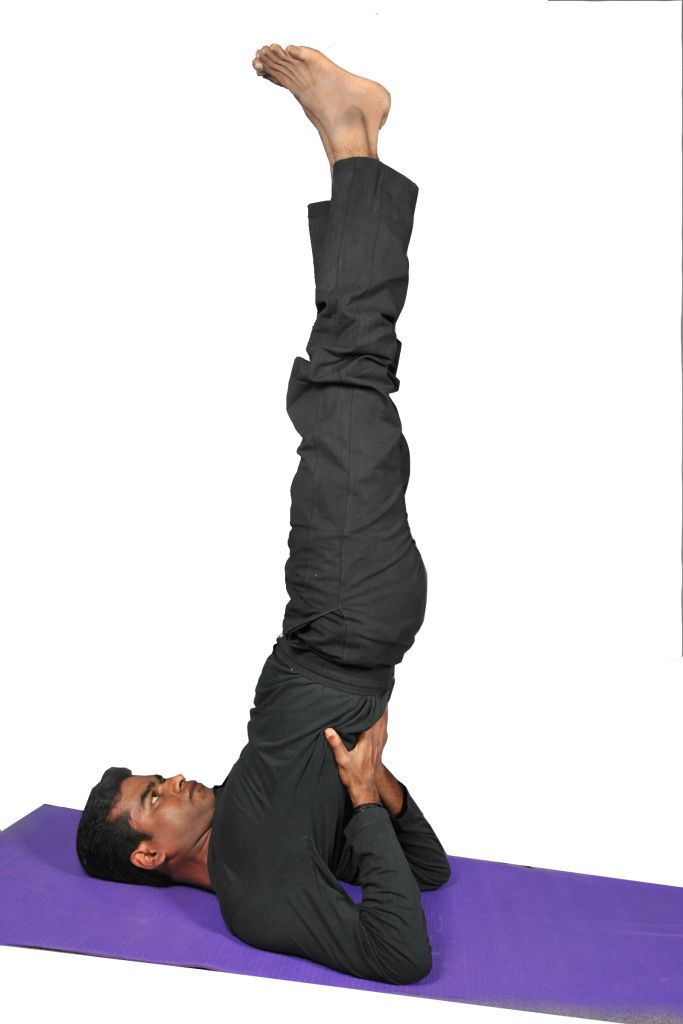
Sarvangasana – Shoulder Standing Posture (sarva- all, whole, entire, anga – limb or part of body) Practice: Lie flat on the back with feet together, arms by the sides and palms flat on the ground. Using the arms as levers raise the legs and back to a vertical position. Bend the elbows and use the arms as props to steady the back by pressing it with the palms. The trunk and legs should extend straight up, forming a right angle with the neck, the chest pressing against the chin. Soften the throat and tongue. Firm the shoulder blades against the back, and move the sternum toward the chin. Your forehead should be relatively parallel to the floor, your chin perpendicular. Gaze softly at your toes or tip of your nose. Stay for 10 to 30 seconds, with normal breathing. Exhale, drop legs down, spine down with support of arms, and relax at Savasana for 10 to 30 seconds. Benefits: Stimulates the thyroid gland and thereby improves the balance of the circulatory, digestive, reproductive, nervous and glandular systems. It corrects improper body growth and clears psychological disturbances by bringing a rich supply of blood to the brain. It relieves asthma and bronchitis. It releases the normal gravitational pressure from the anal muscles, relieving hemorrhoids (piles). It tones the legs, abdomen, the female reproductive organs, spine and neck. It inhibits hydrocele and eliminates waistline fat. Leucorrhea and diabetes can be controlled. Mastery of this asana gives conscious control over body temperature.
Mayurasana (Peacock Pose)
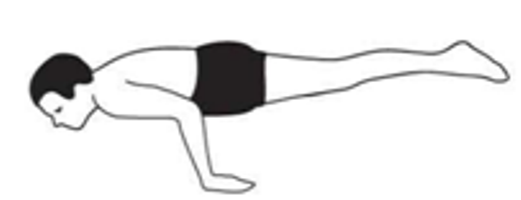
Mayurasana (Peacock Pose) Dharam avashtabhya karadvayena Tatkurparasthapitanabhiparsvah/ Uchchasano dandavad utthitah san Mayuram etat pravadanti pitham//(Chapter -1, Verse 30). Lie down on the stomach, placing both hands on the ground under the body and place the elbows at the sides of the navel. Raise the body high, keeping it like a stick. This is called peacock pose by the expert Yogis. (Chapter -1, Verse 30). Harati sakalaroghanasu ghulmodaradin Abhibhavati cha doshanasanam srimayuram/ Bahu kadasanabhuktam bhasma kuryadasesham Janayati // jatharaghnim jarayetkalakutam/(Chapter -1, Verse 31). Mayurasana quickly alleviates all diseases like enlargement of the glands, dropsy and other stomach disorders. It rectifies imbalance of the humors (vata, pitta, kapha). It reduces to ashes all food taken indiscriminately, kindles the gastric fire and enables destruction of deadly poison). (Chapter -1, Verse 31).