Sanskrit Mantras to Uplift Your Practice & Life

Sanskrit Mantras to Uplift Your Practice & Life Sanskrit mantras are ancient sound vibrations that carry spiritual energy and can transform your consciousness. Chanting or meditating on these mantras can bring peace, clarity, strength, and higher awareness. Here are some of the most powerful Sanskrit mantras, their meanings, and how they can uplift your life. 1. Om (ॐ) – The Universal Sound Meaning:The primordial sound of the universe, representing creation, preservation, and dissolution. Benefits:Calms the mind, enhances concentration, and connects you with cosmic energy. How to Use:Chant “Om” slowly and deeply before meditation or yoga practice. 2. Om Shanti Shanti Shanti (ॐ शान्ति शान्ति शान्ति) Meaning:“Om, peace, peace, peace” – invokes inner and universal peace. Benefits:Reduces stress, removes negativity, and promotes harmony. How to Use:Repeat after meditation or prayer for deep relaxation. 3. Gayatri Mantra (गायत्री मंत्र) ॐ भूर्भुवः स्वःतत्सवितुर्वरेण्यंभर्गो देवस्य धीमहिधियो यो नः प्रचोदयात् Meaning:“We meditate on the divine light of the sun, may it enlighten our intellect.” Benefits:Boosts wisdom, purifies the mind, and increases spiritual awareness. How to Use:Chant in the morning, facing the sun, for clarity and energy. 4. Mahamrityunjaya Mantra (महामृत्युञ्जय मंत्र) ॐ त्र्यम्बकं यजामहेसुगन्धिं पुष्टिवर्धनम्उर्वारुकमिव बन्धनान्मृत्योर्मुक्षीय माऽमृतात् Meaning:A powerful healing mantra invoking Lord Shiva for protection and liberation from fear and suffering. Benefits:Strengthens health, removes obstacles, and provides spiritual protection. How to Use:Recite during difficult times, illness, or for deep healing. 5. Om Mani Padme Hum (ॐ मणि पद्मे हूं) Meaning:“The jewel is in the lotus” – represents wisdom and compassion. Benefits:Purifies negative karma, develops compassion, and brings inner peace. How to Use:Chant during meditation to open the heart chakra. 6. So Hum (सोऽहम्) – The Mantra of Breath Meaning:“I am That” – a mantra of self-realization and unity with the universe. Benefits:Increases mindfulness, deepens meditation, and helps dissolve ego. How to Use:Mentally repeat “So” on inhale and “Hum” on exhale. 7. Om Namah Shivaya (ॐ नमः शिवाय) Meaning:“I bow to Lord Shiva, the divine consciousness within.” Benefits:Brings peace, courage, and spiritual awakening. How to Use:Chant during meditation to remove negativity and connect with higher energy. 8. Lokah Samastah Sukhino Bhavantu (लोकाः समस्ताः सुखिनो भवन्तु) Meaning:“May all beings everywhere be happy and free.” Benefits:Cultivates love, compassion, and universal well-being. How to Use:Chant to spread positive energy and for world peace. 9. Om Gam Ganapataye Namaha (ॐ गं गणपतये नमः) Meaning:“Salutations to Lord Ganesha, remover of obstacles.” Benefits:Clears obstacles, enhances wisdom, and brings success. How to Use:Chant before starting new projects or facing challenges. 10. Om Tat Sat (ॐ तत् सत्) Meaning:“Om, That is Truth.” Benefits:Connects you with the eternal truth and divine essence. How to Use:Meditate on this mantra for inner guidance and clarity. How to Integrate Mantras into Your Practice Chant Daily– Repeating a mantra 108 times (a full mala cycle) amplifies its power. Use During Meditation– Focus on the mantra’s vibration to deepen awareness. Combine with Breathwork– Syncing mantras with breathing enhances mindfulness. Play Mantra Music– Listening to mantra chants creates a peaceful atmosphere. Set an Intention– Before chanting, focus on what you wish to cultivate (peace, healing, strength, etc.). By practicing these Sanskrit mantras, you can elevate your energy, enhance mindfulness, and bring more positivity into your life.
A Simple Guide to Yoga Certification Titles & How to Earn Them
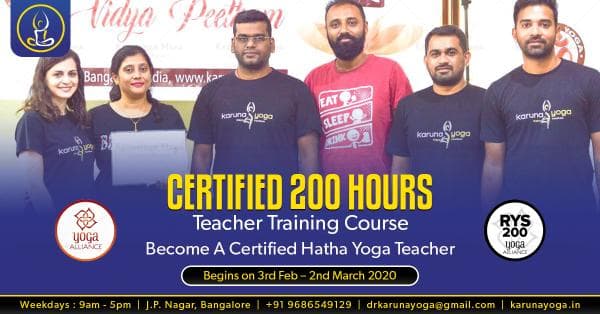
A Simple Guide to Yoga Certification Titles & How to Earn Them Introduction Yoga certification titles can be confusing, especially for new practitioners and aspiring teachers. Understanding these titles helps you choose the right training program and progress in your yoga teaching journey. This guide breaks down common yoga certifications, their requirements, and how to earn them. 1. Common Yoga Certification Titles A. Registered Yoga Teacher (RYT) The RYT (Registered Yoga Teacher) credential is awarded by Yoga Alliance, the most widely recognized yoga certification body. RYT-200 – Requires completion of a 200-hour Yoga Teacher Training (YTT). RYT-500 – Requires completion of a 500-hour YTT (or a 200-hour YTT plus an additional 300-hour training). E-RYT 200 (Experienced Registered Yoga Teacher) – Requires 200 hours of training + 1,000 teaching hours. E-RYT 500 – Requires 500 hours of training + 2,000 teaching hours B. Certified Yoga Therapist (C-IAYT) For teachers interested in yoga therapy, the International Association of Yoga Therapists (IAYT) offers the C-IAYT (Certified Yoga Therapist) credential. It requires: Completion of an IAYT-accredited 800-hour yoga therapy training. 2+ years of practice applying therapeutic yoga. C. Specialty Yoga Certifications Many teachers pursue specialty training beyond standard RYT certifications, such as: Prenatal Yoga Teacher (RPYT) – Focuses on yoga for pregnancy and childbirth. Children’s Yoga Teacher (RCYT) – Specializes in yoga for kids. Trauma-Informed Yoga Certification – For working with trauma survivors. Adaptive & Accessible Yoga Certification – For teaching individuals with disabilities or limited mobility. 2. How to Earn a Yoga Certification Step 1: Choose the Right Yoga Teacher Training (YTT) Decide which level of certification aligns with your goals: 200-Hour YTT – Best for beginners who want to start teaching. 300/500-Hour YTT – For deepening expertise and expanding teaching skills. Specialty Certifications – For niche areas like prenatal yoga, kids’ yoga, or yoga therapy. Step 2: Select a Yoga Alliance-Registered School Ensure the training program is accredited by Yoga Alliance, IAYT, or another recognized body. Look for: Experienced lead teachers (E-RYT 500 or C-IAYT preferred). A curriculum covering asana, anatomy, philosophy, and teaching methodology. Student reviews and testimonials. Step 3: Complete Your Training & Practicum A YTT program typically includes: In-person or online coursework (200, 300, or 500 hours). Teaching practicums to gain hands-on experience. Written exams and final teaching demonstrations. Step 4: Register with Yoga Alliance (If Applicable) After completing a Yoga Alliance-accredited YTT, you can register as an RYT-200 or RYT-500. Yoga Alliance registration is optional but enhances credibility. Step 5: Continue Your Education To maintain your RYT status, complete 30 hours of continuing education every 3 years, including: 10 hours of in-person training. 20 hours of self-study (reading, online courses, workshops). 3. Choosing the Right Certification for You Consider the following factors when choosing a yoga certification: Do you want to teach general yoga classes? → Start with an RYT-200. Do you want to specialize in a niche area? → Pursue a specialty certification. Are you interested in therapeutic applications of yoga? → Consider an IAYT-certified yoga therapy program. Do you want to deepen your knowledge and credibility? → Advance to RYT-500. Conclusion Earning a yoga certification is an empowering step that allows you to share the practice of yoga with others. Whether you choose to start with a 200-hour YTT, advance to RYT-500, or specialize in yoga therapy or prenatal yoga, each certification enhances your skills and credibility as a teacher.
vinyasa asana variation
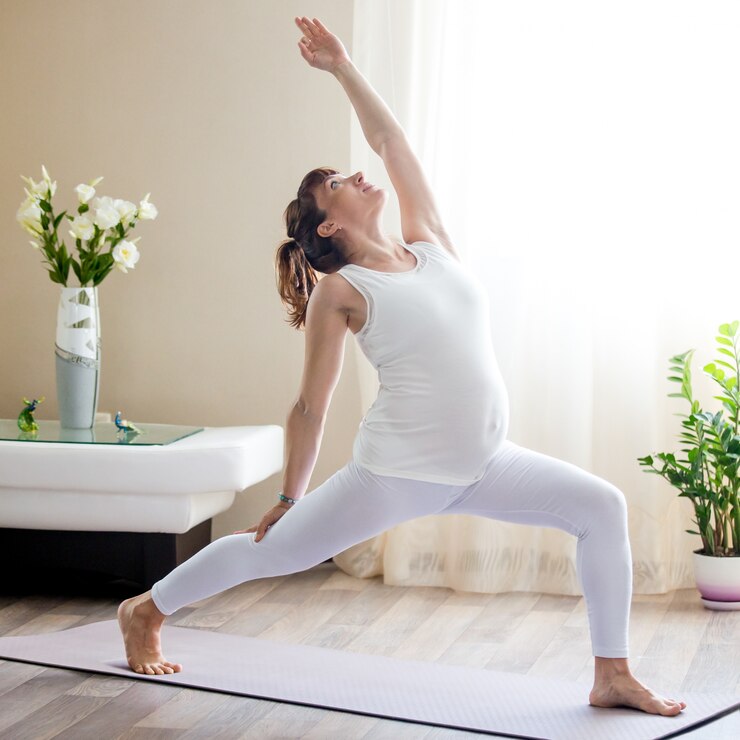
Set -1 Standing Asana List Vinyasa Kneeling vinyasa list Sitting asana list vinyasa Prone asana list vinyasa Supine asana list vinyasa Arm balancing vinyasa Set 2 vinyasa asana Standing Asana List Vinyasa Kneeling vinyasa list Sitting asana list vinyasa Prone asana list vinyasa Supine asana list vinyasa Arm balancing vinyasa Set 3 vinayasa asana Standing Asana List Vinyasa Kneeling vinyasa list Sitting asana list vinyasa Arm balancing vinyasa
10 Best Yoga Poses to Increase the Stamina
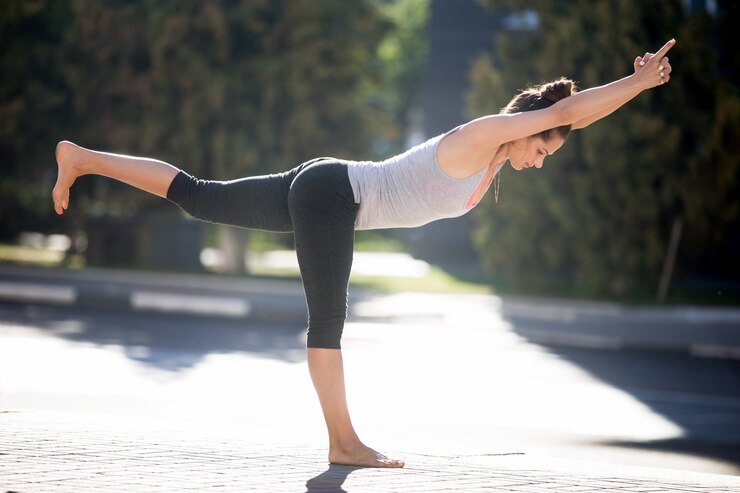
Here are 10 yoga poses that can help increase stamina:
5 Best Yoga Poses for Liver Disorder
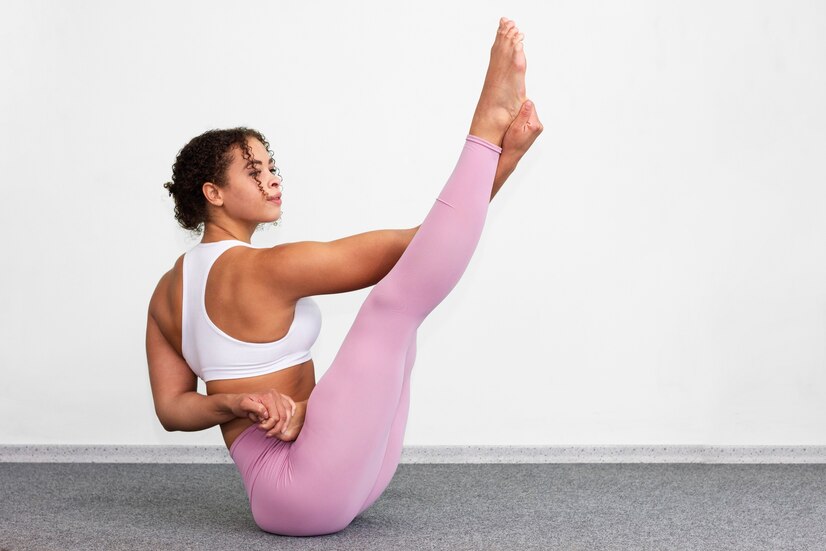
Here are 5 yoga poses that may help with liver disorders: It is important to consult with a healthcare professional before starting a yoga practice, especially if you have a liver disorder or any other health concerns.
5 Best Yoga Poses to Cure Abdominal Disorders

Here are 5 best yoga poses to help with abdominal disorders: Trikonasana (Triangle Pose): This pose helps to stretch and strengthen the abdominal muscles, improve digestion, and relieve constipation
Top 5 Yoga Poses for Thyroid Treatment
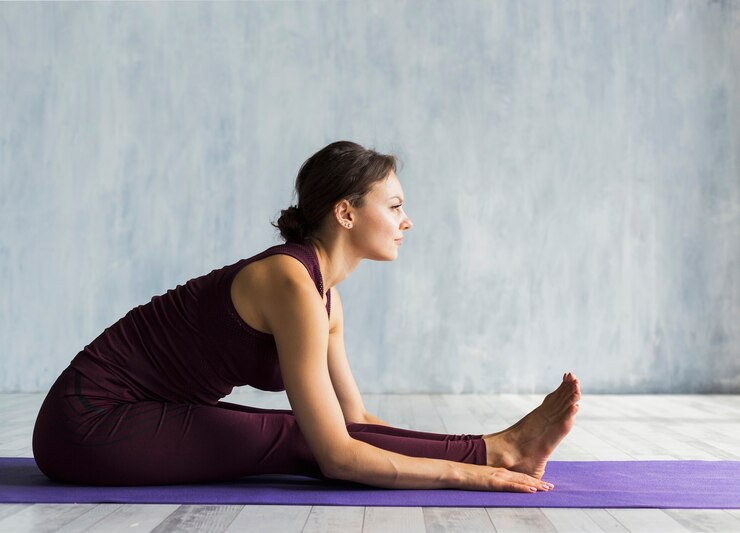
Here are the top 5 yoga poses for thyroid treatment:
10 Best Yoga Poses to Cure Constipation
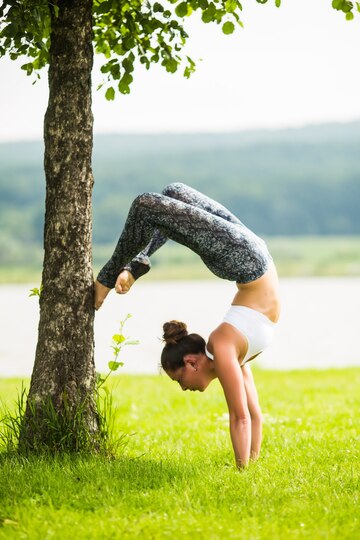
Here are 10 yoga poses that may help relieve constipation:
Best 10 Yoga Poses for a Flat Stomach
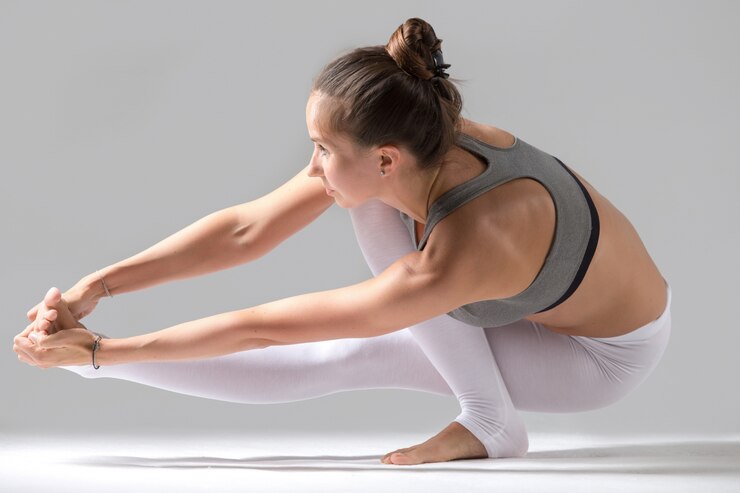
Here are 10 yoga poses that can help tone and strengthen the abdominal muscles, leading to a flatter stomach:
Top 10 Best Yoga Poses for Fertility