
Demystifying the Different Styles of Yoga
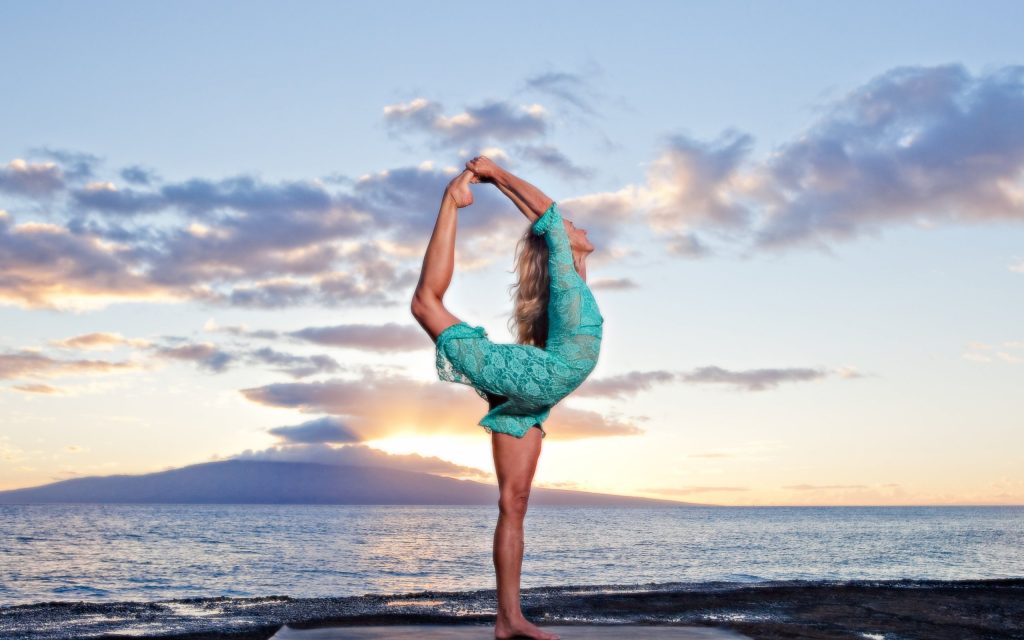
Demystifying the Different Styles of Yoga Introduction With so many styles of yoga available, it can be overwhelming to know which one is right for you. Some yoga classes focus on strength and movement, while others emphasize relaxation and meditation. Whether you’re a beginner or an experienced practitioner, understanding the different styles of yoga can help you choose a practice that aligns with your needs, goals, and preferences. This guide breaks down the most popular styles of yoga, their unique benefits, and who they’re best suited for. 1. Hatha Yoga – The Foundation of All Yoga What It Is: Hatha yoga is a general term for physical yoga practices (asana and pranayama). In modern yoga, Hatha classes are typically slower-paced and focus on basic postures, alignment, and breath control. Best For: Beginners looking for an introduction to yoga Those who prefer a slower, balanced practice Anyone seeking relaxation and improved flexibility What to Expect: A mix of standing and seated poses Gentle breathing exercises A calming, meditative approach 2. Vinyasa Yoga – Flowing and Dynamic What It Is: Vinyasa yoga is a fluid, movement-based practice where poses are linked together through breath. Often called “flow yoga,” it offers creative sequencing and continuous movement. Best For: Those who enjoy a dynamic, athletic practice People who like variety and creative sequences Anyone wanting to build endurance and flexibility What to Expect: Fast-paced movement synchronized with breath A variety of poses in each class Builds strength, flexibility, and cardiovascular fitness 3. Ashtanga Yoga – Structured and Physically Demanding What It Is: Ashtanga yoga follows a fixed sequence of poses in a precise order. It is a disciplined and physically intense practice with an emphasis on breath, bandhas (energy locks), and drishti (gaze). Best For: Dedicated practitioners who enjoy structure and discipline Those looking for a physically demanding practice People who want a self-led (Mysore-style) approach What to Expect: A set sequence repeated in every class Challenging transitions and postures A focus on personal progress and self-discipline 4. Power Yoga – Strength and Sweat What It Is: Power yoga is a modern, fitness-based approach to Vinyasa yoga, emphasizing strength, endurance, and flexibility. It often includes elements of Ashtanga but is more flexible in sequencing. Best For: Athletes and fitness enthusiasts Those looking for a high-energy, sweat-inducing practice People who enjoy strength training with yoga What to Expect: A vigorous, fast-paced flow Strength-building poses and core work Less focus on spirituality, more on physicality 5. Yin Yoga – Deep Stretching and Stillness What It Is: Yin yoga is a slow, meditative practice that targets deep connective tissues. Poses are held for 3-5 minutes, allowing muscles to relax and fascia to release. Best For: Those seeking deep relaxation and flexibility Anyone with tight muscles or joint stiffness People looking to balance a high-energy lifestyle What to Expect: Passive stretching with longer holds A meditative, introspective approach Deep physical and emotional release 6. Restorative Yoga – Ultimate Relaxation What It Is: Restorative yoga is a deeply relaxing practice that uses props like bolsters, blankets, and blocks to support the body in gentle, long-held poses. It is designed for stress relief and healing. Best For: Those recovering from injury or illness People dealing with stress, anxiety, or burnout Anyone seeking deep relaxation What to Expect: Minimal movement, deep rest Supported poses with props Focus on breath and mindfulness 7. Kundalini Yoga – Awakening Inner Energy What It Is: Kundalini yoga combines movement, breathwork, chanting, and meditation to awaken spiritual energy at the base of the spine. It is a deeply transformative practice that works on mental clarity and emotional healing. Best For: Those interested in energy work and spirituality People seeking mental and emotional breakthroughs Anyone wanting a dynamic mix of movement and meditation What to Expect: Repetitive movements (kriyas) and breathing techniques Chanting, mantras, and meditation Strong energetic shifts and emotional release 8. Iyengar Yoga – Precision and Alignment What It Is: Iyengar yoga is a detail-oriented practice that emphasizes proper alignment and uses props like blocks, straps, and chairs. It’s great for improving posture and preventing injuries. Best For: People with injuries or physical limitations Those who enjoy a structured and precise approach Anyone wanting to refine their alignment What to Expect: Slower pace with an emphasis on posture detail Use of props for support and depth Focus on breath control and mindfulness 9. Bikram Yoga (Hot Yoga) – Sweat and Detox What It Is: Bikram yoga is a specific style of hot yoga featuring a set sequence of 26 poses practiced in a room heated to around 105°F (40°C) with high humidity. Best For: Those who enjoy intense, heated workouts People looking for detoxification through sweat Those who prefer consistency in their practice What to Expect: A fixed sequence in every class High heat and sweating A strong emphasis on endurance and discipline (Note: Many studios now offer “hot yoga” classes that are not strictly Bikram but still take place in a heated room.) 10. Jivamukti Yoga – Spiritual and Ethical Practice What It Is: Jivamukti yoga is a modern yoga style that blends physical asana, music, chanting, meditation, and ethical teachings, often promoting environmental and social activism. Best For: Those looking for a deeper spiritual connection in yoga People interested in yoga philosophy and activism Anyone who enjoys dynamic movement with meaning What to Expect: Strong, flowing asana sequences Incorporation of music, chanting, and philosophy A blend of physical, mental, and ethical teachings Choosing the Right Yoga Style for You With so many styles to explore, how do you choose? Here are a few questions to guide you: Do you want an energetic or calming practice? Energetic: Vinyasa, Ashtanga, Power, Bikram Calming: Yin, Restorative, Hatha Are you interested in spirituality and meditation? Yes: Kundalini, Jivamukti, Hatha No: Power, Bikram Do you need injury-friendly options? Yes: Iyengar, Restorative, Yin Do you prefer structure or creativity? Structure: Ashtanga, Bikram, Iyengar Creativity: Vinyasa, Jivamukti Final Thoughts Yoga is a deeply personal journey, and
Jnana Mudra (Gesture of Knowledge): Meaning, How to Do & Benefits
Jnana Mudra (Gesture of Knowledge): Meaning, How to Do & Benefits What is Jnana Mudra? Jnana Mudra, also known as the Gesture of Knowledge, is one of the most well-known and widely practiced mudras in yoga and meditation. It symbolizes wisdom, enlightenment, and inner awareness. The gesture represents the connection between the individual self (Jivatma) and the universal consciousness (Paramatma), making it a key practice for deep meditation and mental clarity. How to Do Jnana Mudra (Step-by-Step Guide) ✅ Step 1: Sit comfortably in a meditative posture (Padmasana, Sukhasana, or Vajrasana) with a straight spine.✅ Step 2: Rest your hands on your knees with palms facing upward.✅ Step 3: Touch the tip of the index finger to the tip of the thumb, forming a circle.✅ Step 4: Keep the other three fingers extended but relaxed.✅ Step 5: Close your eyes, take slow deep breaths, and focus on your breath or mantra.✅ Step 6: Hold this mudra for 10–30 minutes, preferably during meditation. 📌 Best Time to Practice: Early morning or before meditation📌 Recommended Duration: 10–30 minutes, daily📌 Optional: Can be combined with OM chanting or deep breathing exercises Meaning Behind Jnana Mudra The symbolism of Jnana Mudra lies in its hand position:✔️ Thumb (Divine Consciousness): Represents Brahman (universal consciousness)✔️ Index Finger (Individual Self): Symbolizes Jiva (ego or personal consciousness)✔️ Union of Fingers: Represents the dissolution of ego and merging with the universe✔️ Three Extended Fingers: Symbolize the three Gunas (Sattva – purity, Rajas – activity, and Tamas – inertia) By forming this mudra, a practitioner invokes higher knowledge, wisdom, and spiritual awareness. Benefits of Jnana Mudra 1️⃣ Enhances Focus & Mental Clarity ✔️ Improves concentration, memory, and learning ability✔️ Reduces brain fog, overthinking, and mental distractions 2️⃣ Promotes Deep Meditation & Spiritual Awakening ✔️ Helps in calming the mind and deepening meditation✔️ Connects with higher consciousness and self-realization 3️⃣ Reduces Stress, Anxiety & Negative Emotions ✔️ Balances the nervous system and emotions✔️ Increases inner peace and mindfulness 4️⃣ Improves Sleep & Relieves Insomnia ✔️ Induces relaxation and tranquility✔️ Helps in regulating sleep cycles and reducing restlessness 5️⃣ Boosts Brain Function & Nervous System Health ✔️ Activates the brain’s cognitive centers✔️ Helps in reducing symptoms of stress-related disorders Variations of Jnana Mudra 🔹 Chin Mudra (Gesture of Consciousness) – The same hand position but with palms facing downward (for grounding and inner stability). 🔹 Dhyana Mudra (Meditation Gesture) – Placing both hands in the lap with Jnana Mudra for deep contemplation and stillness. Precautions & Contraindications ✅ Safe for all age groups and can be practiced anywhere.⚠️ Avoid practicing if feeling overstimulated or hyperactive – reduce duration if needed. 🔹 Tip: Combine Jnana Mudra with deep breathing (Pranayama) or mantra chanting for amplified benefits. Final Thoughts Jnana Mudra is a powerful yet simple hand gesture that enhances wisdom, clarity, and spiritual awareness. With regular practice, it helps in calming the mind, improving focus, and deepening meditation.
10 Ways to Incorporate Meditation Into Your Daily Routine
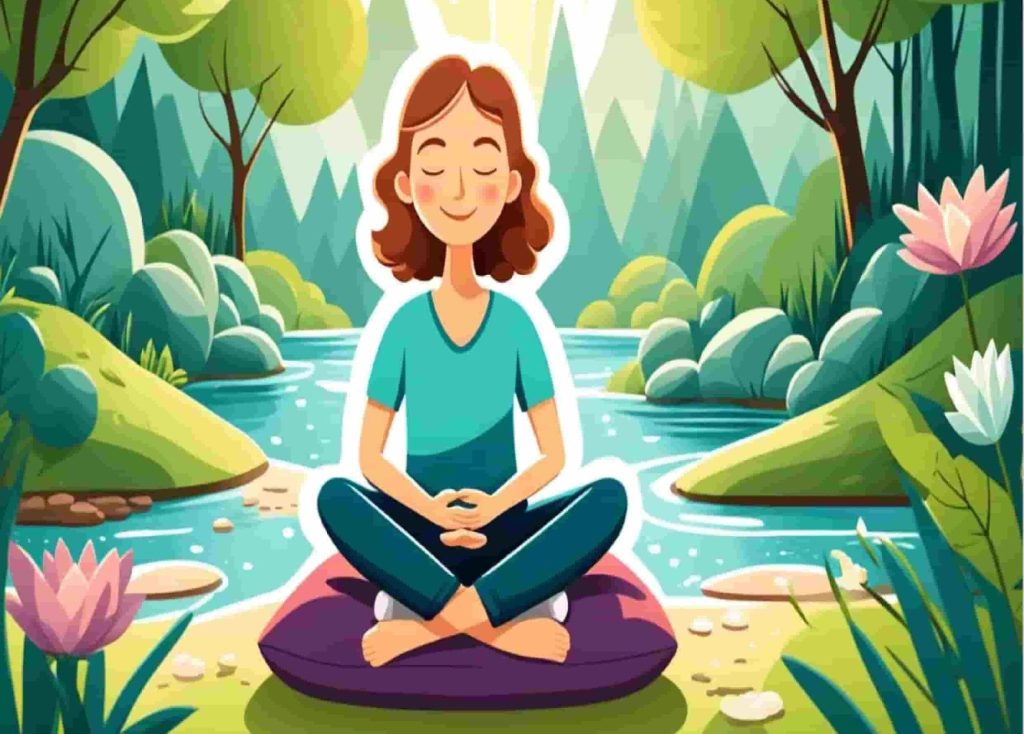
10 Ways to Incorporate Meditation Into Your Daily Routine Meditation doesn’t have to be a long or complicated practice. Even a few minutes of mindfulness can bring calmness, clarity, and focus to your day. Here are 10 simple ways to integrate meditation into your daily routine: 1. Morning Mindfulness (Start Your Day with Intention) ✅ How? Before getting out of bed, take 2-5 minutes to focus on your breath.✅ Benefits: Sets a positive tone for the day and reduces stress.📌 Tip: Try a short gratitude meditation by mentally listing 3 things you’re thankful for. 2. Breath Awareness During Daily Tasks ✅ How? While brushing your teeth, making coffee, or showering, focus on your breath and sensations.✅ Benefits: Turns routine moments into mini-meditations, keeping you present.📌 Tip: Inhale deeply through the nose, exhale slowly through the mouth. 3. Walking Meditation ✅ How? Walk slowly and focus on each step, the rhythm of your breath, and the sensation of movement.✅ Benefits: Combines movement and mindfulness, great for stress relief.📌 Tip: Try it while walking in nature or during your daily commute. 4. Mindful Eating ✅ How? Eat slowly, savor each bite, and pay attention to textures, flavors, and smells.✅ Benefits: Improves digestion, reduces overeating, and enhances appreciation for food.📌 Tip: Put your phone away while eating to fully engage with the experience. 5. Take a 2-Minute Meditation Break ✅ How? Pause during your workday to close your eyes, breathe deeply, and reset your mind.✅ Benefits: Enhances focus, productivity, and stress relief.📌 Tip: Set a reminder to pause and breathe every few hours. 6. Meditate Before Sleeping ✅ How? Before bed, do a 5-minute guided meditation or deep breathing exercise.✅ Benefits: Improves sleep quality and relaxes the nervous system.📌 Tip: Try Yoga Nidra or a body scan meditation for deeper rest. 7. Mindful Listening ✅ How? During conversations, give full attention to the speaker without distractions or interrupting.✅ Benefits: Strengthens relationships and improves communication.📌 Tip: Take a deep breath before responding to stay present and engaged. 8. Use an App or Guided Meditation ✅ How? Apps like Headspace, Insight Timer, or Calm offer quick, guided sessions.✅ Benefits: Makes meditation easy and accessible.📌 Tip: Start with just 5 minutes per day. 9. Meditate During Chores ✅ How? While washing dishes, folding laundry, or sweeping, focus on the rhythm of your movements and breath.✅ Benefits: Turns boring tasks into relaxing mindfulness exercises.📌 Tip: Engage fully in the sensation of warm water, textures, or sounds. 10. Gratitude Reflection Before Bed ✅ How? Spend 2-3 minutes thinking of things you’re grateful for before sleeping.✅ Benefits: Cultivates positivity and reduces anxiety.📌 Tip: Write down 3 good things from the day in a journal. Final Thoughts Meditation doesn’t have to be a separate activity—it can be woven into everyday moments. By practicing mindfulness in simple ways, you’ll experience greater peace, focus, and well-being without needing extra time.
Ashtanga Yoga vs. Bikram Yoga – Which is Better?
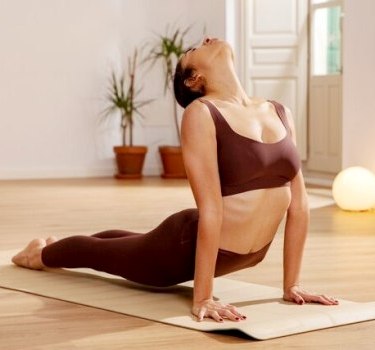
Ashtanga Yoga vs. Bikram Yoga – Which is Better? Both Ashtanga Yoga and Bikram Yoga are intense and structured styles, but they have different philosophies, benefits, and approaches. The best choice depends on your goals, fitness level, and preferences. In this article, we’ll compare Ashtanga and Bikram Yoga based on key factors like structure, intensity, benefits, and suitability to help you decide which one is better for you. 1. Overview of Ashtanga Yoga What is Ashtanga Yoga? Ashtanga Yoga is a dynamic and physically demanding practice that follows a fixed sequence of poses combined with breath control (Ujjayi Pranayama), energy locks (Bandhas), and gaze points (Drishti). ✔ Created by Sri K. Pattabhi Jois in the 20th century.✔ Involves six progressive series (Primary, Intermediate, and four Advanced series).✔ Requires discipline and consistent practice. Key Features of Ashtanga Yoga: ✔ Fast-paced, physically intense flow of poses.✔ No room heating – Heat is generated naturally through movement.✔ Focuses on breath-movement synchronization (Vinyasa flow).✔ Encourages self-practice (Mysore style) or guided led classes. Who is Ashtanga Yoga Best For? ✔ Experienced yogis who love structure and discipline.✔ Those looking for strength-building, flexibility, and endurance.✔ People comfortable with challenging sequences and intense physical exertion. 2. Overview of Bikram Yoga What is Bikram Yoga? Bikram Yoga is a hot yoga style that consists of a fixed sequence of 26 postures and two breathing exercises performed in a heated room (40°C / 104°F) with 40% humidity. ✔ Created by Bikram Choudhury in the 1970s.✔ Every class follows the same 90-minute sequence.✔ The high heat increases sweating and flexibility. Key Features of Bikram Yoga: ✔ Intense heat (hot yoga style) to promote detoxification and flexibility.✔ The same sequence of poses every class, focusing on strength and balance.✔ No music, chanting, or hands-on adjustments – just verbal instruction.✔ Hydration is crucial to prevent dehydration from excessive sweating. Who is Bikram Yoga Best For? ✔ Those who enjoy sweating and detoxing in a heated environment.✔ Beginners who prefer a predictable, structured practice.✔ People looking for a low-impact but intense workout. 3. Comparing Ashtanga Yoga and Bikram Yoga Feature Ashtanga Yoga Bikram Yoga Intensity Very intense, fast-paced Intense, but slower movements Sequence Fixed, but varies by series (6 levels) Fixed 26 postures, same every class Heat No external heat; heat is built internally Heated room (40°C) Flexibility Requirement Requires moderate flexibility to start Heat helps increase flexibility Breath Control (Pranayama) Focuses on deep, controlled breathing Limited breathwork, two breathing exercises Sweating Moderate sweating due to movement Heavy sweating due to external heat Strength & Endurance Builds muscular strength and stamina Focuses on balance and endurance Mental Challenge Requires mental focus and patience Requires mental resilience to handle heat Accessibility More challenging for beginners Easier for beginners due to repetition Weight Loss Effective for weight loss with regular practice Helps with weight loss due to sweating Best for Beginners? Better for intermediate to advanced yogis More beginner-friendly 4. Which One is Better for You? The answer depends on your personal goals, fitness level, and preference for heat. ✔ Choose Ashtanga Yoga if: You want a physically demanding, strength-building practice. You prefer structured yet evolving sequences. You like fast-paced, flowing movements (Vinyasa-style yoga). You are comfortable with self-discipline and long-term progression. ✔ Choose Bikram Yoga if: You enjoy hot yoga and sweating. You prefer a fixed, predictable sequenceevery class. You want a low-impact but detoxifying workout. You are a beginner looking for a guided, structured routine. Final Verdict: Ashtanga vs. Bikram Yoga Both styles have unique benefits: Ashtanga Yogais best for building strength, endurance, and flexibility while developing discipline. Bikram Yogais best for sweating, detoxification, and improving flexibility in a heated room. If you want a dynamic, evolving practice, go for Ashtanga Yoga.If you prefer a structured, hot yoga experience, try Bikram Yoga.
5 Kleshas: Causes of Suffering & How to Remove Them 🕉️
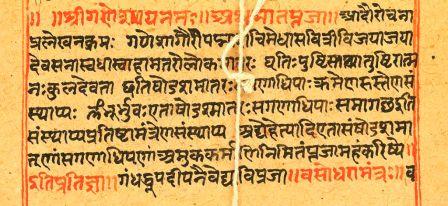
5 Kleshas: Causes of Suffering & How to Remove Them 🕉️ In Yoga Philosophy (Patanjali’s Yoga Sutras, II.3), the Kleshas are the five root causes of suffering and mental afflictions. These are deep-seated patterns of ignorance, ego, attachment, aversion, and fear, which prevent us from realizing our true nature (Atman). To achieve inner peace and self-realization, we must identify and transcend these Kleshas through yogic practices, awareness, and wisdom. 🔹 The 5 Kleshas (Causes of Suffering) Klesha Meaning How It Affects Us Avidya Ignorance Mistaken identity with the body & mind Asmita Ego Over-identification with “I” & “mine” Raga Attachment Craving pleasure & material things Dvesha Aversion Fear, hatred, and resistance to discomfort Abhinivesha Fear of Death Clinging to life and fear of the unknown Each Klesha is interconnected and forms the foundation of suffering (Dukha). Let’s explore them deeply and learn how to remove them. 1️⃣ Avidya (Ignorance – The Root of All Suffering) 📌 Meaning: Avidya is spiritual ignorance—the misunderstanding that we are the body, mind, and emotions rather than the eternal, pure consciousness (Atman). 📌 How It Affects Us? We believe temporary things(money, relationships, fame) will bring permanent happiness. We suffer because we identify with pain, pleasure, success, and failureinstead of seeing life’s impermanence. 🧘♀️ How to Remove Avidya?✔️ Jnana Yoga (Self-inquiry & Study of Scriptures) – Read Vedanta, Bhagavad Gita, Upanishads.✔️ Practice mindfulness & self-awareness – Question your thoughts, beliefs, and perceptions.✔️ Meditate on “Who am I?” – Realize you are not the body or mind, but pure consciousness. 🌿 Realization: When Avidya dissolves, true wisdom (Jnana) arises, and suffering disappears. 2️⃣ Asmita (Ego – The Illusion of “I”) 📌 Meaning: Asmita is the ego (false sense of self) that separates us from others and the universe. 📌 How It Affects Us? We attach labelsto ourselves: “I am rich/poor, successful/failure, smart/dumb.” The ego craves validation, superiority, and control, leading to pride, comparison, and suffering. 🧘♀️ How to Remove Asmita?✔️ Practice humility & selfless service (Karma Yoga).✔️ Let go of attachment to identity – You are NOT your career, wealth, or status.✔️ Surrender ego to the divine (Bhakti Yoga) – Realize all is interconnected. 🌿 Realization: When Asmita fades, we experience oneness, peace, and unity with all beings. 3️⃣ Raga (Attachment – The Craving for Pleasure) 📌 Meaning: Raga is clinging to desires, people, and material things as sources of happiness. 📌 How It Affects Us? We chase pleasure (sensory, emotional, material)and suffer when it’s lost. We fear changebecause we are attached to comfort, relationships, and success. 🧘♀️ How to Remove Raga?✔️ Practice detachment (Vairagya) – Enjoy life without clinging.✔️ Gratitude & contentment (Santosha, Niyama) – Appreciate what is instead of craving what isn’t.✔️ Self-discipline (Tapas) – Train the mind to find peace in stillness, not in external pleasures. 🌿 Realization: When Raga disappears, we become free from desires and emotional turmoil. 4️⃣ Dvesha (Aversion – The Fear of Pain) 📌 Meaning: Dvesha is hatred, fear, or resistance to people, situations, or experiences we dislike. 📌 How It Affects Us? We resist uncomfortable truths, challenges, and growth. We become angry, fearful, or bitterwhen things don’t go our way. 🧘♀️ How to Remove Dvesha?✔️ Practice acceptance & equanimity (Ishwarapranidhana) – Trust that life unfolds as it should.✔️ Face your fears with courage – What we resist, persists.✔️ Forgive & release negativity – Holding onto hate only harms us. 🌿 Realization: When Dvesha disappears, we experience inner peace and resilience. 5️⃣ Abhinivesha (Fear of Death – The Clinging to Life) 📌 Meaning: Abhinivesha is the deep-seated fear of death, loss, and the unknown. 📌 How It Affects Us? Fear of aging, sickness, and uncertaintycauses anxiety. We avoid taking risks or embracing change. 🧘♀️ How to Remove Abhinivesha?✔️ Practice surrender & trust (Bhakti Yoga) – Accept that death is a transition, not an end.✔️ Live fully in the present moment (Mindfulness & Meditation).✔️ Overcome fear with wisdom (Swadhyaya, Study of Scriptures). 🌿 Realization: When Abhinivesha dissolves, we live fearlessly and embrace the flow of life. 🔹 How to Overcome the Kleshas? (Practical Guide) Practice Removes Which Klesha? Jnana Yoga (Self-inquiry & Wisdom) Avidya Karma Yoga (Selfless service) Asmita Vairagya (Detachment & Letting go) Raga Forgiveness & Acceptance Dvesha Meditation & Surrender to the Divine Abhinivesha By practicing Yoga, Meditation, Self-awareness, and Wisdom, we can purify our minds, break free from suffering, and realize our true, infinite nature (Atman).
Acro Yoga: Ultimate Guide to Practice and Benefits
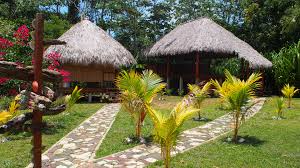
Acro Yoga: Ultimate Guide to Practice and Benefits Acro Yoga is a dynamic and fun form of yoga that combines traditional yoga, acrobatics, and Thai massage. It involves two or more people working together in partner poses that incorporate strength, balance, flexibility, and trust. Acro yoga is often practiced in pairs, with one person acting as the base (supporting the other) and the other as the flyer (performing the aerial poses). A third person, known as the spotter, may also be present to ensure safety. This practice has gained popularity because of its unique blend of physical activity, connection, and playfulness. It offers a great way to improve strength, flexibility, and coordination while building trust and communication with your partner(s). Types of Acro Yoga Acro Yoga Therapeutic: This form is focused on providing healingand relaxation through partner-based stretches, massages, and passive poses. It often incorporates Thai yoga massagetechniques to release tension and relax the body. Acro Yoga Flow: This involves a series of flowing posesand sequences, often with the flyer moving through different positions and transitions. It combines acrobatics and yoga postures with a fluid, rhythmic movement. Acro Yoga Acrobatics: This is the more challengingform of acro yoga, where the flyer performs advanced acrobatic poses, supported by the base. These poses may involve balancing, flipping, or holding more complex positions in the air. Partner Yoga: In this form, the emphasis is on cooperation and alignment rather than acrobatics. The poses are often similar to traditional yoga, but they require working with a partner to deepen stretches or enhance balance. Beginner Tips for Acro Yoga Start with the Basics: Learn fundamental yoga posesfirst, as many acro yoga poses are rooted in traditional yoga. Having a solid foundation in yoga can help you better understand body alignment, balance, and strength. Begin with simple partner posesto get used to working with a partner and to build trust. Find a Partner or Group: Acro yoga is typically done in pairs, but you can also practice with a small group. Make sure you practice with someone you trust or with experienced practitioners who know the poses and techniques. Use a Spotter: A spotteris an essential part of acro yoga, especially for beginners. The spotter ensures safety, helps with adjustments, and gives the flyer the confidence to try more challenging poses. Clear Communication: Acro yoga requires clear communicationbetween the base and the flyer. Discuss the pose, timing, and any potential adjustments before attempting the pose. Check in with each other during the practice to ensure comfort and safety. Focus on Strength and Balance: The base must have strong core muscles, arms, and legs to support the flyer, while the flyer must work on their balanceand body control. Both partners should work on core engagement, as the core is critical for maintaining stability in acro yoga. Practice Trust: Trustis a fundamental aspect of acro yoga. The flyer must trust the base to catch them or support them, and the base must trust the flyer to remain balanced and stable. Use Proper Alignment: Correct alignmentis essential for safety and effectiveness. For example, the base should avoid compressing their joints or putting undue pressure on the flyer. Both partners should focus on their posture and alignment during each pose. Progress Gradually: Start with simple poses and gradually progress to more complex and advanced sequences as your strength, balance, and confidence increase. Don’t rush into advanced poses. Acro Yoga Benefits Builds Strength: Acro yoga is excellent for strength-building, particularly in the core, arms, legs, and back. The base uses their muscles to lift, balance, and support the flyer, while the flyer strengthens their core and muscles for balance and control. Improves Flexibility: As acro yoga involves various stretches and dynamic movements, it can significantly improve your flexibilityin the hips, spine, and shoulders. Enhances Balance and Coordination: Acro yoga requires a high level of balanceand coordination. Both the base and the flyer must work together, making it a great way to improve overall body awareness and control. Boosts Trust and Communication: The practice fosters trustbetween partners, as both must rely on each other to safely perform poses. Effective communication is key to successful practice and ensures that both parties are comfortable with each pose. Increases Mindfulness and Focus: Acro yoga requires concentration and presence of mind. This leads to increased mindfulness, helping practitioners stay grounded and focused during their practice. Stress Relief and Emotional Benefits: Like other forms of yoga, acro yoga can help reduce stressand promote relaxation. The combination of physical exertion and the playfulness of partner work can uplift mood and improve mental well-being. It also strengthens emotional bonds between partners, which can lead to a sense of connection and joy. Boosts Self-Confidence: Successfully performing acro yoga poses, especially difficult ones, can give you a tremendous sense of achievement and boost self-confidence. Promotes Creativity: The playful and exploratory nature of acro yoga encourages creativity. Practitioners often invent new sequences, experiment with poses, and try new ways to move and connect with their partners. Helps with Spinal Alignment: Many acro yoga poses involve gentle backbends, inversions, and spinal decompression, which can promote a healthier spineand improve posture. Improves Flexibility and Mobility in the Hips: Many acro yoga poses, particularly those involving deep stretching and inversions, can help open up the hips, leading to improved flexibility and mobility. Popular Acro Yoga Poses to Try The Throne Pose: In this pose, the base sits with their legs bent, supporting the flyer’s back with their hands while the flyer balances with their legs extended in the air. This pose promotes core strength and balance. Front Bird Pose: The base lies on their back while holding the flyer’s ankles, lifting the flyer into the air. The flyer extends their legs in front of them, creating a “flying bird” shape. This pose requires balance, core strength, and stability. Double Downward Dog: One person (the base) forms a traditional downward dogpose, while the other person (the flyer) places their feet on the base’s shoulders and their
B.K.S. Iyengar: The Father of Modern Yoga
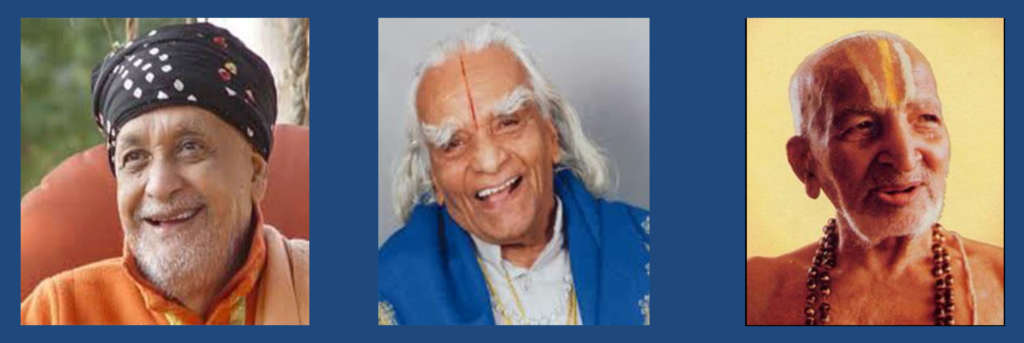
B.K.S. Iyengar: The Father of Modern Yoga Introduction Bellur Krishnamachar Sundararaja (B.K.S.) Iyengar is widely regarded as the Father of Modern Yoga, having played a pivotal role in popularizing yoga worldwide. Through his disciplined approach, precise alignment techniques, and deep philosophical insights, he revolutionized how yoga is practiced and taught today. His method, known as Iyengar Yoga, emphasizes alignment, the use of props, and a therapeutic approach, making yoga accessible to people of all ages and abilities. In this article, we will explore B.K.S. Iyengar’s life, teachings, contributions to modern yoga, and lasting legacy. Early Life and Struggles Born in 1918 in Bellur, Karnataka, India, Iyengar had a difficult childhood marked by poverty and poor health. He suffered from illnesses like malaria, tuberculosis, and typhoid, making him physically weak. At the age of 16, his brother-in-law and renowned yogi, T. Krishnamacharya, introduced him to yoga as a way to improve his health. Despite initial struggles, Iyengar devoted himself to yoga, practicing with great intensity and discipline. Over time, he developed extraordinary strength, flexibility, and mastery of asanas (postures), transforming his frail body into a symbol of health and vitality. The Birth of Iyengar Yoga Iyengar Yoga is known for its precision, alignment, and use of props like blocks, straps, and bolsters. Unlike other styles that focus on flow and speed, Iyengar Yoga emphasizes holding postures longer with proper body mechanics. Key Principles of Iyengar Yoga Alignment– Focus on proper posture to prevent injury and maximize benefits. Use of Props– Blocks, straps, chairs, and ropes help students achieve poses safely and effectively. Sequencing– Asanas are arranged systematically to prepare the body and mind. Therapeutic Approach– Iyengar Yoga is often used for healing injuries, chronic pain, and medical conditions. Discipline & Mindfulness– Every movement is intentional, promoting focus and awareness. Spreading Yoga to the World B.K.S. Iyengar’s influence expanded internationally when he taught famous violinist Yehudi Menuhin in the 1950s. Menuhin, impressed by Iyengar’s teachings, invited him to Europe, helping introduce yoga to the West. Iyengar’s books, particularly “Light on Yoga” (1966), became one of the most influential yoga texts in the world, guiding millions of practitioners. He also wrote other classics like: “Light on Pranayama”– A deep dive into breath control techniques. “Light on the Yoga Sutras of Patanjali”– His interpretation of ancient yogic philosophy. “The Tree of Yoga”– A spiritual exploration of yoga’s impact on daily life. Through these works and his global travels, Iyengar established yoga as a scientific, structured, and therapeutic practice, helping to make it accessible to people worldwide. The Use of Props: Making Yoga Accessible One of Iyengar’s greatest contributions to modern yoga was the introduction of props. He understood that not everyone had the flexibility or strength to perform advanced postures immediately. By using: Blocksto support the hands in standing poses Strapsto extend reach in stretching poses Bolstersfor restorative poses Chairs and ropesfor support in difficult asanas Iyengar made yoga inclusive, allowing beginners, elderly practitioners, and those with physical limitations to experience its benefits safely. Iyengar Yoga for Therapy and Healing Iyengar’s method is highly regarded for its therapeutic applications. Many students with back pain, arthritis, injuries, or medical conditions turn to Iyengar Yoga for relief. He developed specific sequences to help with ailments, recognizing yoga’s potential for rehabilitation and healing. His teachings are now used in hospitals, physiotherapy clinics, and wellness centers worldwide. Global Impact and Recognition B.K.S. Iyengar’s influence on yoga is immeasurable. His contributions earned him numerous awards, including: Padma Shri (1991) Padma Bhushan (2002) Padma Vibhushan (2014)– India’s second-highest civilian honor He founded the Ramamani Iyengar Memorial Yoga Institute (RIMYI) in Pune, India, which continues to train teachers and students in his method. Today, Iyengar Yoga is practiced in over 70 countries, with certified teachers carrying forward his legacy. The Legacy of B.K.S. Iyengar B.K.S. Iyengar passed away in 2014 at the age of 95, leaving behind an extraordinary legacy. His teachings continue to inspire yoga practitioners, teachers, and medical professionals worldwide. How Iyengar Changed Modern Yoga: ✔ Made yoga scientific and systematic, bringing credibility to the practice.✔ Developed therapeutic yoga, helping people with medical conditions.✔ Introduced props, making yoga accessible to all body types and ages.✔ Inspired millions through books, workshops, and teacher training programs. His influence is deeply embedded in modern yoga, and his method continues to thrive as a gold standard for alignment and precision. Final Thoughts B.K.S. Iyengar transformed yoga into a precise, therapeutic, and globally accessible practice. His dedication, innovation, and deep understanding of the human body have helped shape modern yoga as we know it today. Whether you are a beginner or an experienced yogi, Iyengar Yoga offers a structured, mindful approach that prioritizes alignment, safety, and healing. If you haven’t explored his teachings yet, now is the perfect time to experience the wisdom of the Father of Modern Yoga.
Bhramara Mudra (Allergy Relief Yoga Gesture): How to Do & Benefits
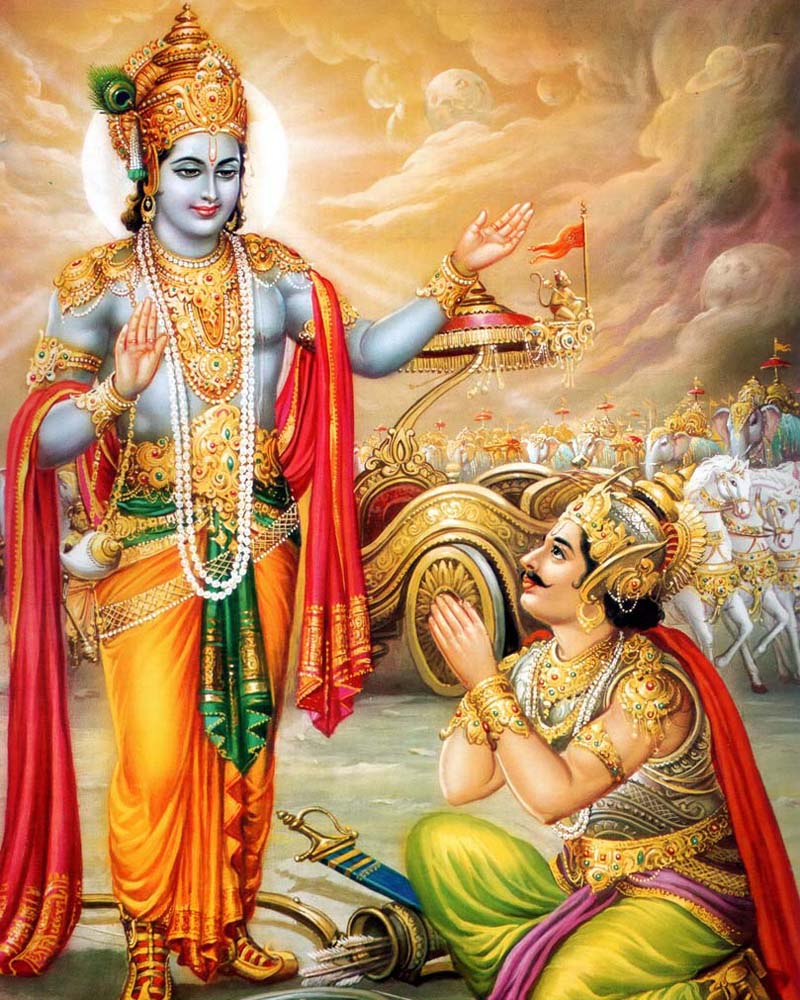
Bhramara Mudra (Allergy Relief Yoga Gesture): How to Do & Benefits What is Bhramara Mudra? Bhramara Mudra is a powerful yogic hand gesture designed to help boost immunity, relieve allergies, and clear nasal congestion. Named after Bhramara, which means bee in Sanskrit, this mudra is inspired by the light, delicate movement of a bee, symbolizing purification and protection from allergens. It is particularly beneficial for those suffering from sinusitis, asthma, skin allergies, and respiratory issues. How to Do Bhramara Mudra (Step-by-Step Guide) ✅ Step 1: Sit comfortably in Padmasana (Lotus Pose), Sukhasana (Easy Pose), or Vajrasana with a straight spine.✅ Step 2: Rest both hands on your knees with palms facing upward.✅ Step 3: Place the index finger at the base of the thumb. Touch the tip of the thumb to the side of the middle finger. Keep the ring and little fingers extended outward. ✅ Step 4:Close your eyes, take slow, deep breaths, and focus on your breath. ✅ Step 5: Hold the mudra for 5–15 minutes, preferably while meditating or practicing pranayama. 📌 Best Time to Practice: Morning or anytime you experience allergy symptoms📌 Recommended Duration: 10–15 minutes, 2–3 times daily📌 Optional: Can be combined with Bhramari Pranayama (Bee Breath) for enhanced results Benefits of Bhramara Mudra 1️⃣ Relieves Allergies & Boosts Immunity ✔️ Helps reduce nasal congestion, sneezing, and runny nose✔️ Strengthens the immune system to fight allergens 2️⃣ Clears Sinus & Respiratory Blockages ✔️ Opens up blocked sinuses and reduces mucus buildup✔️ Helps in asthma, sinusitis, and respiratory infections 3️⃣ Reduces Skin Allergies & Inflammation ✔️ Supports the body’s detox process to remove toxins✔️ Aids in eczema, rashes, and other skin conditions 4️⃣ Improves Digestion & Reduces Food Allergies ✔️ Stimulates digestion and prevents bloating✔️ Helps regulate gut health, which is linked to allergies 5️⃣ Calms the Mind & Reduces Stress-Related Allergies ✔️ Activates Prana (life energy) to balance emotions✔️ Relieves stress-induced allergic reactions and itching Precautions & Contraindications ⚠️ Avoid or modify if you have:❌ Severe breathing difficulties (Asthma attacks) – Practice under guidance❌ Excessive dryness or dehydration – Drink water before practicing❌ High fever or acute infections – Wait until symptoms reduce 🔹 Tip: For better results, combine Bhramara Mudra with nasal cleansing (Jala Neti) and pranayama (Anulom Vilom & Bhramari Pranayama). Final Thoughts Bhramara Mudra is an effective natural remedy for allergies, sinus congestion, and respiratory health. With regular practice, it helps boost immunity, purify the body, and relieve allergic reactions.
Oldest yoga institutes india
Oldest yoga institutes india India is home to some of the oldest and most renowned yoga institutes that have preserved and propagated traditional yoga practices while adapting to modern times. Here are some of the oldest and most influential yoga institutes in India: 1. The Yoga Institute (Founded in 1918, Mumbai) Founder:Shri Yogendra Legacy:The oldest organized yoga institute in the world, emphasizing yoga for daily life. Specialties:Classical Hatha Yoga, therapeutic yoga, teacher training, and stress management programs. 2. Bihar School of Yoga (Founded in 1964, Munger, Bihar) Founder:Swami Satyananda Saraswati Legacy:A pioneer in integrating yoga with scientific research and therapy. Specialties:Yoga Nidra, Kundalini Yoga, Kriya Yoga, and holistic spiritual development. 3. Kaivalyadhama Yoga Institute (Founded in 1924, Lonavala, Maharashtra) Founder:Swami Kuvalayananda Legacy:One of the first institutes to study yoga scientifically, bridging tradition and modern science. Specialties:Yoga research, therapy, philosophy, and teacher training. 4. Krishnamacharya Yoga Mandiram (Founded in 1976, Chennai, Tamil Nadu) Founder:K.V. Desikachar (son of Krishnamacharya) Legacy:Preserves the teachings of Krishnamacharya, the father of modern yoga. Specialties:Viniyoga (personalized yoga), therapeutic yoga, and chanting. 5. Sivananda Yoga Vedanta Centers (Founded in 1959, Rishikesh and worldwide) Founder:Swami Vishnudevananda (disciple of Swami Sivananda) Legacy:Promotes the Sivananda tradition of yoga, focusing on holistic well-being. Specialties:Hatha Yoga, Vedanta philosophy, and international teacher training. 6. Ramamani Iyengar Memorial Yoga Institute (Founded in 1975, Pune, Maharashtra) Founder:K.S. Iyengar Legacy:The global hub of Iyengar Yoga, emphasizing alignment and therapeutic practices. Specialties:Iyengar Yoga, use of props, yoga for therapy, and detailed posture alignment. 7. Morarji Desai National Institute of Yoga (Founded in 1970, New Delhi) Founder:Government of India Legacy:A premier yoga research and education institute under the Ministry of AYUSH. Specialties:Yoga research, teacher training, and yoga therapy for lifestyle diseases. 8. Parmarth Niketan (Founded in 1942, Rishikesh, Uttarakhand) Founder:Swami Shukdevanandji Maharaj Legacy:One of the largest spiritual institutions in Rishikesh, offering yoga and spiritual retreats. Specialties:Traditional Hatha Yoga, Ganga Aarti, meditation, and Ayurveda. 9. Ashtanga Yoga Institute (Founded in 1948, Mysore, Karnataka) Founder: Pattabhi Jois Legacy:The birthplace of Ashtanga Vinyasa Yoga, a dynamic and physically demanding style. Specialties:Ashtanga Yoga, Mysore-style self-practice, and teacher training. 10. Krishnamacharya Health & Yoga Foundation (Founded in 2006, Chennai, Tamil Nadu) Founder:K. Sribhashyam (son of Krishnamacharya) Legacy:Carries forward Krishnamacharya’s teachings with a focus on yoga therapy. Specialties:Therapeutic yoga, personalized yoga practices, and breath-centered movement. Conclusion These oldest yoga institutes in India have played a pivotal role in preserving and spreading yoga worldwide. They have upheld traditional teachings while also modernizing practices through research, therapy, and education. Whether you seek classical Hatha Yoga, Ashtanga, Iyengar, or Yoga Nidra, these institutes provide a strong foundation for both beginners and advanced practitioners.
Understanding the Three Granthis in Yoga: Brahma, Vishnu, and Rudra
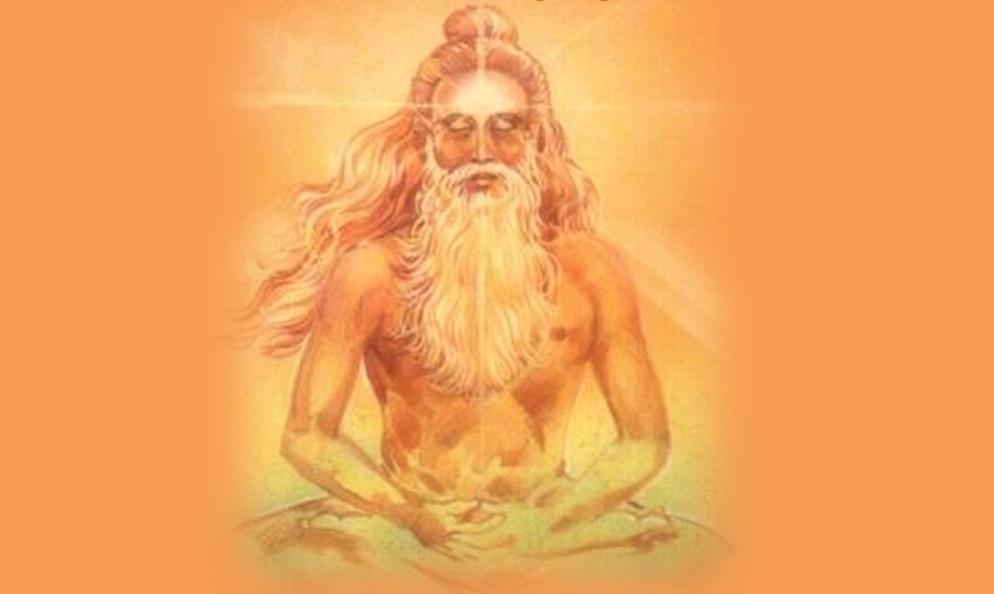
Understanding the Three Granthis in Yoga: Brahma, Vishnu, and Rudra In yogic philosophy, the human energy system has three major knots (Granthis) that block the free flow of Kundalini energy as it rises through the chakras. These energy knots, known as Brahma Granthi, Vishnu Granthi, and Rudra Granthi, represent different layers of attachment and ego that one must overcome for spiritual awakening and self-realization. Let’s explore their meaning, significance, and ways to unlock them. What are Granthis? The word Granthi (गंथि) in Sanskrit means “knot” or “blockage.” These knots represent deep-seated physical, mental, and emotional barriers that prevent the free movement of Prana (life force energy) and spiritual progress. 🔹 Each Granthi is located at a specific point along the Sushumna Nadi (the central energy channel).🔹 As the Kundalini energy rises, it must pierce through these knots to move towards enlightenment.🔹 Overcoming these knots leads to freedom from fear, attachment, and ego. The Three Granthis & Their Significance 1️⃣ Brahma Granthi (The Knot of Creation – Root & Sacral Chakras) 🔹 Location: Between the Muladhara (Root Chakra) & Svadhisthana (Sacral Chakra)🔹 Associated with: Survival, Material Attachments, Physical Desires🔹 Represents: Fear, insecurity, attachment to worldly pleasures 🌀 Brahma Granthi is the knot of material existence. It keeps us bound to basic human instincts like fear, desire, and survival needs (food, money, relationships). This knot prevents spiritual growth by keeping the mind focused on physical comfort and external reality. ✅ Signs of a Blocked Brahma Granthi: Excessive fear, anxiety, or insecurity Strong attachment to material possessions Feeling stuck in worldly desires and pleasures 🔑 How to Overcome Brahma Granthi:✔️ Pranayama: Bhastrika (Bellows Breath), Kapalabhati (Skull-Shining Breath)✔️ Asanas: Grounding poses like Tadasana (Mountain Pose) & Malasana (Squat Pose)✔️ Mantra: “LAM” (Root Chakra Bija Mantra)✔️ Practice Detachment & Simplicity 2️⃣ Vishnu Granthi (The Knot of Preservation – Solar Plexus & Heart Chakras) 🔹 Location: Between the Manipura (Solar Plexus) & Anahata (Heart Chakra)🔹 Associated with: Ego, Power, Emotional Attachments🔹 Represents: Pride, identity, emotional dependencies 🌀 Vishnu Granthi is the knot of ego and emotions. It binds us to personal identity, social status, relationships, and emotional bonds. This creates dependency, fear of rejection, and attachment to recognition and control. ✅ Signs of a Blocked Vishnu Granthi: Strong need for approval or control Fear of letting go and trusting the universe Emotional instability (over-attachment or excessive detachment) 🔑 How to Overcome Vishnu Granthi:✔️ Pranayama: Anulom Vilom (Alternate Nostril Breathing), Ujjayi (Ocean Breath)✔️ Asanas: Heart-opening poses like Bhujangasana (Cobra Pose) & Ustrasana (Camel Pose)✔️ Mantra: “YAM” (Heart Chakra Bija Mantra)✔️ Practice Selfless Service (Seva) & Unconditional Love 3️⃣ Rudra Granthi (The Knot of Transformation – Throat, Third Eye & Crown Chakras) 🔹 Location: Between the Vishuddha (Throat), Ajna (Third Eye), & Sahasrara (Crown Chakra)🔹 Associated with: Spiritual Ignorance, Illusion of Separation🔹 Represents: Ego identity, attachment to intellect, resistance to higher wisdom 🌀 Rudra Granthi is the final knot that blocks enlightenment. It prevents us from fully surrendering to divine consciousness and universal wisdom. The mind clings to intellectual understanding rather than direct experience. Breaking this knot leads to self-realization and union with the higher self. ✅ Signs of a Blocked Rudra Granthi: Over-reliance on logic and resistance to intuition Fear of dissolving personal identity (ego death) Lack of spiritual clarity and connection 🔑 How to Overcome Rudra Granthi:✔️ Pranayama: Bhramari (Bee Breath), Kumbhaka (Breath Retention)✔️ Asanas: Inversions like Sirsasana (Headstand) & Sarvangasana (Shoulder Stand)✔️ Mantra: “OM” (Universal Bija Mantra)✔️ Practice Surrender, Devotion (Bhakti Yoga), and Deep Meditation How to Unlock the Granthis? ✅ Regular Yoga & Pranayama – Clears energy blockages✅ Mantra Chanting – Activates higher awareness✅ Self-Inquiry (Jnana Yoga) – Breaks the illusion of ego✅ Detachment & Surrender – Allows energy to flow freely✅ Meditation on Chakras – Strengthens spiritual connection Final Thoughts The three Granthis are the primary obstacles on the path of spiritual awakening. By working through these knots with yoga, meditation, and breathwork, you can experience greater freedom, clarity, and self-realization.