
What Is Prana? Definition of Prana & the 5 Vital Energies

What Is Prana? Definition of Prana & the 5 Vital Energies Prana is the Sanskrit word for life force energy—the vital energy that sustains all living beings. It flows through the nadis (energy channels) and is regulated by breath, movement, and awareness. In yoga and Ayurveda, prana is the foundation of health, consciousness, and vitality. In this guide, you’ll learn:✅ What prana is & how it works✅ The 5 types of prana (Pancha Vayus)✅ How to balance prana through yoga & breathwork 1. What Is Prana? 🔹 Definition: Prana is the subtle energy that flows through the body, keeping us alive.🔹 Source: It comes from breath, food, sunlight, and thoughts.🔹 Function: It powers physical, mental, and spiritual processes. In short, prana is what makes life possible! Without prana, the body is just a lifeless shell. Prana in Different Traditions:✔ Yoga & Ayurveda – Prana is the energy that flows through the nadis.✔ Traditional Chinese Medicine – Similar to Qi (Chi), the life force.✔ Western Science – Can be compared to bioelectric energy in the body. 2. The 5 Types of Prana (Pancha Vayus) Prana is not just one energy—it has five major subdivisions (Vayus), each with a unique function: 1️⃣ Prana Vayu (Inward Energy) ✔ Located in the chest & head✔ Governs breathing, heartbeat, and mental clarity✔ Activated through deep breathing & meditation 2️⃣ Apana Vayu (Downward Energy) ✔ Located in the lower abdomen & pelvis✔ Governs elimination (urination, digestion, menstruation, childbirth)✔ Balanced through grounding yoga poses & hip openers 3️⃣ Samana Vayu (Digestive Energy) ✔ Located in the stomach & navel✔ Controls digestion, absorption, and metabolism✔ Boosted through core-strengthening exercises & mindful eating 4️⃣ Udana Vayu (Upward Energy) ✔ Located in the throat & upper body✔ Governs speech, self-expression, and spiritual growth✔ Activated through chanting, singing, and pranayama 5️⃣ Vyana Vayu (Circulatory Energy) ✔ Located throughout the entire body✔ Controls blood circulation, nerve impulses, and movement✔ Balanced through dynamic yoga flows & full-body awareness When all five Vayus are in harmony, prana flows smoothly, leading to optimal health and vitality. 3. How to Cultivate & Balance Prana 🌬️ 1. Breathwork (Pranayama) ✔ Nadi Shodhana (Alternate Nostril Breathing) – Balances prana flow✔ Bhramari (Bee Breath) – Calms the mind & nervous system✔ Kapalabhati (Skull-Shining Breath) – Energizes & clears stagnant energy 🧘 2. Yoga Poses (Asana) ✔ Chest openers (e.g., Cobra, Fish Pose) – Enhance Prana Vayu✔ Hip openers (e.g., Malasana, Pigeon Pose) – Ground Apana Vayu✔ Twists (e.g., Seated Twist, Revolved Triangle) – Activate Samana Vayu 🍃 3. Healthy Lifestyle & Diet ✔ Eat fresh, plant-based foods rich in prana✔ Spend time in nature & sunlight✔ Avoid negative thoughts & stress, which deplete prana 🕉 4. Meditation & Mantras ✔ Meditation increases mental & spiritual prana✔ Chanting “Om” or Bija Mantras enhances Udana Vayu 4. Signs of Prana Imbalance Too little prana?🚫 Fatigue, brain fog, low motivation🚫 Digestive issues, poor circulation🚫 Anxiety, stress, or emotional instability Too much prana?🚀 Restlessness, overthinking🚀 Insomnia, hyperactivity🚀 Nervous system overload Balancing prana through breath, movement, and mindfulness creates inner harmony & well-being. Final Thoughts Prana is the life force that sustains us, and understanding its flow can enhance vitality, mental clarity, and spiritual awareness. By practicing pranayama, yoga, and mindful living, you can awaken and balance your prana for a healthier, more vibrant life.
What Is a Chakra: 7 Chakras Signs of Being Balanced or Imbalanced

What Is a Chakra: 7 Chakras Signs of Being Balanced or Imbalanced A chakra is a center of energy in the body according to yogic philosophy and Ayurveda. The word “chakra” comes from the Sanskrit word for “wheel” or “disk” and refers to a spinning wheel of energy. These energy centers are believed to regulate not just physical health, but emotional, mental, and spiritual well-being as well. According to yogic traditions, there are seven main chakras, each associated with specific aspects of life, personality, and body functions. The Seven Main Chakras: Root Chakra (Muladhara) Location:Base of the spine, near the coccyx. Element:Earth Color:Red Mantra:“LAM” Associated with:Survival, stability, grounding, and security. Balanced Signs:Feeling grounded, safe, secure, and connected to the physical world. A stable foundation in life and relationships. Imbalanced Signs:Anxiety, fear, insecurity, financial struggles, or feeling ungrounded and disconnected from the world. Sacral Chakra (Svadhisthana) Location:Lower abdomen, about two inches below the navel. Element:Water Color:Orange Mantra:“VAM” Associated with:Creativity, sexuality, emotions, pleasure, and relationships. Balanced Signs:Creative energy, healthy emotional expression, and vibrant sexual energy. Enjoying intimacy and connection with others. Imbalanced Signs:Lack of creativity, sexual dysfunction, emotional instability, guilt, or difficulty forming emotional connections. Solar Plexus Chakra (Manipura) Location:Upper abdomen, above the navel, in the area of the stomach. Element:Fire Color:Yellow Mantra:“RAM” Associated with:Personal power, self-esteem, confidence, and motivation. Balanced Signs:Confidence, self-control, decision-making ability, and strong willpower. A clear sense of purpose and direction in life. Imbalanced Signs:Low self-esteem, lack of confidence, difficulty taking action, and feelings of powerlessness or anger. Heart Chakra (Anahata) Location:Center of the chest, near the heart. Element:Air Color:Green (sometimes pink) Mantra:“YAM” Associated with:Love, compassion, forgiveness, and relationships. Balanced Signs:Ability to give and receive love freely, compassion, forgiveness, and emotional balance. Imbalanced Signs:Emotional coldness, difficulty expressing love, fear of intimacy, grief, or feeling disconnected from others. Throat Chakra (Vishuddha) Location:Throat and neck area. Element:Ether (Space) Color:Blue Mantra:“HAM” Associated with:Communication, self-expression, truth, and creativity. Balanced Signs:Clear, honest communication, expressing oneself freely, and living in alignment with one’s truth. Imbalanced Signs:Difficulty expressing oneself, fear of speaking, lying, or not being able to communicate effectively or assertively. Third Eye Chakra (Ajna) Location:Between the eyebrows, in the center of the forehead. Element:Light Color:Indigo Mantra:“OM” Associated with:Intuition, wisdom, insight, and mental clarity. Balanced Signs:Strong intuition, mental clarity, wisdom, and ability to see the bigger picture. A sense of inner knowing and deep understanding. Imbalanced Signs:Lack of direction, closed-mindedness, difficulty making decisions, and inability to trust intuition. Crown Chakra (Sahasrara) Location:Top of the head, or slightly above it. Element:Thought or Consciousness Color:Violet or White Mantra:“AH” Associated with:Spirituality, divine connection, enlightenment, and higher consciousness. Balanced Signs:Feeling connected to the universe, a sense of spiritual purpose, and being in tune with higher wisdom and consciousness. Imbalanced Signs:Spiritual disconnection, lack of direction in life, feeling isolated, or a sense of purposelessness. Signs of Being Balanced or Imbalanced in the Chakras: Balanced Chakras: Physical Well-Being:The body functions properly, with no specific aches or issues related to the chakra. Emotional Balance:You feel emotionally stable and able to deal with challenges in a constructive way. Mental Clarity:You experience clear thinking and a sense of purpose. You’re able to make decisions confidently and trust your intuition. Spiritual Connection:You feel connected to a higher power, grounded in your beliefs, and at peace with the universe. Imbalanced Chakras: Physical Symptoms:Each chakra’s imbalance can manifest physically in specific areas of the body. For example, issues with digestion might be linked to an imbalance in the solar plexus chakra, or problems with communication could be connected to the throat chakra. Emotional Turmoil:When chakras are imbalanced, emotional struggles such as anxiety, fear, sadness, or frustration may arise. You may feel stuck or unable to move forward. Mental Blockages:Imbalances can also cause confusion, indecisiveness, or lack of clarity. You may have trouble focusing or trusting your inner wisdom. Spiritual Disconnect:An imbalanced crown chakra, for instance, can cause feelings of spiritual disconnect or an inability to feel aligned with your higher purpose. How to Balance the Chakras: Yoga and Asana Practice: Specific yoga poses can help open and balance the chakras. For example, Tree Pose (Vrikasana) for the root chakra or Camel Pose (Ustrasana) for the heart chakra. Meditation: Practicing chakra meditation, where you focus on each chakra, visualize its color, or chant specific mantras, can help bring balance. Breathing Exercises (Pranayama): Breathing techniques like Nadi Shodhana (alternate nostril breathing) or Kapalbhati (skull shining breath) can balance energy flow and calm the mind. Crystal Healing: Certain crystals are associated with each chakra. For example, amethyst for the crown chakra, rose quartz for the heart chakra, and citrine for the solar plexus chakra. Aromatherapy: Essential oils like lavender for the crown chakra or sandalwood for the root chakra can help balance the energy centers. Diet and Nutrition: Eating foods that correspond with each chakra’s energy can help. For example, grounding foods like root vegetables for the root chakra or leafy greens for the heart chakra. Sound Therapy: Listening to specific sound frequencies or using instruments like Tibetan singing bowls can help restore balance to the chakras. Conclusion: Chakras are fundamental to your well-being, impacting both your physical health and your emotional, mental, and spiritual states. By learning to recognize the signs of imbalances in each chakra and working to heal and restore their balance, you can cultivate a more harmonious life. Regular yoga, meditation, and mindfulness practices are powerful tools to keep your chakras balanced and your energy flowing freely.
Yogic Ways to Build Stronger Groups and Relationships
Yogic Ways to Build Stronger Groups and Relationships Yoga is not just an individual practice—it’s a path to deeper connection, trust, and harmony within communities, relationships, and groups. By integrating yogic principles, mindfulness, and communication techniques, we can create stronger, more supportive relationships in all areas of life, from friendships and families to workplaces and yoga classes. This guide covers: ✅ Yogic principles for healthy relationships✅ How to apply yoga philosophy to group dynamics✅ Asanas, breathwork, and meditation for connection✅ Practical team-building and relationship-strengthening exercises 1. The Yogic Foundation for Strong Relationships Yoga teaches us to approach relationships with awareness, compassion, and presence. Here’s how key yogic principles support stronger groups and connections: A. Yamas: Ethical Guidelines for Connection The Yamas (from Patanjali’s Yoga Sutras) offer foundational wisdom for harmonious relationships: ✔️ Ahimsa (Non-violence): Practice kindness in words and actions.✔️ Satya (Truthfulness): Communicate honestly but with compassion.✔️ Asteya (Non-stealing): Respect others’ time, space, and energy.✔️ Brahmacharya (Moderation): Maintain balance in relationships.✔️ Aparigraha (Non-attachment): Let go of control and expectations. B. Niyamas: Personal Practices for Relationship Growth The Niyamas help us cultivate inner balance, which improves how we interact with others: ✔️ Shaucha (Purity): Maintain clarity in communication and intention.✔️ Santosha (Contentment): Accept others as they are.✔️ Tapas (Discipline): Commit to showing up fully in relationships.✔️ Svadhyaya (Self-Study): Reflect on personal triggers and patterns.✔️ Ishvarapranidhana (Surrender): Trust the natural flow of relationships. 2. Yoga Practices for Building Connection Yoga can be practiced individually or in groups to enhance relationships and team dynamics. A. Partner & Group Yoga Poses Practicing partner yoga or group yoga sequences builds trust, coordination, and communication. ✅ Partner Seated Twist – Enhances active listening & trust✅ Double Tree Pose – Builds balance & harmony✅ Back-to-Back Breathing – Strengthens connection & synchronization✅ Group Circle Pose (Sitting or Standing) – Encourages unity & support Tip: Encourage eye contact and deep breathing to deepen the experience of presence and connection. B. Breathwork (Pranayama) for Group Cohesion Breathwork helps groups sync their energy, calm emotions, and enhance collective focus. ✅ Ujjayi Breath (Ocean Breath) – Creates group harmony & steady energy✅ Nadi Shodhana (Alternate Nostril Breathing) – Balances emotions before discussions✅ Synchronizing Breath – Groups breathe in unison for deep connection Exercise: Try group breathwork before meetings, gatherings, or team-building activities to create a centered, focused space. C. Meditation & Mindfulness for Deeper Connection Practicing meditation together helps build compassion, understanding, and presence in relationships. ✅ Loving-Kindness Meditation (Metta) – Cultivates compassion & goodwill✅ Silent Group Meditation – Strengthens collective presence✅ Shared Intention Setting – Aligns goals & values in relationships Tip: Start team meetings or gatherings with a moment of mindfulness to set a positive tone. 3. Yogic Communication for Healthy Relationships Mindful communication is key to stronger, healthier relationships. Here’s how yogic principles help: A. Conscious Listening & Speaking ✅ Listen fully before responding (pause before speaking).✅ Use “I” statements instead of blaming (“I feel…” vs. “You always…”).✅ Breathe before responding in conflict to stay present. B. Mantras & Affirmations for Harmonious Relationships Mantras help reinforce positive group energy: ✔️ “Lokah Samastah Sukhino Bhavantu” – May all beings be happy and free.✔️ “I see you, I honor you, I respect you.” – For group harmony.✔️ “We are connected, we are strong, we are one.” – For team-building. Tip: Try chanting mantras together before group activities or meetings to create unity. 4. Building a Conscious & Supportive Group Environment A. Creating a Sacred Space for Groups ✔️ Encourage inclusivity & open expression.✔️ Set a group intention or theme.✔️ Use yoga-inspired rituals (lighting a candle, collective breathing). B. Yogic Leadership & Team-Building Leaders and facilitators can apply yogic wisdom to create stronger, more cohesive groups. ✔️ Lead with humility & presence (Seva – selfless service).✔️ Foster a judgment-free space (Ahimsa – non-judgment).✔️ Practice gratitude & group appreciation (Santosha – contentment). Exercise: At the end of each group meeting, express gratitude for each other to strengthen bonds. Applying Yoga to Strengthen Relationships Yoga is not just about personal growth—it’s a path to stronger, more connected relationships. Whether in friendships, family, yoga communities, or workplaces, applying yogic principles, mindfulness, and conscious communication creates deeper trust, harmony, and unity.
Shatkarma: 6 Hatha Yoga Kriyas for Purification and Their Benefits

Shatkarma: 6 Hatha Yoga Kriyas for Purification and Their Benefits Shatkarma (also known as the six actions) refers to a set of yogic cleansing practices in Hatha Yoga designed to purify the body, clear blockages in the energy channels (Nadis), and enhance physical, mental, and spiritual well-being. These six techniques are essential tools for yogis to maintain health, improve vitality, and prepare for deeper stages of meditation and pranayama. The word Shatkarma comes from the Sanskrit words “Shat” meaning six, and “Karma” meaning action, and it refers to the six purification practices that cleanse the body, mind, and energy system. The 6 Shatkarmas (Hatha Yoga Kriyas) and Their Benefits Neti (Nasal Cleansing) Technique: Neti involves cleaning the nasal passages to clear out excess mucus, toxins, and allergens. It is performed by using a Neti pot, a small device filled with saline water that is poured through one nostril, allowing it to exit through the other. Types: Jala Neti(water-based): Uses a saline solution to cleanse the nasal passages. Sutra Neti(thread-based): Involves inserting a sterilized cotton or silk thread through the nostrils and gently pulling it through to clear the nasal passages. Benefits: Clears the sinuses and nasal passages, improving airflow. Reduces allergies and sinus infections. Enhances the sense of smell and mental clarity. Improves pranic flow and prepares the practitioner for pranayama (breathing exercises). Dhauti (Gastric Cleansing) Technique: Dhauti involves various methods to cleanse the digestive tract and eliminate toxins from the stomach and intestines. There are multiple forms of Dhauti: Vaman Dhauti: Induced vomiting by drinking salty water and then vomiting it out to cleanse the stomach. Vastra Dhauti: Swallowing a long piece of cloth and then pulling it out to cleanse the digestive tract. Danta Dhauti: Cleaning the teeth and gums. Benefits: Purifies the digestive system, enhancing digestion and metabolism. Removes toxins (Ama) from the body. Helps in alleviating chronic constipation, bloating, and indigestion. Detoxifies the liver and stomach, which improves overall health Basti (Colon Cleansing) Technique: Basti involves a yogic form of colon cleansing, typically using water or air, similar to an enema. The practitioner either uses water (Jala Basti) or other techniques to cleanse the large intestine. Benefits: Cleanses the colon, removing impurities and toxins. Improves digestion, and helps in the prevention of constipation and bloating. Stimulates the elimination process and enhances nutrient absorption. Purifies the lower abdominal area, promoting overall health. Kapalbhati (Breath of Fire) Technique: Kapalbhati is a form of rapid, forceful exhalation followed by passive inhalation. It involves sitting in a comfortable position and performing quick, short exhales while pulling the belly in. Benefits: Clears the mind and increases mental clarity. Energizes the body and promotes a feeling of freshness and lightness. Strengthens the lungs and diaphragm. Stimulates digestion and helps detoxify the body by expelling toxins. Improves circulation and oxygenates the body. Trataka (Concentration on a Flame) Technique: Trataka is a meditative practice of gazing at a fixed point or a candle flame to improve concentration and stimulate the third eye chakra (Ajna). It helps to develop single-pointed focus and mental clarity. Benefits: Improves concentration, mental clarity, and focus. Strengthens the mind and develops inner stillness. Reduces mental stress and anxiety. Stimulates the pineal gland, improving intuition and awareness. Enhances vision by improving eye health and reducing strain. Nauli (Abdominal Churning) Technique: Nauli involves the controlled movement of the abdominal muscles. The practitioner performs this by isolating the abdominal muscles and churning them in a circular motion. This technique is typically practiced after mastering Uddiyana Bandha(the abdominal lock). Benefits: Strengthens the abdominal muscles and tones the digestive system. Stimulates the digestive organs (liver, stomach, intestines) and improves digestion. Improves circulation and cleanses the abdominal organs. Promotes energy flow through the navel center (Manipura chakra). Detoxifies the body by improving the function of the digestive and elimination systems. Additional Benefits of Shatkarma Practice Purification of the Body: These kriyas clear out toxins (ama) and impurities that accumulate in the body, resulting in a healthier, more vibrant system. Balances the Nervous System: Through the practice of pranayama (breathwork) and meditation techniques like Trataka, the Shatkarma practices help balance the nervous system, promoting calmness and reducing stress. Prepares the Body for Meditation: The purification process prepares the body to sit for long periods of meditation, allowing practitioners to achieve greater spiritual awareness. Enhances Physical Health: By promoting good digestion, detoxification, and mental clarity, these kriyas support the overall well-being of the practitioner. How to Practice Shatkarma Safely Seek Guidance: Many of the Shatkarma techniques are advanced practices that require proper guidance from an experienced instructor. It’s important to learn them under supervision to ensure they are performed correctly and safely. Be Mindful of Your Body: Some of the practices, like Dhauti and Basti, can be intense, so they are not recommended for individuals with certain medical conditions, like heart problems or gastrointestinal issues. Always listen to your body and avoid practices that cause discomfort. Practice Regularly, but Not Excessively: The Shatkarma practices are meant to be performed as part of a holistic yoga practice, not daily cleansing rituals. Practice them regularly but with balance to avoid overstimulating the body. Conclusion Shatkarma is an integral part of Hatha Yoga, designed to purify the body and mind. By incorporating these six kriyas into your practice, you can experience enhanced health, vitality, and mental clarity. These practices not only cleanse the physical body but also support the mental and emotional aspects of well-being, setting the foundation for deeper meditation and spiritual growth. However, it’s crucial to approach Shatkarma with care, ideally under the guidance of a skilled teacher, to ensure that you perform these techniques safely and effectively.
Yoga Poses for Constipation Relief
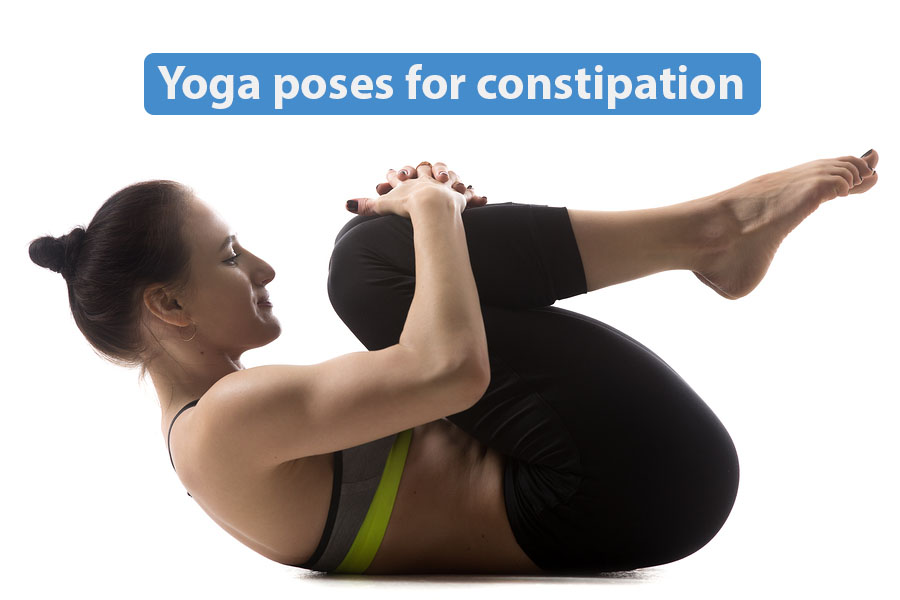
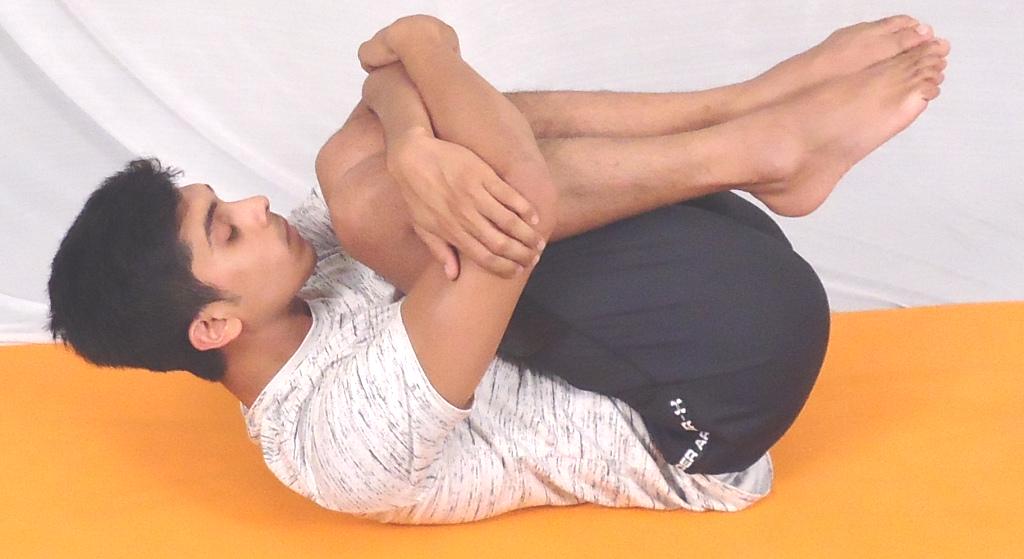
Yoga Poses for Constipation Relief Yoga can stimulate digestion, relieve bloating, and improve bowel movements by gently massaging the abdominal organs and improving gut motility. Here are some effective poses to help with constipation: 1. Wind-Relieving Pose (Pawanmuktasana) ✔ How it helps: Massages intestines, relieves gas, and stimulates digestion.✔ How to do it: Lie on your back, bring one or both knees to your chest. Hug your knees, pressing them gently into your stomach. Hold for 20–30 seconds and breathe deeply. 2. Seated Forward Bend (Paschimottanasana) ✔ How it helps: Compresses abdominal organs, aiding digestion and bowel movement.✔ How to do it: Sit with legs extended straight. Inhale, lengthen your spine, and exhale as you fold forward, reaching for your feet. Hold for 30 seconds to 1 minute. 3. Cat-Cow Pose (Marjariasana-Bitilasana) ✔ How it helps: Stimulates the digestive system by massaging abdominal organs.✔ How to do it: Start on all fours (hands under shoulders, knees under hips). Inhale, arch your back (Cow Pose). Exhale, round your spine, tucking your chin (Cat Pose). Repeat for 1–2 minutes. 4. Supine Twist (Supta Matsyendrasana) ✔ How it helps: Twisting massages the intestines, helping with digestion.✔ How to do it: Lie on your back, bring one knee across your body toward the floor. Keep your shoulders on the mat and look in the opposite direction. Hold for 30 seconds and switch sides. 5. Malasana (Yogi Squat) ✔ How it helps: Opens the hips and stimulates bowel movement.✔ How to do it: Stand with feet slightly wider than hip-width apart. Squat down, keeping your heels on the floor if possible. Press your elbows against your inner knees and hold for 30 seconds. 6. Child’s Pose (Balasana) ✔ How it helps: Relaxes the abdominal muscles and promotes digestion.✔ How to do it: Kneel on the floor, bring your forehead to the mat. Extend arms forward or rest them by your sides. Hold for 1 minute. 7. Bridge Pose (Setu Bandhasana) ✔ How it helps: Improves digestion and stimulates the abdominal organs.✔ How to do it: Lie on your back with knees bent and feet flat on the ground. Lift your hips while keeping your shoulders down. Hold for 30 seconds. Bonus Tips for Constipation Relief ✔ Hydrate – Drink plenty of water to help digestion.✔ Eat Fiber-Rich Foods – Fruits, vegetables, and whole grains promote bowel movement.✔ Practice Deep Breathing – Helps reduce stress, which can impact digestion.✔ Be Consistent – Regular yoga practice can prevent constipation.
How to Find Your Best Position for Meditation
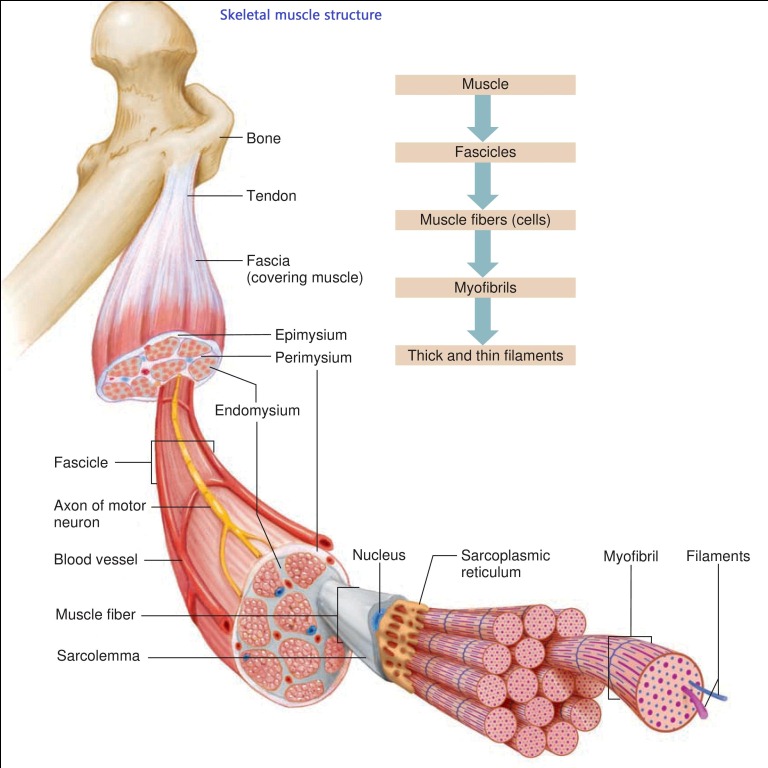
Fascia & Yoga: Why Every Teacher and Practitioner Should Know About It Fascia is one of the most important yet overlooked components of the human body. As a yoga teacher or practitioner, understanding fascia can enhance your practice, prevent injuries, and deepen your knowledge of movement and flexibility. This guide will explain what fascia is, why it matters, and how to optimize it through yoga. 1. What is Fascia? Fascia is a continuous web of connective tissue that surrounds and interconnects every muscle, bone, organ, and nerve in the body. It provides support, structure, and communication between different body parts. Key Characteristics of Fascia: Elastic & Flexible– It adapts to movement and stress. Highly Innervated– It contains sensory receptors, making it responsive to touch, pressure, and movement. Hydration-Dependent– It needs proper hydration to remain pliable. Stores Tension & Trauma– Fascia can hold physical and emotional tension over time. The Three Layers of Fascia: Superficial Fascia– Just beneath the skin, storing fat and allowing skin movement. Deep Fascia– Surrounds and penetrates muscles, tendons, and bones. Visceral Fascia– Wraps around organs, supporting their position and function. 2. Why Fascia Matters in Yoga A. Flexibility & Mobility Traditional stretching only targets muscles, but fascia must also be releasedto improve mobility. Tight fascia can restrict movementand create muscle imbalances. Slow, sustained stretches(like in Yin and Restorative Yoga) are most effective for fascia release. B. Injury Prevention & Healing Fascia supports the entire musculoskeletal system—if it’s tight or dehydrated, it increases the risk of injury. Proper hydration and movement keep fascia supple and resilient. Myofascial release (self-massage techniques) can help heal injuriesand chronic pain. C. Posture & Alignment Fascia holds tension from daily activities, emotions, and past injuries. Poor posture and repetitive movement patterns can lead to fascial adhesions(tight, stuck areas). Yoga poses that encourage length and space(such as spinal twists and heart openers) can realign the fascia. D. The Mind-Body Connection Fascia is highly sensitive to stress and emotions. Unresolved tension (from trauma, stress, or posture habits) gets stored in the fascia. Practices like Restorative Yoga, deep breathing, and somatic movementhelp release emotional and physical holding patterns. 3. How Yoga Supports Fascia Health A. Slow, Sustained Stretching (Yin Yoga & Restorative Yoga) Long-held poses (2-5 minutes) allow fascia to slowly release. Helps hydratethe fascia, making it more pliable. Best poses: Dragon Pose, Butterfly, Reclined Twist, Supported Fish Pose. B. Dynamic & Fluid Movements (Vinyasa & Somatic Yoga) Smooth, flowing movements keep fascia hydrated and resilient. Helps prevent adhesions and stiffness. Best practices: Sun Salutations, spinal undulations, free-flowing movement. C. Myofascial Release (Self-Massage Techniques) Uses props (tennis balls, foam rollers) to release tight, restricted fascia. Best for trigger points, deep knots, and chronic pain. Common techniques: Rolling on a therapy ball, deep tissue release with foam rollers. D. Breathwork & Hydration Deep, diaphragmatic breathingoxygenates fascia and promotes relaxation. Staying hydrated keeps fascia lubricated and flexible. 4. Best Yoga Practices for Fascia Release 1. Yin Yoga & Long-Held Poses Butterfly Pose(targets lower back & hips) Sphinx Pose(opens the front body) Twisted Roots Pose(releases spine tension) 2. Myofascial Release Techniques Tennis ball under feet(for plantar fascia release) Foam roller on IT band(for hip & knee mobility) Ball under shoulder blades(for upper back release) 3. Gentle Somatic Movements Rolling & spiraling movementsto rehydrate fascia. Cat-Cow with slow spinal wavesfor fascial fluidity. 5. Final Thoughts: Why Every Yoga Teacher Should Learn About Fascia Enhances your teaching– Understanding fascia helps you cue more effectively. Supports student flexibility & injury prevention– You can offer fascial-focused stretches and techniques. Deepens personal practice– Incorporating fascial work can lead to greater mobility, ease, and body awareness.
Heart Space Meditation (Hridayakasha Dharana): A Technique to Harmonize Emotions

Heart Space Meditation (Hridayakasha Dharana): A Technique to Harmonize Emotions Heart Space Meditation (Hridayakasha Dharana) is a profound meditation technique that focuses on harmonizing emotions and cultivating a sense of inner peace and love. The term Hridayakasha comes from Sanskrit, where Hridaya means heart, and Akasha means space or ether. This practice involves centering your awareness in the heart space and exploring the emotional energy that resides there, with the aim to connect with feelings of compassion, love, and harmony. How to Practice Heart Space Meditation: 1. Find a Quiet Space: Choose a calm and quiet place where you can sit undisturbed for the duration of the meditation. This allows you to fully immerse yourself in the experience without distractions. 2. Comfortable Posture: Sit in a comfortable position with your spine straight. You can sit cross-legged, on a cushion, or on a chair with your feet flat on the ground. Ensure that your posture is relaxed yet alert. 3. Focus on Your Breath: Begin by taking deep, slow breaths. Inhale deeply through your nose, filling your lungs, and exhale gently through your mouth. Focus on your breath as it moves in and out of your body, letting go of any tension with each exhale. 4. Bring Awareness to the Heart Space: Now, gently bring your attention to the area around your physical heart, in the center of your chest. Imagine this space as an expansive, open area, like a vast, infinite sky. You can visualize it as glowing with a soft, warm light. 5. Cultivate Positive Emotions: Begin to focus on positive emotions like love, gratitude, compassion, and kindness. Let these feelings arise naturally within your heart space. You can visualize them as a warm light or energy expanding from your heart, radiating outward, filling your entire being. Optionally, use a mantra:You can silently chant a mantra like “I am love,” “I am peace,” or any phrase that resonates with the heart chakra (Anahata) to deepen your connection to these feelings. 6. Expand the Heart Space: As you feel the warmth and positivity growing in your heart, imagine it expanding beyond your body, filling the space around you. Feel the loving energy surrounding your being, connecting you with the world and all living beings. This helps open your heart to unconditional love and compassion for yourself and others. 7. Witness the Flow of Emotions: Allow yourself to witness any emotions that may arise without judgment. Whether they are positive or negative, acknowledge them without attachment. The goal is not to suppress emotions but to observe them with awareness and compassion. 8. Stay in the Heart Space: Stay with this feeling of expansive love and peace for as long as you can. If your mind wanders, gently bring it back to the heart space, focusing on your breath and the positive emotions within. 9. End the Meditation: When you feel complete with the meditation, slowly begin to bring your awareness back to your physical body. Gently wiggle your fingers and toes, stretch your arms, and gradually open your eyes. Take a few moments to notice how you feel after the practice. Benefits of Heart Space Meditation (Hridayakasha Dharana): Emotional Healing: It helps release stored negative emotions like fear, grief, and anger, replacing them with positive feelings of love, acceptance, and compassion. Balance and Harmony: By connecting with the heart, you can bring a sense of emotional balance, reducing stress, anxiety, and emotional turbulence. Enhanced Self-Love: This practice promotes self-love and acceptance, helping to foster a kind relationship with yourself. Stress Reduction: The calming effects of this meditation can activate the parasympathetic nervous system, promoting relaxation and reducing overall stress levels. Strengthened Empathy: Cultivating compassion and empathy towards yourself can naturally extend to others, improving your relationships and interactions. Heart Chakra Activation: This meditation directly activates the heart chakra (Anahata), which is associated with love, compassion, and emotional wellbeing. Increased Inner Peace: By focusing on the heart and cultivating feelings of love and gratitude, you can experience a profound sense of peace and contentment. Tips for Deepening the Practice: Daily Practice:Even just 5–10 minutes a day can help you develop a deeper connection to your heart space and emotional harmony. Use Music or Sound:Gentle music or chanting (like a singing bowl or heart chakra frequencies) can enhance the practice and deepen your experience. Journaling:After meditation, you might want to journal any thoughts or emotions that arose, as this can help you process them and deepen your emotional awareness. Heart Space Meditation is a beautiful practice that brings attention to the power of love and emotional healing. With regular practice, it can help you cultivate peace, balance, and compassion in all areas of your life.
Fascia & Yoga: Why Every Teacher and Practitioner Should Know About It
How to Find Your Best Position for Meditation Finding your best meditation position is a personal exploration that involves balancing comfort, stability, and alertness. Here are some practical guidelines to help you discover the posture that works best for you: 1. Experiment with Different Options Sitting on a Cushion or Mat:Many practitioners start with a cross-legged position (such as Sukhasana or half-lotus) on a firm cushion. This elevates your hips, helps maintain a straight spine, and minimizes slouching. Using a Chair:If sitting on the floor is uncomfortable, a chair with a straight back can be a great alternative. Sit with your feet flat on the ground, keeping your spine straight and your hands resting gently on your lap. Other Postures:Some people find lying down in Savasana or even a kneeling position (using a meditation bench) to be more comfortable. However, if you choose to lie down, be mindful that this might make you more prone to sleep if your goal is alert meditation. 2. Prioritize Alignment and Comfort Spine Alignment:Aim for an upright and naturally curved spine. Whether you’re sitting cross-legged or on a chair, imagine a string gently lifting the crown of your head to encourage a straight back without stiffness. Relaxation of Tension:Check in with your shoulders, neck, and jaw. They should be relaxed and not tensed up. This helps prevent distractions and supports a more meditative state. Use Props:Props like cushions, meditation benches, or folded blankets can help adjust the height and support your posture, ensuring you’re both comfortable and alert. 3. Listen to Your Body Start with Short Sessions:Begin with a few minutes of meditation in your chosen posture. Over time, you can extend the duration as your body adjusts. Adjust as Needed:If you experience discomfort or pain, try a different variation or modify your posture. Sometimes, even small changes—like adjusting the cushion height—can make a big difference. Mindful Awareness:As you explore different positions, observe how each one affects your body and mind. The best position is one where you feel both relaxed and focused. 4. Creating a Personal Routine Consistency:Once you find a comfortable position, try to practice in that posture regularly. Consistency helps your body adapt and makes it easier to slip into a meditative state. Be Open to Change:Your best position might change over time based on your physical condition, energy levels, or even the season. Periodically reassess your posture and make adjustments as needed. Final Thoughts Finding your ideal meditation position is not about following a one-size-fits-all rule—it’s about discovering what makes you feel centered, at ease, and alert. Experiment with various options, listen closely to your body’s feedback, and adjust your practice as you grow. Over time, you’ll develop a posture that supports both your physical comfort and your meditative depth.
How to Design and Structure Your Hatha Yoga Classes
How to Design and Structure Your Hatha Yoga Classes Designing a Hatha Yoga class requires a balanced approach that incorporates asana (postures), pranayama (breathwork), relaxation, and meditation. A well-structured class ensures safety, flow, and maximum benefits for students of all levels. 1. Understanding the Key Elements of a Hatha Yoga Class A traditional Hatha Yoga class follows a progressive structure, moving from warm-up to deep relaxation. The key elements include:✔️ Centering & Breath Awareness – Calming the mind before movement.✔️ Warm-Up & Preparatory Poses – Loosening joints and activating muscles.✔️ Standing Postures – Strength, stability, and grounding.✔️ Seated & Supine Postures – Flexibility, balance, and relaxation.✔️ Pranayama (Breathwork) – Enhancing energy flow.✔️ Final Relaxation (Savasana) – Deep integration and restoration.✔️ Meditation or Closing Reflection – Ending with mindfulness. 2. Step-by-Step Guide to Structuring a Hatha Yoga Class 🔹 1. Centering & Breath Awareness (5-10 minutes) Start by helping students arrive on the mat with mindful breathing.✅ Objective: Grounding, relaxation, and connection to breath.✅ Practices: Sukhasana (Easy Pose) with breath observation. Anulom Vilom (Alternate Nostril Breathing). Gentle neck, shoulder, and wrist rolls. 🔹 2. Warm-Up & Preparatory Movements (10-15 minutes) Gradually prepare the body for deeper movements.✅ Objective: Loosen joints, activate the spine, and improve mobility.✅ Practices: Cat-Cow (Marjaryasana-Bitilasana)– Spinal warm-up. Child’s Pose (Balasana)– Gentle relaxation. Seated Twists– Mobilizing the spine. Dynamic Side Stretches– Awakening the body. 🔹 3. Standing Postures (15-20 minutes) Build strength, balance, and endurance through standing asanas.✅ Objective: Improve posture, stability, and energy flow.✅ Postures: Tadasana (Mountain Pose)– Foundation and alignment. Utkatasana (Chair Pose)– Strengthening legs and core. Virabhadrasana I & II (Warrior Poses I & II)– Strength and grounding. Trikonasana (Triangle Pose)– Side stretch and balance. 📌 Tip: Hold each pose for 5-10 breaths and focus on alignment. 🔹 4. Seated and Supine Postures (15-20 minutes) Promote flexibility, digestion, and relaxation through seated poses.✅ Objective: Deepen the stretch and encourage breath awareness.✅ Postures: Paschimottanasana (Seated Forward Bend)– Hamstring and back stretch. Ardha Matsyendrasana (Half Lord of the Fishes Twist)– Spinal detoxification. Bhujangasana (Cobra Pose)– Strengthening the back. Pavanamuktasana (Wind-Relieving Pose)– Aiding digestion. 📌 Tip: Encourage slow, deep breathing in each pose. 🔹 5. Pranayama (5-10 minutes) Introduce breath control techniques to enhance energy and relaxation.✅ Techniques: Ujjayi (Victorious Breath)– Focus and calmness. Bhramari (Bee Breath)– Mental relaxation. Nadi Shodhana (Alternate Nostril Breathing)– Balance and clarity. 📌 Tip: Guide students to keep their breath smooth and steady. 🔹 6. Final Relaxation – Savasana (5-10 minutes) Allow students to fully integrate the practice with deep relaxation.✅ Objective: Complete release of tension and deep rest.✅ Guided Relaxation Ideas: Full Body Scan– Relaxing each part of the body. Yoga Nidra (Yogic Sleep)– Conscious relaxation technique. 📌 Tip: Use soft background music or silence for deeper relaxation. 🔹 7. Closing & Meditation (5 minutes) End the class with gratitude and mindfulness.✅ Options: Short Guided Meditation– Silent awareness. Chanting ‘Om’ or a Mantra– Vibrational healing. Sharing a Positive Affirmation– Uplifting energy. 📌 Tip: Encourage students to take the calmness and awareness into daily life. 3. Additional Tips for Designing a Hatha Yoga Class ✔️ Consider Class Level – Adjust intensity for beginners, intermediate, or advanced students.✔️ Maintain a Balanced Flow – Include strength, flexibility, and relaxation.✔️ Use Simple & Clear Instructions – Guide with breath cues and modifications.✔️ Encourage Mindfulness – Keep students present in every movement.✔️ Respect Individual Limits – Offer variations and props when needed. Conclusion A well-structured Hatha Yoga class ensures a harmonious experience that nurtures the body, mind, and breath. By incorporating asana, pranayama, relaxation, and meditation, you can create a safe, enjoyable, and transformative practice for your students.
How to Practice Sitting Yoga Safely: Essential Guide
How to Practice Sitting Yoga Safely: Essential Guide Sitting yoga poses are foundational for flexibility, posture, and relaxation, but improper alignment can cause discomfort or strain. This guide will help you practice seated yoga safely while maximizing benefits. 1. Benefits of Sitting Yoga Poses ✅ Improves Flexibility – Stretches hips, hamstrings, and lower back.✅ Enhances Posture – Strengthens the spine and reduces slouching.✅ Calms the Mind – Encourages deep breathing and relaxation.✅ Increases Hip Mobility – Helps relieve tightness from prolonged sitting.✅ Supports Meditation & Breathwork – Creates a stable base for mindfulness. 2. Safety Tips for Sitting Yoga ✔ Sit on a Cushion or Block – Elevates the hips to prevent rounding the spine.✔ Keep Spine Long – Engage core muscles to support upright posture.✔ Avoid Overstretching – Move gradually and respect your limits.✔ Use Props – Blocks, straps, or blankets can improve alignment.✔ Breathe Deeply – Inhale to lengthen, exhale to deepen the stretch.✔ Modify If Needed – Bend knees or adjust positioning to avoid strain. 3. Best Sitting Yoga Poses & How to Practice Safely 🟢 Beginner-Friendly Seated Poses (Comfort & Stability) Easy Pose (Sukhasana) – Basic sitting posture for meditation.🔹 Sit on a cushion to lift hips above knees for comfort. Seated Forward Fold (Paschimottanasana) – Stretches hamstrings & spine.🔹 Keep knees slightly bent if hamstrings are tight. Butterfly Pose (Baddha Konasana) – Opens hips & inner thighs.🔹 Sit tall and avoid forcing knees toward the ground. 🟡 Intermediate Sitting Poses (More Flexibility & Strength) Half Lord of the Fishes (Ardha Matsyendrasana) – Seated spinal twist.🔹 Keep spine long before twisting and avoid forcing the movement. Cow Face Pose (Gomukhasana) – Stretches shoulders & hips.🔹 Use a strap if hands don’t reach behind your back. Hero Pose (Virasana) – Increases ankle & knee flexibility.🔹 Sit on a block if knees feel strained. 🔴 Advanced Sitting Poses (Deep Flexibility & Strength) Lotus Pose (Padmasana) – Traditional meditative seat.🔹 Warm up hips before attempting and avoid knee strain. Seated Straddle (Upavistha Konasana) – Deep inner thigh stretch.🔹 Keep back straight and avoid hunching forward. Fire Log Pose (Agnistambhasana) – Intense hip opener.🔹 Align shins parallel and use props for support. 4. How to Progress Safely Warm Up Hips & Hamstrings– Reduces tightness and strain. Use Support When Needed– Props improve posture and comfort. Avoid Rounding the Spine– Engage core for an upright position. Breathe & Relax– Eases tension and enhances flexibility. 5. Counterposes After Sitting Yoga To restore balance and prevent stiffness:🧘 Cat-Cow Stretch (Marjaryasana-Bitilasana) – Mobilizes the spine.🧘 Downward Dog (Adho Mukha Svanasana) – Stretches the back and legs.🧘 Standing Forward Fold (Uttanasana) – Releases tension from the lower back. Final Thoughts Sitting yoga poses promote flexibility, relaxation, and mindfulness when practiced correctly. Focus on alignment, comfort, and steady breath to ensure a safe and effective practice.