
Pratyahara Practice: Techniques, Benefits & Step-by-Step Guide

Pratyahara Practice: Techniques, Benefits & Step-by-Step Guide 🔹 What is Pratyahara? Pratyahara is the fifth limb of Patanjali’s Ashtanga Yoga and means withdrawal of the senses from external distractions. It is the bridge between the physical (outer) and meditative (inner) aspects of yoga. ✅ It calms the mind, enhances focus, and prepares for higher states of meditation.✅ It is also called “the yoga of sense withdrawal”, helping to control cravings, emotions, and stress. 🔹 Benefits of Pratyahara Practice ✅ Deepens Meditation – Prepares for Dharana (concentration) and Dhyana (meditation).✅ Increases Focus & Awareness – Improves mental clarity and cognitive function.✅ Reduces Stress & Anxiety – Detaches from external chaos, creating inner peace.✅ Enhances Willpower – Helps control sensory cravings and impulsive reactions.✅ Balances Energy Flow – Prevents mental and physical exhaustion.✅ Improves Sleep Quality – Reduces overthinking and nervous tension.✅ Boosts Emotional Stability – Promotes equanimity and self-control. 🔹 How to Do Pratyahara? There are several techniques to withdraw the senses and turn the awareness inward. Below is a step-by-step guide. 1️⃣ Preparatory Steps for Pratyahara ✔️ Find a Quiet Place – No external distractions.✔️ Comfortable Seated Position – Sit in Padmasana, Siddhasana, or on a chair.✔️ Close Your Eyes – Reduce visual stimuli.✔️ Deep Breathing – Begin with slow, conscious breathing to relax. 🔹 5 Powerful Techniques of Pratyahara 1️⃣ Antar Mouna (Inner Silence Meditation) 🟢 Best For: Quieting the mind and increasing self-awareness.🔹 How to Practice:1️⃣ Sit comfortably with eyes closed.2️⃣ Observe your thoughts without judgment.3️⃣ Detach from external distractions and let thoughts pass.4️⃣ Focus on inner silence and deep breathing.5️⃣ Practice for 10-20 minutes. 💡 Effect: Increases mental clarity and self-awareness. 2️⃣ Trataka (Candle Gazing) 🔥 🟢 Best For: Enhancing focus and reducing mental distractions.🔹 How to Practice:1️⃣ Light a candle at eye level in a dark room.2️⃣ Stare at the flame without blinking until tears form.3️⃣ Close your eyes and visualize the flame in your mind.4️⃣ Gradually shift awareness inward, ignoring external sounds.5️⃣ Practice for 5-15 minutes. 💡 Effect: Develops deep concentration and inner vision. 3️⃣ Brahmari Pranayama (Humming Bee Breath) 🐝 🟢 Best For: Shutting out external noise and calming the nervous system.🔹 How to Practice:1️⃣ Sit comfortably and close your eyes.2️⃣ Take a deep breath in.3️⃣ Exhale while making a soft humming sound like a bee.4️⃣ Feel the vibration in your head, blocking external sounds.5️⃣ Repeat 5-10 times. 💡 Effect: Relieves stress, reduces anxiety, and enhances inner awareness. 4️⃣ Shanmukhi Mudra (Closing the 6 Gates of Perception) 🖐️ 🟢 Best For: Completely disconnecting from the senses.🔹 How to Practice:1️⃣ Sit in a meditative posture.2️⃣ Close your ears with thumbs, eyes with index fingers, nose with middle fingers (lightly), and mouth with ring & little fingers.3️⃣ Inhale deeply, and focus on the breath.4️⃣ Hold this position for 5-10 minutes, experiencing inner stillness. 💡 Effect: Deepens meditation and sensory withdrawal. 5️⃣ Yoga Nidra (Yogic Sleep) 💤 🟢 Best For: Relaxation, subconscious cleansing, and internal awareness.🔹 How to Practice:1️⃣ Lie in Savasana (Corpse Pose).2️⃣ Follow a guided Yoga Nidra script or focus on your breath.3️⃣ Scan your body from head to toe, relaxing each part.4️⃣ Withdraw from external sounds and go deeper into stillness. 💡 Effect: Restores the nervous system and prepares for deeper meditation. 🔹 How Long Should You Practice Pratyahara? 🕉️ Beginners: 5-10 minutes🕉️ Intermediate: 15-30 minutes🕉️ Advanced: 30-60 minutes (especially before deep meditation) ✅ Best Time: Early morning or evening, before meditation. Pratyahara is a key step toward deeper meditation and spiritual awakening. It helps you detach from sensory overload, calm the mind, and reach inner stillness. Regular practice enhances mental clarity, emotional balance, and inner peace.
Neti Kriya: Types, How to Do, Benefits & Precautions
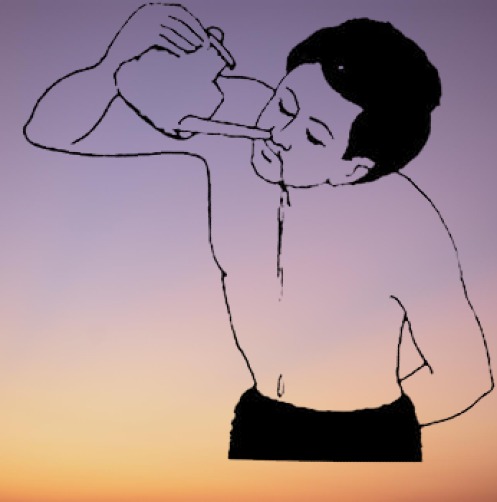
Neti Kriya: Types, How to Do, Benefits & Precautions What is Neti Kriya? Neti Kriya is a yogic cleansing technique (Shatkarma) used to purify the nasal passages and sinuses, promoting better breathing and overall health. It helps remove mucus, dirt, and toxins from the nasal cavity, improving respiratory function and mental clarity. Neti Kriya is an essential practice in Hatha Yoga and is often recommended for those suffering from sinusitis, allergies, asthma, and nasal congestion. Types of Neti Kriya & How to Do Them There are four main types of Neti Kriya: 1️⃣ Jala Neti (Water Neti) – Saline Water Cleansing ✅ Things Needed: A Neti Pot, lukewarm saltwater solution (½ teaspoon salt in 1 cup of water)✅ How to Do: Tilt your head slightly to one side over a sink. Pour the lukewarm saltwaterinto one nostril using a Neti pot. Let the water flow out through the other nostril. Repeat on the other side. Blow your nose gently to remove excess water. 📌 Best For: Nasal congestion, allergies, sinus infections, colds 2️⃣ Sutra Neti (Thread Neti) – Rubber Catheter Cleansing ✅ Things Needed: A sterile rubber catheter (or cotton-threaded surgical thread)✅ How to Do: Lubricate the rubber catheter with ghee or coconut oil. Insert it gently into one nostril, guiding it through to the throat. Pull it out through the mouthand move it back and forth slowly. Remove it carefully and repeat on the other nostril. 📌 Best For: Deep nasal cleansing, sinus blockages, improved breathing 3️⃣ Dugdha Neti (Milk Neti) – Milk Cleansing ✅ Things Needed: Lukewarm cow’s milk✅ How to Do: Similar to Jala Neti, but using lukewarm milk instead of saline water. 📌 Best For: Soothing the nasal passages, reducing irritation, and promoting moisturization 4️⃣ Ghrita Neti (Ghee Neti) – Ghee Lubrication ✅ Things Needed: Warm medicated ghee (clarified butter)✅ How to Do: Tilt your head back and put 2–3 drops of warm ghee in each nostril. Inhale deeply to allow it to coat the nasal passages. 📌 Best For: Dry nasal passages, brain nourishment, and Vata imbalance relief Benefits of Neti Kriya 1️⃣ Clears Sinuses & Improves Breathing ✔️ Removes dust, mucus, and toxins✔️ Helps with nasal congestion, sinusitis, and allergies 2️⃣ Boosts Respiratory Health ✔️ Beneficial for asthma, bronchitis, and cold prevention✔️ Improves oxygen intake and lung function 3️⃣ Enhances Mental Clarity & Focus ✔️ Clears brain fog, headaches, and drowsiness✔️ Improves memory, concentration, and meditation 4️⃣ Balances Energy Flow (Prana) & Chakras ✔️ Opens Ida and Pingala Nadis, balancing body and mind✔️ Prepares for advanced pranayama and meditation 5️⃣ Reduces Stress & Anxiety ✔️ Relieves mental tension and improves relaxation✔️ Supports deep breathing and emotional balance Precautions & Contraindications ⚠️ Avoid Neti Kriya if you have:❌ Severe nasal infections, recent nose surgery, or nosebleeds❌ Extreme sinus sensitivity or chronic migraines❌ A cold, flu, or fever (wait until recovery) 🔹 Safety Tips:✔️ Use sterilized equipment to prevent infections✔️ Perform Neti in the morning or on an empty stomach✔️ Follow up with Kapalabhati (Skull Shining Breath) to remove excess moisture Final Thoughts Neti Kriya is a powerful yogic cleansing practice that enhances nasal health, respiratory function, and mental clarity. Whether using water, thread, milk, or ghee, regular practice can bring significant benefits for sinus health and overall well-being.
Relationship Between the 7 Chakras and the Endocrine System
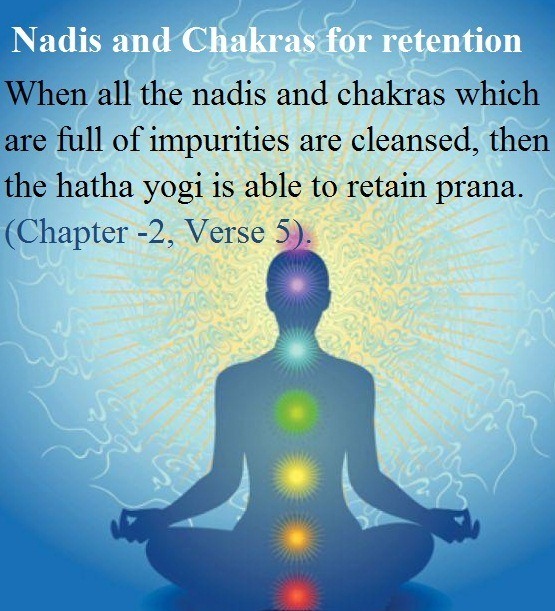
Relationship Between the 7 Chakras and the Endocrine System The 7 Chakras are energy centers in the body, each associated with different aspects of physical, emotional, and spiritual well-being. These energy centers are linked to specific glands in the endocrine system, which regulate hormones and vital functions in the body. Understanding the relationship between the chakras and the endocrine system can help us understand how balancing these energy centers may impact overall health and wellness. 1. Root Chakra (Muladhara) – Associated Gland: Adrenal Glands Location: Base of the spine (perineum area) Color: Red Element: Earth Endocrine Connection: The adrenal glandsare responsible for the production of hormones like adrenaline and cortisol, which play a role in the body’s fight-or-flight response, metabolism, and stress adaptation. The Root Chakra is associated with grounding, survival instincts, and security. When balanced, it fosters a sense of stability and safety. Imbalance Symptoms: Anxiety, fear, instability, and feelings of insecurity. 2. Sacral Chakra (Svadhisthana) – Associated Gland: Gonads (Ovaries/Testes) Location: Lower abdomen, just below the navel Color: Orange Element: Water Endocrine Connection: The gonads(ovaries in women, testes in men) regulate the production of estrogen and testosterone, which affect sexual health, reproduction, and emotional expression. The Sacral Chakra governs creativity, sexuality, and emotional well-being. When balanced, it enhances creative expression, sexual vitality, and emotional balance. Imbalance Symptoms: Emotional instability, sexual dysfunction, lack of creativity. 3. Solar Plexus Chakra (Manipura) – Associated Gland: Pancreas Location: Upper abdomen, around the stomach area Color: Yellow Element: Fire Endocrine Connection: The pancreasplays a crucial role in insulin production, which regulates blood sugar levels. It also produces digestive enzymes. The Solar Plexus Chakra is associated with personal power, self-confidence, and metabolism. When in balance, it provides a sense of control, willpower, and a healthy metabolism. Imbalance Symptoms: Digestive problems, lack of confidence, feeling powerless. 4. Heart Chakra (Anahata) – Associated Gland: Thymus Location: Center of the chest, near the heart Color: Green (sometimes pink) Element: Air Endocrine Connection: The thymus glandplays an important role in the immune system, particularly in the development of T-cells (a type of white blood cell that helps fight infections). The Heart Chakra governs love, compassion, and emotional healing. When balanced, it fosters unconditional love, empathy, and forgiveness. Imbalance Symptoms: Heart disease, emotional wounds, lack of empathy. 5. Throat Chakra (Vishuddha) – Associated Gland: Thyroid Location: Throat area Color: Blue Element: Ether (Space) Endocrine Connection: The thyroid glandregulates the body’s metabolism by producing thyroid hormones (T3 and T4). The Throat Chakra governs communication, self-expression, and the ability to speak one’s truth. A balanced Throat Chakra encourages clear and authentic communication. Imbalance Symptoms: Thyroid imbalances (hypothyroidism or hyperthyroidism), difficulty expressing oneself, fear of speaking out. 6. Third Eye Chakra (Ajna) – Associated Gland: Pineal Gland Location: Forehead, between the eyebrows Color: Indigo Element: Light (Energy) Endocrine Connection: The pineal glandis responsible for producing melatonin, a hormone that regulates the sleep-wake cycle. The Third Eye Chakra is linked to intuition, perception, and mental clarity. When balanced, it enhances intuition, insight, and the ability to see beyond the physical world. Imbalance Symptoms: Sleep disorders, lack of clarity, inability to trust one’s intuition. 7. Crown Chakra (Sahasrara) – Associated Gland: Pituitary Gland Location: Top of the head Color: Violet or White Element: Thought Endocrine Connection: The pituitary gland, often referred to as the “master gland,” controls the release of hormones from other glands in the body, including the thyroid, adrenals, and reproductive glands. It is central to growth, metabolism, and overall hormonal regulation. The Crown Chakra is connected to higher consciousness, enlightenment, and connection to the divine. When balanced, it promotes a sense of spiritual connection and awareness. Imbalance Symptoms: Spiritual disconnect, confusion, lack of purpose, hormonal imbalances. Conclusion: Harmonizing Chakras and the Endocrine System The chakras and the endocrine system are deeply intertwined. The balance of energy in each chakra can influence the function of the corresponding endocrine gland, which in turn impacts various physical, emotional, and mental states. When the chakras are balanced, the endocrine system can function optimally, leading to improved health and well-being. For example, meditation, breathwork, and yoga practices designed to activate specific chakras can support the proper functioning of the endocrine glands, leading to better hormonal balance, emotional stability, and physical health. By understanding the connection between the 7 chakras and the endocrine system, individuals can work towards achieving a state of holistic well-being, ensuring that both their energy centers and bodily functions are in harmony.
The Indian Education System and Powerful Spiritual Wisdom

The Indian Education System and Powerful Spiritual Wisdom India has long been a land of profound spiritual wisdom and intellectual learning. The education system in ancient India was deeply rooted in holistic development, emphasizing both material knowledge (Vidya) and spiritual wisdom (Para Vidya). However, modern education has shifted towards a more structured, examination-based approach, often neglecting the spiritual and moral aspects that were once integral to learning. Ancient Indian Education: A Blend of Knowledge & Spirituality 🔹 Gurukul System – The traditional Gurukul system emphasized experiential learning, where students (Shishyas) lived with their teacher (Guru) in a natural setting, learning subjects like Mathematics, Ayurveda, Philosophy, Astronomy, and Vedas while also practicing Yoga, Meditation, and Self-discipline. 🔹 Upanishadic Wisdom – Ancient texts like the Upanishads and Bhagavad Gita provided deep philosophical insights on consciousness, self-realization, and the purpose of life. Education was not just about acquiring information but about knowing oneself. 🔹 Yoga and Ayurveda in Learning – Ancient scholars believed that the body and mind needed to be in balance for true learning. Practices like Yoga, Pranayama, and Ayurveda were incorporated to enhance memory, focus, and well-being. 🔹 Subjects Beyond Academics – Spirituality was seamlessly integrated with Science, Mathematics, Music, and Arts. Chanakya’s Arthashastra, Patanjali’s Yoga Sutras, and Sushruta Samhita are examples of advanced knowledge systems developed in ancient India. Modern Indian Education: Challenges & Gaps ⚡ Focus on Rote Learning – Today’s system prioritizes memorization over understanding, reducing the space for creativity and self-inquiry.⚡ Lack of Holistic Development – Emotional intelligence, ethics, and mindfulness are often ignored in favor of competitive exams.⚡ Stress & Mental Health Issues – High academic pressure has led to stress, anxiety, and burnout among students.⚡ Disconnect from Spiritual Wisdom – Unlike the Gurukul system, where inner growth was central, today’s education is largely job-oriented rather than wisdom-oriented. Reintroducing Spiritual Wisdom into Education ✅ Incorporate Meditation & Yoga – Regular practice can enhance focus, emotional stability, and cognitive function.✅ Ethical & Moral Education – Teaching values from texts like the Bhagavad Gita, Upanishads, and Buddhist teachings can nurture integrity and compassion.✅ Mindfulness-Based Learning – Encouraging curiosity, critical thinking, and self-awareness rather than just exams.✅ Ayurveda & Lifestyle Awareness – Helping students understand diet, sleep, and energy balance for better well-being. Conclusion A truly powerful education system is one that balances modern advancements with ancient wisdom, cultivating not just intellectual skills but also spiritual awareness, ethical values, and mental well-being. By blending the best of both worlds, India can create a more enlightened, compassionate, and wise generation.
Simple Meditation Will Help You Get in Touch with Your True Self

Simple Meditation Will Help You Get in Touch with Your True Self Simple meditation is a powerful tool that can help you connect with your true self by creating a space where you can observe your thoughts, emotions, and inner patterns without judgment. Here are some key ways in which simple meditation supports self-discovery and inner awareness: 1. Quieting the Mind Reducing Mental Clutter:By focusing on your breath or a simple mantra, meditation helps calm the constant chatter of the mind. This quietude allows you to notice deeper layers of your inner experience. Creating Space:With fewer distractions, you can observe your thoughts and emotions more clearly, revealing insights into who you really are beyond the surface-level concerns of daily life. 2. Enhancing Self-Awareness Observing Without Judgment:Meditation teaches you to observe your thoughts and feelings as they arise, fostering an awareness that is compassionate and non-judgmental. This practice can reveal recurring patterns and habits that shape your behavior. Connecting with Authenticity:As you become more mindful of your inner landscape, you gradually peel away the layers of social conditioning and external expectations, making room for your authentic self to emerge. 3. Promoting Emotional Balance Managing Stress and Anxiety:Regular meditation has been shown to reduce stress and anxiety by calming the nervous system. This emotional balance can help you face challenges with clarity and resilience. Improving Emotional Intelligence:As you gain insight into your emotional responses, you become better equipped to understand and regulate them, deepening your connection with your true inner nature. 4. Cultivating Mindfulness in Daily Life A Foundation for Presence:The mindfulness developed during meditation can extend into your everyday activities, encouraging you to live in the present moment rather than getting lost in regrets about the past or worries about the future. Empowering Self-Discovery:With heightened awareness, you can begin to notice the subtle cues and inner signals that guide you toward choices and paths that resonate with your true self. How to Get Started with Simple Meditation Choose a Quiet Space:Find a calm environment where you won’t be disturbed. Sit comfortably with your back straight. Focus on Your Breath:Close your eyes and gently focus on the sensation of your breath as it enters and leaves your body. If your mind wanders, kindly redirect your attention back to your breath. Start Small:Begin with just 5–10 minutes per day, gradually increasing the time as you become more comfortable with the practice. Be Consistent:Regular practice is key. Over time, even a few minutes of daily meditation can lead to significant insights and a deeper sense of inner peace. Conclusion Simple meditation offers a pathway to connect with your true self by reducing mental noise, enhancing self-awareness, and promoting emotional balance. Through consistent practice, you can cultivate a deeper understanding of your inner world, enabling you to live more authentically and with greater clarity. Whether you’re new to meditation or seeking to deepen your practice, starting with these simple steps can transform the way you experience yourself and the world around you.
Sanskrit Words & Yoga Terms Every Yoga Practitioner Needs to Know

Sanskrit Words & Yoga Terms Every Yoga Practitioner Needs to Know Here’s a comprehensive guide to 500 essential Sanskrit words & yoga terms that every yoga practitioner should know. These terms cover yoga philosophy, poses (asanas), breathwork (pranayama), anatomy, chakras, mudras, and more. 1. General Yoga Terms Yoga– Union (of body, mind, and spirit) Asana– Physical posture or seat Pranayama– Breath control Dhyana– Meditation Samadhi– Enlightenment, blissful absorption Bandha– Energy lock Mudra– Hand gesture or energy seal Drishti– Focused gaze Kriya– Cleansing technique Mantra– Sacred sound or chant 2. Yoga Paths & Philosophy Hatha Yoga– Yoga of physical discipline Karma Yoga– Yoga of selfless action Bhakti Yoga– Yoga of devotion Jnana Yoga– Yoga of wisdom Raja Yoga– Yoga of meditation Tantra Yoga– Yoga of rituals and energy work Ashtanga Yoga– Eight-limbed path of yoga Yama– Ethical restraints Niyama– Self-discipline and observances Dharma– One’s duty or purpose 3. The 8 Limbs of Yoga (Ashtanga) Yama– Social discipline (non-harm, truth, non-stealing, etc.) Niyama– Personal discipline (contentment, self-study, surrender, etc.) Asana– Physical postures Pranayama– Breath control Pratyahara– Withdrawal of the senses Dharana– Concentration Dhyana– Meditation Samadhi– Ultimate enlightenment 4. 10 Yamas & Niyamas (Ethical Guidelines) Yamas (Ethical Restraints) Ahimsa– Non-violence Satya– Truthfulness Asteya– Non-stealing Brahmacharya– Moderation Aparigraha– Non-possessiveness Niyamas (Self-Disciplines) Shaucha– Cleanliness Santosha– Contentment Tapas– Self-discipline Swadhyaya– Self-study Ishwarapranidhana– Surrender to the divine 5. Common Yoga Poses (Asanas) in Sanskrit Tadasana– Mountain pose Vrksasana– Tree pose Utkatasana– Chair pose Adho Mukha Svanasana– Downward-facing dog Urdhva Mukha Svanasana– Upward-facing dog Bhujangasana– Cobra pose Dhanurasana– Bow pose Ustrasana– Camel pose Chaturanga Dandasana– Four-limbed staff pose Trikonasana– Triangle pose Virabhadrasana I, II, III– Warrior poses Balasana– Child’s pose Savasana– Corpse pose (Full list of 100+ asanas available upon request!) 6. Pranayama (Breathwork) Techniques Nadi Shodhana– Alternate nostril breathing Kapalabhati– Skull-shining breath Bhastrika– Bellows breath Ujjayi– Victorious breath Bhramari– Humming bee breath Sitali– Cooling breath Surya Bhedana– Right nostril breathing Chandra Bhedana– Left nostril breathing 7. Energy Locks (Bandhas) Mula Bandha– Root lock Uddiyana Bandha– Abdominal lock Jalandhara Bandha– Throat lock Maha Bandha– The great lock (all three combined) 8. Chakras (Energy Centers) Muladhara– Root chakra Swadhisthana– Sacral chakra Manipura– Solar plexus chakra Anahata– Heart chakra Vishuddha– Throat chakra Ajna– Third eye chakra Sahasrara– Crown chakra 9. Mudras (Hand Gestures for Energy Flow) Anjali Mudra– Prayer position Chin Mudra– Gesture of consciousness Gyan Mudra– Wisdom gesture Vishnu Mudra– Used in Nadi Shodhana Abhaya Mudra– Fearlessness gesture Dhyana Mudra– Meditation gesture 10. Sanskrit Terms for Yoga Teachers & Students Guru– Spiritual teacher Shishya– Student Shala– Place of practice Namaste– “I bow to you” Om (AUM)– Sacred sound of the universe Shanti– Peace Svadhyaya– Self-study Tapas– Self-discipline Seva– Selfless service
Sharing Yoga with Your Kids: A Fun and Meaningful Practice
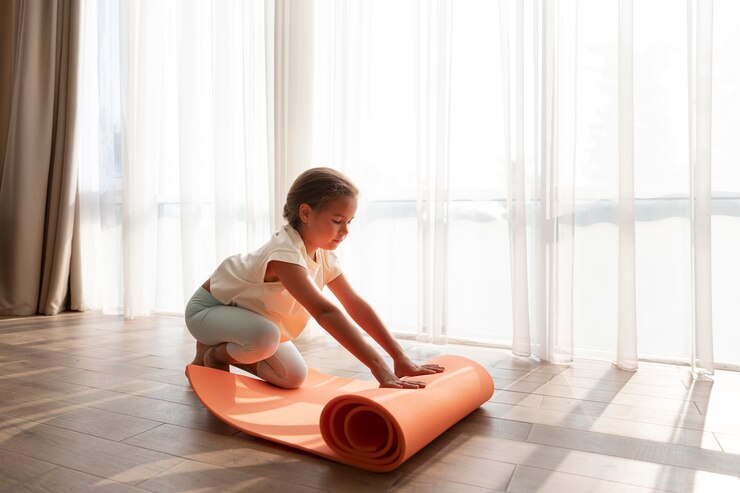
Sharing Yoga with Your Kids: A Fun and Meaningful Practice Introduction Yoga is a powerful practice that nurtures the mind, body, and spirit. While many adults turn to yoga for relaxation and self-care, it’s also a wonderful way to bond with children, helping them develop mindfulness, focus, and emotional resilience from an early age. Sharing yoga with your kids can be playful, engaging, and deeply rewarding. Whether you’re a yoga teacher, a parent, or simply someone who loves the practice, introducing yoga to children can foster their well-being in a way that feels fun and natural. This guide explores the benefits of yoga for kids, practical tips for making it engaging, and simple ways to incorporate yoga into daily life. The Benefits of Yoga for Kids 1. Improves Physical Health Yoga enhances flexibility, balance, strength, and coordination, supporting kids’ growing bodies in a gentle and healthy way. 2. Boosts Emotional Regulation Breathing techniques and mindful movement help children manage emotions, reduce stress, and cultivate inner calm. 3. Enhances Focus and Concentration Yoga promotes mindfulness, which helps kids improve attention span, academic performance, and problem-solving skills. 4. Encourages Creativity and Playfulness Through storytelling, imaginative poses, and games, kids learn to explore movement with joy and creativity. 5. Strengthens Parent-Child Bonds Practicing yoga together creates meaningful moments of connection, fostering trust, communication, and love. How to Introduce Yoga to Kids 1. Keep It Fun and Playful Kids learn best through play! Use games, storytelling, and music to make yoga exciting rather than a structured routine. 2. Use Kid-Friendly Yoga Poses Choose simple, fun poses that mimic animals or nature, like: Downward Dog(like a stretching puppy) Tree Pose(like a swaying tree) Cobra Pose(like a hissing snake) Butterfly Pose(flapping butterfly wings) 3. Incorporate Breathing Exercises Teaching kids simple breathwork can help them calm down and focus. Try: Bumblebee Breath(humming like a bee) Balloon Breath(inhaling deeply and “inflating” the belly like a balloon) Dragon Breath(breathing out forcefully like a dragon) 4. Use Stories and Themes Turn yoga into an adventure! Create a story where kids pretend to be animals in a jungle, go on a space journey, or become superheroes. 5. Practice Mindfulness with Simple Activities Introduce mindfulness through fun activities like: Watching clouds and describing their shapes Feeling different textures (stones, leaves, soft blankets) Listening to nature sounds and identifying them 6. Keep Sessions Short and Flexible Kids have shorter attention spans, so 10-20 minutes of yoga is plenty. Let them explore movement without rigid expectations. 7. Encourage Gratitude and Positivity End each session with a short gratitude practice, asking: “What made you smile today?” “What’s one thing you’re grateful for?” Simple Yoga Poses for Kids 1. Mountain Pose (Strong Like a Mountain) Stand tall with feet together. Stretch arms overhead or keep hands at heart center. Breathe deeply and imagine being a strong, steady mountain. 2. Cat-Cow Stretch (Stretch Like a Cat & Moo Like a Cow) Get on hands and knees. Inhale, arch the back, and look up (cow). Exhale, round the spine, and tuck the chin (cat). Repeat, making fun animal sounds! 3. Star Pose (Shine Like a Star) Stand with feet wide apart. Stretch arms out and imagine glowing like a bright star. Say, “I am strong! I am bright!” 4. Child’s Pose (Curl Up Like a Turtle) Sit back on heels, stretch arms forward, and rest forehead on the floor. Take slow breaths and relax. 5. Happy Baby Pose (Wiggle Like a Baby!) Lie on your back and grab your feet. Rock side to side while laughing or humming. Making Yoga Part of Everyday Life Yoga doesn’t have to be a formal class—it can be part of everyday moments! Morning Stretch:Start the day with a “sunrise stretch” by reaching up and touching toes. Bedtime Relaxation:Do gentle breathing and a short guided relaxation before sleep. Mindful Walks:Take nature walks and notice sounds, colors, and sensations. Yoga Dance Party:Play music and move freely like different animals or elements (wind, waves, fire). Final Thoughts Sharing yoga with your kids is a beautiful way to help them develop self-awareness, confidence, and emotional balance while having fun. The key is to keep it playful, lighthearted, and stress-free.
Exploring the Lessons of Humility in the Practice of Yoga

Exploring the Lessons of Humility in the Practice of Yoga Yoga is often seen as a practice for physical well-being, but its deeper teachings guide practitioners toward humility, self-awareness, and spiritual growth. Humility in yoga is not just about bowing in a pose; it is about surrendering the ego, embracing imperfection, and cultivating a mindset of openness and learning. 1. The Body as a Teacher One of the first lessons in humility comes from acknowledging the body’s limitations. Each person has a unique physical journey, and progress in yoga is not about achieving the perfect pose but about deepening self-awareness. Struggles with flexibility, balance, or endurance remind us to be patient and compassionate with ourselves. 2. The Power of Surrender Yoga encourages surrender—not in the sense of giving up, but in letting go of control and expectations. This is evident in poses like Balasana (Child’s Pose) or Savasana (Corpse Pose), where the practitioner releases tension and accepts the present moment without resistance. True humility is found in recognizing that we do not have to force progress; instead, we allow it to unfold naturally. 3. Learning from Every Moment A humble yogi understands that every experience—whether a challenging pose, an injury, or a moment of stillness—offers a lesson. Rather than becoming frustrated or competitive, humility allows us to see struggles as opportunities for growth. 4. Ego vs. True Strength Many people enter yoga expecting to master advanced poses quickly, but yoga teaches that true strength is not about performance or comparison. A person standing in Tadasana (Mountain Pose) with full awareness and presence is just as powerful as someone in a deep backbend. Humility allows us to recognize that yoga is about internal transformation rather than external achievement. 5. Connection to Something Greater Yoga philosophy reminds us that we are part of something much larger than ourselves. Whether through the spiritual teachings of Ishvarapranidhana (surrender to a higher power) or the simple act of breathing in harmony with the universe, humility arises when we acknowledge that we are not separate from the world around us. 6. Serving Others with Compassion A humble yoga practice extends beyond the mat into daily life. Yoga’s ethical principles (Yamas and Niyamas) encourage kindness, non-judgment, and service. When we approach others with humility, we listen more, judge less, and cultivate deeper compassion. Conclusion Humility in yoga is a lifelong practice. It is found in accepting where we are, surrendering the ego, and opening our hearts to continuous learning. By embracing humility, we not only deepen our yoga practice but also enhance our relationships and our overall sense of peace and fulfillment.
Benefits of Yoga and Ayurveda to Transform Your Life

Benefits of Yoga and Ayurveda to Transform Your Life Yoga and Ayurveda, two ancient sciences from India, offer a holistic approach to health and well-being. While yoga focuses on physical, mental, and spiritual harmony, Ayurveda (the science of life) provides a natural approach to healing and longevity. When combined, these practices can bring profound positive changes to your life. 1. Physical Well-being Yoga: Improves flexibility, strength, and balance. Enhances posture and relieves chronic pain (e.g., back pain, joint pain). Boosts immunity by stimulating the lymphatic system. Aids digestion and detoxification through asanas and pranayama. Ayurveda: Uses herbal remedies to cleanse the body and improve metabolism. Recommends a diet based on your dosha(body constitution) to enhance energy and vitality. Provides natural treatments for common health issues like digestive disorders, skin problems, and respiratory ailments. 2. Mental and Emotional Health Yoga: Reduces stress and anxiety through breathwork (pranayama) and meditation. Improves focus, concentration, and mental clarity. Promotes emotional stability and inner peace. Helps manage depression by balancing neurotransmitters like serotonin. Ayurveda: Offers herbal supplements (e.g., Brahmi for brain function, Ashwagandha for stress relief). Encourages daily self-care rituals (Dinacharya) like oil massage (Abhyanga) to calm the nervous system. Suggests mindful eating and lifestyle habits to balance emotions. 3. Spiritual Growth and Self-Awareness Yoga: Connects body, mind, and soul through meditation and mindfulness. Awakens higher consciousness and self-awareness. Promotes gratitude, compassion, and inner joy. Helps overcome ego-driven desires and find deeper purpose. Ayurveda: Teaches self-care and self-healing practices that nurture self-awareness. Aligns lifestyle with natural rhythms (circadian cycles) to cultivate balance and peace. Recommends Sattvic(pure) foods and detoxification to maintain clarity of mind and spirit. 4. Disease Prevention and Longevity Yoga: Lowers blood pressure and reduces risk of heart disease. Improves lung capacity and respiratory function. Regulates hormones and supports endocrine health. Increases longevity by reducing oxidative stress and inflammation. Ayurveda: Prevents lifestyle diseases like diabetes, obesity, and arthritis through diet and detox therapies (Panchakarma). Strengthens digestion and metabolic fire (Agni), reducing toxin buildup. Uses natural herbs and tonics (e.g., Turmeric, Triphala, Chyawanprash) to boost immunity and anti-aging. 5. Better Sleep and Relaxation Yoga: Practices like Yoga Nidra and deep breathing exercises induce deep relaxation. Reduces insomnia and improves sleep quality. Calms the nervous system, reducing restlessness and overthinking. Ayurveda: Recommends warm milk with herbs like Nutmeg or Ashwagandha for better sleep. Encourages an evening routine (Ratricharya) to unwind the mind and body. Suggests oil massages and aromatherapy to soothe the senses. Conclusion Yoga and Ayurveda together create a holistic lifestyle that nurtures physical, mental, and spiritual well-being. Whether you seek better health, mental clarity, emotional balance, or spiritual growth, these practices provide natural, time-tested solutions. By integrating yoga postures, breathwork, meditation, Ayurvedic diet, and self-care rituals, you can transform your life and achieve a deeper sense of harmony and wellness.
Complete Guide to Mudras: Benefits and Use in Yoga, Meditation & Chakra Balancing

Complete Guide to Mudras: Benefits and Use in Yoga, Meditation & Chakra Balancing Mudras are symbolic hand gestures used in yoga, meditation, and energy healing to channel energy flow, enhance concentration, and balance the body’s chakras. Each mudra has specific benefits and can be practiced to achieve different mental, emotional, and physical states. What Are Mudras? Mudras, derived from Sanskrit meaning “seal” or “gesture,” are used to influence the flow of prana (life force energy) in the body. By positioning the hands and fingers in specific ways, practitioners can stimulate different parts of the brain, chakras, and energetic pathways. How Mudras Work Each finger represents one of the five elements in the body: Thumb– Fire (Agni) Index Finger– Air (Vayu) Middle Finger– Ether/Space (Akasha) Ring Finger– Earth (Prithvi) Little Finger– Water (Jala) By touching, pressing, or arranging the fingers, mudras create energetic circuits that impact the body, mind, and spirit. Common Mudras and Their Benefits 1. Gyan Mudra (Mudra of Knowledge) How to do it:Touch the tip of the index finger to the thumb while keeping the other fingers extended. Benefits:Enhances memory, concentration, and wisdom. Calms the mind, relieves stress, and balances the root chakra. Best for:Meditation, focus, and spiritual growth. 2. Chin Mudra (Mudra of Consciousness) How to do it:Similar to Gyan Mudra but with palms facing upward. Benefits:Helps in deep meditation, enhances awareness, and connects with higher consciousness. Best for:Spiritual awakening and connection to higher self. 3. Vayu Mudra (Mudra of Air) How to do it:Fold the index finger down and press it with the thumb while keeping the other fingers extended. Benefits:Reduces gas, bloating, and joint pain. Helps with anxiety and restlessness. Best for:Those suffering from arthritis, Parkinson’s, or stress. 4. Prithvi Mudra (Mudra of Earth) How to do it:Touch the tip of the ring finger to the thumb while keeping other fingers extended. Benefits:Increases physical strength, improves immunity, and enhances inner stability. Balances the root chakra. Best for:Weakness, fatigue, or feeling ungrounded. 5. Varun Mudra (Mudra of Water) How to do it:Touch the tip of the little finger to the thumb while keeping the other fingers extended. Benefits:Improves hydration, promotes glowing skin, and balances emotions. Best for:Skin issues, dehydration, or emotional balance. 6. Apan Mudra (Mudra of Detoxification) How to do it:Touch the tip of the thumb to the middle and ring fingers while keeping the other fingers extended. Benefits:Helps detoxify the body, supports digestion, and removes negative energy. Balances the heart and solar plexus chakras. Best for:Digestion, elimination, and energy cleansing. 7. Shunya Mudra (Mudra of Emptiness) How to do it:Press the middle finger against the base of the thumb and cover it with the thumb. Benefits:Reduces earaches, vertigo, and numbness. Improves hearing and mental clarity. Best for:Those with hearing issues, tinnitus, or mental fog. 8. Surya Mudra (Mudra of Sun/Fire) How to do it:Bend the ring finger and press it with the thumb while keeping the other fingers extended. Benefits:Boosts metabolism, reduces weight, and increases body heat. Best for:Weight loss, digestion, and improving vitality. 9. Dhyana Mudra (Mudra of Meditation) How to do it:Place both hands on the lap with palms facing upward, right hand resting on the left. Benefits:Deepens meditation, enhances tranquility, and balances the mind. Best for:Long meditation sessions and inner peace. 10. Anjali Mudra (Prayer Mudra) How to do it:Press palms together in front of the chest. Benefits:Promotes gratitude, humility, and inner balance. Harmonizes energy flow. Best for:Centering before meditation or yoga practice. Mudras and Chakra Balancing Mudras can be used to activate and balance the body’s seven chakras: Root Chakra (Muladhara) – Prithvi Mudra→ Grounding & stability Sacral Chakra (Swadhisthana) – Varun Mudra→ Creativity & emotions Solar Plexus Chakra (Manipura) – Surya Mudra→ Confidence & energy Heart Chakra (Anahata) – Apan Mudra→ Love & compassion Throat Chakra (Vishuddha) – Shunya Mudra→ Communication & truth Third Eye Chakra (Ajna) – Gyan Mudra→ Intuition & wisdom Crown Chakra (Sahasrara) – Dhyana Mudra→ Spiritual connection How to Practice Mudras Duration:5-45 minutes daily (can be divided into shorter sessions). Posture:Sit comfortably with a straight spine. Breathwork:Combine with deep breathing or pranayama for best results. Focus:Meditate or chant a mantra while holding the mudra. Conclusion Mudras are powerful tools to enhance physical health, mental clarity, and spiritual well-being. Whether you’re looking to relieve stress, boost energy, or deepen your meditation, incorporating mudras into your daily practice can help create balance and harmony.