
Parivartan Mudra (Transformation Gesture)

Parivartan Mudra (Transformation Gesture) Introduction Parivartan Mudra, also called the Transformation Gesture, is a yogic hand gesture used to channel energy for change, renewal, and balancing bodily and mental functions. It is often incorporated into meditation, pranayama, and mudra therapy to facilitate physical detoxification, emotional release, and mental clarity. This mudra helps practitioners redirect pranic flow, release stagnation, and promote overall harmony. Meaning Etymology: Parivartan means transformation, change, or rotation in Sanskrit. Mudra means gesture or seal. Symbolism: Represents change, renewal, and energetic transformation. Encourages mental clarity, emotional flexibility, and adaptability. Symbolically removes blockages and restores balance in mind and body. How to Perform Parivartan Mudra Lie down on your back. Clasp your hand tightly, interlocking the fingers. Then with the fingers of the left-hand press on the back of the right hand and vice versa. Repeat 27 times. Benefits Facilitates detoxification and energy flow throughout the body. Improves mental clarity, focus, and decision-making. Reduces stress, emotional stagnation, and mental fatigue. Enhances flexibility and adaptability in body and mind. Balances prana and subtle energy channels. Supports self-awareness, transformation, and personal growth. Contraindications Avoid if there is injury or pain in hands, fingers, wrists, or elbows. People with arthritis or joint limitations should practice gently. Stop practice if discomfort or strain occurs. Anatomy & Physiology Involves phalanges, interphalangeal joints, intrinsic hand muscles, and forearm muscles. Stimulates median and ulnar nerve endings, enhancing sensory perception and cortical activity. Improves circulation in hands, forearms, and upper extremities. Promotes postural alignment and muscle relaxation, facilitating deeper breathing and pranic flow. Kinesiology Isometric contraction of thenar, hypothenar, and interossei muscles maintains finger interlock. Engages forearm, shoulder, and upper back muscles, improving posture and stability. Enhances fine motor coordination, proprioception, and hand awareness. Supports mind-body integration through intentional hand positioning and focus. Neurology Activates median, ulnar, and radial nerves, stimulating the somatosensory cortex. Promotes parasympathetic nervous system activation, reducing stress and fostering calmness. Visualization of transformation strengthens neural pathways associated with adaptability, emotional resilience, and energy flow. Duration of Practice Beginners: 5 minutes daily. Intermediate/Advanced: 10–15 minutes, once or twice daily. Ideal during meditation, pranayama, or energy-balancing sessions. Counter Mudra Prana Mudra or Gyana Mudra can serve as counter mudras to energize and stabilize after transformation practice. Alternating Parivartan Mudra with these mudras balances dynamic energy with calm awareness. Conclusion Parivartan Mudra is a powerful gesture for transformation, energy balance, and mental clarity. Regular practice enhances adaptability, emotional resilience, and prana flow, making it an effective tool in meditation, pranayama, and yoga therapy. FAQ Q1: Can Parivartan Mudra help with emotional stress?A1: Yes, it facilitates release of stagnation and promotes emotional balance. Q2: Can beginners practice it safely?A2: Yes, starting with 5 minutes daily is sufficient, gradually increasing duration. Q3: Is visualization important?A3: Visualization enhances the effects, but mindful hand placement and breathing are also effective. Q4: Can it be combined with other mudras or yoga asanas?A4: Yes, particularly with pranayama and detoxifying asanas for optimal energy flow. References Swami Satyananda Saraswati, Mudras for Healing and Transformation, Bihar Yoga Publications, 2012. Dr. Harish Johari, Mudra: The Gateway to Health, Inner Traditions, 1994. B.K.S. Iyengar, Light on Yoga, HarperCollins, 2005. Yoga Journal, Mudras for Energy, Transformation, and Focus, 2018. Hatha Yoga Pradipika and yogic texts on energy channels, prana flow, and meditation practices.
Pitta Kaarak Kapha Naashak Mudra

Pitta Kaarak Kapha Naashak Mudra Introduction In Ayurveda and yogic traditions, maintaining balance between the doshas—Vata, Pitta, and Kapha—is essential for health. Pitta Kaarak Kapha Naashak Mudra is a specialized mudra designed to reduce excess Kapha (water and earth elements) while supporting Pitta (fire element). It is particularly useful for conditions caused by Kapha imbalance such as congestion, lethargy, heaviness, mucus accumulation, and sluggish digestion, while stimulating metabolic and digestive fire (Pitta). This mudra is also known as a “Pitta-enhancing, Kapha-reducing mudra”, integrating hand gestures with pranayama and meditation to influence both subtle energy and physiological functions. Meaning Pitta Kaarak: Enhances or supports Pitta energy (fire, heat, transformation). Kapha Naashak: Reduces Kapha energy (earth and water, heaviness, stagnation). Mudra: Yogic gesture or seal that directs pranic energy. Purpose: By combining finger positions, this mudra activates the digestive fire, reduces Kapha-related heaviness and mucus, and balances emotional and mental stability. How to Perform (Practice) Sit in a comfortable meditative posture such as Sukhasana, Padmasana, or Vajrasana. Relax shoulders, spine, and arms. This mudra is formed by first placing the ring and the little fingers on the base of the thumb and then bringing gentle pressure of the thumb upon these fingers. Close your eyes, focus on breathing, and visualize lightness, warmth, and energy flow in the body. Practice for 5–15 minutes, gradually increasing as comfort improves. Tip: Maintain gentle pressure without strain; the gesture should feel natural. Benefits Physical Benefits Reduces Kapha-related disorders: congestion, excess mucus, sinus issues, and heaviness. Enhances metabolic fire (Agni) and supports digestion. Improves circulation and energizes the body. Promotes weight management by stimulating metabolism. Mental & Emotional Benefits Reduces lethargy, mental dullness, and inertia. Enhances alertness, focus, and clarity. Helps reduce emotional stagnation and depressive tendencies. Spiritual Benefits Supports pratyahara (withdrawal of senses) by stimulating energy flow. Improves inner vitality and meditation focus. Balances subtle energy between Kapha and Pitta elements. Contraindications Finger, hand, or wrist injuries. Hyperactive Pitta conditions: skin rashes, overheating, or acidity. Chronic insomnia or over-stimulation; practice with caution. Anatomy & Physiology Musculoskeletal: Activates intrinsic hand muscles and forearm stabilizers. Digestive system: Stimulates gastric and hepatic functions by subtle pranic influence. Respiratory system: May help clear congestion by influencing subtle energy in lungs and thorax. Circulatory system: Enhances local circulation in fingers and indirectly supports systemic blood flow. Kinesiology Thumb contacts ring + middle finger tips; index and little fingers extended. Slight flexion in thumb, ring, and middle fingers; minimal forearm engagement. Supports isometric contraction of hand muscles and proprioceptive awareness. Maintains neutral wrist alignment to avoid strain. Neurology Activates parasympathetic nervous system, promoting calm yet alert energy. Stimulates sensory nerve endings in fingers, enhancing mind-body connection. Improves mental clarity and focus by balancing Pitta-Kapha energies. May indirectly influence autonomic nervous system for digestive and metabolic regulation. Duration of Mudra Beginners: 5 minutes. Intermediate: 10–15 minutes. Advanced: 20–30 minutes as part of meditation or pranayama practice. Counter Mudra Kapha-enhancing conditions: Practice Pitta-reducing mudras such as Shitali/Shitkari for cooling effect. Pitta-excess conditions: Avoid prolonged use or combine with Kapha-stimulating mudras for balance. Vata imbalance: Combine with grounding mudras like Prithvi Mudra. Conclusion Pitta Kaarak Kapha Naashak Mudra is an effective yogic tool to harmonize doshic energies by reducing Kapha and supporting Pitta. When practiced consistently, it enhances digestion, metabolism, alertness, and mental clarity. This mudra integrates physiological, neurological, and energetic benefits, making it a versatile addition to yoga, meditation, and pranayama routines. Proper guidance and gradual practice ensure safety and effectiveness. FAQ Q1. Can beginners practice this mudra?Yes, it is simple to perform and suitable for most practitioners. Q2. Can it be combined with pranayama?Yes, especially stimulating pranayamas like Kapalabhati to enhance Pitta energy and reduce Kapha. Q3. How often should it be practiced?Daily practice of 5–15 minutes is recommended; 20–30 minutes for advanced practitioners. Q4. Can it be practiced if Pitta is already high?Caution is advised; combine with cooling mudras if Pitta is excessive. References Swami Satyananda Saraswati, Asana, Pranayama, Mudra, Bandha. B.K.S. Iyengar, Light on Yoga. Hatha Yoga Pradipika – Mudras and dosha balance. Gheranda Samhita – Mudras for metabolic and energy regulation. Kuvalayananda, Yoga Mimamsa Journal.
Sahaja Sankha Mudra
Sahaja Sankha Mudra Introduction Mudras are yogic hand gestures that direct the flow of prana (life energy) to balance the body, mind, and subtle energies. Sahaja Sankha Mudra is a specialized mudra often used for clearing energy channels, calming the mind, and enhancing meditative focus. The term “Sahaja Sankha” can be broken down as follows: Sahaja = Natural, innate, spontaneous. Sankha = Conch, symbolic of sound, vibration, and spiritual awakening. Thus, Sahaja Sankha Mudra represents natural awakening of inner energy and vibration, supporting both mental clarity and spiritual growth. Meaning Sahaja = Spontaneous, innate. Sankha = Conch, associated with sound, energy, and spiritual awakening. Mudra = Yogic seal or gesture. Purpose: To stimulate subtle energy flow, harmonize prana, and promote calmness and focus during meditation. How to Perform (Practice) Sit comfortably in a meditation posture such as Sukhasana, Padmasana, or Vajrasana. Relax shoulders, spine, and arms. Join both hands together interlocking the fingers and press the palms together. Apply a gentle pressure with both the thumbs by laying them parallel to each other on the index finger. This forms the sahajan shankha mudra. Close your eyes and focus on breathing, vibration, and energy circulating within. Maintain the mudra for 5–15 minutes, gradually increasing duration as comfort improves. Tip: Keep hands relaxed and avoid tension in fingers, wrists, or shoulders. Benefits Physical Benefits Enhances circulation and pranic flow in hands, chest, and upper body. Reduces tension in shoulders and chest. Supports respiratory function and oxygenation. Mental & Emotional Benefits Promotes mental clarity, focus, and calmness. Reduces stress, anxiety, and mental fatigue. Enhances inner awareness and mindfulness. Spiritual Benefits Activates subtle energy channels (nadis) and balances prana. Supports meditation by focusing attention and harmonizing inner vibrations. Enhances spiritual awakening and awareness of inner energy. Contraindications Finger, hand, or wrist injuries. Shoulder or chest injuries should practice under supervision. Avoid over-practice if hands or arms feel strained. Anatomy & Physiology Musculoskeletal: Activates intrinsic hand muscles, stabilizes fingers, and engages forearm muscles. Circulatory system: Improves localized blood flow in hands and upper limbs. Respiratory system: Encourages chest expansion and deeper breathing. Nervous system: Stimulates sensory nerves, promoting parasympathetic activation and mental relaxation. Endocrine system: Supports subtle energy centers that regulate stress and mental focus. Kinesiology Fingers curled to form a spiral/conch-like seal, directing pranic flow. Hands positioned near chest to enhance energetic focus. Shoulders relaxed; wrists in neutral alignment. Enhances proprioception, hand stability, and subtle energy direction. Neurology Stimulates peripheral nerve endings in fingers and palms, improving mind-body integration. Activates parasympathetic pathways to reduce stress and anxiety. Supports cortical regions associated with attention, focus, and emotional regulation. Enhances subtle energy perception and awareness during meditation. Duration of Mudra Beginners: 5 minutes. Intermediate: 10–15 minutes. Advanced: 20–30 minutes during meditation or pranayama. Tip: Daily practice enhances pranic flow, mental clarity, and spiritual awareness. Counter Mudra Gyan Mudra: To combine meditation focus with mental clarity. Prana Mudra: To energize the body after meditation. Apana Mudra: To release stagnant energy or mental tension. Conclusion Sahaja Sankha Mudra is a meditative mudra that harmonizes prana, enhances mental clarity, and supports spiritual awakening. Regular practice integrates physical, emotional, and subtle energy benefits, making it ideal for meditation, yoga, and holistic well-being. FAQ Q1. Can beginners practice this mudra?Yes, it is safe and simple for all levels. Q2. Can it be combined with pranayama?Yes, especially with Anulom Vilom or deep meditative breathing. Q3. How long should it be practiced daily?5–15 minutes for beginners; up to 30 minutes for advanced practitioners. Q4. Can it help with stress or mental fatigue?Yes, it promotes calmness, focus, and inner awareness. References Swami Satyananda Saraswati, Asana, Pranayama, Mudra, Bandha. B.K.S. Iyengar, Light on Yoga. Hatha Yoga Pradipika – Mudras for meditation and energy balance. Gheranda Samhita – Mudras for pranic flow and spiritual awakening. Kuvalayananda, Yoga Mimamsa Journal.
Good Night Mudra (Parivartan Mudra)
Good Night Mudra (Parivartan Mudra) Introduction Parivartan Mudra, also called the Transformation Gesture, is a yogic hand gesture used to channel energy for change, renewal, and balancing bodily and mental functions. It is often incorporated into meditation, pranayama, and mudra therapy to facilitate physical detoxification, emotional release, and mental clarity. This mudra helps practitioners redirect pranic flow, release stagnation, and promote overall harmony. Meaning Etymology: Parivartan means transformation, change, or rotation in Sanskrit. Mudra means gesture or seal. Symbolism: Represents change, renewal, and energetic transformation. Encourages mental clarity, emotional flexibility, and adaptability. Symbolically removes blockages and restores balance in mind and body. How to Perform Parivartan Mudra Lie down on your back. Clasp your hand tightly, interlocking the fingers. Then with the fingers of the left-hand press on the back of the right hand and vice versa. Repeat 27 times. Benefits Facilitates detoxification and energy flow throughout the body. Improves mental clarity, focus, and decision-making. Reduces stress, emotional stagnation, and mental fatigue. Enhances flexibility and adaptability in body and mind. Balances prana and subtle energy channels. Supports self-awareness, transformation, and personal growth. Contraindications Avoid if there is injury or pain in hands, fingers, wrists, or elbows. People with arthritis or joint limitations should practice gently. Stop practice if discomfort or strain occurs. Anatomy & Physiology Involves phalanges, interphalangeal joints, intrinsic hand muscles, and forearm muscles. Stimulates median and ulnar nerve endings, enhancing sensory perception and cortical activity. Improves circulation in hands, forearms, and upper extremities. Promotes postural alignment and muscle relaxation, facilitating deeper breathing and pranic flow. Kinesiology Isometric contraction of thenar, hypothenar, and interossei muscles maintains finger interlock. Engages forearm, shoulder, and upper back muscles, improving posture and stability. Enhances fine motor coordination, proprioception, and hand awareness. Supports mind-body integration through intentional hand positioning and focus. Neurology Activates median, ulnar, and radial nerves, stimulating the somatosensory cortex. Promotes parasympathetic nervous system activation, reducing stress and fostering calmness. Visualization of transformation strengthens neural pathways associated with adaptability, emotional resilience, and energy flow. Duration of Practice Beginners: 5 minutes daily. Intermediate/Advanced: 10–15 minutes, once or twice daily. Ideal during meditation, pranayama, or energy-balancing sessions. Counter Mudra Prana Mudra or Gyana Mudra can serve as counter mudras to energize and stabilize after transformation practice. Alternating Parivartan Mudra with these mudras balances dynamic energy with calm awareness. Conclusion Parivartan Mudra is a powerful gesture for transformation, energy balance, and mental clarity. Regular practice enhances adaptability, emotional resilience, and prana flow, making it an effective tool in meditation, pranayama, and yoga therapy. FAQ Q1: Can Parivartan Mudra help with emotional stress?A1: Yes, it facilitates release of stagnation and promotes emotional balance. Q2: Can beginners practice it safely?A2: Yes, starting with 5 minutes daily is sufficient, gradually increasing duration. Q3: Is visualization important?A3: Visualization enhances the effects, but mindful hand placement and breathing are also effective. Q4: Can it be combined with other mudras or yoga asanas?A4: Yes, particularly with pranayama and detoxifying asanas for optimal energy flow. References Swami Satyananda Saraswati, Mudras for Healing and Transformation, Bihar Yoga Publications, 2012. Dr. Harish Johari, Mudra: The Gateway to Health, Inner Traditions, 1994. B.K.S. Iyengar, Light on Yoga, HarperCollins, 2005. Yoga Journal, Mudras for Energy, Transformation, and Focus, 2018. Hatha Yoga Pradipika and yogic texts on energy channels, prana flow, and meditation practices.
Paschima Mudra

Paschima Mudra Introduction Mudras are subtle yogic hand gestures that direct and balance the flow of prana (vital energy) within the body. They act as a bridge between the physical, mental, and spiritual dimensions of yoga. Among the numerous mudras mentioned in yogic and tantric texts, Paschima Mudra is a powerful practice for introspection, withdrawal of the senses, and deep meditation. “Paschima” in Sanskrit means “west” or “back,” but in yogic terminology, it often implies inner direction or going inward. Thus, Paschima Mudra represents turning awareness from the external world toward the inner self. Meaning Paschima = west / back / inward-facing Mudra = gesture or seal Paschima Mudra therefore symbolizes the sealing of energy inward, guiding the practitioner toward pratyahara (withdrawal of senses) and dhyana (meditation). It is often associated with the ida nadi (lunar channel), inner calmness, and deepening self-realization. How to Perform (Practice) Sit in a comfortable meditative posture such as Padmasana, Siddhasana, or Vajrasana. Relax your shoulders and spine. Right Hand: Touch tips of thumb, middle and pinkie fingers together, extend all others. Left Hand: Touch tips of thumb and ring fingers together, extend all others. Rest with palms up. Close the eyes and bring awareness inward. Focus on the breath or on the movement of prana in the spine. Maintain the mudra for 5–15 minutes initially, increasing gradually with practice. Benefits Physical Benefits Improves flexibility of shoulders, wrists, and chest. Corrects postural imbalances by opening the chest and drawing the shoulders back. Enhances lung capacity and supports better breathing. Stimulates digestion by mild pressure on abdominal organs. Mental & Emotional Benefits Encourages introspection and mental calmness. Reduces stress, anxiety, and restlessness. Promotes concentration and meditative depth. Spiritual Benefits Aids in pratyahara (withdrawal of senses). Balances ida nadi, supporting cooling and calming energy. Directs prana inward, facilitating dhyana and self-awareness. Contraindications Shoulder, wrist, or elbow injuries. Severe arthritis of the upper limbs. Post-surgical conditions of the chest or spine. People with severe respiratory conditions should consult a yoga therapist before attempting. Anatomy & Physiology Musculoskeletal System: Stretches pectoralis major, deltoids, biceps, triceps, and wrist flexors/extensors. Strengthens shoulder girdle stabilizers (rhomboids, trapezius). Respiratory System: Expands the chest cavity, improving tidal volume and diaphragmatic breathing. Circulatory System: Enhances blood circulation in the thoracic region and upper extremities. Digestive System: Mild compression and posture support digestive function. Kinesiology Involves shoulder extension and internal rotation. Scapular retraction and depression stabilize the posture. Wrist flexion and palmar adduction while pressing palms together. Engages isometric contraction of forearm and shoulder muscles for balance. Neurology Activates parasympathetic dominance by stimulating calm, inward focus. Encourages proprioceptive awareness through stretch receptors in shoulders and arms. Engages higher cortical centers by inducing inward concentration. May balance autonomic nervous system activity, reducing sympathetic overdrive. Duration of Mudra Beginners: 3–5 minutes. Intermediate: 10–15 minutes. Advanced meditators: 20–30 minutes, integrated into pranayama or meditation. Regular practice yields cumulative benefits for both physical and subtle energy systems. Counter Mudra Purva Mudra (Forward Mudra / Expansion Gesture): Hands extended forward in open gesture, balancing the inward-pulling energy of Paschima Mudra. Chin or Jnana Mudra: Helps re-channel awareness outward after deep inward absorption. Prana Mudra: Can be practiced afterward to re-energize. Conclusion Paschima Mudra is more than a physical hand gesture—it is a symbolic turning inward, helping practitioners withdraw from distractions and move toward inner stillness. It unites physical flexibility, respiratory enhancement, and subtle energy balance. When practiced consistently, it becomes a doorway to meditative depth and spiritual awareness. Care should be taken in case of musculoskeletal limitations, and modifications should be applied as needed. FAQ Q1. Is Paschima Mudra the same as Reverse Namaste?Yes, Paschima Mudra is often performed as reverse Namaste (Prishtanjali), symbolizing inward energy sealing. Q2. Can beginners do this mudra?Yes, but with modifications (clasping elbows or wrists if palms cannot meet). Q3. Can Paschima Mudra be done during pranayama?Yes, it enhances chest expansion and internal awareness during breathing practices. Q4. Does it have spiritual significance?Yes, it promotes pratyahara and dhyana by turning prana inward. References Hatha Yoga Pradipika – Commentary on mudras and pratyahara. Gheranda Samhita – Description of mudras and their role in yoga. Swami Satyananda Saraswati, Asana, Pranayama, Mudra, Bandha. Kuvalayananda, Yoga Mimamsa Journal. B.K.S. Iyengar, Light on Yoga.
Pashinee Mudra
Pashinee Mudra Introduction Mudras are hand gestures or positions that influence the flow of prana (vital energy) in the body, affecting physical, mental, and spiritual well-being. Pashinee Mudra is a lesser-known but potent mudra, often used in yogic and tantric traditions to regulate emotional energy, calm the mind, and support inner clarity. This mudra is sometimes associated with cooling energy and calming mental turbulence. Meaning Pashinee is derived from the Sanskrit root “Pash” meaning binding or controlling and “Nee” meaning flow or channeling. Mudra = gesture or seal. Thus, Pashinee Mudra symbolizes the control and direction of energy in the body, helping the practitioner channel prana and emotions in a balanced way. It is particularly helpful for calming the nervous system and regulating emotional stress. How to Perform (Practice) Assume halasana. Separate the feet by about half a meter. Bend the knees and bring the thighs towards the chest until the knees touch the ears, shoulders and floor. Wrap the arms tightly around the back of the legs. Relax the whole body in this position and close the eyes. Breathe slowly and deeply. Maintain the position for as long as is comfortable. Slowly release the arms and come back into halasana. Lower the legs and relax in shavasana. Benefits Physical Benefits Enhances circulation in the hands and fingers. Promotes relaxation in the wrist, forearm, and shoulder. Supports lung and heart function by calming breathing. Mental & Emotional Benefits Reduces stress, anxiety, and irritability. Balances emotional fluctuations. Enhances concentration, clarity, and mental stability. Spiritual Benefits Helps in pratyahara (withdrawal of senses). Supports meditation by channeling energy inward. Balances ida and pingala nadis, stabilizing subtle energy. Contraindications Severe arthritis or injuries in fingers, hands, or wrists. Recent surgery in the upper limbs. In cases of chronic pain, practice only under guidance. Anatomy & Physiology Musculoskeletal System: Engages intrinsic hand muscles, forearm flexors, and extensors. Slight tension may activate wrist stabilizers. Nervous System: Stimulates sensory nerve endings at fingertips, enhancing proprioception and fine motor coordination. Circulatory System: Promotes localized blood flow in hands and indirectly supports systemic relaxation. Respiratory System: Encourages deeper, slow breathing when combined with mindful awareness. Kinesiology Involves finger flexion of the thumb and little finger. Maintains a neutral wrist position. Light isometric contraction of intrinsic hand muscles. Minimal engagement of forearm muscles, making it a gentle mudra suitable for extended meditation. Neurology Activates parasympathetic nervous system promoting relaxation. Enhances sensory awareness via fingertip stimulation. Improves mind-body connection and enhances focus during meditation. May modulate autonomic nervous system responses to stress. Duration of Mudra Beginners: 5 minutes. Intermediate: 10–15 minutes. Advanced: 20–30 minutes in combination with pranayama or meditation. Tip: Practice daily for consistent mental and emotional balance. Counter Mudra Prithvi Mudra: Balances grounding energy if Pashinee mudra causes excessive inward focus. Gyan Mudra (Thumb + Index Finger): Redirects energy outward for mental clarity. Apana Mudra: Can follow Pashinee Mudra to facilitate detoxification and energetic release. Conclusion Pashinee Mudra is a subtle yet effective mudra that helps regulate emotional energy, improve mental clarity, and support meditative focus. It is gentle on the hands and suitable for most practitioners, making it an excellent addition to daily yoga or meditation practice. Consistent use enhances self-awareness, emotional equilibrium, and internal energy management. FAQ Q1. Can beginners practice Pashinee Mudra?Yes, it is simple and safe, with minor adjustments if finger flexibility is limited. Q2. Can Pashinee Mudra be combined with pranayama?Yes, it enhances calmness and directs energy flow during breathing exercises. Q3. How long should I practice daily?5–15 minutes initially; gradually up to 30 minutes for meditation benefits. Q4. Is it helpful for stress or anxiety?Yes, regular practice calms the nervous system and balances emotional energy. References Swami Satyananda Saraswati, Asana, Pranayama, Mudra, Bandha. Hatha Yoga Pradipika – Mudra and energy practices. Gheranda Samhita – Mudras for pranayama and meditation. B.K.S. Iyengar, Light on Yoga. Kuvalayananda, Yoga Mimamsa Journal.
Pitta & Kapha Nashak Mudra
Pitta & Kapha Nashak Mudra Introduction Mudras are yogic hand gestures that influence the flow of prana (life force) in the body and help maintain balance among the three doshas—Vata, Pitta, and Kapha—according to Ayurveda. Pitta Mudra is designed to cool down excess Pitta energy, which is associated with heat, inflammation, irritability, and acidity. Kapha Mudra is designed to reduce excess Kapha energy, which is linked to heaviness, congestion, lethargy, and water retention. These mudras combine hand positioning with focused awareness to harmonize doshic imbalances and support overall physical, mental, and emotional well-being. Meaning Pitta Mudra: “Pitta” means fire; this mudra helps calm the fiery energy and regulate metabolism, digestion, and emotions. Kapha Mudra: “Kapha” represents water and earth; this mudra helps stimulate and reduce heaviness, promoting circulation, alertness, and metabolic activity. How to Perform (Practice) Place the small finger on the base of the Thumb and touch the tips of the Thumb and touch the tips of Thumb and Ring finger together. The other fingers are kept straight and relaxed. Place the palms, face-up, on your knees or thighs. Keep your spine and head straight, shoulders relaxed. Perform the mudra with both hands. Benefits Pitta Mudra Physical: Reduces acidity, heartburn, inflammation, and excessive heat. Mental/Emotional: Calms irritability, anger, and restlessness. Spiritual: Supports meditation by cooling excess energy and improving focus. Kapha Mudra Physical: Stimulates circulation, reduces congestion, clears mucus, and boosts metabolism. Mental/Emotional: Enhances alertness, reduces lethargy, and alleviates depression tendencies. Spiritual: Encourages dynamic energy for meditation and action. Contraindications Pitta Mudra: Avoid if you have extremely cold conditions or low body temperature. Kapha Mudra: Avoid in cases of hyperactivity, insomnia, or over-stimulation. Both mudras should be avoided or modified in case of injuries to fingers, hands, wrists, or shoulders. Anatomy & Physiology Musculoskeletal: Engages intrinsic hand muscles, forearm flexors, extensors, and stabilizers of the wrist. Circulatory System: Enhances local blood flow in fingers and indirectly affects systemic circulation. Digestive System (Pitta Mudra): May help regulate metabolic activity via subtle energy focus. Respiratory System (Kapha Mudra): Supports lung function by stimulating energy flow and clearing congestion. Kinesiology Pitta Mudra: Thumb + little finger contact; slight flexion in other fingers; gentle isometric contraction of hand muscles. Kapha Mudra: Thumb + ring and little fingers contact; index/middle fingers extended; minimal tension in forearms and hands. Both promote subtle proprioceptive awareness and energy circulation. Neurology Activates parasympathetic dominance in Pitta Mudra, calming the nervous system. Stimulates alertness and sympathetic activity in Kapha Mudra, reducing lethargy. Enhances mind-body connection via fingertip sensory stimulation. Supports autonomic nervous system balance according to doshic needs. Duration of Mudra Beginners: 5 minutes. Intermediate: 10–15 minutes. Advanced: 20–30 minutes during meditation or pranayama practice. Counter Mudra Pitta Mudra: Kapha Mudra or cooling mudras like Shitali or Shitkari Pranayama to balance excess heat. Kapha Mudra: Pitta Mudra or stimulating mudras like Prana Mudra or Surya Mudra to invigorate energy. Conclusion Both Pitta and Kapha Mudras are practical tools to harmonize doshic imbalances using simple hand gestures. They combine physiological, neurological, and energetic benefits, making them suitable for daily yoga and meditation practice. Consistency, along with mindful breathing and awareness, enhances their effectiveness. FAQ Q1. Can beginners practice these mudras?Yes, they are simple and can be adapted for comfort. Q2. Can they be combined with pranayama?Yes, particularly cooling or energizing pranayamas to enhance their doshic effects. Q3. How often should they be practiced?Daily practice of 5–15 minutes is recommended for best results. Q4. Can Pitta and Kapha Mudra be practiced together?They can be alternated but should not be done simultaneously; observe body and energy response. References Swami Satyananda Saraswati, Asana, Pranayama, Mudra, Bandha. B.K.S. Iyengar, Light on Yoga. Hatha Yoga Pradipika – Mudras and dosha balance. Gheranda Samhita – Mudras for energy and mental stability. Kuvalayananda, Yoga Mimamsa Journal.
Pitta-Energizing Mudra
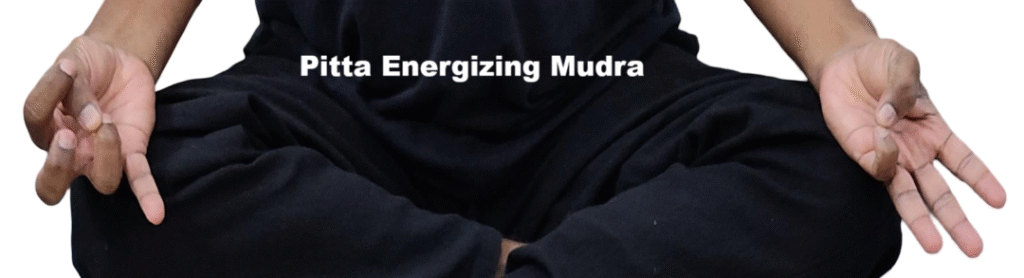
Pitta-Energizing Mudra Introduction Mudras are yogic gestures that influence the flow of prana (life energy) in the body, affecting physical, mental, and spiritual health. The Pitta-Energizing Mudra is designed to stimulate the Pitta dosha—the fire element—responsible for metabolism, digestion, energy, and transformation in both the body and mind. This mudra is particularly useful when Pitta is low, manifesting as lethargy, sluggish digestion, low motivation, or lack of clarity. By activating Pitta energy, the mudra enhances metabolism, inner heat, mental alertness, and motivation. Meaning Pitta: Fire element; governs heat, metabolism, digestion, and transformation. Energizing: Stimulating or activating. Mudra: Yogic seal or gesture that directs pranic energy. Purpose: Stimulates inner fire, supports digestion, improves metabolism, and energizes both mind and body. How to Perform (Practice) Sit comfortably in a meditative posture such as Sukhasana, Padmasana, or Vajrasana. Relax shoulders, spine, and arms. Right hand: place your thumb on the side of your ring finger nail and place your index finger on the first joint of your thumb. Left hand: join the tips of your thumb and little finger. Rest the hands on your thighs, palms facing upward. Close your eyes and focus on breathing, visualizing inner warmth and fire spreading through the body. Maintain for 5–15 minutes initially; increase gradually to 20–30 minutes. Tip: Keep the gesture gentle; avoid strain in fingers or wrists. Benefits Physical Benefits Stimulates digestive fire (Agni) and improves metabolism. Helps in weight management by enhancing calorie burn. Supports circulation and energy flow in the body. May help regulate body temperature and promote warmth in cold conditions. Mental & Emotional Benefits Increases alertness, focus, and clarity of thought. Reduces mental lethargy and sluggishness. Enhances confidence, motivation, and decisiveness. Spiritual Benefits Activates inner transformative energy during meditation. Balances subtle fire energy in the body, enhancing energy flow in nadis. Supports pratyahara and concentration for deeper meditation. Contraindications Avoid if Pitta is already excessive, manifested as acidity, anger, overheating, or skin rashes. Injuries in fingers, hands, or wrists. Severe hypertension or cardiovascular issues without prior consultation. Anatomy & Physiology Musculoskeletal: Engages intrinsic hand muscles, forearm flexors, and wrist stabilizers. Digestive system: Activates subtle energy affecting gastric, hepatic, and intestinal function. Circulatory system: Enhances local and systemic blood flow. Endocrine system: May stimulate metabolism via subtle energy channels influencing hormonal balance. Kinesiology Thumb contacts ring and middle finger tips, creating slight flexion in thumb, ring, and middle fingers. Index and little fingers remain extended, engaging light intrinsic hand muscle contraction. Neutral wrist position reduces strain. Promotes proprioceptive awareness and subtle muscular engagement. Neurology Stimulates parasympathetic and sympathetic balance for optimal alertness. Activates sensory nerve endings in fingertips, enhancing mind-body awareness. Improves focus, attention, and cognitive clarity. May influence autonomic nervous system to support digestion and metabolism. Duration of Mudra Beginners: 5 minutes. Intermediate: 10–15 minutes. Advanced: 20–30 minutes during meditation or pranayama practice. Tip: Regular daily practice yields cumulative energetic and metabolic benefits. Counter Mudra Cooling Mudras such as Shitali or Shitkari Pranayama if Pitta becomes excessive. Kapha-Reducing Mudras like Pitta Kaarak Kapha Naashak Mudra to maintain balance. Gyan Mudra can be used to calm excessive mental activity if energizing Pitta creates over-stimulation. Conclusion Pitta-Energizing Mudra is a simple yet powerful tool to stimulate digestive fire, metabolic activity, and mental clarity. It enhances physical energy, motivation, and cognitive focus while supporting spiritual growth. Proper and consistent practice, along with attention to Pitta balance, ensures its effectiveness without causing overheating or irritability. FAQ Q1. Can beginners practice this mudra?Yes, it is simple and safe; finger flexibility adjustments can be made if needed. Q2. Can it be combined with pranayama?Yes, especially with Kapalabhati or Bhastrika to amplify Pitta energy. Q3. How often should it be practiced?Daily practice of 5–15 minutes is sufficient; up to 30 minutes for advanced practitioners. Q4. Can it be practiced if Pitta is already high?No, in that case, cooling mudras like Shitali or Shitkari are preferable. References Swami Satyananda Saraswati, Asana, Pranayama, Mudra, Bandha. B.K.S. Iyengar, Light on Yoga. Hatha Yoga Pradipika – Mudras and dosha balance. Gheranda Samhita – Mudras for energy and digestive fire. Kuvalayananda, Yoga Mimamsa Journal.
Prana Mudra
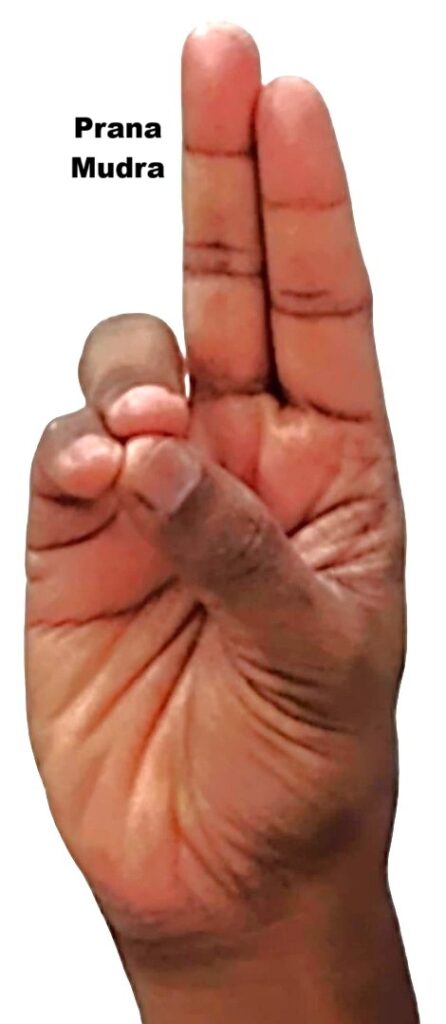
Prana Mudra Introduction Mudras are yogic hand gestures that channel prana (vital energy) to enhance physical, mental, and spiritual well-being. Prana Mudra, also called the Mudra of Life Energy, is one of the most important and widely practiced mudras in yoga. It is used to activate dormant energy, improve vitality, and strengthen the immune system. “Prana” in Sanskrit refers to the life force or vital energy that sustains the body and mind. Prana Mudra helps stimulate the body’s energy reserves, enhancing strength, vitality, and overall health. Meaning Prana = Life energy, vital force. Mudra = Yogic gesture or seal that directs pranic energy. Purpose: Awakens and channels life energy throughout the body, supporting physical health, mental clarity, and spiritual awareness. How to Perform (Practice) Sit in a comfortable meditation posture such as Sukhasana, Padmasana, or Vajrasana. Relax the shoulders, spine, and arms. Form the mudra: Touch the tips of the ring finger and little finger with the thumb. Keep the index and middle fingers extended straight. Rest the hands on thighs, palms facing upward. Close your eyes and focus on breathing and energy flow throughout the body. Maintain the mudra for 5–15 minutes, gradually increasing up to 30 minutes for advanced practice. Tip: Keep the finger contact gentle; avoid tension in hands or wrists. Benefits Physical Benefits Increases vital energy and stamina. Strengthens the immune system. Improves circulation and oxygen supply to tissues. Enhances vision, hearing, and overall vitality. Reduces fatigue, weakness, and lethargy. Mental & Emotional Benefits Increases alertness and concentration. Reduces stress and anxiety. Promotes mental clarity and emotional stability. Spiritual Benefits Stimulates subtle energy (prana) in nadis and chakras. Supports meditation by enhancing inner awareness and focus. Balances body, mind, and spirit, preparing for higher practices. Contraindications Finger, hand, or wrist injuries. Severe hypertension or heart conditions should practice under guidance. Avoid over-practice if feeling dizziness or discomfort. Anatomy & Physiology Musculoskeletal: Engages intrinsic hand muscles and stabilizes forearm. Circulatory system: Enhances blood flow and tissue oxygenation. Respiratory system: Improves oxygen utilization and lung efficiency. Nervous system: Stimulates peripheral nerves in fingers and enhances brain-body integration. Endocrine system: May support adrenal and thyroid activity indirectly through pranic stimulation. Kinesiology Thumb contacts ring and little finger tips, forming a triangle of pranic energy. Index and middle fingers extended, maintaining slight tension in hand muscles. Neutral wrist position ensures comfort during prolonged practice. Enhances proprioception and energy awareness. Neurology Activates sensory nerve endings in fingertips, improving mind-body integration. Stimulates parasympathetic activity for calm alertness. Supports cortical activity related to concentration, awareness, and energy regulation. Enhances autonomic nervous system balance. Duration of Mudra Beginners: 5 minutes. Intermediate: 10–15 minutes. Advanced: 20–30 minutes during meditation or pranayama practice. Tip: Practice consistently for cumulative benefits in energy, vitality, and mental clarity. Counter Mudra Prithvi Mudra: To ground energy if Prana Mudra causes over-alertness. Apana Mudra: To release stagnant energy. Gyan Mudra: To combine with Prana Mudra for enhanced mental focus. Conclusion Prana Mudra is a simple yet powerful tool to activate life energy, enhance vitality, strengthen immunity, and improve mental clarity. Regular practice integrates physical, neurological, and energetic benefits, making it ideal for daily yoga, meditation, and pranayama routines. FAQ Q1. Can beginners practice this mudra?Yes, it is simple and suitable for all practitioners. Q2. Can it be combined with pranayama?Yes, it complements breathing practices like Kapalabhati, Anulom Vilom, and Bhastrika. Q3. How long should it be practiced daily?5–15 minutes initially; up to 30 minutes for advanced practitioners. Q4. Can it help with fatigue and weakness?Yes, regular practice boosts energy, stamina, and overall vitality. References Swami Satyananda Saraswati, Asana, Pranayama, Mudra, Bandha. B.K.S. Iyengar, Light on Yoga. Hatha Yoga Pradipika – Mudras for pranic energy. Gheranda Samhita – Mudras for vitality and life energy. Kuvalayananda, Yoga Mimamsa Journal.
Purna Hridaya Mudra
Purna Hridaya Mudra Introduction Mudras are symbolic hand gestures in yoga that channel prana (life energy) to harmonize body, mind, and spirit. Purna Hridaya Mudra is a heart-centered mudra designed to enhance emotional balance, promote love and compassion, and support cardiovascular and energetic health. “Purna Hridaya” translates to “Complete Heart”, symbolizing emotional wholeness, compassion, and the nurturing of inner joy and vitality. Meaning Purna = Complete, full. Hridaya = Heart, emotional center. Mudra = Yogic seal or gesture. Purpose: To balance the emotional and energetic heart, fostering compassion, emotional stability, and overall well-being. How to Perform (Practice) Sit comfortably in a meditation posture such as Sukhasana, Padmasana, or Vajrasana. Relax shoulders, spine, and arms. Interlace fingers inside of palms, touch thumbs together and reach them towards chest so that a heart shape is formed with the hands Place hands on your thighs or heart centre, palms facing upward or inward. Close your eyes and focus on heart-centered breathing and energy flow. Maintain the mudra for 5–15 minutes, gradually increasing duration with practice. Tip: Keep finger contact gentle and maintain relaxed shoulders and spine. Benefits Physical Benefits Supports cardiovascular and circulatory health. Improves respiration and oxygenation. Reduces physical tension associated with stress. Enhances overall vitality and energy balance. Mental & Emotional Benefits Promotes emotional stability and compassion. Reduces stress, anxiety, and emotional fatigue. Enhances mental clarity, joy, and emotional resilience. Spiritual Benefits Activates heart chakra (Anahata), promoting love, empathy, and forgiveness. Supports meditation by fostering inner peace and emotional balance. Harmonizes prana flow in the chest region for energetic equilibrium. Contraindications Finger, hand, or wrist injuries. Severe heart conditions should practice only under supervision. Avoid over-practice if fatigue or discomfort occurs in hands or arms. Anatomy & Physiology Musculoskeletal: Activates intrinsic hand muscles and forearm stabilizers. Cardiovascular system: Stimulates circulation in hands and chest. Respiratory system: Enhances oxygenation and chest expansion. Nervous system: Activates sensory nerve endings in fingers, promoting parasympathetic response. Endocrine system: Supports heart-related energy centers, potentially influencing stress hormones. Kinesiology Thumb, middle, and ring fingers form a triangular seal, stabilizing hand energy. Index and little fingers extended to guide subtle energy upward. Neutral wrist alignment avoids strain. Enhances proprioception, hand stability, and energy flow awareness. Neurology Stimulates sensory nerve endings in fingers, enhancing mind-body connection. Supports parasympathetic nervous system, reducing stress and promoting calmness. Activates heart-centered neural pathways, improving emotional regulation and awareness. Enhances cortical integration related to focus, compassion, and emotional balance. Duration of Mudra Beginners: 5 minutes. Intermediate: 10–15 minutes. Advanced: 20–30 minutes during meditation or pranayama. Tip: Daily practice enhances emotional stability, heart energy, and mental clarity. Counter Mudra Gyan Mudra: To combine heart energy with mental clarity. Apana Mudra: To release stagnant energy if emotional stress is high. Prana Mudra: To energize the body after heart-centered meditation. Conclusion Purna Hridaya Mudra is a heart-centered mudra that enhances emotional balance, compassion, and physical vitality. Regular practice integrates physical, mental, and subtle energy benefits, making it ideal for meditation, stress management, and holistic wellness. FAQ Q1. Can beginners practice this mudra?Yes, it is safe and simple for all levels. Q2. Can it be combined with pranayama?Yes, especially with Anulom Vilom or deep heart-centered breathing to enhance emotional energy flow. Q3. How long should it be practiced daily?5–15 minutes for beginners; up to 30 minutes for advanced practitioners. Q4. Can it help with stress or emotional imbalance?Yes, it promotes calmness, emotional stability, and heart-centered awareness. References Swami Satyananda Saraswati, Asana, Pranayama, Mudra, Bandha. B.K.S. Iyengar, Light on Yoga. Hatha Yoga Pradipika – Mudras for heart energy and emotional balance. Gheranda Samhita – Mudras for emotional and energetic harmony. Kuvalayananda, Yoga Mimamsa Journal.