
Vitarka Mudra
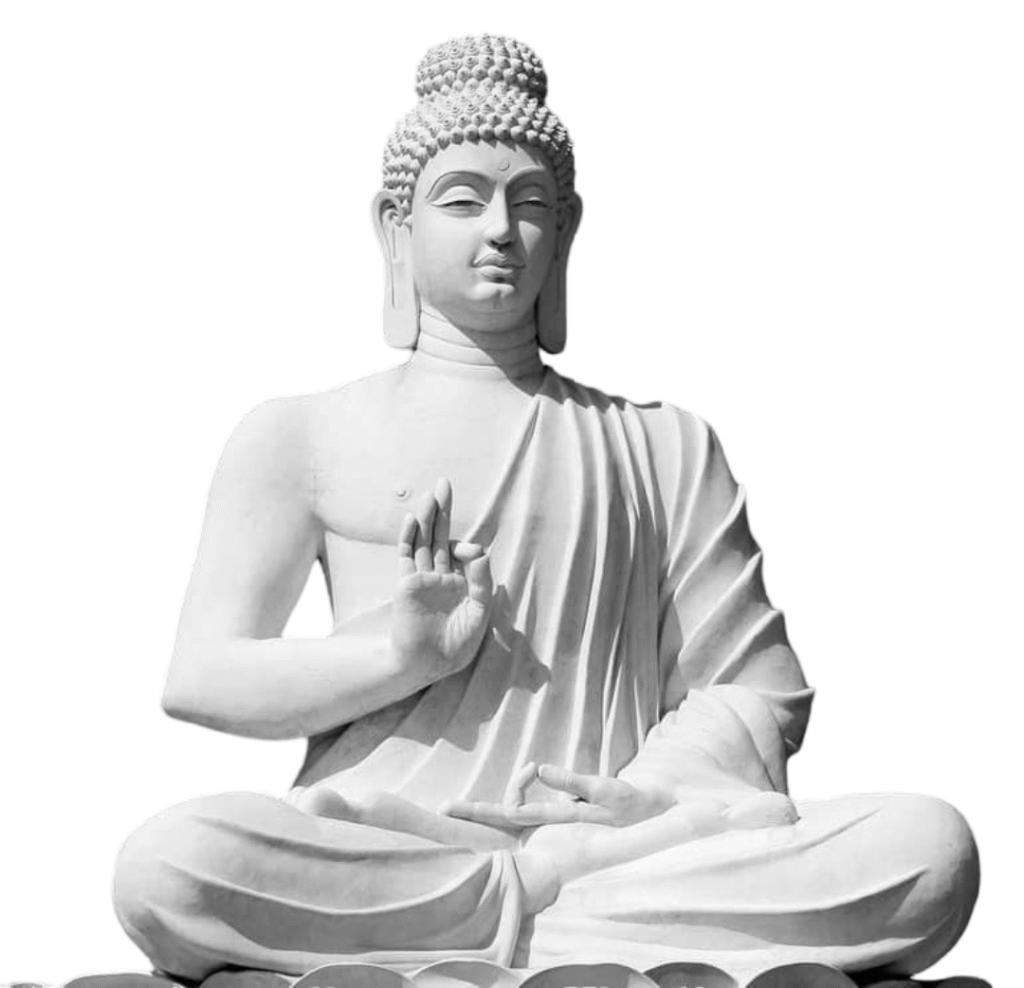
Vitarka Mudra Introduction Vitarka Mudra is a classical hand gesture in yoga and Buddhist iconography that symbolizes discussion, intellectual argument, and transmission of wisdom. It is widely used in meditation, teaching, and energy work to enhance mental clarity, focus, and communication of ideas. The term comes from Sanskrit: Vitarka: Discussion, reasoning, or intellectual argument Mudra: Hand gesture or seal Overall Purpose:Vitarka Mudra stimulates mental clarity, intellectual focus, and energetic flow to the upper body and head, supporting learning, teaching, and communication. Meaning Vitarka: Intellectual debate, reason, and logical discussion. Mudra: A symbolic hand gesture used to direct prana and consciousness. Overall Meaning:Vitarka Mudra channels energy to promote wisdom, mental clarity, reasoning, and the ability to communicate ideas effectively. How to Perform / Practice POSTURE GUIDE To attain Vitarka mudra curl the index finger to touch its tip with the thumb keeping the remaining fingers extended upward. The index finger and thumb are joined to form a circle and the palm is facing forward away from the body. It opens one’s mind and spirit to gain spirituality. Benefits Physical Benefits: Enhances circulation to the upper limbs, neck, and brain. Improves hand and finger dexterity. Supports respiratory and endocrine system function through meditative focus. Mental & Emotional Benefits: Stimulates mental clarity, focus, and reasoning ability. Reduces mental fatigue, confusion, and stress. Supports confident communication and teaching abilities. Energetic / Spiritual Benefits: Channels prana to the head and chest, enhancing intellectual and spiritual energy. Encourages wisdom, insight, and higher awareness. Supports meditative absorption and energy flow to the crown and throat chakras. Contraindications Avoid if experiencing hand or finger injuries. Not recommended for severe arthritis or joint pain in fingers. Discontinue if discomfort, numbness, or tingling occurs. Practice moderately if experiencing overstimulation of the mind or restlessness. Anatomy & Physiology Muscles: Engages intrinsic hand muscles (lumbricals, interossei) and forearm muscles to maintain finger positions. Joints: Flexion at thumb and index finger; extension at middle, ring, and little fingers. Nervous System: Activates parasympathetic pathways, promoting calm mental focus. Circulation: Enhances blood flow in hands, arms, and indirectly to the head, improving energy and oxygen supply. Kinesiology Enhances fine motor coordination and static postural control. Supports hand stability during seated meditation. Encourages relaxed hand and finger posture, aiding mental clarity and pranic flow. Neurology Stimulates brain regions associated with attention, learning, and intellectual processing. Balances sympathetic and parasympathetic activity, reducing cognitive fatigue and mental stress. Supports neural pathways for focus, reasoning, and communication. Duration of Practice Daily Practice: 10–20 minutes during meditation, study, or teaching. Short Practice: 5 minutes for quick mental clarity or focus. Can be combined with Dhyana Mudra or Chin Mudra for deeper meditative absorption. Counter Mudra If mental fatigue occurs, relax hands in Gyan Mudra or Prithvi Mudra. Gentle hand stretching or shaking is recommended after long practice. Conclusion Vitarka Mudra is a powerful hand gesture for enhancing wisdom, mental clarity, and communication. Regular practice supports intellectual focus, emotional balance, and pranic flow, making it ideal for meditation, study, teaching, and spiritual development. FAQ Q1: Can beginners practice Vitarka Mudra?A: Yes, it is simple and safe; start with a few minutes and gradually increase. Q2: Can it improve focus and reasoning?A: Yes, it stimulates mental clarity, attention, and intellectual energy. Q3: Can it be combined with other mudras?A: Yes, it pairs well with Dhyana Mudra, Chin Mudra, or Vishuddha Mudra for enhanced meditative and cognitive benefits. Q4: Is it suitable for teaching or meditation?A: Yes, it enhances intellectual focus, energy, and communication skills. References Swami Satyananda Saraswati, Mudras for Healing and Transformation. Iyengar, B.K.S., Light on Yoga. Saraswati, S., Pranayama and Mudras in Yoga Therapy. Fishman, L., Yoga for Emotional Balance. Lad, V., Ayurveda: The Science of Self-Healing. Journal of Bodywork and Movement Therapies, 2018; 22(4): Effects of Hand Mudras on Mental and Physiological Functions.
Yoga Mudra
Yoga Mudra Introduction Yoga Mudra is a powerful yogic gesture or seal that combines physical posture, breath control, and energy flow to enhance digestion, energy balance, and inner awareness. Unlike simple hand mudras, Yoga Mudra involves a full-body posture along with pranayama, making it a holistic technique for body-mind-spirit integration. This mudra is often practiced in meditation, pranayama, and therapeutic yoga to improve digestion, circulation, mental focus, and energy flow. Meaning Yoga: Union of body, mind, and spirit; also refers to the practice of yoga itself. Mudra: Seal or gesture that influences the flow of prana and consciousness. Overall Meaning:Yoga Mudra symbolizes the integration of physical, mental, and energetic systems, promoting harmony, vitality, and self-awareness. How to Perform / Practice Sit in padmasana. Take hold of one wrist behind the back. Close the eyes and relax the whole body. Bring the awareness to mooladhara chakra. Inhale slowly and feel the breath gradually rising from mooladhara to ajna chakra. Retain the breath for a few seconds and concentrate on ajna chakra. Exhale slowly while bending forward from the hips. Synchronize the movement with the breath, so that the forehead just touches the floor in yoga mudrasana as the air is fully expelled from the lungs. Simultaneously, feel the breath gradually descending from ajna to mooladhara chakra. Retain the breath outside for a few seconds while concentrating at mooladhara chakra. Inhaling, raise the trunk to the vertical position. Be aware of the breath moving upward from mooladhara to ajna chakra. All the movements should be performed in a harmonious, smooth and synchronized manner. Remain in the upright position, holding the breath for a few seconds and concentrate on ajna chakra. Exhale slowly, moving the awareness back down the spine to mooladhara chakra. This is one round. Immediately start another round, performing a light moola bandha with the breath held outside and the awareness at mooladhara chakra. Benefits Physical Benefits: Stimulates digestion and metabolism. Strengthens spinal muscles, shoulders, and arms. Improves circulation and blood flow to internal organs. Helps detoxify the body through abdominal compression. Mental & Emotional Benefits: Calms the mind and reduces stress, anxiety, and mental fatigue. Enhances concentration and mental clarity. Promotes inner awareness and emotional balance. Energetic / Spiritual Benefits: Activates Manipura (solar plexus) and Anahata (heart) chakras. Balances prana flow throughout the body. Encourages self-realization and meditative focus. Contraindications Avoid if pregnant. Not recommended for people with spinal, neck, or shoulder injuries. Avoid in cases of hernia, ulcers, or severe abdominal issues. Practice cautiously if suffering from high blood pressure or cardiac conditions. Anatomy & Physiology Muscles: Engages spinal extensors, shoulder retractors, abdominal muscles, and hip flexors. Joints: Involves flexion at hips, extension of spine, and shoulder adduction. Respiratory System: Enhances lung expansion during inhalation and breath retention. Digestive System: Abdominal compression stimulates digestive organs. Kinesiology Improves spinal flexibility and posture. Enhances upper body strength and shoulder mobility. Promotes abdominal compression and release, aiding organ function and energy flow. Neurology Stimulates vagal nerve activity, promoting parasympathetic activation and relaxation. Enhances brain focus, attention, and mental clarity. Supports neural coordination between breath, movement, and mind. Duration of Practice Daily Practice: 5–15 minutes, 1–3 rounds, depending on comfort. Short Practice: 1–2 rounds for quick digestion or energy boost. Combine with pranayama and meditation for enhanced energetic and mental benefits. Counter Mudra Counterpose with Bhujangasana (Cobra Pose) or Sukhasana with gentle back stretch to release spinal tension. Gentle forward bends or shaking of hands and shoulders can relieve strain. Conclusion Yoga Mudra is a comprehensive yogic technique combining posture, breath, and energy awareness. Regular practice improves digestion, spinal strength, circulation, mental clarity, and energetic balance, making it an excellent tool for holistic wellness, meditation, and self-development. FAQ Q1: Can beginners practice Yoga Mudra?A: Yes, but start gently and avoid excessive breath retention or deep forward bending initially. Q2: Can it help with digestion and metabolism?A: Yes, the abdominal compression stimulates digestive organs and pranic flow. Q3: Can it be combined with other mudras or pranayama?A: Yes, combining with Kumbhaka and Pranayama enhances energetic benefits. Q4: Is it safe for spinal or neck issues?A: Consult a physician or yoga therapist before practice if you have serious spinal or neck conditions. References Swami Satyananda Saraswati, Mudras for Healing and Transformation. Iyengar, B.K.S., Light on Yoga. Saraswati, S., Pranayama and Mudras in Yoga Therapy. Fishman, L., Yoga for Emotional Balance. Lad, V., Ayurveda: The Science of Self-Healing. Journal of Bodywork and Movement Therapies, 2018; 22(4): Effects of Mudras and Yogic Postures on Mental and Physiological Functions.
Yoni Mudra
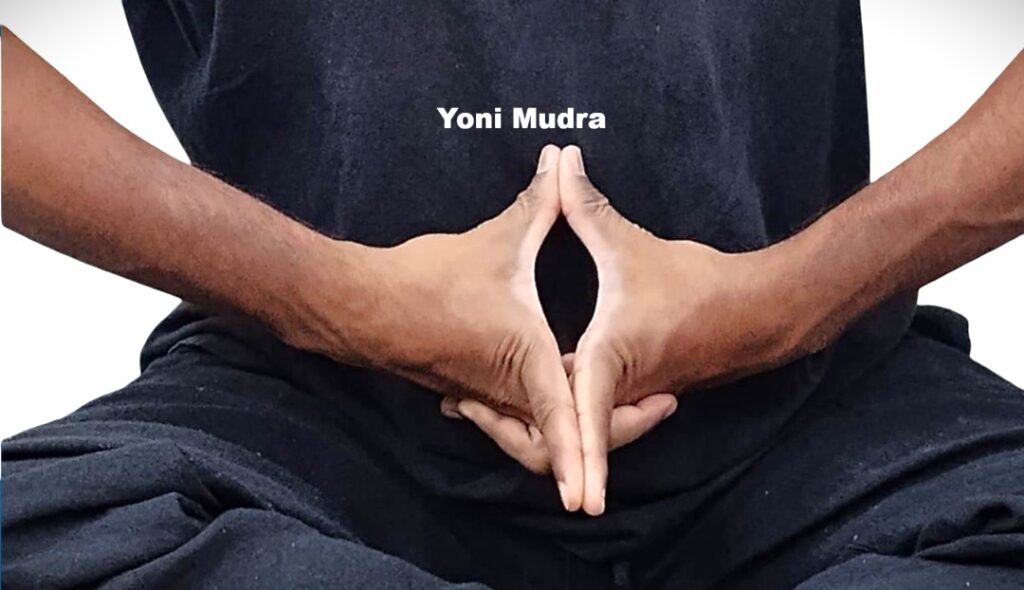
Yoni Mudra Introduction Yoni Mudra is a meditative hand gesture used in yoga to direct awareness inward, promoting mental clarity, emotional stability, and spiritual awakening. It is often used during pranayama, meditation, and energy work to enhance concentration, calm the mind, and awaken intuitive faculties. The term comes from Sanskrit: Yoni: Womb or source of creation; represents origin, inner focus, and purity Mudra: Seal or gesture to direct prana Overall Purpose:Yoni Mudra helps practitioners withdraw from external distractions, focus inwardly, and cultivate mental and emotional equilibrium. Meaning Yoni: Symbolic of the source, inner self, and spiritual receptivity. Mudra: Hand gesture influencing energy and consciousness. Overall Meaning:Yoni Mudra symbolizes return to the inner self, promoting introspection, purification of mind, and spiritual focus. How to Perform / Practice Sit comfortably in a meditative posture (Padmasana, Sukhasana, or Vajrasana) with a straight spine. Bring the hands in front of the chest. Interlock fingers so that the index fingers point downward and touch each other, forming a triangle pointing toward the floor. Place the thumbs gently together, forming a small triangle pointing upward. Close your eyes and take slow, deep breaths, directing attention inward toward the navel or heart center. Practice for 10–15 minutes, gradually increasing to 20–30 minutes. Focus on breath, inner awareness, and mental calmness throughout the practice. Tip: Best practiced in a quiet environment to enhance concentration and introspection. Benefits Physical Benefits: Slightly stimulates digestion and abdominal organs. Improves blood circulation to the hands and fingers. Promotes relaxation of the body during meditation. Mental & Emotional Benefits: Enhances mental clarity, focus, and concentration. Reduces stress, anxiety, and mental agitation. Encourages emotional stability and inner peace. Energetic / Spiritual Benefits: Activates prana flow toward the inner self. Supports meditative absorption and spiritual awakening. Helps purify mind and awaken intuition. Contraindications Avoid if experiencing hand or finger injuries. Not recommended for severe arthritis or joint pain. Discontinue if numbness, tingling, or discomfort occurs. Practice moderately if you feel dizziness or excessive inward focus. Anatomy & Physiology Muscles: Engages intrinsic hand muscles (lumbricals, interossei) to maintain finger interlocking. Joints: Flexion at fingers and slight thumb extension. Nervous System: Activates parasympathetic pathways, promoting calmness and introspection. Circulation: Enhances peripheral blood flow and supports pranic energy distribution. Kinesiology Enhances fine motor control in fingers. Supports postural stability during seated meditation. Encourages relaxed hand posture, aiding concentration and energy flow. Neurology Stimulates brain regions associated with attention, introspection, and emotional regulation. Balances autonomic nervous system, reducing sympathetic overactivity. Supports neural pathways for meditation, focus, and inner awareness. Duration of Practice Daily Practice: 10–20 minutes for meditation and introspection. Short Practice: 5 minutes for mental clarity or relaxation. Can be combined with pranayama or other meditative mudras for enhanced benefits. Counter Mudra Relax hands in Gyan Mudra or place hands on knees with palms upward. Gentle hand stretches or shaking helps release tension after prolonged practice. Conclusion Yoni Mudra is a powerful tool for meditation, inner focus, and spiritual awakening. Regular practice enhances mental clarity, emotional balance, and intuitive awareness while promoting calmness and energy purification, making it ideal for meditation, pranayama, and spiritual development. FAQ Q1: Can beginners practice Yoni Mudra?A: Yes, it is simple and safe; start with a few minutes and gradually increase. Q2: Can it help with mental clarity and emotional balance?A: Yes, it reduces stress, enhances focus, and stabilizes emotions. Q3: Can it be combined with other mudras?A: Yes, it pairs well with Chin Mudra, Dhyana Mudra, or Vishuddha Mudra. Q4: Is it suitable for meditation and pranayama?A: Yes, it deepens concentration and energy flow during meditative practices. References Swami Satyananda Saraswati, Mudras for Healing and Transformation. Iyengar, B.K.S., Light on Yoga. Saraswati, S., Pranayama and Mudras in Yoga Therapy. Fishman, L., Yoga for Emotional Balance. Lad, V., Ayurveda: The Science of Self-Healing. Journal of Bodywork and Movement Therapies, 2018; 22(4): Effects of Mudras on Mental and Physiological Functions.
Vayu Mudra
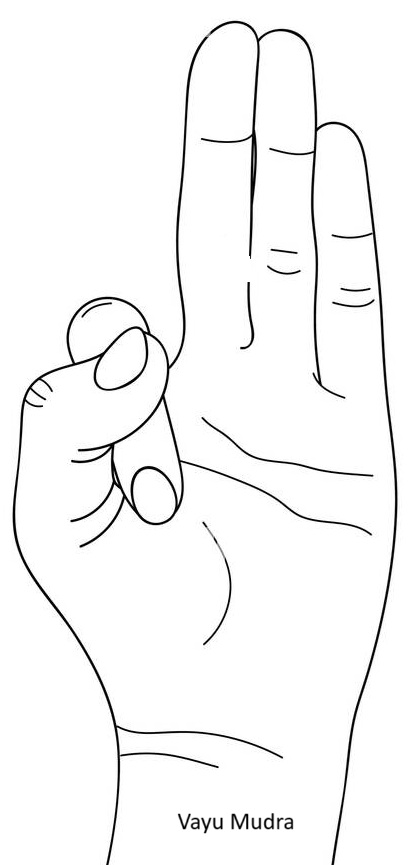
Vayu Mudra Introduction Vayu Mudra is a yogic hand gesture specifically designed to balance the Vata dosha (air element) in the body according to Ayurvedic principles. It is particularly effective in reducing excess air, alleviating joint pain, calming the nervous system, and improving mental focus. The term Vayu in Sanskrit means air, highlighting its role in controlling movement, circulation, and nervous energy within the body. This mudra is commonly used in yoga therapy, meditation, and pranayama for its therapeutic benefits. Meaning Vayu: Air element, associated with movement, circulation, and nerve function. Mudra: A hand gesture used to influence pranic flow and physiological balance. Overall Meaning:Vayu Mudra is a gesture to reduce excess air, calm restlessness, and restore balance in both body and mind. How to Perform / Practice Sit comfortably in a meditative posture (Padmasana, Sukhasana, or on a chair) with a straight spine. Bring the tips of both index fingers to the base of their respective thumbs, then press your thumbs down onto the top knuckles of the index fingers. Close your eyes, breathe slowly and evenly, and focus on balancing air energy in the body. Practice for 15–30 minutes daily, or in shorter intervals of 5–10 minutes. Tip: Best practiced morning or evening, or whenever feeling restless, anxious, or gassy. Benefits Physical Benefits: Reduces excess Vata, alleviating bloating, gas, and digestive discomfort. Improves joint lubrication and reduces stiffness. Supports proper circulation and nervous system function. Helps relieve tremors or involuntary movements caused by Vata imbalance. Mental & Emotional Benefits: Calms restlessness, anxiety, and mental agitation. Enhances focus, clarity, and emotional stability. Promotes relaxation and reduces tension in the mind and body. Energetic / Spiritual Benefits: Balances Vata energy in the pranic channels. Supports meditation by fostering a sense of groundedness and mental calm. Encourages smooth energy flow throughout the body. Contraindications Avoid if experiencing hand or finger injuries. Not recommended for severe arthritis or chronic joint pain in fingers. Discontinue if numbness, tingling, or discomfort occurs. Should be practiced moderately in cases of excess Pitta or Kapha, as overdoing can imbalance other doshas. Anatomy & Physiology Muscles: Engages intrinsic hand muscles (lumbricals, interossei) to maintain finger flexion. Joints: Flexion at the index finger; extension at thumb, middle, ring, and little fingers. Nervous System: Activates parasympathetic pathways to calm overactive neural activity. Circulation: Improves microcirculation in hands and indirectly supports systemic energy and digestion. Kinesiology Enhances fine motor coordination of fingers. Supports static postural stability during seated meditation or yoga practice. Encourages a relaxed hand posture, aiding focus and energetic balance. Neurology Stimulates brain regions associated with calmness, focus, and motor control. Balances sympathetic and parasympathetic activity to reduce anxiety and tremors. Supports neural pathways for attention, emotional regulation, and bodily awareness. Duration of Practice Daily Practice: 15–30 minutes, can be split into 2 sessions. Short Practice: 5–10 minutes whenever Vata imbalance is felt. Can be combined with Prithvi Mudra or Surya Mudra for enhanced metabolic and energetic benefits. Counter Mudra If energy feels sluggish or Vata is excessively reduced, switch to Prithvi Mudra or Shunya Mudra. Gentle hand stretching or shaking is recommended after long practice. Conclusion Vayu Mudra is a powerful hand gesture to balance Vata dosha, calm the nervous system, and alleviate physical and mental restlessness. Regular practice improves digestion, joint flexibility, mental clarity, and emotional stability. Proper execution ensures maximum benefits without discomfort. FAQ Q1: Can beginners practice Vayu Mudra?A: Yes, it is simple and safe; start with 5–10 minutes and gradually increase. Q2: Can it help with anxiety or nervousness?A: Yes, it calms the mind and reduces mental agitation. Q3: Can it be combined with other mudras?A: Yes, it can be combined with Prithvi Mudra or Surya Mudra for enhanced energy balance. Q4: Is it suitable during meditation?A: Yes, it enhances calmness, focus, and emotional stability. References Swami Satyananda Saraswati, Mudras for Healing and Transformation. Iyengar, B.K.S., Light on Yoga. Saraswati, S., Pranayama and Mudras in Yoga Therapy. Fishman, L., Yoga for Emotional Balance. Lad, V., Ayurveda: The Science of Self-Healing. Journal of Bodywork and Movement Therapies, 2018; 22(4): Effects of Hand Mudras on Mental and Physiological Functions.
Pitta-Pacifying Mudra
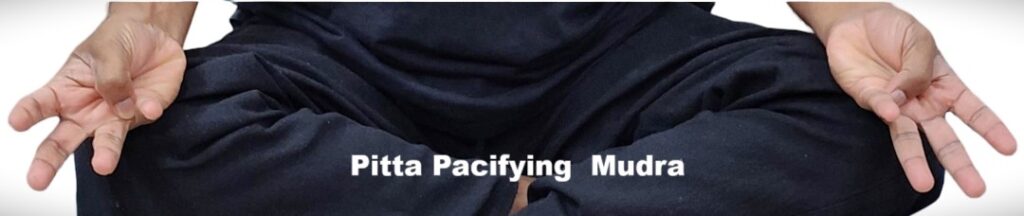
Pitta-Pacifying Mudra Introduction Mudras are yogic gestures that influence the flow of prana (vital energy) and help balance the doshas—Vata, Pitta, and Kapha. The Pitta-Pacifying Mudra is designed to reduce excess Pitta energy, which governs fire, heat, metabolism, and transformation in the body and mind. Excess Pitta manifests as anger, irritability, acidity, inflammation, overheating, and restlessness. This mudra helps calm these symptoms, restoring emotional stability, digestive balance, and mental clarity. Meaning Pitta: Fire element; responsible for digestion, metabolism, heat, and transformation. Pacifying: Cooling or calming excess energy. Mudra: Yogic hand gesture that directs pranic energy. Purpose: Balances excess heat, reduces inflammation, calms the mind, and supports mental and emotional stability. How to Perform (Practice) Sit comfortably in a meditative posture like Sukhasana, Padmasana, or Vajrasana. Relax your shoulders, spine, and arms. Form the mudra: Touch the tip of the thumb with the tip of the middle finger. Keep the index, ring, and little fingers extended. Rest the hands on your thighs with palms facing upward. Close your eyes, focus on the breath, and visualize cooling energy spreading throughout the body. Maintain for 5–15 minutes initially, gradually increasing to 20–30 minutes. Tip: Avoid strain; keep fingers relaxed while maintaining gentle contact. Benefits Physical Benefits Reduces body heat, inflammation, and acidity. Supports digestion and metabolic balance. Helps in cooling the skin and internal organs. Reduces headaches, eye strain, and high blood pressure caused by excess Pitta. Mental & Emotional Benefits Calms anger, irritability, and emotional turbulence. Reduces mental restlessness and stress. Enhances patience, emotional stability, and clarity of thought. Spiritual Benefits Supports pratyahara (withdrawal of senses) and concentration. Balances subtle fire energy (Tejas) for meditative focus. Promotes inner calm and self-awareness. Contraindications Severe cold conditions (Pitta is naturally low). Finger, wrist, or hand injuries. Should be avoided if Pitta is already low (manifested as lethargy or cold intolerance). Anatomy & Physiology Musculoskeletal: Activates intrinsic hand muscles and forearm stabilizers. Circulatory system: Enhances localized blood flow, indirectly calming systemic circulation. Digestive system: Subtle influence on digestive fire, promoting balance without overstimulation. Nervous system: Supports parasympathetic dominance to calm the mind and body. Kinesiology Thumb contacts middle finger tip; other fingers extended. Slight flexion in thumb and middle finger; minimal forearm engagement. Neutral wrist alignment maintains comfort and stability. Engages proprioceptive awareness in fingertips and hands. Neurology Activates parasympathetic nervous system, reducing stress and agitation. Stimulates sensory nerve endings in fingertips, enhancing mindfulness and focus. Improves cognitive clarity while calming emotional responses. Supports autonomic nervous system balance for digestion, heart rate, and body temperature. Duration of Mudra Beginners: 5 minutes. Intermediate: 10–15 minutes. Advanced: 20–30 minutes during meditation or pranayama. Tip: Practice daily for best results; combine with cooling pranayamas for enhanced Pitta pacification. Counter Mudra Pitta-Energizing Mudra for low Pitta conditions. Kapha-Reducing Mudras (e.g., Pitta-Kapha Naashak) if needed to maintain balance. Shitali or Shitkari Pranayama can complement for additional cooling effect. Conclusion The Pitta-Pacifying Mudra is a simple yet effective yogic tool to cool excess fire, balance emotions, and support digestive and metabolic health. Regular practice brings physical, mental, and spiritual benefits, promoting overall equilibrium. It is particularly helpful for managing anger, stress, and inflammatory conditions. FAQ Q1. Can beginners practice this mudra?Yes, it is simple and suitable for all practitioners. Q2. Can it be combined with pranayama?Yes, especially with cooling pranayamas like Shitali and Shitkari. Q3. How long should I practice daily?5–15 minutes for beginners; up to 30 minutes for advanced practitioners. Q4. Can it be practiced if Pitta is low?No, it is best avoided during Pitta deficiency to prevent further cooling. References Swami Satyananda Saraswati, Asana, Pranayama, Mudra, Bandha. B.K.S. Iyengar, Light on Yoga. Hatha Yoga Pradipika – Mudras for dosha balance. Gheranda Samhita – Mudras for mental and physical equilibrium. Kuvalayananda, Yoga Mimamsa Journal.
Nirvana Mudra
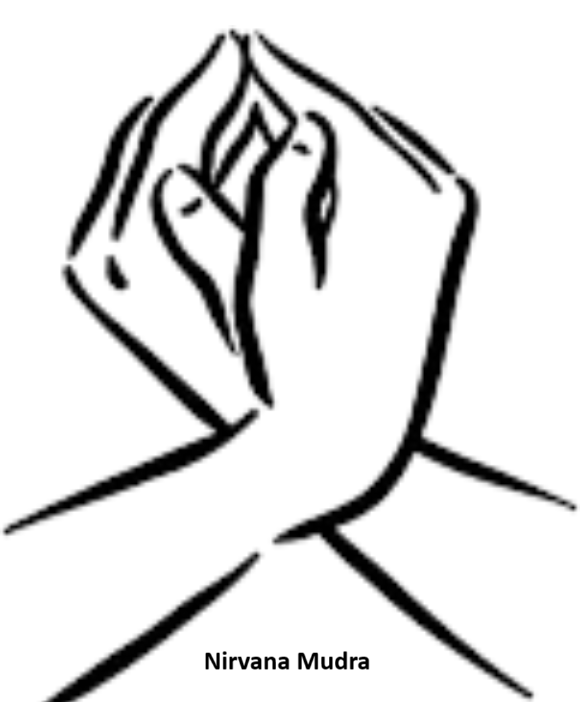
Nirvana Mudra Introduction Nirvana Mudra is an advanced yogic mudra that symbolizes the dissolution of the ego and liberation of the self. The word Nirvana means “final liberation” or “freedom from bondage.” This mudra is practiced as part of higher meditative states and pranayama techniques to assist in the withdrawal of the senses, calming of the mind, and transcendence beyond duality. It is often mentioned in Hatha Yoga and Tantra traditions as a hand gesture and sometimes as a combined meditative practice to deepen the practitioner’s state of samadhi. Meaning Nirvana = liberation, moksha, final freedom. Mudra = seal, gesture, psychic lock. Thus, Nirvana Mudra is the gesture that “seals the mind into liberation,” guiding the practitioner inward beyond sensory distractions. How to Perform Practice Step-by-Step Sit in a meditative posture (Padmasana, Siddhasana, Vajrasana, or Sukhasana). Keep the spine erect and shoulders relaxed.Stretch your arms in front of you, cross your wrists and bring your palms together. Rotate your joined hands first down, then in toward your body and up, so all your fingers point upward. Your palms will bow out slightly, but try to keep each fingertip pressing against its opposite finger. Keep your thumbs side by side and elbows as close together as possible. Bow your head slightly so your fingertips come closer to your brow chakra. Hold for 10–60 seconds or longer. Release your hands, shake out and repeat with wrists crossed the opposite way. This mudra is often practiced during dhyana (meditation), yoga nidra, or advanced pranayama sessions. Benefits Physical Benefits Deeply relaxes the nervous system. Reduces stress and psychosomatic tension. Improves oxygenation through calm breathing. Mental & Emotional Benefits Promotes inner peace, detachment, and clarity. Helps dissolve anxiety, restlessness, and overthinking. Induces pratyahara (sense withdrawal). Spiritual Benefits Enhances meditation and prepares for samadhi. Dissolves ego-identification. Awakens Ajna Chakra and supports transcendental states. Encourages realization of the Self beyond the body and mind. Contraindications Avoid if suffering from severe depression or dissociation, as it may intensify detachment. Not recommended for beginners without guidance. People with severe fatigue, low vitality, or hypotension should practice gently. Anatomy & Physiology Involves gentle hand and finger positioning that stimulates peripheral nerves. Activates the parasympathetic nervous system, promoting relaxation. Encourages slower heart rate and balanced breathing rhythms. May influence pineal and pituitary gland activity when combined with deep meditation. Kinesiology Index finger crossing engages extensor and flexor muscles of the hand. Gentle pressure between thumbs maintains a neuromuscular loop of awareness. Postural alignment supports respiratory efficiency and spinal stability. Neurology Stimulates prefrontal cortex (awareness, concentration). Calms the limbic system (emotional regulation). Encourages hemispheric balance (left–right brain integration). Activates vagus nerve → deeper relaxation response. Duration of Mudra Beginners: 5–10 minutes during meditation. Intermediate: 15–30 minutes daily. Advanced: Can be sustained for the entire meditation or yoga nidra session (45–60 minutes). Counter Mudra Chin Mudra / Jnana Mudra → grounding and wisdom gesture. Hridaya Mudra → for emotional balance after deep detachment. Prana Mudra → to restore energy flow post practice. Conclusion Nirvana Mudra is a powerful meditative hand gesture that leads the practitioner inward, helping dissolve the ego and achieve states of liberation. Unlike energizing mudras, Nirvana Mudra is introverting, assisting in deep meditation, pratyahara, and samadhi. It should be practiced with guidance, patience, and regularity, as it represents the yogic path of release from worldly attachments into inner freedom. FAQ Q1: Can beginners practice Nirvana Mudra?Yes, but it is best practiced under guidance, as it is primarily a meditative mudra for advanced practitioners. Q2: How is Nirvana Mudra different from Jnana Mudra?Jnana Mudra stimulates wisdom and clarity, while Nirvana Mudra promotes detachment and transcendence. Q3: Can it be practiced during pranayama?Yes, it can enhance meditative pranayama by deepening focus. Q4: Does Nirvana Mudra awaken chakras?Yes, particularly the Ajna and Sahasrara chakras, facilitating higher awareness. Q5: What is the best time to practice?Early morning (Brahma Muhurta) or evening, in silence and meditation. References Swami Satyananda Saraswati – Asana, Pranayama, Mudra, Bandha B.K.S. Iyengar – Light on Yoga Indu Arora – Mudra: The Sacred Secret Bihar School of Yoga Publications – Yoga Darshan Swami Muktibodhananda – Hatha Yoga Pradipika Commentary
Nivedana Mudra

Nivedana Mudra Introduction Nivedana Mudra is a yogic and devotional hand gesture symbolizing offering, surrender, and dedication. The Sanskrit word Nivedana means “offering” or “dedication,” commonly used in rituals, Bhakti yoga, and meditative practices. This mudra is not only symbolic but also energetic, encouraging humility, openness, and receptivity. It is often practiced during prayer, meditation, and mantra chanting as a way of expressing devotion and surrendering the ego to the Divine or to the higher Self. Meaning Nivedana = offering, dedication, surrender. Mudra = seal, gesture, psychic lock. Thus, Nivedana Mudra is the gesture of offering and surrender, creating an inner attitude of humility and acceptance. How to Perform Practice Step-by-Step Sit in a meditative posture (Sukhasana, Padmasana, or Vajrasana). Keep the spine upright and shoulders relaxed. Bend the middle finger of your left hand into your palm and press down on it gently with your thumb. Close the eyes and breathe deeply. Focus on the intention of surrender, silently affirming: “I offer myself to the Divine / Higher Self / Universal Consciousness.” Stay in this mudra during meditation, mantra chanting, or silent prayer. Benefits Physical Benefits Relaxes the body and nervous system. Promotes calm breathing and stable posture. Reduces muscle tension in shoulders and arms. Mental & Emotional Benefits Cultivates humility and gratitude. Relieves stress, anger, and ego-centered thoughts. Creates openness to acceptance and forgiveness. Spiritual Benefits Strengthens Bhakti (devotion) and surrender. Deepens meditation, mantra chanting, and prayer. Enhances receptivity to divine grace and higher wisdom. Encourages detachment from ego-driven desires. Contraindications Generally safe with no major physical contraindications. People with shoulder, elbow, or wrist pain should modify hand position. Those with emotional vulnerability or trauma should practice with grounding (e.g., ending with Prana Mudra). Anatomy & Physiology Engages forearm flexor muscles and shoulder stabilizers. Creates openness in the chest region, improving lung capacity. Activates parasympathetic nervous system → relaxation response. May influence cardiac rhythm by calming heart rate. Kinesiology Involves flexion and slight cupping of the palms. Promotes gentle isometric contraction of the hand muscles. Encourages ergonomic alignment of wrists, reducing stiffness. Chest expansion improves respiratory muscle function. Neurology Activates brain centers linked to devotion, gratitude, and emotional regulation. Stimulates the anterior cingulate cortex (empathy, compassion). Calms the amygdala, reducing stress and fear. Enhances prefrontal cortex activity → focus and mindfulness. Duration of Mudra Beginners: 5–10 minutes in prayer or meditation. Intermediate: 15–30 minutes daily. Advanced: Can be sustained throughout mantra chanting or meditation sessions (45–60 minutes). Counter Mudra Prana Mudra → revitalizes energy after deep surrender. Hridaya Mudra → balances emotions and heart space. Chin / Jnana Mudra → helps return to awareness and wisdom after devotional surrender. Conclusion Nivedana Mudra is a sacred gesture of offering and surrender that aligns body, mind, and spirit toward humility and devotion. Unlike energizing mudras, it is an introverting, heart-centered practice that enhances prayer, meditation, and mantra chanting. By creating openness, it helps release egoic control and invites grace, peace, and inner freedom. FAQ Q1: Can beginners practice Nivedana Mudra?Yes, it is safe and simple for everyone, especially useful in prayer and meditation. Q2: What intention should I hold while practicing?An intention of surrender, humility, or gratitude is ideal. Q3: Can it be combined with mantra chanting?Yes, it greatly enhances mantra vibration and devotional focus. Q4: Does it activate chakras?Yes, primarily the Anahata (heart chakra) and also influences Manipura (solar plexus). Q5: What time is best for practice?Early morning (Brahma Muhurta) or evening prayer/meditation sessions. References Swami Satyananda Saraswati – Asana, Pranayama, Mudra, Bandha Indu Arora – Mudra: The Sacred Secret Swami Niranjanananda – Yoga Darshan B.K.S. Iyengar – Light on Yoga Bihar School of Yoga – Yoga in Daily Life and Devotion
Padma Mudra (Lotus Gesture)

Padma Mudra (Lotus Gesture) Introduction Padma Mudra is a sacred hand gesture symbolizing purity, love, and spiritual awakening. In yogic traditions, the lotus (Padma) represents beauty and purity emerging from the mud, untouched by impurities. This mudra is deeply connected with the heart center (Anahata chakra), promoting openness, compassion, and spiritual blossoming. It is often practiced in Bhakti yoga, meditation, and pranayama to cultivate devotion, inner beauty, and divine connection. Meaning Padma = Lotus (a symbol of purity, love, and enlightenment). Mudra = Seal, gesture, or psychic lock. Thus, Padma Mudra means “Lotus Gesture”, representing the unfolding of the heart and spiritual consciousness, much like a lotus opening to the sun. How to Perform Practice Step-by-Step Sit in a comfortable meditative posture (Padmasana, Sukhasana, or Vajrasana). Bring both hands together in front of the chest in Namaskar Mudra (Anjali Mudra). Place your palms and fingers flat against each other in front of your energetic heart centre (against your breastbone). Slowly bend your knuckles and allow your fingers to bow outward, keeping the lower portion of your palms together as well as the tips of your fingers. Now bring the edges of your little fingers and thumbs together as you slowly stretch your other fingers wide. Benefits Physical Benefits Opens the chest and improves lung capacity. Enhances circulation in arms, wrists, and fingers. Relieves tension in the chest and shoulders. Mental & Emotional Benefits Cultivates love, compassion, and emotional openness. Helps release grief, anger, and resentment. Reduces stress, anxiety, and emotional fatigue. Promotes self-love and acceptance. Spiritual Benefits Awakens Anahata Chakra (Heart Center). Encourages devotion, gratitude, and higher love. Symbolizes spiritual awakening and purity. Used as a gesture of offering and surrender in meditation and ritual practices. Contraindications Generally safe with no major physical risks. People with severe wrist pain or arthritis may find the hand position uncomfortable. If emotionally overwhelmed, practice gradually to avoid over-sensitivity. Anatomy & Physiology Expands the thoracic cavity, improving respiration. Stimulates the parasympathetic nervous system for relaxation. Opens the heart region → enhances cardiac function and circulation. Engages finger extensors and forearm muscles for gentle activation. Kinesiology Requires flexion at the metacarpophalangeal joints of thumbs and little fingers (to touch). Abduction of the other three fingers creates expansion and openness. Shoulder and chest opening encourages proper spinal alignment. Promotes balance between muscle contraction and expansion in the upper body. Neurology Stimulates brain regions related to empathy, love, and compassion. Activates the limbic system, calming fear and emotional distress. Balances right-left hemispheric activity → improves harmony between logic and intuition. Supports heart-brain coherence (emotional regulation + calm focus). Duration of Mudra Beginners: 5–10 minutes during meditation or pranayama. Intermediate: 15–20 minutes daily for emotional healing. Advanced: Up to 30–45 minutes, especially during mantra chanting (e.g., chanting “Om Mani Padme Hum”). Counter Mudra Hridaya Mudra – for emotional balance and releasing heaviness from the heart. Anjali Mudra – for centering and grounding. Apana Vayu Mudra – to restore energy after deep emotional release. Conclusion Padma Mudra is a gesture of purity, love, and heart awakening. Like the lotus that rises unstained from muddy waters, it teaches us to rise above negativity and open to higher consciousness. It is especially useful in meditation, Bhakti yoga, and healing practices to release emotional burdens and cultivate compassion. Regular practice deepens heart-centered awareness, making it a powerful tool for both inner peace and spiritual growth. FAQ Q1: Which chakra does Padma Mudra activate?Primarily the Anahata (Heart Chakra). Q2: Can Padma Mudra be done during pranayama?Yes, it enhances the effects of Anulom Vilom (alternate nostril breathing) and meditative breathing. Q3: Is it related to any deity?Yes, the lotus is associated with Lakshmi (goddess of abundance) and Avalokiteshvara (Bodhisattva of compassion). Q4: Can beginners practice this mudra?Absolutely. It is safe, simple, and deeply effective for all levels. Q5: What is the best time to practice?Morning meditation or evening relaxation is ideal, but it can be practiced anytime for emotional balance. References Swami Satyananda Saraswati – Asana, Pranayama, Mudra, Bandha Indu Arora – Mudra: The Sacred Secret Swami Niranjanananda Saraswati – Yoga in Daily Life Gertrud Hirschi – Mudras: Yoga in Your Hands B.K.S. Iyengar – Light on Yoga
Palli Mudra

Palli Mudra Introduction Palli Mudra—literally the “Gesture of Shelter” (palli means “shelter” in Sanskrit)—is a hand gesture used in yoga and meditation to evoke a profound sense of grounding, protection, and inner trust. It blends the earth element’s stability (Prithvi Mudra) with the intentional containment of air and space elements, offering energetic safety and embodied centeredness. Meaning This mudra symbolizes a nurturing sanctuary, fostering deep alignment with one’s inner truth and resilience. It’s ideal during emotional turbulence or uncertainty—providing energetic shelter and support. How to Perform Sit or stand comfortably with a straight spine. Touch the tips of the thumb and ring finger together, cross the index finger in front of the middle finger, extend the little finger; rest back of hands-on thighs. Breathe deeply, visualize grounding energy rising up your spine, and affirm: “I am safe, grounded, and supported.” Benefits Physical Enhances spinal alignment and deeper breathing. Reduces physical tension, anchoring the body. Mental & Emotional Instills inner trust, confidence, and optimism. Creates emotional safety, especially during vulnerability. Energetic & Spiritual Grounds the practitioner through Earth element integration. Balances prana flow and reinforces alignment to inner guidance. Contraindications Palli Mudra is broadly safe. If holding the hand form causes finger discomfort, consider practicing Prithvi Mudra alone or reduce hold time. Anatomy & Physiology Engages flexor muscles and intrinsic hand muscles while extending the little finger. Encourages posture awareness and spinal elongation through mindful anchoring. Kinesiology The crossed finger position lightly activates stabilizing muscles. The extended little finger adds subtle proprioceptive feedback, aiding focus and presence. Neurology Stimulates calm entry into parasympathetic (rest-and-digest) mode. Enhances neural pathways related to grounding, safety, and self-trust. Duration of Practice Ideal duration: 5–10 minutes when feeling unsettled. For deeper groundwork: 10–15 minutes or use intermittently during meditation. Counter Mudra Following Palli Mudra, you may use: Prana Mudra – to uplift energy. Apana Mudra – for detoxifying grounding. Gyan Mudra – to transition into clarity-focused practice. Conclusion Palli Mudra serves as a gentle yet powerful refuge—a nurturing posture that stabilizes energy, calms the mind, and renews faith in one’s inner guidance. It’s especially supportive during stress, emotional overwhelm, or transitional periods, facilitating mindfulness, stability, and alignment with one’s authentic self. FAQ What does Palli Mudra do? It provides energetic shelter, grounding, and emotional protection. When should I use it? When feeling emotionally unsteady, physically disconnected, or mentally overwhelmed. Is it safe for everyone? Yes—generally safe and accessible for most people. Does it replace medical treatment? No—but it can support holistic wellness practices. How quickly does it help? Many feel its calming effect within a few minutes of practice.
Pankaja Mudra

Pankaja Mudra Introduction Pankaja Mudra is a symbolic hand gesture used in yoga and meditation practices. The word Pankaja means “lotus” in Sanskrit (panka = mud/slush, ja = born). Just like a lotus blooms beautifully out of muddy water, this mudra symbolizes purity, spiritual awakening, and rising above worldly obstacles. It is often practiced in meditation to open the heart, enhance compassion, and deepen connection with higher consciousness. Meaning Pankaja = Lotus Symbolizes spiritual growth, purity, resilience, and transcendence. Represents the unfolding of inner wisdom and the blossoming of consciousness. Associated with the heart (Anahata) chakra and sometimes with the crown (Sahasrara) chakra. How to Perform / Practice Sit comfortably in Padmasana (Lotus Pose), Sukhasana (Easy Pose), or any meditative posture. Bring both palms together in Namaskar Mudra (Anjali Mudra) at the chest level. Keeping the base of the palms and little fingers together, spread and open the other fingers outward. The shape formed resembles a blossomed lotus flower. Rest the mudra at the level of the heart (chest) or in front of the navel. Close the eyes, relax the shoulders, and breathe deeply. Focus on the lotus symbol, visualize a blooming lotus at the heart center. Practice for 5–15 minutes daily or as part of meditation and pranayama. Benefits Opens and activates the heart chakra. Promotes compassion, love, and emotional healing. Enhances meditation and spiritual awareness. Reduces stress, anxiety, and emotional blockages. Encourages purity of thoughts and resilience. Balances energy flow in the chest and respiratory system. Symbolically connects practitioner to divine consciousness. Contraindications Not recommended for people with severe shoulder, wrist, or finger injuries. Those with extreme emotional trauma may feel overwhelmed—should practice under guidance. Avoid if it causes physical strain in fingers/joints. Anatomy & Physiology Activates muscles of the palms, fingers, forearms. Opens the chest cavity, encouraging better lung expansion. Stimulates cardiac and respiratory functions. Energetically stimulates the parasympathetic nervous system (calm response). Kinesiology Involves extension and abduction of fingers. Engages intrinsic hand muscles (lumbricals, interossei). Requires stabilization of wrists and finger joints. Promotes balance between muscular expansion (openness) and stability. Neurology Stimulates sensory and motor nerves of the hand (median and ulnar nerves). Creates calming feedback loops via vagus nerve activation. Enhances neuroplasticity by associating symbolic gestures with emotional states. Duration of Practice Beginners: 5 minutes daily. Intermediate: 10–15 minutes in meditation. Can be practiced longer during mantra chanting or pranayama sessions. Counter Mudra Hridaya Mudra (Heart Gesture) – balances emotions. Anjali Mudra (Prayer Gesture) – grounding alternative. Padma Mudra is very similar but used more often; Pankaja is its symbolic variation. Conclusion Pankaja Mudra is a gesture of purity, resilience, and inner awakening. By resembling the lotus flower, it reminds practitioners to remain pure and strong while rising above worldly negativity. Practiced regularly, it helps open the heart chakra, enhance compassion, and deepen spiritual awareness. FAQ Q1. Is Pankaja Mudra the same as Padma Mudra?No. Both symbolize a lotus, but Padma Mudra is more widely recognized. Pankaja Mudra is a traditional variation used in certain schools of yoga and rituals. Q2. When should I practice Pankaja Mudra?Best during meditation, mantra chanting, or heart-centered pranayama practices. Q3. Can beginners practice it daily?Yes, but start with short durations (3–5 minutes). Q4. Does it help with stress?Yes, it calms the mind and helps emotional balance. References Saraswati, Swami Satyananda. Asana Pranayama Mudra Bandha. Gertrud Hirschi. Mudras: Yoga in Your Hands. Hatha Yoga Pradipika & Gheranda Samhita (classical references to lotus symbolism). Tiwari, O.P. Pranayama: The Breath of Yoga.