
Advice for Prāṇāyāma Sādhana
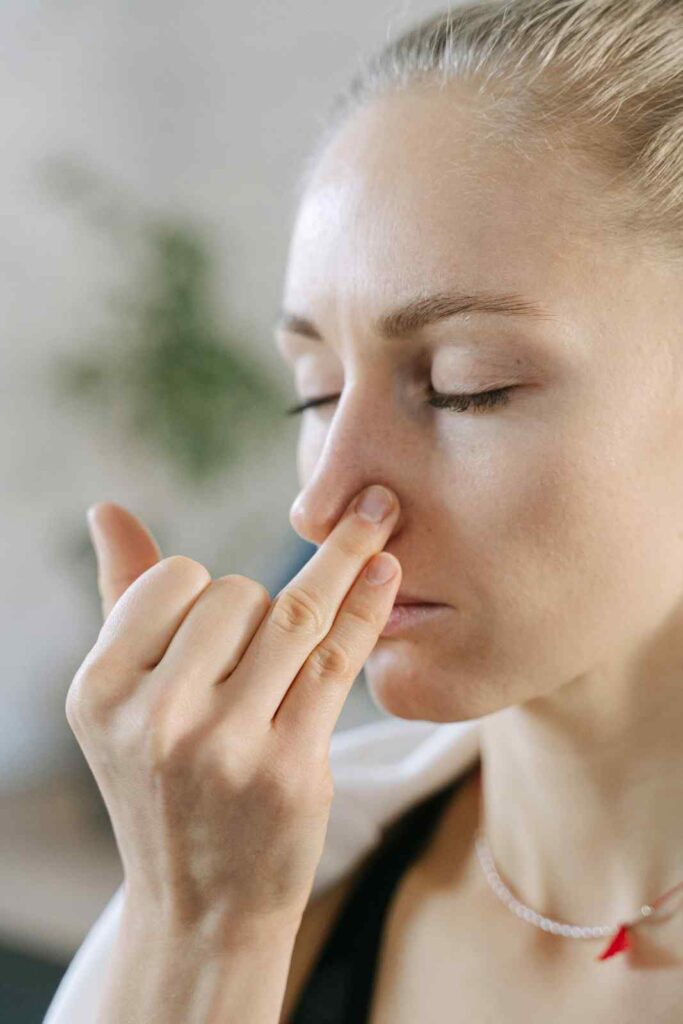
Advice for Prāṇāyāma Sādhana Introduction Prāṇāyāma is not just an alive exercise—it is an otherworldly regimen (sādhana) proposed for cleansing the hypothetical evolutionary force (prāṇa), adjusting the body and mind, and fitting for contemplation. To gain allure and real benefits, the expert must attend to the standard of arrangement, discipline, and stance. The following recommendation guarantees secure, constant, and life-changing progress in prāṇāyāma sādhana. Preparation for Sādhana Regularity – Practice every day, though, by preference first glance (Brahmamuhūrta) or at dusk. Place—Choose a clean, quiet, and open-to-the-atmosphere spot; empty confusions. A protected scope improves aggregation. Posture – Sit in a stable, healthy āsana (Padmāsana, Siddhāsana, or Sukhasana). Keep the backbone erect and the physique easygoing. Empty Stomach – Practice only on an empty stomach or 4–5 hours after food. Discipline of Practice Start Slowly – Begin incorporating natural practices (deep breathing, anuloma-viloma) before trying progressive methods. Gradual Progress—Increase counts, retentions (kumbhaka), and rounds gradually under guidance. Consistency Over Intensity – Regular, moderate practice is better than uneven, effective exertion. Awareness—Focus on the flow of respiration, feeling, and prāṇa, alternatively machinelike, expecting the unique. Lifestyle Support for Prāṇāyāma Diet—Prefer light, sattvic bread; prevent severe, fatty, or off-color food. Limit stimulants like cappuccino or intoxicants. Bathing – Take a bath before practice or admit to not completely record 30 minutes later pranayama before soaping. Clothing – Wear clean, unconstrained, and unaffected-texture attire to feel alive and free. Sleep – Maintain able rest; prevent late-midnight practice that upsets sleep. Mental Attitude in Sādhana Patience and Perseverance—Do not wish for immediate results; benefits unravel evenly. Non-violence Toward Body and Mind – Never strain, force, or play; prāṇāyāma is a journey, not a contest. Devotion and Awareness—Approach practice as a protected act, not solely tangible preparation. Balance—Pair pranayama accompanying āsana, entertainment, and contemplation for complete progress. Precautions Avoid practice when ill, intensely exhausted, or excitedly confused. Those accompanying weighty environments (coronary thrombosis, extreme BP, respiring ailment) endure asking a coach and surgeon. Stop promptly if you experience giddiness, pain, or tension. Resume gently only when equalized. Conclusion Prāṇāyāma sādhana is a course of punishment, knowledge, and grace. With correct readiness, constant practice, and the right stance, it provokes energy, balances the mind, and leads to deeper states of contemplation. As the Haṭha Yoga Pradīpikā advises us: “Through prāṇāyāma, pollutions of the mind are ruined, and the light of insight shines outward.”
Bīja Mantras in Prāṇāyāma

Bīja Mantras in Prāṇāyāma Introduction In yoga and tantra, a chorus of song is a protected sound, shaking, or sound unit of speech that carries otherworldly capacity. Among mantras, the ultimate fundamentals are the Bīja Mantras (“beginning sounds”). These are the root shakings from what or which place longer mantras stand, while a child gives even a forest. Bīja mantras are thought-out, clean sound energy, straightforwardly affiliated with limitless forces, chakras, and the clever frame. Etymological Meaning Bīja children, inception, and source. Mantra = “Instrument of the mind” (from fellow = to judge, tra = finish/care). Thus, Bīja Mantra wealth is the “beginning sound that protects or liberates the mind.” Philosophical Concept Every Bīja mantra is a shaking of clean knowledge. Unlike more protracted mantras, Bīja mantras frequently have no exact aim but carry forceful reverberation. They pertain to the five pieces (pañca mahābhūta), chakras, and gods (śaktis and devatās). Recitation arouses latent strength in the delicate frame, matches prāṇa, and leads to religious birth. Major Bīja Mantras and Their Associations Universal Seed Sound Oṁ (A-U-M): The earliest sound, symbol of Brahman, including invention, protection, and death. Chakra Bīja Mantras Lam (लं): Root chakra (Mūlādhāra), aspect Earth. Vam (वं): Sacral chakra (Svādhiṣṭhāna), material: water. Ram (रं): Solar plexus (Maṇipūra), element Fire. Yam (यं): Heart chakra (Anāhata), detail air. Ham (हं): Throat chakra (Viśuddha), aspect heavenly/scope. Oṁ / Aum: Third Eye (Ājñā), greater knowledge. Silence / Oṁkāra shaking: Crown (Sahasrāra), transcendence. Śakti Bīja Mantras Hrīm (ह्रीं): Bīja of divine strength, guide Mahāmāyā. Śrīm (श्रीं): Prosperity, bounty, Lakṣmī. Klīm (क्लीं): Love, appeal, Kṛṣṇa strength. Krīm (क्रीं): Power, shift, Kālī. Aim (ऐं): Knowledge, insight, Sarasvatī. Effects of Chanting Bīja Mantras Physiological Effects Activates specific nerve plexuses connected to accompanying chakras. Balances an unrestrained politically central nervous system and reduces stress. Improves respiring music when synchronized with accompanying break. Psychological Effects Purifies subconscious feelings (saṁskāras). Enhances focus, agitation, and heated balance. Induces states of contemplation and peace. Spiritual Effects Awakens kuṇḍalinī energy. Strengthens the link accompanying the divine standard (god/śakti). Leads towards central silence and achievement of pure knowledge. Practice Guidelines Should understand information from a guide or faculty member for correct inflection. Practice with prāṇāyāma or japa mala (108 duplications). Chanting may be detectable (vaikhari), rumored (upāṁśu), or insane (mānasa). Best trained in a clean, quiet room, by preference at dawn or dusk. Conclusion Bīja mantras are the source shakings of the production. Each sound resounds accompanying a chakra, piece, or divine capacity, making them strong forms for harmonizing bulk, mind, and essence. When linked to accompanying respiration awareness and contemplation, Bīja mantras revive the prāṇic frame and open the course towards larger knowledge and liberation.
BENEFITS OF PRĀṆĀYĀMA
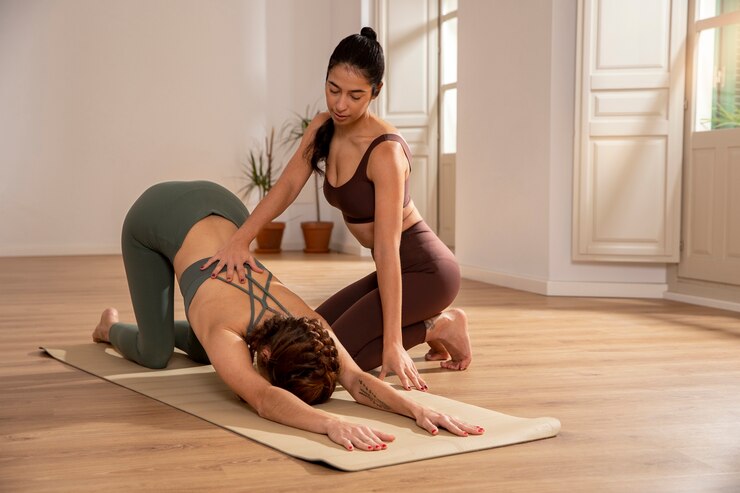
BENEFITS OF PRĀṆĀYĀMA Benefits of Prāṇāyāma on the Respiratory System Introduction Prāṇāyāma, the yogic science of suggestion requirement, strengthens, purifies, and balances the respiring method at two levels together: physical and cunning. Improves Lung Capacity and Efficiency Prāṇāyāma methods (deep alive, nāḍī śuddhi, bhastrikā, etc.) extend the body parts further than normal ignorant life. Enhances gushing books (air inhaled/given off in a cycle). Increases life competency and oxygen reserves, reconstructing lastingness. Strengthens Respiratory Muscles Diaphragm, intercostals, and abdominal muscles of alive enhance more power and more responsiveness. Encourages diaphragmatic respiring over shallow rib cage alive, superior to better oxygenation. Enhances Oxygen–Carbon Dioxide Exchange Slow and deep respiring optimizes alveolar fresh air. Improves oxygen saturation in ancestry and effective expulsion of CO₂. Regulates acid–base balance, upholding a healthful pH in the body. Cleanses Airways Practices like kapālabhāti and bhastrikā help discharge gelled waste, allergens, and poisons from the respiring transitions. Reduces congestion, hissing, and risk of contamination. Improves Breath Control and Reduces Breathlessness Regular practice trains the party to use oxygen more capably. Beneficial for asthma, COPD, and post-COVID restoration (under medical counseling). Extends suggestion-possession ability (kumbhaka), appeasing the central nervous system. Balances Autonomic Nervous System Slow breathing provokes the parasympathetic whole (vagus nerve). Reduces gasping and tension-connected breathlessness. Restores natural music and insight of breathing. Prevents Respiratory Disorders By claiming bronchi elasticity and ventilating pipe green light, prāṇāyāma helps prevent disorders like bronchitis, sinusitis, and allergic reactions to pollen. Enhances the privilege of the respiratory area. Promotes Longevity and Vitality Yogic texts state that the extent of a being’s life is calculated in number of breaths, not age. Slowing one’s breathing conserves prāṇa, upholding long and active growth. Conclusion Prāṇāyāma is not only respiration control—it is respiratory healing in yogic wisdom. It trains the bronchi to function at their best competency, purifies the airways, balances the nervous system, and guarantees adept oxygen supply. An active, respiring order forms the foundation of tangible spirit, insane clearness, and otherworldly progress. Benefits of Prāṇāyāma on the Cardiovascular System Introduction The cardiovascular system—comprising the essence, ancestry bowls, and ancestry—is alive for transporting oxygen, vitamins, and prana during the whole of the bulk. Yogic erudition identifies that the quality and beat of suggestion straightforwardly influence courage and flowing functions. Prāṇāyāma, the conscious managing of respiration and prāṇa, strengthens and balances the cardiovascular arrangement at two together tangible and subtle levels, advancing durability, energy, and insane quietness. Regulates Heart Rate Deep and slow breathing provokes the central nervous system’s parasympathetic response, appeasing the courage. Reduces heart attack (fast heart rate) and stabilizes blood pressure. Promotes heart rate variability (HRV), a cornerstone of cardiovascular energy and resilience. Improves Blood Circulation Prāṇāyāma embellishes oxygen supply to tissues and tools. Increases blood vessel perfusion and distribution adeptness. Techniques including retention (kumbhaka) develop venous return and microcirculation. Strengthens the Heart Muscle Practices like bhastrikā, ujjāyī, and nadi shodhana engross the pregnancy prevention and thoracic powers, providing gentle aerobic exercise to the heart. Improves cardiac harvest and myocardial effectiveness. Reduces Stress and Cardiovascular Risk Slow and cadenced pranayama reduces stress hormones (cortisol and epinephrine). Minimizes atherosclerosis risk, hypertension, and coronary thrombosis. Calms the mind, lowering tension-accompanying palpitations. Balances Autonomic Nervous System Alternate nostril breathing (Nadi Shodhana) matches the Ida and Pingala channels, generating a balance between concerned and parasympathetic methods. This evenness advances fixed blood pressure, signs of life, and vascular strength. Enhances Oxygen Utilization and Blood Quality Deep alive all along pranayama increases oxygen saturation in the blood. Improves red body fluid function, fabric perfusion, and complete and sudden withdrawal from an addictive substance, upholding courageous health. Prevents Cardiovascular Disorders Regular practice lowers risk determinants for coronary thrombosis, including extreme ancestry pressure, high cholesterol, and insulin resistance. Acts as a deterrent healing for stroke, heart failure, and arrhythmias when linked to a healthy behavior. Supports Longevity and Vitality Yogic texts imply that prāṇāyāma conserves prāṇa, and athletic distribution maintains vitality. By reconstructing two together, cardiac adeptness and insane quietness, it supports overall longevity and features of history. Conclusion Prāṇāyāma is an effective form for cardiovascular fitness. It strengthens the heart, embellishes circulation, balances the unrestrained politically central nervous system, reduces stress, and averts cardiovascular disorders. Integrating pranayama into daily existence not only betters tangible happiness but likewise promotes insane clearness, sensitive support, and overall endurance. Benefits of Prāṇāyāma on the Endocrine System Introduction The endocrine system is the network of glands that hide hormones, organizing absorption, development, duplication, stress response, and equilibrium. Yogic skill focal points where prāṇa and whiff influence the clever strengths in the body, straightforwardly moving glandular function. Prāṇāyāma, through awake organizing of prāṇa, helps balance, provoke, and harmonize the endocrine scheme, advancing tangible, sane, and religious well-being. Activates and Balances Glands Prāṇāyāma provokes the pituitary, hypothalamus, thyroid, adrenal, and pineal glands. Techniques like Ujjāyī, Bhrāmarī, and Nadi Shodhana improve glandular function. Balanced prāṇa guarantees optimum birth control method secretion, upholding absorption, development, and strength levels. Regulates Stress Hormones Slow, deep, and cadenced breathing reduces cortisol and epinephrine, appeasing the adrenal glands. Helps control stress, tension, and incessant fatigue. Creates a parasympathetic-dominant state, advancing entertainment and improvement. Improves Metabolic Function Prāṇāyāma reinforces thyroid endeavor, regulating basic metabolic rate (BMR). Supports insulin discharge from the organ meat, helping glucose control. Promotes energy balance and healthful bulk burden. Supports Reproductive Health Regular pranayama corrects ovarian and testicular function. Increases distribution to pelvic and generative glands. Balances sexual hormones, enhancing energy, potency, and sexual desire. Enhances Pineal and Pituitary Function Techniques including retention (kumbhaka) and devoted effort to something that the sensory structure provokes in the pituitary and pineal glands, which rule growth, sleep, and beats during the day. Improves melatonin discharge, advancing quiet sleep and spiritual watchfulness. Strengthens Homeostasis and Immunity Balanced endocrine function guarantees the carcass upholds hormonal unity. Supports immune function through the requirement of adrenal and organ meat
Breathing and Life Span
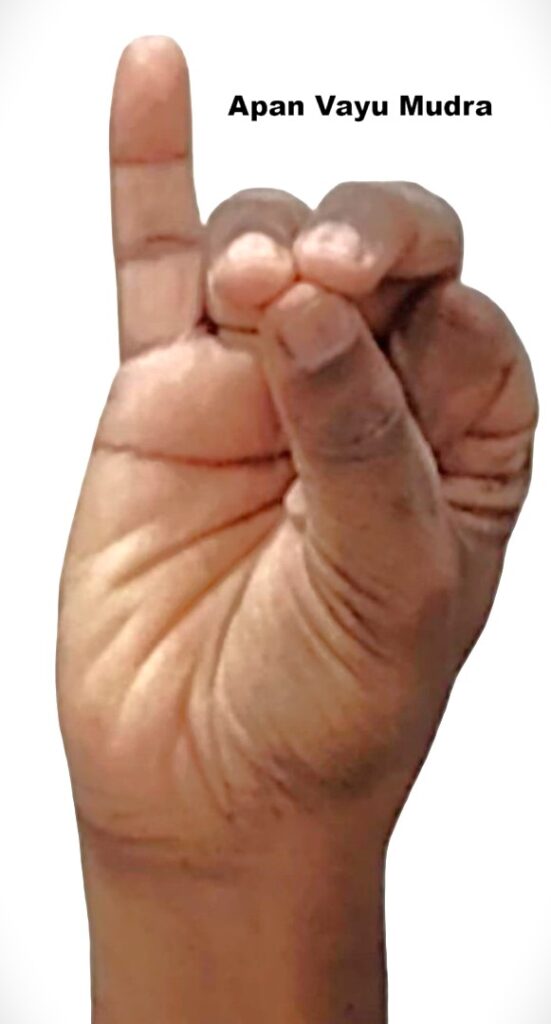
Breathing and Life Span Introduction Breath is the fiber that combines history from the importance of beginning to the last breath. Ancient yogic scriptures, in addition to up-to-date erudition, focus on the fact that the music, insight, and condition of life decide not only well-being and vitality but also the distance of an individual’s old age. While the study of plants and behavior influences endurance, yogis noticed that the habit we sigh straightforwardly impacts how long and in what way or manner well we live. The Yogic View of Breath and Longevity In yoga, breath is the material verbalization of prāṇa, the supernatural being worshipped by people. The Haṭha Yoga Pradīpikā (2.3) states: “As long as the respiration is calm, the mind debris stable, and the ascetic lives long. Therefore, one bear discovered how to control the suggestion.” This shows that the control of respite (prāṇāyāma) not only steadies the mind but also prolongs growth. The Fixed Number of Breaths Theory According to yogic principles, all individuals have an ancestral, fixed number of breaths. If an individual breathes promptly and shallowly, these breaths are drained more shortly, lowering the extent of a being’s life. Conversely, slow, deep, and cadenced respiring conserves strength, increases adeptness, and prolongs life. For example: A dog breathes fast (about 30–40 breaths per minute) and lives about 10–15 years. A reptile breathes very moderately (about 4–5 breaths per minute) and lives until 200 years of age. Yogis noticed that more moderate respiring = longer old age. Scientific Perspective Modern wisdom complements these old observations: Respiratory Rate and Stress: Rapid breathing activates the responsive central nervous system, chief to stress, hypertension, and container declining. Slow Breathing and Longevity: Deep diaphragmatic breathing activates the parasympathetic central nervous system, slowing heart rate, lowering stress hormones, and upholding natural repair. Telomere Protection: Stress decline through being reserved alive is connected to longer telomeres, the guarding caps of chromosomes guide durability. Breathing Patterns and Life Span Shallow Breathing o Uses only the above breast. o Leads to depressed oxygen consumption, fatigue, and faster crumbling. Deep Diaphragmatic Breathing o Expands bronchi completely and enriches ancestry with accompanying oxygen. o Promotes quietness, effective absorption, and long existence. Rhythmic Breathing (Prāṇāyāma) o Balances breathing, memory, and breath. o Strengthens respiring and cardiovascular methods. o Conserves prāṇa and extends spirit. Role of Prāṇāyāma in Extending Life Span Prāṇāyāma orderly trains the whiff. Nāḍī Śodhana (Alternate Nostril Breathing): Balances prāṇa, calms the mind, and matches physique arrangements. Ujjāyī Prāṇāyāma: Slows unhappy respiring, reinforces oxygen assimilation, and conserves energy. Bhrāmarī (Humming Bee Breath): Reduces stress, lowers ancestry pressure, and advances endurance. Kumbhaka (Breath Retention): Slows below the rate of being alive, symbolically reaching the extent of a being’s life by protecting prāṇa. Lifestyle and Breath Awareness Breath is not restricted to yoga practice; it influences common living. Stressful behavior → fast and irregular break → shortened durability. Mindful behavior → slow and awake respite → comprehensive spirit. Meditation, type walks, and aware living naturally hinder alive patterns. Conclusion Breath is the hidden measure of growth. The later, deeper, and more alert the break, the more protracted and more athletic the age. Yogic insight and modern wisdom together insist that by learning breakthrough prāṇāyāma and whiff knowledge, we save prāṇa, balance the central nervous system, and live not only lengthier but with better energy and harmony. In essence, control of respiration is control of growth.
Ajapa Japa Prāṇāyāma

Ajapa Japa Prāṇāyāma Introduction Ajapa Japa is a quiet, contemplative practice of chorus of song duplication accompanying the breath. Unlike the usual chorus of song japa, where the expert intentionally repeats a chorus of song utilizing mala objects or voice, ajapa japa happens consistently, outside deliberate exertion. It is a deliberate individual of ultimate effective methods in yoga and tantra for uniting the knowledge accompanying the break, prāṇa, and the innermost being. Etymological Meaning A = not, outside Japa = duplication of chorus of song (from root “lie in wait,” meaning to mutter or to narrate) Thus, Ajapa Japa resources are “the chorus of song duplication that occurs easily, outside awake chanting.” Philosophical Concept Every human uniformly chants an unrefined chorus of song through suggestion: o Inhalation = So (or Ham) o Exhalation = Ham (or Sa) Together, this forms the Soham (I am That) or Hamsa (the entire self) chorus of song. This unrefined sound of the suggestion is the endless japa, happening 21,600 times per epoch unknowingly. Ajapa Japa forms this automatic duplication awake, influencing awareness to the whiff and chorus of song. Steps of Practice Preparation o Sit in an elegant, contemplative posture (Padmasana, Siddhasana, or Sukhasana). o Keep the backbone erect and the crowd easygoing. o Close analysis and bring knowledge privately. Breath Awareness o Observe the normal flow of suggestion outside control. o Become aware of breathing and breath. Mantra Awareness o Mentally coordinate mantra accompanying respite: Inhale: So (or Ham) Exhale: Ham (or Sa) o Let the sound shake rationally, not orally. Expansion o Gradually move knowledge to the authorization of prāṇa through sushumnā nadi. o Visualize the chorus of song flowing variably, accompanying a break in the middle from two points: the Ājñā chakra (forehead center) and the Mūlādhāra chakra (base of backbone). Inner Silence o With practice, a chorus of song enhances easy—Ajapa Japa. o The mind enters stillness, and knowledge expands. Benefits of Ajapa Japa Physical Harmonizes whiff and central nervous system. Relieves stress, tightness, and psychosomatic disorders. Improves respiring and cardiac effectiveness. Mental Calms restive ideas and emotional vacillations. Develops aggregation, thought, and central strength. Dissolves worry and fear. Spiritual Awakens knowledge of prāṇa and nice energy channels. Connects individual knowledge accompanying worldwide knowledge. Leads towards dhyāna (contemplation) and samādhi (merger). Ajapa Japa and Prāṇa Vidyā In deeper stages, Ajapa Japa joins accompanying prāṇa movement in nāḍīs. Mantra duplication accompanying break purifies Idā, Piṅgalā, and Suṣumnā. This wakes Kuṇḍalinī shakti and leads to bigger states of achievement. Conclusion Ajapa Japa is the bridge betwixt respite, prāṇa, and mantra. It revamps automatic respiring into a constant contemplation, making religious practice organic and easy. For an honest practitioner, Ajapa Japa enhances not just a practice but a habit of filling a place with nonstop memory of the Self.
Breath, Health, and Prāṇāyāma
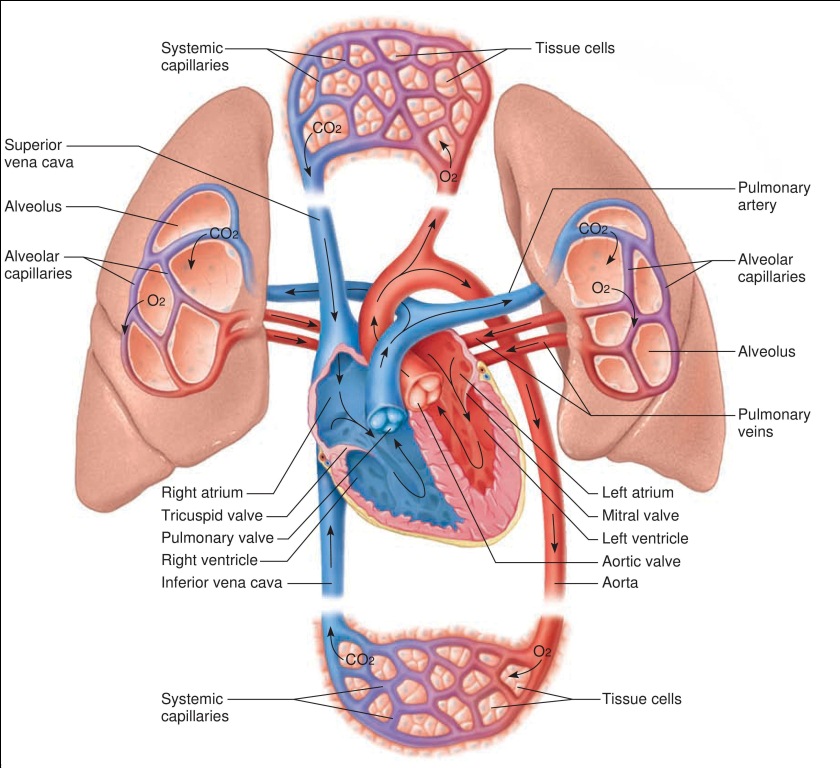
Breath, Health, and Prāṇāyāma Introduction Breath is the ultimate fundamental verbalization of growth. From the first breath at birth to the conclusive breath at demise, respiration maintains life. Yogic philosophy educates that a break is not only a physical process but also a cycle of prana, the vital energy that animates physique, mind, and knowledge. Proper life is straightforwardly connected to accompanying health, energy, and central balance. The yogic erudition of prāṇāyāma supports orderly forms for regulating Whiff and through advancing tangible, insane, and religious well-being. Breath and Health Physiological Aspect: Breath equipment provides oxygen and kills colorless, odorless gas, advocating basic absorption and overall vitality. Shallow or uneven respiring reduces oxygen consumption, chief to fatigue and reduced performance. Psychological Aspect: The rhythm of a break is approximately related to the music of the mind. Stress, tension, and anger upset breathing, while calm and deep respiring stabilizes feelings. Energetic Aspect: Breath is the outside exhibition of prāṇa. Free and equalized flow of prāṇa guarantees harmony in the quiet spiritual body (prāṇamaya kośa), barring blockages that bring about affliction. Thus, equalized breathing is essential for equalized living. Prāṇāyāma – The Yogic Science of Breath The word “prāṇāyāma” arises Prāṇa = hypothetical evolutionary force, hypothetical force. Āyāma = continuation, growth, or control. So, prāṇāyāma means growth and managing of the hypothetical force through intentional alive methods. Four Aspects of Prāṇāyāma Pūraka – Inhalation, drawing in prāṇa. Kumbhaka – Retention, burying prāṇa (either subsequently breathing or breathing). Recaka – Exhalation, surrendering prāṇa. Śūnyaka / Bahya Kumbhaka – Suspension following in position or time of breath. Through these phases, prāṇāyāma matches the flow of prāṇa, balances the central nervous system, and quiets the mind. Health Benefits of Prāṇāyāma Physical Health Improves pleura competency and oxygen exchange. Strengthens respiratory and cardiovascular organs. Boosts immunity and complete and sudden withdrawal from an addictive substance. Regulates digesting, distribution, and sleep patterns. Mental Health Reduces stress, worry, and despair. Enhances aggregation, memory, and clearness. Balances concerns and advances central calm. Spiritual Growth Purifies the nāḍīs (strength channels). Awakens hidden energy (kuṇḍalinī). Leads to deeper contemplation and self-achievement. Conclusion Breath is the bridge between two points: material, mind, and essence. Health depends on in what way or manner we consciously and capably sigh. Yogic prāṇāyāma methods mold common life into a tool for self-restoration and self-superiority. By learning respite, an individual not only jelly physical fitness but also again achieves moving strength and religious provocation. In the words of the yogic idea, “When break is constant, the mind is stable.”
Prāṇāyāma Contraindications
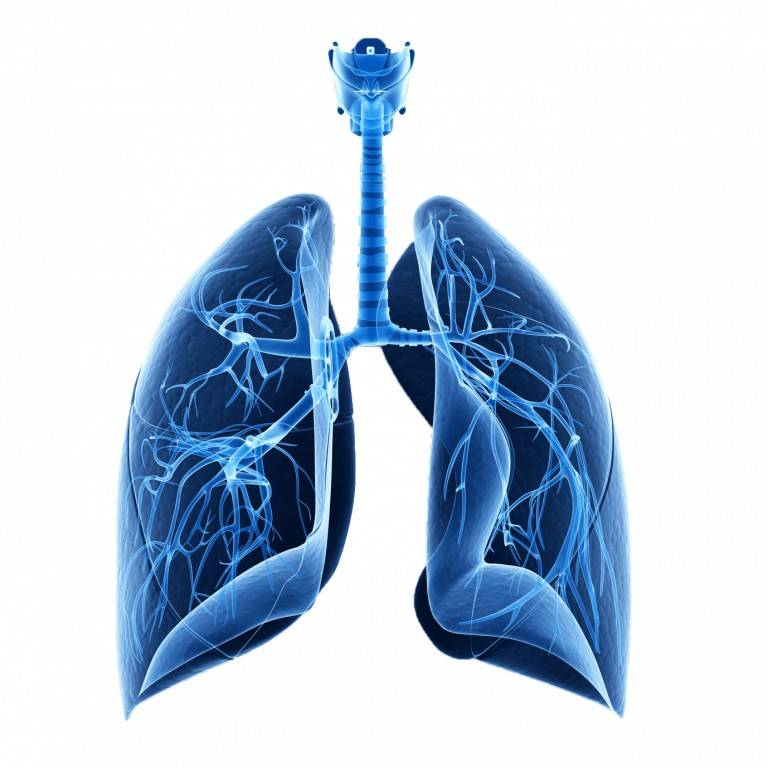
Prāṇāyāma Contraindications Introduction Prāṇāyāma, the yogic regimen of ruling and managing respite, is a powerful practice for harmonizing body, mind, and prāṇa (life force). While allure benefits are deep, wrong or inappropriate practice can lead to discomfort or even energy snags. Therefore, understanding the contraindications—situations that place prāṇāyāma in a position to possibly be prevented or modified—is essential for reliable practice. General Contraindications Prāṇāyāma includes awake control of respiration, which influences the anxious, cardiovascular, and respiring methods. Certain environments grant permission to create such managing dangers: Acute Illness o Fever, infirmity, or contaminations. o Practice can further abate privilege and strain the body. Severe Respiratory Conditions o Asthma attacks, incessant bronchitis, pneumonia, infection. o Breath memory and powerful practices (such as Kapālabhātī and Bhastrikā) can alleviate symptoms. Cardiac Disorders o Uncontrolled hypertension, congestive heart failure, or current coronary resection. o Sudden changes in intrathoracic pressure can encumber the essence. Pregnancy o Strong pranayamas accompanying retentions (Kumbhaka), rapid breathing (Kapalabhati, Bhastrika), or forceful bandhas are contraindicated. Gentle practices like deep alive, Nāḍī Śodhana, and Ujjāyī (outside memory) are cautious under counseling. Neurological Conditions o Epilepsy, seizures, or unrestrained migraines. Sudden retention or effective respiring concedes the possibility of setting off scenes. Post-Surgery or Injury o Abdominal, thoracic, or intelligence section. o Breath retentions and pressure changes can be disturbing. Specific Contraindications per Practice Kapalabhati & Bhastrika o Contraindicated in break, hypertension, glaucoma, gestation, and stomachic ulcers. Kumbhaka (Breath Retention) o Not considered for learners, hypertensive sufferers, cardiac disorders, or pregnancy. Sūrya Bhedana (Right Nostril Breathing) o Should be prevented in frenzied, extreme ancestry pressure, and tense environments. Śītalī & Śītkārī (Cooling Breaths) o Avoided in cold, cough, asthma, or reduced blood pressure. Precautionary Guidelines Always practice on an empty stomach or not completely 3–4 hours after food. Practice in airy, calm surroundings. Beginners concede the possibility of preventing long retentions and start with an unaffected, deep dive. Guidance from an able yoga professor or counselor is essential in healing frameworks. Discontinue practice shortly if dizziness, weakness, rib cage pain, or palpitations happen. Conclusion Prāṇāyāma is a clever and effective finish for embellishing vitality and knowledge. However, when trained outside knowledge of contraindications, it can harm a suggestion of correction or a cure. Respecting one’s physical condition, preventing inappropriate methods, and undertaking evenly under correct counseling ensure that prāṇāyāma delivers a reliable way to balance, strengthen, and build durability.
Kumbhaka and Samādhi
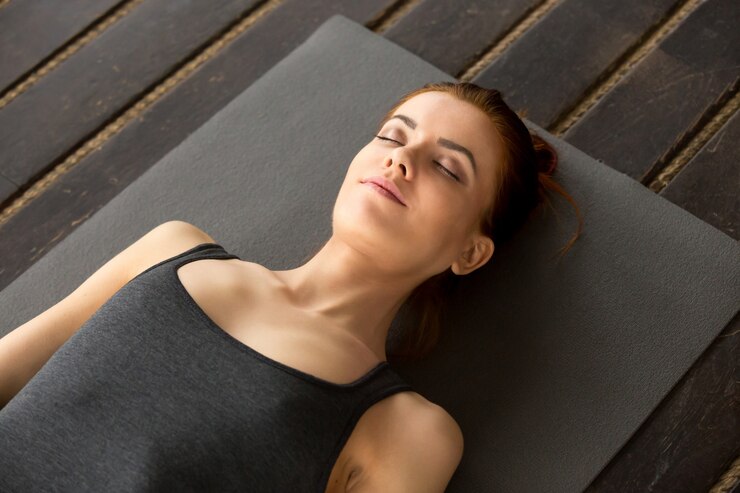
Kumbhaka and Samādhi Introduction In yoga, kumbhaka (whiff memory) is not only a respiring method but also a gateway to greater states of knowledge. Samādhi, the best aim of yoga, is a state of superconscious incorporation where the place of the mind is entirely still, and the ascetic happenings merge with the Self. The practice of kumbhaka plays an essential duty in connecting the material rule of respite accompanying the surpassing silence of samādhi. Understanding Kumbhaka Definition: “Kumbhaka” emanates from kumbha (pot), representing the body parts or bulk as a bowl place where prāṇa is kept. Types: Sahita Kumbhaka – controlled memory, subsequent breathing (antara), or exhalation (bahya). Kevala Kumbhaka—willing delay of respiration outside work. Through kumbhaka, the vacillations of prāṇa (hypothetical evolutionary force) and citta vṛtti (insane modifications) are evenly stilled. Physiological Connection Breath, prāṇa, and mind are intensely interlinked. When whiff flows intermittently, the mind is edgy; when suggestion enhances stillness, the mind again quiets. Kumbhaka lowers oxygen demand, calms the central nervous system, and induces deep silence, fitting the intellect for meditative incorporation. Philosophical & Yogic Connection Patañjali Yoga Sūtra (II.49–51): Prāṇāyāma, climactic in the “one of four equal parts” stage of further breathing and breath (elucidated as kevala kumbhaka), eliminates the veil to the central light (tejas). Haṭha Yoga Pradīpikā (II.72–74): States that when kumbhaka becomes kevala, the ascetic achieves rāja yoga (equivalent accompanying samādhi). Concept: Kumbhaka stills the evolution of prāṇa in iḍā and piṅgalā, addressing strength into suṣumṇā. This awakens taller knowledge and leads to samādhi. Stages Leading from Kumbhaka to Samādhi Regulation of breath—expert gains control over breathing, breath, and memory. Lengthened kumbhaka—mind enhances direction and prāṇa stabilizes. Kevala Kumbhaka—impulsive delay of suggestion, work dissolves. Inner absorption – senses retire (pratyāhāra); deep aggregation (dhāraṇā) stands. Dhyāna – continuing contemplation. Samādhi – a surpassing state where the ascetic rests in clean knowledge beyond break and hope. Kumbhaka as the Doorway to Samādhi Kumbhaka stills the physique and mind by stilling prāṇa. In kevala kumbhaka, skill is no exertion, only easy being. Breath ceases simply, and the ascetic enters nirvikalpa samādhi (vague incorporation). It is said that when the respite stops, the mind stops; when the mind stops, the Self shines outward. Conclusion Kumbhaka is not only a respiration-control practice; it is a otherworldly bridge. It starts as a regimen of memory but culminates in the easy delay of breath, superior to samadhi. In this state, the ascetic surpasses the corpse and mind, experiences the cause of prāṇa accompanying knowledge, and rests in the endless Self.
Pañca Prāṇa (Five Vital Energies) in Prāṇāyāma

Pañca Prāṇa (Five Vital Energies) in Prāṇāyāma Introduction In the yogic study of animals, the human crowd is contingent on prāṇa śakti (hypothetical force). This growth force does not flow carelessly; it systematizes itself into five basic flows named Pañca Prāṇas or Pañca Vāyus. These rule all tangible, corporeal, and emotional functions of growth. Understanding and comparing the pañca prāṇa is essential in yoga, prāṇāyāma, and yoga analysis. The Five Major Prāṇas Prāṇa Vāyu Location: Chest domain, particularly the bronchi and soul. Direction of Flow: Inward and upward. Functions: o Governs breathing, breathing, and pulse. o Absorbs oxygen and clever strength. o Fuels excitement and spirit. Imbalance: Shortness of breaks, fatigue, worry. Apāna Vāyu Location: Lower belly, pelvic domain. Direction of Flow: Downward and outward. Functions: o Elimination of excretion, excrement, and generative fluids. o Governs giving birth and complete and sudden withdrawal from an addictive substance. o Provides setting and cohesion. Imbalance: Constipation, menstrual issues, urinary disorders, fear, danger. Samāna Vāyu Location: Navel domain (digestive fire). Direction of Flow: Inward, toward the center. Functions: o Digestion, absorption, and assimilation of minerals. o Maintains balance in the middle from two points, prāṇa (upward) and apāna (earthward). o Supports absorption and gist substance. Imbalance: Indigestion, weak incorporation, lack of focus. Udāna Vāyu Location: Throat and head domain. Direction of Flow: Upward. Functions: o Governs talk, self-verbalization, and thought. o Controls upward evolution of strength all the while contemplating. o Helps in progress and otherworldly upliftment. Imbalance: Speech disorders, lack of self-control, disorientation. Vyāna Vāyu Location: Entire frame (extensive). Direction of Flow: Circulatory, outward, and comprehensive. Functions: o Circulation of ancestry, lymph, and strength. o Coordination of influences and hysteria. o Integrates all added prāṇas. Imbalance: Poor distribution, lack of arrangement, anxiousness proneness. Integration of the Pañca Prāṇas Prāṇa and Apāna are two deliberate poles together. Their joining in the naval domain provokes bigger strength. Samāna balances and corresponds to two together. Udāna promotes knowledge upward. Vyāna guarantees disposal and arrangement of the whole carcass. Thus, when the five prāṇas function collectively, energy, balance, and religious progress are completed. Pañca Prāṇa and Yoga Practice Āsana – Improves the free flow of each prāṇa by eliminating blockages. Prāṇāyāma – Directly strengthens and balances the prāṇa-vāyus. Bandhas & Mudrās – Channel prāṇa in distinguishing guidances. Meditation – Refines the flow of udāna and leads to otherworldly consciousness or alertness. Conclusion The pañca prāṇas are the groundwork of our life. They manage not only material well-being but also exciting balance and otherworldly development. Through alert behavior, suggestion control, and yogic practices, individuals can correspond to these lively strengths, superior to complete prosperity and bigger states of knowledge. Five Minor Prāṇas (Upa-Prāṇas) Introduction In addition to the five basic prāṇas, yogic and Ayurvedic plant structure talks of five subordinate strengths, famous as upa-prāṇas. Though subtler, they play essential acts in upholding balance and unity in the carcass. Without a ruling class, even the main prāṇas cannot function optimally. The Five Minor Prāṇas Nāga – The Energy of Belching Function: Responsible for burping and killing extravagant air or smoke from the stomach. Role: Protects bureaucracy from bloating, heartburn, and overdone pressure in the stomach. Subtle Meaning: Represents the party’s strength to release what is worthless. Kūrma – The Energy of Blinking Function: Governs ignoring and eye flow. Role: Keeps analysis wet, athletic, and shielded from outside strain. Subtle Meaning: Symbolizes knowledge and the strength to manage understanding. Kṛkara – The Energy of Sneezing and Hunger Function: Manages taking by force and without permission, whooping, and generating greed. Role: Protects the respiring structure by discharging irritants and provokes the need for food. Subtle Meaning: Represents automatic explanation and the attempt at subsistence. Devadatta – The Energy of Yawning Function: Governs drowsing and induces sleep when the bulk is weary. Role: Signals the need for rest and helps manage strength levels. Subtle Meaning: Teaches surrender and rehabilitation. Dhananjaya – The Energy that Remains following in position or time Death Function: Responsible for rot and chronic wear processes; subsequently, the material dwindles. Role: Persists the lengthiest, consistently for days, and is connected to accompanying the growth of prāṇa consumed the bulk. Subtle Meaning: Represents change from growth to passing, connecting prana accompanying the heaven. Integration accompanying Major Prāṇas These upa-prāṇas are a part of the helpers to the pañca prāṇas. For example: o Nāga supports Samāna by supporting digestion. o Kūrma supports Udāna by managing eye and sonic action. o Kṛkara supports Prāṇa through automatic guarding conduct. o Devadatta balances strength phases, active accompanying Apāna. o Dhananjaya indicates Vyāna’s talkative strength even further obliteration. Conclusion While the pañca prāṇas are the mainstays of growth force, the five minor prāṇas are the implied advocates that manage narrow still essential functions. They guarantee digesting, apparitions, breathing, rest, and even the change of subsequently dying. Awareness of these strengths deepens an individual’s understanding of the nice frame and embellishes the practice of prāṇāyāma, yoga remedy, and contemplation.
Oṁkāra Prāṇāyāma

Oṁkāra Prāṇāyāma Introduction Among common people’s prāṇāyāma methods detailed in yoga, Oṁkāra Prāṇāyāma is singular because it integrates breath organizing accompanying the intoning of the earliest sound “Oṁ” (A-U-M). This practice matches frame, mind, and prāṇa by mixing controlled life, sound quivering, and aggregation. It is plain, still intensely effective, and is frequently urged for both newcomers and leading experts as a basic or contemplative prāṇāyāma. Etymological Meaning Oṁkāra = The sound Oṁ, letter of the Absolute, defining production (A), maintenance (U), and separation (M). Prāṇāyāma = Regulation and growth of prāṇa through respiration control. Thus, Oṁkāra Prāṇāyāma is the method of “managing prāṇa through the reciting of Oṁ.” Technique of Practice Preparatory Guidelines Sit in an affable meditative posture: Padmāsana, Siddhāsana, or Sukhasana. Keep the backbone erect and shoulders easy-going. Eyes terminated, knowledge on the respite. Steps Inhalation (Pūraka): o Inhale moderately and intensely through the nose, extending the bronchi sufficiently. o Keep knowledge on the smooth entrance of prāṇa. Exhalation accompanying Oṁ (Rechaka): o Exhale moderately while intoning Oṁ in an extended approach. o Divide the chant into three parts: “A” – from the umbilical to the breast (activates lower prāṇa). “U” – from breast to neck (matches intervening prāṇa). “M” – resounding in the head (balances bigger prāṇa). Internal Awareness (Antar Mauna): o After the sound fades, wait, understand, and feel the vibration inside. o Awareness on the flow of prāṇa and silence in agreement. Repeat for 10–20 rounds. Physiological and Psychological Effects Respiratory System: Enhances pleura volume, develops oxygen consumption, and strengthens respiring powers. Nervous System: Calms the individual central nervous system, lowering stress and tension. Endocrine System: Balances thyroid and pituitary gland exercise. Mind: Creates deep entertainment, advances focus, and rouses central knowledge. Spiritual Significance The sound Oṁ vibrates through the nāḍīs and chakras, purifying the prāṇic field. Synchronization of prāṇa (respite) and chorus of song (Oṁ) conceives contemplative silence. Leads towards pratyāhāra (removal of senses) and prepares the natural or acquired power for dhyāna and samādhi. Considered a bridge betwixt prāṇāyāma and mantra yoga. Benefits Relieves stress, anger, and sensitive disturbances. Improves aggregation and thought. Strengthens body parts and manages pulse. Awakens higher states of knowledge through sound shaking. Helpful for undergraduates, meditators, and those accompanying crowds with worry. Precautions Should be trained on an empty stomach. Avoid strain on vocal organs; hold intoning cushioned and instinctively. Not acceptable for public accompanying harsh despair or severe respiratory illness outside counseling. Beginners endure starting with short durations and evenly increase. Conclusion Oṁkāra Prāṇāyāma is not just a respiration exercise but a complete practice of prāṇa managing, sound reverberation, and contemplation. By intoning Oṁ, accompanying knowledge of break, individual knowledge unity of material, mind, and soul. It purifies the prāṇic field, calms the central nervous system, and evenly leads the expert towards central silence and larger knowledge.