
Hatha Yoga Pradipika – Four best asanas according to Shiva
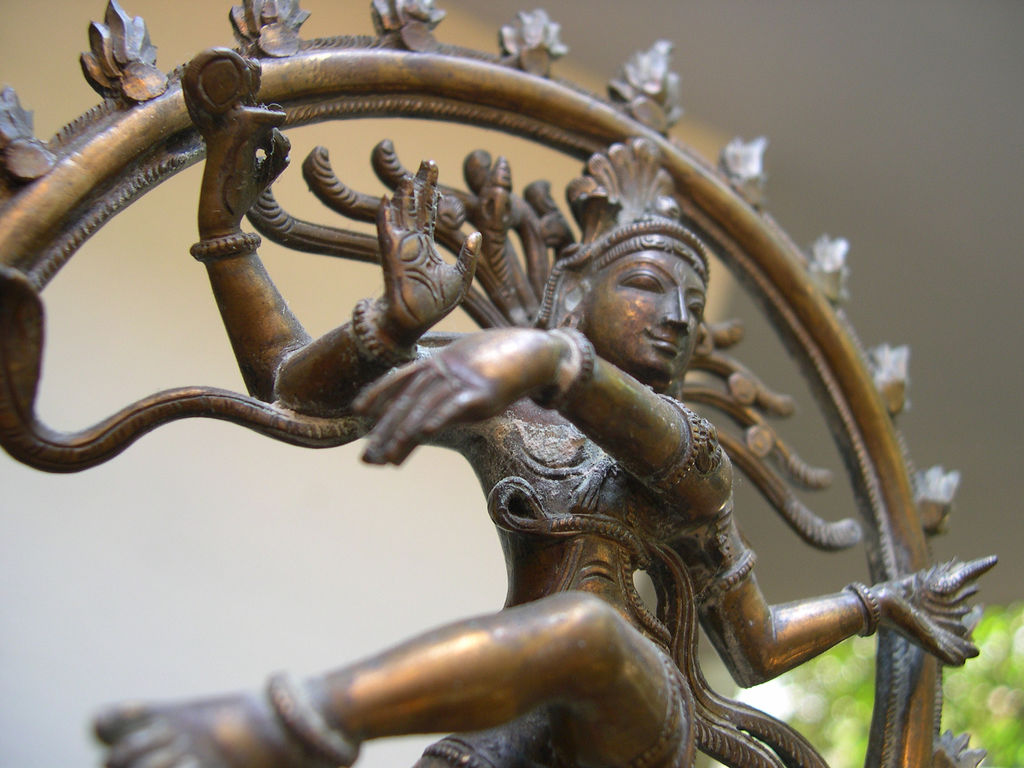
Hatha Yoga Pradipika – Four best asanas according to Shiva Four best asanas among eighty four taught by Shiva Chaturasityasanani sivena kathitani vai / Tebhyas chatushkam adaya sarabhutam bravimyaham//(Chapter -1, Verse -33) Among all the eighty-four Asanas were taught by Shiva. Out of those ‘I’ shall now describe the four important Asanas. (Chapter -1, Verse-33) #200 hour Yoga teacher training certificate course in Bangalore Siddham padmam tatha simham bhadram veti chatushtayam/ Sreshtham tatrapi cha sukhe tishthetsiddhasane sada//(Chapter -1, Verse-34) Siddhasana, padmasana, simhasana and bhadrasana, these are the four essential Asanas. Always sit comfortably in Siddhasana because it is the bestamong all the asanas. (Chapter -1, Verse-34) #200 hour Yoga teacher training certificate course in Bangalore (1). Siddhasana (Adept’s Pose) Yonisthanakam angghrimulaghatitam Krtva drdham vinyaset / Mendhre padam athaikameva hrdaye Krtva hanum susthiram // Sthanuh samyamitendriyoa chaladrsa pasyed bhruvor antaram/ Hyetan mokshakapatabhedajanakam Siddhasanam prochyate//(Chapter -1, Verse -35) #200 hour Yoga teacher training certificate course in Bangalore Press the perineum with the heel of one foot, place the other foot on top of the genitals. Having done this, rest the chin on to the chest. Remaining still and steady, with the senses controlled, gaze steadily into the eyebrow center; it breaks open the door to liberation. This is called siddhasana. (Chapter -1, Verse -35). #200 hour Yoga teacher training certificate course in Bangalore (2). Padmasana (lotus pose) Vamorupari dakshinam cha charanam Samsthapya vamam tatha / Dakshorupari paschimena vidhina Dhrtva karabhyam drdham // Angghushthau hrdaye nidhaya Chibukam nasaghramalokayet / Etadvyadhivinasakari yaminam Padmasanam prochyate//(Chapter -1, Verse 44) Place the right foot on the left thigh and the left foot on the right thigh, cross the hands behind the back and firmly hold the toes. Press the chin against the chest and look at the tip of the nose. This is called padmasana, the destroyer of a yogi’s diseases. (Chapter -1, Verse- 44). Uttanau charanau krtva urusamsthau prayatnatah / Urumadhye tathottanau pani krtva tato drsau//(Chapter -1, Verse-45) Place the feet on the thighs, soles upward, palms in the middle of the groin, facing upward. (Chapter -1, Verse-45). Nasaghre vinyasedrajadantamule tu jihvaya/ Uttambhya chibukam vakshasyutthapy pavanam sanaih//(Chapter -1, Verse-46) Gaze at the nose tip, keeping the tongue pressed against the root of the upper teeth and the chin against the chest, and slowly raise the prana upward. (Chapter -1, Verse-46) Idam padmasanam proktam sarvavyadhivinasanam/ Durlabham yena kenapi dhimata labhyate bhuvi//(Chapter -1, Verse-47) This is called padmasana, destroyer of all diseases. Ordinary people cannot achieve this posture, only the few wise ones on this earth can do. (Chapter -1, Verse -47) (3). Simhasana (lion’s pose) Ghulphau cha vrshanasyadhah Sivantyah parsvayoh kshipet/ Dakshine savyaghulpham tu Dakshaghulpham tu savyake//(Chapter -1, Verse-50). Place the ankles below the scrotum, right ankle on the left side, left ankle on the right side of the perineum. (Chapter -1,Verse-50). Hastau tu janvoh samsthapya Svangghulih samprasarya cha / Vyattavaktro niriksheta nasaghram susamahitah// (Chapter -1, Verse-51). Place the palms on the knees, fingers spread apart, keep the mouth open and gaze at the nose tip with a concentrated mind.(Chapter -1, Verse-51). #200 hour Yoga teacher training certificate course in Bangalore Simhasanam bhavedetatpujitam yoghipungghavaih / Bandhatritayasandhanam kurute chasanottamam//(Chapter -1, Verse-52). This is simhasana, held in great esteem by the highest yogis. This most excellent asana facilitates the three bandhas. (Chapter -1, Verse-52). (4). Bhadrasana (gracious pose) Ghulphau cha vrshanasyadhah Sivantyah parsvayoh kshipet / Savyaghulpham tatha savye Dakshaghulpham tu dakshine // Parsvapadau cha panibhyam Drdham baddhva sunischalam / Bhadrasanam bhavedetatsarvavyadhivinasanam //(Chapter -1, Verse- 53). #200 hour Yoga teacher training certificate course in Bangalore Place the ankles below the genitals on the sides by the perineum, left ankle on the left (side) right ankle on the right (side).(Chapter -1, Verse- 53). Ghorakshasanamityahuridam vai siddhayoghinah/ Evamasanabandheshu yogindro vighatasramah // Abhyasennadikasuddhim mudradipavanakriyam/(Chapter -1, Verse-54). Then hold the feet, which are on their sides, firmly with the hands and remain motionless. This is bhadrasana which destroys all diseases. The yogis who are perfected (siddhas) call it gorakshasana. (Chapter -1, Verse-54). #Yoga course Bangalore
Hatha Yoga Pradipika – Asanas according to Vashishtha & Matsyendranath
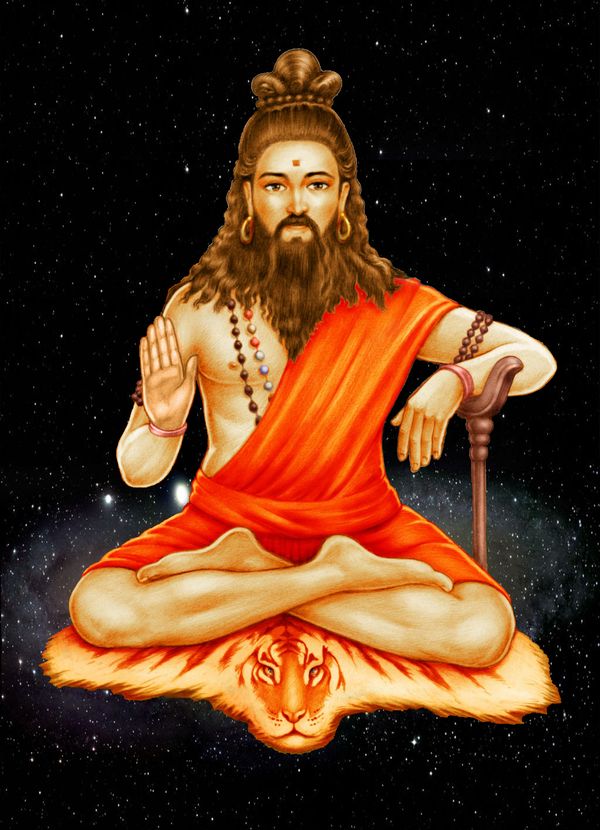
Hatha Yoga Pradipika – Asanas according to Vashishtha & Matsyendranath Vasishthadyais cha munibhir matsyendradyais cha yogibhih/ angikrtanyasanani kathyante kanichin maya//(Chapter -1, Verse 18). I will proceed to explain some of the Asana accepted by adept munis like Vashishtha and Yogis such as Matsyendranath. (Chapter -1, Verse 18). #200 hour Yoga teacher training certificate course in Bangalore (1). Swastikasana (auspicious pose) Janurvor antare samyak krtva padatale ubhe / Rjukayah samasinah svastikam tat prachakshate//(Chapter -1, Verse 19). Placing both soles of the feet on the inner side of the thighs, sitting equipoised with a straight body. This is called swastikasana). (Chapter -1, Verse 19). (2). Gomukhasana (Cow’s Face Pose) Savye dakshinaghulpham tu prshthaparsve niyojayet / Dakshineapi tatha savyam ghomukham ghomukhakrtih//(Chapter -1, Verse 20). Place the right ankle next to the left buttock and the left ankle next to the right buttock. This is gomukhasana and it looklike the face of the cow. (Chapter -1, Verse 20). (3). Veerasana (Hero’s Pose) Ekam padam tathaikasmin vinyased uruni sthiram / Itarasmims tatha chorum virasanam itiritam//(Chapter -1, Verse 21). Placing one foot by the opposite thigh and the other foot under the same thigh, its called as veerasana. (Chapter -1, Verse 21). (4). Koormasana (Tortoise Pose) Ghudam nirudhya ghulphabhyam vyutkramena samahitah/ Kurmasanam bhavedetaditi yogavido viduh//(Chapter -1, Verse 22). Press the anus firmly with the ankles in the opposite direction and sit well-poised. According to the Yogis this is called as Koormasana. (Chapter -1, Verse 22). (5). Kukkutasana (Cockerel Pose) Padmasanam tu samsthapya janurvorantare karau / Nivesya bhumau samsthapya vyomastham kukkutasanam//(Chapter -1, Verse 23). By adopting Padmasana, insert the hands between the thighs and calves, planting them the hands firmly on the ground; raise the body in the air. This is called as Kukkutasana. (Chapter -1, Verse 23). (6). Uttan Koormasana (Stretching Tortoise Pose) Kukkutasanabandhastho dorbhyam sambadya kandharam/ Bhaved kurmavad uttana etad uttanakurmakam//(Chapter -1, Verse 24). By adopting Kukkutasana, unite both the hands at the shoulders and lie flat on the back like a tortoise. This is called as Uttankoormasana. (Chapter -1, Verse 24). (7). Dhanurasana (Bow Pose) Padanghushthau tu panibhyam ghrhitva sravanavadhi / Dhanurakarshanam kuryad dhanurasanam uchyate//(Chapter -1, Verse 25). Holding the toes with the hands, pull them up to the ears as if drawing a bow. This is called Dhanurasana. (Chapter -1, Verse 25). (8). Matsyendrasana (Spinal Twist Pose) Vamoru mularpitadakshapadam Janor bahir veshtitavamapadam/ Praghrhya tishthet parivartitangghah srimatysanathoditam asanam syat//(Chapter -1, Verse 26). Place the right foot at the base of the left thigh, the left foot at the side of the right knee. Take hold of the left foot with the right hand, pass the left arm behind the waist and remain with the body turned. This asana is explained by Sri Matsyendranath. (Chapter -1, Verse 26). Matsyendrapitham jatharapradiptim Prachandarughmandalakhandanastram/ Abhyasatah kundaliniprabodham Chandrasthiratvam cha dadati pumsam//(Chapter -1, Verse 27). Practice of this asana Matsyendrasana increases the digestive fire to such an incredible capacity, this will eradicate all stomach diseases and thus awakening the serpent power and bringing equilibrium in the Bindu. (Chapter -1, Verse 27). (9). Paschimottanasana (Back Stretching Pose) Prasarya padau bhuvi dandarupau Dorbhyam padaghradvitayam ghrhitva/ Januparinyastalalatadeso Vasedidam paschimatanamahuh.// (Chapter -1, Verse 28). Stretching the legs in front on the ground, like a stick; bending forward, holding the toes with both hands and placing the forehead on the knees, is known as Paschimottanasana. (Chapter -1, Verse 28). Paschimottanasana Iti paschimatanamasanaghryam Pavanam paschimavahinam karoti/ Udayam jatharanalasya kuryad Udare karsyamaroghatam cha pumsam//(Chapter -1, Verse 29). Paschimottanasana is the best among asanas. By this asana the pranic currents rise through sushumna, the digestive fire stimulates, the abdomen becomes flat, and the practitioner becomes free from all kind of diseases. (Chapter -1, Verse 29). (10). Mayurasana (Peacock Pose) Dharam avashtabhya karadvayena Tatkurparasthapitanabhiparsvah/ Uchchasano dandavad utthitah san Mayuram etat pravadanti pitham//(Chapter -1, Verse 30). Lie down on the stomach, placing both hands on the ground under the body and place the elbows at the sides of the navel. Raise the body high, keeping it like a stick. This is called peacock pose by the expert Yogis. (Chapter -1, Verse 30). Harati sakalaroghanasu ghulmodaradin Abhibhavati cha doshanasanam srimayuram/ Bahu kadasanabhuktam bhasma kuryadasesham Janayati // jatharaghnim jarayetkalakutam/(Chapter -1, Verse 31). Mayurasana quickly alleviates all diseases like enlargement of the glands, dropsy and other stomach disorders. It rectifies imbalance of the humors (vata, pitta, kapha). It reduces to ashes all food taken indiscriminately, kindles the gastric fire and enables destruction of deadly poison). (Chapter -1, Verse 31). (11). Shavasana (Corpse Pose) Uttanam sabavad bhumau sayanam tat savasanam/ Savasanam srantiharam chittavisrantikarakam//(Chapter -1, Verse 32). Lying flat on the ground with the face upwards, in the manner of a dead body, is savasana. It removes tiredness and enables the mind-body complex to relax deeply. (Chapter -1, Verse 32).
Hatha Yoga Pradipika – Causes of success in sadhana

Hatha Yoga Pradipika – Causes of success in sadhana Utsahat sahasad dhairyat tattvajnanas cha nischayat/ Janasangghaparityaghat shadbhir yogah prasiddhyati// (Chapter -1, Verse -16). Enthusiasm, perseverance, discrimination, strong faith, courage, avoiding the company of common people, are the (six causes) which bring success in Hatha Yoga. (Chapter -1, Verse – 16). #200 hour Yoga teacher training certificate course in Bangalore
Hatha Yoga Pradipika –Causes of failure in Sadhana

Causes of failure in sadhana- Overeating, exertion, talkativeness, adhering to rules, company of common people and wavering mind Atyaharah prayasascha prajalpo niyamaghrahah/ janasangascha laulyam cha shadbhiryogo vinasyati//(Chapter -1, Verse -15). Overeating, exerting physically & mentaly, talking too much, adhering to rules, being in the company of common people and unstable mind are the six (causes) which destroy yoga. (Chapter -1, Verse -15). #200 hour Yoga teacher training certificate course in Bangalore
Hatha Yoga Pradipika – Practice Yoga without mental tension
Practice of sadhana devoid of mental tension, according to guru’s instruction Evam vidhe mathe sthitva sarvachintavivarjitah / ghurupadishtamargena yogameva samabhyaset // (Chapter -1, Verse -14) In this way, dwelling in the hermitage, being devoid of all mental tensio ,Hatha Yoga should be practiced in the way instructed by the Guru. (Chapter -1, Verse -14). #50/100/200/300/500 hr Yoga teacher training certificate course Bangalore
Hatha Yoga Pradipika – Place for Yoga practice
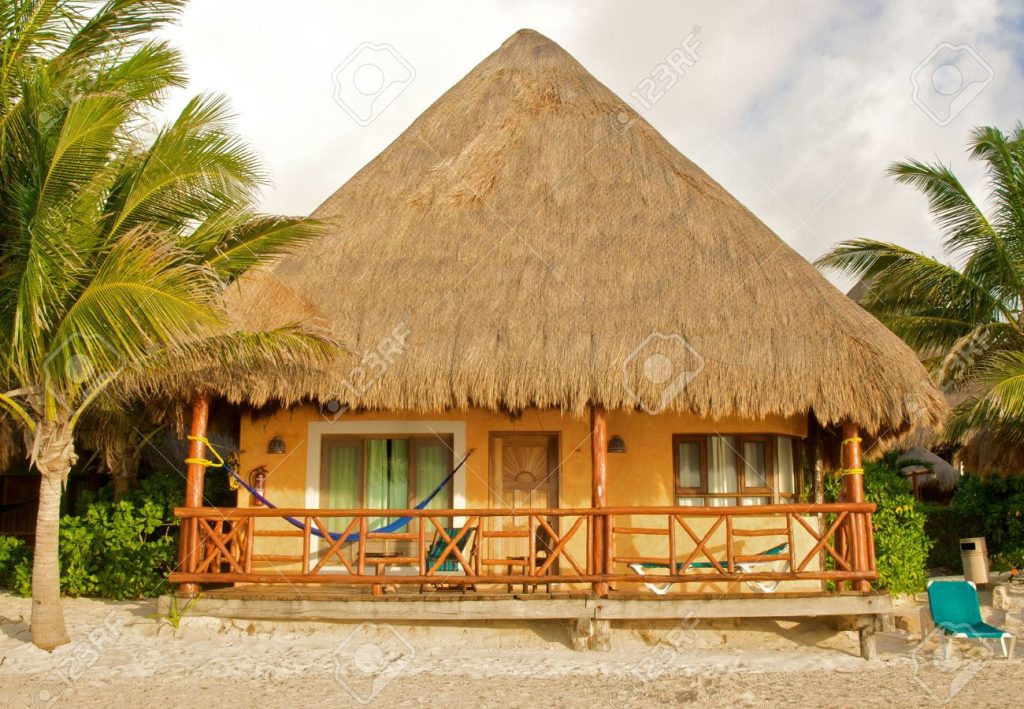
Hatha Yoga Pradipika – Place for Yoga practice Surajye dharmike dese subhikshe nirupadrave / dhanuh pramanaparyantam silagnijalavarjite / Ekante mathikamadhye sthatavyam hathayogina // (Chapter -1, Verse- 12). The Hatha Yoga practitioner should live alone in a hermitage and practice in a place the length of a bow (one and a half meters), where there is no hazard from rocks, fire or water, and which is in a well-administered and virtuous kingdom (nation or town) where good alms can be easily attained, without any dificulties. (Chapter -1, Verse – 12). Alpadvaram arandhragartavivaram atyuchchanichayatam/ Samyaggomayasandraliptam amalam nihsesajantujjhitam / Bahye mandapavedikuparuchiram prakarasamveshtitam / proktam yogamathasya lakshanam idam siddhair hathabhyasibhih // (Chapter -1, Verse – 13). Hatha Yoga hermitage as prescribed by the siddhas for the Hatha Yoga practitioners. The room for spiritual practice should have a small door, without any aperture (window), holes or cracks, being neither too high nor too low. It should be spotlessly clean, wiped with cow dung and free from animals or insects. Outside, there should be an open platform with a thatched roof, a well and a surrounding wall (fence). The appearance of the hermitage should be pleasant auspicious. (Chapter -1, Verse -13). #50/100/200/300/500 hr Yoga teacher training certificate course Bangalore
Hatha Yoga Pradipika – Sadhana should be kept secret for success

Hatha Yoga Pradipika – Sadhana should be kept secret for success Hathavidya param gopya yogina siddhimichchata / bhavedviryavati gupta nirvirya tu praksita // (Chapter -1, Verse – 11). Hatha yoga practice is the greatest secret of the yogis who wish to achieve perfection (siddhi). Indeed, to be fruitful, it must be kept secret; revealed it becomes powerless. (Chapter -1,Verse – 11). #50/100/200/300/500 hr Yoga teacher training certificate course Bangalore
Hatha Yoga Pradipika – Three types of Pain or tapas(Yoga teacher training course in India)

Three types of Pain or tapas (adhyatmik – spiritual, adhidevik – environmental and adhibhautik – physical). Aseshatapataptanam samasrayamatho hathah / aseshayogayuktanamadharakamatho hathah // (Chapter -1, Verse -10). For those continually tempered by the heat of tapas or austerities (the three types of pain – spiritual, environmental and physical) Hatha Yoga is like the hermitage giving protection from the heat. (Chapter -1, Verse -10). #50/100/200/300/500 hr Yoga teacher training certificate course Bangalore
Hatha Yoga Pradipika – Aim of Hatha Yoga
Hatha Yoga Pradipika – Aim of Hatha Yoga Pranamya srighurum natham svatmaramena yogina / kevalam rajayogaya hathavidyopadisyate //(Chapter -1, Verse -2). Prostrating first to the guru lord Shiva, Yogi Swatmarama instructs the knowledge of Hatha Yoga only, for those who aspiring (raja yoga) the highest state of yoga. (Chapter -1, Verse -2). Bhrantya bahumatadhvante rajayogamajanatam / hathapradipikam dhatte svatmaramah krpakarah // (Chapter -1, Verse -3). The highest state of raja yoga is obscure due to misconceptions (darkness) created by varying ideas and concepts. In good will and as a blessing, Swatmarama gives light on hatha yoga. (Chapter -1, Verse -3). #50/100/200/300/500 hr Yoga teacher training certificate course Bangalore
Patanjali Yoga Sutra – Samadhi Pada – Fruits of Meditation(1.40)
Patanjali Yoga Sutra – Samadhi Pada – Fruits of Meditation(1.40) Fruits of Meditation 1.40. Paramanu-paramamahattvanto’sya vasikarah| Paramanu-ultimate atom Paramamahattva- ultimately largeness Antah-ending Asya-of this Vasikarah-mastery So the yogi is given mastery over all objects for meditation ranging from the smallest atom to the infinitely large.