
Qualification to practice Sivananda Surya Namaskar, and its modification method.
Qualification to practice Sivananda Surya Namaskar, and its modification method. The practice Sivananda Suryanamaskara should not be done by people who have moderate-severe back pain, severe knee pain, heart/ cardiac-related issues, high blood pressure, arthritis, and it should also not be practiced during pregnancy. Also, people with neurological disorders like epilepsy should avoid this practice. Modifications: During the Padhastasna, the beginners can bend as far down as possible, don’t necessarily have to touch their hands to the mat. People with mild knee pain can bend their knees in the position. For the Ashwa Sanchalanasna, the beginners while going back can rest their knee on the mat and ankle tucked in, however, slowly trying to do the normal variation as this modification can put more pressure on the knees For the Parvatasana, the knees can be bent for people who are not able to align their entire foot on the mat, also applicable for beginners. Courtesy To: Shrutika Mishra , RYT – 200 Hour
Enquiring and assessing new students based on Pancha Kosa’s theory.
Enquiring and assessing new students based on Pancha Kosa’s theory. Medical History – Present or past illnesses, surgeries (major and minor), physical pain, etc. Family History – Illnesses in the family Diet – the type of diet the student consumes Lifestyle – sleep duration, quality. Whether or not they do any form of physical activity if they have practiced yoga in the past. How much they practice etc. Psychological History – the presence of any psychological distress or disorder. History of mental health issues in the family The rest of the assessment should be done via observation this includes observing the skills of the students, their physical ability and limits, their concentration, etc. Courtesy To: Shrutika Mishra, RYT – 200 Hour
Pancha Kosa and its each layer yogic practices application.
Pancha Kosa and its each layer yogic practices application. Taittriya Upanishad covers the Pancha Kosa or known as the Five Sheathes. The Pancha Koshas are the layers of self or the atman. According to this Upanishad, there are five layers of the consciousness of the Atman. First, Annamaya Kosa, the matter. Anna translates to the word matter. Everything in the world, including self, is made up of matter. The matter is anything that occupies space and has a mass. In Annamaya Kosa, the five elements that form the Anna are Prithvi – earth, Jal – water, Agni – fire, Vayu – wind, and Akash – space. In the practice of yoga, the application of Annamaya kosha is seen in asanas, it helps bring flexibility in the body, build strength and balance, create relief and relaxation, and finally provide physical and physiological fitness. Second, Pranamaya Kosa, the vital energy. In human beings, the Prana is manifested in the breath. Prana regulates one’s life energy and controls external energy. The Prana is also responsible for maintaining the Annamaya Kosa, as the energy needs to each cell of the body for them to function effectively. The Pranas, in the human body, flows through Nadis, this flow different motions. There are 5 major or Mukhya Pranas: Udana – responsible for all the upward motions, Upana – for all the downward motion, Samana – responsible for digestive movements, Prana- responsible for breathing movement, and Vyana – responsible for the circulation of blood all over the body. The application of Pranamaya Kosa is through various forms of Pranayama which help in facilitating and improving the movement of prana in all the Nadis. Through control of prana, one can attain control over the mind as well. Third, Manomaya Kosa, the mind consists of perception (Manah), memory (Chittah), and ego (Ahankara). They form the psychological traits of an individual and influence how one responds to the sensations or the stimulus from their environment. The application of Manomaya Kosa is through the practice of Trataka Kriya and meditation. Fourth, Vignanamaya Kosa, is the intellect or Buddhi, conscience guiding morality and ethics of living. Buddhi is constantly guiding Manamaya Kosa and also forms the basis for human intuition and basic instincts. The application of Vignanamaya Kosa is done through meditation, learning from yogic scriptures, and counseling. Fifth, Anandamaya Kosa, is the bliss of Moksha where the self has found the final truth. It is a state of silence and harmony, where the self becomes devoid of emotions and bonds. It is the Samadhi final stage of the yogic practice. Courtesy To: Shrutika Mishra, RYT – 200 Hour
Importance of studying anatomy in hatha yoga application
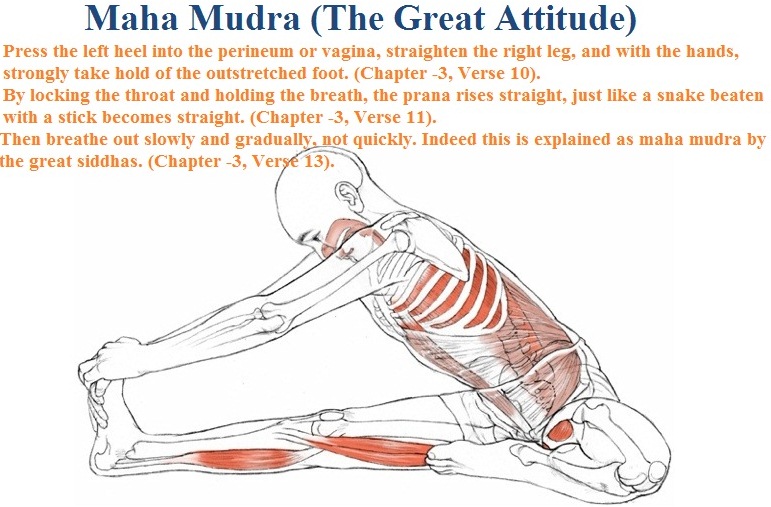
Importance of studying anatomy in hatha yoga application Anatomy: Anatomy is the study of the structure of an organism. This involves the understanding of appearance, structure, location, organization of the various parts of the organism. Importance of studying anatomy in yoga: In Ashtanga Yoga, the practice of asanas and pranayama engages the entire body and physiological processes. They understand the right way to perform an asana the structure is needed to be clear which requires the understanding of bone and muscle alignment. An understanding of anatomy also gives the individual the efficiency to analyze the practice to create effective movement patterns. This effective practice will further aid and prevent the body from possible injuries. Furthermore, knowing one’s body helps in understanding one’s body better, bringing the focus of one’s awareness to the area of the body which requires more attention. In summary, it helps in being more tuned to one’s own body. In pranayama practice, anatomy helps in understanding the movement of prana (breath) within the body. Understanding where the breath is traveling during different pranayama practices. For example, the movement of the abdomen during abdomen breathing and movement of ribs/ chest during thoracic breathing. It facilitates the focus needed during pranayama. Physiology: It is the study of the process of living organisms. Study of how the organism functions. Cell: It is the smallest unit responsible for all life’s processes. Systems in the Human Body: Locomotor System Blood Vascular System Digestive System Respiratory System Ductless System Urogenital System Nervous System Special Sense Organ System Excretory System Locomotor System: It consists of parts of the body responsible for movement including the skeletal system, bones, cartilages, ligaments, muscular system, etc. Blood Vascular System: It is the lymphatic or circulatory system, it consists of the heart, arteries, and veins. It is responsible for the circulation of nutrients, blood, oxygen, etc to various parts of the body. It is also responsible for removing waste from the blood and the lymph, it is responsible for fighting diseases and hence is important for immunity. Respiratory System: It is a network of organs and tissues that function together to exchange oxygen and carbon dioxide. Releasing carbon dioxide and In taking oxygen. It consists of the nose, nasal cavity, pharynx, larynx, trachea, bronchi, bronchioles, and lungs. Nervous System: It is a complex network of the brain, spinal cord, nerves, neurons, and other non- neuron cells and sensory receptors that are responsible for several functions including perception, sensation, movement, thinking, formation of memories, emotions, etc. Courtesy To: Shrutika Mishra, RYT – 200 Hour
PRANAYAMA AND PSYCHOSOMATIC DISORDERS
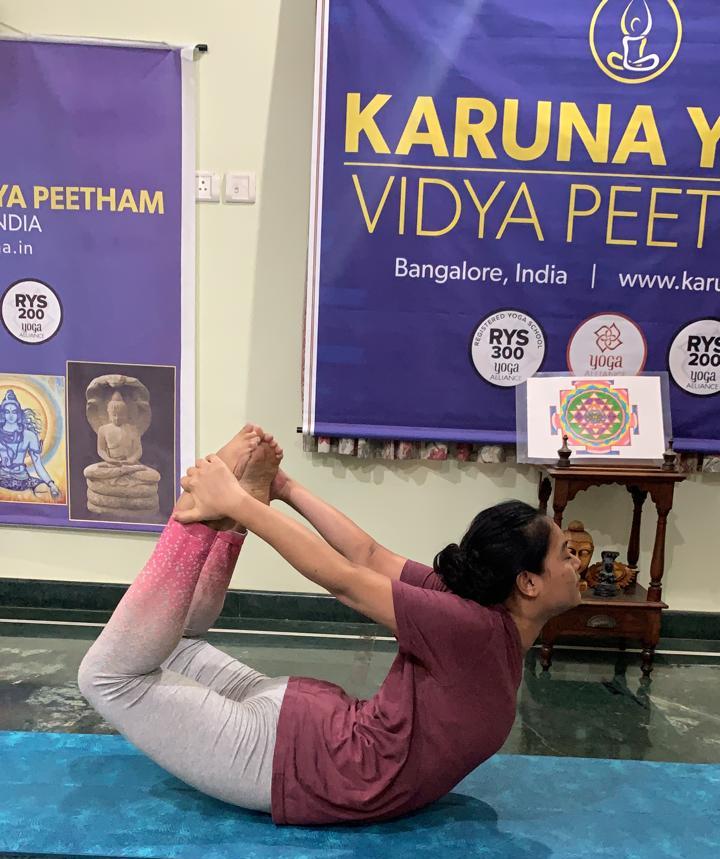
PRANAYAMA AND PSYCHOSOMATIC DISORDERS Psychosomatic Disorders are conditions involving the occurrence of physical symptoms without an actual physical source. For example Pain Disorder, Hypochondriasis, Conversion disorder, Somatization disorder, etc. In each of these disorders, there is the presence of physical symptoms however they are manifested physically due to the disturbance of the mind. These issues are also seen in medical conditions like PCOS, gastrointestinal disturbances, migraine and tension headaches, pelvic pain, impotence, frigidity, dermatitis, and ulcers. Hence, these physical symptoms are manifestations of a disturbed mind. Pranayama is a practice of gaining control over one’s breathing. Through the practice of Pranayama, one can regulate or gain mastery over the Pranayama Kosha. By having control over one’s Vital Energy, one can also gain control over the Annamaya Kosha and Manomaya Kosha. Annamaya Kosha is where the body exhibits the physical manifestations. Through controlled breathing such as yogic breathing, the human body activates the parasympathetic nervous system which is vital for restoring equilibrium in the body. It directly affects the Annamaya Kosha as well as the 5 major pranas (Prana, Apana, Udana, Vyana and Samana). The movement of energy in the body is in control of the individual through the practice of pranayama. By focusing this energy on different pranas brings different benefits eventually leading to a more settled physiological process. Furthermore, when an individual is faced with stress their breathing gets disrupted leading to disruptions in the flow of energy in pranas. Through pranayama, the breathing is controlled, and the flow of energy is directed in an adequate way. Finally, the mastery of Pranayama Kosha leads to strengthening the Manomaya Kosha. The disruptions of the mind, memories, perspective, and intellect. Pranayama helps in grounding and centering one’s attention and awareness to breathing. Momentarily, if the individual is mindful, the disruptions can reduce. This reduction in the fluctuations or disruptions can further weaken the possibility of physical manifestation of stress. Gradually, as the individual gains more and more control over this, and becomes more mindful, the vulnerability reduces even further. Courtesy To: Shrutika Mishra, RYT – 200 Hour
FULL YOGIC BREATHING AND ITS BENEFITS
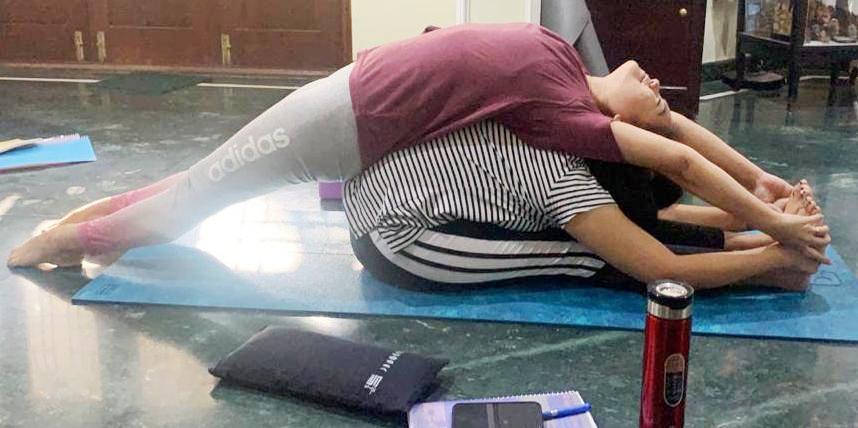
FULL YOGIC BREATHING AND ITS BENEFITS Full Yogic Breathing is a conscious practice of breathing used in Pranayama which utilizes conscious breathing from three areas of the body: abdomen, thoracic, and clavicle. The process is inhaling deeply first into the abdomen, then filling the lungs, and finally the clavicle region. While exhaling, the air is released first from the clavicle region, the lungs, and then finally the abdomen. The yogic breathing is beneficial in awakening the Pranayama Kosha or the life force energy (prana). It activates the Parasympathetic nervous system boosting the rest and the digestion of the body, it helps in conserving and building energy and regulating bodily functions activated during the activation of the Parasympathetic Nervous System. Hence, it helps in stimulating digestion, metabolism, regulating the heart rate and blood pressure. There is an increased intake of oxygen because of yogic breathing, improving the quality of breathing and strengthening lung capacity. As it helps in improving the functioning of the Parasympathetic Nervous System, yogic breathing also helps in improving various aspects of mental health. It helps in reducing stress levels and physiological stress arousal, it also helps with gaining control over breathing which is helpful at moments of anxiety and panic. Furthermore, by regulating the breathing through yogic breathing the sleep is also positively affected improving the quality of sleep. The practice of yogic breathing is helpful in regulating any type of physiological arousal allowing the individual to reserve back to equilibrium. Finally, it is also vital for improving mindfulness. Courtesy To: Shrutika Mishra, RYT – 200 Hour
Sun (surya) salutations (Namaskara): Contraindication

Sun (surya) salutations (Namaskara): Contraindication/Precaution/Limitation All styles of Surya Namaskar (Sun Salutation) including Ashtanga A & B and Chandra Namaskar (Moon Salutation) is a sequence of poses done with the flow of energy, proper breathing, and this requires a certain physical strength especially for beginners. Hence, these sequences do have their limitations and should not be performed if one is suffering from certain ailments. In these yoga poses, the muscles are put into work continuously, so it is better to do with good guidance. Below are some of the contraindications of these sequences. Bodily Weakness: Care should be taken if one has general body or muscle and bone weakness. Or continuous practice flow can cause damage to the feeble body parts. Back pain: The spine expands and contracts to put pressure on the lower back and hip. Hence someone with a back issue or injured back should certainly avoid this even if one has practiced this for It is essential to take a yoga teacher’s guidance or start again slowly. Once the yoga practitioner has recovered from the back ailment or injury he/she can continue their practice. Pregnant Women: Not advisable to be done by pregnant women as this puts pressure on the back and the abdominal area. High Blood Pressure: People suffering from high blood pressure should avoid this sequence. But with proper guidance from a yoga teacher and for someone not elderly can begin this yoga pose slowly and carefully. Heart Problem: Someone with a heart issue is advised to consult a physician before practicing these asanas sequences. Remember that the age factor does play a big role for someone with heart Old people must completely avoid the practice. Arthritis: Knee strength plays an important role in the various postures in Surya Namaskar. So someone who has severe arthritis leading to knee stiffness, should take it slow or avoid this sequence. Wrist Injury: Injury at the wrist will make the sequence difficult as pressure on the wrists in poses like Cobra Pose, Adho Mukha Svanasana, and going down to Eight Limb Pose would cause more stress and injury to the wrists. Thus to conclude, someone who is new to yoga and has one or more of the above ailments needs proper guidance from a yoga teacher or someone who is experienced in yoga after consultation from a physician. One needs to work on the Sun Salutation sequence intelligently while keeping the impact on the muscles in mind at each pose. Courtesy To: Ananya Kasiraj, RYT – 200 Hrs (student assignment)
Pancha Koshas and its application of yogic techniques in each layer
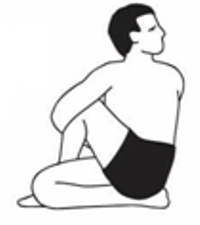
Pancha Koshas and its application of yogic techniques in each layer As humans, we define our identity and personality traits on the basis of physical, mental, and spiritual aspects. However, “The Pancha Kosha” theory from the Taittiriya Upanishad clearly explains the five layers of false identities namely, Annamaya Kosha (physical body), Pranamaya Kosha (vital life force), Manomaya Kosha (mind with emotions, feelings, etc), Vijnanamaya Kosha (intellect, ego, etc) and Anandamaya Kosha (bliss, total ignorance). Due to ignorance, we wrongly conclude one or more of these 5 layers to be our true self, leading to the root cause of all human suffering. There are a set of yogic practices which can help us transcend these 5 koshas (layers of false identities). Let’s discuss each kosha and the yogic practices applicable to each layer. Annamaya Kosha: “ Anna” means food and Annamaya Kosha means “ the sheath containing food” is the physical body consisting of blood, flesh, bones, fat, and eating and drinking to sustain the body. The one who understands him/herself within this kosha would define themselves as the physical body and undergo sufferings related to the body. In order for one to keep their body healthy and to make them realize that their body is just merely a vessel containing their true self, he/she must do the practice of yoga asanas or physical workout. Consistent and sincere asana practice helps us relate our body with the other aspects of the Pancha Koshas. Pranamaya kosha: The pranamaya kosha is the life force energy (prana) within the annamaya kosha but it is also related to the aura, it is not simply contained within the physical body – because our aura expands out beyond the body. The prana is then said to be subdivided into various forms called the vayus. They are prana, apana, samana, udana and vyana and according to prana moves via the nadis (energy pathways) to the chakras (spinning energy centers that collect, transform and distribute the energy), and these energy channels are linked to our sense of breath and stimulus in our nervous system. One might think they are the prana, but that’s not the case. For those identifying themself as the energy of life force, they must do the practice of pranayama or breathing exercise. Awareness while breathing increases our lung capacity and helps us calm down nerve impulses. After this practice, we might feel a sense of euphoria, a feeling that nothing is hurting us, and a deepened sense of stillness. This is our prana. However, it does not stop here, we observe that something called the mind is connected to this layer which has to be dealt with. Prana is just another layer of ignorance we must pass through to find our true nature. Manomaya Kosha: The mind sheath manomaya kosha is made up of a collection of thoughts and emotions. Those who think they are actually the mind, undergo suffering caused by unstable thoughts. The mind is like a playful child always running around, it needs to be disciplined by its parents. Similarly, we need to make our minds come to focus on the present moment. The complete set of practices of yoga asana, pranayama, and meditation all together must be practiced to discipline our minds. Mental suffering can end up affecting the prana and the physical body. Hence, this holistic approach can help control the mind through the mastery of the body and the vital life force. Most importantly meditation works effectively to connect with our mind and practice “the observation of thoughts and emotions” from an eagle’s point of view. We will find out that no thoughts or feelings can truly cause us any harm. In doing so we see that our true self is in fact something beyond the mind. Vigyanamaya Kosha: The 4th layer Vigyanamaya kosha is also known as the ego or the intellect. There is always this voice behind our emotions trying to tell us the right actions we must take. The intellect or consciousness thinks logically devoid of emotions and unstable thoughts. Yet those who identify themselves as the intellect become very overconfident and egoistic leading them to suffer. For such people, they need to practice spirituality and read valuable scriptures like the Bhagavad Gita. By gaining the right knowledge they can become humble and transcend out from a life of suffering. Anandamaya kosha: Ananda means happiness, bliss, or total ignorance. The ultimate goal for our Atma (soul or true self) is to reach the level of anandamaya kosha before attaining samadhi. Those who have figured out the existence of anandamaya kosha are also called realized souls. For such persons live a renounced life, usually in a natural surrounding environment like ashrams. They tend to practice all forms of yoga-like karma yoga, jnana yoga, bhakti yoga, and raja yoga. Such people prefer going on pilgrimages or calming recreational trips like hiking, to appreciate all the small things the world has provided us with. Pancha koshas are the 5 layers of ignorance, one has to work on separating themselves from adapting to the illusion of having these koshas as our true identity. Consistent yogic practices have proven to be the best approach to transcend out of these layers and lead a life devoid of much suffering and help us become free from our karma or the unexpected external circumstances. These practices ultimately pave the way towards nirvana or the state of samadhi. Courtesy To: Ananya Kasiraj, RYT – 200 Hrs (student assignment)
Querying new yoga students and assess on basis of the Pancha (five) kosha (layer) theory
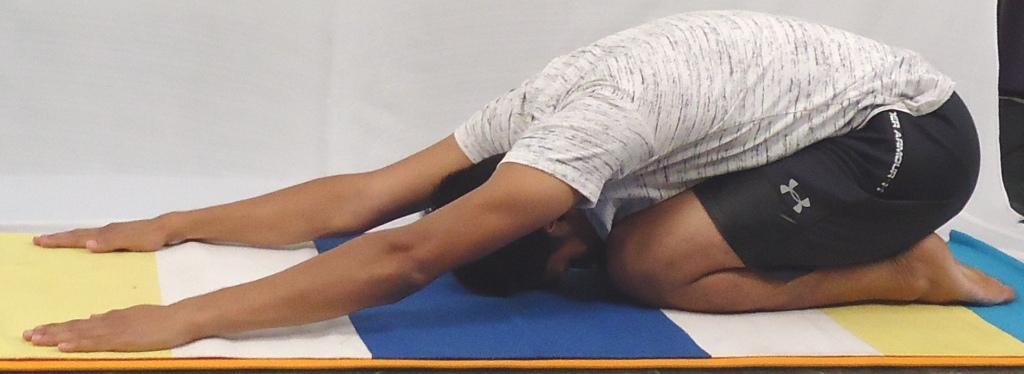
Querying new yoga students and assess on basis of the Pancha (five) kosha (layer) theory As yoga teachers, we must show care and concern to our students and dutifully assess them according to their comfortability and health condition. Before joining students in the class we must follow the ethics of personally getting to know them a little bit by questioning and observing their overall behavior, body condition, and the quality of lifestyle they follow. Here are some ways to gather the right information from our students based on the Pancha kosha theory. Annamaya kosha (food sheath, physical layer) Just by the observation of one’s physical features and appearance we can identify their bodily strength and flexibility. We can also directly ask them questions regarding their medical history. Based on Annamaya kosha (food sheath, physical layer), we gather information related to the students’ bodily condition only. Also, it’s very important to check up on them from time to time after they begin practicing in class, and ask them” how are u feeling today?”, “do you have any pain at any part of the body?”, etc. We must always tell the students to listen to their body and not strain too much and based on their answers we can design a class that can help them recover from ailments. Pranamaya kosha(vital energy body) Breathing is very important during the practice of yoga asanas, it helps us regulate our vital energy channel or the prana. To assess students based on pranamaya kosha we can simply observe their way of natural breathing. Abdominal or Full yogic breathing shows that a person is in a relaxed and aware full state, while chest and clavicular breathing tells us he/ she is feeling tense or impatient. With this observation we can assess those students who have difficulty in relaxed breathing to practice pranayama, helping them cleanse their energy channels(nadis) and regulate energy through aware full breath. Manomaya kosha (mind) With awareness, everyone can sense their mental calmness and stability. However, some people do not know how to bring stability to their chain of thoughts. While asking students general and friendly questions about their life we can figure out by calmly listening to their reply, as to how much mental stability they have. Students who speak too fast and keep complaining about their problems need help to find mental peace. They need the practice of meditation with asanas and pranayama to support their physique and energy stability. This way we can assess the basis of Manomaya kosha. Vijnanamaya kosha (discern intellectual) There are pious personalities who have transcended beyond the body and mind, they are in the pursuit of ultimate knowledge. Those who identify themselves as the vijnanamaya kosha are inclined more towards spirituality. The best practice for them is jnana yoga, which involves reading scriptures like the Bhagavad Gita and the Upanishads with some chanting and meditation. Anandamaya kosha(bliss level) Finally coming to those who have realized the anandamaya kosha enjoy all the different yogic practices. They tend to see themselves as one with nature and seem to be aware of the present moment. We can suggest such students continue practicing meditation or other practices in a calming outdoor environment go for pilgrimage and other recreational activities. Overall depending on our self-assessment, we can adapt any yogic practice, but the key for liberation from life sufferings depends on the consistency of our practice. As yoga teachers, we are still practitioners, so apart from motivating our students for practice we must maintain our lifelong learning and application of yogic knowledge along with a quality spiritual lifestyle. Courtesy To: Ananya Kasiraj, RYT – 200 Hrs (student assignment)
HATHA YOGA CLASS STUDIO ETIQUETTE
HATHA YOGA CLASS STUDIO ETIQUETTE The word etiquette means the protocol of polite behavior in society or among members of a particular profession or group. A yoga class which is all about focusing on strengthening the mind and body, which is usually practiced in a calm and peaceful environment, requires a code of conduct to maintain discipline among the students as well as the teachers, so that practice and learning can take place efficiently. Let’s discuss some points over keeping up with the right attitude towards attending a yoga class and the kind of behavior the teachers must maintain with their students. The yoga classroom is a tidy, spacious place filled with positive vibrations, that deserves to be treated like a holy sanctuary, the place that helps us heal the mind and body must be respected.. Trainers and practitioners must follow the code of cleanliness in the classroom and must always make sure they enter the hall with clean bare feet (like they do in a temple) and tidy up the place before exiting the class by returning the props back and switching off the lights and fan. Indulgence in physical workout comes with the need for personal hygiene, it’s important to keep our body healthy and clean devoid of internal and external toxins. Students must be encouraged to wash up before the practice of hatha yoga, keep their mats clean, and avoid the usage of cologne, so that their scent doesn’t disturb the class and allows everyone to breathe comfortably. The attire we wear for the practice must be neat and comfortable, and not come off as an unwanted source of distraction. In case a student has turned a blind spot towards following the right protocol of being hygienic, the teachers are suggested to approach them personally and deal with the situation by remaining calm and collected, to explain tem the importance of following classroom ethics. Maintaining punctuality is an important quality of discipline, and as teachers of disciplinary practices we must inform students to be at the studio at least 5 minutes before start time and stay till the end of class. In case some students are running late or they need to leave in between the session, they have to inform the teacher beforehand so that they can be guided in and out of the class without causing any disturbance for the others. When a student comes very late we must assess them separately, allowing them to do either a few warm ups or remain in child pose before coming back up in sync with the group practice. The world is surely a stage where various characters play their role, Hence as teachers we can’t expect everyone we meet to remain patient enough to attend the class silently at all times, so instructing the students to focus on their breathing sound and your verbal cues can slowly help reduce the talkative disturbances in the classroom. At the same time students must be encouraged to politely clear their doubts regarding the subject matter. In case of talkative students causing a disturbance in class, teachers must talk to them in a person slowly asking them to remain silent during the time of practice. It’s also recommended to not keep any attachments with the students, and make sure we don’t indulge into their laments so that we can conserve our mental energy, and not let the class turn into a counseling session. Overall, following these ethics can create a big impact in practicing hatha yoga very well and to bring out optimum and quick results from the focused practice. Courtesy To: Ananya Kasiraj, RYT – 200 Hrs (student assignment)