Best Yoga for High Blood Pressure (Hypertension) – Yoga Benefits & Poses
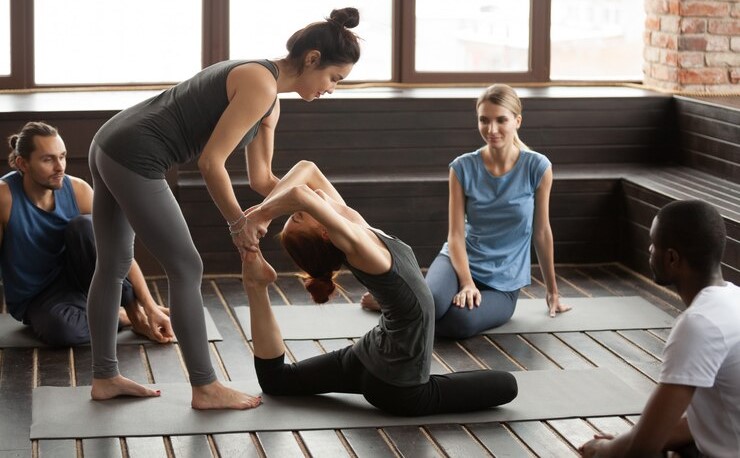
Best Yoga for High Blood Pressure (Hypertension) – Yoga Benefits & Poses High blood pressure (hypertension) is a common health issue that can lead to heart disease, stroke, and other complications. Yoga is a natural and effective way to manage blood pressure by reducing stress, improving circulation, and enhancing overall heart health. How Yoga Helps in Managing High Blood Pressure Reduces Stress & Anxiety→ Lowers cortisol levels, helping to maintain healthy blood pressure. Improves Circulation→ Enhances blood flow, reducing strain on the heart. Regulates Breathing→ Pranayama (breathing exercises) improves oxygen supply and calms the nervous system. Promotes Relaxation→ Restorative poses activate the parasympathetic nervous system, lowering BP. Supports Weight Management→ Aids in maintaining a healthy weight, reducing hypertension risk. Best Yoga Poses for High Blood Pressure 1. Balasana (Child’s Pose) Benefits: Calms the nervous system, reduces stress, and promotes deep breathing.How to Do: Kneel down and sit on your heels. Stretch your arms forward, lowering your forehead to the mat. Breathe deeply and hold for 30 seconds to 1 minute. 2. Sukhasana (Easy Pose) with Deep Breathing Benefits: Encourages relaxation and lowers heart rate.How to Do: Sit cross-legged with a straight spine. Place your hands on your knees and close your eyes. Inhale deeply through your nose, hold for a second, and exhale slowly. Continue for 5–10 minutes. 3. Viparita Karani (Legs-Up-The-Wall Pose) Benefits: Improves circulation, reduces stress, and promotes relaxation.How to Do: Lie on your back and place your legs against a wall. Keep your arms relaxed by your sides. Stay in this position for 5–10 minutes while breathing deeply. 4. Uttanasana (Standing Forward Bend) Benefits: Calms the mind, stretches the spine, and reduces stress.How to Do: Stand with feet hip-width apart. Bend forward from the hips, letting your head hang down. Hold for 30 seconds to 1 minute with gentle breathing. 5. Shavasana (Corpse Pose) Benefits: Deeply relaxes the body and mind, reducing blood pressure naturally.How to Do: Lie flat on your back with arms by your sides. Close your eyes and focus on deep, slow breathing. Stay in this pose for 5–10 minutes. Pranayama (Breathing Techniques) for Hypertension 1. Anulom Vilom (Alternate Nostril Breathing) Benefits: Balances the nervous system and reduces stress.How to Do: Close your right nostril and inhale through the left. Close your left nostril and exhale through the right. Repeat for 5–10 minutes. 2. Bhramari (Humming Bee Breath) Benefits: Calms the mind and lowers blood pressure.How to Do: Inhale deeply, then exhale while making a humming sound. Continue for 5 minutes. Additional Tips for Managing High Blood Pressure ✔ Stay Hydrated – Drink enough water to maintain circulation.✔ Avoid Strenuous Yoga Poses – Skip inversions like Headstands.✔ Practice Regularly – Yoga works best when done consistently.✔ Follow a Healthy Diet – Reduce salt intake and eat a balanced diet.✔ Sleep Well – Good sleep supports heart health and lowers BP. Conclusion Yoga is a natural, side-effect-free way to manage high blood pressure by reducing stress, improving circulation, and calming the nervous system. Gentle yoga poses and breathing exercises help lower BP and enhance overall well-being.
Easy Hand Mudras for Headache and Migraine Relief

Easy Hand Mudras for Headache and Migraine Relief Mudras are simple yet powerful hand gestures that help channel energy flow and restore balance in the body. If you suffer from headaches or migraines, practicing specific mudras can provide quick relief by reducing stress, improving blood circulation, and balancing energy flow. 1️⃣ Mahasirs Mudra (Great Head Mudra) – Best for Headaches & Migraines 🔹 Meaning: “Maha” = Great, “Shirsha” = Head🔹 Effect: Reduces tension, calms the nervous system, and balances the three doshas (Vata, Pitta, and Kapha). How to Do: Sit comfortably with a straight spine. Bring your index, middle, and thumb fingers Touch the ring finger to the base of your thumb. Extend the little finger outward. Rest your hands on your knees, palms facing up. Hold for 5–15 minutes, breathing deeply. ✅ Benefits:✔️ Relieves headaches and migraines✔️ Releases stress, tension, and anxiety✔️ Improves mental clarity and relaxation 2️⃣ Prana Mudra – Boosts Energy & Reduces Fatigue-Related Headaches 🔹 Meaning: “Prana” = Life Force🔹 Effect: Activates energy flow and improves oxygen supply to the brain. How to Do: Touch the thumb, ring finger, and little finger Keep the index and middle fingers extended. Hold the mudra for 10–20 minuteswhile breathing deeply. ✅ Benefits:✔️ Reduces fatigue-related headaches✔️ Increases oxygen and Prana flow✔️ Alleviates stress and eye strain 3️⃣ Apana Vayu Mudra (Heart Mudra) – Best for Stress-Related Headaches 🔹 Effect: Calms the nervous system and improves blood circulation. How to Do: Touch the thumb, middle, and ring fingers together. Fold the index finger toward the base of the thumb. Keep the little finger extended. Practice for 10–15 minutes. ✅ Benefits:✔️ Relieves stress-induced headaches✔️ Helps in deep relaxation✔️ Improves blood circulation to the brain Best Time to Practice Mudras for Headache Relief 🕒 Morning: To prevent headaches🕒 During a headache: For quick relief🕒 Before sleeping: To calm the mind and prevent nighttime migraines Additional Tips for Headache Relief ✔️ Combine mudras with deep breathing (Pranayama) like Anulom Vilom or Bhramari.✔️ Stay hydrated – Dehydration can trigger headaches.✔️ Massage your temples while holding the mudra.✔️ Practice regularly for long-term relief.
Advasana (Reverse Corpse Pose)
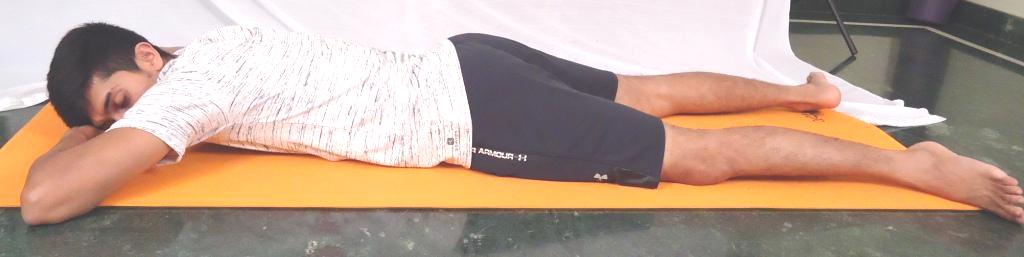
Advasana (Reverse Corpse Pose) Advasana is a relaxing yoga pose that is essentially the reverse of the traditional Savasana (Corpse Pose). While Savasana involves lying on your back, Advasana involves lying face down in a similar manner to Prone Pose. The pose helps in releasing tension, calming the nervous system, and promoting relaxation. It is often used as a counterpose or a resting posture in between more intense asanas. Meaning of Advasana “Adva”means “reverse” or “opposite.” “Asana”means “pose” or “posture.” Thus, Advasana is the Reverse Corpse Pose, where you lie on your stomach with your body relaxed, which contrasts the traditional Savasana, where you lie on your back. Steps to Perform Advasana Start in a Comfortable Prone Position: Begin by lying flat on your stomach with your legs extended straight behind you. Keep your feet hip-width apart, with the tops of your feet resting on the ground. Place Your Arms Relaxed by Your Sides: Let your arms rest comfortably alongside your body, with your palms facing down. Position Your Head: Rest your forehead on the mat, or place a small cushion or block under your forehead for extra comfort. Engage Your Body: Keep your body relaxed, but be mindful to keep your spine long and neutral. Let your chest and belly gently relax into the floor. Breathing: Close your eyes and take slow, deep breaths. Breathe naturally, focusing on relaxing every muscle, starting from your toes to your head. Relax in the Pose: Hold the position for 5-10 minutes or as long as you feel comfortable. Benefits of Advasana Releases Tension: This pose can help release accumulated tension in the body, especially in the back, shoulders, and neck. It’s a wonderful way to ease tightness in these areas after more intense backbends or poses that involve core strength. Calms the Nervous System: Like Savasana, Advasana has a calming effect on the nervous system. The position helps activate the parasympathetic nervous system, allowing the body to move into a state of deep rest and relaxation. Improves Posture: Lying on your stomach helps to counteract the effects of sitting for long periods and can promote better posture by strengthening the back muscles and encouraging the natural curvature of the spine. Promotes Digestion: The prone position may help with digestion by gently compressing the abdominal region, stimulating digestive organs and promoting better blood flow. Relieves Back Pain: Advasana can help in relieving lower back pain and tightness. It stretches and lengthens the spine, providing relief to the lower back and improving flexibility. Balances Energy: This pose helps balance the body’s energy by calming the mind, providing mental clarity, and reducing stress. Precautions Neck and Spine: Ensure that your neck is not strained by keeping your forehead on the mat or using a cushion to support it. Avoid any discomfort in the spine by keeping your body relaxed. Pregnancy: Pregnant women should avoid lying directly on the stomach as it may not be comfortable. It’s better to consult a doctor before practicing this pose during pregnancy. Severe Back Problems: Those with severe back injuries should avoid this pose, as it might put undue pressure on the spine. Conclusion Advasana is a simple yet deeply relaxing pose that offers several benefits for the body and mind. It’s a great way to release tension, calm the nervous system, and bring the body back to balance after intense physical activity. Integrating Advasana into your yoga routine can significantly aid in deep relaxation and promote overall well-being.
50 Types of Yoga: Which Yoga Style is Right for You?
50 Types of Yoga: Which Yoga Style is Right for You? Yoga is a broad discipline that encompasses many styles and approaches, each offering unique benefits for the body, mind, and spirit. Whether you’re looking for a physically challenging workout, a relaxing and meditative practice, or a way to deepen your spiritual journey, there is a yoga style that aligns with your goals. Here’s a list of 50 types of yoga and a brief description of each to help you choose the one that suits you best. 1. Hatha Yoga Overview:A gentle introduction to basic yoga poses, combining physical postures with breathing exercises. Best For:Beginners, those looking for a slower-paced practice. 2. Vinyasa Yoga Overview:A dynamic and flowing style of yoga, where movements are synchronized with breath. Best For:Those who like a workout with smooth transitions and breath work. 3. Ashtanga Yoga Overview:A rigorous, fast-paced practice involving a set sequence of postures performed in a specific order. Best For:Athletes or those seeking a physically demanding practice. 4. Bikram Yoga Overview:A sequence of 26 postures practiced in a room heated to 105°F (40°C). Best For:People who enjoy heat, sweat, and a structured class environment. 5. Kundalini Yoga Overview:Focuses on awakening the dormant energy within the body through meditation, breathwork, chanting, and physical postures. Best For:Those interested in spiritual growth and energy work. 6. Iyengar Yoga Overview:A precise, alignment-focused style that uses props (blocks, straps, blankets) to assist in postures. Best For:Beginners or those with injuries who need modified poses. 7. Yin Yoga Overview:A slow-paced practice where postures are held for several minutes to target deep connective tissues. Best For:Those seeking relaxation, flexibility, and stress relief. 8. Restorative Yoga Overview:A deeply relaxing practice that uses props to support the body in passive poses for extended periods. Best For:Those recovering from illness or injury or looking to de-stress. 9. Power Yoga Overview:A vigorous and faster-paced version of vinyasa yoga, emphasizing strength and stamina. Best For:Those looking for a more intense workout with a focus on physical strength. 10. Anusara Yoga Overview:A heart-oriented, alignment-based practice focused on inner light and joy. Best For:Those looking for a combination of alignment and spiritual practice. 11. Jivamukti Yoga Overview:Combines vinyasa-based movement with a focus on ethics, music, and spirituality. Best For:Those looking for a more holistic, mindful practice. 12. Sivananda Yoga Overview:A traditional style emphasizing proper breathing, a balanced diet, and mental relaxation. Best For:Beginners and those seeking a well-rounded yoga practice. 13. Kripalu Yoga Overview:A gentle style focused on self-compassion, mindfulness, and listening to the body. Best For:Those seeking emotional healing and body awareness. 14. Viniyoga Overview:A personalized, therapeutic style focused on breath control and functional movement. Best For:People recovering from injury or with specific health concerns. 15. AcroYoga Overview:A partner-based practice that combines yoga, acrobatics, and Thai massage. Best For:Those who enjoy fun, playful, and social practices. 16. Forrest Yoga Overview:A vigorous style that incorporates breath, strength, and deep emotional release. Best For:Those looking for a physically demanding practice and emotional healing. 17. Chair Yoga Overview:A gentle form of yoga practiced while sitting on a chair or using a chair for support. Best For:Seniors, those with mobility issues, or anyone needing a gentler practice. 18. Supine Yoga Overview:A practice done primarily while lying on your back. Best For:Those looking for a restorative, low-impact practice. 19. Laughter Yoga Overview:Combines laughter exercises with yogic breathing to promote joy and reduce stress. Best For:Those looking for a fun, stress-relieving practice. 20. Pranayama (Breathing Exercises) Overview:Focuses solely on breath control to balance energy and calm the mind. Best For:Anyone looking to reduce stress and enhance energy levels. 21. Hatha-Vinyasa Yoga Overview:A fusion of Hatha and Vinyasa, combining slower-paced postures with breath awareness. Best For:Those who enjoy flow but need to work on form and alignment. 22. Shivananda Yoga Overview:A gentle practice that emphasizes relaxation, proper alignment, and breathwork. Best For:Beginners and people who want a balanced approach to body, mind, and spirit. 23. Tantra Yoga Overview:Focuses on using the body and breath to experience deep unity with the divine, often practiced in a spiritual context. Best For:Those interested in exploring deeper spiritual practices. 24. Shakti Yoga Overview:A dynamic and energetic practice that emphasizes awakening feminine energy. Best For:Women or anyone interested in cultivating personal empowerment and strength. 25. Kundalini Kriya Yoga Overview:A powerful practice aimed at awakening the dormant energy at the base of the spine through specific techniques. Best For:Those looking for a transformative, energy-focused practice. 26. Hatha Flow Overview:A blend of Hatha and Vinyasa, focusing on slow transitions between poses with a focus on breathing. Best For:Beginners or intermediate practitioners looking for gentle movement and breath integration. 27. Raja Yoga Overview:The path of meditation and mental discipline, focused on the control of the mind through a series of practices. Best For:Those seeking deep meditation and spiritual growth. 28. Vata Yoga Overview:A practice specifically designed to balance the Vata dosha in Ayurveda, focusing on grounding postures and calming breaths. Best For:People with an imbalanced Vata dosha or those seeking calm and grounding. 29. Hatha Pranayama Overview:A practice that focuses on physical postures (Hatha) and pranayama (breathwork) together to promote energy flow. Best For:Those looking for a balanced yoga practice. 30. Bhakti Yoga Overview:The path of devotion, which focuses on the love and worship of the divine through chanting, singing, and prayer. Best For:Those seeking a spiritual practice focused on love, devotion, and connection. 31. Karma Yoga Overview:The practice of selfless action and serving others without attachment to results. Best For:Those interested in spirituality through service and action. 32. Asana Yoga Overview:Primarily focuses on physical postures and alignment, with a less intense focus on meditation. Best For:Those looking for a physical workout and mindful movement. 33. Tantric Yoga Overview:A practice that integrates physical postures, breathwork, and meditation with the aim of realizing the interconnectedness of the self and the universe. Best For:Advanced practitioners and those exploring the deeper spiritual dimensions of yoga. 34. Kundalini Reiki Yoga Overview:Combines Kundalini energy awakening with Reiki healing techniques. Best For:Those seeking to heal
Ashwini Mudra: How to Do It, Precautions, and Benefits
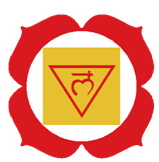
Ashwini Mudra: How to Do It, Precautions, and Benefits Ashwini Mudra (अश्विनी मुद्रा) is a powerful yogic practice that involves rhythmic contraction and relaxation of the anal muscles. The name “Ashwini” means “horse” in Sanskrit, and “Mudra” means gesture or seal. This mudra is inspired by the way a horse contracts its anal sphincter after defecation, which helps in energy retention, strengthening pelvic muscles, and enhancing spiritual energy (Prana Shakti). How to Do Ashwini Mudra? ✅ Step-by-Step Instructions: Sit in a comfortable position (Padmasana, Vajrasana, or Sukhasana). You can also practice while lying down. Take a deep breath and relax your body. Contract your anal sphincter muscles(as if stopping bowel movement). Hold the contractionfor a few seconds (start with 5 seconds). Release and relaxthe muscles. Repeat this cycle 10–15 timesin one session. Gradually, increase the holding time and repetitions. 📌 Best Time to Practice: Early morning or before meditation📌 Recommended Duration: 5–10 minutes daily Benefits of Ashwini Mudra 1️⃣ Improves Digestive Health & Relieves Constipation ✔️ Strengthens rectal muscles and improves bowel movement✔️ Reduces gas, bloating, and indigestion 2️⃣ Strengthens Pelvic Muscles & Reproductive Health ✔️ Prevents urinary incontinence and enhances bladder control✔️ Boosts sexual health and vitality✔️ Helps in post-pregnancy recovery 3️⃣ Activates Muladhara Chakra (Root Chakra) ✔️ Increases stability, energy, and grounding✔️ Enhances mental clarity and emotional balance 4️⃣ Helps in Kundalini Awakening ✔️ Stimulates Prana (life force energy)✔️ Supports the upward movement of Kundalini energy 5️⃣ Prevents & Heals Piles & Hemorrhoids ✔️ Reduces pressure on anal veins✔️ Improves blood circulation in the rectal area 6️⃣ Controls Premature Ejaculation & Boosts Sexual Stamina ✔️ Strengthens the pubococcygeal (PC) muscles✔️ Enhances libido and reproductive health 7️⃣ Enhances Meditation & Mental Focus ✔️ Reduces stress, anxiety, and restlessness✔️ Increases self-awareness and concentration Precautions & Contraindications ⚠️ Avoid practicing Ashwini Mudra if you have:❌ Severe piles or anal fissures – Can worsen the condition❌ Recent abdominal or rectal surgery – May cause strain❌ Pregnancy (after the first trimester) – Consult a doctor before practicing❌ High blood pressure or heart disease – Practice with caution 🔹 Tip: If you experience discomfort, stop immediately and consult a yoga expert. Advanced Practice: Ashwini Mudra with Breathwork 🔥 Ashwini Mudra + Pranayama: Combine it with deep breathing (Anulom Vilom) for enhanced benefits.🧘♂️ Ashwini Mudra + Meditation: Helps in deep mind-body connection and chakra activation. Final Thoughts Ashwini Mudra is an easy yet powerful practice that improves digestive health, sexual vitality, and spiritual growth. When practiced regularly, it strengthens the pelvic floor, stimulates energy flow, and enhances overall well-being.
Exploring the Concept of Prakriti and Vikriti (Your Ayurvedic Body Constitution)

Exploring the Concept of Prakriti and Vikriti (Your Ayurvedic Body Constitution) In Ayurveda, understanding your body constitution is key to maintaining health and balance. This is explained through Prakriti (your natural constitution) and Vikriti (your current state of imbalance). Knowing these can help you adopt the right diet, lifestyle, and healing practices to achieve optimal well-being. Let’s explore Prakriti and Vikriti, their significance, and how to balance them. What is Prakriti? (Your Natural Constitution) 🔹 Prakriti (प्रकृति) means “nature” or “original state” and refers to the unique combination of the three doshas (Vata, Pitta, Kapha) that you are born with.🔹 It is determined at conception and remains unchanging throughout life.🔹 It influences physical traits, personality, digestion, immunity, and mental tendencies. The Three Dosha-Based Prakriti Types 1️⃣ Vata Prakriti (Air & Ether)✔️ Lean, light body frame✔️ Creative, energetic, but easily anxious✔️ Dry skin, cold hands & feet✔️ Irregular appetite and digestion 2️⃣ Pitta Prakriti (Fire & Water)✔️ Medium build, muscular body✔️ Strong digestion, good metabolism✔️ Sharp mind, ambitious, but prone to anger✔️ Warm body temperature, oily skin 3️⃣ Kapha Prakriti (Earth & Water)✔️ Heavy, solid body frame✔️ Calm, steady, but prone to laziness✔️ Soft, oily skin, slow metabolism✔️ Strong immunity, but gains weight easily ⚡ Dual-Dosha & Tri-Dosha Prakriti: Some people have a mix of two doshas (e.g., Vata-Pitta, Pitta-Kapha) or are Tridoshic (balanced in all three). What is Vikriti? (Your Current Imbalance) 🔹 Vikriti (विकृति) means “deviation from nature” and refers to your current state of health and imbalance.🔹 It is influenced by diet, lifestyle, stress, seasonal changes, and emotions.🔹 If unchecked, Vikriti can lead to diseases and discomfort. Signs of Dosha Imbalance (Vikriti) 🔥 Vata Imbalance (Excess Air & Ether)❌ Anxiety, restlessness, sleep disorders❌ Dry skin, bloating, constipation❌ Joint pain, weight loss 🔥 Pitta Imbalance (Excess Fire & Water)❌ Heartburn, acidity, inflammation❌ Irritability, anger, impatience❌ Skin rashes, excessive sweating 🔥 Kapha Imbalance (Excess Earth & Water)❌ Weight gain, slow metabolism❌ Lethargy, depression, sinus congestion❌ Water retention, sluggish digestion Balancing Prakriti & Vikriti with Ayurveda ✅ 1. Diet (Ahara) Vata Balance:Warm, moist, nourishing foods (ghee, soups, nuts) Pitta Balance:Cooling foods (coconut, cucumber, mint) Kapha Balance:Light, spicy foods (ginger, turmeric, green veggies) ✅ 2. Lifestyle (Vihara) Vata:Routine, grounding activities, oil massage Pitta:Cooling practices, nature walks, meditation Kapha:Active lifestyle, dry brushing, warm herbs ✅ 3. Herbal Remedies (Aushadhi) Vata:Ashwagandha, triphala, sesame oil Pitta:Aloe vera, Brahmi, sandalwood Kapha:Trikatu (ginger, black pepper, long pepper), honey ✅ 4. Yoga & Meditation Vata:Slow, grounding asanas (Tadasana, Balasana) Pitta:Cooling poses (Moon Salutation, Shitali pranayama) Kapha:Energizing yoga (Sun Salutation, backbends) Final Thoughts Understanding Prakriti (your Ayurvedic body type) and Vikriti (your imbalances) can help you live in harmony with your unique nature. By following Ayurvedic principles, you can restore balance, prevent diseases, and enhance vitality
Trauma-Informed Yoga: Everything You Need to Know

Trauma-Informed Yoga: Everything You Need to Know Trauma-Informed Yoga is a therapeutic approach to yoga that takes into account the effects of trauma on the body, mind, and spirit. It is designed to create a safe, supportive environment for individuals who have experienced trauma or are working through unresolved emotional or physical challenges. Unlike traditional yoga, which may be more physically demanding or focused on achieving specific postures, trauma-informed yoga emphasizes safety, empowerment, and self-awareness. What is Trauma-Informed Yoga? Trauma-Informed Yoga (TIY) acknowledges that trauma affects the body and mind in profound ways. It integrates trauma-awareness into the practice, helping participants connect with their bodies and minds in a compassionate, non-judgmental manner. The primary goal of this approach is to create a space of safety where individuals can experience healing and regain control over their bodies, minds, and emotions. Core Principles of Trauma-Informed Yoga Trauma-Informed Yoga is built around several core principles that prioritize the safety, autonomy, and healing of participants: Safety and Comfort The primary focus is to make the practice environment safeand non-threatening. This involves providing space for individuals to explore their bodies without feeling pressured, judged, or overwhelmed. Instructors ensure that the physical environment is peaceful, accessible, and welcoming. Empowerment and Choice Participants are encouraged to feel empowered in their yoga practice. This means offering choicesand options in postures, breathwork, and movements, rather than expecting them to perform certain actions or reach specific goals. Individuals are always in control of their practice, and they are reminded that they can opt out of any pose or movement if it feels uncomfortable. Mind-Body Connection Trauma can disrupt the mind-body connection, leading to disassociation or numbness. Trauma-Informed Yoga aims to help individuals reconnect with their bodies, rebuild awareness, and learn to trust physical sensations. Gentle movement, breathwork, and mindfulness practices are used to encourage awareness without forcing any particular physical sensation. Non-Judgment and Compassion The practice emphasizes self-compassionand non-judgmental awareness. Teachers avoid pushing individuals to perform postures in a certain way or compare themselves to others. The focus is on honoring each individual’s experience, body, and limitations. Pacing and Sensory Awareness In trauma-informed yoga, pacingis slower and more mindful. Poses are offered in a way that allows participants to stay present and aware, avoiding overwhelming sensory experiences. Teachers use verbal cues to help guide individuals through the practice and give plenty of time for participants to pause, rest, or recalibrate. Grounding and Regulation Grounding techniqueshelp individuals reconnect to their bodies and stay present in the moment. Practices may include deep breathing, body scans, or gentle movements that promote relaxation and support emotional regulation. Boundaries and Consent Trauma-Informed Yoga emphasizes respect for personal boundariesand informed consent. Teachers ask for permission before adjusting or offering touch, and students are encouraged to speak up about their needs and comfort levels. How Trauma-Informed Yoga Helps Heal Trauma Trauma impacts the body and brain in a way that often leads to disassociation, hypervigilance, and chronic stress. Trauma-Informed Yoga helps heal trauma in several key ways: Rebuilding Trust and Safety For someone who has experienced trauma, the body may feel like a dangerous or unsafe place. Trauma-Informed Yoga creates an environment that encourages trustbetween the practitioner and their body, gradually reducing fear or anxiety. Facilitating Emotional Expression Trauma often causes emotions to be suppressed or numbed. Yoga, when practiced mindfully, can help release suppressed emotionsand allow individuals to process feelings such as grief, anger, or fear in a safe and controlled environment. Improving Body Awareness Trauma can create a disconnect between the mind and body. Trauma-Informed Yoga allows individuals to reconnect with their physical body, improving awareness of body sensations and emotions. This can help reduce feelings of numbness, anxiety, or disassociation. Regulating the Nervous System Trauma can affect the autonomic nervous system, leading to a heightened state of arousal or chronic stress. Trauma-Informed Yoga helps activate the parasympathetic nervous system(rest and digest), leading to relaxation and better emotional regulation. Promoting Self-Compassion and Empowerment This type of yoga fosters a deep sense of self-compassion, helping individuals recognize their worth and restore a sense of empowermentin their lives. It allows them to feel in control of their bodies, choices, and healing process. Key Practices in Trauma-Informed Yoga Here are some of the specific practices or techniques commonly used in Trauma-Informed Yoga: BreathworkBreath is one of the most effective tools in trauma recovery. Deep breathing (such as diaphragmatic breathing or box breathing) helps calm the nervous system, reduce anxiety, and ground the individual in the present moment. The practice focuses on slow, mindful breaths to regulate stress responses. Gentle MovementThe movements in trauma-informed yoga are generally slow, mindful, and accessible. Poses like Child’s Pose, Cat-Cow, and Reclined Bound Angle Pose (Supta Baddha Konasana) may be used to facilitate grounding and body awareness. These postures are non-intimidating and can be adapted to any ability level. Guided RelaxationTrauma-Informed Yoga often incorporates body scans and guided relaxation techniques to help individuals release tension and reconnect with their bodies. Yoga Nidra (yogic sleep) is also a common practice used to promote deep relaxation and healing. Mindfulness and MeditationMindfulness techniques such as present-moment awareness, noticing body sensations, and observing thoughts without judgment are central to trauma-informed practices. Meditation helps calm the mind, create awareness, and regulate emotions. Empowerment Phrases and AffirmationsTeachers may offer affirmations such as “I am safe,” “I am in control,” and “I trust my body” to encourage feelings of safety, empowerment, and self-love. Who Can Benefit from Trauma-Informed Yoga? Trauma-Informed Yoga is beneficial for anyone who has experienced physical, emotional, or psychological trauma, including: Survivors of abuse(physical, emotional, or sexual) Individuals with PTSD(Post-Traumatic Stress Disorder) Those who have experienced loss, grief, or divorce First respondersand those working in high-stress professions Anyone struggling with anxiety, stress, or depression People recovering from addiction Individuals recovering from physical trauma(like injury or surgery) Trauma-Informed Yoga is suitable for individuals at any stage of their healing journey. Conclusion Trauma-Informed Yoga is a compassionate, inclusive approach to yoga that acknowledges the profound effects of trauma on the body and mind. It creates a safe space for individuals
Pitta Dosha: Symptoms, Diseases, and Balancing Tips

Pitta Dosha: Symptoms, Diseases, and Balancing Tips In Ayurveda, Pitta Dosha is the energy of fire and water, governing digestion, metabolism, and transformation in the body and mind. When balanced, it supports intelligence, leadership, and strong digestion, but when excessive, it leads to heat-related issues, inflammation, and anger. Let’s explore Pitta Dosha, its symptoms, diseases, and Ayurvedic ways to balance it. What is Pitta Dosha? 🔹 Elemental Composition: 🔥 Fire + 💧 Water🔹 Qualities (Gunas): Hot, Sharp, Light, Oily, Intense🔹 Primary Location: Small intestine, stomach, liver, eyes, skin🔹 Functions: Digestion, metabolism, body temperature, intellect Signs of a Balanced Pitta Dosha ✅ Strong digestion and metabolism✅ Sharp intellect and focus✅ Clear skin and bright eyes✅ Healthy body temperature and good circulation✅ Courageous, confident, and organized Symptoms of Pitta Dosha Imbalance 🔥 Physical Symptoms❌ Overheating, excessive sweating❌ Acid reflux, heartburn, ulcers❌ Skin rashes, acne, inflammation❌ Loose stools, diarrhea❌ Sensitivity to heat and sunlight 😡 Mental & Emotional Symptoms❌ Irritability, impatience, anger❌ Perfectionism, competitiveness❌ Workaholic tendencies❌ Judgmental or overly critical nature Diseases Caused by Excess Pitta Dosha If left unchecked, high Pitta can lead to: 🔥 Digestive Disorders: Acid reflux, ulcers, gastritis, irritable bowel syndrome (IBS)🔥 Skin Issues: Acne, eczema, psoriasis, hives, redness🔥 Liver & Blood Disorders: Hepatitis, high blood pressure, excess bile production🔥 Eye Problems: Bloodshot eyes, sensitivity to light, migraines🔥 Emotional Imbalances: Anxiety, anger, burnout, stress How to Balance Pitta Dosha Naturally? Since Pitta is hot, sharp, and intense, it needs cooling, calming, and soothing practices to maintain balance. ✅ 1. Pitta-Pacifying Diet 🍉🥒🥭✔️ Eat cooling foods: Coconut, cucumber, watermelon, mint, fennel✔️ Favor sweet, bitter, and astringent tastes: Rice, dairy, leafy greens✔️ Drink cool herbal teas: Coriander, fennel, peppermint✔️ Use cooling spices: Cardamom, turmeric, cilantro❌ Avoid spicy, oily, salty, and sour foods❌ Reduce coffee, alcohol, fried foods, and red meat ✅ 2. Hydration & Cooling Drinks 🥛🌿✔️ Drink coconut water, aloe vera juice, and fresh fruit juices✔️ Avoid iced drinks (they weaken digestion) but prefer room-temperature water ✅ 3. Lifestyle & Daily Routine (Dinacharya) 🌞✔️ Wake up early (before sunrise) to avoid the heat of the day✔️ Stay cool: Wear light, airy clothes and avoid excessive sun exposure✔️ Engage in cooling activities: Swimming, moonlight walks, meditation✔️ Massage with cooling oils: Coconut oil, sandalwood oil ✅ 4. Yoga & Pranayama for Pitta Balance 🧘♂️🌬️✔️ Cooling yoga poses: Moon Salutations, forward bends, twists✔️ Pranayama: Sheetali (cooling breath), Nadi Shodhana (alternate nostril breathing)✔️ Avoid intense workouts and hot yoga ✅ 5. Herbal Remedies for Pitta Dosha 🌿✔️ Aloe Vera & Amla: Cool the digestive system and skin✔️ Brahmi & Shatavari: Calm the mind and reduce stress✔️ Neem & Turmeric: Purify the blood and reduce inflammation Final Thoughts Balancing Pitta Dosha helps you stay calm, focused, and healthy, preventing heat-related diseases and emotional burnout. By following Ayurvedic diet, lifestyle, and herbal remedies, you can maintain coolness, clarity, and inner harmony.
Vyana Mudra to Control Blood Pressure: Benefits and How to Do It

Vyana Mudra to Control Blood Pressure: Benefits and How to Do It Vyana Mudra is a simple yet powerful hand gesture in yoga that is known to help balance the body’s energy and control blood pressure. It is primarily associated with the Vyana Vayu, the subtle energy that governs circulation, movement, and the flow of energy in the body. This mudra works by helping to regulate the movement of energy and blood, thereby promoting overall cardiovascular health and calmness. What is Vyana Mudra? Vyana Mudra is a hand gesture that is thought to enhance the flow of Vyana Vayu, one of the five Pranas (vital energies) in the body. It specifically influences the circulation of blood and the overall energy flow throughout the body, which can be beneficial in maintaining a balanced blood pressure level. In this mudra, you use your hands to create a specific gesture that is believed to activate and harmonize the circulatory system, leading to improved blood flow and a calming effect on the body. How to Do Vyana Mudra: Step-by-Step Guide Performing Vyana Mudra is easy and can be done anywhere. Here’s how to practice it: Find a Comfortable Seat: Sit comfortably in a meditative posture such as Padmasana(Lotus Pose) or Sukhasana (Easy Pose), with your spine straight and your hands resting on your knees Form the Mudra: Touch the tips of the thumb, index finger, and middle fingerof each hand together, while keeping the other two fingers (ring and little fingers) extended straight. The hand should remain relaxed and open, but the tips of the fingers should gently touch. Alternatively, you can bend the middle fingerslightly, so it touches the thumb lightly, depending on your preference. Place the Hands: Rest your hands on your knees or thighs with your palms facing upwards. Ensure your arms are relaxed, and there is no tension in the shoulders. Focus on Your Breath: Close your eyes and bring your awareness to your breath. Begin to take slow, deep breaths, inhaling through the nose and exhaling through the nose. Focus on slow and steady breaths, aiming to calm your mind and body. Duration: Hold this mudra for 10–15 minutes, or as long as you feel comfortable. You can practice it once or twice daily for maximum benefits. Benefits of Vyana Mudra Regulates Blood Pressure: Vyana Mudra helps in calming the nervous system and balancing the Vyana Vayu, which directly influences circulation. By doing so, it can help in lowering high blood pressure and improving overall circulation, resulting in a calmer and more stable blood pressure. Improves Circulation: By stimulating the flow of energy through the body, this mudra enhances blood circulation, which is essential for the overall functioning of organs and the cardiovascular system. Balances Energy in the Body: Vyana Mudra is believed to harmonize the flow of prana (vital energy) in the body, helping to achieve balance in both the body and the mind. This results in a feeling of calmness and tranquility. Reduces Anxiety and Stress: The act of focusing on deep breathing while holding this mudra helps reduce mental stress and anxiety, which are often contributors to high blood pressure. Promotes Heart Health: Regular practice of Vyana Mudra helps improve heart health by balancing the energy of the circulatory system, allowing for smoother functioning of the heart and veins. Enhances Mental Clarity and Focus: By calming the mind and reducing stress, Vyana Mudra can improve mental clarity, concentration, and focus. This also indirectly contributes to better emotional regulation, which further aids in blood pressure management. Precautions and Considerations Not for pregnant women: As with many other mudras, pregnant women should avoid this practice unless advised otherwise by a healthcare professional. Consult with your doctor: If you have a medical condition such as hypertension or any heart-related concerns, always check with your doctor before attempting new practices like mudras. Focus on relaxation: While performing Vyana Mudra, make sure to avoid any strain or tension in your fingers, hands, or body. Keep your breath slow, relaxed, and deep. Conclusion Vyana Mudra is a simple and effective practice to support blood pressure regulation and overall cardiovascular health. By focusing on breath, calming the mind, and stimulating energy flow, this hand gesture can help reduce stress, balance your energy, and promote healthy blood circulation. For those seeking a natural way to maintain heart health and calm the nervous system, practicing Vyana Mudra regularly can offer great benefits.
Rudra Mudra: Meaning, How to Do & Benefits

Rudra Mudra: Meaning, How to Do & Benefits Rudra Mudra is a powerful hand gesture (hasta mudra) in yoga that helps activate the solar plexus (Manipura Chakra), increase vital energy (Prana), and enhance inner strength and confidence. It is named after Rudra, a fierce form of Lord Shiva, symbolizing transformation and power. Meaning of Rudra Mudra 🔹 “Rudra” (रुद्र) = A Vedic name of Lord Shiva, meaning “The Roarer” or “The One Who Removes Suffering”🔹 “Mudra” (मुद्रा) = Gesture or Seal Symbolism of Rudra Mudra Represents strength, willpower, and divine energy Helps in cleansing negative emotions Enhances self-confidence and courage How to Do Rudra Mudra? ✅ Step-by-Step Instructions: Sit in a comfortable meditation posture(Sukhasana, Padmasana, or Vajrasana). Rest your hands on your knees with palms facing upward. Touch the thumb, index finger, and ring finger togetherwhile keeping the other two fingers extended. Close your eyes and take deep breaths. Focus on the solar plexus chakra (Manipura Chakra), located at the navel. Hold the mudra for 10–20 minutesduring meditation or pranayama. 🔹 Best Time to Practice: Morning or when feeling low on energy🔹 Duration: 15–30 minutes daily Benefits of Rudra Mudra 1️⃣ Boosts Energy & Stamina ⚡ ✔️ Increases Prana (life force energy)✔️ Reduces fatigue and exhaustion 2️⃣ Activates Manipura Chakra (Solar Plexus) 🔥 ✔️ Enhances digestion and metabolism✔️ Improves confidence and determination 3️⃣ Balances Blood Pressure & Heart Health ❤️ ✔️ Helps regulate blood circulation✔️ Supports those with low blood pressure 4️⃣ Reduces Stress & Anxiety 🧘♂️ ✔️ Calms the mind and increases inner stability✔️ Helps in emotional balance and mental clarity 5️⃣ Strengthens the Nervous System 🧠 ✔️ Improves brain function and memory✔️ Enhances focus and alertness Who Should Practice Rudra Mudra? ✅ People with low energy levels or chronic fatigue✅ Those who feel low in confidence or motivation✅ Individuals suffering from low blood pressure✅ Those who want to awaken their personal power ⚠️ Precautions: Avoid if you have high blood pressure(as it may further increase energy levels). Do not overdo it; practice moderation and balance. Rudra Mudra is a powerful yogic tool for empowerment, confidence, and energy balance. By practicing it regularly, you can enhance willpower, boost stamina, and maintain emotional stability.