
Tattva Mudrā
Tattva Mudrā Introduction The Sanskrit word Tattva means principle, element, or reality. In yogic and tantric philosophy, the universe is composed of five great elements (pañca mahābhūtas): Prithvi (earth), Apas (water), Agni (fire), Vāyu (air), and Ākāśa (space/ether).Tattva Mudrā is a powerful yogic hand gesture used to harmonize these elemental energies within the body and mind. It is practiced in meditation, ritual, and therapeutic yoga to restore inner balance and connect the practitioner to cosmic reality. Meaning Tattva = principle, essence, or element Mudrā = seal, gesture, or attitude Thus, Tattva Mudrā means “the gesture that seals the essence of the elements.”It symbolizes balance of the five elements, representing harmony of body, breath, and consciousness. How to Perform Practice There are different variations of Tattva Mudrā (each linked to an element). The general practice is: Sit in a comfortable meditative posture (Padmāsana, Sukhasana, or Vajrāsana). Keep the spine erect, shoulders relaxed, and eyes gently closed. Technique Extend the middle finger and bend the remaining fingers toward the palm, covering the nails with the thumb. Breathe slowly and deeply, focusing on the chosen element or mantra. Meditate in this position for the desired duration. Benefits of Tattva Mudrā Physical Benefits Balances elemental imbalances in the body. Improves digestion, circulation, respiration, and immunity depending on the mudrā used. Supports hormonal and metabolic equilibrium. Enhances energy flow and removes blockages. Mental Benefits Creates mental clarity and stability. Reduces stress, anxiety, and restlessness. Enhances focus, memory, and creativity. Helps in managing emotional fluctuations. Spiritual Benefits Facilitates connection with cosmic energies. Deepens meditation and mantra japa. Assists in chakra balancing. Brings awareness of unity between body, mind, and universe. Contraindications Should not be practiced for excessively long durations without guidance. People with chronic health conditions should consult a yoga therapist before selecting specific mudrās. Pregnant women should avoid Agni Mudrā (fire element), as it may overheat the body. Those with hypertension should avoid long practice of Vāyu Mudrā. Anatomy & Physiology Each mudrā activates nerve endings in the fingertips, linked to elemental energy pathways. Stimulates circulatory, respiratory, digestive, and endocrine systems depending on the element. Helps regulate the autonomic nervous system by balancing sympathetic (activity) and parasympathetic (relaxation) functions. Kinesiology Engages fine motor control of finger muscles. Strengthens neuromuscular coordination in hands. Encourages balance in kinetic energy flow across the upper limb. Provides tactile feedback that enhances mind–body integration. Neurology Finger–thumb contact stimulates the somatosensory cortex in the brain. Modulates brainwave activity, encouraging alpha and theta states (calm awareness). Enhances neuroplasticity by reinforcing element–based visualization. Activates subtle energy channels (nāḍīs) related to elemental balance. Duration of Mudrā Beginners: 5–10 minutes daily. Intermediate: 15–20 minutes per session, 2–3 times a day. Advanced: 30–45 minutes in meditation, ideally with mantra chanting. Counter Mudra Prāṇa Mudrā – balances all five elements and restores vitality. Gyan Mudrā – for grounding after elemental practice. Apāna Mudrā – to detoxify after excess elemental stimulation. Conclusion Tattva Mudrā is a profound practice that harmonizes the five elements of existence within the practitioner. By balancing the energies of earth, water, fire, air, and space, it nurtures physical health, mental clarity, and spiritual expansion. It serves as a bridge between the microcosm of the human body and the macrocosm of the universe, guiding practitioners toward holistic well-being. FAQ Q1. What is the purpose of Tattva Mudrā?To balance the five elements (pañca mahābhūtas) within body and mind. Q2. Can I practice all five elemental mudrās in one session?Yes, but it is better to focus on one element at a time based on need. Q3. Is it suitable for beginners?Yes, it is simple and safe for beginners when practiced moderately. Q4. Which mudrā helps with digestion?Agni Mudrā (fire element). Q5. Can Tattva Mudrā be practiced during meditation?Yes, it greatly enhances meditation, especially when paired with elemental mantras. References Swami Satyananda Saraswati – Asana, Pranayama, Mudra, Bandha Gertrud Hirschi – Mudras: Yoga in Your Hands Joseph Le Page & Lilian Aboim – Mudras for Healing and Transformation Hatha Yoga Pradipika – on elemental balance in yogic practice Ayurveda texts (Charaka Samhita, Sushruta Samhita) on pañca mahābhūtas
Uttara Bodhi Mudra
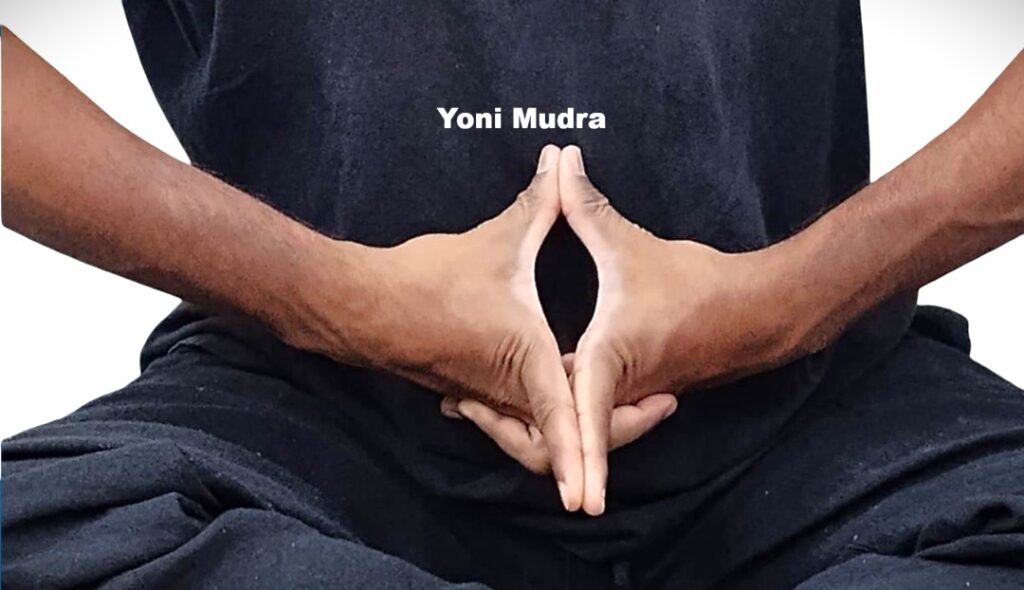
Uttara Bodhi Mudra Introduction Uttara Bodhi Mudra is a hand gesture in yoga designed to stimulate higher consciousness, inner wisdom, and spiritual awareness. It is often practiced to enhance meditation, calm the mind, and promote mental clarity. The term Uttara Bodhi comes from Sanskrit, meaning “supreme enlightenment” or “higher wisdom”, reflecting the mudra’s purpose of guiding the practitioner toward spiritual insight and inner awakening. It is commonly used in meditative and yogic practices aimed at spiritual growth. Meaning Uttara: Supreme, higher. Bodhi: Enlightenment, wisdom. Mudra: Gesture used to direct pranic energy and support mental and spiritual states. Overall Meaning:Uttara Bodhi Mudra symbolizes higher consciousness, spiritual awakening, and clarity of thought, facilitating a connection between mind, body, and spirit. How to Perform / Practice Sit comfortably in a meditative posture (Padmasana, Sukhasana, or Vajrasana) with a straight spine. Bring the hands in front of the chest. Interlock fingers so that the index fingers point downward and touch each other, forming a triangle pointing toward the floor. Place the thumbs gently together, forming a small triangle pointing upward. Close your eyes and take slow, deep breaths, directing attention inward toward the navel or heart center. Practice for 10–15 minutes, gradually increasing to 20–30 minutes. Focus on breath, inner awareness, and mental calmness throughout the practice. Tip: Best practiced in a quiet environment to enhance concentration and introspection. Benefits Physical Benefits: Reduces tension in hands, wrists, and arms. Promotes relaxation and lowers stress-related symptoms. Supports improved circulation in upper limbs. Mental & Emotional Benefits: Calms the mind and reduces anxiety or restlessness. Enhances focus, concentration, and mental clarity. Encourages emotional stability and inner peace. Energetic / Spiritual Benefits: Activates higher energy centers in the body (including throat and third eye chakras). Supports meditation and spiritual practices. Facilitates a sense of inner wisdom, insight, and higher awareness. Contraindications Avoid if there is hand, finger, or wrist injury. Not recommended for severe arthritis or joint pain in fingers or hands. Discontinue if numbness, tingling, or discomfort occurs. Anatomy & Physiology Muscles: Engages intrinsic hand muscles (lumbricals, interossei) to maintain finger positions. Joints: Flexion at most fingers; extension at index fingers. Nervous System: Activates parasympathetic system, reducing stress while maintaining alertness. Circulation: Improves microcirculation in hands and fingers; supports subtle energy flow toward the chest and head. Kinesiology Improves fine motor coordination of fingers and hands. Supports static posture stability during meditation. Encourages relaxed hand posture, facilitating mental focus. Neurology Stimulates brain regions associated with focus, higher reasoning, and spiritual awareness. Balances sympathetic and parasympathetic activity, promoting calm alertness. Supports neural plasticity related to meditation, attention, and emotional regulation. Duration of Practice Daily Practice: 10–20 minutes, can be divided into shorter sessions. Short Practice: 5 minutes during meditation or pranayama for quick mental clarity. Best practiced in combination with pranayama or meditation for spiritual and mental benefits. Counter Mudra If excess tension or drowsiness occurs, switch to Gyan Mudra or Chala Mudra. Gentle hand stretching or shaking can release tension after prolonged practice. Conclusion Uttara Bodhi Mudra is a powerful gesture to enhance spiritual awareness, calm the mind, and stimulate higher consciousness. Regular practice harmonizes physical, mental, and energetic systems, making it ideal for meditation, mindfulness, and spiritual development. Proper execution ensures maximum benefits without discomfort. FAQ Q1: Can beginners practice Uttara Bodhi Mudra?A: Yes, it is safe and simple; start with 5 minutes and gradually increase. Q2: Can it help with meditation?A: Yes, it enhances focus, calmness, and spiritual awareness during meditation. Q3: Can it be combined with other mudras?A: Yes, it can be combined with Dhyana Mudra or Prana Mudra for enhanced meditative effect. Q4: Is it suitable for stress relief?A: Yes, it promotes relaxation, calmness, and mental clarity. References Swami Satyananda Saraswati, Mudras for Healing and Transformation. Iyengar, B.K.S., Light on Yoga. Saraswati, S., Pranayama and Mudras in Yoga Therapy. Fishman, L., Yoga for Emotional Balance. Journal of Bodywork and Movement Therapies, 2018; 22(4): Effects of Hand Mudras on Mental and Physiological Functions.
Vaata + Kapha Naashak Mudra
Vaata + Kapha Naashak Mudra Introduction Vaata + Kapha Naashak Mudra is a yogic hand gesture designed to balance Vata and Kapha doshas according to Ayurveda. It is particularly useful for boosting metabolism, enhancing digestion, reducing lethargy, and relieving symptoms related to Vata and Kapha imbalances, such as fatigue, coldness, and sluggishness. This mudra is widely used in yoga therapy, pranayama, and Ayurvedic wellness practices to harmonize energy, improve circulation, and support overall vitality. Meaning Vaata: One of the three doshas in Ayurveda, associated with movement, air, and space. Kapha: Dosha associated with stability, water, and earth. Naashak: Destroyer or reducer. Mudra: Hand gesture used to influence pranic flow and physiological balance. Overall Meaning:Vaata + Kapha Naashak Mudra is a balancing gesture that helps reduce excessive Vata and Kapha energies, promoting optimal digestion, vitality, and energetic harmony. How to Perform / Practice Sit comfortably in a meditative posture (Padmasana, Sukhasana, or on a chair) with an erect spine. This mudra helps to overcome any ailment of a person having a Vaata + Kapha mix constitution. This mudra is formed by applying the tips of the index and the ring fingers to the base of the thumb. Practice for 15–30 minutes daily, or 5–10 minutes in shorter intervals. Tip: Best practiced morning or before meals to enhance digestive fire (Agni) and energy levels. Benefits Physical Benefits: Improves digestion and metabolism. Reduces coldness, lethargy, and Vata-related symptoms. Balances Kapha-related issues, like congestion, heaviness, and sluggishness. Enhances circulation and energy flow. Mental & Emotional Benefits: Reduces mental fatigue, anxiety, and restlessness. Promotes alertness, focus, and emotional balance. Energetic / Spiritual Benefits: Balances pranic flow related to Vata and Kapha energies. Supports meditation by stabilizing mind and body energies. Promotes an overall sense of vitality, warmth, and groundedness. Contraindications Avoid if experiencing finger or hand injuries. Not recommended for severe arthritis or joint pain in fingers. Discontinue if numbness, tingling, or discomfort occurs. Individuals with excess Pitta should practice in moderation to avoid overheating. Anatomy & Physiology Muscles: Engages intrinsic hand muscles (lumbricals, interossei) to hold the fingers in position. Joints: Flexion at index and middle fingers; extension at ring and little fingers. Nervous System: Stimulates parasympathetic system for balance and energy regulation. Circulation: Improves microcirculation in hands and may indirectly stimulate digestive organs. Kinesiology Enhances fine motor control and finger coordination. Supports static postural stability while seated. Encourages relaxed hand posture for mental and energetic balance. Neurology Activates brain regions related to alertness, mental clarity, and energetic balance. Helps regulate sympathetic and parasympathetic activity for calm yet focused awareness. Supports neural plasticity, improving cognitive function, focus, and emotional stability. Duration of Practice Daily Practice: 15–30 minutes, can be split into 2–3 sessions. Short Practice: 5–10 minutes during meditation, before meals, or work breaks. Can be combined with pranayama or other mudras for enhanced energetic and digestive benefits. Counter Mudra If excessive dryness or energy imbalance occurs, switch to Prithvi Mudra or Gyan Mudra. Gentle hand shaking or stretching is recommended after prolonged practice. Conclusion Vaata + Kapha Naashak Mudra is an effective hand gesture for balancing Vata and Kapha energies, stimulating digestion, and enhancing vitality. Regular practice harmonizes physical, mental, and energetic systems, making it valuable for meditation, Ayurveda-based therapy, and daily wellness. Proper execution ensures maximum benefit without discomfort. FAQ Q1: Can beginners practice Vaata + Kapha Naashak Mudra?A: Yes, it is simple and safe; start with 5–10 minutes and gradually increase. Q2: Can it help with digestion and fatigue?A: Yes, it stimulates metabolic and digestive functions while reducing lethargy. Q3: Can it be combined with other mudras?A: Yes, it can be combined with Prana Mudra or Surya Mudra for enhanced energy and balance. Q4: Is it suitable for morning practice?A: Yes, it is ideal before meals or during morning routines to enhance digestion and energy. References Swami Satyananda Saraswati, Mudras for Healing and Transformation. Iyengar, B.K.S., Light on Yoga. Saraswati, S., Pranayama and Mudras in Yoga Therapy. Fishman, L., Yoga for Emotional Balance. Lad, V., Ayurveda: The Science of Self-Healing. Journal of Bodywork and Movement Therapies, 2018; 22(4): Effects of Hand Mudras on Mental and Physiological Functions.
Sukam Mudra
Sukam Mudra Introduction Sukam Mudra, often referred to as the “Gesture of Comfort” or “Mudra of Well-being,” is a subtle hand gesture used in yoga to promote physical ease, mental calm, and emotional balance. It is particularly effective in reducing stress, anxiety, and bodily tension, helping practitioners feel a sense of inner comfort and harmony. The word Sukam in Sanskrit means comfort, happiness, or ease, reflecting the mudra’s primary purpose: to create a sense of physical and mental well-being. Meaning Sukam: Comfort, happiness, well-being. Mudra: Gesture used to channel energy within the body. Overall Meaning:Sukam Mudra is intended to cultivate inner peace, ease of mind, and comfort in the body by harmonizing mental, physical, and energetic systems. How to Perform / Practice Sit comfortably in a meditative posture (Padmasana, Sukhasana, or on a chair) with the spine erect. Right hand – bring your thumb tip to the ends of your middle and little fingers. Left hand – use your thumb to press the nail of your little finger. Practice for 15–30 minutes daily, or in shorter intervals of 5–10 minutes when feeling stressed. Tip: Can be practiced before meditation, pranayama, or even during restful moments. Benefits Physical Benefits: Reduces muscular tension and physical discomfort. Improves blood circulation in the hands and fingers. Supports relaxation of the nervous system. Mental & Emotional Benefits: Promotes calmness and emotional stability. Reduces stress, anxiety, and restlessness. Enhances focus, mindfulness, and mental clarity. Energetic / Spiritual Benefits: Balances pranic energy within the body. Creates harmony between mind, body, and spirit. Supports meditative states and inner well-being. Contraindications Avoid if there is recent injury, arthritis, or pain in fingers or hands. Should not be forced if finger flexibility is limited. Stop practice if numbness or tingling occurs during prolonged holding. Anatomy & Physiology Muscles: Intrinsic hand muscles (lumbricals, interossei) maintain the finger positions; forearm flexors stabilize the hand. Joints: Flexion at the ring and little finger MCP and PIP joints; extension at the index and middle fingers. Nervous System: Activates parasympathetic nervous system, promoting relaxation and lowering stress. Circulation: Improves microcirculation in fingers and hands. Kinesiology Improves fine motor coordination of the fingers. Enhances neuromuscular control and proprioception. Supports static postural stability during seated meditation or rest. Neurology Stimulates brain regions responsible for relaxation, emotional regulation, and attention. Supports parasympathetic activation, reducing heart rate and stress hormone levels. Promotes neural plasticity related to focus, calmness, and well-being over time. Duration of Practice Daily Practice: 15–30 minutes, can be divided into 2–3 sessions. Short Practice: 5–10 minutes during breaks to regain comfort and reduce tension. Can be integrated with meditation, pranayama, or mindful relaxation practices. Counter Mudra If tension develops, alternate with Chala Mudra or Gyan Mudra. Gentle hand stretching or shaking can help release excess energy. Conclusion Sukam Mudra is a simple yet powerful gesture to cultivate physical comfort, mental calm, and emotional balance. Regular practice harmonizes body, mind, and energy, supporting stress reduction, mindfulness, and overall well-being. Proper execution ensures benefits without discomfort. FAQ Q1: Can beginners practice Sukam Mudra?A: Yes, it is simple and safe for beginners. Start with 5–10 minutes. Q2: Can it be combined with other mudras?A: Yes, can be combined with Dhyana Mudra or Gyan Mudra during meditation. Q3: Will it help relieve anxiety?A: Yes, it stimulates parasympathetic activity, promoting calmness and emotional stability. Q4: Can it be practiced while walking?A: Not recommended; best done seated or resting to maintain stability and comfort. References Swami Satyananda Saraswati, Mudras for Healing and Transformation. Iyengar, B.K.S., Light on Yoga. Saraswati, S., Pranayama and Mudras in Yoga Therapy. Fishman, L., Yoga for Emotional Balance. Journal of Bodywork and Movement Therapies, 2018; 22(4): Effects of Hand Mudras on Mental and Physiological Functions.
Unmani Mudra
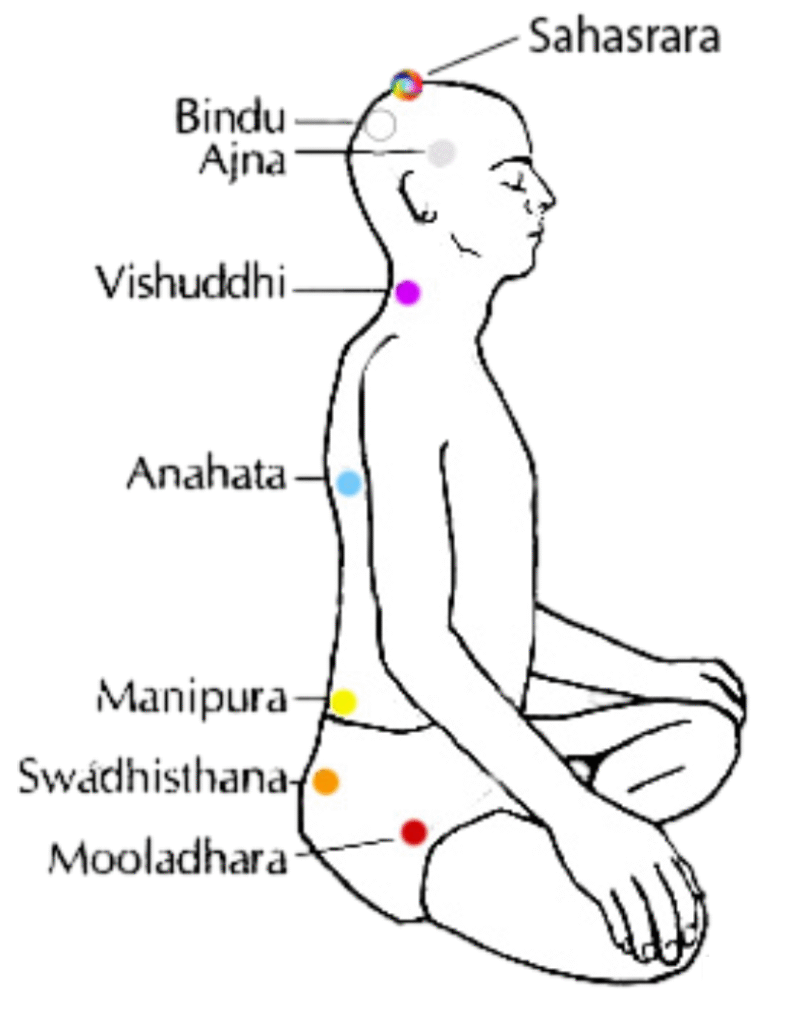
Unmani Mudra Introduction Unmani Mudra is a hand gesture in yoga that is traditionally practiced to calm the mind, induce deep relaxation, and support meditative states. It is particularly beneficial for individuals experiencing stress, restlessness, or insomnia. The term Unmani comes from Sanskrit, meaning “beyond the mind” or “mindless”, reflecting the mudra’s purpose of helping practitioners transcend ordinary thought processes and enter a state of mental stillness and inner peace. Meaning Unmani: Beyond the mind, mindless, transcendence of thought. Mudra: Gesture to channel energy and promote mental stillness. Overall Meaning:Unmani Mudra encourages a state of deep mental calmness, relaxation, and mindfulness, allowing the practitioner to release tension and stress while enhancing meditation. How to Perform / Practice Sit in any comfortable meditation asana. Open the eyes fully, but without straining. Inhale slowly and deeply. Hold the breath inside. Focus the awareness at bindu chakra in the back of the head for a few seconds. Exhale slowly, allowing the awareness to descend with the breath from bindu through the chakras in the spine: ajna, vishuddhi, anahata, manipura, swadhisthana, mooladhara. The eyes should slowly close as the awareness descends. By the time the awareness reaches mooladhara, the eyes should be fully closed. Even when the eyes are open, the awareness is looking within. Do not try too hard, but allow the process to occur spontaneously. Inhale deeply and begin the next round. Continue for 5 to 10 minutes. Benefits Physical Benefits: Reduces muscular tension and promotes bodily relaxation. Supports restful sleep and alleviates insomnia. Enhances circulation in hands and fingers. Mental & Emotional Benefits: Calms the mind and reduces anxiety or restlessness. Enhances focus and concentration during meditation. Promotes emotional balance and mental clarity. Energetic / Spiritual Benefits: Helps in directing pranic energy inward for meditation. Supports entering deeper meditative or contemplative states. Facilitates a sense of inner peace and detachment from stress. Contraindications Avoid if there is recent hand injury, arthritis, or pain. Discontinue if numbness, tingling, or discomfort occurs during prolonged practice. Practice gently without forcing the fingers. Anatomy & Physiology Muscles: Engages intrinsic hand muscles (lumbricals, interossei) to interlace fingers. Joints: Flexion at multiple finger joints to interlace; slight abduction of thumbs. Nervous System: Activates parasympathetic system, promoting relaxation and lowering stress response. Circulation: Gentle pressure of interlaced fingers improves microcirculation in hands. Kinesiology Enhances fine motor coordination and finger dexterity. Supports static postural stability while seated. Encourages relaxed hand posture, aiding in mental and physical calmness. Neurology Stimulates brain regions associated with stress reduction, focus, and emotional regulation. Activates parasympathetic pathways, lowering heart rate and promoting relaxation. Supports neural plasticity, improving mental clarity, calmness, and attention. Duration of Practice Daily Practice: 10–30 minutes, can be divided into shorter sessions. Short Practice: 5–10 minutes during breaks for relaxation or stress relief. Best practiced in combination with meditation or pranayama for enhanced effect. Counter Mudra If excessive lethargy or drowsiness occurs, switch to Gyan Mudra or Prana Mudra to stimulate alertness. Gentle hand stretching or shaking can release tension after prolonged practice. Conclusion Unmani Mudra is a gentle yet effective hand gesture to calm the mind, reduce stress, and support deep meditative states. Regular practice harmonizes mental, physical, and energetic systems, making it an excellent tool for stress relief, emotional balance, and mindfulness. Proper execution ensures maximum benefits without discomfort. FAQ Q1: Can beginners practice Unmani Mudra?A: Yes, it is simple and safe. Start with 5–10 minutes and gradually increase. Q2: Can it help with insomnia?A: Yes, it promotes relaxation and mental calm, aiding restful sleep. Q3: Can it be combined with other mudras?A: Yes, it can be combined with Dhyana Mudra or Prana Mudra during meditation. Q4: Can it be practiced while walking?A: Not recommended; best practiced seated for stability and focus. References Swami Satyananda Saraswati, Mudras for Healing and Transformation. Iyengar, B.K.S., Light on Yoga. Saraswati, S., Pranayama and Mudras in Yoga Therapy. Fishman, L., Yoga for Emotional Balance. Journal of Bodywork and Movement Therapies, 2018; 22(4): Effects of Hand Mudras on Mental and Physiological Functions.
Ushas Mudra
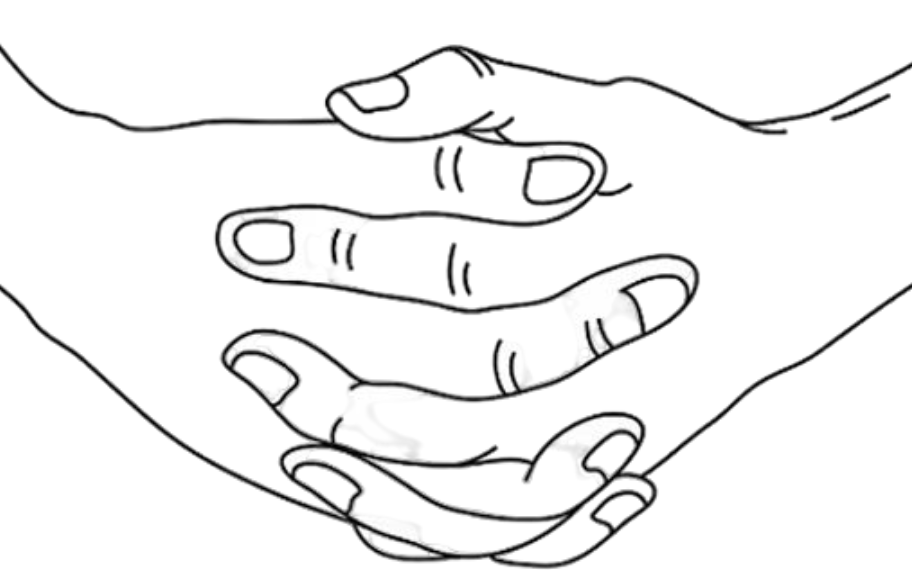
Ushas Mudra Introduction Ushas Mudra, often referred to as the “Dawn Gesture,” is a yogic hand mudra designed to revitalize energy, enhance alertness, and stimulate mental clarity. This mudra is especially useful in the morning to awaken the body and mind, aligning with the symbolism of Ushas, the Vedic goddess of dawn. The mudra is widely practiced in yoga therapy and meditation to harmonize pranic energy, improve vitality, and prepare the mind for focus and productivity. Meaning Ushas: Dawn, awakening, new beginning. Mudra: Gesture used to direct prana (vital energy) and influence physiological and mental processes. Overall Meaning:Ushas Mudra symbolizes renewal, mental awakening, and energetic balance, supporting both physical vitality and mental clarity. How to Perform / Practice Sit comfortably in a meditative posture (Padmasana, Sukhasana, or on a chair) with a straight spine. Clasp hands together and rest right thumb over the left thumb. Hold hands at abdomen. Close your eyes, breathe slowly and evenly, and visualize fresh energy and morning sunlight filling your body. Practice for 15–30 minutes daily, or 5–10 minutes in short intervals. Tip: Best practiced early in the morning for an energetic start to the day. Benefits Physical Benefits: Stimulates energy and combats morning fatigue. Improves circulation and oxygenation throughout the body. Supports metabolism and overall vitality. Mental & Emotional Benefits: Enhances alertness, focus, and mental clarity. Reduces lethargy and mental dullness. Encourages positivity and emotional balance. Energetic / Spiritual Benefits: Activates upward flow of prana for mental and spiritual awakening. Harmonizes body and mind energies. Supports meditation and mindfulness practices. Contraindications Avoid if experiencing hand, finger, or joint injuries. Not recommended for individuals with severe arthritis or chronic finger pain. Discontinue if numbness, tingling, or discomfort occurs. Anatomy & Physiology Muscles: Engages intrinsic hand muscles (lumbricals, interossei) to maintain finger positions. Joints: Flexion at ring and little fingers; extension at index and middle fingers. Nervous System: Stimulates parasympathetic system while enhancing alertness. Circulation: Improves microcirculation in hands and fingers; indirectly stimulates systemic energy flow. Kinesiology Improves fine motor control and finger dexterity. Enhances neuromuscular coordination between hand and brain. Supports static postural stability during seated meditation or pranayama practice. Neurology Stimulates brain regions associated with alertness, focus, and energy regulation. Balances sympathetic and parasympathetic activity to reduce fatigue while promoting vitality. Supports neural plasticity, improving mental clarity, attention, and cognitive function. Duration of Practice Daily Practice: 15–30 minutes, can be split into 2–3 sessions. Short Practice: 5–10 minutes during morning routines or meditation sessions. Can be combined with pranayama, meditation, or other mudras for enhanced effect. Counter Mudra If excessive energy or restlessness develops, switch to Gyan Mudra or Chala Mudra to balance energy. Gentle hand stretching or shaking is recommended after long practice. Conclusion Ushas Mudra is a simple yet powerful hand gesture to revitalize energy, enhance mental clarity, and awaken the mind and body. Regular practice harmonizes physical, mental, and energetic systems, making it an ideal tool for morning meditation, yoga therapy, and daily wellness. Proper execution ensures maximum benefits without discomfort. FAQ Q1: Can beginners practice Ushas Mudra?A: Yes, it is safe and simple; start with 5–10 minutes and gradually increase. Q2: Can it help with morning fatigue?A: Yes, it stimulates energy and alertness, providing a revitalized start to the day. Q3: Can it be combined with other mudras?A: Yes, often combined with Dhyana Mudra, Prana Mudra, or Gyan Mudra. Q4: Is it suitable for meditation?A: Yes, it enhances alertness and energy, supporting effective meditation practice. References Swami Satyananda Saraswati, Mudras for Healing and Transformation. Iyengar, B.K.S., Light on Yoga. Saraswati, S., Pranayama and Mudras in Yoga Therapy. Fishman, L., Yoga for Emotional Balance. Journal of Bodywork and Movement Therapies, 2018; 22(4): Effects of Hand Mudras on Mental and Physiological Functions.
Kapha Kaarak Pitta Naashak Mudra

Kapha Kaarak Pitta Naashak Mudra Introduction In yogic mudra therapy, specific hand gestures are practiced to balance the three doshas (Vata, Pitta, and Kapha) as described in Ayurveda. The Kapha Kaarak Pitta Naashak Mudra is a therapeutic gesture that increases Kapha dosha (which governs structure, stability, water, and earth elements) and reduces Pitta dosha (which governs fire and metabolism). This mudra is especially beneficial for people suffering from excess Pitta conditions such as hyperacidity, inflammation, irritability, and excessive heat in the body. Meaning Kapha = Earth + Water (structure, lubrication, immunity). Kaarak = enhancing or increasing. Pitta = Fire + Water (digestion, metabolism, heat, transformation). Naashak = destroyer or reducer. Thus, this mudra literally means the gesture that increases Kapha and decreases Pitta, restoring doshic balance in favor of coolness, calmness, and stability. How to Perform (Method of Practice) Step-by-Step: Sit in Sukhasana, Padmasana, or any meditative posture with spine erect. Relax shoulders, close eyes, and breathe naturally. Fold the index and middle finger towards inner palm. Then joining together the tips of the thumb, the ring finger and the little Finger. Rest the hands on the knees with palms facing upward. Practice slow, deep abdominal breathing while maintaining awareness of coolness and stability. Benefits Physical Benefits Reduces Pitta disorders like acidity, gastritis, burning sensation, ulcers, and skin rashes. Promotes cooling effect in the body. Enhances Kapha qualities like stability, lubrication, and immunity. Helps in cases of dryness, fatigue, and tissue depletion due to excess heat. Supports better sleep by reducing hyperactivity. Mental & Emotional Benefits Calms anger, irritability, and aggression (Pitta emotions). Enhances patience, stability, and compassion (Kapha qualities). Reduces overthinking and excessive drive. Spiritual Benefits Balances Manipura (solar plexus chakra) by cooling excessive fire energy. Enhances grounding and inner calmness. Contraindications Should be avoided in cases of Kapha aggravation (cold, cough, congestion, obesity, lethargy). Not suitable for people with low digestion power (Mandagni) if Kapha is already high. Should not be practiced for very long in humid or cold climates. Anatomy & Physiology Fingers involved: Little finger → water element. Ring finger → earth element. Thumb → fire element. By touching water + earth with fire, the excess fire of Pitta is suppressed, and the Kapha qualities are enhanced. Physiologically, it reduces hyperacidity, balances liver and gallbladder ativity, and supports hydration and tissue stability. Kinesiology Involves flexion of ring and little fingers to meet the thumb. Stabilizes fine motor coordination in the hand. Encourages balance between flexor and extensor muscles of the palm. Neurology Stimulates the ulnar nerve (ring and little finger areas). Calms the sympathetic nervous system by reducing Pitta-driven stress. Activates parasympathetic response, which cools the body and mind. Duration of Practice Therapeutic use: 15–20 minutes, 2–3 times daily. For chronic Pitta imbalance: Up to 45 minutes daily (divided sessions). For meditation: Can be held throughout the sitting practice. Best practiced during noon or evening when Pitta dosha is naturally high. Counter Mudra Surya Mudra (Agni Vardhak Mudra): Opposite mudra that increases Pitta/fire. Varun Mudra: Balances water element without increasing earth. Vayu Mudra: For balancing excess Kapha if it rises due to overuse of this mudra. Conclusion The Kapha Kaarak Pitta Naashak Mudra is a dosha-balancing yogic hand gesture that reduces excess heat, inflammation, and irritability caused by aggravated Pitta while simultaneously enhancing Kapha qualities such as stability, calmness, and lubrication. When practiced regularly, it helps restore harmony between fire and water/earth energies, offering cooling, grounding, and healing benefits for both body and mind. FAQ Q1: Who should practice this mudra?Anyone with Pitta imbalance (acidity, anger, skin rashes, heat-related issues). Q2: Can it be practiced daily?Yes, but avoid long-term daily use if Kapha is already dominant in your body. Q3: What is the best time to practice?During Pitta hours (10 AM–2 PM and 10 PM–2 AM). Q4: Can it help with stress?Yes, it reduces anger, irritability, and excessive drive, bringing calmness. Q5: Can children practice it?Yes, for short durations (5–10 minutes) under guidance. References Swami Satyananda Saraswati – Asana, Pranayama, Mudra, Bandha. Gertrud Hirschi – Mudras: Yoga in Your Hands. Dr. Vasant Lad – Ayurveda: Science of Self-Healing. Swami Niranjanananda Saraswati – Yoga Darshan. Ayurvedic research papers on dosha-balancing mudra therapy.
Kangula Mudra
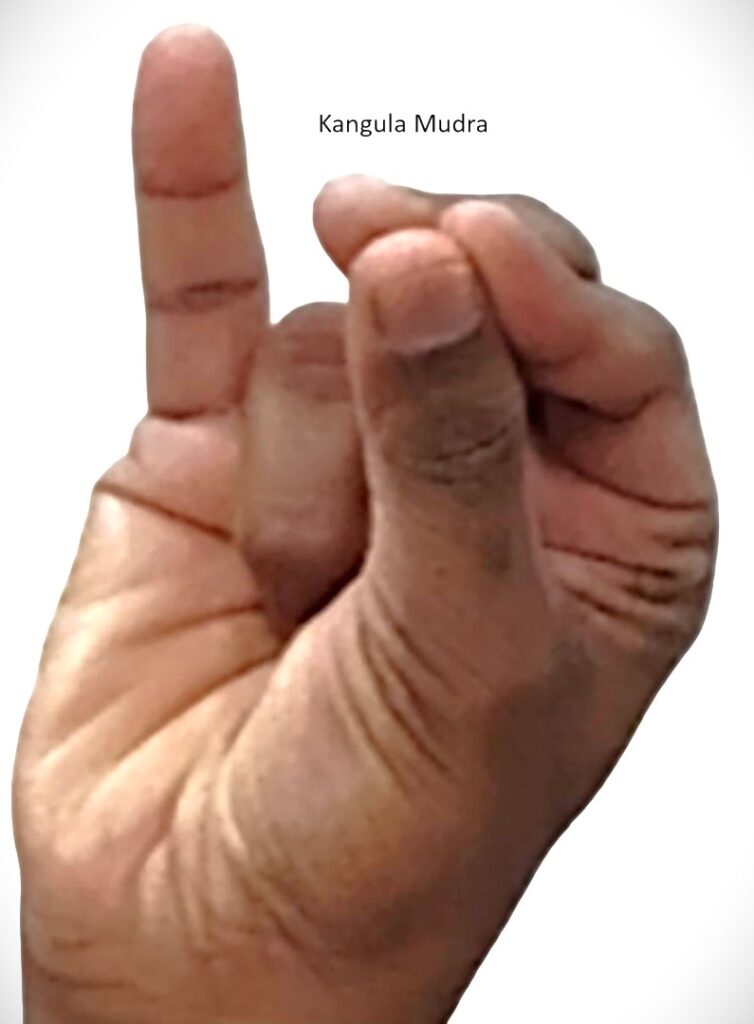
Kangula Mudra Introduction Kangula Mudra is one of the lesser-known therapeutic mudras in yogic and ayurvedic traditions. It is primarily used to strengthen the little finger (Kangula), which represents the water element and is associated with the urinary and reproductive systems. In yoga mudra therapy, this mudra is recommended for conditions related to the kidneys, urinary bladder, prostate, uterus, and reproductive health. It also helps in improving vitality and restoring fluid balance in the body. Meaning Kangula = little finger (in Sanskrit). Mudra = gesture, seal, or psychic posture. Thus, Kangula Mudra means the “gesture of the little finger,” which harnesses the energy of the water element for healing, purification, and reproductive vitality. How to Perform (Method of Practice) Step-by-Step Instructions: Sit in a comfortable posture such as Sukhasana, Padmasana, or Vajrasana with a straight spine. Touch the tip of your Ring finger to the center point of your palm and press slightly. Join the tips of your other four fingers together and extend them as upwards as possible. Close your eyes, focus on slow deep breathing, and direct awareness to the urinary system or reproductive area. Maintain the mudra for the desired duration. Benefits Physical Benefits: Balances the water element in the body. Improves the functioning of kidneys, bladder, uterus, and prostate. Helpful in urinary tract infections, excessive urination, and incontinence. Supports fertility and strengthens reproductive energy. Reduces joint stiffness and lubricates tissues. Mental & Emotional Benefits: Calms emotional disturbances linked to fear and insecurity. Promotes a sense of inner purity, fluidity, and adaptability. Helps overcome suppressed emotions, particularly those connected with relationships. Spiritual Benefits: Awakens Swadhisthana Chakra (sacral energy center). Enhances creativity and emotional harmony. Purifies pranic flow through the water element channel (Jala Nadi). Contraindications Should be avoided during excessive water retention, swelling, or edema. Not recommended for people with severe kidney failure without medical guidance. Pregnant women should practice only under supervision. Should not be practiced for too long in cases of low blood pressure. Anatomy & Physiology Finger Involvement: Little finger represents the water element and is linked to the excretory and reproductive organs. Physiology: Activates urinary and reproductive pathways, regulates water metabolism, and supports endocrine functions (especially gonads). Circulatory Effect: Improves hydration and nutrient transport at a cellular level. Kinesiology Involves flexion of the little finger and gentle pressure by the thumb. Encourages relaxation of the forearm flexors and extensors. Promotes a stable seated posture with balanced hand positioning. Neurology Stimulates the ulnar nerve (connected to the little finger), influencing motor control and sensory feedback. Calms the autonomic nervous system by reducing stress signals from the bladder. Supports parasympathetic activation, which aids in urinary and reproductive system balance. Duration of Practice Beginners: 10–15 minutes, 2–3 times daily. Therapeutic Use: 20–30 minutes in divided sessions. Spiritual Practice: Can be held during meditation for 30–45 minutes. Best practiced on an empty stomach or during early morning or evening meditation. Counter Mudra Apana Mudra – for purification and elimination. Varun Mudra – for overall water element balance and hydration. Linga Mudra – as an opposite energizing mudra (fire element to balance excess water). Conclusion Kangula Mudra is a therapeutic hand gesture that activates the water element in the body, promoting health of the kidneys, bladder, and reproductive organs. It balances emotions, enhances creativity, and purifies the body’s energy system. When practiced regularly with mindful breathing, it brings physical healing, emotional clarity, and spiritual balance by harmonizing the Swadhisthana Chakra. FAQ Q1: What is Kangula Mudra best for?It is best for urinary health, kidney balance, reproductive vitality, and emotional purification. Q2: Can it cure urinary infections?It may support healing, but should be practiced along with proper medical treatment. Q3: Can children practice it?Yes, for short durations (5–10 minutes), under guidance. Q4: When should I avoid it?Avoid during water retention, edema, or severe kidney failure. Q5: Can it be combined with pranayama?Yes, it works well with deep abdominal breathing or Ujjayi pranayama. References Swami Satyananda Saraswati – Asana, Pranayama, Mudra, Bandha. Gertrud Hirschi – Mudras: Yoga in Your Hands. Swami Niranjanananda Saraswati – Yoga Darshan. B.K.S. Iyengar – Light on Yoga. Research papers on mudra therapy and yogic healing of urinary disorders.
Kamajayi Mudra
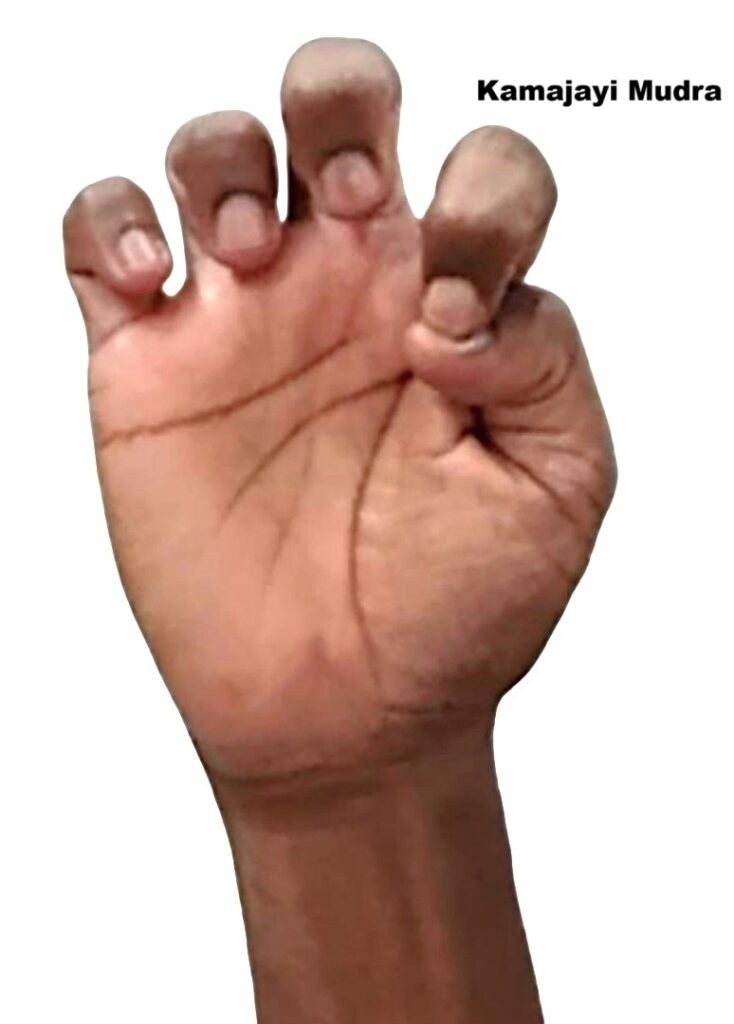
Kamajayi Mudra Introduction Kamajayi Mudra is a powerful yogic hand gesture described in Hatha Yoga texts for mastery over desires and senses. The term itself indicates the victory (jaya) over kama (desires, passions, sensual urges). It is considered both a mudra and a tantric practice, often used to channel sexual energy into higher spiritual energy, supporting brahmacharya (self-restraint) and deeper meditation. This mudra is especially recommended for practitioners who want to stabilize the mind, conserve energy, and direct prana (life force) inward. Meaning Kama = desire, passion, sensual energy. Jayi (from jaya) = victory, mastery, control. Mudra = seal, gesture, or psychic attitude. Kamajayi Mudra therefore means “the gesture of conquering desire”. How to Perform (Method of Practice) Step-by-Step Instructions: Sit in a comfortable meditative posture like Padmasana (Lotus Pose), Sukhasana (Easy Pose), or Vajrasana (Thunderbolt Pose) with the spine erect. You can practice this mudra in any position with either or both hands. Press down on the root of your thumb nail with the tip of the index finger of the same hand. Allow the other fingers to remain relaxed and slightly curled. Keep the hands just below the navel region (Swadhisthana/Manipura chakra area). Close your eyes and focus on your breath and awareness of lower abdomen. Maintain deep, slow, rhythmic breathing. Mentally repeat an affirmation or mantra, such as “I master my desires” or chant Om Shanti for inner peace. Benefits Physical Benefits: Supports better hormonal regulation by calming the pelvic region. Improves digestion and pranic flow in the abdominal area. Enhances stamina by conserving energy. Mental & Emotional Benefits: Helps overcome lust, addictions, compulsive behaviors. Enhances willpower, clarity, and determination. Provides emotional balance, especially during stress or temptations. Spiritual Benefits: Supports brahmacharya (continence, self-control). Assists in sublimating lower desires into spiritual awakening. Helps stabilize prana in Swadhisthana and Manipura chakras, preparing for higher meditation. Contraindications Should not be practiced during intense emotional disturbances unless guided by a teacher. Those with severe depression or suppressed desires may experience discomfort—gradual practice advised. Pregnant women should avoid holding mudra for long periods. Avoid after heavy meals. Anatomy & Physiology Hands & Fingers: Both hands are relaxed, forming an energy seal. Nervous System: The mudra calms the autonomic nervous system by reducing overactivation of sympathetic arousal linked to desires.Endocrine: May influence gonadal and adrenal glands, reducing overstimulation. Respiratory: Encourages slower and deeper breathing. Kinesiology Minimal musculoskeletal effort. Gentle hand positioning promotes relaxation in shoulders, arms, and pelvic floor muscles. Reinforces stillness by reducing unnecessary micro-movements of the hands. Neurology Activates parasympathetic response, calming sexual and emotional urges. Strengthens prefrontal cortex activity, enhancing willpower and decision-making. Helps in reducing limbic system overdrive, balancing emotions and desires. Duration of Practice Beginners: 5–10 minutes daily during meditation or pranayama. Intermediate: 15–20 minutes, especially useful in morning/evening practice. Advanced: Up to 30 minutes or integrated throughout meditation sessions. Best practiced at dawn, before meals, or before bedtime for calming desires. Counter Mudra Apana Mudra – to balance elimination and grounding. Dhyana Mudra – to restore calm neutrality after intense practice. Conclusion Kamajayi Mudra is a sacred yogic hand gesture designed to help practitioners control passions, transform desires, and achieve mastery over the senses. It has profound effects on the mind, emotions, and spiritual energy, making it a valuable tool for anyone seeking inner discipline, emotional stability, and higher awareness. By sublimating lower urges, the practitioner gains more focus and freedom for spiritual growth. FAQ Q1: Can beginners practice Kamajayi Mudra?Yes, it is simple and safe for beginners with mindful practice. Q2: How long does it take to see results?With daily practice, improvements in self-control and calmness can be noticed within a few weeks. Q3: Can it be practiced during stress or temptation?Yes, it is especially beneficial at such times to redirect energy inward. Q4: Is it only for celibate practitioners?No, it is useful for anyone who wishes to balance desires and strengthen willpower. Q5: Can it be practiced while standing or walking?No, it is best practiced in a seated meditative position with stillness. References Swami Satyananda Saraswati – Asana, Pranayama, Mudra, Bandha. Gertrud Hirschi – Mudras: Yoga in Your Hands. Swami Niranjanananda Saraswati – Yoga Darshan. B.K.S. Iyengar – Light on Yoga. Research articles on mudra therapy, meditation, and neuropsychology of desire regulation.
Kaki Mudra
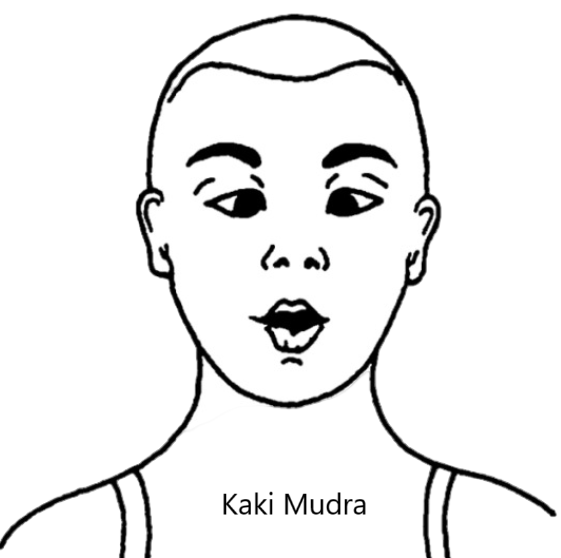
Kaki Mudra Introduction Kaki Mudra is a pranayama-oriented mudra (breath-control gesture) rather than just a hand mudra. In this practice, the mouth is shaped like the beak of a crow (Kaki in Sanskrit means crow), and the breath is drawn through the lips. It is a cooling pranayama practice that balances body temperature, calms the nervous system, and rejuvenates internal organs. It is particularly effective in reducing stress, acidity, and excess heat (pitta dosha) in the body. Meaning Kaki = Crow Mudra = Gesture/seal The lips are shaped like a crow’s beak, symbolizing the precision and directness of energy flow. Just as a crow sips water carefully, in Kaki Mudra the practitioner inhales through the pursed lips (like sipping air) and exhales slowly through the nose, symbolizing mindful intake of prana. How to Perform (Method of Practice) Step-by-Step Instructions: Sit in a meditative posture such as Padmasana, Sukhasana, or Vajrasana, keeping the spine erect. Relax the shoulders and place the hands on the knees in Chin Mudra (index finger and thumb together). Purse your lips into the shape of a crow’s beak (a small round opening). Inhale deeply through the pursed lips, feeling cool air enter. Close your lips, then exhale slowly and completely through the nose. Keep eyes closed or gaze at the tip of the nose (Nasikagra Drishti). Repeat for 5–10 rounds initially. Advanced Practice: Can be combined with kumbhaka (breath retention) after inhalation for deeper pranic absorption. Benefits Physical Benefits: Provides cooling effect on body, reducing excessive heat. Improves digestion and liver function. Relieves gastric acidity, ulcers, and constipation. Improves respiratory efficiency and oxygen intake. Helps in conditions like fever, hypertension, and skin problems caused by excess pitta. Mental & Emotional Benefits: Reduces stress, anger, and irritability. Promotes calmness, focus, and clarity of thought. Spiritual Benefits: Activates Vishuddhi (throat) and Anahata (heart) chakras. Helps conserve and channel prana for meditation. Induces a sense of inner tranquility. Contraindications Avoid if suffering from cold, cough, sinusitis, or asthma (as inhaling through the mouth may worsen symptoms). Not suitable for people with low blood pressure or chronic respiratory weakness. Should not be practiced in extreme cold climates. Avoid immediately after meals. Anatomy & Physiology Respiratory: Inhalation through the lips cools the breath, reducing internal body temperature and stimulating alveolar ventilation. Digestive: Enhances liver, gallbladder, and stomach function by reducing acidity. Circulatory: Helps regulate blood pressure through parasympathetic activation. Thermoregulation: Balances body heat via cooling air intake. Kinesiology Engages orbicularis oris muscles of lips to form the beak-like shape. Promotes controlled use of diaphragmatic breathing. Creates postural stability by keeping spine erect and chest open. Neurology Activates parasympathetic nervous system, inducing relaxation response. Reduces sympathetic overdrive linked with stress and anger. Stimulates cranial nerves via pursed-lip breathing. Enhances focus and awareness by directing attention to controlled breath. Duration of Practice Beginners: 3–5 minutes, 1–2 sessions per day. Intermediate: 10–15 minutes daily. Advanced: Can be integrated into pranayama sessions (20 minutes) with kumbhaka. Counter Mudra Surya Bhedana Pranayama (right nostril breathing) can be used as a counter to balance excessive cooling if body temperature drops too much. Bhramari Pranayama (humming bee breath) may also complement Kaki Mudra for relaxation. Conclusion Kaki Mudra is a cooling, calming, and rejuvenating pranayama mudra that harmonizes the body’s water and fire elements, reduces stress, and supports digestion and respiratory health. Its simplicity makes it suitable for daily practice, especially in hot weather, or for individuals with excess pitta. However, it should be practiced with care in cold conditions or by those with respiratory issues. FAQ Q1: Can Kaki Mudra be practiced after eating? No, wait at least 2–3 hours after meals. Q2: Can children practice it? Yes, but under supervision and for shorter durations. Q3: Can it be practiced lying down? Best performed in a seated posture for proper pranic flow. Q4: When is the best time to practice? Early morning or evening, in a calm and quiet environment. Q5: Is it similar to Sitali Pranayama? Yes, both are cooling practices. Kaki Mudra differs by using pursed lips instead of a rolled tongue. References Swami Satyananda Saraswati – Asana, Pranayama, Mudra, Bandha. Yoga Publications Trust. B.K.S. Iyengar – Light on Pranayama. Dr. H.R. Nagendra – Pranayama: The Art and Science. Yoga Journal articles on cooling pranayamas and mudras. Clinical studies on pranayama and autonomic nervous system regulation.