
Agni Mudrā

Agni Mudrā Introduction Agni Mudrā (also known as Agni Vardhak Mudrā or Fire Gesture) is a yogic hand gesture associated with the fire element (Agni Mahabhuta). In yogic philosophy, Agni represents digestion, transformation, energy, vitality, and metabolism. Practicing this mudrā stimulates the digestive fire (Jatharagni), enhances vitality, and promotes inner strength. It is widely used in yoga therapy for improving digestion, metabolism, and energy regulation. Meaning Etymology: Agni = Fire, energy, transformation. Mudrā = Gesture, seal, or attitude. Symbolic Meaning: Represents the ignition of the inner fire, essential for digestion and life force. Spiritual Meaning: Awakens willpower, determination, and inner radiance, burning away laziness and negativity. How to Perform Practice Posture: Sit in a comfortable meditative position (Sukhasana, Padmasana, or Vajrasana) with a straight spine. By folding the ring finger at the base of thumb and pressing it with the thumb at the second phalange. Keep the rest of the three fingers straight and perform it in sitting position only. Awareness: Concentrate on the solar plexus (Manipura Chakra) to activate the fire element. Benefits Physical Benefits Improves digestion and metabolism. Reduces problems of indigestion, gas, and constipation. Helps regulate body temperature and maintains warmth. Supports weight management by stimulating fat metabolism. Mental & Emotional Benefits Increases alertness, energy, and willpower. Helps overcome sluggishness, dullness, and lethargy. Promotes clarity, motivation, and enthusiasm. Spiritual Benefits Activates Manipura Chakra (Solar Plexus), the center of energy and transformation. Burns away inner negativity and enhances spiritual radiance (Tejas). Prepares the mind for meditation and higher awareness. Contraindications Should be avoided in fever, acidity, heartburn, ulcers, or excess pitta conditions. Not recommended for individuals with high blood pressure or inflammatory disorders. Avoid excessive practice in hot climates or summers. Anatomy & Physiology Organs Affected: Stomach, intestines, liver, pancreas, and digestive glands. Physiological Effects: Stimulates digestive enzymes and improves assimilation of nutrients. Regulates metabolism and enhances circulatory warmth. Balances endocrine activity in the pancreas and adrenal glands. Kinesiology Involves flexion of the ring finger and pressure from the thumb. Symbolically reduces earth element (heaviness) while increasing fire element (energy, heat). Encourages abdominal muscle activity through conscious breathing. Neurology Stimulates the enteric nervous system (gut-brain connection). Calms the vagus nerve, improving parasympathetic activity for digestion. Activates brain centers linked to alertness, motivation, and willpower. Duration of Mudra Beginners: 5 minutes daily after meals. Intermediate: 15–20 minutes. Advanced: Up to 30–45 minutes, divided into sessions. Best practiced on an empty stomach in the morning. Counter Mudra Varun Mudrā (Water gesture) – to balance excess fire or pitta conditions. Prithvi Mudrā (Earth gesture) – for grounding and stability. Conclusion Agni Mudrā is a powerful hand gesture for activating the fire element, improving digestion, boosting metabolism, and enhancing vitality. It awakens the Manipura Chakra, cultivating energy, determination, and transformation. When practiced moderately, it supports physical health, mental clarity, and spiritual illumination. However, care should be taken by those with excess pitta or heat-related conditions. FAQ Q1. Can Agni Mudrā help with weight loss?Yes, it stimulates metabolism and fat digestion, supporting weight management. Q2. Is it safe to practice daily?Yes, but avoid during fever, acidity, or inflammation. Q3. What is the best time to practice?Morning on an empty stomach, or after meals for digestion. Q4. Can it be combined with pranayama?Yes, especially with Kapalabhati or Bhastrika, but only under guidance. References Swami Satyananda Saraswati – Asana, Pranayama, Mudra, Bandha. Gertrud Hirschi – Mudras: Yoga in Your Hands. Joseph & Lilian LePage – Mudras for Healing and Transformation. Dr. H. R. Nagendra – Yoga Therapy. Tiwari, O.P. – Pranayama: The Breath of Yoga.
Agni Mudrā

Agni Mudrā Introduction Agni Mudrā (also known as Agni Vardhak Mudrā or Fire Gesture) is a yogic hand gesture associated with the fire element (Agni Mahabhuta). In yogic philosophy, Agni represents digestion, transformation, energy, vitality, and metabolism. Practicing this mudrā stimulates the digestive fire (Jatharagni), enhances vitality, and promotes inner strength. It is widely used in yoga therapy for improving digestion, metabolism, and energy regulation. Meaning Etymology: Agni = Fire, energy, transformation. Mudrā = Gesture, seal, or attitude. Symbolic Meaning: Represents the ignition of the inner fire, essential for digestion and life force. Spiritual Meaning: Awakens willpower, determination, and inner radiance, burning away laziness and negativity. How to Perform Practice Posture: Sit in a comfortable meditative position (Sukhasana, Padmasana, or Vajrasana) with a straight spine. Right hand makes a fist with the thumb pointing straight up. Left hand – open your hand, with the palm facing up. Place your right fist on your left palm and, maintaining this position, rest both hands in your lap. Breathing: Inhale deeply, exhale slowly, maintaining awareness on the navel region. Awareness: Concentrate on the solar plexus (Manipura Chakra) to activate the fire element. Benefits Physical Benefits Improves digestion and metabolism. Reduces problems of indigestion, gas, and constipation. Helps regulate body temperature and maintains warmth. Supports weight management by stimulating fat metabolism. Mental & Emotional Benefits Increases alertness, energy, and willpower. Helps overcome sluggishness, dullness, and lethargy. Promotes clarity, motivation, and enthusiasm. Spiritual Benefits Activates Manipura Chakra (Solar Plexus), the center of energy and transformation. Burns away inner negativity and enhances spiritual radiance (Tejas). Prepares the mind for meditation and higher awareness. Contraindications Should be avoided in fever, acidity, heartburn, ulcers, or excess pitta conditions. Not recommended for individuals with high blood pressure or inflammatory disorders. Avoid excessive practice in hot climates or summers. Anatomy & Physiology Organs Affected: Stomach, intestines, liver, pancreas, and digestive glands. Physiological Effects: Stimulates digestive enzymes and improves assimilation of nutrients. Regulates metabolism and enhances circulatory warmth. Balances endocrine activity in the pancreas and adrenal glands. Kinesiology Involves flexion of the ring finger and pressure from the thumb. Symbolically reduces earth element (heaviness) while increasing fire element (energy, heat). Encourages abdominal muscle activity through conscious breathing. Neurology Stimulates the enteric nervous system (gut-brain connection). Calms the vagus nerve, improving parasympathetic activity for digestion. Activates brain centers linked to alertness, motivation, and willpower. Duration of Mudra Beginners: 5 minutes daily after meals. Intermediate: 15–20 minutes. Advanced: Up to 30–45 minutes, divided into sessions. Best practiced on an empty stomach in the morning. Counter Mudra Varun Mudrā (Water gesture) – to balance excess fire or pitta conditions. Prithvi Mudrā (Earth gesture) – for grounding and stability. Conclusion Agni Mudrā is a powerful hand gesture for activating the fire element, improving digestion, boosting metabolism, and enhancing vitality. It awakens the Manipura Chakra, cultivating energy, determination, and transformation. When practiced moderately, it supports physical health, mental clarity, and spiritual illumination. However, care should be taken by those with excess pitta or heat-related conditions. FAQ Q1. Can Agni Mudrā help with weight loss?Yes, it stimulates metabolism and fat digestion, supporting weight management. Q2. Is it safe to practice daily?Yes, but avoid during fever, acidity, or inflammation. Q3. What is the best time to practice?Morning on an empty stomach, or after meals for digestion. Q4. Can it be combined with pranayama?Yes, especially with Kapalabhati or Bhastrika, but only under guidance. References Swami Satyananda Saraswati – Asana, Pranayama, Mudra, Bandha. Gertrud Hirschi – Mudras: Yoga in Your Hands. Joseph & Lilian LePage – Mudras for Healing and Transformation. Dr. H. R. Nagendra – Yoga Therapy. Tiwari, O.P. – Pranayama: The Breath of Yoga.
Aditi Mudrā
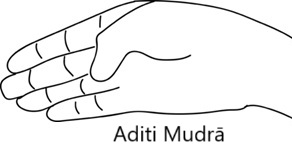
Aditi Mudrā Introduction Aditi Mudrā is a sacred hasta mudrā (hand gesture) named after the Vedic goddess Aditi, considered the Mother of the Gods (Devas) and the personification of infinite space and cosmic abundance. Aditi is associated with limitlessness, protection, and nurturing energy. Practicing this mudrā connects the practitioner with expansiveness, openness, and the nurturing quality of the divine mother. This mudrā is often practiced in meditation, pranayama, and devotional yoga to invoke spaciousness, compassion, and freedom from limitations. Meaning Etymology: Aditi = “Boundless,” “Limitless,” “Infinite Mother.” Mudrā = gesture, seal, or attitude. Symbolic Meaning: Represents the cosmic womb of creation and the nurturing, protective power of the divine mother. Spiritual Meaning: By practicing Aditi Mudrā, one invokes qualities of openness, liberation, protection, and abundance. How to Perform Practice Seated Posture: Sit in Padmāsana, Sukhasana, or Vajrasana with a straight spine. Place the thumb end on the base of the ring finger. Anamika represents Prithvi (earth) and thumb represents fire (Agni). When the finger touches the base of the ring finger, the earth rises and also the fire element. Breathing: Practice slow, deep, rhythmic breaths. Inhale with the sense of openness, exhale with release of limitations. Awareness: Focus on expansiveness, compassion, and the quality of nurturing protection. Duration: Hold for 5–20 minutes in meditation or pranayama. Benefits Physical Benefits Opens the chest and improves lung capacity. Encourages deeper breathing and oxygen exchange. Relaxes the muscles of the shoulders and chest. Mental & Emotional Benefits Enhances feelings of openness, trust, and receptivity. Reduces stress, fear, and insecurity. Promotes emotional nurturing and self-acceptance. Spiritual Benefits Connects the practitioner to divine mother energy (Shakti). Enhances meditation by invoking limitlessness and cosmic space. Helps in healing practices by radiating compassion and protective energy. Contraindications No major physical contraindications. Should be avoided in situations of emotional hypersensitivity if it leads to feelings of overwhelm. Those experiencing extreme anxiety may prefer grounding mudrās (like Prithvi Mudrā) before moving to Aditi Mudrā. Anatomy & Physiology Organs Affected: Lungs, heart, diaphragm. Physiological Effects: Expands thoracic cavity, improving lung ventilation. Activates parasympathetic response through calm breathing. Stimulates heart chakra region, influencing cardiovascular and respiratory efficiency. Kinesiology Involves finger abduction (spreading of thumb and index) and palmar connection (palms touching). Encourages external rotation of shoulders and opening of chest cavity. Promotes balance between flexor and extensor muscles of the arms. Neurology Activates neural pathways connected with safety, compassion, and maternal connection. Calms the sympathetic nervous system, shifting toward parasympathetic dominance. Engages limbic system centers related to emotional regulation and bonding. Duration of Mudra Beginners: 5 minutes daily. Intermediate: 10–15 minutes. Advanced: Up to 30 minutes in meditation or healing practices. Counter Mudra Prithvi Mudrā (Earth gesture) – for grounding and stability. Hridaya Mudrā – for emotional healing and heart opening. Conclusion Aditi Mudrā is a gesture of openness, nurturance, and infinite space, honoring the boundless quality of the cosmic mother. It expands the chest, calms the mind, and nourishes the heart. Practicing this mudrā cultivates compassion, trust, and freedom from limitations, making it especially beneficial for meditation, healing, and devotional yoga. When combined with grounding mudrās, it balances expansiveness with stability. FAQ Q1. What is the best time to practice Aditi Mudrā?Morning meditation or before sleep to invoke calmness and openness. Q2. Can Aditi Mudrā help with emotional healing?Yes, it helps release fear, insecurity, and emotional blockages by invoking nurturing qualities. Q3. Can it be practiced during pranayama?Yes, especially with deep breathing practices to enhance lung capacity and heart activation. Q4. Is Aditi Mudrā only spiritual?No, it also has physical and psychological benefits, especially for stress reduction and chest opening. References Swami Satyananda Saraswati – Asana, Pranayama, Mudra, Bandha. Gertrud Hirschi – Mudras: Yoga in Your Hands. Joseph & Lilian LePage – Mudras for Healing and Transformation. B.K.S. Iyengar – Light on Yoga. Tiwari, O.P. – Pranayama: The Breath of Yoga.
Adho Mukha Mudrā

Adho Mukha Mudrā Introduction Adho Mukha Mudrā (downward-facing gesture) is a lesser-known yogic hand and body gesture symbolizing humility, surrender, grounding, and devotion. While “Adho Mukha” is widely recognized in asana names (e.g., Adho Mukha Svanasana – Downward-Facing Dog Pose), in mudrā practice, it refers to a gesture where the palms face downward, directing prāṇa (vital energy) into the earth. This mudrā embodies rooting, stability, and surrender of the ego, making it particularly effective for grounding and calming an overactive mind. Meaning Etymology: Adho = downward. Mukha = face, direction. Mudrā = seal, gesture, mark. Philosophical Meaning: Symbolizes bowing to the earth, surrendering mental restlessness and grounding energy. Symbolism: By facing the palms down, the practitioner channels energy from the subtle body into the earth, creating stability, calmness, and humility. How to Perform Practice Posture: Sit in Sukhasana (easy pose) or Vajrasana. Spine tall, shoulders relaxed. With both palms facing downward, bend your fingers and bring the backs of your fingers together as you extend and join the tips of your thumbs. Awareness: Focus on the Muladhara Chakra (root center). Imagine energy flowing downward into the earth. Breathwork: Inhale deeply, exhale with a sense of grounding and surrender. Duration: Practice 10–20 minutes in meditation or pranayama sessions. Benefits Physical Benefits Stabilizes posture and reduces fidgeting. Encourages deeper diaphragmatic breathing. Helps balance blood pressure and calm heart rate. Mental & Emotional Benefits Provides a sense of safety, grounding, and stability. Reduces anxiety, overthinking, and excessive “airiness.” Encourages humility and surrender of ego. Spiritual Benefits Grounds prāṇa into the physical body. Activates Muladhara Chakra, strengthening the foundation for higher practices. Supports meditative absorption (dhyāna) by reducing restlessness. Contraindications Not recommended if the practitioner feels overly heavy, lethargic, or depressed (as downward energy may increase dullness). Should be avoided in cases of severe hypotension (very low blood pressure). Those with trauma associated with submission may need guided practice. Anatomy & Physiology Organs Affected: Lungs, diaphragm, heart (indirectly through calming breath). Systems Influenced: Nervous system (parasympathetic dominance), musculoskeletal (postural stabilization). Physiological Effects: Downward palms activate grounding reflex, stabilizing autonomic functions. Kinesiology Involves pronation of forearms (palms down). Engages flexors of the wrist lightly while keeping shoulders relaxed. Promotes stability in the pelvic floor and spine through grounding effect. Neurology Stimulates somatosensory pathways linked with palm-down pressure. Encourages calming neural activity, shifting from sympathetic (“fight/flight”) to parasympathetic (“rest/digest”). Promotes alpha brainwave activity → relaxation and mindfulness. Duration of Mudra Beginners: 5–10 minutes during meditation. Intermediate: 15–20 minutes daily. Advanced: Up to 30 minutes in long meditation or pranayama practice. Counter Mudra Urdhva Mukha Mudrā (palms facing upward) – balances openness and receptivity when too much grounding causes heaviness. Jnana Mudrā – for mental clarity if Adho Mukha induces excessive passivity. Conclusion Adho Mukha Mudrā is a grounding, stabilizing gesture that channels prāṇa downward, cultivating humility, surrender, and calmness. It harmonizes the root chakra, reduces anxiety, and strengthens the foundation for meditation. Best practiced when one feels restless, anxious, or ungrounded, this mudrā brings a sense of inner stability and connection with the earth. FAQ Q1. Is Adho Mukha Mudrā the same as Adho Mukha Svanasana?No, the asana is a physical posture, while the mudrā is a hand gesture used in meditation. Q2. Can this mudrā be practiced while standing?Yes, simply keep arms relaxed by your sides with palms facing downward. Q3. Can it help with insomnia?Yes, it grounds excess mental energy, which may support better sleep. Q4. When should I avoid this mudrā?When feeling dull, depressed, or overly heavy, as it increases downward/earth energy. References Swami Satyananda Saraswati – Asana, Pranayama, Mudra, Bandha. Joseph & Lilian Lepage – Mudras for Healing and Transformation. T.K.V. Desikachar – The Heart of Yoga. B.K.S. Iyengar – Light on Yoga. Contemporary yoga therapy manuals on grounding and mudrā practices.
Adhi Mudrā
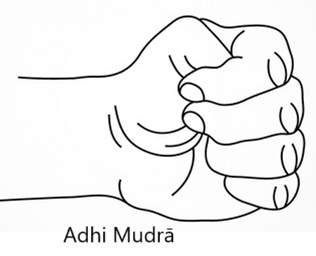
Adhi Mudrā Introduction Adhi Mudrā is one of the classic hasta mudrās (hand gestures) described in yogic tradition. It is a gesture of primal silence and inwardness, often practiced in meditation and pranayama. The term Adhi means “first” or “primordial,” symbolizing the original state of consciousness before thought. By curling the thumb into the palm and covering it with the fingers, Adhi Mudrā represents retreating inward, withdrawing from external distractions, and returning to the self. Meaning Etymology: Adhi = first, primordial, original. Mudrā = seal, gesture, or attitude. Philosophical Meaning: Represents returning to the primordial stillness of the mind before ego and thought arise. Symbolism: Closing the thumb (ego/will) within the fist symbolizes surrender of individual control to higher consciousness. How to Perform Practice Seated Posture: Sit in Padmāsana, Sukhasana, or Vajrasana. Spine straight, shoulders relaxed. In the Adi Mudra, the thumb is placed at the base of the little finger and the remaining fingers curl over the thumb, forming a light fist. The palms are again placed upward on the thighs and exhale repeatedly. Breathing: Practice slow, deep diaphragmatic breathing or ujjayi pranayama. Awareness: Direct attention inward, especially at the Ajna Chakra (third eye) or Anahata (heart center). Duration: Maintain for 5–20 minutes during meditation or pranayama. Benefits Physical Benefits Promotes deeper, slower breathing. Improves oxygen intake and circulation. Relaxes the nervous system, reducing muscle tension. Mental & Emotional Benefits Induces calmness and serenity. Reduces stress, anxiety, and restlessness. Promotes introversion and mental clarity. Spiritual Benefits Encourages pratyāhāra (withdrawal of the senses). Helps enter deeper meditative states. Symbolizes surrender of ego to the higher Self. Contraindications Not suitable for those with severe depression or extreme lethargy, as it may increase inward withdrawal. Avoid if feeling overly isolated or emotionally closed. Should be practiced in balance with more expansive mudras (like Jnana or Urdhva Mukha). Anatomy & Physiology Organs Affected: Lungs, diaphragm, heart. Physiological Effects: By reducing sensory stimulation (palms downward, fist closed), it encourages parasympathetic dominance. Promotes deeper exhalation, activating vagus nerve pathways for relaxation. Kinesiology Involves flexion of the thumb into the palm and flexion of the fingers over the thumb. Shoulder and arm muscles relax as fists rest on thighs/knees. Supports a forward grounding of energy toward the pelvis and earth. Neurology Activates the parasympathetic nervous system (calming response). Reduces beta-wave activity, encouraging alpha and theta states (deep relaxation, meditation). Symbolically suppresses the ego-driven neural activity (represented by the thumb enclosed within fingers). Duration of Mudra Beginners: 5 minutes. Intermediate: 10–15 minutes. Advanced: Up to 30 minutes during meditation or pranayama. Counter Mudra Jnana Mudrā (gesture of knowledge) – balances inward withdrawal with wisdom and openness. Urdhva Mukha Mudrā – restores expansiveness and receptivity. Conclusion Adhi Mudrā is a primordial hand gesture symbolizing the return to silence and the womb of consciousness. By folding the thumb within the fist, one symbolically surrenders ego and control, turning awareness inward. It calms the nervous system, deepens the breath, and supports meditation. However, for balance, it should be practiced alongside more expansive and uplifting mudras to avoid excessive introversion. FAQ Q1. What is the best time to practice Adhi Mudrā?Early morning or evening, during meditation or pranayama. Q2. Does Adhi Mudrā improve breathing?Yes, it encourages diaphragmatic breathing and increases lung efficiency. Q3. Can it be practiced while lying down?It is best in a seated posture, but can be done lying down for relaxation. Q4. Is Adhi Mudrā good for anxiety?Yes, it activates parasympathetic relaxation, reducing stress and anxiety. References Swami Satyananda Saraswati – Asana, Pranayama, Mudra, Bandha. Gertrud Hirschi – Mudras: Yoga in Your Hands. Joseph & Lilian LePage – Mudras for Healing and Transformation. B.K.S. Iyengar – Light on Yoga. Mark Stephens – Yoga Sequencing.
Acceptance Mudrā

Acceptance Mudrā Introduction Acceptance Mudrā is a contemporary yogic hand gesture designed to cultivate a sense of surrender, openness, and peace with life’s flow. Unlike many classical mudrās rooted in Vedic and tantric scriptures, Acceptance Mudrā is recognized primarily in modern yoga therapy and mindfulness traditions. It emphasizes letting go of resistance and embracing experiences—pleasant or unpleasant—with equanimity. This mudrā is particularly useful for those dealing with stress, grief, change, or self-judgment, and serves as a tool for emotional healing and resilience. Meaning Etymology: Acceptance = willingness to receive and embrace reality as it is. Mudrā = seal, gesture, or symbolic hand posture. Philosophical Meaning: Acceptance Mudrā symbolizes surrender to the present moment, removing inner conflict between “what is” and “what should be.” Symbolism: The open hands in this mudrā reflect receptivity, humility, and trust in universal flow. How to Perform Practice Posture: Sit comfortably in Sukhasana, Padmāsana, or on a chair with spine upright. The index finger is folded into the space between thumb and this finger, so that the nail touches the fold. The outer lower corner of the thumb’s nail touches the inner lower corner of the small finger’s nail. Awareness: Focus on breath and silently affirm: I accept myself. I accept this moment. I am open to life. Breathwork: Slow, deep abdominal breathing; exhale with a sense of release. Duration: Begin with 5–10 minutes, extending gradually to 20–30 minutes in meditation or relaxation. Benefits Physical Benefits Relaxes muscles of shoulders, arms, and chest. Helps reduce stress-related hypertension. Promotes deep, diaphragmatic breathing. Mental & Emotional Benefits Reduces resistance, worry, and self-criticism. Encourages self-acceptance and forgiveness. Helps manage grief, anxiety, and emotional pain. Improves adaptability to life changes. Spiritual Benefits Enhances surrender (Ishvara Pranidhana) in yogic philosophy. Promotes mindfulness and non-attachment. Deepens meditation by calming restless thoughts. Contraindications No major contraindications. Individuals with trauma history may experience emotional release; guided practice is recommended. Should not replace medical or psychological treatment but can complement it. Anatomy & Physiology Organs Affected: Heart, lungs, diaphragm, nervous system. Systems Influenced: Respiratory, circulatory, autonomic nervous system. Physiological Effects: Expands chest cavity for fuller breathing. Reduces cortisol and stress response. Promotes parasympathetic activation (relaxation response). Kinesiology Hands and forearms remain in a relaxed supinated position (palms facing up). Gentle isometric engagement of finger flexors and extensors to keep palms open. Shoulder girdle naturally relaxes downward, reducing tension in trapezius and neck. Neurology Stimulates sensory cortex regions associated with open palms and receptivity. Engages the vagus nerve through calm breathing, improving emotional regulation. Induces alpha brainwave activity → mindfulness and meditative calm. Encourages neural rewiring by pairing gesture with positive affirmations. Duration of Mudra Beginners: 5–10 minutes daily. Intermediate: 15–20 minutes twice daily. Advanced: 30 minutes in meditation, mindfulness, or yoga nidra practice. Can be practiced briefly (1–2 minutes) during stressful moments for grounding. Counter Mudra Hakini Mudrā (enhances focus and mental clarity when acceptance leads to passivity). Anjali Mudrā (prayer gesture, for centering and gratitude). Apana Vayu Mudrā (for grounding when emotions feel overwhelming). Conclusion Acceptance Mudrā is a simple yet profound hand gesture that helps cultivate peace, openness, and surrender. While it is not a classical mudrā from ancient yoga texts, it has significant therapeutic value in modern mindfulness and yoga therapy practices. It calms the nervous system, encourages emotional release, and fosters a compassionate relationship with oneself and others. By practicing this mudrā regularly, one develops the inner strength to face challenges with grace and acceptance. FAQ Q1. Is Acceptance Mudrā traditional or modern?It is primarily a modern therapeutic mudrā inspired by yogic and meditative principles of surrender. Q2. Can this mudrā help with anxiety?Yes, it relaxes the nervous system and reduces resistance, which helps ease anxiety. Q3. Can I practice it while lying down?Yes, especially in Yoga Nidra or Shavasana, palms open to the ceiling. Q4. How soon will I feel benefits?Often within a few minutes, as relaxation deepens and resistance softens. References Joseph & Lilian Lepage – Mudras for Healing and Transformation. Swami Satyananda Saraswati – Asana, Pranayama, Mudra, Bandha. T.K.V. Desikachar – The Heart of Yoga. B.K.S. Iyengar – Light on Yoga. Contemporary Yoga Therapy resources on mindfulness-based mudra practices.
Ācamana Mudrā

Ācamana Mudrā Introduction Ācamana Mudrā (often spelled Aachaman Mudra) is a yogic hand gesture rooted in Vedic rituals and yogic traditions. The word Ācamana refers to the act of “sipping water” or “purification by sipping,” which is a ritualistic practice in Hinduism, Ayurveda, and yoga. Symbolically, this mudrā represents purification of the body, speech, and mind. In yogic therapy, it is used as a subtle energy gesture that invokes inner cleansing, self-awareness, and alignment of the five elements (Pancha Mahābhūtas). Meaning Etymology: Derived from Sanskrit: Ā = towards, Camana = sipping, purifying by sipping water. Philosophical Meaning: Symbolizes purification of body, prāṇa (life energy), and consciousness. It is an inner preparation before engaging in higher yogic or spiritual practices. Mudra Significance: Through the hand gesture, it channels prāṇic currents that aid in detoxification and calming the nervous system. How to Perform Practice Seated Posture: Sit comfortably in Padmāsana (Lotus), Sukhasana, or Vajrasana. Make a bowl with your palm, by bringing all the fingers together as shown in the image. Awareness: Focus on the solar plexus (Manipura chakra) and heart center while holding the mudrā. Breathing: Practice slow, rhythmic breathing (preferably Ujjayi or natural deep breathing). Duration: Hold for 5–15 minutes, gradually extending up to 30 minutes in meditation or pranayama sessions. Benefits Physical Benefits: Aids digestion and assimilation of nutrients. Helps in balancing water element (Jala Mahābhūta). Improves hydration and body fluid regulation. Mental & Emotional Benefits: Brings mental clarity and inner purification. Reduces irritability, anger, and restlessness. Induces a sense of ritualistic sanctity before yoga or meditation. Spiritual Benefits: Cleanses karmic impressions (samskāras). Prepares the subtle body for mantra, meditation, and dhyāna. Enhances sattvic (pure) vibrations. Contraindications Should be avoided if experiencing severe dehydration, diarrhea, or fluid imbalance disorders. Not recommended during high fever or acute gastrointestinal infections. People with kidney failure or fluid retention disorders (edema, ascites) should practice only under guidance. Anatomy & Physiology Elemental Association: Water element (Jala tattva). Organs Influenced: Stomach, intestines, kidneys, bladder. Systems: Digestive system, excretory system, and circulatory balance. Physiological Effect: Enhances parasympathetic nervous system response → calming, restorative state. Kinesiology Involves isometric contraction of small intrinsic hand muscles to hold the mudrā. Activates neuromuscular circuits linked to fine motor control, improving hand-brain coordination. Gentle engagement of tendons of ring and little fingers connects with meridians related to water metabolism. Neurology Stimulates parasympathetic vagal pathways, aiding digestion and relaxation. Activates somatosensory cortex areas related to finger mapping (thumb, ring, little finger). Induces calm brainwave activity (alpha & theta states) beneficial for meditation and stress reduction. Duration of Mudra Beginners: 5 minutes per session. Regular practice: 15–30 minutes daily (can be divided into 2–3 sessions). Advanced: During meditation, pranayama, or japa (mantra chanting). Counter Mudra Prithvi Mudra (thumb + ring finger) – balances the earth element when excessive water imbalance occurs. Chin Mudra – restores grounding and balances energy if over-relaxation or drowsiness arises. Conclusion Ācamana Mudrā is a gesture of purification, balance, and inner sanctity. Rooted in ancient Vedic rituals, it aligns water element, regulates digestion, calms the mind, and prepares practitioners for deeper yogic practices. Beyond physical benefits, it serves as a spiritual tool to purify thoughts and elevate consciousness. FAQ Q1. Is Ācamana Mudrā only a ritual gesture or also therapeutic?It is both — traditionally ritualistic, but therapeutically it balances water element and calms the nervous system. Q2. Can it be practiced without actual water sipping?Yes, the mudrā itself symbolically represents purification, even without water. Q3. When should I practice this mudrā?Morning, before meditation or pranayama, or before meals for digestive benefits. Q4. Can it be combined with mantra chanting?Yes, it enhances focus and sanctity in mantra sadhana. References Swami Satyananda Saraswati – Asana, Pranayama, Mudra, Bandha. G. Kumar – Mudras for Healing and Transformation. Hatha Yoga Pradipika & Vedic ritual texts (Ācamana practice). Light on Yoga – B.K.S. Iyengar. Ayurveda classics – Charaka Samhita (references to water purification rituals).
Abhaya Mudrā

Abhaya Mudrā Introduction Abhaya Mudrā is one of the most ancient and universally recognized gestures in yoga, Hinduism, Buddhism, and Jainism. The term Abhaya means fearlessness, protection, and reassurance. This mudrā is frequently depicted in sacred art, where deities, Buddhas, or enlightened masters are shown with the right hand raised, palm facing outward, symbolizing peace and safety. It is not just a symbolic gesture but also a therapeutic yogic mudrā that influences the nervous system, emotional stability, and overall confidence. Meaning Etymology: Abhaya = fearlessness, safety, protection. Mudrā = seal, gesture, mark. Philosophical Meaning: Symbolizes protection, benevolence, and freedom from fear. It represents trust in higher consciousness and the assurance of divine support. Symbolism: When the palm faces outward, it acts as an energy shield, preventing fear, negativity, and mental disturbances from entering the practitioner’s aura. How to Perform Practice Posture: Sit in Padmāsana, Sukhasana, or even stand in Tadasana. Hand Gesture: Raise the right hand up to shoulder or chest level. Palm faces outward, all five fingers together extended upward towards the sky. The left hand can rest on the lap, in Jnana Mudrā or relaxed. Awareness: Focus on the heart or third eye center. Mentally affirm: “I am fearless. I am protected. I am safe.” Breath: Practice calm, deep breathing. You may combine it with chanting of Om or protective mantras. Duration: Hold for 5–15 minutes initially, extendable to 30 minutes in meditation or healing sessions. Benefits Physical Benefits Calms the heartbeat and stabilizes blood pressure during fear or anxiety. Relaxes involuntary tension in muscles caused by stress. Supports respiratory balance, reducing breathlessness linked to fear. Mental & Emotional Benefits Removes fear, phobias, and insecurity. Promotes confidence, courage, and inner strength. Creates a sense of safety and emotional grounding. Spiritual Benefits Acts as a protective shield in meditation or energy practices. Invokes divine grace and assurance of guidance. Enhances compassion, peace, and aura purification. Contraindications No major contraindications. Those with severe trauma or PTSD may need to practice under guidance, as suppressed emotions may surface. Should not be used as a substitute for medical or psychological treatment but as complementary support. Anatomy & Physiology Organs Affected: Heart, lungs, adrenal glands (stress response system). Systems Influenced: Circulatory, respiratory, and autonomic nervous system. Physiological Effect: Reduces sympathetic (“fight or flight”) activity and enhances parasympathetic calming response. Kinesiology Involves extension of the wrist and fingers, engaging extensor muscles of the forearm. The upright palm posture naturally opens the chest and shoulders, improving posture and lung capacity. Energy flow through palm chakras (hasta marma) creates a bio-energetic shield effect. Neurology Activates sensory-motor cortex regions mapped to the palm and fingers. Stimulates the vagus nerve (through deep breathing and calming posture), reducing anxiety. Encourages brainwave transition from beta (stress) to alpha-theta (relaxed, meditative states). Duration of Mudra Beginners: 5–10 minutes during meditation or stressful moments. Intermediate: 15–20 minutes daily practice. Advanced: Up to 30–45 minutes in prolonged meditative or healing sessions. Can also be practiced briefly during anxiety attacks or moments of fear. Counter Mudra Varada Mudrā (gesture of giving/compassion) – complements Abhaya Mudrā by balancing fearlessness with generosity. Chin Mudrā – helps ground excess energy if the practitioner feels over-stimulated. Conclusion Abhaya Mudrā is the gesture of fearlessness, protection, and reassurance, universally recognized across spiritual traditions. It strengthens the nervous system, removes fear, builds courage, and enhances spiritual confidence. Beyond symbolism, its physiological and neurological effects help balance stress, regulate breathing, and calm the heart. Practiced regularly, it empowers the practitioner to walk life’s path with inner peace and strength. FAQ Q1. Is Abhaya Mudrā only symbolic, or does it have real effects?It is both symbolic and therapeutic. The posture of the palm influences the nervous system and energy field, reducing fear and promoting calmness. Q2. Can it be practiced in public without drawing attention?Yes, it can be subtly practiced with the palm facing outward at chest level, even while standing. Q3. Can children practice Abhaya Mudrā?Yes, it is especially useful for children experiencing fear, nightmares, or insecurity. Q4. Can I combine Abhaya Mudrā with mantra?Yes, chanting Om Shanti or protective mantras (like Maha Mrityunjaya Mantra) enhances its effect. References Swami Satyananda Saraswati – Asana, Pranayama, Mudra, Bandha. T.K.V. Desikachar – The Heart of Yoga. B.K.S. Iyengar – Light on Yoga. Zimmer, Heinrich – Philosophies of India (discussion on mudrā symbolism). G. Kumar – Mudras for Healing and Transformation. Iconography references from Buddhist and Hindu scriptures (depictions of Buddha and Shiva in Abhaya Mudrā).
Abhaya Hridaya Mudrā
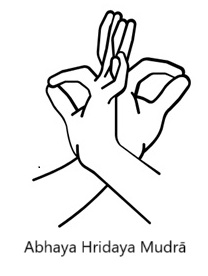
Abhaya Hridaya Mudrā Introduction Abhaya Hridaya Mudrā is a powerful yogic hand gesture that integrates the symbolism of fearlessness (Abhaya) with the seat of compassion and love (Hridaya – the heart). This mudrā represents the courageous and open heart, free from fear, anxiety, and attachment. Unlike the simple Abhaya Mudrā (raised palm), Abhaya Hridaya Mudrā is a meditative hand posture performed in front of the chest, engaging both hands in a symbolic crossing over the heart. It is mentioned in tantric and yogic traditions as a practice to dissolve emotional blocks, release fear, and strengthen the practitioner’s heart center (Anāhata Chakra). Meaning Etymology: Abhaya = fearlessness, protection, safety. Hridaya = heart, seat of compassion, emotional center. Mudrā = gesture, seal. Philosophical Meaning: The mudrā represents fearless love — the courage to open the heart without fear of vulnerability. Symbolism: Crossing the hands at the heart symbolizes surrender of ego, unity of left (moon, intuition) and right (sun, action) channels, and protection of the spiritual heart. How to Perform Practice Posture: Sit comfortably in Padmāsana, Sukhasana, or Vajrasana. Keep the spine erect and shoulders relaxed. Join your palms together as in the Indian form of salutation ‘Namaste’. Now cross the palms at your wrist, with the back of the palms facing each other and the wrist of the right hand closer to the body. Interlock the Index, Middle and Little fingers at the tips. Join the tips of the Ring fingers and the Thumbs as shown in the image. Duration: Begin with 5–10 minutes, extend gradually up to 20–30 minutes. Benefits Physical Benefits Strengthens heart and circulatory health. Improves lung capacity and breath regulation. Reduces palpitations and stress-induced cardiovascular imbalance. Mental & Emotional Benefits Releases fear, grief, and emotional pain. Encourages forgiveness, love, and compassion. Promotes emotional resilience and confidence. Spiritual Benefits Activates and harmonizes the Anāhata Chakra. Helps dissolve ego barriers, enhancing divine connection. Encourages surrender, devotion (bhakti), and openness to universal love. Contraindications People with acute cardiac conditions (heart attack, unstable angina) should avoid unless guided by a yoga therapist. Those with severe depression or trauma should practice gently and under guidance, as it may surface repressed emotions. Not to be done immediately after heavy meals (pressure on chest region). Anatomy & Physiology Organs Affected: Heart, lungs, thymus gland (immune support), arms and chest muscles. Systems Influenced: Circulatory system, respiratory system, and autonomic nervous system. Physiological Effects: Opens chest cavity, increases oxygen flow, reduces stress hormones, and promotes parasympathetic dominance (calm-rest state). Kinesiology Engages pectoral muscles (crossing arms), intrinsic hand muscles (interlacing fingers), and deltoids (arm lifting). Promotes chest expansion and better alignment of the thoracic spine. The triangular hand formation directs pranic flow toward the heart center. Neurology Stimulates cardiac plexus nerves near the heart, influencing emotional regulation. Enhances vagal tone → lowers stress, induces calmness. Activates limbic system pathways (emotional brain), aiding in emotional release and resilience. Encourages alpha-theta brainwave activity → deep meditative, healing state. Duration of Mudra Beginners: 5–10 minutes once daily. Intermediate: 15–20 minutes, can be done twice daily. Advanced: Up to 30 minutes in meditation, mantra chanting, or heart-healing practices. Counter Mudra Hridaya Mudrā (Heart Mudra) – supportive and calming if Abhaya Hridaya stirs up too much emotional release. Anjali Mudrā (Prayer gesture) – grounds and centers energy after practice. Conclusion Abhaya Hridaya Mudrā is the gesture of the fearless heart, merging courage with compassion. It calms the mind, strengthens the heart, and opens emotional pathways for love, forgiveness, and healing. Beyond symbolism, it physiologically benefits the heart and nervous system, while spiritually it awakens the heart center and cultivates fearlessness rooted in compassion. Regular practice supports emotional freedom, heart health, and spiritual awakening. FAQ Q1. Is Abhaya Hridaya Mudrā the same as Hridaya Mudrā?No. Hridaya Mudrā supports the physical heart and circulation, while Abhaya Hridaya Mudrā specifically symbolizes fearlessness and spiritual heart opening. Q2. Can this mudrā heal a broken heart or grief?Yes, it is traditionally recommended for releasing grief, pain, and loss by opening the heart chakra. Q3. Can it be practiced lying down?It is best practiced seated with erect spine, but in relaxation (Shavasana) it can be adapted gently. Q4. Is it useful for public speaking anxiety or fear?Yes, practicing beforehand enhances courage, calmness, and self-confidence. References Swami Satyananda Saraswati – Asana, Pranayama, Mudra, Bandha. T.K.V. Desikachar – The Heart of Yoga. Joseph & Lilian Lepage – Mudras for Healing and Transformation. B.K.S. Iyengar – Light on Yoga (mudrā references and chest opening practices). Tantra & Bhakti texts describing Hridaya practices in relation to Anāhata Chakra.
The Ultimate Guide to Yin Yoga: History, Archetypes, Benefits & More
The Ultimate Guide to Yin Yoga: History, Archetypes, Benefits & More Yin Yoga is a slow, meditative practice that targets the deep connective tissues of the body, such as fascia, ligaments, and joints. It focuses on long-held, passive poses and encourages stillness, mindfulness, and deep relaxation. 📜 History & Origins of Yin Yoga Yin Yoga has roots in both traditional Hatha Yoga and Taoist practices. It was popularized in the West by Paul Grilley in the 1990s, inspired by the teachings of Taoist yoga master Paulie Zink. The practice integrates principles of: ✔ Taoism & Chinese Medicine → Emphasizing meridian lines & energy flow.✔ Buddhist Meditation → Encouraging stillness and mindfulness.✔ Traditional Yoga Asanas → Held for extended periods to release deep tension. 🧘 What Makes Yin Yoga Unique? ✔ Slow & Passive: Poses are held for 3-5 minutes (or longer).✔ Deep Stretching: Targets fascia, ligaments, joints, and bones.✔ Stillness & Meditation: Encourages mindfulness & inner awareness.✔ Energy Flow: Works with meridians & chi (qi) from Chinese medicine. 🆚 Yin vs. Yang Yoga: Yin Yogais passive, slow, and focused on deep tissue & relaxation. Yang Yoga(Vinyasa, Ashtanga, Hatha) is active, dynamic, and muscular. 🌿 5 Archetypal Poses in Yin Yoga Yin Yoga poses are adaptable to different body types & flexibility levels. The five main pose archetypes serve as templates for many Yin variations. 1. Shoelace (Hip Compression) ✅ Stretches the hips & glutes.🔹 Variations: Square Pose, Thread the Needle. 2. Caterpillar (Forward Fold) ✅ Stretches the spine & hamstrings.🔹 Variations: Butterfly, Snail Pose. 3. Dragon (Hip Opener) ✅ Opens the hip flexors & groin.🔹 Variations: Lizard, Crescent Lunge. 4. Saddle (Backbend & Quad Stretch) ✅ Stretches the front body & quads.🔹 Variations: Half Saddle, Supta Virasana. 5. Spinal Twist (Detox & Release) ✅ Improves spinal mobility & digestion.🔹 Variations: Supine Twist, Twisted Roots. 💡 Benefits of Yin Yoga 🦴 Physical Benefits ✔ Improves joint mobility & flexibility.✔ Enhances fascia health & hydration.✔ Reduces tension & stiffness.✔ Supports injury recovery. 🧠 Mental & Emotional Benefits ✔ Lowers stress & anxiety.✔ Encourages deep relaxation & stillness.✔ Enhances mindfulness & self-awareness.✔ Improves sleep & nervous system balance. 🌿 Energetic Benefits (Traditional Chinese Medicine – TCM) ✔ Stimulates meridians (energy channels).✔ Balances chi (qi) flow in the body.✔ Releases stagnant emotional energy. ⚠️ Safety & Precautions in Yin Yoga 🚫 Avoid forcing deep stretches – Find your “edge” & stay comfortable.🚫 Do not practice if you have hypermobility without support.🚫 Be cautious with injuries (use props like bolsters & blocks). Yin Yoga is NOT about pushing limits; it’s about surrendering into stillness. 🔄 How to Practice Yin Yoga Mindfully ✔ Find stillness – Once in a pose, relax completely.✔ Use props – Blocks, bolsters, blankets support longer holds.✔ Breathe deeply – Use slow, steady breaths to relax muscles & mind.✔ Hold poses for 3-5 minutes – Let gravity do the work.✔ Come out slowly – Move mindfully between poses.