
The Role of Pranayama in a Yoga Teacher’s Practice
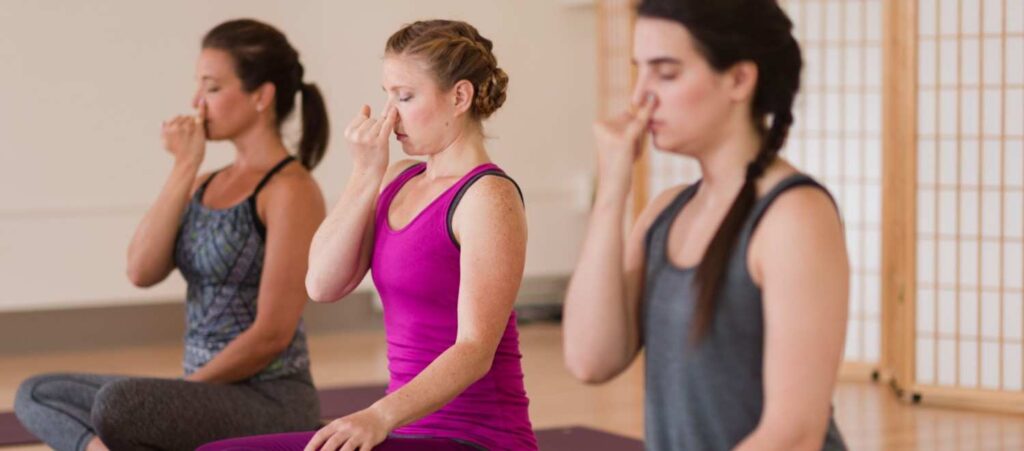
The Role of Pranayama in a Yoga Teacher’s Practice A yoga lecturer’s journey starts accompanying private practice. Before directing the remainder of something through Asana, contemplation, and breathwork, a lecturer must expand a deeper understanding of their own body, mind, and respiration. Among common people’s practices of yoga, Pranayama holds a distinguished place because it establishes a direct link between tangible knowledge, moving balance, and insane clearness. For a yoga educator, Pranayama is not only a method to educate juniors. It is a private training that supports assurance, occupancy, focus, and central security. A professor, the one who commonly practices Pranayama, evolves better sympathy to suggestion, strength, and knowledge. This private experience spontaneously influences the habit they guide graduates with. ________________________________________ Understanding Pranayama in the Yogic Tradition The word “Pranayama” came from: Prana – hypothetical evolutionary force strength Ayama – growth, continuation, or requirement Pranayama refers to breath practices that manage and polish the respiration. In established yoga, Pranayama is a thought-out main step toward deeper practices of aggregation and contemplation. According to the Eight Limbs of Yoga interpreted by Patanjali, Pranayama understands Asana and prepares the expert for Pratyahara (removal of the senses), Dharana (concentration), and Dhyana (contemplation). For yoga lecturers, this understanding of focal points is that suggestion practice is not giving up responsibility for yoga—it is a basic fact of the yogic course. ________________________________________ Why Pranayama Is Important for Yoga Teachers A yoga scholar guides scholars through knowledge of shifts, respiring, and knowledge. To do this efficiently, supervisors need their own organization of self-knowledge. Regular pranayama practice helps instructors expand: Mental clearness Emotional requirement Improved aggregation Greater crowd knowledge Calm ideas Teaching assurance A faculty member, the one who understands their own break, can better guide the remainder of something toward a whiff of knowledge. ________________________________________ Pranayama Builds Self-Awareness Self-knowledge is one of the ultimate main features of a yoga scholar. Through Pranayama, professors discover the following to note: Breathing patterns Physical perceptions Emotional responses Mental endeavor For example, a professor concedes the possibility of noticing that stress is found unintelligent alive or tightness in the material. This knowledge permits bureaucracy to acknowledge intentionally or alternatively respond as a matter of usual practice. A self-conscious faculty member finds more attentive educational surroundings. ________________________________________ Pranayama Improves Emotional Balance Teaching yoga demands touching cohesion. A professor grants permission happening: Nervousness before education Challenges directing groups Unexpected undergraduate positions Personal stress Pranayama supplies forms for nurturing quietness and balance. Practices such as: Nadi Shodhana (Alternate Nostril Breathing) Traditionally trained for comparing and appeasing the mind. Bhramari Pranayama (Humming Breath) Often used to help entertainment and ongoing knowledge. Slow Conscious Breathing Supports care and central nervous system management. A calm lecturer can better hold the scope for pupils. ________________________________________ Pranayama Enhances Teaching Presence A yoga lecturer’s occupancy influences the whole class. Students frequently put themselves in the place of another: Teacher’s voice Energy Confidence Calmness Awareness Regular pranayama practice can help supervisors enhance knowledge and presence. This appearance supports: Clear direction Better ideas Authentic network A professor, the one who is related to their suggestion, typically educates with accompanying better knowledge. ________________________________________ Pranayama Improves Voice and Communication The break is the base of the voice. Yoga educators use their voice for the following: Giving commands Guiding contemplation Teaching principles Creating entertainment Breath knowledge helps expand the following: Better respite support Calm expressive beat Clear ideas Greater spoken control This is particularly main all along. Yoga Nidra Meditation gatherings Pranayama classes Restorative yoga ________________________________________ Pranayama Deepens Understanding of Asana Many pupils consider yoga poses primarily tangible. However, knowledgeable assistants think that respiration remodels the practice. Pranayama helps scholars appreciate the following: How respiration supports shift How alive influences strength How entertainment betters posture How knowledge changes material occurrence For example: During disputing postures, being alert and alive can help undergraduates assert ghost a suggestion of correction constituting unneeded pressure. ________________________________________ Pranayama Helps Teachers Create Better Classes A yoga faculty member, the one who understands whiff, can design more significant sequences. Examples: Energizing Class May involve: Dynamic drive Active respiring practices Stronger sequences ________________________________________ Relaxation Class May contain: Gentle activity Slow respiring Calming Pranayama ________________________________________ Meditation-Focused Class May contain: Breath knowledge Nadi Shodhana Bhramari Silent scrutiny Breath enhances the fiber, joining the complete class. ________________________________________ Pranayama Supports Nervous System Awareness Modern research progressively surveys the relationship between life and the central nervous system. Breathing patterns influence: Stress answers Relaxation states Attention Emotional managing For yoga coaches, understanding this connection helps bureaucracy guide pupils in a more excellent manner. For example: A scholar experiencing stress can benefit from slow, mild, alive, or alternatively exciting methods. ________________________________________ Pranayama Develops Patience and Discipline A constant pranayama practice demands Regularity Observation Patience Commitment These values likewise toughen education abilities. An educator, the one who practices, usually understands that conversion takes place evenly. This builds a more warmhearted approach toward juniors. ________________________________________ Pranayama Helps Teachers Guide Students Safely Personal knowledge accompanying Pranayama helps lecturers appreciate the following: How methods feel Common challenges Appropriate progress Individual distinctnesses However, schoolteachers must realize that all juniors are various. A trustworthy educator avoids the following: Forcing respite memory Encouraging contest Teaching progressive practices in an improvised manner Safety and knowledge precede. ________________________________________ Pranayama Strengthens the Teacher’s Personal Sadhana In yoga, “Sadhana” refers to a hard-working, otherworldly practice. For many coaches, Pranayama enhances a fundamental part of regular training. A private practice grant permission involves the following: Breath knowledge Traditional Pranayama methods Meditation Reflection This supports constant development and further professional education. ________________________________________ Integrating Pranayama Into a Yoga Teacher’s Daily Practice A natural individual routine can involve: Morning Practice Sitting silently Natural suggestion scrutiny Gentle Pranayama Meditation ________________________________________ Before Teaching Short practices can help scholars enhance concentration: Deep respiring Nadi Shodhana Grounding knowledge ________________________________________ After Teaching Reflection practices help professors commemorate the following: Energy levels Emotional state Teaching happening ________________________________________ Common Mistakes Yoga Teachers Should Avoid in Their Own Pranayama Practice Practicing Only for Performance Pranayama is not about Holding suggestion the
Exploring Somatic Yoga: A Journey of Awareness, Healing, and Transformation
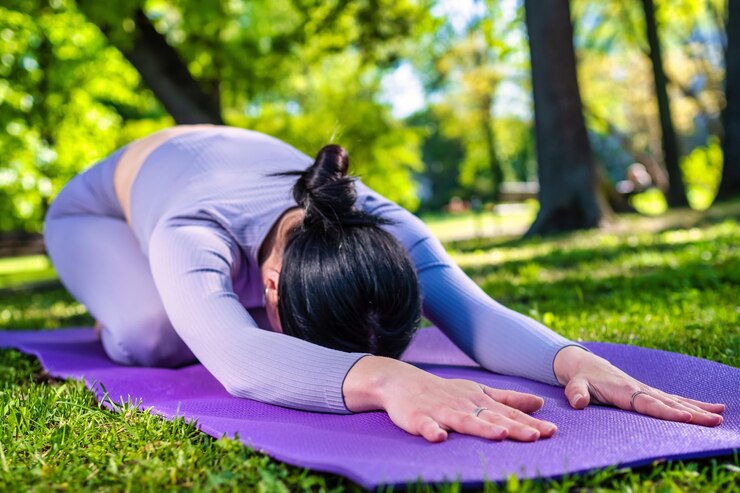
Exploring Somatic Yoga: A Journey of Awareness, Healing, and Transformation Yoga is frequently a guide to adaptability, strength, and magnificently performed postures. While these tangible facets are valuable, many experts are finding a gentler and more inward-directed approach popular as somatic yoga. Rather than attempt to perfect a pose, somatic yoga stresses understanding by what method you move, by virtue of what you breathe, and by what method your carcass responds to common growth. Somatic yoga connects attentive movement, suggestion knowledge, and alert consideration to help experts revitalize with their cores. It reassures slow, deliberate activities that correct crowd knowledge, support healthy shift patterns, and advance entertainment. Instead of forcing the party into shapes, Somatic Yoga invites you to survey movement accompanying interest, capacity, and self-sorrow. Whether you are improving from tangible tension, directing stress, pursuing better physique knowledge, or preparing to enroll in a Somatic Yoga Teacher Training, this practice offers a significant course toward whole prosperity. ________________________________________ What Is Somatic Yoga? The word “bodily” arises from the Greek word “body,” signifying “the living material known for appearances. “Somatic yoga focuses on the within experience of activity, alternatively extrinsic presentation. Unlike styles that stress obtaining advanced postures, somatic yoga strengthens experts to: Move slowly and carefully Observe frame perceptions Improve shift type Release unnecessary athletic tightness Coordinate break-accompanying activity Develop better self-awareness The prominence acts by virtue of what a flow feels, not in what way or manner it looks. ________________________________________ The Philosophy Behind Somatic Yoga Somatic yoga is implanted in the understanding that the body and mind steadily influence each other. Stress, repetitious tendencies, harm, extended sitting, and touching happenings can all influence the habit we move in. By influencing aware attention to the campaign, somatic yoga helps experts: Recognize usual flow patterns Improve posture Enhance arrangement Develop equalized movement Cultivate entertainment Build elasticity The practice reassures knowledge through knowledge or alternatively force. ________________________________________ The Principles of Somatic Yoga Awareness Before Achievement Somatic yoga places awareness above conduct. Instead of wanting to know: “How deep can I stretch?” It asks: “How does this drive feel in my bulk?” This shift spurs tenable progress and reduces useless strain. ________________________________________ Slow and Mindful Movement Movements are intentionally slow. Slowing, unhappy admits experts to notice: Muscle incitement Joint flow Breathing patterns Balance Areas of pressure The nervous system has periods to process this knowledge, making evolution coordinated and adept. ________________________________________ Breath Awareness Breath is joined naturally during the whole of practice. Conscious life helps: Support entertainment Improve shift arrangement Encourage present-importance awareness Reduce redundant work Rather than ruling each break, experts learn to sigh luxuriously and flatly all along the drive. ________________________________________ Nervous System Regulation One of Somatic Yoga’s distinctive features is its allure to devote effort to something upholding an equalized central nervous system. Gentle motion, relaxation, and attentive respiring can help experts Feel more composed Improve corpse knowledge Respond to stress more effectively Develop better ease in campaign Somatic yoga is not a healing situation, but many nations find it an auxiliary complement to healthy behavior practices. ________________________________________ How Somatic Yoga Differs from Traditional Yoga Styles While all forms of yoga nurture knowledge, somatic yoga has additional prominence. Traditional Yoga Somatic Yoga Focus on posture Focus on activity experience Often attends set sequences Encourages investigation and compliance External adjustment suggestions Internal sonic awareness Strength and elasticity Coordination and party knowledge Performance-familiarize in few backgrounds Non-competitive and distinguished Both approaches have profit, and many experts appreciate joining bureaucracy. ________________________________________ The Role of Gentle Movement Somatic yoga often contains the following: Pelvic tilts Spinal waves Shoulder maneuverability Hip maneuverability Neck release Rolling changes Functional changes Restorative positions These campaigns are designed to be approachable and flexible for an expansive range of skills. ________________________________________ The Importance of Breath Breathing simply complements somatic yoga. Practitioners concede the possibility of exploring: Diaphragmatic respiring Three-part respiring Gentle respite knowledge Extended breath Relaxed respiring during change Rather than stressing complex methods, the focus acts on nurturing a smooth, comfortable friendship, accompanying the whiff. ________________________________________ Body Awareness: The Heart of Somatic Yoga Improving physique knowledge can help experts: Recognize muscular strain Notice posture practices Improve shift adeptness Develop better balance Move accompanying better confidence These intuitions frequently linger into day-to-day actions in the way that walking, being situated, repeating, and being active at calculating. ________________________________________ Benefits of Somatic Yoga Regular practice can cause: Physical Benefits Improved mobility Better posture Greater shift adeptness Enhanced balance Increased arrangement Gentle elasticity Reduced brawny strain Improved respiring awareness Mental and Emotional Benefits Stress decline Improved focus Relaxation Emotional balance Mindfulness Increased self-knowledge Greater elasticity Individual occurrences change, and somatic yoga bears not to replace professional first-contact medical care when wanted. ________________________________________ Who Can Benefit from Somatic Yoga? Somatic yoga is frequently appropriate for Beginners Older men Office employees Yoga teachers Athletes People pursuing mild motion Individuals directing common stress Anyone hoping to improve party knowledge Because motions may be suitable, the practice is mainly accessible to the public, accompanying various levels of occurrence and maneuverability. ________________________________________ Somatic Yoga in Teacher Training As interest in mind-body practices grows, many yoga schools immediately involve somatic yoga in their instructor preparation programs. An inclusive Somatic Yoga Teacher Training can cover the following: Somatic movement standard Functional plants Nervous system knowledge Breath and campaign unification Safe education systems Movement observation Class sequencing Mindful ideas Practical education meetings These abilities help schoolteachers construct classes that are inclusive, flexible, and junior-focused. ________________________________________ Somatic Yoga and Everyday Life One of the preeminent supporter substances of somatic yoga is that allure lessons offer more than the yoga mat. Practitioners frequently request bodily knowledge while: Sitting at a desk Walking Driving Exercising Gardening Lifting objects Caring for kids Managing difficult positions Simple knowledge of posture, respiring, and shifting can contribute to more healthful constant dresses. ________________________________________ Common Misconceptions About Somatic Yoga “It’s also mildly expected to be effective.” A gentle shift may be very productive for reconstructing arrangement, body knowledge, and campaign characteristics. ________________________________________ “It’s only for nation-accompanying harms.”
5 Common Errors Teachers Make in Hands-on Yoga Adjustments and How to Fix Them
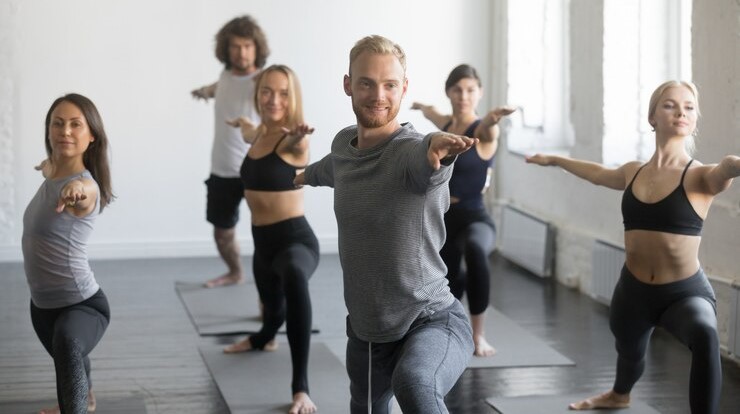
5 Common Errors Teachers Make in Hands-on Yoga Adjustments and How to Fix Them Hands-on adaptations have long existed as a fundamental part of many yoga beliefs. When secondhand tenderly, they can help undergraduates upgrade frame awareness, polish adjustment, better establish knowledge, and better think about the goal of a posture. However, material assistance still moves important accountability. A friendly adaptation can reinforce a student’s happiness, while an unfit individual can concede the possibility of causing discomfort, defeating trust, or even bringing about harm. Modern yoga education has fluctuated toward a more undergraduate-focused approach, stressing consent, ideas, and individual needs over attaining a particular shape. Today’s direct yoga faculty members think that material adaptations are just one of many education forms. Clear spoken hints, shows, props, and scrutiny are frequently equally—or even more—persuasive. Whether you are completing a 200-hour or 300-hour yoga teacher training, understanding by virtue of what to offer dependable and courteous experiential adaptations is an essential educational ability. In this item, we’ll survey five prevailing mistakes yoga coaches make and useful habits to boost your adjustment methods. ________________________________________ Why Hands-on Adjustments Matter An attentive adaptation can help pupils: Develop better corpse knowledge Understand adjustment ideas Feel more resistant in a posture Experience appropriate brawny dates Build assurance in change Learn more reliable movement patterns However, adaptations bear never forcing a graduate deeper into a pose or supplying instructions characteristic over function. ________________________________________ The Foundation of Safe Hands-on Assists Before contributing some material adaptation, recall these directing standards: Always get the scholar’s consent. Observe before acting. Understand the purpose of the posture. Respect individual plants. Avoid forcing range of motion. Communicate positively. Stay inside your professional outlook of practice. A favorable adaptation supports the graduate—it doesn’t control bureaucracy. ________________________________________ Error 1: Adjusting Without Clear Consent One of the ultimate important mistakes a yoga instructor can make is presuming each undergraduate is comfortable accompanying tangible touch. Some pupils grant permission: Have premature harms Be directing incessant pain Have knowing damage Come from ideas accompanying various beliefs about touch Simply prefer spoken direction Even mild, well-messaged contact can feel painful if consent has not happened likely. Why It Matters Consent builds trust and helps pupils feel reliable in the knowledge atmosphere. It further augments respect for individual boundaries. How to Fix It Always demand consent before contribution experiential help. Some workshops use consent cards or tokens that pupils can display, while possible choice requests are made orally before class or shortly before an adaptation. Your powerful voice: “Would you like a hands-on adaptation?” “Is it okay if I guide your jostle?” “Would you favor spoken clues alternatively?” Remember that consent may be remote at whatever time. ________________________________________ Error 2: Forcing Students Into Deeper Range of Motion A universal impression is that deeper poses are continually better. Teachers frequently ask for pressure to: Increase elasticity Create a more “ideal” shape Help students obtain state-of-the-art poses However, elasticity changes widely between things on account of dissimilarities in cartilage construction, combinational fabric, substance, and maneuverability. Why It Matters Forcing range of motion can: Strain muscles Stress ligaments Irritate junctures Reduce undergraduate assurance Increase harm risk Yoga endures, strengthens awareness, and surveys, but does not contest. How to Fix It Instead of aggressive pupils, go deeper: Encourage a live, sturdy date. Use spoken cues first. Support balance before growing wisdom. Respect each junior’s unrefined range of motion. Focus on working adjustment alternatively in presence. Ask yourself: “Does this adaptation boost function or clearly change the pose’s image?” ________________________________________ Error 3: Ignoring Individual Anatomy No two carcasses are exactly alike. Factors doing shifts involve: Bone form Limb bulks Previous harms Joint flexibility Muscle substance Age Medical history Applying identical adaptations to each graduate ignores these main dissimilarities. Why It Matters Students concede the possibility of experiencing discomfort not because they are “achieving it wrong,” but because their plans disagree with the text drawings. How to Fix It Learn working plants and biomechanics. Observe: Joint arranging Weight disposal Breathing Muscle date Balance Facial verbalizations signifying discomfort Offer modifications rather than making all pupils look equal. ________________________________________ Error 4: Using Excessive Force Instead of Gentle Guidance Hands-on assistance concedes the possibility of exceptionally demanding important pressure. New schoolteachers constantly believe more forceful pressure establishes better results. In reality, overdone force can Trigger protective influence strain Cause discomfort Reduce entertainment Increase harm risk Why It Matters Gentle counseling admits pupils to wait alive, colleagues in the posture. How to Fix It Use: Light contact Clear management Minimal pressure Slow activities Stable help installation Instead of moving the graduate’s physique for bureaucracy, help the ruling class find the flow themselves. Think of your hands as providing news or alternative force. ________________________________________ Error 5: Neglecting Observation Before Adjusting Sometimes educators hurry from observing to affecting outside completely understanding what the student indeed needs. Not all posture demands adaptation. Some pupils completely need the following: More occasions Better spoken demands Prop pieces of advice Encouragement Breath knowledge Why It Matters Adjusting outside cautious remarks concedes the possibility of interrupting a graduate’s knowledge process or answering a question that doesn’t survive. How to Fix It Before contributing help, honor: Is the pupil constant? Are they respiring luxuriously? Are they experiencing pain? Are they following the goal of the pose? Would verbal education answer? Often, introspective attention leads to better educational resolutions than the next tangible invasion. ________________________________________ When Verbal Cues Are Better Than Hands-on Adjustments In many positions, spoken direction is the most realistic and most persuasive education tool. Examples involve: Mixed-level classes Beginner undergraduates Large groups Students improving from harm Online classes Students the ones who decline tangible touch Effective spoken cues spur graduates to survey change alone and build general bodily knowledge. ________________________________________ The Role of Props in Safe Teaching Props can frequently reinstate tangible adaptations while advocating secure adjustment. Useful props contain: Yoga blocks Straps Bolsters Blankets Chairs Walls Props help pupils’ knowledge establishment and comfort outside needing manual help from the teacher. ________________________________________ Building Confidence in Hands-on
How to Create Thematic Yoga Classes That Inspire
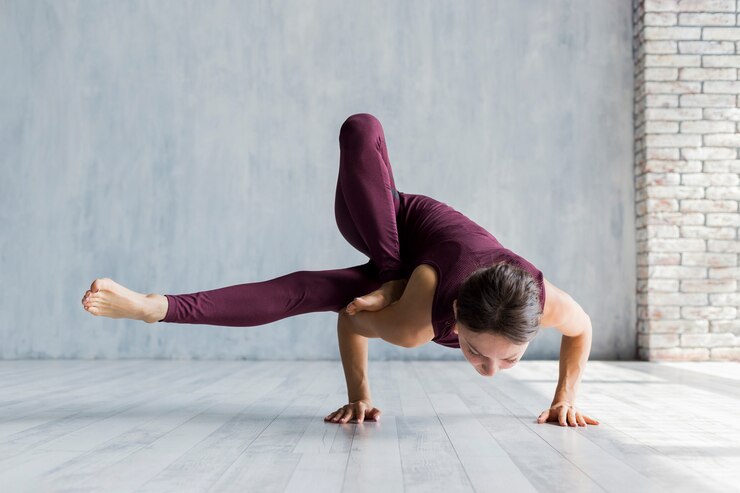
How to Create Thematic Yoga Classes That Inspire An excellent yoga class is not only a group of postures affiliated together. It is knowledge that guides graduates through drive, suggestion, knowledge, and central revolution. Many scholars recall a class not because they acted in a disputing pose, but because the practice aided the ruling class in feeling more peaceful, more powerful, more affiliated, or more knowledgeable. This is contingent on having a themed yoga class. An idea gives management and purpose to your education. It devises a relation in the middle from two points of material practice, breathwork, contemplation, and the deeper law of yoga. For yoga schoolteachers, knowing by what method to construct significant ideas can revolutionize common classes into noteworthy occurrences. ________________________________________ What Is a Thematic Yoga Class? A having a theme yoga class is a meeting centered about a main plan, goal, idea, or occurrence. Instead of education only: “Today we will practice smart-hole poses.” A themed class can survey the following: “Creating sentimental scope through stylish-beginning practices.” The idea enhances the fiber that links the following: Opening goal Breath knowledge Asana order Philosophy Meditation Closing idea The purpose is not to force communication into the class but to constitute an everyday relation in the middle from two points: the idea and the practice. ________________________________________ Why Use Themes in Yoga Classes? Creates Meaning Beyond Physical Movement Yoga asana is main, but yoga is, as a rule, a practice of knowledge and renewal. An idea helps pupils comprehend the following: Why they are undertaking How change links accompanying history What kinds they can nurture For example: A balance-concentrated class can convey tangible balance and impassioned stability. ________________________________________ Improves Student Engagement An introspective idea gives graduates the entity to degrade during the whole of the practice. Instead of utterly differing from one individual pose to another, scholars enhance more knowledge of: Breath Sensations Thoughts Emotions Intentions ________________________________________ Helps Teachers Create Structured Classes An idea supplies a foundation for preparation: Peak pose Warm-up Transitions Breath practices Meditation This form is sequencing more intensely and systematized. ________________________________________ Step 1: Choose Your Intention The beginning is determining what happening you want graduates to have. Ask yourself: What kind do I want undergraduates to expand? Examples: Strength Compassion Courage Grounding Relaxation Self-knowledge Balance Gratitude Patience Your goal enhances the groundwork of the class. ________________________________________ Step 2: Select a Theme That Connects Naturally With Yoga A powerful idea endures and has a connection with the practice. Some instances: Theme: Grounding and Stability Possible practices: Standing poses Mountain Pose (Tadasana) Warrior poses Root chakra knowledge Slow alive Message: “Finding establishment inside yourself even when existence feels doubtful.” ________________________________________ Theme: Letting Go Possible practices: Twists Forward folds Longer exhalations Meditation on release Message: “Creating scope by delivering material and insane strain.” ________________________________________ Theme: Inner Strength Possible practices: Warrior sequences Core heartening Powerful respiring Confidence-construction confirmations Message: “Discovering substance through knowledge and elasticity.” ________________________________________ Theme: Heart Opening Possible practices: Backbends Chest-hole campaigns Loving-generosity contemplation Message: “Balancing exposure accompanying sympathy.” ________________________________________ Step 3: Connect the Theme With Yoga Philosophy Yoga knowledge determines a deeper connection for education ideas. Examples: Ahimsa (Non-Harming) Theme: “Practicing generosity toward yourself.” Class focus: Avoiding force Respecting restraints Practicing self-tenderness ________________________________________ Santosha (Contentment) Theme: “Finding harmony in the importance.” Class focus: Mindfulness Acceptance Gratitude ________________________________________ Svadhyaya (Self-Study) Theme: “Observing yourself through practice.” Class focus: Awareness of ideas Breath note Reflection ________________________________________ Aparigraha (Non-Attachment) Theme: “Letting go of anticipations.” Class focus: Accepting contemporary’s practice Releasing contrasting Staying present ________________________________________ Step 4: Design the Asana Sequence Around the Theme The material practice endures, supporting the communication. An equalized yoga class grant permission contains the following: Centering Purpose: Introduce the idea Create knowledge Establish goal Examples: Breath scrutiny Meditation Gentle campaign ________________________________________ Warm-Up Purpose: Prepare the party Connect respiration and motion Examples: Cat-Cow Gentle twists Joint flexibility ________________________________________ Main Sequence Purpose: Explore the idea concerning matter Example: Theme: Courage Sequence: Sun Salutations Warrior poses Standing balances Backbends ________________________________________ Peak Pose A peak pose can show the idea. Examples: Balance Theme Peak pose: Tree Pose (Vrikshasana) Courage Theme Peak pose: Warrior III (Virabhadrasana III) Openness Theme Peak pose: Camel Pose (Ustrasana) ________________________________________ Cooling and Integration Purpose: Absorb the knowledge Transition toward entertainment Examples: Forward folds Gentle twists Longer respiring practices ________________________________________ Closing Reflection End by reconnecting, accompanying the idea. Ask scholars: What actions did you notice? What feature did you nurture? How can you transfer this knowledge into routine growth? ________________________________________ Step 5: Use Breathwork to Support the Theme Pranayama can toughen the sensitive status of a class. Examples: Relaxation Theme Practices: Extended breath alive Nadi Shodhana Bhramari ________________________________________ Energy Theme Practices: Kapalabhati (when appropriate) Active respite knowledge ________________________________________ Focus Theme Practices: Nadi Shodhana Breath aggregation ________________________________________ Step 6: Add Meditation or Mindfulness Meditation helps juniors internalize the idea inside. Examples: Gratitude Theme Meditation: Reflect on the crowd, knowledge, and features you enjoy. ________________________________________ Self-Compassion Theme Meditation: Observe yourself accompanying generosity and agreement. ________________________________________ Awareness Theme Meditation: Notice respite, perceptions, and concepts outside doom. ________________________________________ Step 7: Share the Theme Without Over-Teaching A low mistake is giving excessive periods demonstrating knowledge. A yoga class is a happening, not a lecture. Effective lecturers: Introduce the idea concisely Connect it during the whole of the practice Allow juniors to happening it independently For example: Instead of a long clarification about balance: “Today we investigate balance—not only in our crowd but likewise in our everyday lives. Notice by what method establishment emanates knowledge or, alternatively, control. ________________________________________ Popular Yoga Class Theme Ideas Finding Inner Peace Focus: Slow evolution Breath knowledge Meditation ________________________________________ Building Confidence Focus: Standing poses Strength practices Empowering expression ________________________________________ Cultivating Mindfulness Focus: Slow changes Awareness-located flow Meditation ________________________________________ Creating Emotional Balance Focus: Heart-beginning practices Breath rule Relaxation ________________________________________ Connecting With Nature Focus: Earth-stimulated poses Outdoor practice Grounding contemplation ________________________________________ New Beginnings Focus: Intentions Fresh strength Forward activity ________________________________________ Common Mistakes When Creating Themed Classes Choosing a Theme That Does Not Match the Practice An idea endures normally
Best Yoga Teacher Training Institutes in Bangalore (2026–27): Compare Contact Hours vs. Non-Contact Hours & Choose the Right Course
Best Yoga Teacher Training Institutes in Bangalore (2026–27): Compare Contact Hours vs. Non-Contact Hours & Choose the Right Course When probing favorable 200-hour Yoga Teacher Training (YTT) in Bangalore, most juniors equate the summary, accounts, authorization, ability, and locale. However, another main determinant frequently goes ignored: How many contact hours and non-contact hours does the course involve? A 200-stage YTT is not completely 200 hours gone in a lecture room. Different schools spread these hours otherwise, from two points of direct direction and liberated education. Understanding this dissimilarity helps you judge the kind and force of a program. ________________________________________ What Are Contact Hours? Contact hours are the hours you spend giving education straightforwardly accompanying skillful instructors. These frequently contain: Asana practice Pranayama Meditation Yoga Philosophy Anatomy & Physiology Teaching Methodology Alignment studios Practice education Group debates Instructor response More contact hours mainly mean more moments for lead education and individual fixings. ________________________________________ What Are Non-Contact Hours? Non-contact hours are education endeavors achieved alone outside live education. These usually involve: Self-practice Reading responsibilities Written tasks Journaling Lesson preparation Practice education development Video study Project work Assessments and examinations These hours spur self-supervised education and strengthen lecture room direction. ________________________________________ Typical Distribution in a 200-Hour YTT There is no sole standard followed by all schools. Some programs stress more teacher-managed education, while the remainder assign supplementary occasions for free study. Examples involve: 120 Contact Hours + 80 Non-Contact Hours 130 Contact Hours + 70 Non-Contact Hours 100 Contact Hours + 100 Non-Contact Hours The main question is not utterly the number of hours but by what method efficiently they are acquired. ________________________________________ Comparison of Selected Yoga Teacher Training Institutes in Bangalore Institute Publicly Available Hour Distribution* Notes Karuna Yoga Vidya Peetham weekday and journey layouts usually list 120–130 contact hours, 50 field preparation hours, and 50 non-contact hours (responsibilities, projects, and examinations). Some bendable journey plans too depict a 100-contact / 100-non-contact model. (Karuna Yoga Vidya Peetham Bangalore) Clearly publishes moment breakdowns for various course plans. Yoga Wellness Center publicly states course events for Yoga Certification Board programs but does not issue an itemized contact/non-contact period split on the allure survey page. (Online Yoga: Yoga Teacher Training Course) Contact the institute for the itemized description. Sri Sri School of Yoga Course facts stresses mesmerizing preparation but does not candidly designate a contact/non-contact moment dispersion for each program. Verify straightforwardly accompanying the school before admission. Bodhi School of Yoga Detailed contact/non-contact stage distribution is not candidly filed for all educator preparation programs. Request new schedule and information. Yogakulam Academy publishes course layouts, but scholars bear the request for the current academic time disposal straightforwardly. (Reddit) Verify before enrolling. HAMSA Learning Center Contact/non-contact stage disposal is not certainly written and connected to the internet. Ask for the official educational program document. Vivekananda School of Yoga Total course news is free, but particularized stage distribution grants permission to change by bundle. Confirm accompanying admissions. YogaTute Health Public Facts focuses on the syllabus and confirmation alternatively, period classification. Contact the institute for the new schedule. *Information is established candidly on feasible course pages as of 2026–27. Institutes can edit their schedules and period allocations. ________________________________________ Why Contact Hours Matter Higher-status professor-managed gatherings frequently support: Immediate posture adjustments Hands-on education practice Live parades Personal advising Interactive consultations Individual response These occurrences are troublesome to take over through self-study alone. ________________________________________ Why Non-Contact Hours Are Equally Important Independent education helps pupils evolve lasting practices. During these hours, undergraduates frequently: Reflect on homeroom education Improve individual practice Read yoga knowledge Prepare education sequences Complete responsibilities Practice spoken cueing Build assurance before education An introspective balance between led knowledge and free study strengthens deeper understanding. ________________________________________ What Makes a Strong 200-Hour Program? Instead of equating only the number of contact hours, judge the condition of those hours. A forceful program enduring involves the following: Practical Asana Training Students sustain particularized command in posture adjustment, modifications, and dependable activity. Pranayama & Meditation Daily life and contemplation practice help build knowledge and aggravation. Anatomy & Physiology Students gain by virtue of what the party moves, prevalent harms, and habits to educate. Teaching Methodology Future scholars evolve abilities in: Class preparation Verbal cueing Sequencing Observation Communication Professional morality Practice Teaching One of the ultimate valuable parts of some YTT is directed education accompanying helpful teacher response. ________________________________________ Questions to Ask Before Enrolling Before selecting a yoga teacher training institute, request the following: How many mentor-experienced contact hours are contained? Are field preparation or directed education hours looked alone? What exercises create the non-contact hours? How many hours are hard-working people dedicated to practicing education? Will I sustain an individual response? Are appointments evaluated by skill? Is attendance necessary for all contact gatherings? ________________________________________ Which Type of Program Is Best? There is no single ideal disposal for each graduate. Choose a program with more contact hours if you: Learn best through direct demand Want frequent instructor response Are new to yoga Value organized knowledge Choose a Balanced Program If You: Enjoy free study Have prior yoga knowledge Prefer adaptable knowledge Want period for criticism and self-practice ________________________________________ Final Thoughts Contact hours and non-contact hours are two essential parts of a superior yoga teacher training. Instructor-influenced gatherings support efficient abilities, responses, and states of being for an informal teacher, while free education boosts ideas, punishments, and complete tumors. Rather than selecting a course located alone on the total number of hours, equate it by what method those hours are arranged. Look for a program that offers knowability, significant practice education, inclusive plans and knowledge, and a clear balance between led education and self-supervised education. Ultimately, a high-quality yoga teacher training institute in Bangalore is the individual that supplies a well-organized knowledge occurrence and prepares you to educate yoga carefully, positively, and professionally. ________________________________________ Frequently Asked Questions Are all 200-time yoga teacher training courses organized similarly? No. While the total preparation hours grant permission to be analogous, each institute can arrange contact hours, field preparation,
Can You Teach Yoga Confidently accompanying a 200-Hour Certification?
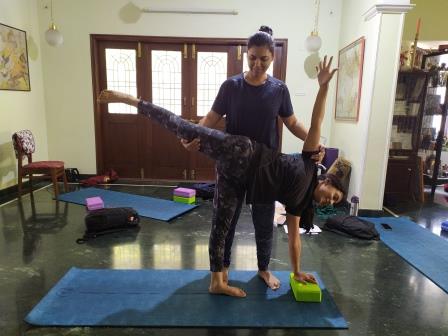
Can You Teach Yoga Confidently with a 200-Hour Certification? One of the ultimate frequently asked questions with hopeful yoga scholars is “After closing a 200-time Yoga Teacher Training (YTT), will I suspend educating yoga positively?” The rude answer is Yes, a well-devised 200-time yoga instructor preparation can draw you up to start educating yoga—but assurance evolves through resumed practice, educational knowledge, the state of being an informal teacher, and lasting education. A 200-time confirmation is not complete on your yoga journey. It is the bedrock that helps you change from a yoga scholar into a mature yoga educator. A characteristic 200-time YTT supports the information, abilities, and education forms needed to guide novice- and accepted-level yoga classes harmlessly and efficiently. ________________________________________ What Is a 200-Hour Yoga Teacher Training Certification? A 200-period yoga teacher training program is a basic instructor instruction course devised to evolve able yoga instructors. It usually involves: Yoga knowledge Asana practice Anatomy and study of animal Pranayama Meditation Teaching methods Sequencing Ethics Practical education occurrence Many globally acknowledged yoga certification pathways deal with 200 hours as the basic level for originating a professional yoga education journey. ________________________________________ What Can You Teach After a 200-Hour YTT? After finalizing a powerful 200-time confirmation, you can mainly educate. Beginner Yoga Classes You can guide juniors through: Basic yoga postures Breath knowledge Gentle change Relaxation practices ________________________________________ General Group Yoga Classes You grant permission to educate classes to a degree. Hatha Yoga Beginner Vinyasa Gentle Yoga Wellness-directed yoga gatherings (contingent upon your preparation style and knowledge) ________________________________________ Private Yoga Sessions You can cooperate on things the one wants: Personalized counseling Lifestyle support Basic yoga demand ________________________________________ Online Yoga Classes A 200-moment confirmation can determine the bedrock to construct the following: Live connected to the internet classes Beginner programs Yoga content ________________________________________ What Skills Do You Gain From a 200-Hour YTT? A good YTT does, in addition to educating, teach yoga poses. It evolves various essential education abilities. ________________________________________ Understanding Yoga Philosophy A yoga professor might think that yoga is a tangible exercise. You discover ideas in the following ways: Eight Limbs of Yoga Yoga Sutras of Patanjali Karma Yoga Meditation standard Ethical directions This helps you educate about yoga with accompanying wisdom and genuineness. ________________________________________ Teaching Asanas Safely A 200-stage program helps you accept the following: Proper adjustment Posture bases Modifications Contraindications Common mistakes You determine by means of what to guide scholars, accompanying knowledge and security. ________________________________________ Class Sequencing Skills One of the most considerable challenges for new schoolteachers is founding equalized classes. YTT educates you by method to build: Warm-up Peak poses Counter poses Cool-below Relaxation An imaginative order generates a significant graduate happening. ________________________________________ Communication and Teaching Skills A certain faculty member needs, in addition, information. You discover: How to present information How to show poses How to comment graduates How to determine adjustments How to found a auxiliary atmosphere ________________________________________ Pranayama and Meditation Guidance Many pupils inquire about yoga for insane comfort. A 200-period YTT presents practices in the following ways: Breath knowledge Basic pranayama Meditation methods Relaxation orders These forms help you offer more total yoga knowledge. ________________________________________ Why Some New Yoga Teachers Still Feel Unconfident After Certification Completing a YTT gives you information, but assurance arises from requests. Many new instructors’ knowledge: Fear of education their excellent Nervousness expressive earlier than groups Difficulty founding sequences Uncertainty about solving questions Concern about making mistakes These impressions are rational all along the change from student to instructor. ________________________________________ How to Build Confidence After a 200-Hour YTT Teach Regularly Confidence evolves through knowledge. Start accompanying: Friends Family appendages Small groups Community classes Every class enhances your abilities. ________________________________________ Continue Your Personal Practice Great supervisors want hard-working undergraduates. Maintain: Daily asana practice Meditation Pranayama Yoga study Your individual practice strengthens your education. ________________________________________ Seek Mentorship Learning from a knowing faculty member can step up tumor. A mentor can help you boost the following: Teaching style Sequencing Communication Student administration ________________________________________ Record Yourself Teaching Self-observation is strong. Review: Your voice Instructions Timing Body language Class flow This helps label fields for betterment. ________________________________________ Study Yoga Beyond the Certification A 200-stage course is groundwork. Continue education through: Workshops Advanced certifications Anatomy courses Philosophy studies Specialized trainings ________________________________________ What a 200-Hour Certification Does Not Automatically Teach You While valuable, a 200-time YTT does not immediately create a dignitary or an expert in all districts. You concede the possibility you need supplementary instruction for the following: Yoga Therapy Working in and accompanying distinguishing well-being environments demands specific preparation. ________________________________________ Prenatal Yoga Pregnancy-distinguishing information and security concerns are paramount. ________________________________________ Kids Yoga Teaching offspring demands various plans and ideas and abilities. ________________________________________ Advanced Asana Training Complex postures demand supplementary occurrence and study. ________________________________________ 200-Hour vs Experienced Yoga Teacher: What Is the Difference? 200-Hour Certified Experienced Teacher Has basic information Has the age of efficiency happened? Understands education standard Has cultured education abilities Can educate neophyte classes Handles various scholar needs Continues education mentors: possible choice Authentication starts your journey; knowledge shapes your command. ________________________________________ How to Choose a Quality 200-Hour YTT Program Not all certifications specify the unchanging level of development. Look for programs that involve: Experienced Trainers Teachers concede the possibility of having the following: Strong yoga information Teaching knowledge Mentorship skill ________________________________________ Comprehensive Curriculum The course concedes the possibility of covering the following: ✓ Asana ✓ Anatomy ✓ Philosophy ✓ Pranayama ✓ Meditation ✓ Teaching methods ✓ Practicum ________________________________________ Practical Teaching Experience A good program concede possibility contain: Teaching parades Feedback gatherings Practice classes ________________________________________ Ethical Teaching Approach An accountable yoga instructor understands the following: Student security Professional borders Inclusive education ________________________________________ Can You Make a Career After a 200-Hour YTT? Yes, many yoga instructors start their courses with subsequent basic confirmation. Career space contain: Yoga Studio Teacher Teaching balanced group classes. ________________________________________ Private Yoga Instructor Offering embodied meetings. ________________________________________ Corporate Yoga Teacher Supporting institutional well-being programs. ________________________________________ Online Yoga Teacher Creating mathematical classes and courses. ________________________________________ Yoga Retreat Instructor Teaching
Best Yoga Books: A Guide for each Stage of Your Journey
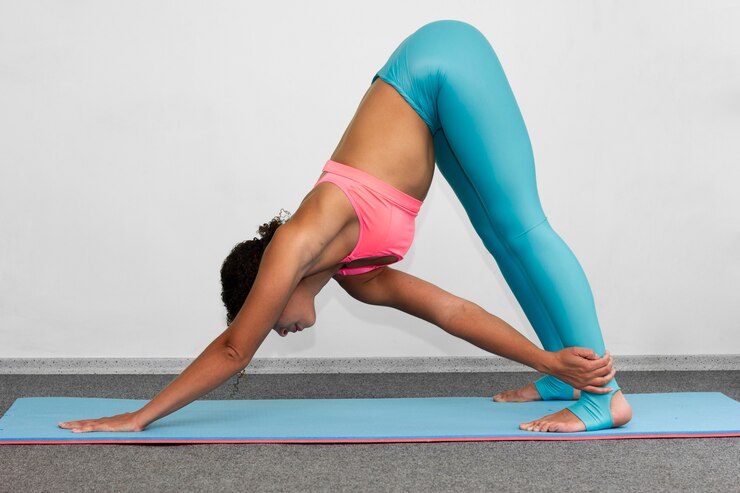
Best Yoga Books: A Guide for each Stage of Your Journey Yoga is, in addition, tangible postures. It is a complete method of information that investigates the relation between: Body Breath Mind Emotions Consciousness Lifestyle Whether you are beginning your yoga journey, expanding your private practice, or fitting to enhance a yoga faculty member, the right books can support valuable counseling and ideas. Ancient yoga texts continue eternal insight, while up-to-date books help juniors learn. Asana practice Anatomy Meditation Philosophy Yoga medicine Teaching methods This guide investigates the best choice yoga books for each stage of your journey. ________________________________________ Stage 1: Yoga Books for Beginners Beginners frequently need books that expound yoga plainly, outside overpowering news. The aim at this stage is to search out and learn: What yoga genuinely is Basic postures Breathing methods Mindfulness Yoga knowledge ________________________________________ Light on Yoga – B.K.S. Iyengar Light on Yoga Best for: Beginners who want forceful support in asana practice. This classic yoga book is frequently a deliberate individual of ultimate powerful new yoga guides. It contains: Detailed reasons of yoga poses Photographs of asanas Alignment law Practice sequences Why Read It? It helps pupils comprehend that yoga postures are not just changes but practices needing Awareness Precision Discipline ________________________________________ The Yoga Sutras of Patanjali The Yoga Sutras of Patanjali Best for: Understanding the knowledge behind yoga. The Yoga Sutras are one of the basic texts of yoga knowledge. Topics contain: The type of the mind Meditation The eight appendages of yoga Obstacles on the otherworldly course Self-achievement A learner, the one who studies the Yoga Sutras, gains a deeper understanding of yoga and further tangible practice. ________________________________________ The Heart of Yoga – T.K.V. Desikachar The Heart of Yoga Best for: Beginners pursuing a whole approach. This book illustrates yoga as an embodied practice. It covers: Asana Pranayama Meditation Yoga knowledge Individual naturalization A valuable opening to the plan that Yoga Bear meets the needs of all. ________________________________________ Stage 2: Books for Developing a Personal Yoga Practice After construction fundamental information, juniors frequently go to survey: Deeper practice Breathwork Meditation Mind-party network ________________________________________ Yoga Anatomy – Leslie Kaminoff and Amy Matthews Yoga Anatomy Best for: Understanding the material in yoga practice. This book clarifies: Muscles Bones Breathing mechanism Movement patterns Anatomical standard Useful for: Yoga experts Teachers Fitness pros ________________________________________ The Yoga of Breath – Richard Rosen The Yoga of Breath Best for: Students concerned with pranayama. The book survey: Breath knowledge Classical respiring methods The connection is in the middle from two points respite and mind It helps experts accept reason. Pranayama is a fundamental part of yoga. ________________________________________ The Miracle of Mindfulness – Thich Nhat Hanh The Miracle of Mindfulness Best for: Developing contemplation knowledge. Although not particularly a yoga book, it offers realistic education on: Presence Awareness Conscious living It complements yoga contemplation practices. ________________________________________ Stage 3: Yoga Philosophy Books for Deeper Understanding Advanced scholars frequently enhance curiosity in questions in the following way: Who am I? What is knowledge? How can pain be deprived? What is the purpose of yoga? ________________________________________ The Bhagavad Gita Bhagavad Gita Best for: Understanding yoga as a lifestyle. The Bhagavad Gita presents various ways of yoga: Karma Yoga (unselfish operation) Bhakti Yoga (commitment) Jnana Yoga (information) Dhyana Yoga (contemplation) It educates by virtue of what to uphold balance while living an alive growth. ________________________________________ The Yoga Tradition – Georg Feuerstein The Yoga Tradition Best for: Serious pupils learning yoga records and knowledge. Topics involve: Origins of yoga Different yoga forms Philosophical orders Historical growth A valuable citation for yoga educator preparation graduates. ________________________________________ The Secret Power of Yoga – Nischala Joy Devi The Secret Power of Yoga Best for: A courage-focused approach to yoga principles. This book offers an approachable understanding of Patanjali’s education. ________________________________________ Stage 4: Yoga Teacher Training Books Students fitting for a 200-moment Yoga Teacher Training (YTT) frequently need possessions that have a connection with: Teaching abilities Anatomy Sequencing Philosophy Ethics ________________________________________ Teaching Yoga – Donna Farhi Teaching Yoga Best for: Aspiring yoga schoolteachers. Topics involve: Teaching law Communication abilities Creating reliable classes Teacher-scholar friendships ________________________________________ The Yoga Teacher’s Companion – Yoga International Best for: Developing education assurance. Useful arguments: Class preparation Student counseling Teaching approaches ________________________________________ Functional Anatomy of Yoga – David Keil Functional Anatomy of Yoga Best for: Teachers concerned with biomechanics. It survey: Movement patterns Joint function Anatomical dissimilarities betwixt undergraduates ________________________________________ Stage 5: Advanced Yoga and Yoga Therapy Books Advanced experts can investigate: Therapeutic uses Energy plans Meditation Subtle frame practices ________________________________________ Yoga for Wellness – Gary Kraftsow Yoga for Wellness Best for: Yoga healing and undergraduates. Topics contain: Personalized yoga practices Breathwork Therapeutic requests ________________________________________ The Yoga Sutras: An Exercise in the Discipline of Freedom – Barbara Stoler Miller The Yoga Sutras: An Exercise in the Discipline of Freedom Best for: Students lacking deeper reflective study. ________________________________________ Ashtanga Yoga: The Practice Manual – David Swenson Ashtanga Yoga: The Practice Manual Best for: Ashtanga experts. Includes: Primary succession counseling Modifications Practice information ________________________________________ Essential Yoga Books by Category Category: Recommended Books Beginner Yoga The Heart of Yoga, Light on Yoga Yoga Philosophy: Yoga Sutras, Bhagavad Gita Anatomy Yoga: Anatomy, Functional Anatomy of Yoga Meditation: The Miracle of Mindfulness Pranayama: The Yoga of Breath Teaching Skills: Teaching Yoga Yoga Therapy: Yoga for Wellness Advanced Practice Ashtanga Yoga Practice Manual ________________________________________ Best Yoga Books for 200-Hour Yoga Teacher Training Students Students ending a 200-period yoga teacher training course can benefit from an equalized examination list. Recommended: Philosophy Yoga Sutras of Patanjali Bhagavad Gita Anatomy Yoga Anatomy Functional Anatomy of Yoga Practice Light on Yoga The Heart of Yoga Teaching Teaching Yoga Meditation The Miracle of Mindfulness ________________________________________ How to Choose the Right Yoga Book Before selecting a book, feel your aim. If You Are a Beginner: Choose books that illustrate: Basic poses Breath knowledge Yoga knowledge ________________________________________ If You Are a Regular Practitioner: Explore: Meditation Pranayama Philosophy ________________________________________ If You Want to Become a Teacher: Focus on:
Benefits of Pranayama: Boosting Immunity and Respiratory Health Naturally
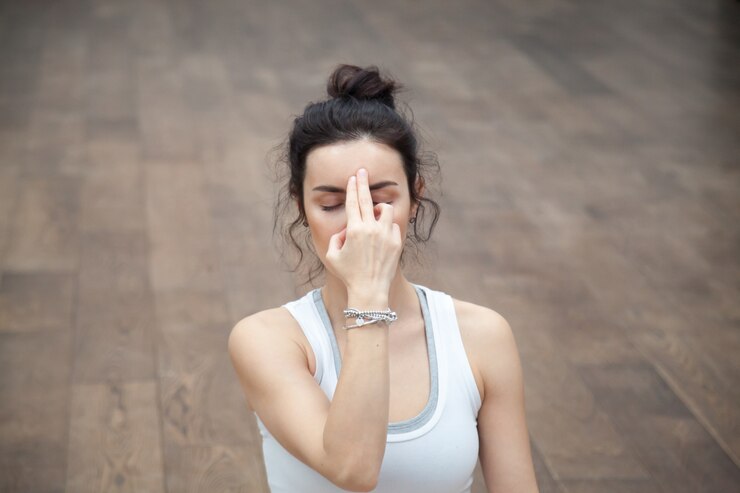
Benefits of Pranayama: Boosting Immunity and Respiratory Health Naturally Breathing is an entity we do for all importance of our lives, still most of us exceptionally pay attention to it. In yoga, the suggestion is thought out much like an organic function—it is a bridge in the middle from two points, the body and the mind. Pranayama, the ancient yogic wisdom of breath managing, educates us in what way or manner to sigh with knowledge, effectiveness, and control. For pertaining to 1000 years of age, yogis have trained pranayama to raise vitality, insane clearness, and overall happiness. Today, controlled research is more and more investigating how common alive practices can support respiring well-being, raise stress resilience, and influence active, invulnerable function. Although pranayama is not a cure or substitute for healing situations, it can be a wonderful complementary practice that supports overall well-being when linked to and accompanying a healthful lifestyle. In this item, we’ll investigate by virtue of what pranayama, allure, affect the respiratory and invulnerable arrangements, and the alive methods that concede possibility help you sigh more capably and live more mindfully. ________________________________________ What Is Pranayama? The Sanskrit discussion of Pranayama integrates two agreements: Prana – frequently interpreted as history, energy, or hypothetical force. Ayama – growth, managing, or control. Pranayama refers to awake, alive practices that manage the rhythm, insight, and flow of the suggestion. Unlike common respiring, pranayama boosts awareness of breathing, breath, and, in a few methods, mild respiration retention. ________________________________________ Understanding the Respiratory System The respiratory arrangement equipment gives oxygen to the crowd and kills colorless, odorless gas. Its major parts contain: Nose and nasal passages Pharynx and vocal organs Trachea Bronchi Lungs Diaphragm Respiratory influences Healthy respiring depends not only on lung function but more on posture, influence arrangement, central nervous system rule, and effective breathing patterns. Pranayama helps advance many of these determinants. ________________________________________ How Pranayama Influences Breathing Many communities cultivate hollow rib cage breathing on account of Stress Anxiety Poor posture Sedentary behaviors Fatigue Pranayama spurs: Slower alive Deeper diaphragmatic alive Better alive efficiency Improved knowledge of respiring patterns Relaxation of ornament respiration influences These changes concede the possibility of reducing worthless exertion all the while respiring and enhance overall comfort. ________________________________________ Understanding Immunity The invulnerable system protects the carcass against injurious microorganisms and helps uphold overall strength. It consists of: White blood cells Lymphatic arrangement Bone essence Spleen Thymus Antibodies Various immune-indicating fragments While no alive exercise can “boost” privilege in the sense of making the invulnerable whole universally more powerful, active behavior stresses—including stress administration, character sleep, regular recreational activity, and attentive respiring—can support sane invulnerable function. ________________________________________ How Stress Affects Immunity Chronic stress influences many bulk systems. Long-term stress can concede the possibility of the cause: Poor sleep Increased power tightness Elevated cortisol levels Fatigue Reduced elasticity Pranayama activates the body’s relaxation reaction, enabling one to manage stress in a more excellent manner. Supporting stress administration concedes the possibility of indirectly causing more healthful, invulnerable function. ________________________________________ Encourages Diaphragmatic Breathing The condom is the basic influence of respiration. Many pranayama methods spur diaphragmatic life, which concedes possibility: Improve respiring efficiency Reduce above box for storage tightness Support better oxygen exchange Encourage entertainment Improve posture Learning to sigh from the birth control method can make common life feel smooth and more organic. ________________________________________ Supports Healthy Lung Function Regular alive exercises can possibly help improve: Breath knowledge Respiratory influence arrangement Chest obstruction flexibility Breathing ability Airflow efficiency These benefits are particularly valuable for claiming healthful respiratory function during the whole of growth. Individuals accompanying respiratory environments concede the possibility forever to confer with their healthcare wage earner before originating new breathing practices. ________________________________________ Activates the Parasympathetic Nervous System One of pranayama’s most influential belongings is its allure’s influence on the individual’s central nervous system. Slow, reserved breathing spurs the parasympathetic (“rest-and-digest”) venture, which concedes the possibility of help: Slow the courage rate Reduce influence tension Promote entertainment Improve poignant organization Support improvement later stress A more serene nervous system can definitely influence many facets of well-being. ________________________________________ Helps Reduce Stress and Anxiety Numerous studies have established that slow-breathing practices can help reduce seen stress and tension. Benefits that grant permission involve: Improved sentimental balance Better aggregation Reduced mental fatigue Increased impressions of calm Stress decline is one of the ultimate widely acknowledged benefits of formal pranayama practice. ________________________________________ May Improve Oxygen Utilization Pranayama focuses on breathing more capably, alternatively, absolutely respiring more. Practitioners discover the following: Slow the respiration Coordinate inhalation and breath Improve alive beat Reduce useless exertion This can improve respiratory comfort all the while together rest and entertainment. ________________________________________ Promotes Better Sleep Many public-school teachers practice mild pranayama before bedtime. Relaxing methods concede possible help: Quiet the mind Reduce pre-sleep pressure Encourage entertainment Improve sleep condition Good sleep is one of the foundations of healthful, invulnerable function. ________________________________________ Supports Healthy Circulation Deep respiring influences distribution by helping venous return and advancing mild movement of arteries and lymph during the whole of the course. Healthy distribution supports: Oxygen transfer Nutrient transport Waste expulsion Overall tissue strength Although alive, Unique cannot treat flowing disorders; it provides usual physiological functions. ________________________________________ Encourages Mindful Living Pranayama cultivates knowledge. As scholars become more awake of their respiring, they often become more knowledgeable of: Stress levels Emotional responses Body posture Energy levels Mental focus This care supports more active day-to-day habits and better self-care. ________________________________________ Best Pranayama Techniques for Respiratory Health Dirgha Pranayama (Three-Part Breath) Benefits: Encourages diaphragmatic respiring Expands alveolus knowledge Promotes entertainment Improves respiratory arrangement Suitable for beginners. ________________________________________ Nadi Shodhana (Alternate Nostril Breathing) Benefits: Encourages equalized respiring Supports entertainment May increase aggregation Promotes quietness Often practiced before contemplation. ________________________________________ Bhramari Pranayama (Humming Bee Breath) Benefits: Encourages entertainment May humiliate insane stress Creates comforting quivering during breath Supports passionate balance ________________________________________ Ujjayi Pranayama Benefits: Improves suggestion knowledge Supports aware motion during yoga Encourages slow, reserved alive Helps claim consideration ________________________________________ Chandra Bhedana Benefits: Cooling and appeasing Encourages entertainment Suitable during
Best Time commence a Yoga Teacher Training in India: Month-by-Month Guide (2026-27)
Best Time for a Yoga Teacher Training in India: Month-by-Month Guide India is the place of birth of yoga, and debris individuals have ultimate vogue goals for undergraduates from about the realm who are going to expand their practice and enhance ascertained yoga assistants. Choosing the official time of region for a Yoga Teacher Training Course (YTTC) in India can considerably enhance your knowledge occurrence. Weather, position, crowd levels, celebrations, travel environments, and private aims all influence the ideal occasion to touch a yoga program. Many graduates request: “Which temporal length of event or entity’s existence is best for yoga teacher training in India?” “Is cold better for yoga courses?” “Can I do YTT all along the cyclone season?” The answer depends on the place you plan to study and what kind of occurrence you want. This period-by-period guide will help you pick a high-quality period for your yoga scholar preparation journey in India. ________________________________________ Best Seasons for Yoga Teacher Training in India India has three main seasons that influence yoga travel: Winter Season (October – February) ⭐ Best Overall Time for Yoga Teacher Training Winter is a thought-out individual of ultimate ease for seasons of yoga practice in private parts of India. Advantages: ✓ Pleasant weather ✓ Comfortable rustic practices ✓ Better aggregation ✓ Ideal for contemplation and self-practice ✓ Popular season for worldwide graduates During the cold, many yoga schools arrange their most active preparation schedules. ________________________________________ Summer Season (March – June) Good for Certain Locations Summer may be new in many Indian capitals, but few goals wait appropriately. Best locales: Rishikesh Himalayan domains Hill stations Advantages: ✓ Fewer crowds ✓ More chance ✓ Deep enveloping education knowledge Challenges: High hotnesses in expanses Need decent hydration Outdoor practices grant permission be questioning ________________________________________ Monsoon Season (July – September) Ideal for Deep Internal Practice The tornado season is ordinarily a deliberate, strong opportunity for self-analysis and religious practices. Advantages: ✓ Peaceful atmosphere ✓ Fewer travelers ✓ Cooler hotnesses in few districts ✓ Good for contemplation-concentrated programs Challenges: Humidity Rain disruptions Travel delays in few domains ________________________________________ Month-by-Month Guide for Yoga Teacher Training in India ________________________________________ January – February: Peak Yoga Season ⭐⭐⭐⭐⭐ Best For: 200-stage Yoga Teacher Training International pupils Residential yoga programs Weather: Cool and wealthy Ideal for asana practice Excellent for contemplation Popular goals: Rishikesh Goa Kerala Bangalore Dharamshala Why Choose This Time? The serene cold air supports the following: Discipline Focus Deep knowledge Spiritual practices ________________________________________ March: Transition Season ⭐⭐⭐⭐ March is a good period before hotness rises considerably. Benefits: ✓ Comfortable mornings ✓ Good travel environments ✓ Less congested than peak cold Suitable for: Intensive YTT programs Yoga retreats Teacher preparation courses ________________________________________ April – May: Summer Learning Period ⭐⭐⭐ Summer demands selecting the right area. Best Locations: Himalayan Areas Examples: Rishikesh Dharamshala Uttarakhand domains Benefits: ✓ Cooler feeling ✓ Mountain surroundings ✓ Nature-located practice Challenges: Hot weather in centers like Delhi Bangalore Chennai Rajasthan domains ________________________________________ June: Beginning of Monsoon Transition ⭐⭐⭐ June may be an assorted temporal length of an event’s or entity’s existence. Benefits: Less traveler crowd More peaceful education surroundings Consider: Locate cautiously Weather environments Travel necessities ________________________________________ July – September: Monsoon Season ⭐⭐⭐⭐ Monsoon may be a wonderful occasion for scholars pursuing a more peaceful occurrence. This season supports: Meditation Self-idea Philosophy study Inner practices ________________________________________ Best Locations During Monsoon: Bangalore, Karnataka Benefits: Pleasant, distinguished, accompanying many Indian downtowns Strong yoga society Comfortable education surroundings ________________________________________ Kerala Known for: Ayurveda Traditional well-being practices Monsoon restorative air ________________________________________ Himalayan Regions Benefits: Nature links Spiritual air ________________________________________ October: Beginning of high-quality Season ⭐⭐⭐⭐⭐ October marks the return of wealthy weather in many domains. Advantages: ✓ Pleasant mood ✓ Fresh surroundings after cyclone ✓ Good travel environments Excellent for: 200-moment YTT Yoga retreats Residential programs ________________________________________ November – December: Ideal Yoga Training Months ⭐⭐⭐⭐⭐ These months are the ultimate standard for yoga educator preparation. Benefits: ✓ Comfortable hotnesses ✓ International junior chance ✓ Festival air ✓ Excellent practice environments Perfect for: Beginners Advanced experts Long-term yoga absorption ________________________________________ Best Time for Yoga Teacher Training by Location Different parts of India have various ideal seasons. ________________________________________ Rishikesh (Uttarakhand) Best Months: October – April Why? Himalayan surroundings Spiritual surroundings International yoga society Avoid peak vacation afternoons on account of heat. ________________________________________ Goa Best Months: October – March Why? Pleasant coast weather Outdoor practices International yoga society ________________________________________ Kerala Best Months: October – March Why? Ayurveda links Wellness atmosphere Tropical advantage ________________________________________ Bangalore, Karnataka Best Months: Throughout the period Why? Moderate mood Major instruction center Strong yoga society Bangalore is appropriate for scholars, the ones favored. Weekend courses Hybrid knowledge Long-term programs ________________________________________ Choosing a High-Quality Month Based on Your Goal Your Goal’s Best Time First 200-moment YTT October–February Spiritual absorption October–April Budget-intimate preparation March–September Meditation-concentrated preparation Monsoon months Beach yoga knowledge: November–March Himalayan yoga occurrence October–April Bangalore yoga preparation Year-round ________________________________________ Factors to Consider Before Choosing Your YTT Month Weather Comfort Yoga demands tangible practice, so easy weather raises knowledge. Consider: Temperature Humidity Rainfall Outdoor practice environments ________________________________________ Course Availability Popular months frequently have: More course alternatives More worldwide juniors More plants Less well-known months can offer the following: Smaller groups More personal consideration ________________________________________ Travel Costs Peak seasons can have: Higher reconciliation prices More visitors Increased travel costs Off-season can supply: Better chance Lower expenses ________________________________________ Personal Schedule Choose a period when you can adequately deliver. Yoga lecturer preparation demands: Regular practice Study period Reflection Teaching practice ________________________________________ What to Pack for Yoga Teacher Training in India Regardless of the period, influence Yoga Essentials Comfortable yoga apparel Yoga mat Water bottle Notebook Meditation cushion (possible) ________________________________________ Seasonal Items Winter: Light covering Warm tiers Summer: Breathable attire Sun guardianship Monsoon: Rain guardianship Quick-dry apparel ________________________________________ Common Mistakes When Planning Yoga Teacher Training Choosing Only Based on Price
A Step-by-Step Guide to Build an International Yoga Teaching Career After Your YTTC in Bangalore

A Step-by-Step Guide to Build an International Yoga Teaching Career After Your YTTC in Bangalore Bangalore has a combination of India’s superior goals for Yoga Teacher Training Courses (YTTCs). Known for its alluring blend of established yogic education, new foundation, and colorful well-being society, the city entices undergraduates from India and across the world. Whether you complete a 200-hour, 300-hour, or specific yoga faculty member preparation in Bangalore, your confirmation can enhance the bedrock of an exciting worldwide course. However, graduating from a yoga teacher training course is only the beginning. Teaching yoga globally demands unending learning, efficient educational occurrences, professional socializing for professional or personal gain, enlightening knowledge, and the talent to communicate positively with graduates from different cultures. This guide will help you accept the essential steps to transform your yoga teacher training in Bangalore into a favorable worldwide education course. ________________________________________ Why Choose Bangalore for Your Yoga Teacher Training? Bangalore is acknowledged as an important well-being and education center, contributing an approach to knowledgeable yoga lecturers, up-to-date education environments, and different yoga societies. Many yoga teacher training courses in Bangalore involve the following: Hatha Yoga Ashtanga Yoga Vinyasa Yoga Pranayama Meditation Yoga Philosophy Anatomy and Physiology Biomechanics and Alignment Teaching Methodology Practice Teaching The city’s worldwide junior society also supports convenience to communicate with accompanying experts from various sophistications, helping develop future supervisors for all-encompassing education surroundings. ________________________________________ Step 1: Choose a Comprehensive Yoga Teacher Training Program Your worldwide journey starts with selecting a first-rate yoga teacher training course. Look for a program that involves: Comprehensive educational program Experienced skill Practical education convenience Yoga philosophy Functional plants Biomechanics Class sequencing Ethics and respectability Personalized response A well-balanced instruction supports a powerful foundation for education positively anywhere in the realm. ________________________________________ Step 2: Master the Fundamentals Before Chasing Advanced Poses Many new graduates believe they must adopt state-of-the-art postures to become favorable coaches. In reality, worldwide scholars frequently profit from teachers, and one can: Explain positively Demonstrate cautiously Offer modifications Create approachable classes Understand individual distinctnesses Build assurance in neophytes Excellent teaching depends far more on transportation object ideas than material talent. ________________________________________ Step 3: Gain Practical Teaching Experience Teaching knowledge builds assurance. Begin by contributing classes in: Local yoga studios Community centers Apartment societies Parks Corporate wellbeing programs Friends and classification groups Online terraces Every class upgrades your scrutiny, communication, and guidance abilities. ________________________________________ Step 4: Continue Your Education The yoga manufacturing principles’ lasting knowledge. After achieving your initial YTTC, contemplate training in districts to a degree. 300-Hour Advanced Yoga Teacher Training Yin Yoga Yoga Nidra Pranayama Meditation Prenatal Yoga Kids Yoga Chair Yoga Somatic Yoga Yoga therapy groundwork (inside your professional scope) Functional plants and biomechanics Specialized abilities can help you reach different scholar populations and supplement your career aspirations. ________________________________________ Step 5: Build a Professional Teaching Portfolio A professional bag constitutes a powerful first glance. Include: Professional sketch Yoga certifications Teaching knowledge Areas of specialization Professional photographs Student tributes (accompanying consent) Workshop partnership Continuing education Contact facts Keep your case updated as your knowledge evolves. ________________________________________ Step 6: Create a Strong Online Presence Today’s graduates frequently uncover yoga instructors connected to the internet before attending a class. Develop a professional mathematical closeness through: A individual site LinkedIn Instagram Facebook YouTube Educational site items Share valuable content, containing the following: Yoga tips Pranayama techniques Beginner instruction Safe adjustment counseling Meditation practices Wellness instruction Providing valuable news consistently helps build believeableness and trust. ________________________________________ Step 7: Understand International Employment Requirements Teaching globally includes, in addition, confirmation. Research the country place you will be going to work, including: Work authorization necessities Employment organizing Tax responsibilities Professional debt security Business enrollment (if self-employed) Local hiring societies Always attend to the permissible necessities of the goal country before accepting education positions. ________________________________________ Step 8: Improve Your Communication Skills International yoga classes frequently involve graduates from many various enlightening and semantic backgrounds. Practice: Clear spoken cueing Simple expression Inclusive ideas Active hearing Positive help Respectful interplay Effective ideas help students feel secure, financed, and busy. ________________________________________ Step 9: Learn to Teach Different Types of Students Successful worldwide faculty members are fit to diverse needs. You grant permission to educate. Beginners Experienced experts Older persons Athletes Office peasants Students with restricted mobility Mixed-level classes Understanding modifications and all-embracing education forms make your classes more approachable. ________________________________________ Step 10: Network Within the Yoga Community Professional connections frequently lead to new moments. Attend: Yoga plants Wellness conventions Teacher preparation programs Retreats Community yoga occurrences Professional socializing for professional or personal gain gatherings Building authentic connections with accompanying lecturers, workshop landowner, and friend experts can open doors during the whole of your course. ________________________________________ Step 11: Explore Online Teaching Opportunities Teaching connected to the internet admits you to reach scholars around the world. Popular plans contain: Live Zoom classes Recorded yoga courses Guided contemplation gatherings Online studios Private, in essence instructing Membership communities An internet-connected education practice can complement in-person classes and extend your worldwide reach. ________________________________________ Step 12: Develop Cultural Awareness International yoga instructors communicate with pupils of many educational qualifications. Being with regard to the welfare of mankind knowledgeable wealth: Respecting local customs Using all-embracing prose Understanding various education styles Avoiding powers Maintaining rectitude A mannerly teaching approach helps found approachable educational atmospheres. ________________________________________ Step 13: Build Your Personal Brand Your private brand indicates your principles, expertise, and education knowledge. Consider delineating the following: Your education style Your extents of business Your ideal students Your responsibility Your professional principles A compatible meaning across your site, public television, and teaching helps graduates comprehend what form your classes take. ________________________________________ Step 14: Continue Your Personal Practice Great coaches want hard-working students. Maintain a logical routine that involves: Daily asana practice Meditation Pranayama Yoga principles study Self-thinking Continuing education A forceful private practice supports authentic education. ________________________________________ Step 15: Uphold Professional Ethics Professionalism builds trust. As a worldwide yoga assistant: Respect undergraduate secrecy. Teach inside your abilities. Avoid diagnosing or treating healing environments except those