
Yin Yoga Pose: Deer Pose
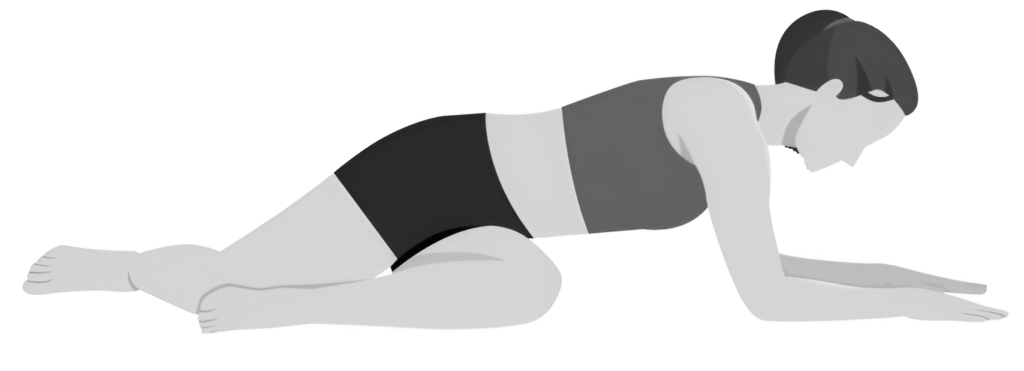
Introduction Deer Pose is a classical Yin Yoga posture that emphasizes deep hip opening, gentle spinal rotation, and balanced stimulation of connective tissues around the pelvis and lower spine. The posture is named after the graceful positioning of a resting deer, with the legs arranged in a way that creates both external and internal rotation in the hips. This unique configuration makes Deer Pose one of the most effective Yin postures for improving hip mobility and joint health. In contrast to dynamic or Yang styles of yoga, where strength and muscular engagement dominate, Yin Yoga invites practitioners to relax deeply into the pose. In Deer Pose, gravity and time work together to influence the deeper layers of fascia, ligaments, and joint capsules. This passive approach allows for gradual and safe release of tension, particularly in areas that are often tight due to prolonged sitting, such as the hips, gluteal region, and lower back. Deer Pose is often included in Yin sequences focused on hip opening, spinal health, and emotional release. The hips are commonly referred to as a storage area for emotional tension, and by gently opening them, practitioners may experience both physical relief and emotional balance. The posture also provides subtle stimulation to the digestive organs and pelvic region, enhancing circulation and overall vitality. Deer Pose is a highly effective Yin Yoga posture that offers deep benefits for the hips, spine, and internal organs. Its unique combination of internal and external hip rotation makes it particularly valuable for maintaining joint health and mobility. By encouraging stillness and relaxation, the pose allows practitioners to access deeper layers of the body, promoting physical release and emotional balance. It supports circulation, improves flexibility, and enhances overall well-being. With consistent practice, Deer Pose becomes a powerful tool for restoring balance in the body and mind. It embodies the essence of Yin Yoga—gentleness, patience, and introspection—making it an essential posture for both beginners and experienced practitioners. Getting Into the Pose Entering Deer Pose requires mindful placement of the legs and awareness of hip alignment. The goal is to find a comfortable position that allows for relaxation without strain. Step-by-Step Instructions Coming Out of the Pose Exiting Deer Pose slowly helps prevent strain and allows the body to integrate the effects. Counterposes After Deer Pose, counterposes help restore balance in the hips and spine. Meridians & Organs Affected Deer Pose stimulates several Yin meridians due to its unique hip positioning. Primary Meridians Organs Affected The gentle compression and stretch in the pelvic region enhance circulation and organ function. Joints Affected Recommended Hold Times Practice Guidelines Contra-indications Benefits Physical Benefits Therapeutic Benefits Mental and Emotional Benefits Energetic Benefits Anatomy and Physiology Muscles Involved Primary Muscles Muscles Being Stretched In Yin Yoga, muscles are relaxed to target deeper tissues. Connective Tissue Engagement Targets: Long holds improve elasticity and hydration. Spinal Mechanics Circulatory System Digestive System Respiratory System Nervous System Effects Endocrine System Fascial Lines These are engaged through hip rotation. Psychological and Subtle Body Perspective Deer Pose has a profound emotional and energetic impact. Energetic Interpretation The hip opening aspect often brings awareness to stored emotional tension. Integration in Yin Yoga Practice Deer Pose is commonly included in: Complementary Poses
Yin Yoga Pose: Happy Baby Pose (Ananda Balasana – Yin Variation)
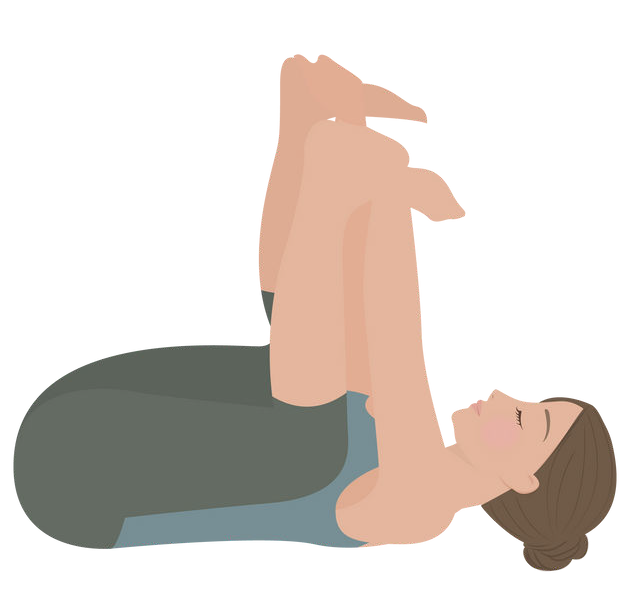
Introduction Happy Baby Pose, traditionally known as Ananda Balasana, is a gentle yet deeply effective posture that is widely practiced in both active and Yin Yoga traditions. In Yin Yoga, the pose is approached with stillness, relaxation, and longer holding times, allowing gravity to facilitate a deep release in the hips, lower back, and inner thighs. The posture resembles a joyful infant lying on its back, holding its feet—hence the name “Happy Baby.” In modern lifestyles characterized by prolonged sitting, restricted movement, and high levels of stress, the hips and lower spine often become tight and congested. Happy Baby Pose offers a therapeutic counterbalance by opening the hips, lengthening the spine, and encouraging relaxation of the nervous system. When practiced in a Yin style, it not only enhances physical flexibility but also promotes emotional release and energetic balance. This pose is accessible to most practitioners and can be modified using props, making it suitable for beginners as well as advanced yogis. Its calming nature makes it an excellent posture for winding down, relieving tension, and cultivating mindfulness. Getting Into the Pose Entering Happy Baby Pose mindfully ensures safety and effectiveness. Step-by-Step Instructions Coming Out of the Pose Exiting the pose slowly is important to maintain relaxation. Counterposes Counterposes help neutralize the effects of Happy Baby Pose. Meridians & Organs Affected Happy Baby Pose stimulates several Yin meridians. Primary Meridians Organs Affected The gentle compression and opening enhance circulation. Joints Affected Recommended Hold Times Practice Tips Contra-indications Benefits Physical Benefits Therapeutic Benefits Mental and Emotional Benefits Energetic Benefits Anatomy and Physiology Muscles Involved Primary Muscles Muscles Being Stretched Connective Tissue Engagement Spinal Mechanics Circulatory System Digestive System Respiratory System Nervous System Effects Endocrine System Fascial Lines Psychological and Subtle Body Perspective Happy Baby Pose has a calming and joyful quality. Energetic Interpretation Integration in Yin Yoga Practice Happy Baby Pose is commonly used in: Complementary Poses Conclusion Happy Baby Pose is a gentle yet powerful Yin Yoga posture that offers a wide range of physical, emotional, and energetic benefits. Its ability to open the hips, release the lower back, and calm the mind makes it an essential component of Yin Yoga practice. Through sustained stillness and mindful breathing, practitioners can experience deep relaxation and improved body awareness. The pose’s accessibility and adaptability make it suitable for practitioners of all levels. With regular practice, Happy Baby Pose becomes a tool for restoring balance, promoting healing, and cultivating a sense of ease and joy. It beautifully reflects the essence of Yin Yoga—softness, surrender, and mindful presence.
Yin Yoga Pose: Dragon Pose (Yin Lunge)
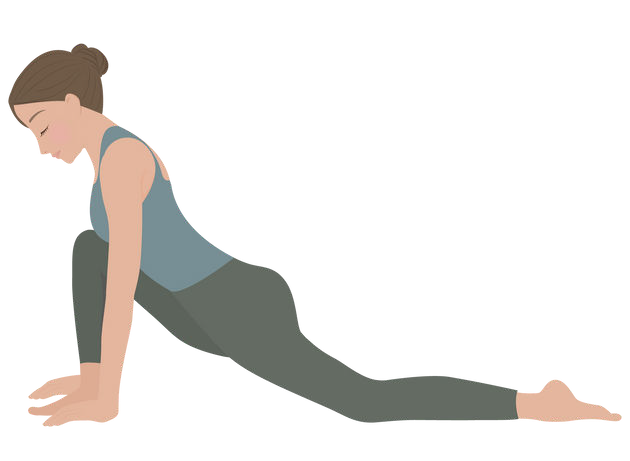
Introduction Dragon Pose is one of the most powerful and transformative postures in Yin Yoga, primarily targeting the hips, groin, and lower body. Often described as the Yin equivalent of a low lunge, Dragon Pose works deeply into the hip flexors, quadriceps, and connective tissues surrounding the pelvis. It is especially beneficial in counteracting the effects of prolonged sitting, which tends to shorten the hip flexors and restrict mobility. In Yin Yoga, Dragon Pose is approached with a passive mindset. Rather than actively engaging the muscles to hold the posture, practitioners gradually relax into the pose, allowing gravity and time to create a deep stretch in the connective tissues. This sustained hold helps improve flexibility, joint health, and energetic balance. Dragon Pose is also known for its intensity. It can evoke strong physical sensations and sometimes emotional responses, as the hips are considered a storage area for stress and unresolved emotions. Through mindful breathing and stillness, practitioners learn to observe and release tension, making this pose not only physically beneficial but also mentally and emotionally transformative. Dragon Pose is one of the most profound Yin Yoga postures, offering deep physical, emotional, and energetic benefits. Its ability to open the hips, stimulate internal organs, and release tension makes it an essential practice for modern lifestyles. Through stillness and mindful breathing, practitioners can explore the deeper layers of the body and mind. While the pose can be intense, it offers significant rewards in terms of flexibility, strength, and emotional balance. With regular practice, Dragon Pose becomes a powerful tool for transformation, embodying the essence of Yin Yoga—patience, surrender, and inner awareness. Getting Into the Pose Entering Dragon Pose requires careful alignment and the use of props to ensure comfort and safety. Step-by-Step Instructions Coming Out of the Pose Exiting Dragon Pose must be done slowly due to its intensity. Counterposes Counterposes are essential to release tension from the hips and spine. Meridians & Organs Affected Dragon Pose strongly stimulates the front body meridians. Primary Meridians Organs Affected The deep hip stretch enhances circulation and organ function. Joints Affected Recommended Hold Times Practice Guidelines Contra-indications Benefits Physical Benefits Therapeutic Benefits Mental and Emotional Benefits Energetic Benefits Anatomy and Physiology Muscles Involved Primary Muscles Muscles Being Stretched Connective Tissue Engagement Targets: Long holds improve elasticity. Spinal Mechanics Circulatory System Digestive System Respiratory System Nervous System Effects Endocrine System Fascial Lines Psychological and Subtle Body Perspective Dragon Pose is emotionally intense. Energetic Interpretation Integration in Yin Yoga Practice Dragon Pose is commonly used in: Complementary Poses
Yin Yoga Pose: Saddle Pose (Supta Virasana – Yin Variation)
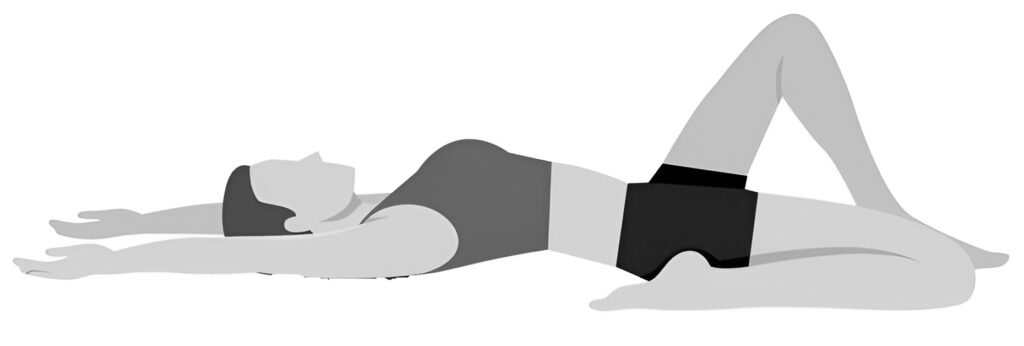
Introduction Saddle Pose is a profound Yin Yoga posture that creates a deep, passive backbend while strongly stimulating the front body, particularly the thighs, hip flexors, and abdominal region. Derived from the classical pose Supta Virasana (Reclined Hero Pose), Saddle Pose in Yin Yoga is practiced with minimal muscular effort and extended holding times, allowing gravity to gently open the body and target deeper connective tissues. In modern life, prolonged sitting and sedentary habits shorten the hip flexors and compress the lumbar spine. Saddle Pose offers an effective antidote by lengthening the quadriceps, opening the hip flexors, and promoting spinal extension. It is particularly beneficial for counteracting forward-bending postures and improving overall posture. However, Saddle Pose can be intense due to the combination of knee flexion and spinal extension. Therefore, it requires mindful entry, proper alignment, and the use of props to ensure safety and comfort. When practiced correctly, it offers powerful physical, physiological, and emotional benefits, making it an essential posture in Yin Yoga practice. Saddle Pose is a powerful Yin Yoga posture that offers deep physical, physiological, and emotional benefits. Its ability to open the front body, stretch the quadriceps, and stimulate internal organs makes it an essential pose in Yin Yoga practice. Though intense, it provides profound rewards when practiced mindfully and with proper support. Through sustained stillness and awareness, practitioners can experience improved flexibility, enhanced organ function, and deep relaxation. Ultimately, Saddle Pose embodies the essence of Yin Yoga—stillness, surrender, and inner transformation—making it a valuable tool for achieving balance and well-being. Getting Into the Pose Entering Saddle Pose requires careful progression and attention to body signals. Step-by-Step Instructions Coming Out of the Pose Exiting Saddle Pose must be done very slowly. Counterposes Counterposes are essential after Saddle Pose. Meridians & Organs Affected Saddle Pose stimulates the front body meridians. Primary Meridians Organs Affected The backbend enhances organ stimulation and circulation. Joints Affected Recommended Hold Times Practice Tips Contra-indications Benefits Physical Benefits Therapeutic Benefits Mental and Emotional Benefits Energetic Benefits Anatomy and Physiology Muscles Involved Primary Muscles Muscles Being Stretched Connective Tissue Engagement Spinal Mechanics Circulatory System Digestive System Respiratory System Nervous System Effects Endocrine System Fascial Lines Psychological and Subtle Body Perspective Saddle Pose can be emotionally intense. Energetic Interpretation Integration in Yin Yoga Practice Saddle Pose is used in: Complementary Poses
Yin Yoga Pose: Frog Pose (Mandukasana – Yin Variation)
Introduction Frog Pose is one of the most intense and transformative postures in Yin Yoga, primarily targeting the inner thighs, groin, and hip joints. Known for its deep opening effect, this pose involves a wide-knee position that stretches the adductors and stimulates the connective tissues of the lower body. In Yin Yoga, Frog Pose is practiced passively and held for an extended period, allowing gravity to facilitate a deep and sustained stretch. Unlike dynamic yoga styles, Yin Yoga emphasizes stillness, surrender, and awareness. Frog Pose embodies these principles by inviting practitioners to remain in a position that can be physically challenging and emotionally revealing. The hips and pelvic region are often considered areas where stress, tension, and suppressed emotions accumulate. By working deeply into these regions, Frog Pose promotes not only physical flexibility but also emotional release and energetic balance. Frog Pose is particularly beneficial in modern lifestyles characterized by prolonged sitting, which leads to tight hips and restricted movement. By opening the inner thighs and improving hip mobility, this pose helps restore balance in the body. However, due to its intensity, it must be approached with care, mindfulness, and proper support. Frog Pose is a powerful Yin Yoga posture that works deeply on the hips, inner thighs, and energetic systems of the body. Though physically intense, it offers profound benefits for flexibility, joint health, and emotional release. Through sustained stillness and mindful breathing, practitioners can access deeper layers of the body and mind, fostering balance, resilience, and inner awareness. With regular practice, Frog Pose becomes an essential tool for transformation, embodying the principles of Yin Yoga—stillness, surrender, and deep introspection. Getting Into the Pose Entering Frog Pose requires patience, careful alignment, and the use of props to ensure safety and comfort. Step-by-Step Instructions Coming Out of the Pose Exiting Frog Pose should be done slowly and mindfully to prevent strain. Counterposes Counterposes help neutralize the effects of Frog Pose. Meridians & Organs Affected Frog Pose strongly stimulates Yin meridians located in the inner legs. Primary Meridians Organs Affected This stimulation improves circulation and organ function. Joints Affected Recommended Hold Times Practice Tips Contra-indications Benefits Physical Benefits Therapeutic Benefits Mental and Emotional Benefits Energetic Benefits Anatomy and Physiology Muscles Involved Primary Muscles Muscles Being Stretched Connective Tissue Engagement Long holds improve elasticity and hydration. Spinal Mechanics Circulatory System Digestive System Respiratory System Nervous System Effects Endocrine System Fascial Lines Psychological and Subtle Body Perspective Frog Pose is emotionally intense. Energetic Interpretation Integration in Yin Yoga Practice Frog Pose is used in: Complementary Poses
Yin Yoga Pose: Cat Pulling Its Tail Pose
Introduction Cat Pulling Its Tail Pose is a classic Yin Yoga posture characterized by a gentle spinal twist combined with a quad and hip flexor stretch. The name evokes the image of a cat turning its body to reach its tail, symbolizing flexibility, curiosity, and fluidity. This pose is deeply restorative and targets multiple areas simultaneously, including the spine, hips, thighs, and abdomen. Unlike dynamic yoga styles, Yin Yoga emphasizes stillness, passive stretching, and longer hold times. In Cat Pulling Its Tail Pose, practitioners settle into the posture for several minutes, allowing gravity and time to work on the deeper connective tissues such as fascia, ligaments, and joint capsules. This makes it particularly beneficial for improving joint mobility, releasing chronic tension, and enhancing energetic flow through the meridian system. The pose is also a powerful tool for stimulating digestion, improving spinal rotation, and balancing the nervous system. It is often included in Yin sequences aimed at detoxification, relaxation, and emotional release. Cat Pulling Its Tail Pose is a deeply therapeutic Yin Yoga posture that integrates spinal rotation, hip opening, and organ stimulation. Its gentle yet profound effects make it suitable for practitioners of all levels when approached with mindfulness and proper support. Through sustained stillness, the pose allows for deep release in connective tissues, improved joint mobility, and enhanced organ function. It also offers significant mental and emotional benefits, promoting relaxation, clarity, and emotional balance. In a world dominated by fast-paced movement and stress, this pose invites practitioners to slow down, turn inward, and reconnect with their body. With consistent practice, it becomes a powerful tool for physical healing, emotional release, and overall well-being. Getting Into the Pose Entering Cat Pulling Its Tail Pose requires mindful alignment and a gradual approach to ensure safety and effectiveness. Step-by-Step Instructions Coming Out of the Pose Exiting the pose slowly is essential to prevent strain. Counterposes After a deep twist, counterposes help neutralize the spine. Meridians & Organs Affected Cat Pulling Its Tail Pose stimulates several meridians due to the twisting and compression of the torso. Primary Meridians Organs Affected The twisting motion massages these organs, enhancing their function and promoting detoxification. Joints Affected Recommended Hold Times Practice Tips Contra-indications Benefits Physical Benefits Therapeutic Benefits Mental and Emotional Benefits Energetic Benefits Anatomy and Physiology Muscles Involved Primary Muscles Muscles Being Stretched In Yin Yoga, muscles are relaxed to allow deeper tissue engagement. Connective Tissue The pose targets: Long holds increase elasticity and hydration of tissues. Spinal Mechanics Digestive System Effects Circulatory System Respiratory System Nervous System Effects Endocrine System Fascial Lines These lines are engaged due to twisting and lateral stretch. Psychological and Subtle Body Perspective Cat Pulling Its Tail Pose has a deep emotional and energetic dimension. Energetic Interpretation Twisting poses are often associated with letting go—physically and emotionally. Integration in Yin Yoga Practice This pose is often included in sequences focusing on: Complementary Poses
Yin Yoga Pose: Camel Pose (Ustrasana – Yin Variation)
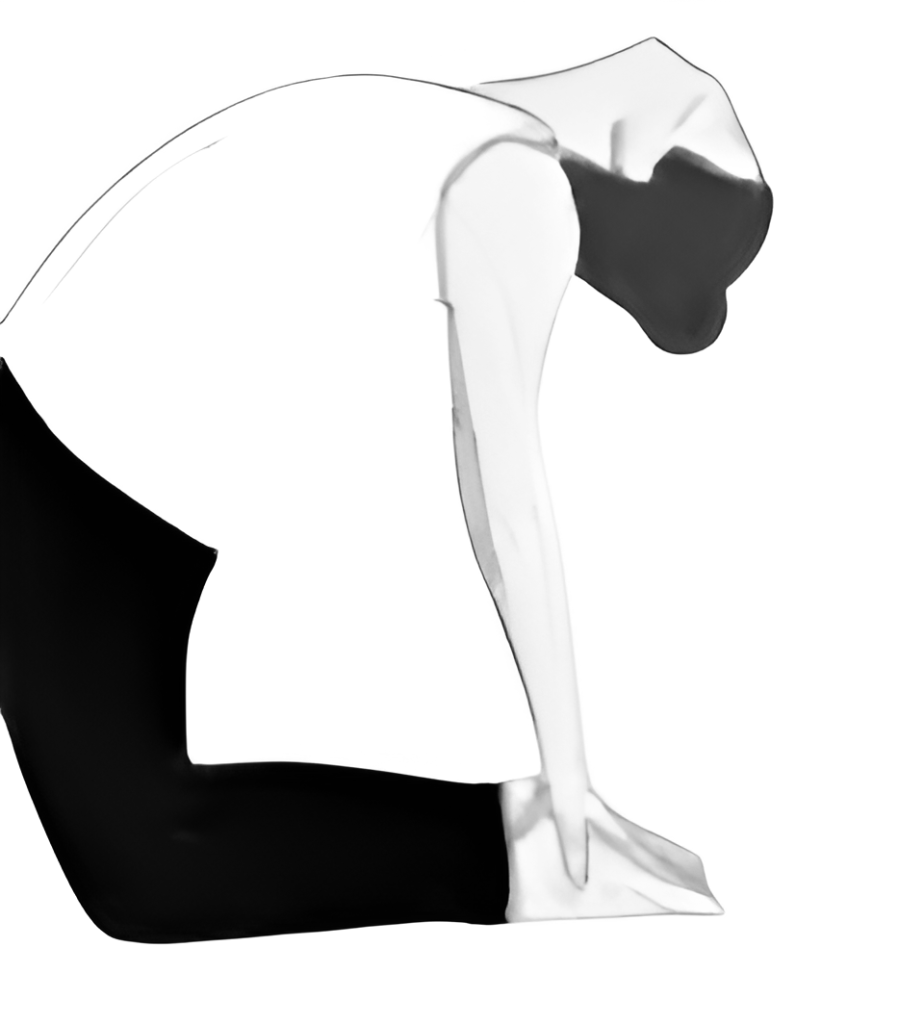
Introduction Camel Pose, known as Ustrasana in Sanskrit, is a deep backbend that powerfully opens the front body, particularly the chest, abdomen, and hip flexors. In traditional (Yang) yoga, Camel Pose is performed actively, requiring muscular engagement, strength, and balance. However, in Yin Yoga, Camel Pose is adapted into a more passive and supported posture, emphasizing long holds, relaxation, and deep connective tissue release. The Yin variation of Camel Pose is typically practiced with the support of props such as bolsters, blocks, or cushions to reduce muscular effort and allow gravity to gradually deepen the backbend. This approach targets the fascia, ligaments, and joints rather than the superficial muscles, making it a therapeutic posture for improving spinal mobility and releasing tension in the front body. Camel Pose is often described as a “heart-opening” posture. It stimulates not only the physical chest region but also emotional and energetic centers associated with compassion, courage, and vulnerability. It is particularly beneficial in counteracting modern lifestyle patterns such as prolonged sitting, slouching, and forward head posture. Camel Pose in Yin Yoga is a powerful posture that integrates physical, emotional, and energetic dimensions. By combining deep backbending with passive relaxation, it provides profound benefits for the spine, chest, and internal organs. It is particularly effective in counteracting modern lifestyle issues such as poor posture and stress. Through mindful practice, it enhances flexibility, improves circulation, and promotes emotional release. When practiced with awareness and proper support, Yin Camel Pose becomes more than a physical stretch—it transforms into a meditative and therapeutic experience that fosters balance, vitality, and inner harmony. Getting Into the Pose Entering Yin Camel Pose requires patience, awareness, and proper use of props to ensure safety and comfort. Step-by-Step Instructions Coming Out of the Pose Exiting Camel Pose must be done carefully to avoid dizziness or strain. Counterposes Counterposes are essential after deep backbends to restore spinal balance. Meridians & Organs Affected Camel Pose strongly stimulates the front body meridians. Primary Meridians Stimulated Organs Affected The pose enhances circulation and stimulates organ function. Joints Affected Camel Pose influences multiple joints: Recommended Hold Times Yin Yoga emphasizes long holds. Guidelines Contra-indications Camel Pose should be approached cautiously in certain conditions: Benefits Physical Benefits Therapeutic Benefits Mental and Emotional Benefits Energetic Benefits Anatomy and Physiology Muscles Involved Primary Muscles Stretch Muscles In Yin variation, muscular effort is minimized. Connective Tissue Engagement Targets: Long holds improve elasticity. Spinal Mechanics Circulatory System Respiratory System Nervous System Effects Endocrine System Fascial Lines Psychological and Subtle Body Perspective Camel Pose is associated with heart opening and emotional release. Energetic Interpretation Holding the pose may bring up deep emotional responses. Integration in Yin Yoga Practice Camel Pose is used in sequences focusing on: Complementary Poses
Yin Yoga Pose: Ankle Stretch Pose
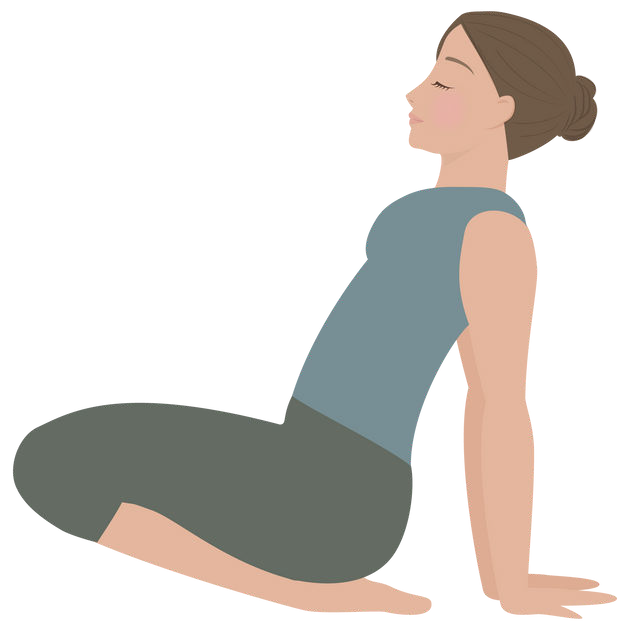
Introduction Ankle Stretch Pose is a foundational yet often underestimated posture in Yin Yoga that focuses on opening and conditioning the ankle joints, feet, and lower legs. In modern lifestyles characterized by prolonged sitting, wearing restrictive footwear, and limited natural movement, the feet and ankles tend to become stiff, weak, and energetically blocked. Yin Yoga addresses these issues by applying gentle, sustained stress to the connective tissues, thereby improving mobility, circulation, and energetic flow. In Yin practice, Ankle Stretch Pose is typically performed by sitting back on the heels with the tops of the feet pressing into the floor, or in a variation where the toes are tucked under (Toe Stretch Pose). These postures target the deep fascial lines of the lower limbs, stimulate important meridians, and improve joint health. Although simple in appearance, the pose can be intense due to the sensitivity of the ankle joints and the dense connective tissues of the feet. Ankle Stretch Pose is not only a physical practice but also an energetic and meditative one. It encourages patience, stillness, and awareness, allowing practitioners to confront discomfort and cultivate resilience. The pose is particularly valuable in Yin Yoga sequences aimed at grounding, improving lower body circulation, and balancing energy flow through the legs. Ankle Stretch Pose in Yin Yoga is a deceptively simple yet profoundly effective posture that addresses one of the most neglected areas of the body—the feet and ankles. Through sustained, mindful stretching, it enhances joint mobility, strengthens connective tissues, and improves overall lower body function. Beyond its physical benefits, the pose plays a significant role in stimulating vital meridians, supporting organ health, and promoting energetic balance. It cultivates patience, awareness, and grounding, making it a valuable addition to any Yin Yoga practice. However, due to its intensity, it must be practiced with caution, proper alignment, and respect for individual limitations. When approached mindfully, Ankle Stretch Pose becomes not just a physical exercise but a holistic practice that integrates body, mind, and energy. Getting Into the Pose Entering Ankle Stretch Pose requires mindful alignment and gradual progression, especially for beginners or those with limited ankle flexibility. Step-by-Step Instructions Coming Out of the Pose Exiting Ankle Stretch Pose must be done slowly due to the intensity of the stretch and the sensitivity of the ankle joints. Counterposes Counterposes are essential to balance the deep stretch and restore comfort. Meridians & Organs Affected In Yin Yoga, Ankle Stretch Pose strongly stimulates meridians that run through the legs and feet. Primary Meridians Stimulated Organs Affected Stimulating these meridians enhances organ function, circulation, and energetic balance. Joints Affected Ankle Stretch Pose deeply influences multiple joints: Recommended Hold Times Yin Yoga emphasizes longer durations to affect connective tissues. Guidelines Contra-indications Ankle Stretch Pose should be avoided or modified in the following conditions: Benefits Physical Benefits Therapeutic Benefits Mental and Emotional Benefits Energetic Benefits Anatomy and Physiology Understanding the anatomical and physiological mechanisms enhances the effectiveness of the pose. Muscles Involved Primary Stretch Muscles Muscles Engaged Connective Tissue Focus Yin Yoga targets: Prolonged stretching improves elasticity and hydration of these tissues. Joint Mechanics Circulatory Effects Nervous System Response Endocrine and Energetic Influence Fascial Lines Involved Fascia adapts slowly, making Yin Yoga ideal for long-term improvements. Psychological and Subtle Body Perspective In yogic philosophy, the feet are considered grounding points connecting the body to the earth. Energetic Interpretation Holding the pose may bring awareness to areas often ignored, fostering deeper mind-body connection. Integration in Yin Yoga Practice Ankle Stretch Pose is often included in sequences focusing on: Complementary Poses These combinations create a balanced Yin sequence targeting the entire lower body.
Yin Yoga Pose: Bridge Pose (Setu Bandha Sarvangasana – Yin Variation)
Introduction Bridge Pose, known traditionally as Setu Bandha Sarvangasana, is a foundational backbend in yoga. In a Yin Yoga context, however, the pose is adapted into a more passive, supported version that emphasizes stillness, long holds, and deep release into connective tissues rather than muscular engagement. Unlike its dynamic (Yang) counterpart, where strength and active lifting dominate, Yin Bridge Pose typically involves the use of props such as bolsters or blocks placed under the sacrum to allow gravity and time to create a gentle opening through the front body. The name “Setu Bandha” translates to “bridge lock,” symbolizing the bridging of physical and energetic gaps within the body. In Yin Yoga, this symbolism extends further into bridging the body and mind, the conscious and subconscious, and tension with relaxation. The pose primarily targets the spine, hips, and front body, while also stimulating vital organs and energetic pathways. Bridge Pose in Yin Yoga is deeply restorative and introspective. It promotes spinal extension, enhances circulation, stimulates endocrine function, and opens the heart and chest region. It is particularly beneficial in counteracting the effects of prolonged sitting, poor posture, and stress. Bridge Pose in Yin Yoga is a powerful yet accessible posture that combines physical, emotional, and energetic benefits. By using support and holding the pose for extended periods, practitioners can experience deep release in the spine, hips, and chest while stimulating vital organs and energy pathways. It is particularly effective in counteracting modern lifestyle issues such as poor posture, stress, and inactivity. Through mindful practice, Bridge Pose becomes more than a physical stretch—it transforms into a meditative experience that fosters balance, relaxation, and inner awareness. When practiced with proper alignment and awareness, Yin Bridge Pose serves as a bridge not only within the body but also between physical health and emotional well-being. Getting Into the Pose Entering Yin Bridge Pose requires careful alignment and the use of props to ensure comfort and safety. Step-by-Step Instructions Coming Out of the Pose Exiting the pose must be done slowly to protect the spine and avoid dizziness. Counterposes Counterposes are essential after backbends to neutralize the spine. Meridians & Organs Affected Bridge Pose strongly influences energetic pathways in the front body. Primary Meridians Stimulated Organs Affected The pose enhances circulation and stimulates organ function, contributing to overall health. Joints Affected Bridge Pose influences multiple joints: Recommended Hold Times Yin Yoga emphasizes longer, passive holds. Guidelines Contra-indications Bridge Pose should be approached cautiously in certain conditions. Benefits Physical Benefits Therapeutic Benefits Mental and Emotional Benefits Energetic Benefits Anatomy and Physiology Muscles Involved Primary Muscles Stretch Muscles In Yin variation, muscular effort is minimized, focusing on passive stretch. Connective Tissue Engagement Targets: Long holds improve elasticity and hydration. Spinal Mechanics Circulatory System Respiratory System Nervous System Effects Endocrine System Fascial Lines These lines influence posture and movement. Psychological and Subtle Body Perspective Bridge Pose is associated with opening the heart and solar plexus regions. Energetic Interpretation Holding the pose can evoke a sense of vulnerability and release. Integration in Yin Yoga Practice Bridge Pose is often included in sequences focusing on: Complementary Poses These create a balanced sequence for spinal health.
Yin Yoga Pose: Half Butterfly Pose
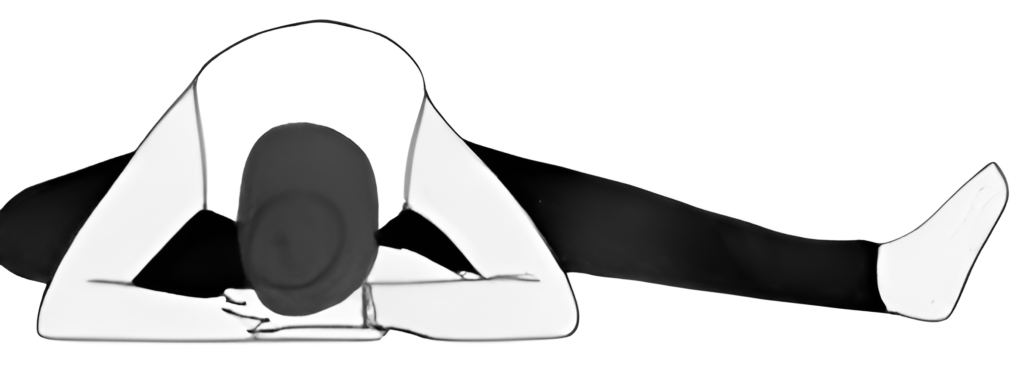
Introduction Half Butterfly Pose is a fundamental asymmetrical posture in Yin Yoga that targets the hips, hamstrings, spine, and lower back while stimulating important energetic pathways. It is a variation of the traditional Butterfly Pose, where one leg remains extended while the other is folded inward, creating a unilateral stretch. This asymmetry allows practitioners to explore imbalances in the body and deepen awareness of physical and energetic differences between the left and right sides. In Yin Yoga, Half Butterfly Pose is performed passively and held for extended periods, allowing gravity to gently stress the deeper connective tissues such as fascia, ligaments, and joint capsules. Unlike dynamic yoga styles, where muscular engagement dominates, Yin Yoga emphasizes relaxation, stillness, and surrender. This approach makes Half Butterfly Pose particularly effective for improving flexibility, releasing tension, and enhancing circulation in the lower body. Energetically, the pose stimulates the kidney, liver, and urinary bladder meridians, which are associated with vitality, detoxification, and emotional balance. It is a grounding posture that encourages introspection, patience, and acceptance, making it an essential component of a balanced Yin Yoga practice. Half Butterfly Pose is a powerful Yin Yoga posture that combines asymmetry, deep stretching, and mindful stillness. It effectively targets the hips, hamstrings, and spine while stimulating important meridians and supporting organ health. Through sustained practice, it enhances flexibility, corrects imbalances, and promotes relaxation. Beyond physical benefits, the pose encourages introspection, emotional release, and energetic balance. When practiced mindfully, Half Butterfly Pose becomes a transformative experience that nurtures the body, calms the mind, and harmonizes the flow of energy within, making it an essential component of a holistic Yin Yoga practice. Getting Into the Pose Entering Half Butterfly Pose requires careful alignment and mindful movement to ensure comfort and effectiveness. Step-by-Step Instructions Coming Out of the Pose Exiting the pose slowly is essential to prevent strain and allow the body to adjust. Counterposes Counterposes help neutralize the effects of the deep forward fold. Meridians & Organs Affected Half Butterfly Pose strongly stimulates meridians along the back and inner legs. Primary Meridians Stimulated Organs Affected The pose enhances circulation and energy flow, supporting organ health. Joints Affected Half Butterfly Pose influences multiple joints: Recommended Hold Times Yin Yoga emphasizes long holds. Guidelines Contra-indications Half Butterfly Pose should be modified or avoided in certain conditions: Benefits Physical Benefits Therapeutic Benefits Mental and Emotional Benefits Energetic Benefits Anatomy and Physiology Muscles Involved Primary Stretch Muscles Secondary Muscles Connective Tissue Engagement Targets: Long holds improve elasticity and hydration. Joint Mechanics Circulatory System Respiratory System Nervous System Effects Endocrine System Fascial Lines These lines influence posture and movement. Psychological and Subtle Body Perspective Half Butterfly Pose is deeply introspective. Energetic Interpretation Asymmetry encourages awareness of internal imbalances. Integration in Yin Yoga Practice Half Butterfly Pose is commonly used in sequences focusing on: Complementary Poses These create a balanced practice.