
Breathwork and Pranayama with Method of Practice Relevant to Premenstrual Syndrome (PMS)
Introduction Premenstrual Syndrome (PMS) refers to a group of cyclical physical, emotional, and behavioral symptoms that occur during the luteal phase of the menstrual cycle (typically 5–10 days before menstruation) and resolve with the onset of bleeding. Symptoms may include irritability, mood swings, anxiety, depression, bloating, breast tenderness, headaches, fatigue, sleep disturbances, and abdominal cramps. Diagnostic frameworks such as the Diagnostic and Statistical Manual of Mental Disorders (published by the American Psychiatric Association) recognize severe forms like Premenstrual Dysphoric Disorder (PMDD), highlighting the significant psychological component of premenstrual disorders. The World Health Organization also emphasizes menstrual health as a critical aspect of women’s overall well-being. PMS is influenced by hormonal fluctuations, stress sensitivity, neurotransmitter changes (especially serotonin), and autonomic nervous system imbalance. Breathwork and pranayama therapy offer a safe, non-pharmacological, self-regulating approach to managing these symptoms by improving nervous system stability, hormonal balance, emotional resilience, and pain tolerance. This chapter provides a structured, method-based guide to pranayama practices specifically adapted for PMS. Understanding PMS and the Role of Breath Hormonal Fluctuations During the luteal phase: These shifts may trigger: Autonomic Imbalance Women with PMS often show: Slow, rhythmic breathing restores parasympathetic balance and reduces stress-driven symptom amplification. Principles of Breathwork for PMS The primary goal is regulation, not stimulation. Breathwork According to Menstrual Cycle Phases 1. Follicular Phase (Post-Menstruation) Energy begins to rise. Focus: Recommended: 2. Ovulatory Phase Emotional clarity and energy peak. Focus: Recommended: 3. Luteal Phase (PMS Phase) Symptoms often intensify. Focus: Specific Pranayama Techniques for PMS 1. Diaphragmatic (Abdominal) Breathing Purpose: Method of Practice: Therapeutic Effect: 2. Extended Exhalation Breathing (4:6 or 4:8 Ratio) Purpose: Method: Longer exhalation stimulates parasympathetic activation. 3. Nadi Shodhana (Alternate Nostril Breathing – Without Retention) Purpose: Method: Avoid retention during PMS phase. 4. Chandra Bhedana (Left Nostril Breathing) This cooling practice is especially helpful during irritability. Method: Benefits: 5. Bhramari (Humming Bee Breath) Purpose: Method: Humming increases nitric oxide and reduces stress. 6. Gentle Ujjayi Pranayama Soft oceanic breath only. Method: Avoid strong contraction during cramps. Breathwork for Specific PMS Symptoms 1. Mood Swings and Irritability Best combination: These calm limbic system reactivity. 2. Anxiety and Restlessness Slow diaphragmatic breathing improves heart rate variability and stabilizes stress response. 3. Depression or Low Mood Coherent breathing (5:5 rhythm) helps regulate emotional centers. 4. Abdominal Cramps Pelvic relaxation breath: This improves blood flow and reduces muscular tension. 5. Bloating Deep abdominal breathing stimulates lymphatic and venous return. 6. Sleep Disturbance Practice 10 minutes extended exhalation before bedtime. Structured 25–30 Minute PMS Breath Routine Phase 1 – Grounding (5 minutes) Natural breath awareness. Phase 2 – Regulation (8 minutes) Diaphragmatic breathing. Phase 3 – Balancing (7 minutes) Nadi Shodhana or Chandra Bhedana. Phase 4 – Soothing (5–7 minutes) Bhramari and quiet rest. Practice daily during luteal phase. Practices to Avoid During PMS These may worsen irritability and cramps. Long-Term Therapeutic Plan (3–6 Months) Month 1: Establish daily diaphragmatic breathing habit. Month 2: Add extended exhalation and alternate nostril breathing. Month 3: Incorporate Bhramari and cooling practices during PMS days. Track symptom severity across cycles to monitor progress. Psychological Benefits Regular practice may result in: Clinical Observations Research on yoga and breathing practices demonstrates: Slow breathing positively influences the hypothalamic-pituitary-adrenal axis, which is central to PMS symptom intensity. Spiritual and Emotional Dimension In yogic philosophy, menstruation reflects natural cyclical intelligence. Breathwork supports honoring these rhythms rather than resisting them. During the luteal phase, inward-focused, calming breath encourages introspection and emotional processing. Breath becomes a tool for self-awareness and empowerment. Conclusion Premenstrual Syndrome arises from complex interactions between hormonal fluctuations, stress sensitivity, and autonomic imbalance. Breathwork and pranayama therapy provide a safe, accessible, and scientifically grounded approach to managing these challenges. Through diaphragmatic breathing, extended exhalation, alternate nostril breathing, humming vibration, and cooling techniques, women can reduce irritability, anxiety, cramps, sleep disturbances, and emotional instability. With consistent practice over several cycles, pranayama fosters hormonal harmony, nervous system resilience, and improved menstrual well-being. Pranayama breathing exercises. Women practicing yoga position Pranayama breathing exercises. Women practicing yoga position Pranayama breathing exercises. Women practicing yoga position Breath reconnects women with their natural rhythms—transforming PMS from a monthly disruption into an opportunity for balance, awareness, and self-care. Yoga TTC Duration and Schedule: Complete Guide to Yoga Teacher Training Course Length, Timings & Daily Routine Karuna Yoga Vidya Peetham • June 30, 2026 • Uncategorized • No Comments Yoga TTC Duration and Schedule: A Complete Guide Before Joining Yoga Teacher Training Yoga has become one of the most popular paths … Yoga TTC Near Me Bangalore: Complete Guide to Finding the Best Yoga Teacher Training Course Karuna Yoga Vidya Peetham • June 30, 2026 • Uncategorized • No Comments Yoga TTC Near Me Bangalore: How to Find the Right Yoga Teacher Training Course Yoga has become an important part of modern … Yoga TTC for Beginners: Complete Guide to Starting Your Yoga Teacher Training Journey Karuna Yoga Vidya Peetham • June 30, 2026 • Uncategorized • No Comments Yoga TTC for Beginners: A Complete Guide to Starting Your Yoga Teacher Training Journey Yoga is becoming increasingly popular among people who … Yoga Teacher Salary in India: Income, Career Opportunities, Factors Affecting Earnings & Growth Guide Karuna Yoga Vidya Peetham • June 30, 2026 • Uncategorized • No Comments Yoga Teacher Salary in India: Complete Guide to Earnings and Career Opportunities Yoga has become one of the fastest-growing wellness careers in … Important Links Apply Now Online Registration Review By Student Accreditation – Yoga Alliance USA Gallery FAQ KARUNA YOGA VIDYA PEETHAM Yoga PDF Book Free Download Asana Gallery Rules and Regulations Dr. S. Karuna Murthy Eligibility Criteria – TTC Admission Rules and Regulations – TTC Anti-Harassment/Sexual Misconduct Policy Refund & Cancellation Policy Week-Days 200 Hr Yoga Teacher Training Certificate Course Weekend 200 Hr – Yoga Teacher Training Certificate Course 200 Hour – Yoga Therapy Teacher Training Certificate Course 50 Hrs – Advanced Meditation Teacher Training Certificate Course 50 Hrs – Advanced Mudra Teacher Training Certificate Course 50 Hrs – Somatic
Application of Breathwork and Pranayama Therapy for Post Coronary Artery Bypass Surgery
Coronary artery bypass graft (CABG) surgery is a major surgical intervention aimed at improving myocardial perfusion in patients with significant coronary artery disease. Despite its effectiveness in reducing ischemic symptoms and improving survival, CABG is associated with a range of postoperative pulmonary, psychological, and functional challenges. Among these, respiratory dysfunction, pain, anxiety, depression, sleep disturbance, and delayed physical recovery are common and exert a substantial impact on patient outcomes. Breathwork and pranayama—therapeutic breathing techniques rooted in yogic tradition and supported by modern respiratory rehabilitation research—offer a non-invasive, cost-effective, and physiologically grounded adjunct therapy. This essay explores the current scientific rationale, clinical evidence, mechanisms of action, structured practices, and potential applications of breathwork and pranayama in the post-CABG setting. 1. Introduction Coronary artery disease (CAD) remains one of the leading causes of morbidity and mortality worldwide. When medical management and percutaneous interventions are insufficient, coronary artery bypass graft (CABG) surgery is often recommended to restore adequate blood flow to ischemic myocardium. Although CABG significantly reduces angina, improves quality of life, and can enhance survival, the postoperative period presents a multitude of physiological and psychological challenges. Respiratory complications are common after CABG due to several factors: These issues are documented in clinical research that highlights the decrease in lung tidal volume, vital capacity, and functional residual capacity following surgery—leading to hypoxemia and increased risk of pulmonary complications if not managed appropriately. In addition to pulmonary challenges, CABG patients frequently experience anxiety, depression, sleep disturbances, and reduced functional capacity. These can impair recovery, prolong hospitalization, and decrease overall quality of life. Combining breathwork and pranayama techniques with conventional cardiac rehabilitation can address many of these complications by enhancing pulmonary function, regulating the autonomic nervous system, improving psychological well-being, and supporting functional recovery. 2. Post-CABG Physiological and Psychological Challenges 2.1 Pulmonary Dysfunction After CABG CABG surgery typically involves a midline sternotomy, cardiopulmonary bypass, and general anesthesia. These factors contribute to: Pain during deep inspiration discourages patients from taking full breaths or coughing effectively, which impairs alveolar ventilation. Over time, this can lead to hypoxemia and post-operative pulmonary complications (PPCs). 2.2 Pain and Functional Limitations Chest tube presence, sternotomy incisions, and thoracic discomfort contribute to chest pain, restricted movement, and protective breathing behaviors. Pain often results in: Effective pain control is essential not only for comfort but for respiratory mechanics and rehabilitation. 2.3 Autonomic Imbalance and Psychological Stress CABG patients commonly experience sympathetic nervous system dominance, characterized by elevated heart rate, anxiety, and stress. Postoperative anxiety, depression, and sleep disturbances are strongly linked with delayed recovery and poorer outcomes. 3. Breathwork and Pranayama: Conceptual Overview Pranayama, rooted in classical yoga, involves conscious regulation of breath to harmonize physiological systems. Breathwork extends this concept into structured respiratory practices aimed at optimizing autonomic balance, lung mechanics, and mind-body integration. Breathwork and pranayama techniques have been studied extensively in respiratory disease, stress reduction, and rehabilitation contexts. Even in clinical settings outside CABG, structured breathing exercises are known to: These mechanisms are directly relevant to postoperative recovery following CABG where reduced respiratory function and autonomic imbalance are key concerns. 4. Mechanisms of Breathwork and Pranayama in Post-CABG Recovery 4.1 Enhanced Lung Expansion and Pulmonary Function Continuous slow, deep, and conscious breathing increases alveolar ventilation and stimulates better lung expansion. This is physiologically significant because CABG patients often develop restrictive ventilatory patterns due to incision pain and immobility. By encouraging diaphragmatic breathing and slow inhalations, breathwork helps: Studies with breathing interventions, including structured deep breathing and diaphragm-focused techniques, demonstrate measurable improvements in pulmonary function tests (PFTs) when applied consistently in postoperative phases. 4.2 Autonomic Nervous System Regulation CABG patients often experience sympathetic overactivation postoperatively due to pain, anxiety, immobility, and surgical stress. Slow, rhythmic breathing shifts autonomic balance toward parasympathetic dominance, which: This autonomic shift supports not only respiratory efficiency but also psychological calm and improved sleep. 4.3 Pain Modulation Breathwork can also modulate the pain experience, particularly during specific stressors like chest tube removal. Controlled breathing techniques have been shown to significantly reduce pain perception during painful procedures post-CABG, which can reduce reliance on analgesics and improve mobility. 4.4 Psychological Well-Being Interventions with deep breathing exercises have demonstrated significant reductions in: following CABG surgery. These psychological benefits can translate into better rehabilitation participation, improved motivation, and enhanced quality of recovery. 5. Clinical Evidence and Research While structured clinical trials specifically examining pranayama in post-CABG patients are still emerging, several related studies support the broader role of breathing exercises: 5.1 Pranayama and Respiration in CABG Patients A clinical trial registered to assess the effect of pranayama and pursed-lip breathing on pain and respiration after CABG highlighted the potential of conscious breathing patterns to replace superficial postoperative breathing by encouraging slow, deep, diaphragmatic breathing and nasal inhalation, improving alveolar ventilation, oxygenation, venous return, and autonomic balance. 5.2 Deep Breathing Exercises and Psychological Outcomes A controlled study demonstrated that deep breathing exercises significantly reduced anxiety, depression, and sleep problems in CABG patients when implemented shortly after surgery, with positive effects lasting up to one month. 5.3 Adjunct Breathing Techniques and Pulmonary Function Research on the Buteyko breathing technique as an adjunct to routine physiotherapy showed significant improvements in pulmonary function, chest expansion, and breath-holding time compared to control groups in off-pump CABG patients. 5.4 Respiratory Cycle Techniques Narrative and clinical reviews of structured breathing techniques such as the active cycle of breathing technique (ACBT) indicate enhanced oxygenation, improved lung volumes, and reduced dyspnea in cardiac surgery patients when these methods supplement conventional physical therapy. These studies collectively suggest that breath-based interventions, including pranayama and related techniques, can positively influence both pulmonary and psychological recovery metrics in post-CABG contexts. 6. Therapeutic Benefits of Breathwork and Pranayama Post-CABG Based on physiological mechanisms and clinical evidence, the benefits of breathwork and pranayama training after coronary artery bypass surgery include: 6.1 Improved Pulmonary Function Techniques focusing on slow deep breathing and diaphragmatic engagement support these outcomes. 6.2 Lowered Pain Perception During painful events such as chest tube removal, slow breathing strategies reduce subjective pain intensity
Breathwork and Pranayama with Method of Practice Relevant to Post-Traumatic Stress Disorder (PTSD)
Introduction Post-Traumatic Stress Disorder (PTSD) is a trauma-related mental health condition that may develop after experiencing or witnessing life-threatening or deeply distressing events. The diagnostic criteria are outlined in the Diagnostic and Statistical Manual of Mental Disorders, published by the American Psychiatric Association. PTSD symptoms generally fall into four clusters: According to the World Health Organization, trauma-related disorders significantly contribute to global mental health burden and disability. While psychotherapy and medication remain primary treatments, many individuals continue to struggle with physiological hyperarousal, anxiety, sleep disturbance, and emotional dysregulation. Increasingly, PTSD is understood not only as a psychological disorder but as a condition of nervous system dysregulation. Breathwork and pranayama offer a safe, body-based method to restore autonomic balance and enhance emotional resilience. Why Breathwork is Important in PTSD Trauma profoundly affects the autonomic nervous system (ANS). Individuals with PTSD commonly experience: Breathing patterns directly influence the ANS. Slow, rhythmic breathing: Because breath is both voluntary and involuntary, it provides a powerful “bottom-up” therapeutic entry point—working directly with the body to calm the mind. Trauma-Informed Principles Before Practice Breathwork for PTSD must always follow trauma-sensitive guidelines: The goal is regulation, not catharsis. Foundational Practices for PTSD 1. Grounded Breath Awareness Purpose: Method of Practice: Therapeutic Effect: 2. Diaphragmatic (Abdominal) Breathing Many trauma survivors breathe from the upper chest. Purpose: Method: Avoid exaggerated inhalation. Keep breathing soft. Benefits: 3. Extended Exhalation Breathing (4–6 Pattern) Purpose: Method: Longer exhalation stimulates vagal tone. Particularly Helpful For: 4. Coherent (Resonance) Breathing Purpose: Method: Inhale 5 seconds → Exhale 5 secondsMaintain steady rhythm for 10 minutes. Clinical Relevance: Enhances emotional regulation and reduces physiological stress. 5. Bhramari (Humming Bee Breath – Modified) Humming stimulates the vagus nerve through vibration. Purpose: Method: Keep volume low and soothing. 6. Alternate Nostril Breathing (Without Retention) Purpose: Method: No breath holding. Practices to Avoid in PTSD (Initially) Avoid during early recovery: These can increase sympathetic activation. Structured 30-Minute PTSD Breath Protocol Phase 1 – Grounding (5 minutes) Phase 2 – Regulation (10 minutes) Phase 3 – Autonomic Balance (10 minutes) Phase 4 – Soothing (5 minutes) Practice daily for 8–12 weeks. Application to Specific PTSD Symptoms Hyperarousal Slow breathing reduces sympathetic overactivation and startle response. Intrusive Memories Breath awareness anchors attention to present sensory experience. Anxiety and Panic Regulated breathing prevents hyperventilation spirals. Sleep Disturbances Extended exhalation before bed improves sleep onset and reduces nighttime awakenings. Emotional Numbing Gentle breath focus restores safe connection to bodily sensations. Weekly Progression Plan Weeks 1–2: Weeks 3–4: Weeks 5–8: Weeks 8–12: Progress gradually. Integration with Psychotherapy Breathwork complements: Therapists may use breath regulation: Breathing enhances therapeutic safety. Clinical Benefits Observed Regular practice may result in: Safety and Contraindications Exercise caution if: Always practice under guidance when symptoms are severe. Expected Outcomes Timeline 2 Weeks: 4–6 Weeks: 8–12 Weeks: Conclusion Breathwork and pranayama provide a safe, accessible, and powerful complementary approach for individuals living with Post-Traumatic Stress Disorder. By regulating breathing patterns, stimulating vagal tone, and restoring autonomic balance, these practices directly address the physiological dysregulation underlying PTSD. When delivered through trauma-informed principles—emphasizing safety, choice, and gradual progression—breath-based practices become a profound tool for healing. Integrated with psychotherapy and medical care, pranayama empowers individuals to regain self-regulation, emotional stability, and embodied resilience. Yoga TTC Duration and Schedule: Complete Guide to Yoga Teacher Training Course Length, Timings & Daily Routine Karuna Yoga Vidya Peetham • June 30, 2026 • Uncategorized • No Comments Yoga TTC Duration and Schedule: A Complete Guide Before Joining Yoga Teacher Training Yoga has become one of the most popular paths … Yoga TTC Near Me Bangalore: Complete Guide to Finding the Best Yoga Teacher Training Course Karuna Yoga Vidya Peetham • June 30, 2026 • Uncategorized • No Comments Yoga TTC Near Me Bangalore: How to Find the Right Yoga Teacher Training Course Yoga has become an important part of modern … Yoga TTC for Beginners: Complete Guide to Starting Your Yoga Teacher Training Journey Karuna Yoga Vidya Peetham • June 30, 2026 • Uncategorized • No Comments Yoga TTC for Beginners: A Complete Guide to Starting Your Yoga Teacher Training Journey Yoga is becoming increasingly popular among people who … Yoga Teacher Salary in India: Income, Career Opportunities, Factors Affecting Earnings & Growth Guide Karuna Yoga Vidya Peetham • June 30, 2026 • Uncategorized • No Comments Yoga Teacher Salary in India: Complete Guide to Earnings and Career Opportunities Yoga has become one of the fastest-growing wellness careers in … Important Links Apply Now Online Registration Review By Student Accreditation – Yoga Alliance USA Gallery FAQ KARUNA YOGA VIDYA PEETHAM Yoga PDF Book Free Download Asana Gallery Rules and Regulations Dr. S. Karuna Murthy Eligibility Criteria – TTC Admission Rules and Regulations – TTC Anti-Harassment/Sexual Misconduct Policy Refund & Cancellation Policy Week-Days 200 Hr Yoga Teacher Training Certificate Course Weekend 200 Hr – Yoga Teacher Training Certificate Course 200 Hour – Yoga Therapy Teacher Training Certificate Course 50 Hrs – Advanced Meditation Teacher Training Certificate Course 50 Hrs – Advanced Mudra Teacher Training Certificate Course 50 Hrs – Somatic Yoga Teacher Training Certificate Course Yoga PDF Book Free Download See More
Breathwork and Pranayama with Method of Practice Relevant to Pregnancy
Introduction Pregnancy is a period of profound transformation—physically, hormonally, emotionally, and spiritually. The respiratory, cardiovascular, endocrine, and musculoskeletal systems undergo continuous adaptation to support the growing fetus. Because breathing directly influences the autonomic nervous system, oxygen exchange, and emotional regulation, pranayama becomes one of the safest and most powerful therapeutic tools during pregnancy when practiced correctly. Respected global health authorities such as the World Health Organization and the American College of Obstetricians and Gynecologists recognize the importance of relaxation practices, stress reduction, and moderate physical activity during pregnancy. Gentle breath regulation supports these goals without placing mechanical strain on the body. In yogic tradition, pregnancy is also regarded as a sacred phase known as Garbha Samskara, where the mother’s thoughts, breath, and emotional state influence fetal development. Conscious breathing strengthens maternal-fetal bonding and builds resilience for labor. This chapter outlines the physiological basis, trimester-wise guidelines, safe pranayama techniques, labor breathing applications, contraindications, and structured practice routines for pregnancy. Physiological Changes in Pregnancy Relevant to Breathwork Understanding the changes in pregnancy ensures safety and proper modification. 1. Respiratory Adaptations Because oxygen demand is higher, breath retention (kumbhaka) must be avoided. 2. Cardiovascular Changes Forceful breathing or practices that sharply increase intra-abdominal pressure are contraindicated. 3. Hormonal Influences Progesterone increases respiratory sensitivity and emotional reactivity. This makes calming breath practices particularly effective for anxiety and mood swings. General Safety Principles Before beginning pranayama during pregnancy: The goal is regulation—not intensity. Foundational Breath Practices for Pregnancy 1. Natural Breath Awareness Purpose: Method of Practice: Benefits: 2. Gentle Diaphragmatic Breathing During pregnancy, diaphragmatic breathing should be relaxed, not exaggerated. Method: Benefits: 3. Extended Exhalation Breathing (4:6 Ratio) Longer exhalations calm the nervous system. Method: Benefits: 4. Modified Ujjayi Pranayama Very soft and subtle. Method: Benefits: Avoid strong constriction. 5. Bhramari (Humming Bee Breath) Vibration soothes the nervous system. Method: Benefits: 6. Nadi Shodhana (Without Retention) Alternate nostril breathing without breath holding. Method: Benefits: Trimester-Wise Application First Trimester Common Symptoms: Recommended Practices: Avoid intense practices. Second Trimester Energy levels improve. Add: Practice 20–25 minutes daily. Third Trimester Common Challenges: Focus: Avoid lying flat on back. Breathwork for Common Pregnancy Conditions 1. Anxiety and Mood Swings Slow breathing reduces cortisol and stabilizes the autonomic nervous system. 2. Insomnia Practice extended exhalation before bed. 3. Mild Pregnancy-Induced Hypertension Bhramari and slow breathing may assist in gentle blood pressure regulation (only under supervision). 4. Back Pain and Pelvic Tension Combine breath with pelvic floor awareness: Breathwork for Labor Preparation Conscious breathing reduces fear-tension-pain cycle. Early Labor Active Labor Encourages pelvic relaxation. Transition Phase Pushing Phase Postpartum Breath Integration After delivery: Supports recovery and reduces postpartum anxiety. Practices to Avoid During Pregnancy These may create abdominal pressure or oxygen imbalance. Structured 25-Minute Daily Routine Practice daily for optimal benefits. Psychological and Emotional Benefits Regular prenatal breathwork supports: Clinical Outcomes Observed Research on prenatal yoga and breathwork shows: Contraindications Consult healthcare provider if: All practices must remain gentle and non-straining. Spiritual Dimension of Prenatal Pranayama In yogic philosophy, breath is prana—life force. During pregnancy, conscious breathing becomes a sacred act of nurturing two lives simultaneously. Breath awareness cultivates: The mother’s calm breath becomes the baby’s first environment of safety. Conclusion Breathwork and pranayama therapy provide a safe, adaptable, and profoundly supportive approach during pregnancy. Through gentle regulation of breath, mothers can improve oxygenation, balance the nervous system, manage stress, prepare for labor, and deepen connection with their child. When guided by medical awareness, trimester-specific modifications, and trauma-sensitive principles, prenatal pranayama becomes an invaluable therapeutic tool—supporting not only physical health but emotional resilience and sacred maternal bonding. Yoga TTC Duration and Schedule: Complete Guide to Yoga Teacher Training Course Length, Timings & Daily Routine Karuna Yoga Vidya Peetham • June 30, 2026 • Uncategorized • No Comments Yoga TTC Duration and Schedule: A Complete Guide Before Joining Yoga Teacher Training Yoga has become one of the most popular paths … Yoga TTC Near Me Bangalore: Complete Guide to Finding the Best Yoga Teacher Training Course Karuna Yoga Vidya Peetham • June 30, 2026 • Uncategorized • No Comments Yoga TTC Near Me Bangalore: How to Find the Right Yoga Teacher Training Course Yoga has become an important part of modern … Yoga TTC for Beginners: Complete Guide to Starting Your Yoga Teacher Training Journey Karuna Yoga Vidya Peetham • June 30, 2026 • Uncategorized • No Comments Yoga TTC for Beginners: A Complete Guide to Starting Your Yoga Teacher Training Journey Yoga is becoming increasingly popular among people who … Yoga Teacher Salary in India: Income, Career Opportunities, Factors Affecting Earnings & Growth Guide Karuna Yoga Vidya Peetham • June 30, 2026 • Uncategorized • No Comments Yoga Teacher Salary in India: Complete Guide to Earnings and Career Opportunities Yoga has become one of the fastest-growing wellness careers in … Important Links Apply Now Online Registration Review By Student Accreditation – Yoga Alliance USA Gallery FAQ KARUNA YOGA VIDYA PEETHAM Yoga PDF Book Free Download Asana Gallery Rules and Regulations Dr. S. Karuna Murthy Eligibility Criteria – TTC Admission Rules and Regulations – TTC Anti-Harassment/Sexual Misconduct Policy Refund & Cancellation Policy Week-Days 200 Hr Yoga Teacher Training Certificate Course Weekend 200 Hr – Yoga Teacher Training Certificate Course 200 Hour – Yoga Therapy Teacher Training Certificate Course 50 Hrs – Advanced Meditation Teacher Training Certificate Course 50 Hrs – Advanced Mudra Teacher Training Certificate Course 50 Hrs – Somatic Yoga Teacher Training Certificate Course Yoga PDF Book Free Download See More
Yin Yoga Pose: Caterpillar Pose
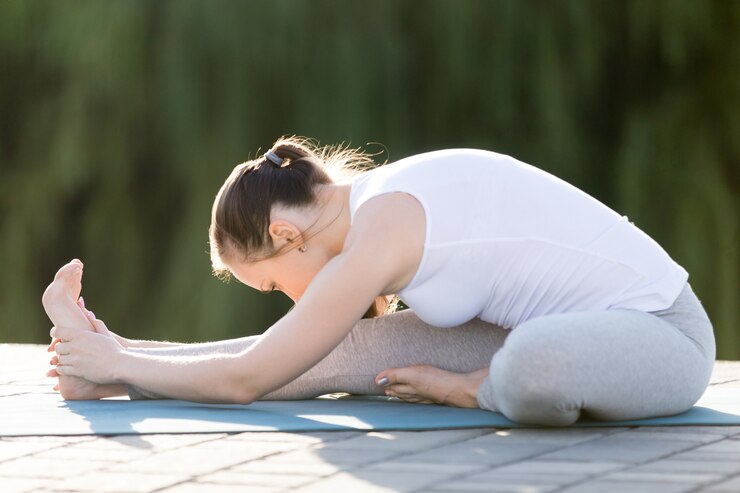
Introduction Caterpillar Pose is a fundamental forward-folding posture in Yin Yoga, often considered the passive counterpart to the more dynamic seated forward bend found in other yoga styles. It is a deeply introspective posture that emphasizes stillness, surrender, and the gradual release of tension in the posterior chain of the body. The name “Caterpillar” reflects the rounded shape of the spine in this pose, resembling the gentle curve of a caterpillar at rest. In Yin Yoga practice, Caterpillar Pose is not about reaching the toes or achieving a particular aesthetic form. Instead, it is about relaxing into gravity and allowing the body to naturally fold forward over time. This posture primarily targets the connective tissues of the spine, hips, and legs, particularly the fascia and ligaments, rather than focusing on muscular effort. Caterpillar Pose is known for its calming effect on the nervous system, making it an excellent posture for reducing stress, promoting introspection, and enhancing mental clarity. It is also highly beneficial for stimulating the urinary bladder meridian, which runs along the back body, influencing both physical and energetic balance. Caterpillar Pose is a cornerstone of Yin Yoga practice, offering profound benefits for the body, mind, and energy system. Its simplicity makes it accessible, while its depth makes it transformative. By encouraging stillness and surrender, the pose allows practitioners to explore the deeper layers of the body and mind. It improves flexibility, supports organ function, and promotes relaxation, making it an essential posture for holistic well-being. With regular practice, Caterpillar Pose becomes more than a stretch—it becomes a meditative experience that fosters self-awareness, balance, and inner peace. Getting Into the Pose Entering Caterpillar Pose requires patience and mindful awareness, ensuring that the body is supported and relaxed. Step-by-Step Instructions Coming Out of the Pose Exiting Caterpillar Pose should be done slowly to avoid strain. Counterposes After a deep forward fold, counterposes help restore balance. Meridians & Organs Affected Caterpillar Pose strongly stimulates the posterior body meridians. Primary Meridians Organs Affected The forward fold gently compresses the abdominal region, stimulating organ function. Joints Affected Recommended Hold Times Guidelines Contra-indications Benefits Physical Benefits Therapeutic Benefits Mental and Emotional Benefits Energetic Benefits Anatomy and Physiology Muscles Involved Primary Muscles Relaxed Muscles (Yin Focus) Connective Tissue Engagement Targets: Long holds improve tissue elasticity. Spinal Mechanics Circulatory System Respiratory System Nervous System Effects Endocrine System Fascial Lines These are lengthened in the pose. Psychological and Subtle Body Perspective Caterpillar Pose is deeply meditative. Energetic Interpretation The inward folding symbolizes turning attention inward. Integration in Yin Yoga Practice Caterpillar Pose is commonly used in: Complementary Poses Yoga TTC Duration and Schedule: Complete Guide to Yoga Teacher Training Course Length, Timings & Daily Routine Karuna Yoga Vidya Peetham • June 30, 2026 • Uncategorized • No Comments Yoga TTC Duration and Schedule: A Complete Guide Before Joining Yoga Teacher Training Yoga has become one of the most popular paths … Yoga TTC Near Me Bangalore: Complete Guide to Finding the Best Yoga Teacher Training Course Karuna Yoga Vidya Peetham • June 30, 2026 • Uncategorized • No Comments Yoga TTC Near Me Bangalore: How to Find the Right Yoga Teacher Training Course Yoga has become an important part of modern … Yoga TTC for Beginners: Complete Guide to Starting Your Yoga Teacher Training Journey Karuna Yoga Vidya Peetham • June 30, 2026 • Uncategorized • No Comments Yoga TTC for Beginners: A Complete Guide to Starting Your Yoga Teacher Training Journey Yoga is becoming increasingly popular among people who … Yoga Teacher Salary in India: Income, Career Opportunities, Factors Affecting Earnings & Growth Guide Karuna Yoga Vidya Peetham • June 30, 2026 • Uncategorized • No Comments Yoga Teacher Salary in India: Complete Guide to Earnings and Career Opportunities Yoga has become one of the fastest-growing wellness careers in … Important Links Apply Now Online Registration Review By Student Accreditation – Yoga Alliance USA Gallery FAQ KARUNA YOGA VIDYA PEETHAM Yoga PDF Book Free Download Asana Gallery Rules and Regulations Dr. S. Karuna Murthy Eligibility Criteria – TTC Admission Rules and Regulations – TTC Anti-Harassment/Sexual Misconduct Policy Refund & Cancellation Policy Week-Days 200 Hr Yoga Teacher Training Certificate Course Weekend 200 Hr – Yoga Teacher Training Certificate Course 200 Hour – Yoga Therapy Teacher Training Certificate Course 50 Hrs – Advanced Meditation Teacher Training Certificate Course 50 Hrs – Advanced Mudra Teacher Training Certificate Course 50 Hrs – Somatic Yoga Teacher Training Certificate Course Yoga PDF Book Free Download See More
Yin Yoga Pose: Shavasana (Corpse Pose – Yin/Restorative Variation)
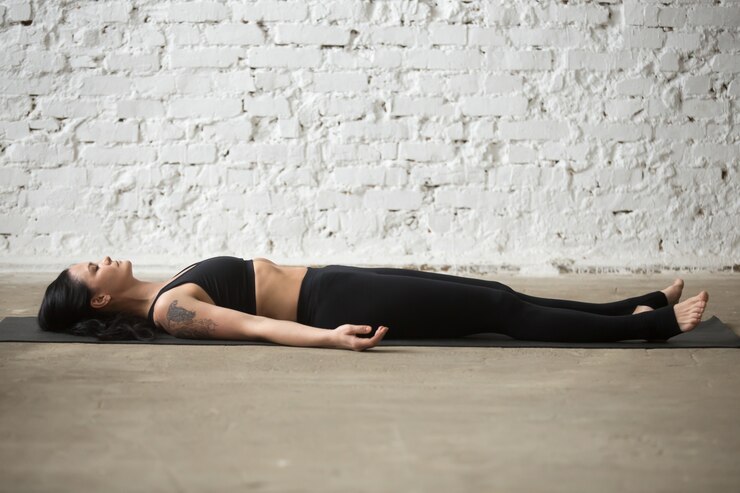
Introduction Shavasana, commonly known as Corpse Pose, is considered one of the most essential and profound postures in yoga. While it may appear simple—lying still on the back—it is, in reality, one of the most challenging poses due to the requirement of complete physical, mental, and emotional surrender. In Yin Yoga, Shavasana is not merely a closing posture but a deeply transformative practice that facilitates integration, healing, and restoration. Derived from the Sanskrit words “Shava” meaning corpse and “asana” meaning posture, Shavasana symbolizes conscious relaxation and the release of ego, effort, and identity. In Yin Yoga, it is practiced with extended stillness, allowing the body to absorb the benefits of preceding poses while calming the nervous system and restoring energetic balance. Modern life is often characterized by chronic stress, overstimulation, and constant activity, leading to fatigue, anxiety, and imbalance in the nervous system. Shavasana provides a powerful antidote by activating the parasympathetic nervous system, promoting deep relaxation, and allowing the body to enter a state of healing. Though it requires no physical effort, mastering Shavasana involves cultivating awareness, letting go of tension, and embracing stillness. It is often described as the “final integration” of a yoga practice, where the physical, physiological, and energetic effects of all preceding postures are assimilated. Shavasana is far more than a resting posture—it is a gateway to deep relaxation, healing, and self-awareness. In Yin Yoga, it serves as the culmination of practice, allowing the body and mind to integrate and absorb the benefits of all preceding postures. Despite its simplicity, Shavasana requires conscious effort to release tension and quiet the mind. When practiced regularly, it offers profound physical, mental, and emotional benefits, making it one of the most valuable poses in yoga. Through stillness, surrender, and awareness, Shavasana embodies the true essence of Yin Yoga—balance, restoration, and inner peace. Getting Into the Pose Entering Shavasana mindfully enhances its benefits and ensures complete relaxation. Step-by-Step Instructions Coming Out of the Pose Exiting Shavasana should be done gradually to maintain the state of calm. Counterposes Shavasana generally does not require counterposes, but gentle transitions can be helpful. Meridians & Organs Affected Unlike active poses, Shavasana affects the entire energetic system. Primary Meridians Organs Affected Shavasana allows full systemic integration and recovery. Joints Affected Shavasana is non-stressful and passive. Recommended Hold Times Contra-indications Shavasana is generally safe but may require modifications. Benefits Physical Benefits Therapeutic Benefits Mental and Emotional Benefits Energetic Benefits Anatomy and Physiology Muscular System Connective Tissue Spinal Mechanics Circulatory System Respiratory System Nervous System Effects Endocrine System Brain Function Psychological and Subtle Body Perspective Shavasana is deeply meditative. Energetic Interpretation Integration in Yin Yoga Practice Shavasana is the final pose in most sequences. Purpose Complementary Practices
Yin Yoga Pose: Anahatasana (Melting Heart Pose)
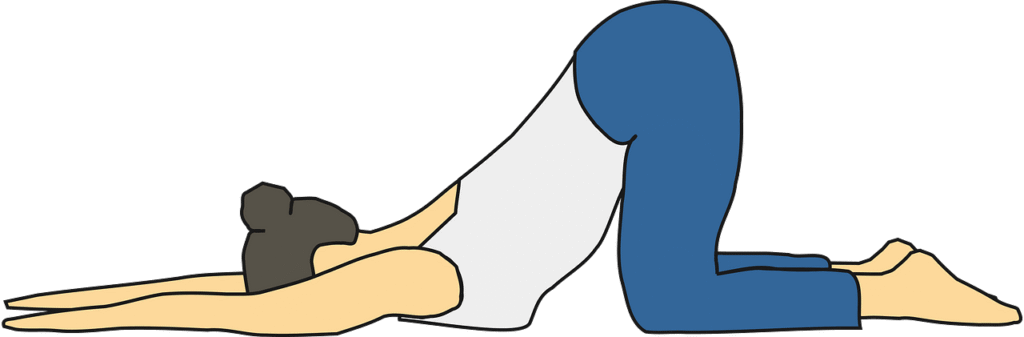
Introduction Anahatasana, commonly known as the Melting Heart Pose or Extended Puppy Pose, is a deeply introspective and heart-opening posture practiced widely in Yin Yoga. The name derives from the Sanskrit word Anahata, meaning the “heart chakra,” symbolizing compassion, openness, and emotional balance. This pose is particularly significant in Yin Yoga, where the focus lies on long-held, passive stretches targeting the deeper connective tissues such as fascia, ligaments, and joints rather than superficial muscles. Unlike dynamic Yang practices, Yin Yoga encourages stillness, surrender, and inward awareness. Anahatasana embodies these principles by inviting practitioners to soften the chest toward the earth, symbolically “melting” emotional barriers while physically opening the thoracic spine and shoulders. It is both a physical and energetic posture that works on structural flexibility, emotional release, and energetic balance. Anahatasana, or Melting Heart Pose, is a profound Yin Yoga posture that integrates physical, emotional, and energetic dimensions of well-being. By gently opening the chest and shoulders while encouraging surrender and stillness, the pose provides a unique opportunity for deep introspection and healing. Its benefits extend beyond flexibility and posture correction, influencing the nervous system, respiratory function, and emotional balance. Through the stimulation of heart and lung meridians, it aligns with traditional healing systems, making it a holistic practice. However, like all Yin Yoga poses, it requires patience, awareness, and respect for the body’s limits. When practiced mindfully, Anahatasana becomes not just a physical stretch but a meditative journey into the heart space—cultivating compassion, resilience, and inner peace. Getting Into the Pose Entering Anahatasana requires mindfulness and gradual progression to avoid strain, especially in the shoulders and spine. Coming Out of the Pose Exiting Anahatasana should be slow and conscious to avoid dizziness or strain. Counterposes Counterposes are essential in Yin Yoga to restore balance and neutralize the effects of deep stretches. Meridians & Organs Affected In Yin Yoga, poses are understood through the lens of Traditional Chinese Medicine (TCM), where energy flows through meridians. Primary Meridians Stimulated Organs Affected The pose encourages improved circulation to these organs and promotes energetic balance. Joints Affected Anahatasana primarily targets the following joints: Recommended Hold Times Yin Yoga emphasizes longer holds compared to other styles. During the hold: The goal is gentle stress on connective tissues rather than muscular strain. Contra-indications While Anahatasana is beneficial, it is not suitable for everyone. Avoid or Modify If: Benefits Physical Benefits Mental and Emotional Benefits Energetic Benefits Anatomy and Physiology Understanding the anatomical and physiological aspects of Anahatasana provides deeper insight into its therapeutic value. Muscles Involved Primary Stretch Muscles Supporting Muscles In Yin Yoga, muscles are relaxed to allow deeper tissues to be targeted. Connective Tissue Engagement Yin Yoga uniquely targets: The prolonged hold in Anahatasana gently stresses these tissues, improving elasticity and hydration. Spinal Mechanics Respiratory System Deep breathing in the pose stimulates the parasympathetic nervous system, promoting relaxation. Nervous System Effects Circulatory System Endocrine System Psychological and Subtle Body Perspective In yogic philosophy, Anahatasana is associated with the Anahata Chakra, located in the heart center. Chakra Influence Holding the pose for extended periods may bring up emotional sensations, which is considered part of the healing process. Integration in Yin Yoga Practice Anahatasana is often included in sequences that focus on: It pairs well with poses like:
Yin Yoga Pose: Dangling Pose (Standing Forward Fold – Yin Variation)
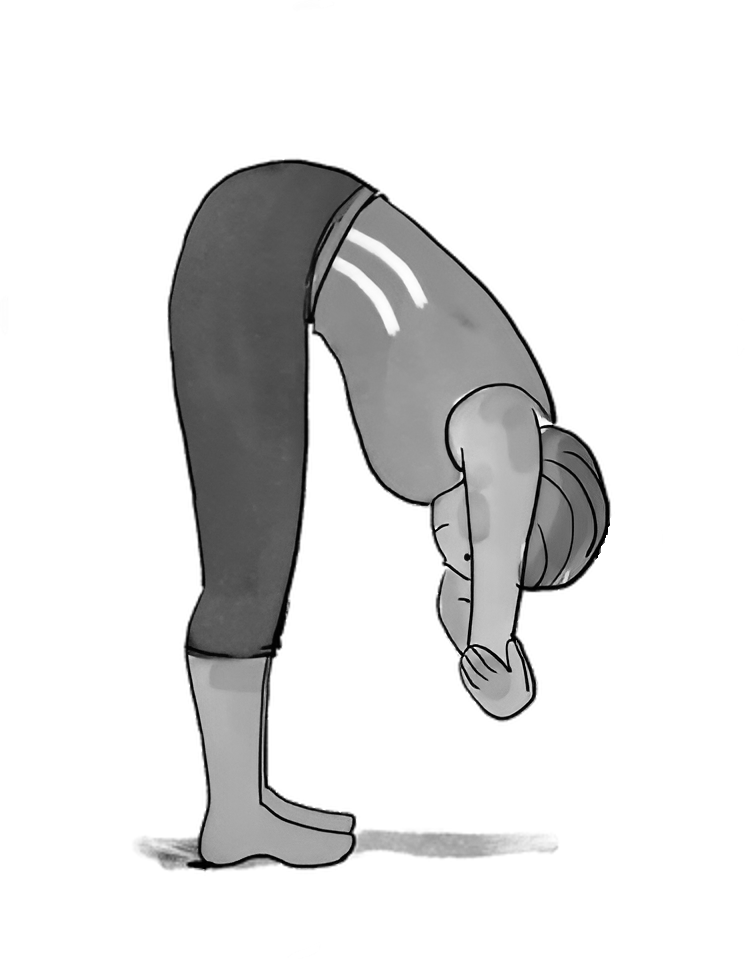
Introduction Dangling Pose, often referred to as a passive Standing Forward Fold in Yin Yoga, is a deeply calming and gravity-assisted posture that allows the upper body to hang freely over the legs. Unlike its Yang counterpart—where muscular engagement is emphasized—Dangling Pose in Yin Yoga is characterized by surrender, stillness, and minimal effort. The practitioner allows the spine, head, and arms to “dangle” toward the earth, creating a natural traction effect along the entire posterior chain of the body. This pose is particularly significant in Yin Yoga due to its ability to stimulate the deep connective tissues of the spine, hips, and legs. It works primarily on the fascia and ligaments, improving flexibility and hydration of tissues. The gentle inversion also enhances blood circulation to the brain, promoting relaxation and mental clarity. Dangling Pose is accessible to most practitioners and is often used as a transitional or resting posture in Yin sequences. Despite its simplicity, it offers profound physical, physiological, and energetic benefits, making it an essential component of a balanced yoga practice. Dangling Pose is a simple yet profoundly effective Yin Yoga posture that offers a wide range of benefits. By allowing the body to hang freely under the influence of gravity, it creates space in the spine, releases tension, and promotes relaxation. Its ability to improve circulation, stimulate internal organs, and calm the mind makes it a valuable addition to any yoga practice. Whether used as a restorative posture or a deep stretch, Dangling Pose supports physical health, emotional balance, and overall well-being. With consistent practice, it becomes a powerful tool for releasing stress, enhancing flexibility, and cultivating mindfulness. In the stillness of the pose, practitioners can experience a deep sense of surrender and connection with themselves. Getting Into the Pose Entering Dangling Pose requires mindfulness and a gradual release into gravity. Step-by-Step Instructions Coming Out of the Pose Exiting Dangling Pose slowly is crucial to avoid dizziness or strain. Counterposes Counterposes help neutralize the effects of forward bending. Meridians & Organs Affected Dangling Pose strongly influences the posterior and internal meridian systems. Primary Meridians Organs Affected The gentle inversion enhances circulation and organ function. Joints Affected Recommended Hold Times Practice Guidelines Contra-indications Benefits Physical Benefits Therapeutic Benefits Mental and Emotional Benefits Energetic Benefits Anatomy and Physiology Muscles Involved Primary Muscles Relaxed Muscles Connective Tissue Engagement Targets: Long holds improve elasticity. Spinal Mechanics Circulatory System Respiratory System Nervous System Effects Endocrine System Fascial Lines Psychological and Subtle Body Perspective Dangling Pose encourages surrender and introspection. Energetic Interpretation The inversion provides a new perspective, both physically and mentally. Integration in Yin Yoga Practice Dangling Pose is commonly used in: Complementary Poses
Yin Yoga Pose: Child’s Pose (Balasana – Yin Variation)
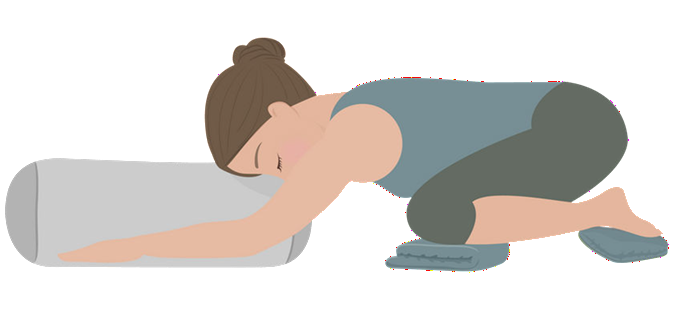
Introduction Child’s Pose, traditionally known as Balasana, is one of the most fundamental and restorative postures in yoga. In Yin Yoga practice, this pose is approached with an emphasis on stillness, surrender, and deep relaxation. Unlike more active forms of yoga, where Child’s Pose may serve as a brief resting posture, in Yin Yoga it becomes a prolonged, meditative experience that gently works on the deeper connective tissues of the hips, spine, and lower back. The posture resembles the natural curled position of a child at rest, symbolizing safety, introspection, and surrender. It is often used as a grounding pose, allowing practitioners to reconnect with their breath and body. In a Yin context, Child’s Pose can be held for several minutes, allowing gravity to gradually deepen the stretch without muscular strain. This pose is particularly beneficial in counteracting stress, fatigue, and the effects of a fast-paced lifestyle. It provides a gentle compression of the abdominal organs, promotes spinal flexion, and calms the nervous system. As a result, it is widely used in therapeutic yoga practices and is suitable for practitioners of all levels. Child’s Pose in Yin Yoga is a profoundly restorative posture that offers benefits on multiple levels—physical, mental, emotional, and energetic. Its simplicity makes it accessible, while its depth allows for meaningful transformation. By encouraging stillness and surrender, the pose creates a space for healing and introspection. It gently stretches the body, stimulates internal organs, and calms the nervous system, making it an essential component of any Yin Yoga practice. In a world filled with constant activity and stress, Child’s Pose serves as a reminder of the power of rest, stillness, and self-awareness. With regular practice, it becomes a sanctuary where the body and mind can reset, restore, and reconnect. Getting Into the Pose Entering Child’s Pose in Yin Yoga requires careful attention to comfort and alignment, with the use of props to support the body. Step-by-Step Instructions Coming Out of the Pose Exiting the pose slowly ensures safety and integration. Counterposes Although Child’s Pose is itself often a counterpose, gentle movements may follow: Meridians & Organs Affected Child’s Pose stimulates several Yin meridians due to compression and stretch. Primary Meridians Organs Affected The gentle compression enhances circulation and organ function. Joints Affected Recommended Hold Times Practice Guidelines Contra-indications Benefits Physical Benefits Therapeutic Benefits Mental and Emotional Benefits Energetic Benefits Anatomy and Physiology Muscles Involved Primary Muscles Muscles Being Stretched Connective Tissue Engagement Targets: Long holds improve elasticity and hydration. Spinal Mechanics Circulatory System Respiratory System Nervous System Effects Endocrine System Fascial Lines Psychological and Subtle Body Perspective Child’s Pose is deeply nurturing and introspective. Energetic Interpretation It is often used as a “safe space” posture. Integration in Yin Yoga Practice Child’s Pose is widely used in: Complementary Poses
Yin Yoga Pose: Reclining Twists (Supta Matsyendrasana – Yin Variation)
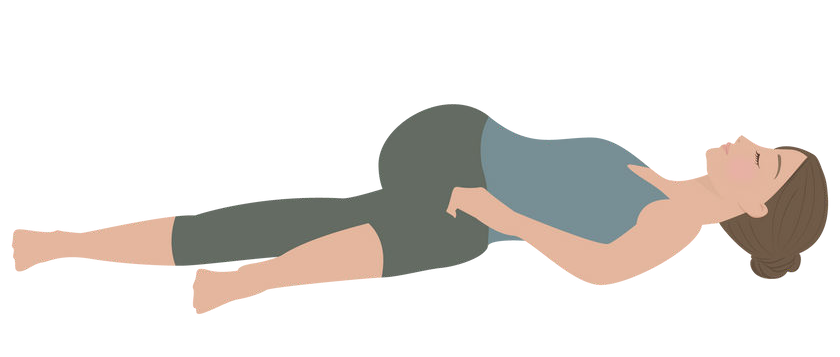
Introduction Reclining Twists, commonly referred to as Supta Matsyendrasana, are among the most soothing and therapeutically beneficial postures in Yin Yoga. Practiced in a supine position, this pose involves a gentle spinal twist that allows the body to release deeply held tension while promoting relaxation and internal balance. In Yin Yoga, Reclining Twists are held for extended periods with minimal muscular effort, enabling a profound effect on the connective tissues, spine, and internal organs. Modern lifestyles often involve prolonged sitting, repetitive movements, and stress, which contribute to spinal stiffness, digestive issues, and nervous system imbalance. Reclining Twists offer a simple yet effective way to counter these effects. By gently rotating the spine and compressing the abdominal organs, this pose stimulates circulation, enhances digestion, and supports detoxification. Beyond physical benefits, Reclining Twists are deeply calming to the mind. The passive nature of the pose activates the parasympathetic nervous system, encouraging relaxation and stress relief. The gentle wringing action of the twist is often associated with releasing emotional tension and promoting a sense of renewal. Reclining Twists are a cornerstone of Yin Yoga practice, offering deep physical, therapeutic, and emotional benefits. Their gentle yet effective nature makes them accessible to practitioners of all levels. Through sustained stillness and mindful breathing, this pose promotes spinal health, supports internal organ function, and encourages relaxation. It embodies the essence of Yin Yoga—softness, surrender, and deep awareness. With regular practice, Reclining Twists become a powerful tool for maintaining balance, releasing tension, and cultivating a sense of calm and well-being. Getting Into the Pose Entering Reclining Twists mindfully ensures safety and effectiveness. Step-by-Step Instructions Coming Out of the Pose Exiting the pose slowly helps maintain spinal safety. Counterposes Counterposes help rebalance the spine and body. Meridians & Organs Affected Reclining Twists stimulate several meridians and organs. Primary Meridians Organs Affected The twisting action massages and stimulates these organs. Joints Affected Recommended Hold Times Practice Tips Contra-indications Benefits Physical Benefits Therapeutic Benefits Mental and Emotional Benefits Energetic Benefits Anatomy and Physiology Muscles Involved Primary Muscles Muscles Being Stretched Connective Tissue Engagement Spinal Mechanics Circulatory System Digestive System Respiratory System Nervous System Effects Endocrine System Fascial Lines Psychological and Subtle Body Perspective Reclining Twists have a calming effect. Energetic Interpretation Integration in Yin Yoga Practice Reclining Twists are used in: Complementary Poses