
Yin Yoga Pose: Shavasana (Corpse Pose – Yin/Restorative Variation)
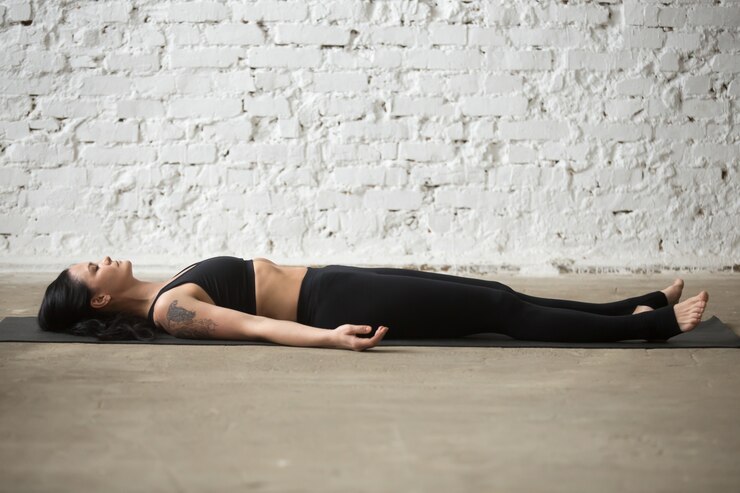
Introduction Shavasana, commonly known as Corpse Pose, is considered one of the most essential and profound postures in yoga. While it may appear simple—lying still on the back—it is, in reality, one of the most challenging poses due to the requirement of complete physical, mental, and emotional surrender. In Yin Yoga, Shavasana is not merely a closing posture but a deeply transformative practice that facilitates integration, healing, and restoration. Derived from the Sanskrit words “Shava” meaning corpse and “asana” meaning posture, Shavasana symbolizes conscious relaxation and the release of ego, effort, and identity. In Yin Yoga, it is practiced with extended stillness, allowing the body to absorb the benefits of preceding poses while calming the nervous system and restoring energetic balance. Modern life is often characterized by chronic stress, overstimulation, and constant activity, leading to fatigue, anxiety, and imbalance in the nervous system. Shavasana provides a powerful antidote by activating the parasympathetic nervous system, promoting deep relaxation, and allowing the body to enter a state of healing. Though it requires no physical effort, mastering Shavasana involves cultivating awareness, letting go of tension, and embracing stillness. It is often described as the “final integration” of a yoga practice, where the physical, physiological, and energetic effects of all preceding postures are assimilated. Shavasana is far more than a resting posture—it is a gateway to deep relaxation, healing, and self-awareness. In Yin Yoga, it serves as the culmination of practice, allowing the body and mind to integrate and absorb the benefits of all preceding postures. Despite its simplicity, Shavasana requires conscious effort to release tension and quiet the mind. When practiced regularly, it offers profound physical, mental, and emotional benefits, making it one of the most valuable poses in yoga. Through stillness, surrender, and awareness, Shavasana embodies the true essence of Yin Yoga—balance, restoration, and inner peace. Getting Into the Pose Entering Shavasana mindfully enhances its benefits and ensures complete relaxation. Step-by-Step Instructions Coming Out of the Pose Exiting Shavasana should be done gradually to maintain the state of calm. Counterposes Shavasana generally does not require counterposes, but gentle transitions can be helpful. Meridians & Organs Affected Unlike active poses, Shavasana affects the entire energetic system. Primary Meridians Organs Affected Shavasana allows full systemic integration and recovery. Joints Affected Shavasana is non-stressful and passive. Recommended Hold Times Contra-indications Shavasana is generally safe but may require modifications. Benefits Physical Benefits Therapeutic Benefits Mental and Emotional Benefits Energetic Benefits Anatomy and Physiology Muscular System Connective Tissue Spinal Mechanics Circulatory System Respiratory System Nervous System Effects Endocrine System Brain Function Psychological and Subtle Body Perspective Shavasana is deeply meditative. Energetic Interpretation Integration in Yin Yoga Practice Shavasana is the final pose in most sequences. Purpose Complementary Practices