
Yin Yoga Pose: Saddle Pose (Supta Virasana – Yin Variation)
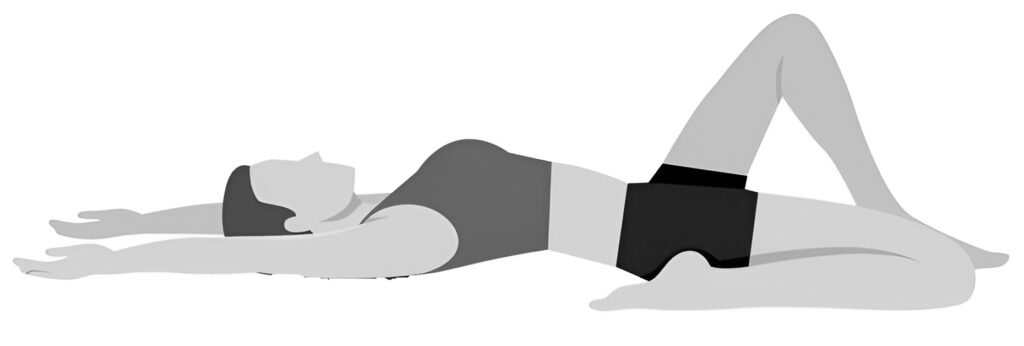
Introduction Saddle Pose is a profound Yin Yoga posture that creates a deep, passive backbend while strongly stimulating the front body, particularly the thighs, hip flexors, and abdominal region. Derived from the classical pose Supta Virasana (Reclined Hero Pose), Saddle Pose in Yin Yoga is practiced with minimal muscular effort and extended holding times, allowing gravity to gently open the body and target deeper connective tissues. In modern life, prolonged sitting and sedentary habits shorten the hip flexors and compress the lumbar spine. Saddle Pose offers an effective antidote by lengthening the quadriceps, opening the hip flexors, and promoting spinal extension. It is particularly beneficial for counteracting forward-bending postures and improving overall posture. However, Saddle Pose can be intense due to the combination of knee flexion and spinal extension. Therefore, it requires mindful entry, proper alignment, and the use of props to ensure safety and comfort. When practiced correctly, it offers powerful physical, physiological, and emotional benefits, making it an essential posture in Yin Yoga practice. Saddle Pose is a powerful Yin Yoga posture that offers deep physical, physiological, and emotional benefits. Its ability to open the front body, stretch the quadriceps, and stimulate internal organs makes it an essential pose in Yin Yoga practice. Though intense, it provides profound rewards when practiced mindfully and with proper support. Through sustained stillness and awareness, practitioners can experience improved flexibility, enhanced organ function, and deep relaxation. Ultimately, Saddle Pose embodies the essence of Yin Yoga—stillness, surrender, and inner transformation—making it a valuable tool for achieving balance and well-being. Getting Into the Pose Entering Saddle Pose requires careful progression and attention to body signals. Step-by-Step Instructions Coming Out of the Pose Exiting Saddle Pose must be done very slowly. Counterposes Counterposes are essential after Saddle Pose. Meridians & Organs Affected Saddle Pose stimulates the front body meridians. Primary Meridians Organs Affected The backbend enhances organ stimulation and circulation. Joints Affected Recommended Hold Times Practice Tips Contra-indications Benefits Physical Benefits Therapeutic Benefits Mental and Emotional Benefits Energetic Benefits Anatomy and Physiology Muscles Involved Primary Muscles Muscles Being Stretched Connective Tissue Engagement Spinal Mechanics Circulatory System Digestive System Respiratory System Nervous System Effects Endocrine System Fascial Lines Psychological and Subtle Body Perspective Saddle Pose can be emotionally intense. Energetic Interpretation Integration in Yin Yoga Practice Saddle Pose is used in: Complementary Poses