
Yin Yoga Pose: Dragon Pose (Yin Lunge)
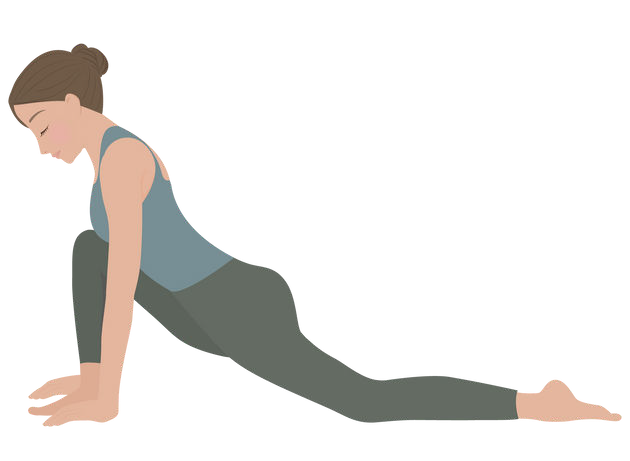
Introduction Dragon Pose is one of the most powerful and transformative postures in Yin Yoga, primarily targeting the hips, groin, and lower body. Often described as the Yin equivalent of a low lunge, Dragon Pose works deeply into the hip flexors, quadriceps, and connective tissues surrounding the pelvis. It is especially beneficial in counteracting the effects of prolonged sitting, which tends to shorten the hip flexors and restrict mobility. In Yin Yoga, Dragon Pose is approached with a passive mindset. Rather than actively engaging the muscles to hold the posture, practitioners gradually relax into the pose, allowing gravity and time to create a deep stretch in the connective tissues. This sustained hold helps improve flexibility, joint health, and energetic balance. Dragon Pose is also known for its intensity. It can evoke strong physical sensations and sometimes emotional responses, as the hips are considered a storage area for stress and unresolved emotions. Through mindful breathing and stillness, practitioners learn to observe and release tension, making this pose not only physically beneficial but also mentally and emotionally transformative. Dragon Pose is one of the most profound Yin Yoga postures, offering deep physical, emotional, and energetic benefits. Its ability to open the hips, stimulate internal organs, and release tension makes it an essential practice for modern lifestyles. Through stillness and mindful breathing, practitioners can explore the deeper layers of the body and mind. While the pose can be intense, it offers significant rewards in terms of flexibility, strength, and emotional balance. With regular practice, Dragon Pose becomes a powerful tool for transformation, embodying the essence of Yin Yoga—patience, surrender, and inner awareness. Getting Into the Pose Entering Dragon Pose requires careful alignment and the use of props to ensure comfort and safety. Step-by-Step Instructions Coming Out of the Pose Exiting Dragon Pose must be done slowly due to its intensity. Counterposes Counterposes are essential to release tension from the hips and spine. Meridians & Organs Affected Dragon Pose strongly stimulates the front body meridians. Primary Meridians Organs Affected The deep hip stretch enhances circulation and organ function. Joints Affected Recommended Hold Times Practice Guidelines Contra-indications Benefits Physical Benefits Therapeutic Benefits Mental and Emotional Benefits Energetic Benefits Anatomy and Physiology Muscles Involved Primary Muscles Muscles Being Stretched Connective Tissue Engagement Targets: Long holds improve elasticity. Spinal Mechanics Circulatory System Digestive System Respiratory System Nervous System Effects Endocrine System Fascial Lines Psychological and Subtle Body Perspective Dragon Pose is emotionally intense. Energetic Interpretation Integration in Yin Yoga Practice Dragon Pose is commonly used in: Complementary Poses