
Yin Yoga Pose: Deer Pose
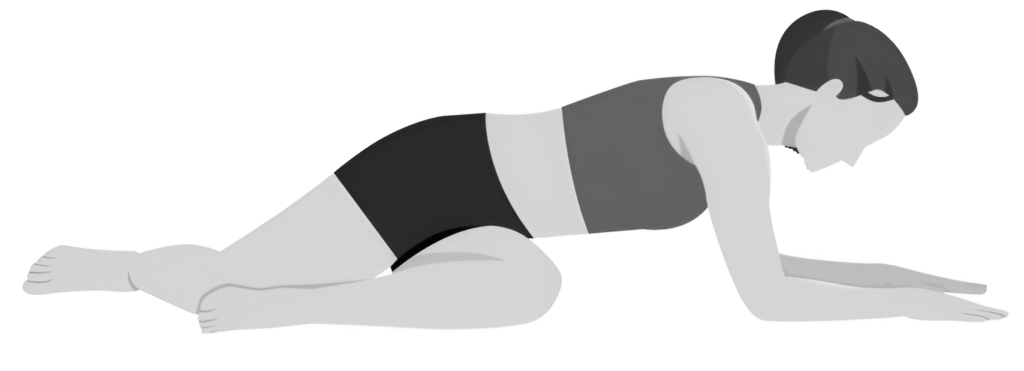
Introduction Deer Pose is a classical Yin Yoga posture that emphasizes deep hip opening, gentle spinal rotation, and balanced stimulation of connective tissues around the pelvis and lower spine. The posture is named after the graceful positioning of a resting deer, with the legs arranged in a way that creates both external and internal rotation in the hips. This unique configuration makes Deer Pose one of the most effective Yin postures for improving hip mobility and joint health. In contrast to dynamic or Yang styles of yoga, where strength and muscular engagement dominate, Yin Yoga invites practitioners to relax deeply into the pose. In Deer Pose, gravity and time work together to influence the deeper layers of fascia, ligaments, and joint capsules. This passive approach allows for gradual and safe release of tension, particularly in areas that are often tight due to prolonged sitting, such as the hips, gluteal region, and lower back. Deer Pose is often included in Yin sequences focused on hip opening, spinal health, and emotional release. The hips are commonly referred to as a storage area for emotional tension, and by gently opening them, practitioners may experience both physical relief and emotional balance. The posture also provides subtle stimulation to the digestive organs and pelvic region, enhancing circulation and overall vitality. Deer Pose is a highly effective Yin Yoga posture that offers deep benefits for the hips, spine, and internal organs. Its unique combination of internal and external hip rotation makes it particularly valuable for maintaining joint health and mobility. By encouraging stillness and relaxation, the pose allows practitioners to access deeper layers of the body, promoting physical release and emotional balance. It supports circulation, improves flexibility, and enhances overall well-being. With consistent practice, Deer Pose becomes a powerful tool for restoring balance in the body and mind. It embodies the essence of Yin Yoga—gentleness, patience, and introspection—making it an essential posture for both beginners and experienced practitioners. Getting Into the Pose Entering Deer Pose requires mindful placement of the legs and awareness of hip alignment. The goal is to find a comfortable position that allows for relaxation without strain. Step-by-Step Instructions Coming Out of the Pose Exiting Deer Pose slowly helps prevent strain and allows the body to integrate the effects. Counterposes After Deer Pose, counterposes help restore balance in the hips and spine. Meridians & Organs Affected Deer Pose stimulates several Yin meridians due to its unique hip positioning. Primary Meridians Organs Affected The gentle compression and stretch in the pelvic region enhance circulation and organ function. Joints Affected Recommended Hold Times Practice Guidelines Contra-indications Benefits Physical Benefits Therapeutic Benefits Mental and Emotional Benefits Energetic Benefits Anatomy and Physiology Muscles Involved Primary Muscles Muscles Being Stretched In Yin Yoga, muscles are relaxed to target deeper tissues. Connective Tissue Engagement Targets: Long holds improve elasticity and hydration. Spinal Mechanics Circulatory System Digestive System Respiratory System Nervous System Effects Endocrine System Fascial Lines These are engaged through hip rotation. Psychological and Subtle Body Perspective Deer Pose has a profound emotional and energetic impact. Energetic Interpretation The hip opening aspect often brings awareness to stored emotional tension. Integration in Yin Yoga Practice Deer Pose is commonly included in: Complementary Poses