
Yin Yoga Pose: Dangling Pose (Standing Forward Fold – Yin Variation)
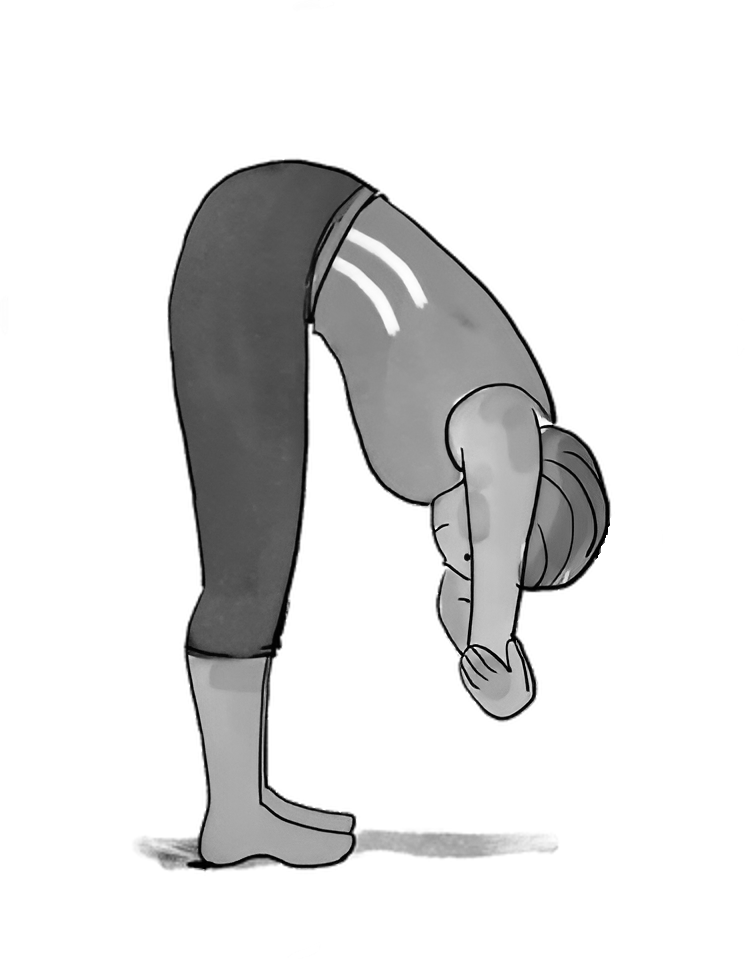
Introduction Dangling Pose, often referred to as a passive Standing Forward Fold in Yin Yoga, is a deeply calming and gravity-assisted posture that allows the upper body to hang freely over the legs. Unlike its Yang counterpart—where muscular engagement is emphasized—Dangling Pose in Yin Yoga is characterized by surrender, stillness, and minimal effort. The practitioner allows the spine, head, and arms to “dangle” toward the earth, creating a natural traction effect along the entire posterior chain of the body. This pose is particularly significant in Yin Yoga due to its ability to stimulate the deep connective tissues of the spine, hips, and legs. It works primarily on the fascia and ligaments, improving flexibility and hydration of tissues. The gentle inversion also enhances blood circulation to the brain, promoting relaxation and mental clarity. Dangling Pose is accessible to most practitioners and is often used as a transitional or resting posture in Yin sequences. Despite its simplicity, it offers profound physical, physiological, and energetic benefits, making it an essential component of a balanced yoga practice. Dangling Pose is a simple yet profoundly effective Yin Yoga posture that offers a wide range of benefits. By allowing the body to hang freely under the influence of gravity, it creates space in the spine, releases tension, and promotes relaxation. Its ability to improve circulation, stimulate internal organs, and calm the mind makes it a valuable addition to any yoga practice. Whether used as a restorative posture or a deep stretch, Dangling Pose supports physical health, emotional balance, and overall well-being. With consistent practice, it becomes a powerful tool for releasing stress, enhancing flexibility, and cultivating mindfulness. In the stillness of the pose, practitioners can experience a deep sense of surrender and connection with themselves. Getting Into the Pose Entering Dangling Pose requires mindfulness and a gradual release into gravity. Step-by-Step Instructions Coming Out of the Pose Exiting Dangling Pose slowly is crucial to avoid dizziness or strain. Counterposes Counterposes help neutralize the effects of forward bending. Meridians & Organs Affected Dangling Pose strongly influences the posterior and internal meridian systems. Primary Meridians Organs Affected The gentle inversion enhances circulation and organ function. Joints Affected Recommended Hold Times Practice Guidelines Contra-indications Benefits Physical Benefits Therapeutic Benefits Mental and Emotional Benefits Energetic Benefits Anatomy and Physiology Muscles Involved Primary Muscles Relaxed Muscles Connective Tissue Engagement Targets: Long holds improve elasticity. Spinal Mechanics Circulatory System Respiratory System Nervous System Effects Endocrine System Fascial Lines Psychological and Subtle Body Perspective Dangling Pose encourages surrender and introspection. Energetic Interpretation The inversion provides a new perspective, both physically and mentally. Integration in Yin Yoga Practice Dangling Pose is commonly used in: Complementary Poses