
Yin Yoga Pose: Camel Pose (Ustrasana – Yin Variation)
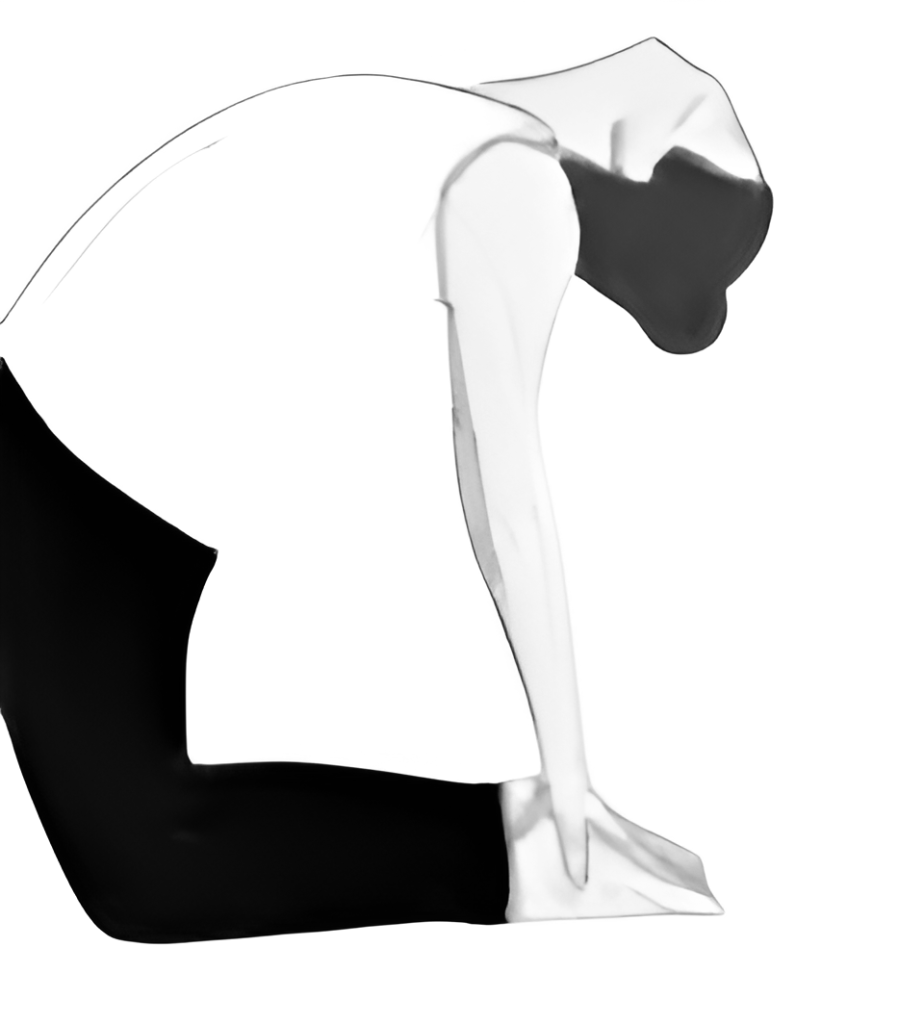
Introduction Camel Pose, known as Ustrasana in Sanskrit, is a deep backbend that powerfully opens the front body, particularly the chest, abdomen, and hip flexors. In traditional (Yang) yoga, Camel Pose is performed actively, requiring muscular engagement, strength, and balance. However, in Yin Yoga, Camel Pose is adapted into a more passive and supported posture, emphasizing long holds, relaxation, and deep connective tissue release. The Yin variation of Camel Pose is typically practiced with the support of props such as bolsters, blocks, or cushions to reduce muscular effort and allow gravity to gradually deepen the backbend. This approach targets the fascia, ligaments, and joints rather than the superficial muscles, making it a therapeutic posture for improving spinal mobility and releasing tension in the front body. Camel Pose is often described as a “heart-opening” posture. It stimulates not only the physical chest region but also emotional and energetic centers associated with compassion, courage, and vulnerability. It is particularly beneficial in counteracting modern lifestyle patterns such as prolonged sitting, slouching, and forward head posture. Camel Pose in Yin Yoga is a powerful posture that integrates physical, emotional, and energetic dimensions. By combining deep backbending with passive relaxation, it provides profound benefits for the spine, chest, and internal organs. It is particularly effective in counteracting modern lifestyle issues such as poor posture and stress. Through mindful practice, it enhances flexibility, improves circulation, and promotes emotional release. When practiced with awareness and proper support, Yin Camel Pose becomes more than a physical stretch—it transforms into a meditative and therapeutic experience that fosters balance, vitality, and inner harmony. Getting Into the Pose Entering Yin Camel Pose requires patience, awareness, and proper use of props to ensure safety and comfort. Step-by-Step Instructions Coming Out of the Pose Exiting Camel Pose must be done carefully to avoid dizziness or strain. Counterposes Counterposes are essential after deep backbends to restore spinal balance. Meridians & Organs Affected Camel Pose strongly stimulates the front body meridians. Primary Meridians Stimulated Organs Affected The pose enhances circulation and stimulates organ function. Joints Affected Camel Pose influences multiple joints: Recommended Hold Times Yin Yoga emphasizes long holds. Guidelines Contra-indications Camel Pose should be approached cautiously in certain conditions: Benefits Physical Benefits Therapeutic Benefits Mental and Emotional Benefits Energetic Benefits Anatomy and Physiology Muscles Involved Primary Muscles Stretch Muscles In Yin variation, muscular effort is minimized. Connective Tissue Engagement Targets: Long holds improve elasticity. Spinal Mechanics Circulatory System Respiratory System Nervous System Effects Endocrine System Fascial Lines Psychological and Subtle Body Perspective Camel Pose is associated with heart opening and emotional release. Energetic Interpretation Holding the pose may bring up deep emotional responses. Integration in Yin Yoga Practice Camel Pose is used in sequences focusing on: Complementary Poses