
Yin Yoga Pose: Child’s Pose (Balasana – Yin Variation)
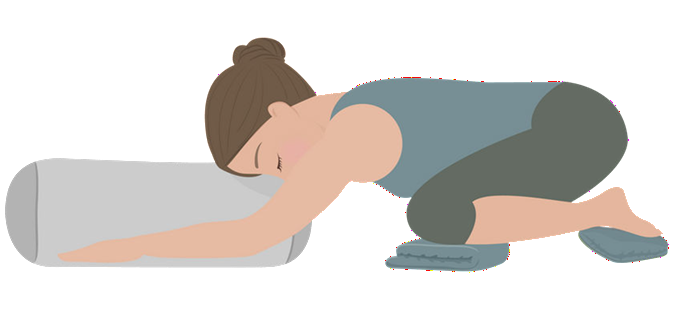
Introduction Child’s Pose, traditionally known as Balasana, is one of the most fundamental and restorative postures in yoga. In Yin Yoga practice, this pose is approached with an emphasis on stillness, surrender, and deep relaxation. Unlike more active forms of yoga, where Child’s Pose may serve as a brief resting posture, in Yin Yoga it becomes a prolonged, meditative experience that gently works on the deeper connective tissues of the hips, spine, and lower back. The posture resembles the natural curled position of a child at rest, symbolizing safety, introspection, and surrender. It is often used as a grounding pose, allowing practitioners to reconnect with their breath and body. In a Yin context, Child’s Pose can be held for several minutes, allowing gravity to gradually deepen the stretch without muscular strain. This pose is particularly beneficial in counteracting stress, fatigue, and the effects of a fast-paced lifestyle. It provides a gentle compression of the abdominal organs, promotes spinal flexion, and calms the nervous system. As a result, it is widely used in therapeutic yoga practices and is suitable for practitioners of all levels. Child’s Pose in Yin Yoga is a profoundly restorative posture that offers benefits on multiple levels—physical, mental, emotional, and energetic. Its simplicity makes it accessible, while its depth allows for meaningful transformation. By encouraging stillness and surrender, the pose creates a space for healing and introspection. It gently stretches the body, stimulates internal organs, and calms the nervous system, making it an essential component of any Yin Yoga practice. In a world filled with constant activity and stress, Child’s Pose serves as a reminder of the power of rest, stillness, and self-awareness. With regular practice, it becomes a sanctuary where the body and mind can reset, restore, and reconnect. Getting Into the Pose Entering Child’s Pose in Yin Yoga requires careful attention to comfort and alignment, with the use of props to support the body. Step-by-Step Instructions Coming Out of the Pose Exiting the pose slowly ensures safety and integration. Counterposes Although Child’s Pose is itself often a counterpose, gentle movements may follow: Meridians & Organs Affected Child’s Pose stimulates several Yin meridians due to compression and stretch. Primary Meridians Organs Affected The gentle compression enhances circulation and organ function. Joints Affected Recommended Hold Times Practice Guidelines Contra-indications Benefits Physical Benefits Therapeutic Benefits Mental and Emotional Benefits Energetic Benefits Anatomy and Physiology Muscles Involved Primary Muscles Muscles Being Stretched Connective Tissue Engagement Targets: Long holds improve elasticity and hydration. Spinal Mechanics Circulatory System Respiratory System Nervous System Effects Endocrine System Fascial Lines Psychological and Subtle Body Perspective Child’s Pose is deeply nurturing and introspective. Energetic Interpretation It is often used as a “safe space” posture. Integration in Yin Yoga Practice Child’s Pose is widely used in: Complementary Poses