
Yin Yoga Pose: Anahatasana (Melting Heart Pose)
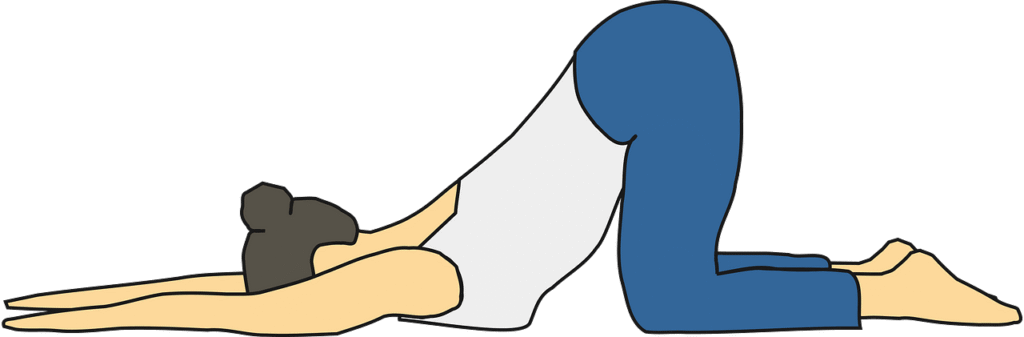
Introduction Anahatasana, commonly known as the Melting Heart Pose or Extended Puppy Pose, is a deeply introspective and heart-opening posture practiced widely in Yin Yoga. The name derives from the Sanskrit word Anahata, meaning the “heart chakra,” symbolizing compassion, openness, and emotional balance. This pose is particularly significant in Yin Yoga, where the focus lies on long-held, passive stretches targeting the deeper connective tissues such as fascia, ligaments, and joints rather than superficial muscles. Unlike dynamic Yang practices, Yin Yoga encourages stillness, surrender, and inward awareness. Anahatasana embodies these principles by inviting practitioners to soften the chest toward the earth, symbolically “melting” emotional barriers while physically opening the thoracic spine and shoulders. It is both a physical and energetic posture that works on structural flexibility, emotional release, and energetic balance. Anahatasana, or Melting Heart Pose, is a profound Yin Yoga posture that integrates physical, emotional, and energetic dimensions of well-being. By gently opening the chest and shoulders while encouraging surrender and stillness, the pose provides a unique opportunity for deep introspection and healing. Its benefits extend beyond flexibility and posture correction, influencing the nervous system, respiratory function, and emotional balance. Through the stimulation of heart and lung meridians, it aligns with traditional healing systems, making it a holistic practice. However, like all Yin Yoga poses, it requires patience, awareness, and respect for the body’s limits. When practiced mindfully, Anahatasana becomes not just a physical stretch but a meditative journey into the heart space—cultivating compassion, resilience, and inner peace. Getting Into the Pose Entering Anahatasana requires mindfulness and gradual progression to avoid strain, especially in the shoulders and spine. Coming Out of the Pose Exiting Anahatasana should be slow and conscious to avoid dizziness or strain. Counterposes Counterposes are essential in Yin Yoga to restore balance and neutralize the effects of deep stretches. Meridians & Organs Affected In Yin Yoga, poses are understood through the lens of Traditional Chinese Medicine (TCM), where energy flows through meridians. Primary Meridians Stimulated Organs Affected The pose encourages improved circulation to these organs and promotes energetic balance. Joints Affected Anahatasana primarily targets the following joints: Recommended Hold Times Yin Yoga emphasizes longer holds compared to other styles. During the hold: The goal is gentle stress on connective tissues rather than muscular strain. Contra-indications While Anahatasana is beneficial, it is not suitable for everyone. Avoid or Modify If: Benefits Physical Benefits Mental and Emotional Benefits Energetic Benefits Anatomy and Physiology Understanding the anatomical and physiological aspects of Anahatasana provides deeper insight into its therapeutic value. Muscles Involved Primary Stretch Muscles Supporting Muscles In Yin Yoga, muscles are relaxed to allow deeper tissues to be targeted. Connective Tissue Engagement Yin Yoga uniquely targets: The prolonged hold in Anahatasana gently stresses these tissues, improving elasticity and hydration. Spinal Mechanics Respiratory System Deep breathing in the pose stimulates the parasympathetic nervous system, promoting relaxation. Nervous System Effects Circulatory System Endocrine System Psychological and Subtle Body Perspective In yogic philosophy, Anahatasana is associated with the Anahata Chakra, located in the heart center. Chakra Influence Holding the pose for extended periods may bring up emotional sensations, which is considered part of the healing process. Integration in Yin Yoga Practice Anahatasana is often included in sequences that focus on: It pairs well with poses like: