
Kapalabhati Pranayama
Kapalabhati Pranayama Introduction Kapalabhati is one of the six classical Shat-Karmas (cleansing techniques) described in Hatha Yoga Pradipika. Though categorized as a purification practice, it is also considered a powerful pranayama when practiced mindfully. It cleanses the respiratory passages, energizes the nervous system, and awakens pranic flow in the subtle body. It is often practiced before meditation, pranayama, and advanced kriya techniques because it clears physical, mental, and energetic blockages. Definition Kapalabhati is a yogic breathing technique where the emphasis is on forceful, rhythmic exhalation through the nose, and passive, automatic inhalation. It is not “breathing exercise” in the normal sense, but a purification process that detoxifies the lungs, energizes the brain, and balances prana. Meaning & Etymology Kapal = skull, forehead, or head. Bhati = shining, illuminating, making bright. Thus, Kapalabhati means “the shining skull”. The practice is said to bring brightness to the forehead, glow to the face, and clarity to the mind. Yogic Philosophy & Concept In yogic texts, Kapalabhati is described as a Shatkarma Kriya for purification. It removes Kapha dosha (mucus, lethargy, dullness) from the body, purifies nāḍīs (energy channels), and stimulates prāṇa flow in Sushumna nadi. According to the Gheranda Samhita, Kapalabhati “destroys all phlegm disorders.” Philosophically, the practice symbolizes burning away impurities (both physical and mental) to awaken higher consciousness. Preparatory Practices Before practicing Kapalabhati, it is advisable to prepare the body with: Asanas: Sukhasana, Padmasana, Vajrasana, or any meditative posture. Pre-breathing: Deep abdominal breathing or Anulom-Vilom to regulate breath. Shatkarma: Neti kriya to clear nasal passages if blocked. Awareness: Establish focus at the navel or just below the nose. How to Perform Kapalabhati (Practical Technique) Sit in a comfortable meditative posture (Sukhasana/Padmasana/Vajrasana). Spine erect. Place hands on knees in Gyan Mudra or simply relaxed. Inhale deeply through the nose. Begin forceful, sharp exhalations by contracting the abdominal muscles; inhalation is passive (happens naturally). Exhale → belly contracts inward. Inhale → belly relaxes outward. Perform in rhythmic succession (start with 20–30 strokes per round). After completing one round, take a deep inhalation and exhalation, then relax. Common Mistakes & How to Improve Mistake: Using chest muscles instead of abdominal contraction. → Correction: Keep chest and shoulders steady; use belly muscles. Mistake: Forcing inhalation. → Correction: Inhalation must be passive, natural. Mistake: Practicing too fast without rhythm. → Correction: Start slow, establish rhythm, then gradually increase speed. Mistake: Straining breath beyond capacity. → Correction: Stop immediately if dizzy; increase strokes gradually. Benefits Physical: Clears nasal passages and lungs of toxins/mucus. Improves oxygenation and lung capacity. Strengthens abdominal muscles and diaphragm. Improves digestion and metabolism. Mental: Sharpens focus and concentration. Removes lethargy, sleepiness, and dullness. Reduces stress, anxiety, and mental fog. Energetic/Spiritual: Balances prana (life force). Stimulates Ajna (third-eye) chakra, improving clarity. Awakens dormant energy in Sushumna. Precautions & Contraindications Avoid if: Pregnant or menstruating women. Heart disease, high BP, recent surgery. Hernia, epilepsy, glaucoma, detached retina. Severe respiratory disorders (asthma, COPD) without guidance. Should be practiced on an empty stomach. Beginners must learn under a trained teacher. Duration & Timing Best time: Early morning on empty stomach. Evening if stomach is light. Duration: Beginners: 30–40 strokes × 2–3 rounds. Intermediate: 60–80 strokes × 3 rounds. Advanced: 100–120 strokes × 3–5 rounds. Always balance with calming pranayama (Anulom-Vilom or Bhramari) after practice. Variations & Advanced Levels Vatakrama Kapalabhati – Forceful exhalation, passive inhalation (standard form). Vyutkrama Kapalabhati – Nasal cleansing by drawing water through nose and expelling via mouth. Sheetkrama Kapalabhati – Drawing water through mouth and expelling via nose. Advanced practice may include: Bandhas (Mula, Uddiyana, Jalandhara) with Kapalabhati. Combining with Kumbhaka (breath retention) after each round. Integration into Kriya Yoga sequences. Stages of Progress & Signs of Advancement Beginner: Can do 30–40 strokes with awareness, but may feel breathless. Intermediate: Can do 60–80 strokes smoothly, with natural rhythm and no strain. Advanced: Can do 100–120 strokes per round, apply bandhas, maintain inner awareness. Signs of Progress: Increased mental clarity, lightness in head. Glow in skin/eyes (hence “shining skull”). Stable focus, less distraction in meditation. Balanced emotions and calmness. Summary: Kapalabhati is not just rapid breathing—it is a purification and energizing kriya that clears physical impurities, balances prana, and prepares the practitioner for higher yoga. Done with awareness and guidance, it is transformative for body, mind, and spirit. Kapalabhati Pranayama — Applied Guide for Daily Life 1) Application in Daily Life & Lifestyle Integration When to use it Morning activator (empty stomach): Clears mucus, lifts energy and alertness before asana/meditation. Pre-work focus: 1–3 short rounds (20–60 strokes) to cut brain fog before cognitively demanding tasks. Midday slump reset: 1–2 light rounds, followed by 2–3 mins of quiet breathing to settle. Cold/excess-Kapha days: Regular practice to decongest and mobilize energy. How to place it Sequence template: Gentle joint freeing → 3–5 min diaphragmatic breathing → Kapalabhati → balancing pranayama (e.g., Nadi Shodhana) → brief meditation. Micro-doses: 10–20 strokes × 2 sets before meetings, rehearsals, or study. Lifestyle notes Hydrate on waking, clear nasal passages (jala neti if trained), and avoid heavy meals 2–3 hours before practice. Pair with light, warm, Kapha-reducing diet on practice days. 2) Integration with Other Yogic Practices With Asana: After warm-ups and before strong standing sequences to prime core and breath; avoid immediately after intense inversions. With Bandhas: Once technique is steady, integrate gentle Uddiyana & Mula bandha during the exhalation phase; release fully during passive inhale. With Pranayama: Follow with Nadi Shodhana or Bhramari to re-balance and quiet the nervous system. With Kriyas: Classical texts classify Kapalabhati as a shatkarma; in advanced routines it’s coordinated with neti/nauli under supervision. With Meditation: Use as a short “pre-cleanse” before silent sitting or mantra japa. 3) Yogic Anatomy & Physiology (Subtle Body) Prāṇa flow: Rapid expulsions dispel Kapha and stimulate prāṇa-vāyu; clarity/brightness (“bhāti”) is linked to ājñā activation and clearing of iḍā/ piṅgalā dominance toward suṣumnā balance. Nādī-śodhana (purification): Repeated rhythmic abdominal pumping is said to clear blockages and remove lethargy/tamasic heaviness described in Hatha Yoga
Kapalabhati Pranayama
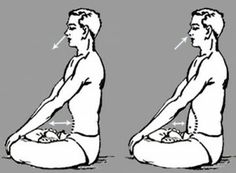
Kapalabhati Pranayama ‘Kapala’ is a Sanskrit word, it means skull. ‘Bhati’ means to shine. The term ‘Kapalabhati’ means an exercise that makes the skull shine. Sit on Padmasana. Keep the hands on knees. Close the eyes. Perform forceful exhalation followed by passive inhalation. This should be practised rapidly gradually. One will get perspiration profusely. Exhalation plays a prominent part. The head and the trunk should be erect. To start with, you can have one expulsion per second. Gradually you can have two expulsions per second. To begin with do one round in the morning consisting of 10 expulsions only. In the second week, do one round in the evening. In the third week, do two rounds in the morning and two rounds in the evening. Thus every week, gradually and cautiously increase 10 expulsions to each round till you get 120 expulsions for each round. It cleanses the respiratory system and the nasal passages. It removes the spasm in bronchial tubes. Consequently, Asthma is relieved and also cured in course of time. The lungs get proper oxygenation. Carbon dioxide is eliminated in a large scale. Impurities of the blood are thrown out. Tissues and cells absorb a large quantity of oxygen. The practitioner keeps up good health. Heart functions properly. The circulatory and respiratory systems are toned to a considerable degree. #Weekend yoga teacher training course Bangalore#Yoga Classes in JP Nagar, Bangalore#yoga Bangalore