
Bhastrika Pranayama
Bhastrika Pranayama Introduction Bhastrika is a vigorous, bellows-type yogic breathing practice used to energize the body, clear the nadīs, and increase respiratory drive and alertness. Unlike Kapalabhati (active exhale / passive inhale), Bhastrika involves active inhalation and active exhalation in a rapid, rhythmic cycle and is sometimes followed by breath retention and bandha application in advanced practice. Bhastrika appears in classical Hatha yoga texts and is widely used in modern pranayama sequences. Definition, Meaning & Etymology Etymology: Bhastrika comes from Sanskrit meaning “bellows” or “bellows-like” (the device that blows air). The name evokes a rapid pumping action of the chest and abdomen. Definition (practical): A forced, rhythmic breathing practice where both inhalation and exhalation are active and vigorous — like operating a bellows — often practiced in rounds with a specific number of cycles and sometimes followed by kumbhaka (retention). Philosophy & Concept Subtle-body intent: In Hatha tradition Bhastrika is considered cleansing and energizing — it “stokes” the inner fire (agni), clears kapha stagnation, stimulates prana flow in the central channels (iḍā/piṅgalā → suṣumnā), and prepares the mind for concentration or higher pranayama. Classical texts list it among important breath techniques and cleansing practices. Contemporary framing: Modern teachers present Bhastrika as both an activation practice (for alertness, circulation) and a respiratory training method (increasing ventilatory control and interoceptive awareness). Preparatory Practices Before practicing Bhastrika, prepare the body and breath: Sit erect in a comfortable meditative posture (Sukha / Ardha Padma / Siddhasana) or on a bench if sitting cross-legged is uncomfortable. Do gentle joint warm-ups and spinal mobility (neck, shoulders, thoracic rotation). Practice a few minutes of diaphragmatic breathing or Anulom-Vilom to stabilize breath rhythm. If nasal passages are blocked, perform Neti (jala or sutra) or gentle nasal clearing. Avoid on a full stomach; best on empty stomach or 3+ hours after a heavy meal. How to Perform — Step-by-Step Practical Technique Basic (beginner) Bhastrika — “bellows breath” Sit upright, spine long, hands on knees (Gyan mudra optional). Relax jaw and face. Take a deep, conscious inhalation through the nose. Begin rapid, forceful inhalations and exhalations through the nose, using diaphragm + accessory respiratory muscles: inhalation is active and quick, exhalation is active and forceful — both driven by purposeful chest and abdominal movement. Maintain a steady, rhythmical cadence (start ~20–30 cycles/round — roughly 1 cycle/sec or slower). After a round (e.g., 20–30 cycles), finish with a full exhalation and then a comfortable inhalation; rest for several normal breaths. Optionally add retention (antar kumbhaka) after a completed inhalation for short, safe durations only after training. Recommended beginner dosing: 1–3 rounds × 20–30 cycles, with 30–60 s rest between rounds. Gradually increase count/speed only under teacher guidance. Notes on posture and movement Keep shoulders relaxed, avoid shrugging. Movement should come from the diaphragm, lower ribs and upper abdomen together. Eyes can be soft-gazed or closed; ajna focus is used in advanced practice. Variations & Advanced Levels Slow/medium-speed Bhastrika: Focus on long, full inflations and expirations (for beginners). Fast Bhastrika: Rapid cycles (experienced practitioners) — increases ventilatory drive and arousal. Bhastrika with kumbhaka & bandha: After a round, inhale deeply and hold (antar kumbhaka) with chin lock (jalandhara) and mula/uddiyana bandha for advanced, healthy practitioners. Combined sequences: Often taught with Kapalabhati, Bhastrika followed by Anulom-Vilom or Nadi Shodhana to balance the nervous system. Common Mistakes & How to Improve Mistake: Using only the upper chest / shoulders (shallow breathing). → Fix: Cue “breathe into the lower ribs and belly”; engage diaphragm and intercostals. Mistake: Holding the jaw / clenching teeth. → Fix: Relax jaw, soft facial muscles. Mistake: Going too fast too soon → dizziness, strain. → Fix: Start slow, count cycles, keep quality over speed. Mistake: Trying prolonged retention before readiness. → Fix: Only add kumbhaka after stable cycles and teacher supervision. Use a metronome or count aloud initially; film the student to check for accessory-muscle overuse. Benefits (Traditional & Evidence-informed) Traditional / yogic claims Clears nadīs and removes kapha/stagnation, strengthens digestive fire (agni), brightens the mind and awakens prana. Scientific / physiological benefits (evidence-informed) Short-term studies link Bhastrika and similar high-frequency breathing to changes in autonomic function (HRV), increased alertness, improved cerebral blood flow and improvements in certain measures of emotion processing and anxiety after training programs. Some RCTs show reductions in anxiety scores and improvements in cognitive-attention measures after regular practice. Anatomy, Kinesiology & Biomechanism Active muscles and mechanics Inhalation (active): Diaphragm contracts (descends), external intercostals lift ribs, accessory muscles (scalenes, sternocleidomastoid) may assist in rapid inhalation. Exhalation (active): Internal intercostals and abdominal muscles (rectus abdominis, transverse abdominis, obliques) contract to force air out rapidly. Pressure dynamics: Rapid alternate contractions create alternating intra-thoracic and intra-abdominal pressure swings, increasing minute ventilation and accelerating gas exchange. Kinesiology notes Emphasize coordinated diaphragm-abdominal timing to avoid neck/shoulder overuse. Keep thorax mobile; allow lower rib flare to support full inhalation. Physiological & Psychological Effects (Mechanisms) Autonomic effects: Acute Bhastrika often produces sympathetic activation during the practice (increased HR, alertness). Post-practice there may be a parasympathetic rebound and improved HRV metrics in some protocols. Findings vary by speed, duration and practitioner experience. Respiratory gas changes: Rapid breathing can lower arterial CO₂ (transient hypocapnia) if volume is high, which can cause lightheadedness; careful pacing mitigates this. Cerebral perfusion & EEG: Recent small studies report acute increases in prefrontal cerebral blood flow and changes in EEG patterns associated with alertness after Bhastrika. Psychological effects: Studies report reduced anxiety and improved emotion processing/affect following structured Bhastrika training programs vs controls. Modern Relevance & Scientific Research Research on Bhastrika is growing; randomized trials and physiological studies (HRV, EEG, cerebral blood flow) suggest measurable effects on autonomic regulation, attention, and mood, but sample sizes are often small and protocols heterogeneous. Systematic reviews on breathwork conclude breath techniques can influence stress, anxiety and autonomic markers — but call for higher-quality trials. Use modern evidence to inform safe teaching and to tailor dosing to the student. Precautions & Contraindications Avoid
Bhastrika Pranayama
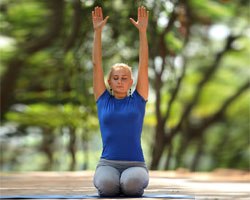
Bhastrika Pranayama In Sanskrit Bhastrika means ‘bellows’. Rapid succession of forcible expulsion is a characteristic feature of Bhastrika. Just as a blacksmith blows his bellows rapidly, so also you should move your breath rapidly. Sit on Padmasana. Keep the body, neck and head erect. Close the mouth. Next, inhale and exhale quickly ten times like the bellows of the blacksmith. Constantly dilate and contract. Bhastrika can be done both in the morning and evening in winter. In summer do it in the morning only during cool hours. Bhastrika relieves inflammation of the throat, increases gastric fire, destroys phlegm, removes diseases of the nose and chest and eradicates asthma, consumption, etc. It gives good appetite It destroys phlegm which is the bolt or obstacle to the door at the mouth of Brahma Nadi (Sushumna). It enables one to know the Kundalini. It removes all diseases which arise from excess of wind, bile and phlegm. It gives warmth to the body. When you have no sufficient warm clothing in a cool region to protect yourself from cold, practise this Pranayama and you will get sufficient warmth in the body quickly. #200 hour Yoga teacher training certificate course in Bangalore #Yoga course Bangalore #100/200/300/500 hour Yoga teacher training India