Purusarthas(pursuits of human life)
Purusartha is defined as the goal of human existence, the soul’s purpose, and the ultimate quest of life– the four aims of life. The four purusarthas work in conjunction with one another. Artha – economic prosperity. Artha ensures dignity in one’s life, promotes Financial and material satisfactions allow one to pursue moksha, and prevents excessive struggle. Artha is kept in check by dharma. Artha is a steppingstone towards the attainment of the supreme self and shouldn’t be looked down upon. Kama – Love, pleasure: the emotional Kama offers enjoyment, wishes, desires, and pleasures to the senses. The Kama contributes to a balanced life if it doesn’t become an obsession. One must give and receive kama in accordance with dharma and appreciate kama to pursue moksha. Dharma – moral obligation; Dharma refers to social and moral values and what is right and virtuous in nature. Living one’s dharma means acting on the path of righteousness and accepting laws governing the universe to come into one’s supreme self. Dharma is a series of conscious choices for living beings. Moksha – spiritual Moksha is the ultimate goal in purushartha. Moksha is the feeling of oneness with the divine as a place of freedom and bliss. Moksha is the realization of the self and union of the cosmos within oneself to reveal the Supreme Self. It offers a place of freedom from the cycle of life and death.
Chaturvargas(four stages of life)
Chaturvargas(four stages of life) i) Brahmacharya Ashram (1-25 years) student life, observing celibacy • Period of study and discipline • Period of probation • Students lived in Gurukulas in ancient India • Regard your mother, father, teacher and guest as god ii) Grahistha Ashram (25-50 years) Householder, married life • This stage is entered at marriage • Ready to take roles and responsibilities • Grihstha is the heart of Aryan life • Five yajnas should be performed: Deva yajna (offerings to Devas), Rishi yajna (study of Vedas), Pitri yajna (annual religious rites performed for departed souls), Bhuta yajna (distribution of food to cows, crows, and animals), Atithi yajna (honoring guests) iii) Vanaprastha Ashram (50-75 years) • Retirement phase • Handing over responsibilities to the next generation • Meditate in the forest or in solitude • Free from responsibilities iv) Sanyasa Ashrama (75-100 years) • Phase of giving up material desires and prejudices • Renouncing all possessions, attachments, and recognitions • Sanyasi is an ideal man, he is brahman, jivanmukta, a free man
Chatur Vargas (describes the four stages of life)
Chatur Vargas: describes the four stages of life. Brahmacharya Ashrama: From birth, till 25 years of age the individual dedicates themselves to studying and of serving celibacy. Grihastha Ashrama: From 25 to 50 years of life is the married life where the individual shares the responsibilities that come with their role in the household. During this phase the individual should perform the Pancha Maha Yajnas: Deva offerings to deva reciting vedic mantras, Rishi studying Vedas, Pitri shraddha to the departed souls and ancestors, Bhuta- distribution of food to who are in need, Atithi – honouring guests. Vanaprastha Ashrama: From 50-75 years of life is the renunciation of marital duties and involving oneself in Scripture Study and meditation to prepare oneself for the final stage of life. Some people go from the first stage to the third stage, shipping the Grihastha Ashrama. Sanyasa Ashrama: from 75 years until death is the monastic living. To live as a sannyasi letting go of all attachments, relations, friends, and egoism. Leading life to divine Mukti.
Purusharthas(human being meaning of life)
Purusharthas(human being meaning of life) Purusharthas: They are the four attainments of life. The contain the worldly values and the supreme value. The supreme value being Liberation or Moksha. The prior three values creating a path for liberation. Dharma or Virtue: it is the worldly value that can be deserted as doing the deed that benefits humanity. Artha or Wealth: It is the understanding that earning wealth is not wrong and should be done with alignment with one’ s dharma. Not facing demanding and greedy for more. Kama or Pleasure: It is the value of pleasure. It is the understanding that one can enjoy the sense of pleasure, appreciate art, music, expression, and dance. It is the pleasures that are pure and not digressed into what is considered wrong. Moksha or Emancipation: It is the ultimate value, a human need for freedom from attachment, surpassing internal fluctuations to attain eternal bliss.
How to apply pratyahara, in our daily life, explain with example.
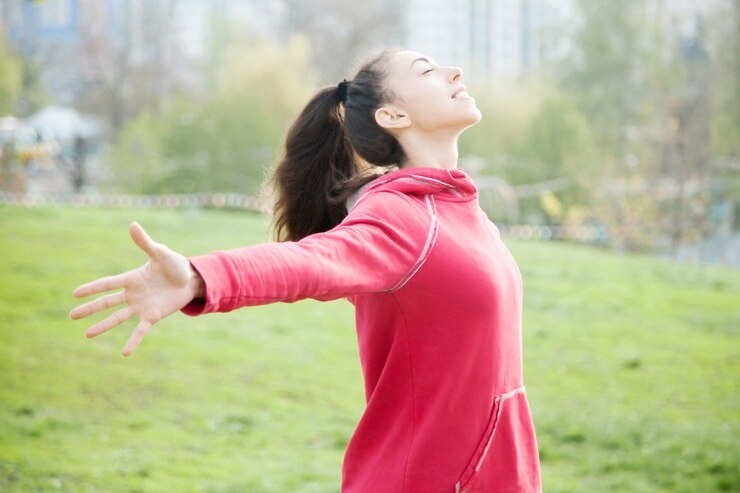
How to apply pratyahara, in our daily life, explain with an example. Pratyahara is the practice of withdrawing one’s senses from environmental influences – food, impressions & associations. This includes nourishment of one’s body with (food), the inferences and attitudes we form (impressions) and interpersonal relations (associations). It is the ultimate mastery over oneself. It is a sense of controlled detachment where one is not attaching either positive or negative emotions to the stimuli. The sensation stops are perception without forming an association. The practice of Pratyahara is especially vital when dealing with loss of any kind. Loss of a jot, a possessed material, or a loved one. Yes, it important to be affectionate and grateful of the people and the things hut it is also important to not let anything, or anyone overpower our senses. While dealing with loss of a job or a possessed material, the practice of pratyahara protects the individual from becoming pessimistic. While dealing a loss of loved ones , Pratyahara enables the individual to grieve and mourn in a healthy way, without letting the loss affect other parts of functioning and not letting it become delimitating.
Purvottanasana(Upward Plank Pose or Intense East Stretch Pose)
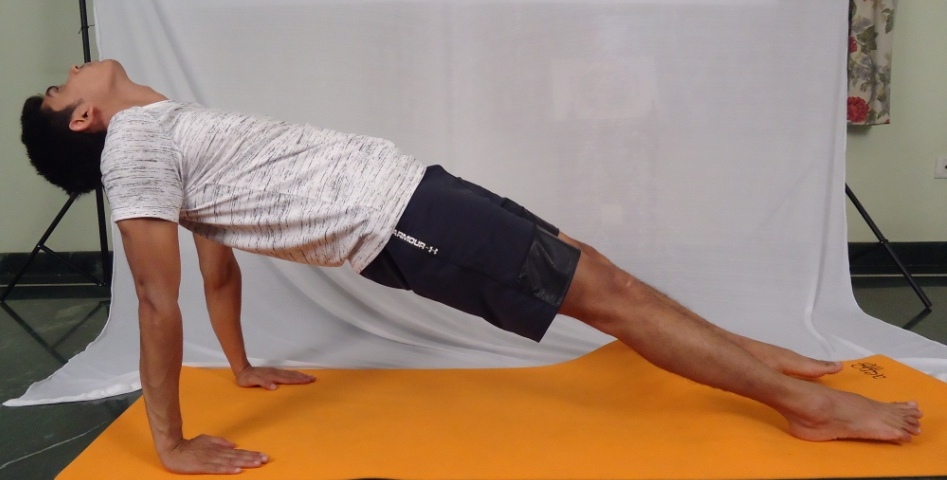
Purvottanasana(Upward Plank Pose or Intense East Stretch Pose) This is the intense eastward stretch. Start by lying flat on your back on the floor, your legs stretched out in front of you. Your arms are by your side, palms on the floor by the hips, your fingers pointing in the direction of the feet. Exhale and lift off the ground so that you are balancing on the palms of your hands and the soles of your feet. Your arms are perpendicular to the floor. Stretch your neck and hold your head back. Breathe easily for one minute to thirty seconds. Then lower back down and relax. Precaution: Neck weakness Shoulder or wrist concerns High blood pressure, heart disease, cervical spondylosis, hernia, stomach ulcers or weak wrists. Benefits: This asana has similar benefits to chakrasana. It is generally strengthening for shoulders, thighs and wrists, and also tones the lumbar region of the spine and the Achilles tendons.