
Trauma-Sensitive Yoga Nidra (60–90-Minute): Releasing Emotional Blockages and Cultivating Inner Healing
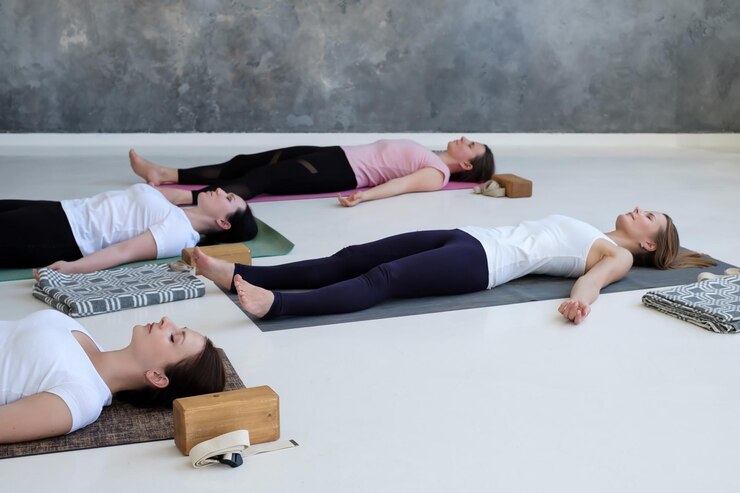
DOWNLOAD PDF FILE HERE https://www.scribd.com/document/1096425623/Trauma-Sensitive-Yoga-Nidra-60-90-Minute-Releasing-Emotional-Blockages-and-Cultivating-Inner-Healing-pictue-pdf Trauma-Sensitive Yoga Nidra (60–90-Minute): Releasing Emotional Blockages and Cultivating Inner Healing Introduction This guided Yoga Nidra practice is designed to cultivate inner safety, grounding, emotional awareness, self-compassion, and deep relaxation. Through breath awareness, systematic body rotation, visualization, affirmations, and mindful observation, practitioners are invited to develop a gentler relationship with their inner experiences. The practice does not require participants to revisit traumatic memories, identify painful experiences, or force emotional release. Instead, it offers opportunities to observe sensations, thoughts, and feelings from a position of choice and compassion. Important guidance for the teacher: This practice is intended as a supportive relaxation and self-awareness experience, not as a treatment for PTSD or trauma. It is not a substitute for psychotherapy or medical care. Never promise that trauma will be released or healed through visualization. Allow participants to keep their eyes open, change positions, pause, or discontinue any exercise. If an experience becomes overwhelming, guide them towards present-moment sensory grounding. Chapter 1: Introduction and Preparation Creating a Comfortable and Supportive Environment Welcome to this guided Yoga Nidra practice for emotional relaxation, grounding, and inner healing. Today, we will create a quiet space in which you can rest, observe your inner experiences, and reconnect with the natural support available in the present moment. There is nothing you need to achieve during this practice. You do not need to solve any problems, understand every emotion, or change anything about yourself. Simply allow yourself to be here. Begin by finding a comfortable position. Traditionally, Yoga Nidra is practised in Shavasana, lying on the back with the legs extended and the arms resting gently beside the body. However, you are welcome to choose another position that feels more comfortable and supportive. You may lie on your side, rest in a reclined position, or sit comfortably with the support of cushions and blankets. Allow your body to receive whatever support it needs. If lying down does not feel comfortable, there is no reason to force yourself to remain in that position. You may keep your eyes open or softly focus on a familiar object in the room. Throughout this practice, you remain in control of your experience. You may move whenever necessary. You may open your eyes, adjust your posture, or take a break. There is no requirement to remain completely still. Take a moment to notice the space around you. Notice the temperature of the room. Become aware of the sounds nearby and the natural rhythm of your breathing. You do not need to change anything. Simply recognise that you are here, in this present moment. Pause for 1–2 minutes. Now gently notice the surface supporting your body. Feel the places where your body makes contact with the ground, mattress, or cushion. Notice the support beneath your head, shoulders, back, hips, arms, and legs. Allow yourself to recognise that you do not have to hold your entire body up by yourself. The surface beneath you is providing support. If it feels comfortable, allow your muscles to soften slightly. Relax your forehead. Soften the muscles around your eyes. Allow your jaw to become relaxed. Let your shoulders settle naturally. There is no need to force relaxation. Even a small amount of ease is enough. Pause for 1 minute. Silently remind yourself: I am here. I have choices. I can move whenever I need to. I give myself permission to rest. Chapter 2: Grounding Through Natural Breath Awareness Observing the Breath Bring your awareness towards your natural breathing. Notice the air entering through your nostrils. Feel the gentle movement of the breath as it enters and leaves your body. Observe the natural expansion of your chest and abdomen as you inhale. Notice the gentle release as you exhale. There is no need to breathe deeply or control the rhythm. Simply observe the breath as it is. If you find it comfortable, you may allow your exhalation to become slightly longer than your inhalation. For example, breathe in gently for a count of three and breathe out comfortably for a count of four or five. There is no need to hold your breath. If counting creates tension, release the counting and return to natural breathing. Let us begin together. Inhale gently. One… two… three… Exhale softly. One… two… three… four… Again, inhale gently. One… two… three… Exhale slowly. One… two… three… four… Continue at your own comfortable pace. Pause for 2 minutes. Allow the breath to return to its natural rhythm. Notice how the body moves without requiring conscious effort. The breath continues to flow. You do not need to control every inhalation or exhalation. Simply become a gentle observer. As you inhale, notice the sensation of receiving. As you exhale, notice the possibility of softening. There is no need to release anything deliberately. Allow the breath to remind you that you are present. Feel the weight of your body resting on the supporting surface. Notice the points of contact beneath you. Your feet are resting. Your legs are resting. Your back is resting. Your arms are resting. Your head is resting. Feel the steady relationship between your body and the ground beneath you. Pause for 2 minutes. Grounding Through the Five Senses Now gently expand your awareness beyond the breath. Notice three sounds around you. They may be close or distant, familiar or unfamiliar. There is no need to identify them. Simply hear them. Notice the temperature of the air touching your skin. Feel the texture of the clothing against your body. Notice the support beneath you. If your eyes are open, allow yourself to observe the colours and shapes around you. If your eyes are closed, simply recognise the darkness or natural patterns behind your eyelids. Allow your senses to remind you of the present moment. Silently repeat: I am here in the present. I can notice my surroundings. I can choose what feels comfortable. Pause for 1 minute. Chapter 3: Connecting with Your Inner Refuge Discovering a Personal Place of Comfort
Self-Inquiry Guided Meditation – Chidakasha Dharana(60–90-Minute)
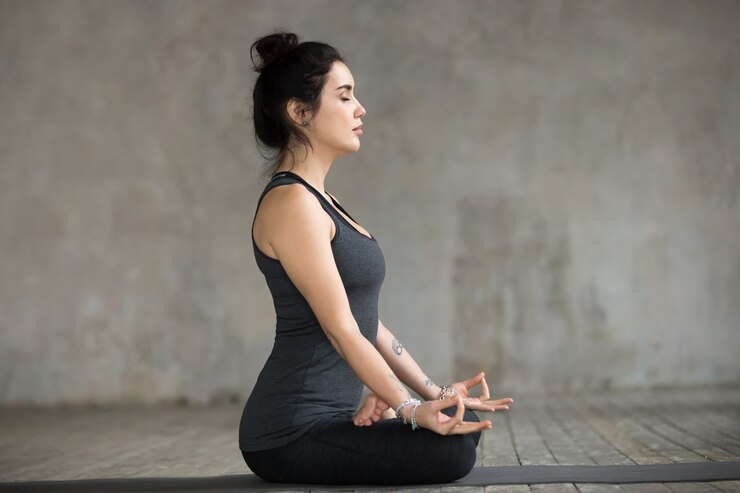
DOWNLOAD PDF HERE https://www.scribd.com/document/1096425634/Self-Inquiry-Guided-Meditation-Chidakasha-Dharana-with-Pictures-pdf Self-Inquiry Guided Meditation – Chidakasha Dharana(60–90-Minute) A Deep Meditation on the Knower, Inner Space, and Unified Consciousness Introduction: Discovering the Inner Space of Consciousness Welcome to this guided meditation on Chidakasha Dharana, the practice of awareness and concentration on the inner space of consciousness. The Sanskrit word Chidakasha is composed of two words: Chit, meaning consciousness or awareness, and Akasha, meaning space or ether. Chidakasha can therefore be understood as the inner space of consciousness, traditionally explored as the subtle mental space perceived behind the closed eyes. Dharana means concentration, holding attention, or sustained awareness. Chidakasha Dharana is a meditative practice in which we turn our attention inward and observe the inner space, mental images, memories, thoughts, and subtle movements of consciousness. This meditation also introduces the method of self-inquiry. Rather than becoming completely absorbed in thoughts and mental images, we learn to recognise the one who is aware of them. Throughout this practice, we will explore an important question: Who is the knower of my experience? You will gradually move from awareness of the physical body to awareness of the breath, from the breath to the inner space, and from the inner space towards the silent witness. You may experience darkness, colours, light, abstract patterns, memories, or spontaneous mental images. You may also experience no particular visual activity. All these experiences are normal variations in meditation. There is no need to create or force any visual experience. The purpose is not to achieve a special vision. The purpose is to develop steady awareness, self-observation, and a deeper understanding of the relationship between the mind and the awareness that knows it. Find a quiet place where you will not be disturbed. Allow yourself enough time to complete the practice without rushing. Let us begin. Chapter 1: Preparing the Body – Establishing Physical Stillness 1.1 Finding a Comfortable Meditation Posture Come into your preferred, comfortable meditation posture. You may sit in Sukhasana, Ardha Padmasana, Padmasana, Vajrasana, or on a chair with both feet resting comfortably on the floor. Choose a position that allows you to remain stable and relaxed. Allow your sitting bones to rest evenly on the cushion or floor. Gently lengthen your spine. Keep your back naturally upright without creating stiffness or unnecessary muscular effort. Allow your shoulders to relax. Gently tuck your chin slightly towards your chest, allowing the back of your neck to lengthen. Keep the head balanced and comfortable. Place your hands on your knees in Chin Mudra or Jnana Mudra, or simply rest your hands together in your lap. Let your fingers remain relaxed. Gently close your eyes. Relax your lips and allow the mouth to remain softly closed. Withdraw your attention from external activities and begin to turn inward. There is nothing else you need to attend to at this moment. Allow yourself to become fully present. Pause for 30 seconds. 1.2 Becoming the Silent Witness Now bring your awareness to the entire physical body. Become aware of your posture. Notice the symmetry of the body. Feel the balanced position of your head, shoulders, spine, arms, and legs. Notice the points where your body makes contact with the floor, cushion, or chair. Allow yourself to experience the body as a complete whole. Without moving, become aware of any areas of muscular tightness. Perhaps there is tension around the shoulders. Perhaps the lower back feels slightly uncomfortable. Perhaps there is tension in the forehead or jaw. Simply recognise these sensations. There is no need to judge them. Allow the shoulders to drop gently. Relax the muscles surrounding the neck. Unclench the jaw. Let the tongue rest naturally against the roof of the mouth, without pressing. Relax the muscles around the eyes. Soften the forehead. Release any unnecessary tension from the scalp. Allow the entire face to become peaceful. Pause for 45 seconds. Now observe the whole body as though you are witnessing it from a distance. You can feel the body. You can recognise its posture. You can observe its sensations. The body is present, and you are aware of it. Allow yourself to become the silent observer of these physical experiences. Do not identify with every sensation. Simply know that sensations are being experienced. Rest as the witness. Pause for 60 seconds. 1.3 Awareness of Natural Breathing Now gently bring your attention towards the breath. Notice the spontaneous movement of breathing. Feel the air entering through the nostrils. Feel the air leaving through the nostrils. Notice the subtle expansion of the chest and abdomen. There is no need to regulate or modify the breath. Allow it to move naturally. The breath may be deep or shallow. It may be smooth or slightly irregular. Whatever its present rhythm, allow it to be. Remain fully present with yourself. The body is sitting. The breath is moving. Awareness is observing. Pause for 60 seconds. Let the physical body become still. Let the breath remain natural. Allow the mind to settle without force. You are ready to begin the practice of self-inquiry. Chapter 2: Inquiring into the Knower – Who Am I? 2.1 Recognising the Feeling of Being Present Now bring your attention to the simple feeling: I am sitting. Notice this experience. You are sitting in a particular posture. Your body is supported. Your eyes are closed. Your breath is moving naturally. There is a simple awareness of being here. Do not analyse this experience. Just recognise it. The feeling of sitting is known. The feeling of breathing is known. The sensation of the body is known. Now gently ask yourself: Who knows that I am sitting? Allow the question to arise softly within the mind. Do not search for an intellectual answer. Do not repeat the question mechanically. Instead, allow your attention to turn back towards the one who knows. Pause for 60 seconds. 2.2 Turning Attention Towards the Knower You can observe your body. You can observe your breath. You can observe your thoughts. You can observe your emotions. But
Panchakosha Guided Meditation for Wellbeing
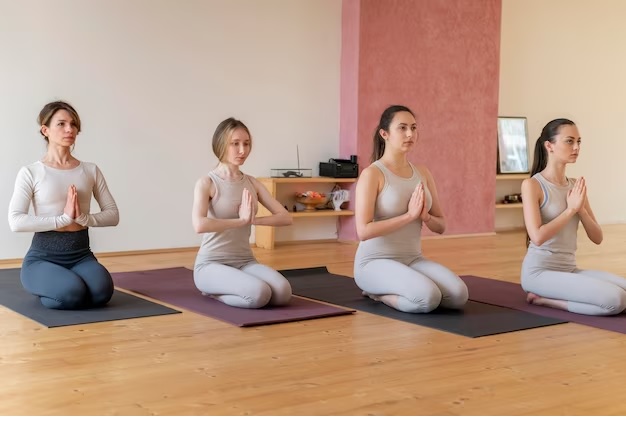
DOWNLOAD PDF FILE HERE https://www.scribd.com/document/1096029632/Panchakosha-Guided-Meditation-for-Wellbeingzz-pdf Panchakosha Guided Meditation for Wellbeing A 60–90-Minute Guided Journey Through the Five Layers of Being Chapter 1: Introduction to Pancha Kosha Meditation Namaste. Welcome to this guided Panchakosha meditation, a journey of relaxation, self-awareness and inner exploration. Today, we will gently explore the five koshas described in the traditional Indian yogic system. The word Pancha means five, and Kosha means sheath, covering or layer. Together, Panchakosha refers to the five dimensions through which human experience is understood in yogic philosophy. These five koshas are Annamaya Kosha, Pranamaya Kosha, Manomaya Kosha, Vijnanamaya Kosha and Anandamaya Kosha. The first is Annamaya Kosha, the physical body, which is nourished by food and supported by the natural world. The second is Pranamaya Kosha, the vital-energy dimension, associated with breath and the movement of life force. The third is Manomaya Kosha, the mental and emotional dimension, through which we experience thoughts, feelings, memories and sensory impressions. The fourth is Vijnanamaya Kosha, the dimension of discernment, understanding, insight and inner wisdom. The fifth is Anandamaya Kosha, the dimension traditionally associated with deep contentment, peace and bliss. According to yogic philosophy, these five koshas offer a map for understanding the relationship between the body, breath, mind, wisdom and our deepest sense of being. During this meditation, we will gradually move our awareness from the physical body towards the more subtle dimensions of experience. We will not try to force any particular sensation or spiritual experience. There is nothing to achieve and nothing to prove. Simply allow yourself to observe whatever is happening within you. If you find yourself overwhelmed by daily responsibilities, constant thinking, emotional challenges or the demands of life, this practice can provide an opportunity to pause and reconnect with yourself. As you practise regularly, you may become more familiar with your physical sensations, breathing patterns, emotional responses and thought processes. This awareness can support greater calmness, self-understanding and thoughtful responses to everyday situations. Remember that meditation is not about escaping life. It is about learning to meet life with greater awareness. For this practice, choose a quiet and comfortable place. Do not listen while driving or operating machinery. If any part of the meditation feels uncomfortable, you may open your eyes, change position or stop the practice. Let us begin. [Pause for 30 seconds.] Chapter 2: Preparation and Initial Relaxation Finding a Comfortable Position Choose a comfortable position for your meditation. You may sit on a chair, sit cross-legged on a meditation cushion, or lie down in Shavasana. If you are sitting, allow your spine to remain naturally upright. Relax your shoulders and let your hands rest comfortably on your thighs or in your lap. If you are lying down, allow your legs to rest slightly apart. Keep your arms beside your body, with the palms facing upward or resting naturally. Support your head, knees or lower back with cushions if necessary. Make any adjustments now so that your body can remain comfortable. Gently close your eyes if that feels safe and comfortable. Allow your face to soften. Relax your forehead. Release the muscles around your eyes. Relax your cheeks. Allow the jaw to loosen. Let your tongue rest naturally inside your mouth. There is no need to hold any tension in your face. [Pause for 30 seconds.] Accepting the Present Moment Bring your awareness to the body. Notice how you are feeling at this moment. Perhaps you feel relaxed. Perhaps you feel tired. Perhaps the mind is active, with many thoughts moving through it. Whatever is happening, simply acknowledge it. You do not have to make yourself feel peaceful. You do not have to stop your thoughts. You do not have to change your emotions. For now, allow everything to be as it is. If thoughts appear, imagine them as clouds moving across the open sky. Some clouds may be small and light. Some may be large and dark. Some may move quickly, while others may remain for a little longer. The sky does not need to hold on to the clouds or push them away. In the same way, allow thoughts to arise and pass naturally. Remind yourself: There is nothing to fix. There is nothing to change in this moment. I am here. I am present. I am allowing myself to rest. [Pause for 1 minute.] Let your awareness become gentle and steady. Feel the body resting. Feel the support beneath you. Allow the breath to move naturally. With every comfortable exhalation, release unnecessary effort. You are giving yourself permission to pause. [Pause for 1 minute.] Chapter 3: Annamaya Kosha – Awareness of the Physical Body Understanding the Physical Layer We will now begin our journey through the first kosha, Annamaya Kosha. The word Anna means food or nourishment. Annamaya Kosha refers to the physical body, which is formed and sustained through nourishment. This is the body we experience through touch, movement, temperature, pressure and the five senses. For this part of the practice, we will gradually move our attention through different parts of the body. There is no need to move physically. Simply notice the sensations that are already present. Awareness of Body Weight and Support Become aware of the weight of your body. Feel the weight of your head. Feel the weight of your shoulders. Feel the weight of your arms and hands. Notice the weight of your chest and abdomen. Feel the weight of your hips, thighs, legs and feet. Allow the body to be supported by the surface beneath you. Notice the contact between your body and the chair, cushion, mat or floor. If your feet are touching the ground, become aware of that contact. Notice the temperature of the floor. Notice the pressure beneath your feet. Feel the soles of your feet resting. If you are lying down, notice the contact of your heels, legs, pelvis, back, shoulders and head with the supporting surface. You do not need to analyze these sensations. Simply experience them. [Pause for 1 minute.] Imagine
Mindfulness Meditation for Being Present
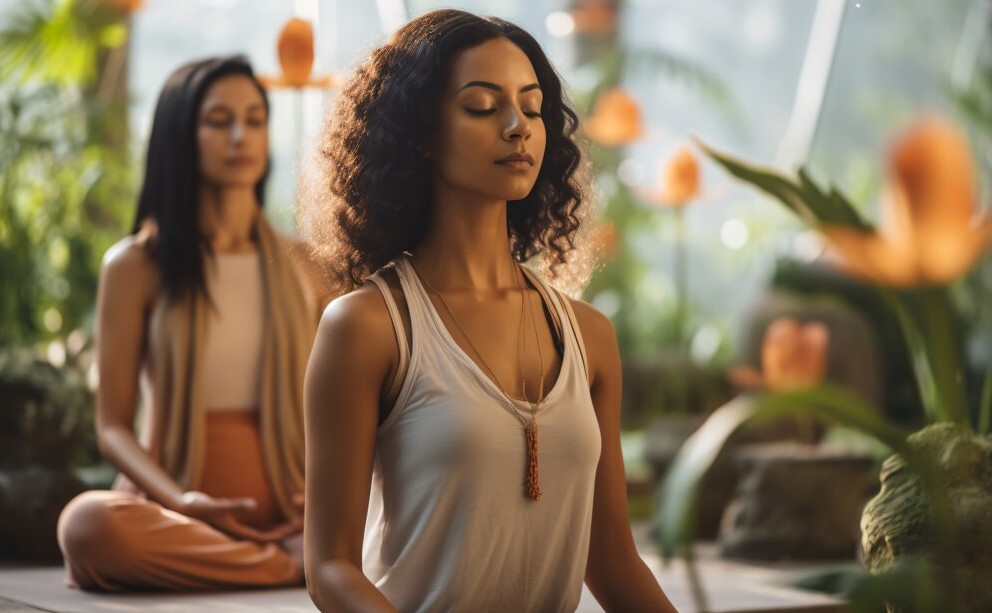
DOWNLOAD PDF HERE https://www.scribd.com/document/1096425628/Mindfulness-Meditation-for-Being-Present-Pictures-pdf Mindfulness Meditation for Being Present Version 2 – A Deep 90-Minute Guided Meditation for Present-Moment Awareness Chapter 1: Welcome and Introduction to Mindfulness Welcome to this guided mindfulness meditation. Today, we are going to explore the art of being present. We will learn to slow down, become aware of our breathing, observe the physical body, recognise our thoughts and emotions, and develop a deeper connection with the present moment. Mindfulness is the ability to pay attention to our present experience with openness and without unnecessary judgment. It is a simple practice, but it can transform the way we relate to ourselves and the world around us. Throughout the day, our minds are often occupied with different things. We remember past experiences, think about unfinished responsibilities, plan future activities, and sometimes worry about situations that may never happen. While the mind is occupied with these thoughts, we may overlook what is happening right now. We may eat without noticing the taste of food. We may walk without noticing the ground beneath our feet. We may listen to someone while thinking about what we are going to say next. Mindfulness invites us to return. It reminds us that life is experienced one moment at a time. This meditation is an opportunity to pause and become aware of the experience that is already taking place within you. You do not need to change your personality. You do not need to stop thinking. You do not need to force yourself to feel peaceful. Instead, you will practise observing what is happening with patience and kindness. If the mind wanders, bring it back. If thoughts arise, observe them. If emotions appear, acknowledge them. If the body feels uncomfortable, make the necessary adjustments. There is no competition and no particular experience that you must achieve. Simply allow yourself to participate in the practice. Pause for 1 minute. Chapter 2: Preparing the Body and Creating a Comfortable Space Find a quiet place where you can remain undisturbed for the duration of this meditation. Choose a comfortable seated position or lie down in Shavasana. If you are sitting, allow the spine to remain naturally upright. Relax the shoulders and place your hands comfortably on your thighs or knees. If you are lying down, allow your legs to rest naturally apart and your arms to remain beside your body. You may use a cushion beneath your head, knees, or lower back. Make any necessary adjustments now. Allow your clothing to feel comfortable. If you are wearing glasses, you may remove them if that is more comfortable. Gently close your eyes, or keep them softly open if you prefer. Take a moment to notice the space around you. Notice the sounds in the room. Notice the temperature of the air. Feel the surface supporting your body. You have arrived at this moment. For the duration of this practice, allow yourself to step away from unnecessary activity. There may still be responsibilities waiting for you after the meditation. You do not need to solve them now. Give yourself permission to rest and observe. Silently repeat: For these few moments, I allow myself to be present. I give myself permission to slow down. I am here, and this moment is enough. Pause for 2 minutes. Chapter 3: Awareness of the External Environment Before turning your attention inward, become aware of the environment around you. Listen carefully. Notice the sounds that are close to you. Perhaps you hear the sound of a fan, air conditioning, a clock, or someone moving nearby. Now notice sounds that are farther away. Perhaps you hear traffic, birds, distant voices, or sounds from the natural environment. Do not try to identify every sound. Simply recognise that sounds are appearing in your awareness. Some sounds may be continuous. Others may arise briefly and disappear. Allow each sound to come and go without following it. Now become aware of the temperature of the air touching your skin. Notice whether the air feels warm, cool, or neutral. Feel the contact of your clothing against your body. Notice the support beneath your feet, legs, back, or hands. Allow the senses to become quiet and receptive. You are not trying to escape the world around you. You are learning to experience it more consciously. The present moment includes everything you can hear, feel, and notice. Remain with this simple awareness. Pause for 2 minutes. Chapter 4: Mindful Breath Awareness Observing the Breath Without Changing It Now gently bring your attention to your breathing. Notice the air entering through your nostrils. Feel the subtle sensation of inhalation. Notice the movement of the air as you breathe out. Do not control the breath. Allow the body to breathe naturally. Perhaps the breath is slow. Perhaps it is slightly fast. Perhaps it is shallow or deep. There is no need to make any adjustment. Simply observe. Feel the chest gently expanding during inhalation. Notice the abdomen moving naturally. As you breathe out, observe the chest and abdomen settling. Let your attention follow the complete breathing cycle. Inhalation begins. The breath moves inward. Exhalation begins. The breath moves outward. Each cycle gives you another opportunity to experience the present moment. Pause for 2 minutes. Following the Breath at the Nostrils Bring your attention to the entrance of the nostrils. Notice the sensation of the air passing through this area. Feel the subtle difference between the incoming and outgoing breath. The incoming air may feel slightly cooler. The outgoing air may feel slightly warmer. Remain curious about these small sensations. Do not expect every breath to feel the same. Some breaths may be more noticeable than others. If your mind becomes distracted, gently return your attention to the nostrils. You may silently say: Breathing in, I know I am breathing in. Breathing out, I know I am breathing out. Continue observing. Pause for 3 minutes. Following the Breath Through the Body Now expand your awareness beyond the nostrils. Feel the movement of the
Guided Loving-Kindness Meditation (Metta Bhavana) 60–90-Minute

DOWNLOAD FILE HERE https://www.scribd.com/document/1096211085/Guided-Loving-Kindness-Metta-Bhavana-18-Illustrations-pdf Guided Loving-Kindness Meditation (Metta Bhavana) 60–90-Minute Introduction: Understanding Loving-Kindness Meditation Loving-kindness meditation, traditionally known as Metta Bhavana, is a contemplative practice rooted in Buddhist teachings. The Pali word Metta refers to friendliness, goodwill, benevolence, and unconditional kindness. The word Bhavana means cultivation or development. Therefore, Metta Bhavana means the cultivation of loving-kindness. In this meditation, we consciously develop an attitude of friendliness towards ourselves and gradually extend that goodwill towards other people and all living beings. We begin with ourselves, then include the people and beings around us, our neighbourhood, our city, our country, the entire world, and finally the whole universe. Loving-kindness does not mean that we must like everyone, agree with everyone, or accept harmful behaviour. It means developing an intention that ourselves and others may experience safety, peace, happiness, and freedom from unnecessary suffering. This practice is not about forcing emotions or pretending to feel something that is not naturally present. Sometimes we may experience warmth, tenderness, happiness, or gratitude. At other times, we may feel neutral, distracted, or emotionally distant. Every experience can be welcomed with patience. The purpose is to cultivate a gentle intention of goodwill, allowing it to become more familiar through repeated practice. Chapter 1: Preparation and Awareness Establishing a Comfortable Meditation Posture Welcome to this guided loving-kindness meditation. Begin by finding a comfortable and quiet place where you can practise without unnecessary interruptions. Allow yourself enough time to settle down without feeling rushed. Sit in a comfortable meditation posture. You may sit cross-legged on a cushion, on a meditation mat, or on a chair with your feet resting naturally on the floor. If sitting is uncomfortable, you may also practise in a supported lying position. Allow your spine to become naturally upright. There is no need to make the back rigid or stiff. Imagine that the crown of your head is gently rising towards the sky while your shoulders soften downwards. Relax your shoulders. Allow your arms to rest comfortably beside your body or on your thighs. Turn your palms upwards if that feels welcoming, or allow them to rest naturally. Gently release the muscles around your neck. Relax your forehead, your eyes, your cheeks, and your jaw. Allow your tongue to rest comfortably inside your mouth. When you are ready, gently close your eyes. Pause for 30 seconds. Take a moment to notice the physical body. Feel the contact between your body and the surface supporting you. Notice the weight of your legs, the position of your hands, and the natural movement of your chest and abdomen. There is nowhere else you need to go. There is nothing else you need to accomplish during this time. Allow yourself to arrive fully in this moment. Becoming Aware of the Breath Bring your attention gently towards your breathing. Notice the breath entering through the nostrils. Notice the breath leaving through the nostrils. Feel the subtle movement of the chest and abdomen. As you inhale, simply recognise that you are breathing in. As you exhale, recognise that you are breathing out. Do not try to make your breathing deeper, slower, or more controlled. Allow it to remain natural. With every exhalation, invite the shoulders to soften. With every inhalation, become aware of the gentle movement of life within the body. Pause for 1 minute. If your mind moves towards thoughts about the past or future, gently acknowledge those thoughts and return to the breath. There is no need to fight with the mind. There is no need to stop thinking. Simply return to the present moment with kindness. Establishing the Intention of Metta Today, we are practising loving-kindness. We are not trying to manufacture a particular emotion. We are simply creating the intention to relate to ourselves and others with greater friendliness, understanding, and compassion. Let the following reflection arise gently: May this practice help me cultivate a peaceful heart. May I develop kindness towards myself. May I learn to extend kindness towards others. May I become more patient, understanding, and compassionate. Allow these intentions to settle quietly within you. Pause for 1 minute. Chapter 2: Cultivating Loving-Kindness Towards Yourself 2.1 Turning Attention Towards the Heart We begin this practice by directing loving-kindness towards ourselves. Often, we spend much of our time caring for other people, fulfilling responsibilities, managing expectations, and responding to the demands of everyday life. In the middle of these responsibilities, we may forget to offer ourselves the same kindness that we naturally offer to others. For the next few minutes, allow yourself to receive your own goodwill. Bring your attention gently towards the centre of your chest. You may place one or both hands over your heart if that feels comfortable. Notice the natural movement of your breathing in the chest area. You do not need to create any special sensation. Simply rest your attention here. Imagine that you are offering yourself a gentle message of friendship. You are worthy of care. You are worthy of respect. You are worthy of kindness. You do not need to become perfect before you can treat yourself with compassion. You can acknowledge your limitations while continuing to honour your own dignity. Pause for 1 minute. 2.2 Accepting Yourself in the Present Moment Bring awareness to the person you are today. Recognise that your life contains many different experiences. There may be moments of happiness, moments of uncertainty, moments of achievement, and moments of difficulty. You may have made decisions that you feel proud of. You may also remember mistakes or situations that you wish had happened differently. For this moment, allow yourself to put down the burden of judgement. You do not need to solve every problem right now. You do not need to correct every mistake in this moment. You are simply learning to meet yourself with understanding. Silently repeat: I offer myself kindness. I accept myself with patience. I allow myself to grow and learn. I deserve care and respect. Pause for 1 minute. 2.3 Traditional
Yoga Nidra: Trauma-Informed Inner Child Healing (60–90-Minute)

Yoga Nidra: Trauma-Informed Inner Child Healing (60–90-Minute) Deep Relaxation, Emotional Awareness, Self-Compassion and Inner Child Connection Introduction Yoga Nidra is a guided practice of conscious relaxation that invites the body into deep rest while maintaining a gentle awareness of the present moment. It provides an opportunity to observe physical sensations, emotions, thoughts, and inner experiences without needing to change, judge, or control them. This trauma-informed Yoga Nidra practice focuses on connecting with the inner child through compassion, acceptance, emotional awareness, and a sense of personal choice. The inner child represents a way of understanding younger parts of ourselves, including memories, feelings, needs, innocence, creativity, vulnerability, and experiences from earlier stages of life. Throughout this practice, you will be invited to explore an inner landscape where you may encounter a younger version of yourself. You are not required to revisit painful memories or experience any particular emotion. You may imagine a child, sense a presence, notice an emotion, or simply remain connected to your breath. There is no correct or incorrect way to experience this meditation. The most important principle is that you remain in control. You may open your eyes, change your position, pause the practice, or return your attention to the physical surroundings whenever you need. This practice is an invitation to develop a compassionate relationship with yourself. It is not a replacement for trauma-focused psychotherapy or professional mental health care. If strong emotional responses arise, you may choose to stop the visualization and seek support from a qualified professional. Chapter 1: Preparation, Safety and Establishing a Comfortable Position Begin by finding a quiet and comfortable place where you can relax without interruption. You may practise Yoga Nidra lying on your back in Shavasana, resting on your side, sitting comfortably in a supported position, or choosing any posture that feels safe and appropriate for your body. If you are lying down, you may place a cushion beneath your knees, support your head with a pillow, or cover yourself with a blanket. Allow your arms to rest naturally beside your body, with your palms facing upward or downward, whichever feels more comfortable. You may keep your eyes gently closed or leave them slightly open with a soft gaze. Take a moment to adjust your position. There is no need to force your body into stillness. Although Yoga Nidra traditionally involves remaining physically quiet, you are welcome to move whenever necessary. Your comfort is more important than maintaining a particular posture. Pause for 1 minute. As you settle into this space, remember that you have choices throughout the practice. You do not need to follow every instruction. You may simply listen to my voice and choose what feels appropriate. If any visualization feels uncomfortable, return to the sensation of your feet, your hands, or the surface supporting your body. If you notice an emotion arising, allow yourself to acknowledge it without feeling that you must investigate it. You are here in the present moment. You are an adult in the present, with the ability to make choices about your experience. Take a gentle breath and acknowledge that you have given yourself this time for rest and self-care. Pause for 1 minute. Silently remind yourself: I am allowed to take my time. I am allowed to make choices. I do not have to experience anything that feels uncomfortable. I can return to the present moment whenever I need. Chapter 2: Natural Breathing and Relaxation Now bring your attention towards your natural breathing. There is no need to change the rhythm of your breath. Simply notice the air entering through your nostrils. Notice the gentle movement of your chest and abdomen. As you inhale, the abdomen may rise slightly. As you exhale, it may gently fall. Observe this natural movement without trying to make your breathing deeper or slower. Pause for 1 minute. Feel the gentle rhythm of inhalation and exhalation. The breath is moving naturally, whether or not you pay attention to it. You do not need to control every breath. Allow the shoulders to soften. Allow the muscles around the face to relax. Notice the forehead, the space between the eyebrows, and the muscles surrounding the eyes. Let the jaw become soft. Allow the tongue to rest comfortably inside the mouth. Notice the throat and the back of the neck. With each comfortable exhalation, allow unnecessary muscular effort to soften. Pause for 2 minutes. Now bring your attention towards your abdomen. Notice the gentle movement of the belly as you breathe. If it feels comfortable, allow the abdominal muscles to soften. Notice the movement around the ribs and the sides of your waist. Bring awareness towards the lower back, the pelvis, and the hips. Allow the body to receive the support beneath it. There is nothing you need to hold together right now. You may simply rest. Pause for 2 minutes. Now observe the natural space between one breath and the next. Do not hold your breath deliberately. Simply notice the quiet transition between inhalation and exhalation. Remain aware of the breath as a gentle companion throughout this practice. Chapter 3: Connecting with the Earth and Developing Inner Safety Bring your attention towards the points where your body touches the ground or the surface beneath you. Notice the contact beneath the back of your head. Feel the support beneath your shoulders. Notice the contact beneath your arms, your back, your pelvis, your legs, and your feet. You may become aware of the weight of your body resting on the surface. Allow yourself to recognise that you do not need to support your entire body through muscular effort at this moment. The ground is beneath you. The surface is supporting your weight. You may imagine the earth as a steady and dependable presence. If this image feels meaningful to you, imagine the natural strength of the earth extending beneath your body. Perhaps you imagine yourself resting on soft grass, warm soil, or a peaceful natural landscape. Or simply remain aware of
Vipassana Meditation: A Journey Through Breath, Body Sensations, and Impermanence (60–90-Minute)
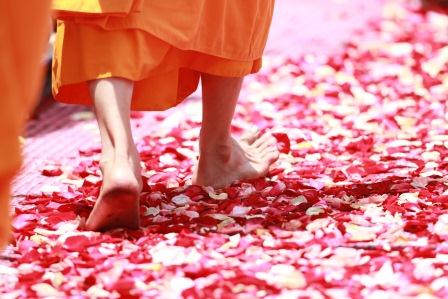
DOWNLOAD PDF HERE https://www.scribd.com/document/1096425644/Vipassana-Meditation-A-Journey-Through-Breath-Body-Sensations-and-Impermanence-60-Pictures-pdf Vipassana Meditation: A Journey Through Breath, Body Sensations, and Impermanence (60–90-Minute) Introduction to the Practice Vipassana is commonly translated as insight or clear seeing. It is a meditation practice in which we develop the ability to observe our direct experience with awareness, patience, and equanimity. In this practice, we will explore three important areas of meditation: Awareness of breathing: Observing the natural inhalation and exhalation without deliberately controlling the breath. Awareness of bodily sensations: Systematically observing sensations throughout the body, including warmth, coolness, pressure, tingling, tension, and subtle movement. Awareness of impermanence: Recognizing that sensations continually arise, change, and pass away. The purpose is not to produce special sensations, force the mind to become silent, or achieve a particular state. Instead, we practise observing whatever is present without immediately reacting to it. Chapter 1: Preparation and Setting Establishing a Comfortable Meditation Posture Welcome to this guided Vipassana meditation. Take a few moments to prepare yourself for the practice. Find a quiet place where you can sit comfortably without unnecessary interruption. You may sit cross-legged on a meditation cushion, on a yoga mat, or on a chair. If sitting on the floor is uncomfortable, there is no need to force yourself into that position. A stable chair is equally suitable for developing awareness. You may also practise in a supported lying position if sitting is not possible, although remaining comfortably alert may be more difficult. If you are sitting on a cushion, allow your pelvis to settle comfortably. Let your knees rest naturally. If necessary, place cushions beneath your knees for support. If you are sitting on a chair, allow both feet to rest on the floor. Let your hands rest gently on your thighs or in your lap. Now bring attention to your spine. Allow the back to be naturally upright without becoming rigid. Imagine that the crown of your head is gently lifting toward the ceiling while your shoulders remain relaxed. Keep your neck comfortable and your chin approximately parallel to the floor. Allow your chest to remain open without pushing it forward. Let your abdomen remain soft. Rest your hands comfortably. There is no need to maintain a perfectly motionless posture. If you experience discomfort, make a mindful adjustment. Pause for 60 seconds. Settling the Body and Mind Now allow your eyes to close gently, if that feels comfortable. If closing the eyes makes you uncomfortable, keep them partially open and allow your gaze to rest softly on the floor. Become aware of the space around you. Notice the sounds that are present. Perhaps you hear distant traffic, birds, a fan, or other ordinary sounds. Do not try to remove these sounds. Allow them to be part of your present experience. Notice the temperature of the room. Notice the contact between your body and the cushion or chair. Feel the weight of your hands resting. Feel the position of your feet. Allow yourself to arrive fully in this moment. You have set aside this time to observe your mind and body. There is nowhere else you need to be for the duration of this practice. Pause for 90 seconds. Establishing the Attitude of Vipassana Before beginning, understand that this meditation is not about creating a particular experience. You may feel peaceful, restless, comfortable, uncomfortable, alert, or sleepy. You may experience many thoughts. You may notice very subtle sensations, or you may feel only ordinary physical contact. All of these experiences are acceptable. Our task is simply to observe. Whenever you notice that your attention has wandered, gently recognize that the mind has wandered and return to the object of meditation. Do not criticize yourself. Do not become impatient. Every return to awareness is part of the practice. Let your attitude be one of curiosity, patience, and non-judgment. Pause for 60 seconds. Chapter 2: Awareness of Natural Breathing Observing the Inhalation and Exhalation Now gently bring your attention to the experience of breathing. There is no need to take a deep breath. There is no need to slow down your breathing. Allow the breath to move naturally. Simply recognize that you are breathing. Notice the beginning of an inhalation. Observe the breath as it continues. Notice the moment when the inhalation ends and the exhalation begins. Observe the exhalation as it leaves the body. Notice the natural pause, if there is one, before the next inhalation begins. Do not hold the breath deliberately. Simply observe the complete breathing cycle as it happens. Breathing in. Breathing out. The breath is your present-moment object of attention. Pause for 90 seconds. Discovering Where the Breath Is Most Noticeable Now explore where you can feel the breath most clearly. Perhaps you notice the abdomen gently expanding and settling. Perhaps you feel the movement of the rib cage. Perhaps the chest rises and falls. You may notice the shoulders moving very slightly. Or perhaps the clearest sensation is at the entrance of the nostrils, where the air touches the skin. There is no correct location that everyone must experience. Choose the area where breathing is easiest to observe. Allow your attention to remain there. If you feel the breath in the abdomen, observe the gentle movement of the abdominal wall. If you feel it in the chest, notice the expansion and relaxation of the chest. If you feel it at the nostrils, notice the subtle sensation of air entering and leaving. Stay with the actual physical sensation rather than imagining what the breath should feel like. Pause for 2 minutes. Observing the Breath Without Controlling It Now become more attentive to the natural characteristics of your breathing. Is the inhalation long or short? Is the exhalation long or short? Is the breath deep or shallow? Is it smooth, or does it feel slightly irregular? Do not attempt to change what you notice. If the breath is short, simply know that it is short. If it is long, know that it is long. If it feels deep, recognize that experience.
Full Moon Meditation: A Powerful Guided Practice to Uplift Your Energy (60–90)
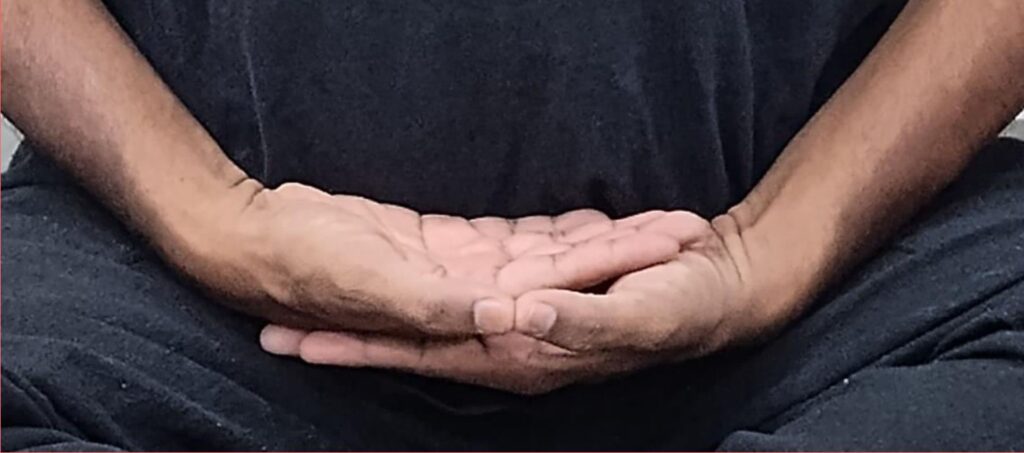
DOWNLOAD FILE HERE https://www.scribd.com/document/1095874384/Full-Moon-Meditation-A-Powerful-Guided-Practice-to-Uplift-Your-Energy-60-90 Full Moon Meditation: A Powerful Guided Practice to Uplift Your Energy (60–90) Introduction: The Significance of Full Moon Meditation Welcome, dear friends, to this special Full Moon Meditation. The full moon has been regarded with reverence in many spiritual traditions. Its brightness, fullness, and calm presence offer a beautiful opportunity to pause, reflect, and reconnect with ourselves. Tonight, we will use the symbolism of the full moon as an invitation to experience inner clarity, peace, gratitude, and renewed inspiration. This meditation combines gentle breathing, systematic body relaxation, visualization of white and golden light, and the traditional yogic concept of Hiranya Garbha, often translated as the golden womb or cosmic source. You do not need to create any special experience. You do not need to see colours, images, or lights clearly. Simply listen to the instructions and allow your imagination to participate naturally. If you experience any discomfort, you may open your eyes, change your posture, or return your attention to the physical sensations of your body. Let this be a gentle and nourishing journey. Chapter 1: Preparation and Meditation Posture Finding a Comfortable Position Begin by choosing a comfortable meditation posture. You may sit on the floor in Sukhasana, with your legs comfortably crossed. If sitting on the floor is difficult, you may sit on a chair with both feet resting naturally on the ground. You may also sit against a wall or use a cushion to support your back. There is no need to force the body into a particular position. Comfort and stability are more important than achieving a perfect posture. Gently lengthen your spine. Allow your shoulders to relax. Keep your head balanced comfortably over your neck. Rest your palms on your thighs, with the palms facing upward. Let your fingers remain soft and relaxed. If you prefer, you may place your hands gently on your knees. Allow your elbows to relax. Soften your shoulders and release any unnecessary tension from your arms. Close your eyes gently, if that feels comfortable. Alternatively, keep them partially open with a soft downward gaze. Take a moment to settle into your posture. Pause for 30 seconds. Feel the ground supporting your body. Become aware of the points where your body makes contact with the floor or chair. Notice the natural movement of your abdomen and chest as you breathe. There is nothing to achieve at this moment. You are simply giving yourself permission to be present. Pause for 1 minute. Establishing Inner Stillness Bring your attention to your entire body. Notice whether you are holding tension in your forehead, jaw, neck, shoulders, back, abdomen, or legs. There is no need to analyse these sensations. Simply notice them. With each natural exhalation, allow the body to soften a little more. Let your face relax. Let your shoulders move away from your ears. Allow your hands to become completely relaxed. Feel your body becoming steady, comfortable, and supported. Pause for 1 minute. Chapter 2: Nadi Shuddhi Breathing Preparation for Alternate-Nostril Breathing We will now begin a gentle practice of Nadi Shuddhi, also known as alternate-nostril breathing. In traditional yoga, Nadi Shuddhi is practised as a method of refining and balancing the flow of breath. It is commonly associated with a sense of mental steadiness and inner harmony. Before beginning, allow your breathing to remain natural. Bring your right hand into a comfortable position. You may use Vishnu Mudra or another comfortable hand position for alternate-nostril breathing. If using the right hand, gently fold the index and middle fingers toward the palm. Use the thumb to close the right nostril and the ring finger to close the left nostril. Keep your left hand relaxed on your thigh. Do not press the nostrils forcefully. If alternate-nostril breathing is uncomfortable, simply continue with natural breathing. Nine Rounds of Nadi Shuddhi Gently close the right nostril with your thumb. Inhale slowly through the left nostril. Close the left nostril with your ring finger and release the right nostril. Exhale gently through the right nostril. Now inhale through the right nostril. Close the right nostril and release the left nostril. Exhale slowly through the left nostril. This completes one round. Continue in the same manner, allowing the breath to remain smooth, quiet, and comfortable. Inhale through the left and exhale through the right. Inhale through the right and exhale through the left. Do not hold the breath. Do not attempt to make the inhalation or exhalation excessively long. Let the breath move at a natural and comfortable pace. Continue for approximately nine rounds, allowing 3–5 minutes. Experiencing Balance and Harmony After completing nine rounds, gently release your hand. Place both palms comfortably on your thighs. Allow your breathing to return to its natural rhythm. Notice the sensations around your nostrils. Feel the gentle movement of the breath entering and leaving your body. In traditional yogic symbolism, the two nostrils are associated with Ida and Pingala, representing complementary aspects of energy. You may imagine these two currents becoming balanced and harmonious. The left and right sides of your body feel relaxed. Your breathing feels gentle and steady. Your mind becomes quieter. Allow this image to remain only as a gentle visualization. There is no need to experience any particular sensation. Pause for 1 minute. Chapter 3: Deep Relaxation and Sankalpa Breathing into Relaxation Now allow both nostrils to remain open. Take a gentle, comfortable inhalation. As you breathe in, imagine that you are welcoming freshness, clarity, and vitality into your body. As you breathe out, allow unnecessary physical and mental tension to soften. Inhale gently. Feel the body becoming spacious. Exhale slowly. Feel the body becoming relaxed. Again, inhale and welcome a sense of freshness. Exhale and release unnecessary effort. Do not force the breath or strain the lungs. Allow the body to breathe naturally. Pause for 1 minute. Now imagine that every comfortable inhalation brings a gentle sense of renewal. Every comfortable exhalation invites relaxation. The muscles soften. The heartbeat continues naturally.
Chakra Meditation for Emotional Stability(60–90-minute)

DOWNLOAD PDF HERE https://www.scribd.com/document/1096216849/Chakra-Meditation-Cleansing-Balancing-and-Healing-60-90-Minute Chakra Meditation for Emotional Stability(60–90-minute) A Deep Chakra Awareness, Inner Balance and Emotional Harmony Meditation Introduction: Understanding Emotional Stability Welcome, everyone, to this guided meditation for emotional stability. Today, we are going to practise a deep meditation to develop emotional balance, inner stability, self-awareness and mental relaxation. Emotional stability does not mean that we never experience sadness, anger, fear, anxiety, frustration or disappointment. These emotions are natural parts of human life. Emotional stability means developing the ability to recognise our emotions, understand them and respond to them without becoming completely overwhelmed. Sometimes, a small incident can disturb our entire day. A few unpleasant words may create anger. An uncertain situation may create anxiety. A difficult memory may bring sadness. Expectations that are not fulfilled may create disappointment. When we are not aware of our emotional responses, we may react automatically. We may speak without thinking, suppress our feelings or become unnecessarily disturbed. Through meditation, we gradually develop the ability to pause, observe and respond consciously. In this practice, we will use gentle breath awareness, physical stillness and the traditional yogic system of chakra awareness. We will move our awareness progressively through the seven major chakras: 1.Muladhara Chakra – Root chakra. 2.Swadhisthana Chakra – Sacral chakra. 3.Manipura Chakra – Solar plexus chakra. 4.Anahata Chakra – Heart chakra. 5.Vishuddha Chakra – Throat chakra. 6.Ajna Chakra – Third-eye chakra. 7.Sahasrara Chakra – Crown chakra. Each chakra will serve as a point of meditative awareness associated traditionally with different aspects of human experience, such as stability, emotional flow, confidence, compassion, communication, clarity and spiritual awareness. Remember, these associations belong to the traditional yogic framework. The purpose of this practice is to develop mindful awareness, not to force sensations or expect particular experiences. There is nothing you need to achieve. Simply listen to the instructions and allow the practice to unfold naturally. Chapter 1: Preparation, Deep Breathing and Grounding Find a comfortable position. You may sit cross-legged on the floor, on a meditation cushion, or on a chair with your feet resting comfortably on the ground. If you prefer, you may also practise lying down in Shavasana. Allow your body to settle. Keep your spine naturally upright if you are sitting. Relax your shoulders. Allow your hands to rest gently on your thighs or knees. Gently close your eyes. Take a deep but comfortable breath in. Allow the chest and abdomen to expand naturally. Pause briefly at the end of the inhalation, without straining. And slowly breathe out. Release unnecessary muscular tension as you exhale. Again, take a comfortable breath in. Feel the air entering through your nostrils. Pause gently. And breathe out. Allow the body to become softer. Take one more slow, comfortable breath. And release. There is no need to hold your breath for a long time. Allow the breathing to remain easy and natural. Pause for 1 minute. Now notice your physical body. Feel the weight of your body resting on the ground or the supporting surface. Feel the contact between your feet and the floor. Feel the support beneath your sitting bones. Allow your shoulders to relax. Relax your forehead. Soften your facial muscles. Relax your jaw. Let the tongue rest naturally inside your mouth. Allow the entire body to settle. You have arrived in this moment. For the next few minutes, you do not need to think about your responsibilities, unfinished activities or future plans. Give yourself permission to rest. Pause for 2 minutes. Chapter 2: Physical Stillness and Complete Relaxation Now we are going to practise physical stillness. For this meditation, allow your body to remain as still as comfortably possible. Imagine your body as a peaceful statue. A statue does not need to perform any action. It simply remains still. In the same way, allow your body to rest. Do not unnecessarily move your hands, legs, head or shoulders. If you experience a small twitch, an itch or a spontaneous movement, there is no need to become disturbed. Observe the sensation. If it is comfortable to remain still, allow it to pass. However, if you experience pain or significant discomfort, adjust your posture gently. Physical comfort and safety are more important than maintaining stillness. Now bring your awareness to the entire body. Notice the forehead. The eyes. The cheeks. The jaw. The neck. The shoulders. The arms. The chest. The abdomen. The pelvis. The thighs. The knees. The lower legs. And the feet. Allow every part of the body to become relaxed. Pause for 2 minutes. Now let go of the effort to relax. You do not have to make relaxation happen. Simply listen to the instructions. Everything can unfold naturally. Allow your breathing to become quiet and comfortable. Allow your mind to become receptive. There is nothing you need to control. Pause for 2 minutes. Chapter 3: Muladhara Chakra – Root Chakra Awareness Developing Stability, Grounding and Security Now slowly bring your attention towards the base of the spine. This is the region associated with Muladhara Chakra, traditionally known as the root chakra. In the yogic tradition, Muladhara represents grounding, stability, security and our fundamental connection with the earth. For this meditation, gently bring your awareness to the pelvic floor and the base of the spine. There is no need to create any physical contraction. Simply become aware of this region. Feel the contact of your body with the cushion or the ground. Allow your attention to rest near the base of the spine. Do not concentrate forcefully. Do not try to produce any special sensation. Simply feel the entire region. Pause for 1 minute. Now imagine a small point of awareness at the base of the spine. It may appear as a tiny dot of light in your imagination. It may be red in colour, as traditionally associated with Muladhara. Or you may simply experience a sense of presence in that region. There is no need to visualise perfectly. Let your awareness remain gentle and effortless. Notice whether there are any
Navagraha Meditation: A Guided Journey Through the Nine Planetary Principles (60–90 minutes)

DOWNLOAD PDF FILE https://www.scribd.com/document/1096217549/Navagraha-Meditation-A-Guided-Journey-Through-the-Nine-Planetary-Principles-60-90-minutes Navagraha Meditation: A Guided Journey Through the Nine Planetary Principles (60–90 minutes) Introduction Navagraha Meditation is a contemplative practice inspired by the nine grahas of Indian spiritual and astrological traditions: Surya (Sun), Chandra (Moon), Mangala (Mars), Budha (Mercury), Brihaspati or Guru (Jupiter), Shukra (Venus), Shani (Saturn), Rahu, and Ketu. In Sanskrit, nava means nine, and graha refers to a planetary influence or celestial principle in the traditional Indian understanding. The Navagrahas are important in Hindu cosmology, astrology, temple worship, and spiritual practices. In this meditation, we will contemplate each graha through its traditional symbolic associations. Rather than treating planetary vibrations as scientifically established forces acting on particular organs or personality traits, we will use these associations as reflective themes for self-awareness. Each graha becomes an opportunity to explore a different quality within ourselves: Surya: vitality, confidence, clarity, and inner radiance. Chandra: emotional awareness, receptivity, and calmness. Mangala: courage, determination, and the wise use of energy. Budha: intelligence, communication, and discernment. Brihaspati: wisdom, integrity, knowledge, and guidance. Shukra: love, beauty, creativity, and appreciation. Shani: patience, discipline, responsibility, and perseverance. Rahu: ambition, desire, uncertainty, and the exploration of unfamiliar experiences. Ketu: detachment, introspection, simplicity, and spiritual reflection. The purpose of this practice is not to predict the future or change planetary positions. It is to use the traditional symbolism of the Navagrahas as a framework for reflection, gratitude, balance, and inner awareness. Chapter 1: Preparation, Grounding, and Opening Awareness Welcome to this Navagraha Meditation. Today, we will journey through the traditional symbolism of the nine grahas. We will use the imagery of the planets to explore the different qualities of human life: vitality, emotions, courage, intelligence, wisdom, love, discipline, desire, and detachment. Before we begin, make yourself comfortable. You may sit in Sukhasana, Vajrasana, or any comfortable cross-legged position. You may also sit on a chair with your feet resting firmly on the floor. Allow your spine to remain naturally upright. Keep your shoulders relaxed and your hands resting comfortably on your thighs or in your lap. Gently shake your hands. Move your fingers freely. Allow your wrists to become relaxed. Now gently shake your arms. Release any unnecessary tension from the shoulders. Allow the movements to become smaller and gradually come to a stop. Feel the stillness that follows movement. [Pause for 20 seconds] Now gently close your eyes, if that feels comfortable. Bring a soft smile to your face. Relax your forehead. Soften the muscles around your eyes. Allow your jaw to release. Feel the natural alignment of your spine. Become aware of the space around you. Notice the sounds in the room. Notice the temperature of the air. Feel the support beneath your body. Take a gentle breath in through your nostrils. And slowly breathe out. Once again, inhale comfortably. And exhale gently. Allow the breath to return to its natural rhythm. [Pause for 30 seconds] Now bring your awareness to the vast universe. Imagine the solar system, with the Sun at its centre and the planets moving along their orbital paths. Think of the immense space surrounding the planets. Think of the earth, our home, moving through space. The universe is vast, and our lives are part of this remarkable natural order. In Indian spiritual traditions, the nine grahas are contemplated as important cosmic principles. Their symbolism offers a way to reflect upon different dimensions of human experience. As we move through this meditation, you may visualize each planet, repeat its traditional name, or simply contemplate the qualities associated with it. There is no need to create a perfect image. Let the experience remain gentle and personal. [Remain silent for 1 minute] Take a moment to establish your intention. You may silently repeat: May I develop clarity. May I cultivate balance. May I understand myself more deeply. May I use my thoughts, words, and actions wisely. [Pause for 30 seconds] We will now begin with Surya, the Sun. Chapter 2: Surya Meditation — The Sun, Vitality, and Inner Radiance Visualizing the Sun Bring your awareness to the Sun. Imagine the magnificent Sun shining in the vastness of space. It is the central star of our solar system. Its light and warmth make life on earth possible. Visualize the golden rays of the Sun spreading across the earth. Imagine the sunlight touching mountains, rivers, forests, oceans, and every living landscape. Now imagine yourself sitting peacefully beneath this radiant light. Feel the warmth of the Sun in your imagination. Allow this image to awaken a sense of vitality, confidence, and gratitude. [Pause for 30 seconds] In traditional Indian symbolism, Surya represents light, vitality, clarity, self-confidence, and the power of awareness. Surya is also associated symbolically with the eyes, perception, and the inner sense of direction. Bring your awareness gently to your forehead and the space between your eyebrows. Now become aware of your eyes. Notice the delicate muscles around the eyes. Allow them to soften. There is no need to move the eyeballs or look towards the Sun. Keep your eyes comfortably closed or your gaze soft. Bring your attention to the region of the solar plexus, around the upper abdomen. Feel the natural movement of breathing in this region. Imagine a gentle golden light resting around the solar plexus. Let this light represent confidence, courage, and the ability to take purposeful action. [Pause for 30 seconds] Connecting with Inner Strength Reflect upon the Sun as a symbol of your inner strength. Think of the moments when you have faced difficulties and continued forward. Think of the determination that has helped you complete important responsibilities. Think of the clarity that allows you to distinguish between helpful and unhelpful choices. You do not need to feel powerful every moment. True strength can also express itself as patience, humility, and the willingness to begin again. Silently repeat: I welcome clarity into my thoughts. I honour the strength within me. May my actions reflect confidence and wisdom. [Pause for 30 seconds] Now take a comfortable inhalation. As you