Benefits of Offline Yoga Teacher Training in Bangalore

Benefits of Offline Yoga Teacher Training in Bangalore Yoga teacher training is a journey that goes far beyond learning how to perform asanas. It involves understanding the body, breath, mind, philosophy, teaching methods, communication, sequencing, and the responsibility that comes with guiding another person through a yoga practice. For students considering yoga teacher training in Bangalore, one of the first decisions is whether to choose an offline, online, or hybrid program. Online learning has made yoga education more accessible, but offline training continues to offer something unique: direct human interaction. When you attend an offline yoga teacher training in Bangalore, you enter a physical learning environment where teachers can observe your practice, correct your alignment, answer questions immediately, and help you develop confidence through repeated teaching practice. You also learn alongside other students, which creates opportunities for observation, discussion, friendship, and shared growth. Bangalore is a particularly practical location for this kind of training. Students can often continue their existing professional or personal commitments while attending a local yoga teacher training program. Those coming from other cities can also find a wide variety of training schedules and course formats. This guide explores the major benefits of offline yoga teacher training in Bangalore, what students can expect from the experience, who can benefit most from it, and what to consider before selecting a program. What Is Offline Yoga Teacher Training? Offline yoga teacher training is a classroom-based program where students attend yoga sessions physically at a training center. Instead of learning entirely through recorded videos or live online classes, students and teachers share the same physical space. This allows instructors to demonstrate postures directly, observe students closely, provide verbal corrections, conduct practical workshops, and supervise teaching sessions. A comprehensive offline yoga teacher training program may include: Asana practice Pranayama Meditation Yoga philosophy Anatomy and physiology Teaching methodology Sequencing Alignment Modifications Communication skills Ethics Practical teaching Self-practice Assessments The exact curriculum depends on the institute and course level. The main difference is not simply where the class takes place. Offline training changes the learning experience because yoga becomes something students explore together rather than something they consume individually through a screen. Why Is Offline Yoga Teacher Training Still Important? Technology has transformed education, and online yoga courses can be extremely useful. Students can learn from home, access recordings, and study around their schedules. Yet yoga is an embodied discipline. A student may understand a written explanation of Trikonasana, for example, but physical practice can reveal details that are difficult to understand from a textbook. The teacher may notice that the student’s knee is rotating inward, the weight is unevenly distributed, or the shoulder position needs adjustment. In a physical classroom, such observations can happen naturally. The teacher sees the student. The student sees the teacher. Both can communicate immediately. That human connection is one of the strongest reasons students continue to choose offline yoga teacher training. Direct Guidance From Experienced Teachers One of the biggest advantages of offline yoga teacher training is immediate access to instructors. When you practice in a physical classroom, you can ask questions as they arise. You do not have to wait for an email response or replay a recorded lesson to understand something you missed. A teacher can explain a concept in several ways depending on the student’s learning style. For example, if a student struggles with a breathing technique, the teacher can demonstrate it again, observe the student’s breathing pattern, and offer a simpler approach. This creates a more responsive learning experience. Personal Attention and Individual Corrections Yoga is not identical for every body. Two students can perform the same asana while having completely different ranges of motion, proportions, strength levels, and previous experiences. Offline training allows instructors to notice these differences. Teachers can help students understand: Alignment Stability Movement limitations Appropriate modifications Use of props Breathing coordination Safe transitions The objective should not be to make every student look identical. Instead, students learn how to practice according to their individual needs and how to offer appropriate options when teaching others. Better Understanding of Alignment Alignment is easier to understand when it is taught through observation and physical demonstration. An instructor can show how the feet are positioned, where the spine is oriented, how the pelvis moves, or how the shoulders should be supported. Students can then practice and receive immediate feedback. This repeated process gradually develops body awareness. For future teachers, this is particularly valuable because teaching requires more than knowing the names of postures. You need to recognize what students are actually doing. Real Teaching Practice One of the most important benefits of offline yoga teacher training is the opportunity to teach other people. Practicing yoga alone does not automatically prepare you to lead a class. Teaching requires a different set of skills. You need to learn how to: Give instructions clearly Demonstrate when necessary Manage class timing Observe students Offer modifications Use appropriate language Build a logical sequence Respond when students struggle Maintain a calm classroom atmosphere Offline courses can provide a supportive environment where students gradually develop these skills. A trainee might first teach a five- or ten-minute sequence, then progress to longer sessions. The instructor can observe the class and provide constructive feedback. Immediate Feedback Builds Confidence Many new teachers experience nervousness before their first class. They may know the asanas but worry about forgetting instructions, speaking too quickly, losing track of time, or making mistakes. This is normal. Offline teacher training gives students the opportunity to make those mistakes in a learning environment. You can teach, receive feedback, try again, and improve. Over time, this repetition builds confidence. Confidence does not mean pretending to know everything. A good yoga teacher should also be comfortable saying, “I don’t know,” asking for guidance, or modifying a practice when necessary. Offline education can help students develop that professional maturity. Learning With Other Yoga Students Another major advantage is peer learning. Your classmates may have completely different backgrounds. One student may have practiced yoga for
Can Beginners Join a 200-Hour Yoga Teacher Training in Bangalore?

Can Beginners Join a 200-Hour Yoga Teacher Training in Bangalore? A common question among people interested in becoming yoga teachers is, “Can a beginner join a 200-hour yoga teacher training in Bangalore?” The short answer is yes, many beginners can join a 200-hour yoga teacher training course if the program accepts beginners and the student is prepared to learn consistently. You do not necessarily need to be an advanced yoga practitioner, extremely flexible, or capable of performing difficult poses before beginning teacher training. A good 200-hour program is designed to take students through a structured learning process, starting with foundations and gradually developing practical teaching skills. At the same time, joining a 200-hour yoga TTC is different from simply attending a regular yoga class. Teacher training requires commitment, self-practice, study, assignments, observation, and eventually teaching others. For someone completely new to yoga, understanding what to expect before enrolling can make the experience much more comfortable. This guide explains whether beginners can join a 200-hour yoga teacher training in Bangalore, what prerequisites may be expected, how to prepare, what you will study, and how to decide whether you are ready. What Is a 200-Hour Yoga Teacher Training? A 200-hour yoga teacher training course is a comprehensive educational program that goes beyond learning yoga postures. Students generally study several areas of yoga, including Asana Pranayama Meditation Yoga philosophy Anatomy and physiology Teaching methodology Class sequencing Alignment and modifications Communication skills Ethics Practicum Assessment The purpose is to help students develop both personal understanding and teaching ability. A beginner entering a 200-hour course may initially feel that the syllabus is extensive. That is normal. You are not expected to know everything before you arrive. The training itself is where much of the learning happens. Do You Need Previous Yoga Experience? This depends on the admission requirements of the particular institute. Some yoga schools welcome beginners, while others prefer students who already have several months or years of regular practice. Therefore, never assume that every 200-hour yoga TTC has identical eligibility requirements. Before registration, ask the institute: “Do you accept complete beginners?” Also ask whether there is a recommended minimum practice period. If the school accepts beginners, you can focus on preparing yourself physically and mentally rather than worrying that you are not advanced enough. Do Beginners Need to Be Flexible? No. This is one of the biggest misconceptions about yoga teacher training. Yoga is not a flexibility competition. A person may be able to touch their toes but have limited understanding of breathing, alignment, anatomy, or teaching. Another person may have tight hamstrings but possess excellent awareness, patience, observation skills, and communication. Flexibility can improve with appropriate practice, but it should not be treated as the primary measure of readiness for teacher training. Beginners should focus on: Body awareness Safe movement Consistency Breath awareness Concentration Understanding alignment Respecting personal limitations The goal is not to force the body into advanced positions. Can a Beginner Really Become a Yoga Teacher? Yes, with proper training and continued practice. However, becoming a competent yoga teacher does not happen simply because you complete a course. A 200-hour program can provide foundational education, but teaching skill develops through: Practice Observation Feedback Teaching experience Continued study Self-reflection A beginner may initially feel nervous about teaching. That is completely normal. During a structured teacher training program, students can gradually move from practicing themselves to explaining techniques, demonstrating movements, creating sequences, and teaching short sessions. The transition takes time. What Does a Beginner Learn in a 200-Hour Yoga TTC? A comprehensive 200-hour course usually introduces students to the major foundations of yoga. Asana Students learn how to practice and teach yoga postures. The focus may include: Basic postures Standing poses Seated poses Twists Forward bends Backbends Balancing postures Restorative practices Counterposes Modifications Beginners may encounter unfamiliar Sanskrit names at first. With repetition, the terminology becomes easier to remember. Pranayama Pranayama introduces students to conscious breathing practices. Depending on the curriculum, students may learn practices such as Natural breath awareness Abdominal breathing Diaphragmatic breathing Full yogic breathing Anulom Vilom Nadi Shodhana Ujjayi Bhramari Sheetali Sheetkari Kapalabhati Bhastrika Beginners should learn these practices progressively and under appropriate guidance. Breath retention or intensive breathing techniques should never be approached as a competition. Meditation Teacher training may introduce different approaches to meditation, including: Breath awareness Mindfulness Mantra meditation Guided meditation Body awareness Relaxation practices For beginners, meditation can initially feel difficult because the mind is not accustomed to sitting quietly. That does not mean you are doing it incorrectly. Meditation is a skill that develops gradually. Yoga Philosophy Yoga is much broader than physical exercise. Students may explore concepts such as Patanjali’s Yoga Sutras Yama and niyama Eight limbs of yoga Mind and awareness Self-discipline Meditation Ethical living Traditional yoga perspectives Beginners may discover that philosophy changes how they understand yoga itself. Anatomy and Physiology You do not need to be a medical student to begin yoga teacher training. Basic anatomy education helps students understand how the body moves and why appropriate alignment matters. Topics may include: Musculoskeletal system Joints Muscles Spine Respiratory system Nervous system Movement principles Basic physiology The purpose is not to turn a yoga teacher into a doctor. Instead, anatomy helps teachers develop safer and more informed classes. Teaching Methodology This is where students begin learning how to teach rather than simply practice. You may study: How to give instructions How to demonstrate How to sequence a class How to use verbal cues How to observe students How to offer modifications How to manage different levels How to create a welcoming environment Beginners often discover that teaching a posture is very different from performing it themselves. What Are Contact and Non-Contact Hours? A 200-hour program can involve both direct instruction and independent learning. At Karuna Yoga Vidya Peetham, the stated 200-hour Hatha Yoga TTC structure includes 100 contact hours and 100 non-contact hours. Contact learning involves direct interaction with the teacher. Non-contact learning may include: Reading Watching assigned educational content Self-practice
Best 200-Hour Yoga Teacher Training in Bangalore: How to Choose the Right Course
Best 200-Hour Yoga Teacher Training in Bangalore: How to Choose the Right Course Finding the best 200-hour yoga teacher training in Bangalore can feel confusing. Search results often show impressive promises, attractive photographs, international certifications, and different fee structures. One institute may highlight traditional Hatha Yoga, another may focus on Vinyasa, while another may offer online, weekend, or hybrid learning. But how do you know which course is genuinely right for you? The answer is not simply to choose the institute with the highest ranking, the lowest fee, or the most attractive advertisement. A good yoga teacher training course should match your learning goals, provide a well-structured syllabus, offer qualified guidance, and help you develop the practical skills needed to teach safely and confidently. Bangalore is home to a growing yoga and wellness community, making it an appealing destination for aspiring yoga teachers and serious practitioners. Whether you are a beginner, a working professional, a regular yoga student, or someone planning a career change, a 200-hour course can provide a valuable foundation. This guide explains what to look for when comparing 200-hour yoga TTC Bangalore programs and how to make an informed decision for the 2026–27 training period. What Is a 200-Hour Yoga Teacher Training Course? A 200-Hour Yoga Teacher Training Course (200-Hour Yoga TTC) is a foundational program that introduces students to the theory, practice, and teaching methodology of yoga. Although the name refers to 200 hours, the learning experience is not limited to practicing postures. A comprehensive course generally includes: Asana practice and alignment Pranayama and yogic breathing Meditation and relaxation Yoga philosophy and history Anatomy and physiology Teaching methodology Class sequencing Communication skills Practice teaching Assignments and assessments Professional ethics The purpose is to help students move from being yoga practitioners to developing the knowledge and skills required to guide others. Some programs specialize in Hatha Yoga, while others include Vinyasa, Ashtanga-inspired practices, restorative yoga, or an integrated approach. Before enrolling, understand the teaching tradition and whether it matches your interests. Why Is Bangalore a Popular Place to Study Yoga? Bangalore offers a combination of modern professional life and a growing interest in traditional wellness practices. The city’s yoga community includes studios, independent teachers, wellness centers, and training institutes. A Diverse Learning Environment Students may practice alongside people from different professions, age groups, and cultural backgrounds. This can help future teachers understand that yoga classes are not limited to one type of student. Flexible Course Options Depending on the institute, learners may find: Weekday batches Weekend batches Intensive courses Non-residential programs Online live classes Offline classroom training Hybrid courses Self-paced learning options This flexibility is useful for people balancing yoga education with work, family, or other responsibilities. Exposure to Different Teaching Approaches Bangalore’s yoga ecosystem includes traditional, therapeutic, fitness-oriented, and contemporary approaches. Comparing these perspectives can help students identify the style of teaching they want to develop. Opportunities for Continued Learning After completing a foundational course, students may explore advanced teacher training, yoga therapy, pranayama, meditation, senior yoga, children’s yoga, or other specialized areas. However, the quality of these opportunities depends on the institute, faculty, and the student’s own commitment. What Makes a 200-Hour Yoga TTC the “Best”? There is no single course that is the best for every student. The right program depends on what you want to learn and how you plan to use that knowledge. A suitable course should offer a balance of: A clear and comprehensive syllabus Qualified and experienced faculty Safe and progressive practical training Opportunities to practice teaching Transparent fees and certification A schedule that fits your life Supportive learning and feedback A teaching environment that respects individual differences An institute may be excellent for someone seeking traditional Hatha Yoga but less suitable for a student who wants a strong Vinyasa focus. Similarly, an online course may be ideal for a working professional but less comfortable for someone who prefers daily in-person supervision. The best choice is the one that meets your actual needs. Compare the Course Syllabus Carefully The syllabus is one of the most important factors when choosing a 200-hour yoga teacher training in Bangalore. Do not rely only on a course title. Two programs may both advertise “200 hours,” but their content, teaching depth, and practical requirements may be very different. Asana and Alignment Look for a curriculum that includes foundational postures, alignment principles, modifications, transitions, and safe progression. A useful syllabus may cover: Standing postures Seated postures Forward bends Backbends Twists Balancing postures Hip-opening practices Core-strengthening movements Restorative postures Relaxation techniques The goal should not be to perform the most advanced posture. It should be to understand how to teach movement safely to different students. Pranayama A good course should introduce breathing techniques progressively. Topics may include: Natural breath awareness Abdominal and diaphragmatic breathing Full yogic breathing Sama Vritti Anulom Vilom Nadi Shodhana Ujjayi Bhramari Sheetali and Sheetkari Introduction to selected cleansing and activating practices Safety, contraindications, and appropriate progression should be part of the training. Meditation and Relaxation Meditation is an important part of yoga education. Look for exposure to practices such as mindfulness, breath awareness, mantra meditation, guided relaxation, and Yoga Nidra. A teacher should learn not only how to practice meditation but also how to explain it clearly to beginners. Yoga Philosophy Yoga philosophy gives context to the physical practice. A well-rounded course may introduce: The meaning of yoga The eight limbs of yoga Yama and niyama The Yoga Sutras Bhagavad Gita teachings Self-awareness and discipline Ethics of teaching The relationship between practice and daily life Philosophy should be connected to practical living rather than treated only as memorization. Anatomy and Physiology Anatomy helps teachers understand how the body moves and how to adapt practices. Look for topics such as Skeletal and muscular systems Joints and range of motion Spine and posture Respiratory system Cardiovascular system Nervous system Basic biomechanics Common injuries and precautions A yoga teacher is not a medical professional simply because they have studied anatomy. The course should also explain
200-Hour Yoga Teacher Training in Bangalore: Classroom Learning Experience

200-Hour Yoga Teacher Training in Bangalore: Classroom Learning Experience Choosing a 200-hour yoga teacher training in Bangalore is a significant step for anyone who wants to move beyond personal yoga practice and develop the knowledge and confidence to teach others. While the syllabus, certification, course duration, and fees are important, one factor often determines how meaningful the training becomes: the classroom learning experience. A 200-hour course is not simply a longer yoga class. It is an educational journey that combines practical yoga sessions with anatomy, philosophy, pranayama, meditation, teaching methodology, sequencing, communication, and supervised teaching practice. For students attending an offline or in-person program in Bangalore, the classroom becomes an important part of that journey. You learn by listening, observing, practicing, asking questions, making mistakes, receiving corrections, and interacting with other students. This face-to-face environment can make yoga teacher training very different from learning only through recorded videos or independent study. Whether you are a beginner, an experienced practitioner, or someone considering yoga as a career, understanding the classroom experience can help you decide whether a 200-hour yoga TTC Bangalore is right for you. What Is a 200-Hour Yoga Teacher Training Classroom Experience? The classroom experience refers to everything that happens during the physical training environment—not only the asana sessions. Students may spend part of the day practicing yoga and another part studying theory, discussing philosophy, learning anatomy, preparing class sequences, observing demonstrations, and practicing teaching. A typical classroom may include: Yoga mats arranged for practice A teacher or faculty member leading the session Demonstrations of postures and techniques Group discussions Questions and answers Partner or small-group activities Teaching demonstrations Practical assessments Feedback sessions Written assignments or presentations The classroom therefore becomes both a practice space and a learning laboratory. You are not expected to sit quietly and absorb information throughout the entire course. A good teacher training program encourages students to participate actively. Why Classroom Learning Matters in a 200-Hour Yoga TTC Yoga is an experiential subject. You can read about a posture, watch a demonstration, or study its anatomy, but your understanding becomes deeper when you actually practice it. For example, a student may read that a particular asana requires stability through the feet and length through the spine. During classroom practice, the teacher can demonstrate the principle and then observe whether students are applying it correctly. The learning cycle becomes: Learn → Practice → Observe → Receive Feedback → Improve → Teach This process is especially valuable for future yoga teachers. Classroom learning also allows students to ask questions at the moment they encounter difficulty. Instead of waiting until the next class or trying to interpret a recorded lesson, they can discuss the issue directly with the instructor. The Morning Asana Classroom For many students, the morning asana session becomes one of the central parts of the training day. The class may begin with centering or breath awareness before moving into warm-up practices, joint movements, foundational postures, standing asanas, seated practices, balancing postures, twists, backbends, forward bends, or relaxation. The purpose is not simply to make students physically stronger or more flexible. Students gradually learn: How to enter an Asana How to maintain it safely How to coordinate breathing and movement How to observe alignment How to modify a posture How to transition between postures How to demonstrate clearly How to observe another student’s practice The teacher may offer verbal instructions and, where appropriate, physical demonstrations or corrections based on the school’s teaching approach and student consent. Over time, students begin to understand the difference between performing yoga and teaching yoga. Learning to Observe Instead of Simply Copying One of the most important changes that happens during a teacher training course is that students begin to observe yoga differently. Before teacher training, you may look at a posture and think: “Can I do this?” During teacher training, you gradually start asking: “What is the student trying to do?” “Is the movement appropriate for this person?” “What instruction would help?” “What modification could I offer?” “What should I watch for?” This shift from self-practice to observation is essential for teaching. Classroom learning gives students repeated opportunities to observe instructors and classmates. You see different body proportions, flexibility levels, movement patterns, confidence levels, and learning styles. That experience teaches an important lesson: not every student will perform a posture in exactly the same way. Pranayama Learning in the Classroom Pranayama is another area where classroom interaction can be particularly useful. Students may study practices such as Natural breath awareness Abdominal breathing Full yogic breathing Anulom Vilom Nadi Shodhana Ujjayi Bhramari Sheetali Sheetkari Kapalabhati Bhastrika The exact techniques included depend on the course curriculum. Classroom learning allows the instructor to explain the purpose, technique, pacing, and appropriate precautions for each practice. Students also learn that breathing techniques should not be approached as a competition. Holding the breath for longer or breathing more forcefully does not automatically mean that someone is practicing better. A responsible teacher-training classroom emphasizes awareness, gradual progression, and appropriate modifications. Anatomy Becomes Easier to Understand Through Practical Learning Anatomy can initially seem difficult to students who have never studied the human body. Terms relating to muscles, bones, joints, movement patterns, and physiological systems may feel unfamiliar. A good classroom environment connects theory with practice. Instead of studying anatomy as a collection of isolated facts, students can explore how anatomical concepts relate to movement. For example, when studying a standing posture, the teacher may discuss: Foot placement Knee position Hip movement Pelvic stability Spinal alignment Shoulder position Muscle engagement Students can then feel and observe these principles during practice. This connection between classroom theory and physical experience can make anatomy more memorable. Understanding Yoga Philosophy Through Discussion Yoga teacher training is not only physical education. Classroom discussions on philosophy can introduce students to ideas from traditional yoga literature and broader yogic teachings. Depending on the curriculum, students may explore subjects such as Meaning and definition of yoga Yamas and niyamas Ashtanga Yoga Meditation Self-discipline Awareness Karma Mind
200-Hour Yoga TTC Bangalore: Online, Offline, and Hybrid Options Compared
200-Hour Yoga TTC Bangalore: Online, Offline, and Hybrid Options Compared Choosing a 200-hour yoga TTC in Bangalore is an important decision, especially when you have several learning formats available. Some students prefer attending classes in a studio, practicing alongside other trainees, and receiving face-to-face guidance. Others need the flexibility of online learning because of work, family responsibilities, or distance. Hybrid courses offer a middle path by combining online study with selected in-person sessions. Each format has advantages, but none is automatically the best for everyone. The right choice depends on your learning style, schedule, location, budget, and professional goals. A 200-hour yoga teacher training course is more than a collection of yoga classes. It introduces students to asana, pranayama, meditation, philosophy, anatomy, teaching methodology, sequencing, and practical teaching. Because the course includes both theory and practice, the way those subjects are delivered matters. This guide compares online, offline, and hybrid 200 Hour Yoga TTC options in Bangalore so you can make a confident decision for the 2026–27 training period. Important: Course fees, schedules, accreditation, and practical requirements vary by institute. Confirm the latest details directly with the training provider before enrolling. What Is a 200-Hour Yoga TTC? A 200-Hour Yoga Teacher Training Course (200-Hour Yoga TTC) is a foundational program designed to develop personal practice and teaching skills. A comprehensive course generally includes: Asana practice and alignment Pranayama and yogic breathing Meditation and relaxation Yoga philosophy and history Anatomy and physiology Teaching methodology Class sequencing Communication skills Practice teaching Assignments and assessments Professional ethics The term “200 hours” refers to the total learning commitment. However, institutes may divide these hours differently between live instruction, personal practice, assignments, and supervised teaching. Some programs focus on Hatha Yoga, while others include Vinyasa, restorative yoga, or an integrated approach. Before choosing a format, first understand what the course teaches. A well-structured syllabus and effective faculty support are more important than whether the classes are delivered online or offline. Why Bangalore Is a Popular Choice for Yoga Teacher Training Bangalore has a growing yoga and wellness community, with studios, training institutes, independent teachers, and students from diverse backgrounds. A Diverse Learning Environment Trainees may practice alongside working professionals, students, homemakers, and international learners. This can help future teachers understand different student needs. Flexible Course Structures Depending on the institute, students may find: Weekday batches Weekend batches Intensive programs Online live courses Offline classroom training Hybrid learning Non-residential programs Self-paced study options Opportunities for Continued Learning After a foundational course, students may explore advanced teacher training, yoga therapy, pranayama, meditation, senior yoga, children’s yoga, or other specialized subjects. However, students should evaluate each institute carefully. The quality of faculty, practical training, and student support can vary. Online vs Offline vs Hybrid: Quick Comparison Feature Online Offline Hybrid Learning location Home or another suitable space Physical institute or studio Online and in-person Flexibility Usually high Usually lower Moderate to high Direct teacher interaction Live online Face-to-face Both Daily travel Not usually required Usually required Limited Peer interaction Virtual In-person Both Practical feedback Depends on course design Usually immediate Depends on in-person sessions Suitable for Remote learners and busy professionals Students who prefer classroom learning Students wanting flexibility and physical interaction Main challenge Self-discipline and technical setup Travel and fixed schedule Coordinating both formats This table provides a general comparison. The actual experience depends on how the institute designs and delivers the course. Online 200-Hour Yoga TTC Bangalore An online 200-hour yoga TTC allows students to attend live classes or complete structured learning from home. It can be especially useful for people who live outside Bangalore or have demanding professional schedules. Online training is not simply watching recorded videos. A well-designed program should include live interaction, opportunities to ask questions, practical demonstrations, assignments, and feedback. What You May Learn Online Online students may study: Yoga philosophy Anatomy and physiology Asana theory Pranayama Meditation Teaching methodology Class sequencing Professional ethics Practice teaching Asana practice and teaching demonstrations can also be conducted online when the course provides clear instructions and appropriate supervision. Advantages of Online Training Flexible Learning Location You can learn from home without relocating or travelling to the institute every day. Suitable for Working Professionals Online classes may fit around office hours, family responsibilities, or other commitments. Reduced Travel Expenses Students may save on daily transportation, parking, and meals outside the home. Access from Different Locations You can join a Bangalore-based course even if you live in another city or country, subject to the institute’s admission and scheduling arrangements. Opportunity to Review Lessons Some programs provide recordings or digital resources, allowing students to revisit difficult topics. Challenges of Online Training Limited Physical Interaction Teachers cannot always observe every movement as clearly as they can in person. Students should learn to describe discomfort and ask questions. Need for Self-Discipline Without a classroom environment, it may be easier to miss sessions or postpone assignments. Technical Requirements You need: Reliable internet A suitable device Adequate practice space Camera and microphone where required Yoga mat and basic equipment Less Informal Peer Interaction Online students may have fewer opportunities for spontaneous conversations and in-person community building. Who Should Choose Online Yoga TTC? Online training may suit: Working professionals Students living outside Bangalore Parents and caregivers International learners People who prefer learning from home Students comfortable with technology and self-directed practice Before enrolling, ask how the institute manages practical teaching, feedback, attendance, and assessments. Offline 200-Hour Yoga TTC Bangalore An offline 200-hour yoga TTC takes place in a physical classroom, studio, or training center. Students attend sessions in person and learn directly from teachers and classmates. For many learners, offline training provides a more immersive experience. It allows teachers to observe posture, demonstrate techniques closely, and offer immediate feedback. What Happens in Offline Training? A typical offline course may include: Guided asana practice Classroom lectures Pranayama sessions Meditation Anatomy demonstrations Philosophy discussions Teaching methodology Group practice Supervised teaching Practical assessments Students may also develop a daily routine around yoga practice, study, and
200-Hour Yoga Teacher Training Bangalore Fees for International Students

200-Hour Yoga Teacher Training Bangalore Fees for International Students For many international yoga students, completing a 200-hour yoga teacher training course in Bangalore is more than an educational decision. It is also an opportunity to experience yoga in India, study with experienced teachers, and immerse yourself in a different cultural environment. But before booking a flight to Bangalore and enrolling in a course, there is one practical question that almost every international student asks: “How much does a 200-hour Yoga TTC in Bangalore cost for international students?” There is no single answer. Fees can vary significantly depending on the school, course format, accommodation, meals, duration, curriculum, faculty, certification, and whether the program is residential or non-residential. For example, current published 2026 prices show considerable variation. One Bangalore provider lists its 200-hour program at USD 900 for non-Indian citizens, while another Bangalore residential program lists ₹62,000 for its published course fee for Indian residents, with separate pricing for international participants. Other Indian schools also show different pricing structures depending on location and accommodation. This is why international students should compare the total cost of the experience, rather than looking only at the advertised tuition fee. This guide explains what you can expect to pay, what may be included, what extra expenses to budget for, and how to choose the right 200-hour TTC in Bangalore. How Much Does a 200-Hour Yoga TTC Cost for International Students? For planning purposes, international students can generally expect a 200-hour Yoga TTC in Bangalore or nearby India to cost roughly USD 600–1,500+, depending on the program. Some online or non-residential courses may be considerably less expensive. A structured residential program with accommodation and meals can cost considerably more. Premium residential or retreat-style programs may go beyond this range. These figures should be treated as general planning ranges rather than fixed Bangalore prices. Every school has its own fee structure. As an example, a Bangalore-based program currently lists its 200-hour training at USD 900 for non-Indian citizens, excluding accommodation and food. Another provider currently advertises a 200-hour program for foreign nationals at USD 550 without accommodation and food, showing how widely fees can differ between schools. The lesson is simple: Always ask what is included before comparing prices. Why Do International Student Fees Differ From Indian Fees? International students sometimes see two different prices on the same school’s website. For example: Indian student fee: ₹50,000 International student fee: USD 900 At first glance, this may seem surprising. But schools may have different pricing structures for international students because of factors such as: International administration Payment processing Currency conversion Different course packages Accommodation arrangements International student support Airport transfers Visa-related assistance Different tax or payment requirements However, this is not a universal rule. Some schools charge the same course fee regardless of nationality, while others publish separate Indian and international prices. Therefore, don’t assume that an international fee is automatically the same as the Indian fee converted into dollars. Ask the school for the exact total amount payable by a non-Indian student. A Practical Fee Range for International Students Here is a useful way to think about the market. Type of 200-Hour TTC Approximate International Student Budget Online TTC USD 250–700 Non-residential offline TTC USD 500–1,000 Residential TTC USD 700–1,500+ Premium residential program USD 1,200–2,500+ Luxury/retreat-style training USD 2,000+ These are approximate planning figures, not official market rates. The actual fee can be lower or higher. For example, a current online 200-hour program advertises international pricing in the hundreds of dollars, while a residential Bangalore program may have a substantially higher international fee because accommodation and other facilities are included. What Does the 200-Hour Course Fee Usually Include? Before paying your deposit, ask for a detailed list of inclusions. Depending on the school, your tuition may include: Yoga teacher training Practical yoga sessions Anatomy and physiology Yoga philosophy Pranayama Meditation Teaching methodology Teaching practice Study materials Yoga manual Examination Final assessment Certificate Cultural activities Accommodation Meals But not every course includes everything. For example, one Bangalore-based 200-hour program clearly states that accommodation and food are not included in its published fee. Another residential program includes accommodation within its course structure. So two courses costing a similar amount may provide very different overall value. Residential vs. Non-Residential Yoga TTC in Bangalore This is one of the biggest decisions for an international student. Non-Residential TTC A non-residential course means that you attend classes but arrange your own accommodation and food. Advantages Lower tuition Freedom to choose your accommodation Ability to explore Bangalore More independence Potentially lower total cost if you stay with friends or have affordable accommodation Disadvantages You have to arrange: Accommodation Food Daily transportation Laundry Internet Other personal expenses For an international student unfamiliar with Bangalore, this can require more planning. Residential TTC A residential course usually combines training with accommodation and often meals. This can be particularly attractive to international students because you don’t have to organize everything independently. You may have: A room on campus Yoga hall Meals Study spaces Training facilities Other students living together A more immersive daily routine A current 200-hour Bangalore residential program lists its course at ₹62,000 for the published Indian/SAARC fee structure, while its international pricing is separately specified at USD 2,270 on its program page. This demonstrates why international students should look specifically at the international fee rather than converting the Indian price themselves. Is Bangalore Expensive for International Yoga Students? Compared with many Western destinations, India can offer relatively affordable teacher training and daily living costs. However, Bangalore is a major metropolitan city. Your total expenses can vary considerably depending on how you live. A student staying in a simple guesthouse and eating local food may spend much less than someone staying in an international-standard serviced apartment and eating at premium restaurants. Your lifestyle makes a major difference. Accommodation Costs You Should Consider If accommodation is not included, you need to add it to your budget. International students can consider: Hostels Guesthouses Paying guest accommodation Budget hotels Serviced
Understanding the Brain States and Neurological Benefits of Yoga Nidra

Understanding the Brain States and Neurological Benefits of Yoga Nidra Yoga Nidra, frequently interpreted as “yogic sleep,” is a deeply therapeutic directed contemplation practice that causes the carcass into deep entertainment while maintaining a state of intentional knowledge. Unlike common sleep, place knowledge fades, and Yoga Nidra boosts practitioners to wait for knowledge as the mind changes through various states of knowledge. For point in time, yogic ethics have described yoga nidra as a practice that advances restorative, central knowledge and insane clearness. In recent decades, neuroscience has started investigating by virtue of what this old practice influences the intelligence and central nervous system. While research is ongoing, studies plan that Yoga Nidra can support entertainment, boost stress rule, reinforce sleep feature, and positively influence consideration, poignant happiness, and intelligent function. In this item, we’ll survey the brain states guide Yoga Nidra, by what method it influences the central nervous system, and the affected animate nerve organs’ benefits that make it a valuable practice for new life. ________________________________________ What Is Yoga Nidra? Yoga Nidra is an organized contemplation practice that orderly guides consideration through various stages of entertainment. A typical meeting contains: Preparation and easy standing Intention (Sankalpa) Body knowledge or computerized axial tomography Breath knowledge Sensory withdrawal (Pratyahara) Guided imagination Awareness of fervors or perceptions Return to wakeful knowledge Although the bulk becomes intensely easy, the expert remnants are rationally knowledgeable during the whole of much of the practice. ________________________________________ Understanding Brain Wave States The brain communicates through energetic endeavor, usually calculated utilizing electroencephalography (EEG). Different patterns of intelligence activity, named idea,are guide various levels of watchfulness, entertainment, and sleep. The bigger brain wave classifications involve: Brain Wave Frequency-Associated State Gamma Above 30 Hz Complex thinking, education, peak consideration Beta 13–30 Hz Active thinking, logical aggregation Alpha 8–12 Hz Relaxed wakefulness, calm focus Theta 4–7 Hz Deep entertainment, contemplation, musing, artistry Delta 0.5–3 Hz deep, therapeutic sleep During Yoga Nidra, the intelligence’s conceded possibility gradually shifts from mainly testing projects toward raised beginning and theta ventures, and in some knowledgeable experts, periods of arm of the sea action grant permission more occur while claiming few standards of knowledge. Individual occurrences can change. ________________________________________ Transitioning Through Brain States During Yoga Nidra Stage 1: Beta – Everyday Awareness At the beginning of practice, most community members arrive accompanied by an active, alive mind. Beta ideas are guides: Planning Decision-making Worry External consideration Mental activity As directed entertainment starts, suspect action frequently decreases. ________________________________________ Stage 2: Alpha – Relaxed Awareness As respiration slows and muscles diminish, the beginning project enhances more outstanding. Alpha waves are guide: Calm alertness Relaxation Reduced insane chatter Improved artistry Enhanced education skill Many public occurrences have a sense of friendly awareness all along this stage. ________________________________________ Stage 3: Theta – Deep Meditation Theta exercise frequently increases all along deeper stages of yoga nidra. Theta waves are connected to: Deep relaxation Meditation Emotional alter Memory unification Imagination Creative awareness Many experts report powerful metaphors or a dream-like character while remaining knowledgeable. ________________________________________ Stage 4: Delta – Profound Restoration In state-of-the-art experts, periods of arm of the sea action concede possibility appears while knowledge is incompletely asserted. Delta waves are usually guided: Deep sleep Tissue rehabilitation Physical improvement Hormonal regulation Although this wonder resumes expected intentionality, it focuses on the individual of the unique facets of Yoga Nidra: deep tangible entertainment outside the complete deficit of awareness. ________________________________________ How Yoga Nidra Influences the Nervous System The human central nervous system has two basic arms that organize mechanical bulk functions. Sympathetic Nervous System Often named the “fight-or-flight” answer, it prepares the frame for operation by growing: Heart rate Blood pressure Muscle pressure Stress birth control method release Chronic activation concedes the possibility of influencing fatigue, worry, and weak sleep. ________________________________________ Parasympathetic Nervous System Known as the “rest-and-digest” structure, it supports: Relaxation Digestion Tissue repair Slower courage rate Recovery Yoga Nidra boosts parasympathetic activity, causing the physique to shift from a state of stress toward an individual of rehabilitation. ________________________________________ Neurological Benefits of Yoga Nidra Reduces Stress Response Yoga Nidra helps calm the central nervous system by advancing relaxation and lowering corporal gravestones to guide stress. Potential benefits contain: Reduced influence strain Lower perceived stress Improved sensitive organizing Greater elasticity ________________________________________ Supports Better Sleep Many populations practice yoga nidra to help with sleep conditions. Regular practice may help: Reduce trouble dropping unconscious Improve sleep value Promote entertainment before time for bed Support improvement from sleep deprivation Although yoga nidra is not a substitute for healthy sleep tendencies or a situation for sleep disorders, it can complement good sleep cleanliness. ________________________________________ Improves Attention and Concentration By again and again directing knowledge all along with practice, Yoga Nidra can invigorate attentional control. Potential intelligent benefits involve: Improved focus Better sustained consideration Reduced insane fatigue Increased clearness These betterings grant permission, which is particularly valuable for students, experts, and things directing challenging schedules. ________________________________________ Encourages Emotional Regulation Yoga Nidra educates experts to observe concepts and affections outside directly reacting. Over a period, this concede possibility support: Greater moving balance Reduced impulsive responses Increased self-knowledge Improved contending abilities ________________________________________ Supports Neuroplasticity Neuroplasticity refers to the intelligence’s talent to adapt, rearrange, and form new affecting animate nerve organs during the whole of growth. Although research is still expanding, practices including focused attention, care, and periodic insane training—containing Yoga Nidra—can help healthy neuroplastic changes by augmenting advantageous insane practices. ________________________________________ Enhances Mind-Body Awareness Body scan practices enhance knowledge of: Muscle pressure Breathing Physical sensations Posture Internal physique signals This raised knowledge, famous as interoception, supports more aware reactions to physical and passionate happenings. ________________________________________ May Help Reduce Anxiety Symptoms Several studies have established that LED entertainment practices, containing yoga nidra, grant permission to help reduce syndromes of tension in a few things. Possible devices involve: Reduced physiological making conscious or alert Improved respiring patterns Increased parasympathetic venture Greater sentimental knowledge Yoga Nidra is believed to be a complementary well-being practice, alternatively a substitute for professional insane
Transform Your Life: 10 Benefits of a Hatha Yoga Teacher Training
Transform Your Life: 10 Benefits of a Hatha Yoga Teacher Training For many people, yoga starts as a habit to boost adaptability, humble stress, or keep concerning matters alive. But for those who pick to record in a Hatha Yoga Teacher Training (TTC), the journey frequently enhances much in addition to knowledge of yoga postures. It enhances time for individual conversion, deeper self-knowledge, and lasting learning. A Hatha Yoga Teacher Training is not only created for hopeful yoga instructors. Many undergraduates touch to expand their individual practice, comprehend the principles of yoga, and cultivate more healthful clothing that absolutely influences each region of growth. Whether you desire to educate yourself professionally in yoga or absolutely want to improve your own practice, an inclusive Hatha Yoga Teacher Training can help you grow concerning matter, rationally, excitedly, and devoutly. In this item, we’ll investigate ten significant habits a Hatha Yoga Teacher Training can translate your history. ________________________________________ What Is Hatha Yoga? Hatha Yoga is an individual of the most aged and most widely trained attitudes of yoga. It stresses weighing the physique and mind through: Asana (tangible postures) Pranayama (whiff rule) Meditation Relaxation Mindfulness Ethical living The word “Hatha” is often elucidated as delineating the balance of antagonistic strengths, bright unity in the middle from two points, substance and ease, venture and rest, and bulk and mind. A Hatha Yoga Teacher Training investigates these practices exhaustively while fitting undergraduates to educate carefully and positively. ________________________________________ Deepen Your Personal Yoga Practice One of the benefits of a Hatha Yoga TTC for the defeater in competition is the excuse to expand a consistent and significant private practice. Instead of accompanying irregular yoga classes, pupils enact an organized routine that frequently contains: Daily asana practice Pranayama Meditation Relaxation Self-impression This thickness admits experts to better comprehend their parties, respiring patterns, and changing dresses. Over a period, yoga enhances, in addition to a workout—it becomes a habit of enduring better knowledge. ________________________________________ Build Confidence Both On and Off the Mat Confidence expands evenly through education, practice, and occurrence. During educator preparation, graduates gain assurance by: Practicing commonly Teaching classmates Receiving helpful response Improving ideas Leading group gatherings Solving authentic education challenges Many scholars discover that the assurance wins all the while preparation longer into their professional courses, friendships, and common accountability. ________________________________________ Improve Your Understanding of Anatomy and Movement A status Hatha Yoga Teacher Training involves plants and the study of animals as basic facts of the syllabus. Students discover about: Bones and intersections Muscles Movement patterns Alignment standard Functional biomechanics Breathing mechanism Understanding by means of what the party moves helps students practice more cautiously and educates future instructors by virtue of what to accommodate yoga for the population accompanying various skills. ________________________________________ Learn the True Meaning of Yoga Philosophy Yoga is much in addition to material exercise. Teacher preparation presents scholars to classic yogic education, containing: The Yoga Sutras of Patanjali The Eight Limbs of Yoga Ethical law (Yamas and Niyamas) Mindfulness Self-discipline Meditation Rather than remembering reflective ideas, students survey by means of what these educations may have been used to in up-to-date existence. This frequently leads to better impassioned elasticity, capacity, and self-knowledge. ________________________________________ Develop Stronger Breath Awareness Through Pranayama Breathing influences two together: tangible accomplishment and insane welfare. During preparation, pupils gain traditional pranayama methods to a degree: Nadi Shodhana (Alternate Nostril Breathing) Ujjayi Pranayama Bhramari (Humming Bee Breath) Dirgha (Three-Part Breath) These practices help better aggregation, strengthen entertainment, and cultivate better knowledge of the related middle from two points of view: suggestion and motion. ________________________________________ Enhance Mental Focus and Emotional Balance Modern history frequently produces nonstop disturbances, active schedules, and stress. A Hatha Yoga TTC presents practices that encourage: Meditation Mindfulness Relaxation Reflective journaling Breath knowledge These tendencies help pupils enhance their concentration, be more excitedly equalized, and be better capable of replying tenderly to history’s challenges. Many graduates report being more placid, engrossed in activity, and better outfitted to control common stress. ________________________________________ Learn How to Teach Safely and Effectively Teaching yoga includes much more in addition to professed postures. Inclusive training helps scholars expand abilities in: Class sequencing Verbal cueing Observation Pose modifications Student ideas Teaching morality Classroom administration Practice education meetings determine hope to sustain response and raise accompanying each class. Even pupils who do not plan to educate frequently find these ideas and abilities valuable in other professions. ________________________________________ Become Part of a Supportive Learning Community One of the ultimate beneficial facets of a yoga teacher training is the excuse to gain alongside the remainder of something accompanying complementary interests. Throughout the course, juniors frequently: Practice together Share knowledge Support each one Exchange plans Learn collaboratively These friendships commonly persist long afterwards through graduates’ networks, mills, and continuing education programs. Being contained in an auxiliary society can create education happening more significantly and pleasingly. ________________________________________ Open New Career Opportunities Although many scholars touch on individual tumors, a Hatha Yoga Teacher Training can still support professional happening. Graduates concede the possibility to pick to educate in: Yoga workshops Wellness centers Fitness abilities Community arrangements Corporate well-being programs Schools and universities Retreat centers Some schoolteachers too build liberated courses by contribution: Private yoga gatherings Online classes Workshops Retreats Wellness instructing Digital yoga content Career courses change contingent upon local rules, happening, and adult education. ________________________________________ Cultivate Lifelong Personal Growth Perhaps the benefit of a Hatha Yoga Teacher Training is that knowledge does not end when the course is achieved. Students frequently resume evolving through: Daily private practice Advanced teacher preparation Workshops Reading and study Meditation Community connection Yoga enhances a continuous journey of knowledge, alternatively a goal. The practices grown all the while preparation frequently support lasting tangible energy, sentimental elasticity, and private progress. ________________________________________ Additional Benefits You May Experience Beyond the ten main benefits, many undergraduates also notice beneficial changes in the way that: Better posture Increased physique knowledge Improved adaptability and flexibility Greater capacity Better sleep status More aware and accountable Increased abstinence Healthier, constantly
What to Look for When Choosing an Affordable Online Yoga Teacher Training Program

What to Look for When Choosing an Affordable Online Yoga Teacher Training Program Becoming a validated yoga scholar is an inspiring step toward expanding your individual practice and giving yoga an accompanying possible choice. However, accompanying a large group of connected to the internet yoga assistant preparation (YTT) programs available in the contemporary era, verdict individuals, namely two together, first-rate and inexpensive, can feel overpowering. A lower course wage doesn’t certainly mean a lower kind, while a taller price doesn’t continually guarantee better education knowledge. The best connected-to-the-internet yoga teacher preparation programs determine an equalized association of aware instructors, an inclusive syllabus, experienced education occurrence, and continuous graduate support—all at a price that fits your budget. If you’re considering a connected to the internet YTT, it’s main to judge in addition to just the cost. This guide outlines the key factors to help you select an inexpensive program that determines enduring advantage and prepares you to educate optimistically. ________________________________________ Why Online Yoga Teacher Training Has Become Popular Online yoga educator preparation live well with yoga instruction more approachable than always before. Instead of relocating or attractive weeks apart work or offspring, juniors can get or give an advantage home while maintaining their regular trustworthiness. Benefits contain: Flexible study schedules Self-paced education alternatives Lower travel and reconciliation costs Access to knowledgeable educators from the experience Ability to review written communication on diversified occasions These benefits are connected to the internet training, an appealing alternative for many hopeful yoga faculty members. ________________________________________ Don’t Choose Based on Price Alone One of the greatest mistakes undergraduates make is selecting the slightest high-priced course outside, judging what is contained. Instead of wanting to know: “Which course is the lowest?” Ask: “Which course offers high-quality instructional profit for my investment?” A kind of taller-valued program that contains lecturer advising, education practice, and life approach grant permission supply far better enduring profit than a cheap course accompanying restricted support. ________________________________________ Look for a Comprehensive Curriculum A value online educator preparation endures and covers much in addition to yoga postures. Core matters involved: Hatha Yoga establishments Asana adjustment Functional plants Physiology Yoga knowledge Pranayama Meditation Teaching methods Class sequencing Ethics Practice education A well-balanced educational program prepares you to educate harmlessly and confidently. ________________________________________ Check the Experience of the Instructors The instructors play a bigger duty in your education occurrence. Look for assistants who have: Extensive education knowledge Strong instructional upbringing Specialized preparation Experience education connected to the internet Clear ideas abilities Experienced instructors frequently justify ideas in ways that are smooth to comprehend and ask. ________________________________________ Evaluate the Learning Format Every course connected to the internet is organized otherwise. Common layouts involve: Self-Paced Learning Ideal for juniors, the one: Work adequate opportunity Have kin obligations Prefer adaptable organizing ________________________________________ Live Online Classes Provide freedom to: Ask questions Receive feedback Interact with accompanying instructors Practice with classmates ________________________________________ Hybrid Programs Combine: Online hypothesis Live advising In-customer realistic studios Choose the plan that best fits your schedule and knowledge style. ________________________________________ Ensure the Program Includes Practice Teaching Teaching yoga demands practice. A good connected to the internet YTT endures supply events to: Teach classmates Submit written education appointments Receive guide feedback Practice spoken cueing Develop class sequencing abilities Teaching assurance evolves through occurrence. ________________________________________ Review Anatomy and Physiology Content A yoga scholar bears learning by what method the carcass moves. Look for programs that contain: Skeletal plants Muscular plants Joint function Movement mechanism Breathing plants Injury stop Functional activity law Anatomy knowledge helps scholars offer appropriate modifications and support undergraduates accompanying various capabilities. ________________________________________ Look for Pranayama and Meditation Training Traditional yoga offers further material postures. Your preparation concedes possibility: Breath knowledge Foundational pranayama methods Meditation practices Relaxation designs Yoga Nidra (if contained) These practices help establish equalized, holistic yoga classes. ________________________________________ Check Student Support Support is individual of the most important distinctnesses ‘connected to the internet programs. Ask if graduates have an approach to: Instructor counseling Live Q&A gatherings Email support Discussion groups Private advising Technical help Responsive support can considerably develop your education knowledge. ________________________________________ Read Student Reviews Carefully Reviews can determine helpful acumen, but the state ruling class helps helpfully. Look for comments about: Course feature Instructor support Practical education knowledge Curriculum insight Learning principle Overall graduate delight Rather than putting on a lone review, expect logical patterns across diversified tributes. ________________________________________ Consider Access to Course Materials Many scholars continue inspecting communication long after commencement. Programs that offer a lengthened or life approach admit you to: Refresh plant information Review sequencing Revisit knowledge communication Continue learning at your own pace This can add enduring worth to your expenditure. ________________________________________ Understand Assessment Requirements Assessments reinforce education and help guarantee you are arranged to educate. These can contain: Quizzes Written responsibilities Practice education Practical evaluations Final evaluations Programs accompanying significant estimates frequently support an organized education knowledge. ________________________________________ Verify Certification Details Before enrolling, validate: What certificate will you accept Completion necessities Whether adult education hopes are vacant Be sure the confirmation joins your individual and professional aims. ________________________________________ Compare the Overall Value Instead of equating price to uniqueness, equate what each program involves. Feature Why It Matters A comprehensive syllabus builds forceful education knowledge. Experienced instructors improve education characteristics. Practice education develops assurance. Anatomy instruction promotes secure information. Pranayama & contemplation Creates whole scholars Student support helps answer challenges fast. Lifetime approach supports resumed knowledge. Assessments reinforce understanding. A course that contains these lineaments often supplies a better advantage than an individual that clearly has hostile education. ________________________________________ Questions to Ask Before Enrolling Before making your conclusion, deem querying: What fields are coated in the educational program? How much education practice is contained? Are skilled live gatherings or advising opportunities? Who are the instructors? How are scholars determined? How long can I approach the course fabrics? Is mechanics support usable? Are skilled event for leading preparation following in position or time commencement? Clear answers to these questions can help you form a more cognizant choice. ________________________________________ Common
Voice and Presence: Cultivating Confidence as a Yoga Teacher
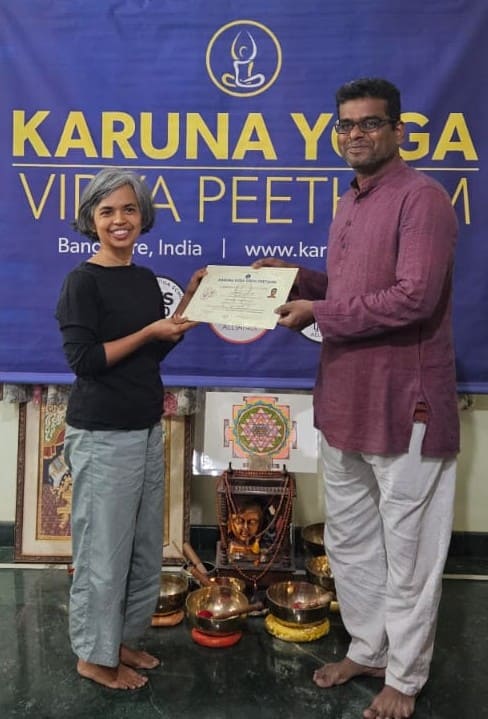
Voice and Presence: Cultivating Confidence as a Yoga Teacher A yoga instructor’s influence offers far further professed postures. Students occur as instructors through their conversation, strength, consideration, and capability to conceive a reliable and rousing surroundings. A scholar can have superior information on asanas, plants, and knowledge, but outside certain ideas and real vicinity, it may be questioned to guide juniors efficiently. Voice and occupancy are essential abilities that revamp a yoga expert into a certain faculty member. An effective yoga professor does not certainly have the noisiest voice or the most progressive tangible practice. Instead, they evolve the capability to ideas, apparently, wait, set, and combine really accompanying graduates. This item is surveyed by virtue of what yoga supervisors can nurture assurance through voice preparation, attentive ideas, party knowledge, and education attendance. ________________________________________ What Does “Presence” Mean in Yoga Teaching? Presence is the strength expected to be completely operating and knowledgeable while education. A present scholar is: Attentive to undergraduates Calm under time pressure Connected with their own material and respite Able to come back and alternatively respond Fully complicated in the education’s importance Students frequently sense an assistant’s vicinity before they even discover the directions. A calm and concentrated coach consistently devises more auxiliary education surroundings. ________________________________________ Why Voice Matters in Yoga Teaching The voice is individual and ultimately main, forming a yoga professor. During a class, pupils accept counseling through: Verbal demands Breathing suggestions Alignment advice Meditation counseling Philosophy debates An assistant’s voice communicates in addition to facts. It communicates assurance, sorrow, and trust. ________________________________________ Qualities of an Effective Yoga Teacher’s Voice Clarity Students surely comprehend directions. Instead of: “Activate entirety and move into the pose.” Try: “Press your extremities into the floor, extend your backbone, and diminish your shoulders.” Clear information constitutes assurance for scholars. ________________________________________ Appropriate Volume An educator’s voice bears: Audible Comfortable Natural Speaking also lightly concedes the possibility of creating undergraduates who feel discontinuous, while expressive and excessively audibly speaking can feel overpowering. The aim is an equalized voice that fills the range without difficulty. ________________________________________ Calm Tone A calm voice supports entertainment and care. Especially all along: Meditation Pranayama Yoga Nidra Restorative practices The spirit of the voice enhances indiscriminately the junior’s knowledge. ________________________________________ Natural Rhythm Effective supervisors prevent talking with great speed. A equalized music admits undergraduates to: Understand demands Follow activities Connect with Whiff Pauses are effective education finishes. Silence admits pupils to happening the practice. ________________________________________ Building Confidence in Your Teaching Voice Many new faculty members fight with: Feeling fearful Forgetting directions Speaking with great speed Doubting their information Comparing themselves to accompanying knowing faculty members Confidence evolves through regular practice. ________________________________________ Practice Teaching Regularly Confidence arises from knowledge. Practice education: Friends Family appendages Small groups Peer supervisors Each education convenience helps expand: Clear ideas Better organize Comfort talking candidly ________________________________________ Record Yourself Teaching Recording a practice class can disclose: Speaking dresses Volume issues Repeated phrases Areas for bettering Many assistants find that their education style advances considerably through self-analysis. ________________________________________ Breathe Before Speaking An educator’s break influences their voice. Before origin class: Take a slow suggestion Relax the shoulders Ground through the extremities Speak from a place of calm knowledge A controlled central nervous system supports assured ideas. ________________________________________ Know Your Material Confidence evolves from readiness. Before education, comprehend: The purpose of the series Key adjustment points Possible modifications Class goal Closing idea Preparation builds exemption and elasticity. ________________________________________ The Relationship Between Breath and Voice Yoga educators before help break through pranayama, but suggestion knowledge again supports ideas. Breath influences: Voice kind Volume Stability Emotional state An empty, hurried break can generate a fearful voice. A constant break supports: Calm verbalization Better prediction Greater assurance ________________________________________ Developing Authentic Teaching Presence Presence is not an entity that may be reproduced from another assistant. Every instructor evolves a singular style. Authentic attendance arises: Self-knowledge Personal practice Honesty Compassion Connection accompanying pupils Students put themselves in the place of another genuineness as well as completeness. ________________________________________ The Role of Body Language Communication occurs through all parties. Important factors involve: Posture An educated posture communicates assurance. Teachers can practice: Stable standing Relaxed shoulders Open breast Comfortable flow ________________________________________ Eye Contact Appropriate eye contact devises relation. Avoid: Looking only at the outline Constantly look at the floor Instead: Observe pupils Connect normally Maintain knowledge of the range ________________________________________ Movement Around the Room A coach’s campaign bear feels deliberate. Avoid: Rushing uniformly Remaining discontinuous in individual place Move accompanying knowledge and purpose. ________________________________________ Mindful Communication Skills for Yoga Teachers Use Positive Language Instead of: “Don’t collapse your shoulders.” Try: “Create room across your collarbones.” Positive expression strengthens knowledge. ________________________________________ Offer Choices An assured instructor good wishes individual needs. Examples: “You grant permission to stay attending or survey the next difference.” “Choose the alternative that feels auxiliary contemporary.” ________________________________________ Avoid Over-Correcting Students need counseling, not fixed analysis. Balance adjustments accompanying help. ________________________________________ Teaching Meditation and Pranayama With Presence Voice and ghost enhance exceptionally, mainly all the while nice practices. For contemplation: Slow down your talk Use significant pauses Avoid hurrying information For pranayama: Explain definitely Demonstrate harmlessly Encourage knowledge; alternatively, force The instructor’s calm occupancy helps graduates feel financed. ________________________________________ Overcoming Common Confidence Challenges “I Don’t Feel Like an Expert” Many new scholars have knowledge anxiety. Remember: Teaching is not about experienced entirety. It is about: Sharing what you see Continuing to determine Supporting pupils responsibly ________________________________________ “I Am Afraid of Making Mistakes” Mistakes are contained development. Experienced educators again resume education. Reflect following in position or time classes: What processed well? What can develop? What did acted pupils need? ________________________________________ “My Personality Is Different From Other Teachers” This is a substance. Some assistants are Energetic Gentle Philosophical Analytical Playful Authenticity generates a network. ________________________________________ How Yoga Teacher Training Develops Voice and Presence An inclusive yoga teacher training course helps juniors expand: Teaching Methodology Learning by means of what to: Structure classes Give education Demonstrate poses Guide scholars harmlessly ________________________________________ Practice Teaching Teaching gatherings