
EXTEROCEPTION – WHAT IT IS AND WHAT IT ISN’T
What Is Exteroception? Exteroception is the sensory system that allows us to perceive, interpret, and respond to stimuli coming from outside the body. It is how we make sense of the external physical world. It includes information gathered through: Essentially, exteroception helps us detect and interpret what is happening around us so we can respond, communicate, move safely, and interact with our environment. Functions of Exteroception What Exteroception Is NOT Exteroception is often confused with other sensory systems. Understanding what it is not helps clarify its role. 1. Exteroception is NOT Interoception These are different sensory pathways and have different roles: 2. Exteroception is NOT Proprioception Proprioception answers: Exteroception answers: 3. Exteroception is NOT Emotion or Intuition External sensory information may trigger emotional responses, but emotions arise from internal processing (interoception + cognition), not exteroception itself. 4. Exteroception is NOT Mind-Reading or Interpretation While it contributes to reading social cues (like facial expressions), exteroception alone does not interpret intentions or feelings. Interpretation is a cognitive process. Exteroception only delivers raw sensory data: Your brain interprets these signals separately. 5. Exteroception is NOT the Same as Mindfulness Mindfulness may use exteroceptive awareness (like noticing sounds or temperature), but it expands well beyond sensory perception into attentional training, emotional regulation, and cognitive flexibility. Key Differences in One Table Sense Type What It Senses Example Exteroception External stimuli Feeling the wind, hearing traffic Interoception Internal bodily states Feeling hungry or anxious Proprioception Body position & movement Knowing where your foot is while walking Nociception Pain Feeling a pinprick Vestibular Sense Balance & spatial orientation Noticing if you are falling Why Exteroception Is Important in Somatic Yoga Since you work extensively with somatics and yoga teacher training, here’s the link: Examples used in somatic classes: What Healthy Exteroception Looks Like What Dysfunctional Exteroception Looks Like Hyperactive exteroception: Underactive exteroception: People with sensory processing conditions, trauma, ADHD, or autism may show altered exteroception.
INTEROCEPTION AND SELF-REGULATION
Interoception and self-regulation are closely linked concepts that play a crucial role in how individuals manage their emotions, behaviors, and overall well-being. Here’s a detailed exploration of how interoception supports self-regulation: Interoception Definition: Interoception is the ability to sense and interpret internal bodily sensations, such as hunger, thirst, heart rate, and muscle tension. It involves perceiving signals from within the body and understanding their implications for physical and emotional states. Key Aspects: Self-Regulation Definition: Self-regulation refers to the ability to manage and control one’s thoughts, emotions, and behaviors in response to internal and external stimuli. It involves regulating responses to maintain balance, achieve goals, and respond effectively to challenges. Components: The Connection Between Interoception and Self-Regulation Practical Techniques for Enhancing Interoception and Self-Regulation By developing interoceptive awareness, individuals can gain valuable insights into their internal states, which supports more effective self-regulation. This enhanced self-awareness helps in managing emotions, behaviors, and stress, leading to improved overall well-being.
SOMATIC LANGUAGE & VERBAL CUEING
Somatic yoga relies heavily on the quality of verbal cueing. Unlike directive, alignment-focused instructions used in traditional yoga, somatic cueing is internal, sensory-based, slow, invitational, and reflective. The aim is not to “correct” the body but to re-awaken sensory awareness, support neuromuscular re-education, and guide students toward self-directed exploration. Somatic language emphasizes three core principles: When verbal cueing is aligned with these principles, it helps reverse sensory–motor amnesia, reduces habitual tension, and cultivates deeper embodiment. Sensory cueing directs attention to the quality of sensations rather than external shapes or performance. Key Characteristics Non-directive language offers suggestions, not commands. It honors autonomy, choice, and nervous-system safety. Key Characteristics Use: “If your body allows, you may explore lifting the leg a little.” Purpose Invitational cues are gentle, permissive, and supportive. They use language that creates permission rather than expectation. Key Characteristics Internal imagery uses metaphors or visualization to shift body awareness from external form to internal experience. Key Characteristics Body scanning involves guiding awareness systematically through the body to observe sensation without judgment. Key Characteristics Purpose In a somatic yoga class, these verbal cueing styles blend into a therapeutic language environment that: Students feel seen, supported, and not judged. Learners become experts of their own bodies. Slow, mindful movement paired with internal attention helps rewire neural pathways. Choice-making and non-directive cues prevent overwhelm and improve emotional regulation. Students shift from external shapes to internal experience and somatic intelligence.
What Is Interoception? A Beginner’s Guide to Somatic Yoga Body Awareness

Interoception is a complex and crucial aspect of bodily awareness and self-regulation. Understanding what interoception is and what it isn’t can help clarify its role in health and well-being. Here’s a detailed look: What Interoception Is What Interoception Isn’t Implications and Applications By recognizing what interoception is and what it isn’t, you can better appreciate its role in body awareness and self-regulation, and apply this understanding to improve overall well-being and health. Yoga TTC Duration and Schedule: Complete Guide to Yoga Teacher Training Course Length, Timings & Daily Routine Karuna Yoga Vidya Peetham • June 30, 2026 • Uncategorized • No Comments Yoga TTC Duration and Schedule: A Complete Guide Before Joining Yoga Teacher Training Yoga has become one of the most popular paths … Yoga TTC Near Me Bangalore: Complete Guide to Finding the Best Yoga Teacher Training Course Karuna Yoga Vidya Peetham • June 30, 2026 • Uncategorized • No Comments Yoga TTC Near Me Bangalore: How to Find the Right Yoga Teacher Training Course Yoga has become an important part of modern … Yoga TTC for Beginners: Complete Guide to Starting Your Yoga Teacher Training Journey Karuna Yoga Vidya Peetham • June 30, 2026 • Uncategorized • No Comments Yoga TTC for Beginners: A Complete Guide to Starting Your Yoga Teacher Training Journey Yoga is becoming increasingly popular among people who … Yoga Teacher Salary in India: Income, Career Opportunities, Factors Affecting Earnings & Growth Guide Karuna Yoga Vidya Peetham • June 30, 2026 • Uncategorized • No Comments Yoga Teacher Salary in India: Complete Guide to Earnings and Career Opportunities Yoga has become one of the fastest-growing wellness careers in … Tags Somatic Yoga Interoception Somatic Awareness Body Awareness Internal Body Awareness Interoceptive Awareness Somatic Movement Nervous System Regulation Mind-Body Connection Trauma-Informed Yoga Emotional Regulation Mindfulness Breath Awareness Yoga Therapy Proprioception Exteroception Embodiment Polyvagal Theory Somatic Healing Yoga for Anxiety Stress Management Yoga Teacher Training Somatic Education Body Scan Meditation Breathwork Interoception Exercises Somatic Practices Mental Wellness Yoga Philosophy Karuna Yoga Vidya Peetham Important Links Apply Now Online Registration Review By Student Accreditation – Yoga Alliance USA Gallery FAQ KARUNA YOGA VIDYA PEETHAM Yoga PDF Book Free Download Asana Gallery Rules and Regulations Dr. S. Karuna Murthy Eligibility Criteria – TTC Admission Rules and Regulations – TTC Anti-Harassment/Sexual Misconduct Policy Refund & Cancellation Policy Week-Days 200 Hr Yoga Teacher Training Certificate Course Weekend 200 Hr – Yoga Teacher Training Certificate Course 200 Hour – Yoga Therapy Teacher Training Certificate Course 50 Hrs – Advanced Meditation Teacher Training Certificate Course 50 Hrs – Advanced Mudra Teacher Training Certificate Course 50 Hrs – Somatic Yoga Teacher Training Certificate Course Yoga PDF Book Free Download See More
Somatic Yoga Proprioception: A Complete Guide to Teaching Proprioceptive Somatic Exercises

Proprioception refers to the body’s ability to sense its position, movement, and orientation in space, even without visual input. It involves the awareness of the position and movement of body parts and is crucial for coordinating movement and maintaining balance. Teaching proprioceptive somatic exercises focuses on enhancing this internal sense of body awareness through specific movements and practices. Here’s a detailed look at proprioception and how to teach proprioceptive somatic exercises effectively: Proprioception Definition and Importance Proprioceptive Receptors Teaching Proprioceptive Somatic Exercises 1. Focus on Awareness Example: 2. Incorporate Slow and Deliberate Movements Example: 3. Use a Variety of Positions and Ranges of Motion Example: 4. Include Balance and Coordination Exercises Example: 5. Incorporate Feedback and Adjustments Example: 6. Encourage Mindful Breathing Example: Practical Tips for Teaching Proprioceptive Somatic Exercises Proprioception is the sensory system that helps the body sense its position and movement in space. Teaching proprioceptive somatic exercises involves guiding students to enhance their body awareness through slow, deliberate movements, balance and coordination exercises, and mindful breathing. By focusing on awareness, incorporating varied movements, and providing feedback, teachers can help students improve their proprioceptive abilities, leading to better coordination, balance, and overall movement efficiency. Yoga TTC Duration and Schedule: Complete Guide to Yoga Teacher Training Course Length, Timings & Daily Routine Karuna Yoga Vidya Peetham • June 30, 2026 • Uncategorized • No Comments Yoga TTC Duration and Schedule: A Complete Guide Before Joining Yoga Teacher Training Yoga has become one of the most popular paths … Yoga TTC Near Me Bangalore: Complete Guide to Finding the Best Yoga Teacher Training Course Karuna Yoga Vidya Peetham • June 30, 2026 • Uncategorized • No Comments Yoga TTC Near Me Bangalore: How to Find the Right Yoga Teacher Training Course Yoga has become an important part of modern … Yoga TTC for Beginners: Complete Guide to Starting Your Yoga Teacher Training Journey Karuna Yoga Vidya Peetham • June 30, 2026 • Uncategorized • No Comments Yoga TTC for Beginners: A Complete Guide to Starting Your Yoga Teacher Training Journey Yoga is becoming increasingly popular among people who … Yoga Teacher Salary in India: Income, Career Opportunities, Factors Affecting Earnings & Growth Guide Karuna Yoga Vidya Peetham • June 30, 2026 • Uncategorized • No Comments Yoga Teacher Salary in India: Complete Guide to Earnings and Career Opportunities Yoga has become one of the fastest-growing wellness careers in … Tags Somatic Yoga Proprioception Proprioceptive Exercises Somatic Movement Body Awareness Mind Body Connection Somatic Education Yoga Teacher Training Somatic Yoga Teacher Training Balance Training Coordination Exercises Neuromuscular Awareness Movement Therapy Functional Movement Mindful Movement Kinesthetic Awareness Yoga Anatomy Nervous System Regulation Yoga for Balance Somatic Exercise Movement Intelligence Motor Control Sensory Awareness Yoga Therapy Somatic Practices Hatha Yoga Yoga Alignment Conscious Movement Yoga Education Karuna Yoga Vidya Peetham Important Links Apply Now Online Registration Review By Student Accreditation – Yoga Alliance USA Gallery FAQ KARUNA YOGA VIDYA PEETHAM Yoga PDF Book Free Download Asana Gallery Rules and Regulations Dr. S. Karuna Murthy Eligibility Criteria – TTC Admission Rules and Regulations – TTC Anti-Harassment/Sexual Misconduct Policy Refund & Cancellation Policy Week-Days 200 Hr Yoga Teacher Training Certificate Course Weekend 200 Hr – Yoga Teacher Training Certificate Course 200 Hour – Yoga Therapy Teacher Training Certificate Course 50 Hrs – Advanced Meditation Teacher Training Certificate Course 50 Hrs – Advanced Mudra Teacher Training Certificate Course 50 Hrs – Somatic Yoga Teacher Training Certificate Course Yoga PDF Book Free Download See More
Somatic Yoga: Neuroception & Fascia Releasing Techniques for Nervous System Healing
Neuroception and Fascia Releasing Techniques are concepts that intersect at the understanding of how the body and nervous system respond to both internal and external stimuli, particularly in relation to safety, threat, and trauma. 1. Neuroception Neuroception is a term coined by Dr. Stephen Porges as part of his Polyvagal Theory. It refers to the nervous system’s ability to unconsciously detect cues of safety, danger, or life-threatening situations without involving the conscious mind. This process is crucial for survival, as it triggers physiological responses that prepare the body to either fight, flee, or freeze. A. Key Components of Neuroception: B. Implications for Health and Well-being: 2. Fascia and its Role in Neuroception Fascia is a connective tissue that surrounds and permeates muscles, bones, nerves, and organs throughout the body. It is a dynamic, responsive tissue that plays a significant role in both structural support and sensory communication within the body. A. Fascia as a Sensory Organ: B. Fascia’s Role in Neuroceptive Responses: 3. Fascia Releasing Techniques Fascia releasing techniques are methods used to alleviate tension and restrictions in the fascia, with the goal of improving mobility, reducing pain, and enhancing overall well-being. These techniques can also help regulate the nervous system by reducing the neuroceptive perception of threat. A. Self-Myofascial Release (SMFR): B. Myofascial Release Therapy (MFR): C. Movement-Based Approaches: D. Breathwork and Fascia: 4. Teaching and Applying Neuroception and Fascia Release A. Creating a Safe Environment: B. Mindful Practice: C. Trauma-Informed Approach: The interplay between neuroception and fascia is a critical aspect of understanding how the body responds to stress, trauma, and healing practices. By teaching fascia releasing techniques with an awareness of neuroceptive processes, you can help students and clients achieve greater physical freedom, emotional release, and nervous system regulation. The key is to approach these practices with mindfulness, patience, and an emphasis on creating a safe, supportive environment. https://www.youtube.com/watch?v=lCnMPhWMuEI&list=PL293B-UhSUVpqw5lSZSEU7suTfd13JLHg&index=16https://www.youtube.com/watch?v=JwoAxeM1ua0&list=PL293B-UhSUVpqw5lSZSEU7suTfd13JLHg&index=6https://www.youtube.com/watch?v=NQeIzJpa-l4&list=PL293B-UhSUVpqw5lSZSEU7suTfd13JLHg&index=8 Yoga TTC Duration and Schedule: Complete Guide to Yoga Teacher Training Course Length, Timings & Daily Routine Karuna Yoga Vidya Peetham • June 30, 2026 • Uncategorized • No Comments Yoga TTC Duration and Schedule: A Complete Guide Before Joining Yoga Teacher Training Yoga has become one of the most popular paths … Yoga TTC Near Me Bangalore: Complete Guide to Finding the Best Yoga Teacher Training Course Karuna Yoga Vidya Peetham • June 30, 2026 • Uncategorized • No Comments Yoga TTC Near Me Bangalore: How to Find the Right Yoga Teacher Training Course Yoga has become an important part of modern … Yoga TTC for Beginners: Complete Guide to Starting Your Yoga Teacher Training Journey Karuna Yoga Vidya Peetham • June 30, 2026 • Uncategorized • No Comments Yoga TTC for Beginners: A Complete Guide to Starting Your Yoga Teacher Training Journey Yoga is becoming increasingly popular among people who … Yoga Teacher Salary in India: Income, Career Opportunities, Factors Affecting Earnings & Growth Guide Karuna Yoga Vidya Peetham • June 30, 2026 • Uncategorized • No Comments Yoga Teacher Salary in India: Complete Guide to Earnings and Career Opportunities Yoga has become one of the fastest-growing wellness careers in … Tags somatic yoga neuroception fascia release myofascial release polyvagal theory nervous system regulation trauma-informed yoga fascia releasing techniques somatic healing body awareness stress relief yoga emotional healing breathwork and fascia yin yoga fascia release self-myofascial release Important Links Apply Now Online Registration Review By Student Accreditation – Yoga Alliance USA Gallery FAQ KARUNA YOGA VIDYA PEETHAM Yoga PDF Book Free Download Asana Gallery Rules and Regulations Dr. S. Karuna Murthy Eligibility Criteria – TTC Admission Rules and Regulations – TTC Anti-Harassment/Sexual Misconduct Policy Refund & Cancellation Policy Week-Days 200 Hr Yoga Teacher Training Certificate Course Weekend 200 Hr – Yoga Teacher Training Certificate Course 200 Hour – Yoga Therapy Teacher Training Certificate Course 50 Hrs – Advanced Meditation Teacher Training Certificate Course 50 Hrs – Advanced Mudra Teacher Training Certificate Course 50 Hrs – Somatic Yoga Teacher Training Certificate Course Yoga PDF Book Free Download See More
Parkinson’s Disease and Yoga Therapy (IAYT): Improve Balance, Mobility & Quality of Life

Introduction Parkinson’s Disease (PD) is a progressive neurodegenerative disorder primarily affecting movement and motor control. It is characterized by tremors, rigidity, bradykinesia (slowness of movement), and postural instability. Beyond motor symptoms, patients often experience non-motor manifestations such as depression, anxiety, sleep disturbances, and cognitive decline. The disease significantly impacts quality of life and functional independence. Modern medical treatments, including dopaminergic medications, offer symptomatic relief but do not cure the disease or stop its progression. Hence, complementary therapies such as yoga are gaining increasing attention. The Integrated Approach of Yoga Therapy (IAYT), developed from classical yogic wisdom and modern scientific understanding, offers a holistic, multi-dimensional strategy for managing Parkinson’s Disease. IAYT integrates physical postures (asanas), breathing techniques (pranayama), relaxation, meditation, and lifestyle practices to restore balance across body and mind. It aims not only to alleviate symptoms but also to enhance overall well-being and functional capacity. Understanding Parkinson’s Disease Parkinson’s Disease results from degeneration of dopamine-producing neurons in the substantia nigra region of the brain. Dopamine is essential for smooth and coordinated muscle movements. Its deficiency leads to the hallmark symptoms of PD. Common Motor Symptoms Non-Motor Symptoms Risk Factors Yogic Perspective of Parkinson’s Disease According to yogic philosophy, disease arises from imbalance in the five koshas: IAYT works at all these levels to restore balance and promote healing. Principles of IAYT in Parkinson’s Disease Components of IAYT for Parkinson’s Disease 1. Asanas (Yoga Postures) Asanas improve flexibility, muscle strength, balance, and coordination. Recommended Asanas Method of Practice Benefits 2. Pranayama (Breathing Techniques) Pranayama enhances respiratory efficiency and calms the nervous system. Recommended Practices Benefits 3. Relaxation Techniques Relaxation is essential to counter muscle tension and mental stress. Techniques Benefits 4. Meditation Practices Meditation helps manage psychological symptoms and improve cognitive function. Techniques Benefits 5. Kriyas (Cleansing Practices) Simple kriyas may be used to improve physiological functioning. Examples Benefits 6. Cognitive and Motor Coordination Training Yoga can incorporate dual-task training to enhance brain-body coordination. Practices Benefits 7. Lifestyle Modifications (Yogic Living) Diet (Ahara) Daily Routine (Dinacharya) Stress Management Mechanisms of Action of Yoga in Parkinson’s Disease 1. Neuroplasticity Enhancement Yoga promotes brain adaptability and compensatory neural pathways. 2. Dopamine Regulation Certain practices may influence dopamine release and utilization. 3. Reduction of Oxidative Stress Yoga decreases free radicals and enhances antioxidant defenses. 4. Improved Motor Control Through repetitive, mindful movement patterns. 5. Autonomic Nervous System Balance Enhances parasympathetic activity and reduces sympathetic overdrive. Evidence Supporting Yoga in Parkinson’s Disease Research studies have demonstrated that yoga: Clinical trials show that regular yoga practice can significantly improve gait and postural stability in Parkinson’s patients. Stage-wise Application of IAYT Early Stage Moderate Stage Advanced Stage Role of Caregivers Caregivers are essential in ensuring safety and consistency. Responsibilities Yoga practices can also help caregivers reduce stress and improve coping ability. Contraindications and Precautions Integration with Conventional Treatment IAYT should complement medical management. Combined Approach This integrative model enhances both physical and psychological outcomes. Challenges in Implementation Solutions include structured programs, caregiver training, and simplified routines. Future Directions Conclusion The Integrated Approach of Yoga Therapy (IAYT) provides a comprehensive, safe, and effective complementary therapy for managing Parkinson’s Disease. By addressing the physical, मानसिक (mental), and emotional dimensions of the disease, yoga helps reduce symptoms, improve functional ability, and enhance quality of life. Although it cannot cure Parkinson’s Disease, IAYT empowers individuals with tools to manage their condition holistically. With regular practice, proper guidance, and integration with conventional medical care, yoga therapy can play a significant role in improving the lives of those affected by Parkinson’s Disease. Yoga TTC Duration and Schedule: Complete Guide to Yoga Teacher Training Course Length, Timings & Daily Routine Karuna Yoga Vidya Peetham • June 30, 2026 • Uncategorized • No Comments Yoga TTC Duration and Schedule: A Complete Guide Before Joining Yoga Teacher Training Yoga has become one of the most popular paths … Yoga TTC Near Me Bangalore: Complete Guide to Finding the Best Yoga Teacher Training Course Karuna Yoga Vidya Peetham • June 30, 2026 • Uncategorized • No Comments Yoga TTC Near Me Bangalore: How to Find the Right Yoga Teacher Training Course Yoga has become an important part of modern … Yoga TTC for Beginners: Complete Guide to Starting Your Yoga Teacher Training Journey Karuna Yoga Vidya Peetham • June 30, 2026 • Uncategorized • No Comments Yoga TTC for Beginners: A Complete Guide to Starting Your Yoga Teacher Training Journey Yoga is becoming increasingly popular among people who … Yoga Teacher Salary in India: Income, Career Opportunities, Factors Affecting Earnings & Growth Guide Karuna Yoga Vidya Peetham • June 30, 2026 • Uncategorized • No Comments Yoga Teacher Salary in India: Complete Guide to Earnings and Career Opportunities Yoga has become one of the fastest-growing wellness careers in … Tags Yoga Therapy for Parkinson’s Disease IAYT for Parkinson’s Disease Parkinson’s Disease Yoga Integrated Approach of Yoga Therapy Yoga for Neurological Disorders Parkinson’s Rehabilitation Yoga Therapy Certification Yoga for Tremors Yoga for Balance Improvement Yoga for Mobility Parkinson’s Disease Management Pranayama for Parkinson’s Meditation for Parkinson’s Yoga for Elderly Neurorehabilitation Yoga Holistic Parkinson’s Care Yoga and Brain Health Parkinson’s Exercise Program Yoga Therapy India Therapeutic Yoga Yoga for Movement Disorders Parkinson’s Disease Treatment Support Yoga Lifestyle for Parkinson’s Mind-Body Therapy Yoga Therapy Course Important Links Apply Now Online Registration Review By Student Accreditation – Yoga Alliance USA Gallery FAQ KARUNA YOGA VIDYA PEETHAM Yoga PDF Book Free Download Asana Gallery Rules and Regulations Dr. S. Karuna Murthy Eligibility Criteria – TTC Admission Rules and Regulations – TTC Anti-Harassment/Sexual Misconduct Policy Refund & Cancellation Policy Week-Days 200 Hr Yoga Teacher Training Certificate Course Weekend 200 Hr – Yoga Teacher Training Certificate Course 200 Hour – Yoga Therapy Teacher Training Certificate Course 50 Hrs – Advanced Meditation Teacher Training Certificate Course 50 Hrs – Advanced Mudra Teacher Training Certificate Course 50 Hrs – Somatic Yoga Teacher Training Certificate Course Yoga PDF Book Free Download See More
Yoga Therapy for Fatigue: IAYT Techniques to Restore Energy Naturally

Introduction Fatigue is a common yet complex condition characterized by a persistent sense of physical and/or mental exhaustion that is not relieved by rest. It may arise as a primary complaint or as a symptom associated with various medical, psychological, and lifestyle-related conditions. Unlike normal tiredness, fatigue significantly interferes with daily functioning, productivity, and quality of life. Fatigue can be acute or chronic. Acute fatigue is often temporary and related to exertion, stress, or illness, while chronic fatigue persists over a longer duration and may be associated with underlying conditions such as anemia, endocrine disorders, infections, or psychological disturbances like depression and anxiety. Modern lifestyles—marked by sedentary behavior, irregular sleep patterns, poor diet, and chronic stress—have contributed to the increasing prevalence of fatigue. Conventional treatment approaches include addressing underlying causes, pharmacological interventions, and lifestyle modifications. However, these approaches may not fully resolve the multidimensional nature of fatigue. The Integrated Approach of Yoga Therapy (IAYT) offers a holistic and sustainable method for managing fatigue by addressing its physical, मानसिक (mental), emotional, and energetic dimensions. Through a combination of yogic practices including asanas, pranayama, relaxation, meditation, and lifestyle regulation, IAYT helps restore vitality, balance energy, and improve overall well-being. Understanding Fatigue Fatigue is a subjective experience that involves a lack of energy and motivation. Types of Fatigue Causes Symptoms Yogic Perspective of Fatigue In yogic philosophy, fatigue is primarily a disturbance in the Pranamaya Kosha (energy body), often accompanied by imbalances in the Manomaya Kosha (mental body) and Annamaya Kosha (physical body). Imbalance in the Five Koshas IAYT aims to restore balance across these layers, thereby alleviating fatigue at its root. Principles of IAYT in Fatigue Components of IAYT for Fatigue 1. Asanas (Yoga Postures) Asanas help improve circulation, enhance flexibility, and build stamina without overexertion. Recommended Asanas Method of Practice Benefits 2. Pranayama (Breathing Techniques) Pranayama is central to restoring energy balance and reducing fatigue. Recommended Practices Benefits 3. Relaxation Techniques Relaxation is essential for recovery from fatigue. Techniques Benefits 4. Meditation Practices Meditation helps reduce mental exhaustion and enhances clarity. Techniques Benefits 5. Kriyas (Cleansing Practices) Mild kriyas help refresh the system. Examples Benefits 6. Lifestyle Modifications (Yogic Living) Diet (Ahara) Sleep (Nidra) Daily Routine (Dinacharya) Stress Management Mechanisms of Action of Yoga in Fatigue 1. Energy Restoration Yoga enhances pranic flow, reducing fatigue. 2. Nervous System Regulation Promotes parasympathetic dominance (rest-and-digest). 3. Hormonal Balance Regulates stress hormones like cortisol. 4. Improved Sleep Enhances restorative sleep. 5. Mental Clarity Reduces cognitive fatigue and improves focus. Evidence Supporting Yoga in Fatigue Research indicates that yoga: Yoga has been found beneficial in fatigue associated with chronic illnesses and stress-related conditions. Stage-wise Application of IAYT Mild Fatigue Moderate Fatigue Severe Fatigue Role of Caregivers and Support System Support from family and caregivers enhances adherence to therapy. Responsibilities Contraindications and Precautions Integration with Conventional Treatment IAYT complements medical care. Combined Approach Challenges in Implementation Solutions include structured routines and gradual progression. Future Directions Conclusion The Integrated Approach of Yoga Therapy (IAYT) provides a comprehensive and holistic method for managing Fatigue. By addressing the physical, mental, and energetic dimensions of health, yoga helps restore vitality, improve resilience, and enhance overall quality of life. Although fatigue may arise from diverse causes, the consistent practice of yoga offers a powerful, non-invasive, and sustainable solution. With proper guidance and integration into daily life, IAYT empowers individuals to overcome fatigue and achieve a balanced and energetic state of being. Yoga TTC Duration and Schedule: Complete Guide to Yoga Teacher Training Course Length, Timings & Daily Routine Karuna Yoga Vidya Peetham • June 30, 2026 • Uncategorized • No Comments Yoga TTC Duration and Schedule: A Complete Guide Before Joining Yoga Teacher Training Yoga has become one of the most popular paths … Yoga TTC Near Me Bangalore: Complete Guide to Finding the Best Yoga Teacher Training Course Karuna Yoga Vidya Peetham • June 30, 2026 • Uncategorized • No Comments Yoga TTC Near Me Bangalore: How to Find the Right Yoga Teacher Training Course Yoga has become an important part of modern … Yoga TTC for Beginners: Complete Guide to Starting Your Yoga Teacher Training Journey Karuna Yoga Vidya Peetham • June 30, 2026 • Uncategorized • No Comments Yoga TTC for Beginners: A Complete Guide to Starting Your Yoga Teacher Training Journey Yoga is becoming increasingly popular among people who … Yoga Teacher Salary in India: Income, Career Opportunities, Factors Affecting Earnings & Growth Guide Karuna Yoga Vidya Peetham • June 30, 2026 • Uncategorized • No Comments Yoga Teacher Salary in India: Complete Guide to Earnings and Career Opportunities Yoga has become one of the fastest-growing wellness careers in … Yoga Therapy for Fatigue IAYT for Fatigue Fatigue Management Chronic Fatigue Yoga Yoga for Low Energy Natural Fatigue Relief Yoga Therapy Integrated Approach of Yoga Therapy Pranayama for Fatigue Meditation for Fatigue Yoga Nidra for Fatigue Stress and Fatigue Energy Restoration Yoga Yoga for Chronic Tiredness Holistic Fatigue Treatment Yoga and Energy Balance Parasympathetic Nervous System Fatigue Recovery Yoga Mindfulness for Fatigue Karuna Yoga Vidya Peetham Important Links Apply Now Online Registration Review By Student Accreditation – Yoga Alliance USA Gallery FAQ KARUNA YOGA VIDYA PEETHAM Yoga PDF Book Free Download Asana Gallery Rules and Regulations Dr. S. Karuna Murthy Eligibility Criteria – TTC Admission Rules and Regulations – TTC Anti-Harassment/Sexual Misconduct Policy Refund & Cancellation Policy Week-Days 200 Hr Yoga Teacher Training Certificate Course Weekend 200 Hr – Yoga Teacher Training Certificate Course 200 Hour – Yoga Therapy Teacher Training Certificate Course 50 Hrs – Advanced Meditation Teacher Training Certificate Course 50 Hrs – Advanced Mudra Teacher Training Certificate Course 50 Hrs – Somatic Yoga Teacher Training Certificate Course Yoga PDF Book Free Download See More
Yoga for Stroke-related Dementia: Improve Brain Health and Cognitive Recovery
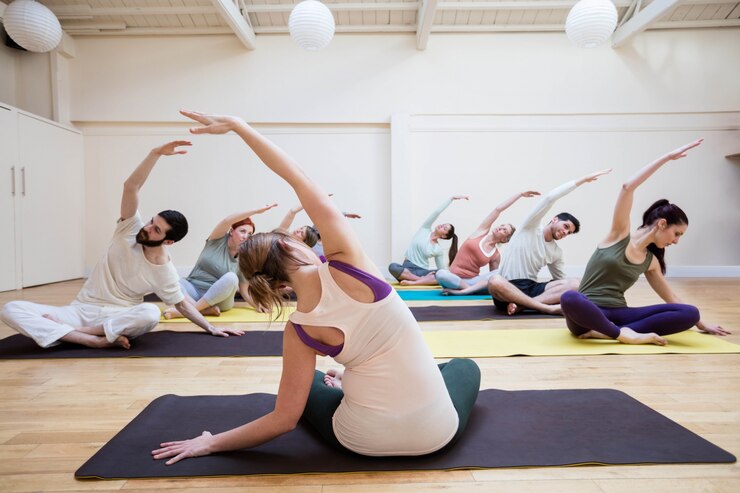
Introduction Stroke-related dementia, also known as vascular dementia or post-stroke cognitive impairment, is a form of cognitive decline that occurs following a cerebrovascular event such as a stroke. It is the second most common cause of dementia after Alzheimer’s Disease and is characterized by impairments in memory, executive function, attention, and behaviour. The condition arises due to reduced blood flow to the brain, leading to neuronal damage and loss of cognitive abilities. Stroke-related dementia significantly affects an individual’s independence, emotional well-being, and quality of life. Conventional treatment includes medications, rehabilitation therapies, and lifestyle modifications. However, these approaches often focus on symptom management rather than holistic healing. The Integrated Approach of Yoga Therapy (IAYT) offers a comprehensive, non-invasive, and holistic intervention that addresses physical, mental, emotional, and cognitive aspects of the condition. By integrating yogic practices such as asanas, pranayama, meditation, relaxation, and lifestyle regulation, IAYT aims to improve brain function, enhance neuroplasticity, and promote overall well-being. Understanding Stroke-related Dementia Stroke-related dementia occurs when brain cells are damaged due to interrupted blood supply during a stroke. This damage can be focal or widespread, depending on the severity and location of the stroke. Causes Symptoms Risk Factors Yogic Perspective of Stroke-related Dementia In yogic philosophy, this condition reflects imbalance across multiple koshas, particularly affecting the flow of prana and mental stability. Impact on the Five Koshas IAYT aims to restore harmony across all these levels. Principles of IAYT in Stroke-related Dementia Components of IAYT for Stroke-related Dementi 1. Asanas (Yoga Postures) Asanas play a crucial role in improving mobility, strength, and coordination. Recommended Asanas Method of Practice Benefits 2. Pranayama (Breathing Techniques) Pranayama enhances oxygen supply to the brain and stabilizes the nervous system. Recommended Practices Benefits 3. Relaxation Techniques Relaxation is vital for reducing mental stress and promoting recovery. Techniques Benefits 4. Meditation Practices Meditation helps improve attention, awareness, and emotional regulation. Techniques Benefits 5. Cognitive Stimulation through Yoga Combining yoga with cognitive exercises enhances brain recovery. Practices Benefits 6. Lifestyle Modifications (Yogic Living) Diet (Ahara) Daily Routine (Dinacharya) Stress Management Mechanisms of Action of Yoga in Stroke-related Dementia 1. Neuroplasticity Enhancement Yoga stimulates brain reorganization and recovery of lost functions. 2. Improved Cerebral Blood Flow Enhances circulation to damaged brain areas. 3. Reduction of Inflammation Decreases inflammatory processes in the brain. 4. Stress Reduction Lowers cortisol levels, supporting cognitive function. 5. Motor Relearning Promotes coordination through repetitive, mindful movements. Evidence Supporting Yoga in Stroke-related Dementia Research suggests that yoga: Studies in neurorehabilitation show that yoga-based interventions can complement physiotherapy and cognitive rehabilitation. Stage-wise Application of IAYT Early Post-Stroke Stage Recovery Stage Chronic Stage Role of Caregivers Caregivers are essential in implementing yoga therapy. Responsibilities Yoga can also help caregivers manage stress and improve resilience. Contraindications and Precautions Integration with Conventional Treatment IAYT should complement standard medical care. Combined Approach This integrative model enhances overall rehabilitation outcomes. Challenges in Implementation These can be addressed through structured programs and caregiver training. Future Directions Conclusion The Integrated Approach of Yoga Therapy (IAYT) provides a holistic and effective complementary strategy for managing Stroke-related Dementia. By addressing physical, cognitive, emotional, and energetic dimensions, yoga helps improve functional recovery, enhance cognitive abilities, and promote overall well-being. Although it does not replace conventional treatment, IAYT serves as a powerful adjunct that empowers patients and caregivers with tools for self-management and rehabilitation. With regular practice, proper guidance, and a supportive environment, yoga therapy can significantly improve the quality of life for individuals affected by stroke-related dementia. Yoga TTC Duration and Schedule: Complete Guide to Yoga Teacher Training Course Length, Timings & Daily Routine Karuna Yoga Vidya Peetham • June 30, 2026 • Uncategorized • No Comments Yoga TTC Duration and Schedule: A Complete Guide Before Joining Yoga Teacher Training Yoga has become one of the most popular paths … Yoga TTC Near Me Bangalore: Complete Guide to Finding the Best Yoga Teacher Training Course Karuna Yoga Vidya Peetham • June 30, 2026 • Uncategorized • No Comments Yoga TTC Near Me Bangalore: How to Find the Right Yoga Teacher Training Course Yoga has become an important part of modern … Yoga TTC for Beginners: Complete Guide to Starting Your Yoga Teacher Training Journey Karuna Yoga Vidya Peetham • June 30, 2026 • Uncategorized • No Comments Yoga TTC for Beginners: A Complete Guide to Starting Your Yoga Teacher Training Journey Yoga is becoming increasingly popular among people who … Yoga Teacher Salary in India: Income, Career Opportunities, Factors Affecting Earnings & Growth Guide Karuna Yoga Vidya Peetham • June 30, 2026 • Uncategorized • No Comments Yoga Teacher Salary in India: Complete Guide to Earnings and Career Opportunities Yoga has become one of the fastest-growing wellness careers in … Tags Yoga Therapy for Stroke-related Dementia IAYT for Stroke-related Dementia Stroke Rehabilitation Yoga Vascular Dementia Yoga Post Stroke Cognitive Impairment Yoga for Brain Health Yoga for Memory Improvement Yoga Therapy for Cognitive Disorders Neurorehabilitation Yoga Yoga for Stroke Recovery Yoga and Neuroplasticity Pranayama for Brain Health Meditation for Dementia Yoga Therapy Bangalore Yoga Therapy India Integrated Yoga Therapy Yoga for Neurological Disorders Cognitive Rehabilitation Yoga Brain Recovery Yoga Holistic Stroke Rehabilitation Important Links Apply Now Online Registration Review By Student Accreditation – Yoga Alliance USA Gallery FAQ KARUNA YOGA VIDYA PEETHAM Yoga PDF Book Free Download Asana Gallery Rules and Regulations Dr. S. Karuna Murthy Eligibility Criteria – TTC Admission Rules and Regulations – TTC Anti-Harassment/Sexual Misconduct Policy Refund & Cancellation Policy Week-Days 200 Hr Yoga Teacher Training Certificate Course Weekend 200 Hr – Yoga Teacher Training Certificate Course 200 Hour – Yoga Therapy Teacher Training Certificate Course 50 Hrs – Advanced Meditation Teacher Training Certificate Course 50 Hrs – Advanced Mudra Teacher Training Certificate Course 50 Hrs – Somatic Yoga Teacher Training Certificate Course Yoga PDF Book Free Download See More
Yoga for Alzheimer’s Disease: Improve Memory, Calmness & Quality of Life
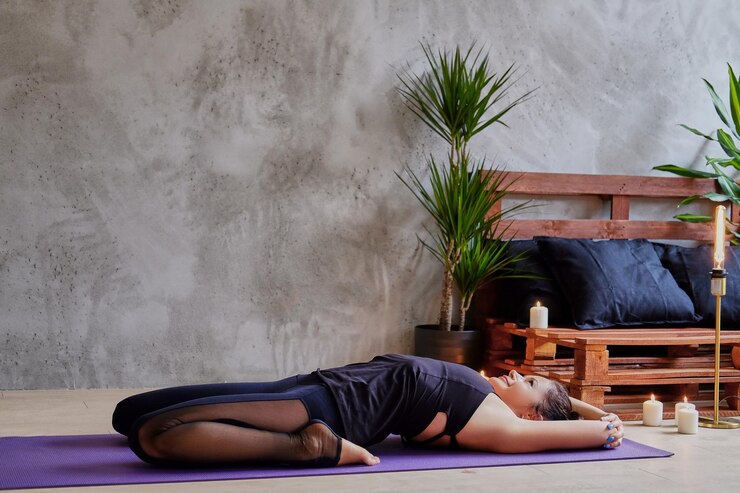
Introduction Alzheimer’s Disease (AD) is a progressive neurodegenerative disorder characterized by cognitive decline, memory loss, behavioural disturbances, and functional impairment. It is the most common cause of dementia worldwide and primarily affects older adults. The disease imposes a significant burden not only on patients but also on caregivers and healthcare systems. Despite advances in pharmacological management, current treatments mainly provide symptomatic relief and do not halt disease progression. Therefore, there is growing interest in complementary and integrative therapies, including yoga-based interventions. The Integrated Approach of Yoga Therapy (IAYT) is a holistic model rooted in classical yoga philosophy and modern scientific understanding. It addresses the human system at multiple levels—physical, physiological, psychological, emotional, and spiritual. By integrating practices such as asanas (postures), pranayama (breathing techniques), meditation, relaxation, and lifestyle modifications, IAYT offers a comprehensive approach to managing chronic disorders like Alzheimer’s Disease. Understanding Alzheimer’s Disease Alzheimer’s Disease is marked by structural and functional changes in the brain, including: Symptoms Risk Factors Yogic Perspective on Alzheimer’s Disease From a yogic standpoint, disease arises due to imbalances in the five koshas (sheaths of existence): IAYT aims to restore harmony across all these layers. Principles of IAYT in Alzheimer’s Disease Components of IAYT for Alzheimer’s Disease 1. Asanas (Physical Practices) Asanas improve blood circulation, enhance neuromuscular coordination, and reduce stiffness. Recommended Asanas Method of Practice Benefits 2. Pranayama (Breathing Techniques) Pranayama plays a crucial role in improving oxygen supply to the brain and calming the nervous system. Recommended Practices Benefits 3. Relaxation Techniques Relaxation is essential to reduce stress and improve cognitive function. Techniques Benefits 4. Meditation Practices Meditation helps improve attention, awareness, and emotional balance. Techniques Benefits 5. Cognitive Stimulation through Yoga Yoga practices can be combined with cognitive tasks to stimulate brain activity. Examples Benefits 6. Lifestyle Modifications (Yogic Living) Diet (Ahara) Daily Routine (Dinacharya) Stress Management 7. Emotional and Social Support Emotional well-being is crucial in Alzheimer’s management. Strategies Benefits Mechanisms of Action of Yoga in Alzheimer’s Disease Evidence Supporting Yoga in Alzheimer’s Disease Research indicates that yoga and meditation: Studies using mindfulness and yoga-based interventions have shown increased gray matter density in brain regions associated with memory and learning. Stage-wise Application of IAYT Early Stage Moderate Stage Advanced Stage Role of Caregivers in IAYT Caregivers play a vital role in successful implementation. Responsibilities Yoga can also benefit caregivers by reducing stress and burnout. Contraindications and Precautions Integration with Conventional Treatment IAYT should complement, not replace, medical treatment. Combined Approach This integrative model enhances overall outcomes. Challenges in Implementation These can be addressed through structured programs and education. Future Directions Conclusion The Integrated Approach of Yoga Therapy (IAYT) offers a promising, holistic, and non-invasive strategy for managing Alzheimer’s Disease. By addressing the physical, (mental), emotional, and spiritual dimensions of health, yoga helps improve quality of life, reduce symptoms, and potentially slow disease progression. Although it cannot cure Alzheimer’s, IAYT empowers patients and caregivers with tools to manage the condition more effectively. With increasing scientific validation and growing global acceptance, yoga therapy is emerging as a valuable adjunct in the comprehensive care of Alzheimer’s Disease. Yoga TTC Duration and Schedule: Complete Guide to Yoga Teacher Training Course Length, Timings & Daily Routine Karuna Yoga Vidya Peetham • June 30, 2026 • Uncategorized • No Comments Yoga TTC Duration and Schedule: A Complete Guide Before Joining Yoga Teacher Training Yoga has become one of the most popular paths … Yoga TTC Near Me Bangalore: Complete Guide to Finding the Best Yoga Teacher Training Course Karuna Yoga Vidya Peetham • June 30, 2026 • Uncategorized • No Comments Yoga TTC Near Me Bangalore: How to Find the Right Yoga Teacher Training Course Yoga has become an important part of modern … Yoga TTC for Beginners: Complete Guide to Starting Your Yoga Teacher Training Journey Karuna Yoga Vidya Peetham • June 30, 2026 • Uncategorized • No Comments Yoga TTC for Beginners: A Complete Guide to Starting Your Yoga Teacher Training Journey Yoga is becoming increasingly popular among people who … Yoga Teacher Salary in India: Income, Career Opportunities, Factors Affecting Earnings & Growth Guide Karuna Yoga Vidya Peetham • June 30, 2026 • Uncategorized • No Comments Yoga Teacher Salary in India: Complete Guide to Earnings and Career Opportunities Yoga has become one of the fastest-growing wellness careers in … https://www.flickr.com/photos/187525942@N05/52973164272/in/photostream/ https://www.flickr.com/photos/187525942@N05/52409542747/in/photostream/ https://www.flickr.com/photos/187525942@N05/52410334164/in/photostream/ https://www.flickr.com/photos/187525942@N05/52408764539/in/photostream/ Tags Yoga Therapy for Alzheimer’s Disease Alzheimer’s Disease Yoga IAYT for Alzheimer’s Yoga for Dementia Dementia Yoga Therapy Memory Loss Yoga Cognitive Decline Yoga Brain Health Yoga Yoga for Seniors Geriatric Yoga Therapy Yoga and Neurodegenerative Disorders Yoga for Cognitive Health Pranayama for Alzheimer’s Meditation for Dementia Relaxation Techniques for Alzheimer’s Yoga Nidra for Seniors Mindfulness for Alzheimer’s Caregiver Yoga Holistic Dementia Care Yoga Therapy Course Yoga Therapy Certification Integrative Medicine Yoga Alliance Continuing Education Yoga Therapy India Karuna Yoga Vidya Peetham Alzheimer’s Disease Management Evidence-Based Yoga Therapy Neuroplasticity and Yoga Brain Wellness Healthy Aging Through Yoga Important Links Apply Now Online Registration Review By Student Accreditation – Yoga Alliance USA Gallery FAQ KARUNA YOGA VIDYA PEETHAM Yoga PDF Book Free Download Asana Gallery Rules and Regulations Dr. S. Karuna Murthy Eligibility Criteria – TTC Admission Rules and Regulations – TTC Anti-Harassment/Sexual Misconduct Policy Refund & Cancellation Policy Week-Days 200 Hr Yoga Teacher Training Certificate Course Weekend 200 Hr – Yoga Teacher Training Certificate Course 200 Hour – Yoga Therapy Teacher Training Certificate Course 50 Hrs – Advanced Meditation Teacher Training Certificate Course 50 Hrs – Advanced Mudra Teacher Training Certificate Course 50 Hrs – Somatic Yoga Teacher Training Certificate Course Yoga PDF Book Free Download See More