
Sarvangasana ( Shoulder Standing Pose)
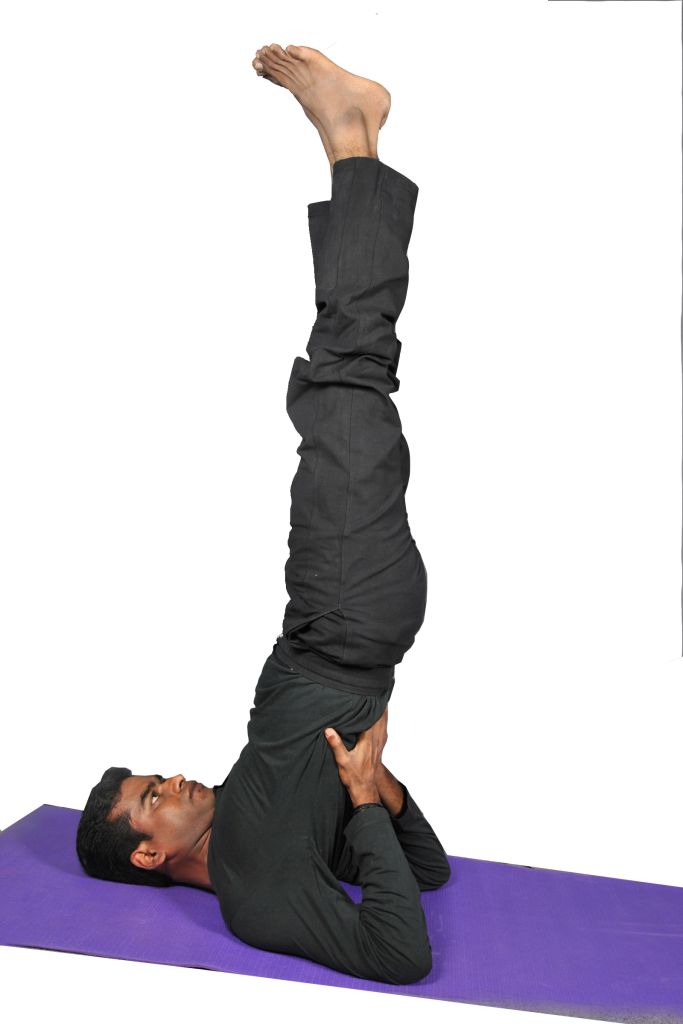
Sarvangasana – Shoulder Standing Posture (sarva- all, whole, entire, anga – limb or part of body) Practice: Lie flat on the back with feet together, arms by the sides and palms flat on the ground. Using the arms as levers raise the legs and back to a vertical position. Bend the elbows and use the arms as props to steady the back by pressing it with the palms. The trunk and legs should extend straight up, forming a right angle with the neck, the chest pressing against the chin. Soften the throat and tongue. Firm the shoulder blades against the back, and move the sternum toward the chin. Your forehead should be relatively parallel to the floor, your chin perpendicular. Gaze softly at your toes or tip of your nose. Stay for 10 to 30 seconds, with normal breathing. Exhale, drop legs down, spine down with support of arms, and relax at Savasana for 10 to 30 seconds. Benefits: Stimulates the thyroid gland and thereby improves the balance of the circulatory, digestive, reproductive, nervous and glandular systems. It corrects improper body growth and clears psychological disturbances by bringing a rich supply of blood to the brain. It relieves asthma and bronchitis. It releases the normal gravitational pressure from the anal muscles, relieving hemorrhoids (piles). It tones the legs, abdomen, the female reproductive organs, spine and neck. It inhibits hydrocele and eliminates waistline fat. Leucorrhea and diabetes can be controlled. Mastery of this asana gives conscious control over body temperature.
Mayurasana (Peacock Pose)
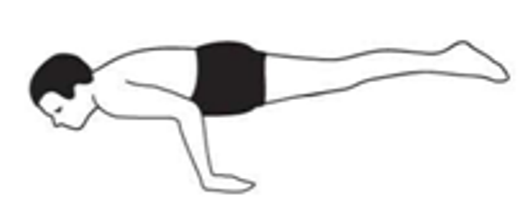
Mayurasana (Peacock Pose) Dharam avashtabhya karadvayena Tatkurparasthapitanabhiparsvah/ Uchchasano dandavad utthitah san Mayuram etat pravadanti pitham//(Chapter -1, Verse 30). Lie down on the stomach, placing both hands on the ground under the body and place the elbows at the sides of the navel. Raise the body high, keeping it like a stick. This is called peacock pose by the expert Yogis. (Chapter -1, Verse 30). Harati sakalaroghanasu ghulmodaradin Abhibhavati cha doshanasanam srimayuram/ Bahu kadasanabhuktam bhasma kuryadasesham Janayati // jatharaghnim jarayetkalakutam/(Chapter -1, Verse 31). Mayurasana quickly alleviates all diseases like enlargement of the glands, dropsy and other stomach disorders. It rectifies imbalance of the humors (vata, pitta, kapha). It reduces to ashes all food taken indiscriminately, kindles the gastric fire and enables destruction of deadly poison). (Chapter -1, Verse 31).
Paschimottanasana (Back Stretching Pose)
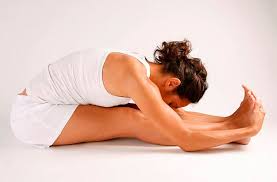
Paschimottanasana (Back Stretching Pose) Prasarya padau bhuvi dandarupau Dorbhyam padaghradvitayam ghrhitva/ Januparinyastalalatadeso Vasedidam paschimatanamahuh.// (Chapter -1, Verse 28). Stretching the legs in front on the ground, like a stick; bending forward, holding the toes with both hands and placing the forehead on the knees, is known as Paschimottanasana. (Chapter -1, Verse 28). Paschimottanasana Iti paschimatanamasanaghryam Pavanam paschimavahinam karoti/ Udayam jatharanalasya kuryad Udare karsyamaroghatam cha pumsam//(Chapter -1, Verse 29). Paschimottanasana is the best among asanas. By this asana the pranic currents rise through sushumna, the digestive fire stimulates, the abdomen becomes flat, and the practitioner becomes free from all kind of diseases. (Chapter -1, Verse 29).
Transcendental knowledge By samyama-Patanjali Yoga Sutra
By samyama transcendental knowledge 3.55. Tarakam sarvavisayam sarvatha visayamakramam cheti vivekajam jnanam| Tarakam-transcendental Sarvavisayam-all subjects sarvatha visayam-object of every place akramam-beyond the order of successon cha-and iti-that is all vivekajam jnanam- knowledge born of viveka Transcendental knowledge includes the knowledge of all objects beyond all orders of succession and is born of discrimintaion.
Causes of downfall in YOGA path-Patanjali Yoga Sutra – Vibhuti Pada
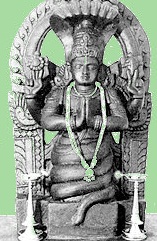
Causes of downfall in spiritual path 3.52. Sthanyupanimantrane sangasmayakaranam punanistaprasangat| Sthani-gods Upanimantrane-on being respectfully Sanga-attachment Smaya-pride Akaranam-by not Punah-once again Anista-undesirable Prasangat-by revival On being invited by the gods there should be no attachment and pride, because of the possibility of revival of the undesirable.
Gain universal state of mind-Patanjali Yoga Sutra – Vibhuti Pada
Gain universal state of mind 3.44. Bahirakalpita vrttirmahavideha tatah prakasavaranaksayah| Bahih-external Akalpita-unimaginable Vrttih-state of mind Mahavideha-existence wihout body Tatah-therefrom Prakasa-light Avarana-covering Ksayah-distraction In the state of, existence without body, the vrittis are inconceivable and outside the scope of the body, whereby the covering of light is destroyed.
Psychic powers obstacles path of Yoga-Patanjali Yoga Sutra
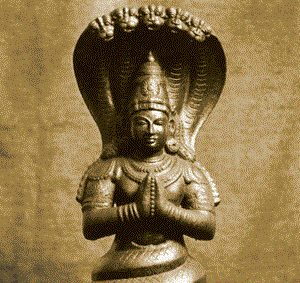
Patanjali Yoga Sutra – Vibhuti Pada – Psychic powers are obstacles in path of Yoga 3.38. Te samadhvupasarga vyutthane siddhayah| Te-they Samadhau-in samadhi Upasarga-obstacles Vyuttane-in the state of the consciousness of the world Siddhayah-psychics powers These psychic powers or siddhis are hindrances in path of samadhi, but in the state of consciousness of the world they are psychic powers.
What is Meditation?-Patanjali Yoga Sutra – Vibhuti Pada
Patanjali Yoga Sutra – Vibhuti Pada What is Meditation? 3.2. Tatra pratyayaikatanata dhyanam| Tatra-there(in the desha) Pratyaya-basis or content of consciousness Ekatanata-continuity Dhyanam-meditation Uninterrupted stream of the content of consciouness is Meditation
What is Concentration? – Patanjali Yoga Sutra – Vibhuti Pada
Patanjali Yoga Sutra – Vibhuti Pada What is Concentration? 3.1 Desabandhaschittasya dharana | Desa-place Bandha-binding Chittasya-of the mind Dharana-concentration
Knowledge of past & future By samyama – Patanjali Yoga Sutra
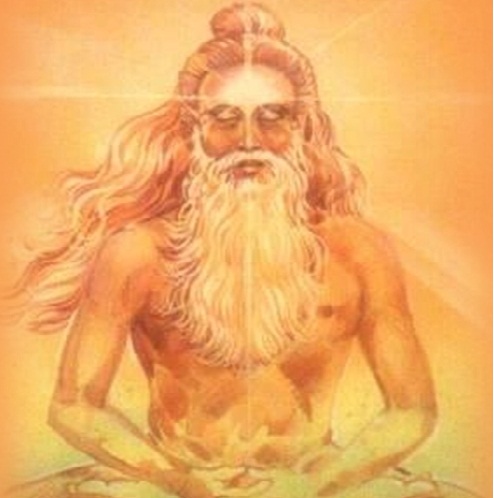
Patanjali Yoga Sutra – Vibhuti Pada By samyama knowledge of past & future 3.16. Parinamatrayasamymadatitanagatajnanam| Parinama-transformation Traya-three Samymat-by samyama Atita-past Anagatah-future Jnanam-knowledge By practicing samyama on the three transformations, knowledge of past and future thing arise.