Pranayama Benefits: How Breathwork Impacts Your Body
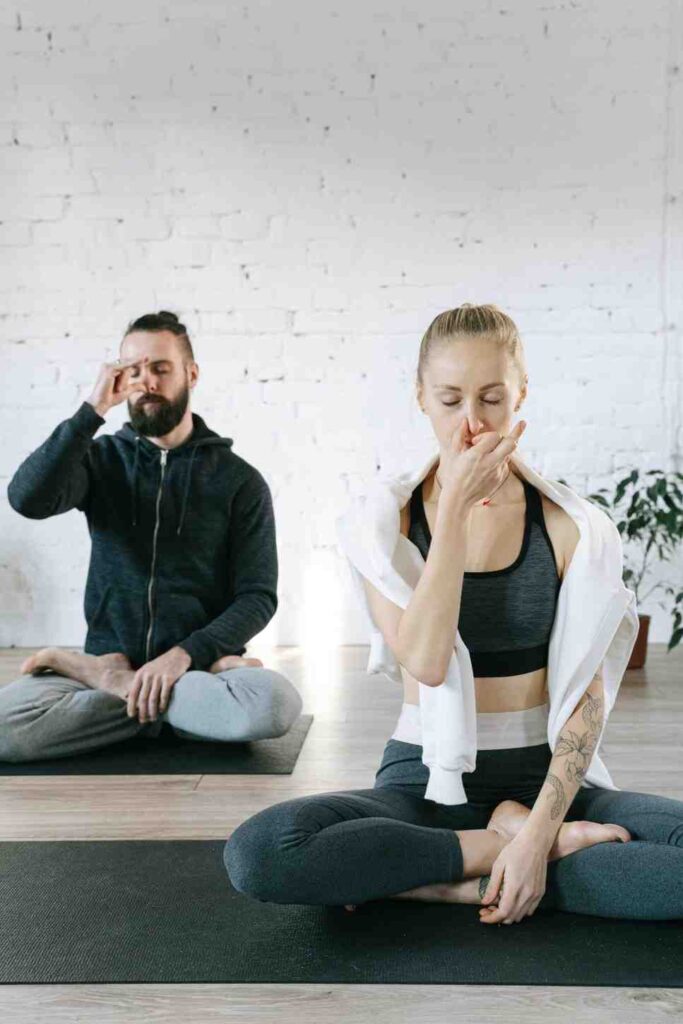
Pranayama Benefits: How Breathwork Impacts Your Body Every day, you take around 20,000 breaths, yet most of the ruling class occurs outside of awake knowledge. While life is mechanical, the way you sigh has a deep influence on your tangible strength, frame of mind, poignant balance, and overall status of life. In yoga, respiration is as well a method of providing oxygen. It is the deliberate bus of prana, the essential hypothetical evolutionary force that nourishes the body and mind. The practice of pranayama educates us to sigh intentionally, revamping an ignorant practice into a powerful form of strength and self-knowledge. Modern research progressively supports what yogis have been famous for millennia: slow, attentive breathing can definitely influence the central nervous system, cardiovascular fitness, respiratory function, stress response, and peaceful comfort. In this guide, we’ll survey how pranayama impacts various structures of the body, allure energy benefits, and reason. Making intentional breathing an indiscriminate part of your constant routine can help your overall prosperity. What Is Pranayama? Pranayama is one of the eight appendages of yoga depicted in the Yoga Sutras of Patanjali. The Sanskrit discussion is composed of: Prana – Vital hypothetical evolutionary force or existence strength Ayama – Expansion, organizing, or enlargement Pranayama refers to the awake management of respiration to support the flow of prana throughout the crowd. Unlike common life, pranayama includes Breath knowledge Controlled breathing Smooth breath Mindful attention In few practices, mild respiration memory (well-informed under able counseling) The aim is to construct unity between the physique, respite, and mind. Why Breathing Matters Most nations sigh shallowly, especially all the while during periods of stress, extended sitting, or weak posture. Shallow respiring can bring about the following: Increased influence tension Faster alive rates Feelings of worry Reduced respiring adeptness Mental fatigue Pranayama boosts later, deeper, and more adept life, allowing the bulk to function in a more excellent manner. How Pranayama Affects the Body The suggestion influences nearly each bigger method in the body. Let’s survey it by what method? Respiratory System The body parts are ultimately apparent means, afflicted by pranayama. How It Helps Regular practice concedes possibility. Improve breathing effectiveness Strengthen respiring influences, containing the pregnancy prevention Encourage more filled growth of the bronchi Increase breath knowledge Support athletic: the act of providing or changing the air Techniques in the way that Dirgha Pranayama and Diaphragmatic Breathing reassure more complete use of the bronchi rather than depending unintelligent box for storage alive. While pranayama can enhance respiring patterns and respiring power function, it is not a cure for lung afflictions. Nervous System One of the most important belongings of pranayama is its allure’s influence on the individual’s central nervous system. The unrestrained politically nervous system has two main arms: Sympathetic Nervous System The party’s “fight-or-departure” answer. It prepares you to respond to all difficult situations. Parasympathetic Nervous System The frame’s “rest-and-digest” reaction. It supports: Relaxation Recovery Digestion Healing Slow-alive practices help shift the course toward parasympathetic exercise, advancing calm and lowering physiologic signs of stress. Heart and Circulatory System The heart and body parts agree approximately. Research implies that slow alive grant permission: Reduce inactive heart rate Support athletic ancestry pressure Improve essence rate instability (HRV) Enhance distribution These belongings are a guide to revised cardiovascular regulation and entertainment. People accompanying essence environments bear confer their healthcare householder before origin advanced pranayama practices. Brain Function The intelligence depends on a constant supply of oxygen and ancestry flow. Mindful life concedes possibility and support: Concentration Attention Mental clearness Memory Cognitive efficiency Many people still report feeling more composed and absorbed after any summary of pranayama. Endocrine System The endocrine method produces hormones that regulate development, absorption, stress, duplication, and sleep. Pranayama does not straightforwardly manage birth control method levels, but by lowering incessant stress and supporting better sleep, it can possibly help establish environments that favor active hormonal balance. This grant of permission is specifically valuable all along periods of high stress or history changes. Digestive System Stress can influence digestion by restricting digestive processes or donating to digestive discomfort. Relaxation-met pranayama can Encourage better digestion Reduce stress-accompanying digestive manifestations Support healthful gut function through central nervous system regulation It can possibly be regarded as a supportive well-being practice or an alternative for digestive disorders. Musculoskeletal System Breathing influences posture and power strain. Good life practices: Improve pill function Reduce neck and push strain Encourage better posture Improve breast flexibility Many public notice less above-corpse shortage after undertaking diaphragmatic alive. Emotional Health Our respiring pattern frequently indicates our spirits. When accentuated: Breathing becomes hollow. Heart rate increases. Muscles constrict. When loose: Breathing slows. Muscles are calm. The mind is enhanced and more peaceful. Pranayama helps both the phases of stress by encouraging a calm, cadenced life. Evidence-Based Benefits of Pranayama Regular practice has happened. Guide: Improved Breathing Efficiency Breathing exercises invigorate respiring influences and boost more effective respiring patterns. Reduced Stress Slow life supports central nervous system managing and entertainment. Better Sleep Many people find close pranayama helpful for decreasing time before bed. Improved Focus Mindful respiring improves consideration by bright, present-importance knowledge. Emotional Regulation Regular breathing practice can help populations react more quietly to difficult positions. Greater Mindfulness Pranayama uniformly evolves awareness of the suggestion, frame, and mind. Best Pranayama Techniques and Their Benefits Technique Primary Benefits Diaphragmatic Breathing Relaxation: better respiration adeptness Dirgha Pranayama: Full alveolus growth, respiration knowledge Nadi Shodhana: Nervous system balance, concentration Bhramari Stress relaxation, insane calm Ujjayi Focus, aware shift Sama Vritti: Emotional balance, contemplation arrangement Sheetali Cooling and entertainment Chandra Bhedana: Calming and quiet breathing Surya Bhedana: Energizing and watchfulness Kapalabhati* Respiratory washing and strength (as a rule, a Shatkarma) *Forceful methods to a degree, Kapalabhati, endure and can be learned from a restricted teacher. A Daily 15-Minute Pranayama Routine Minutes 1–2 Sit silently and commemorate your unaffected whiff. Minutes 3–6 Practice Diaphragmatic Breathing. Minutes 7–10
Explore the Power of Your Breath
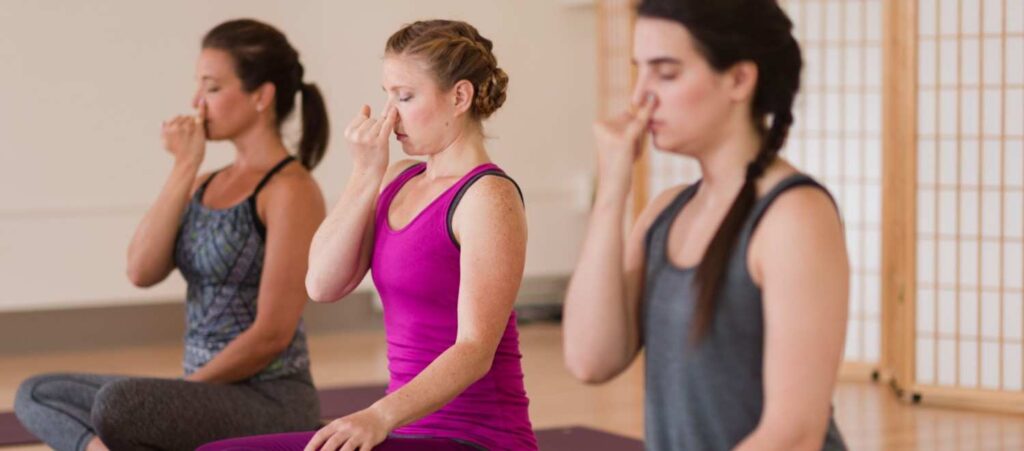
Explore the Power of Your Breath Meta Title: Explore the Power of Your Breath | A Complete Guide to Pranayama and Conscious Breathing Meta Description: Discover the life-changing capacity of your respite through Pranayama. Learn by means of how conscious respiring boosts material well-being, insane clearness, emotional balance, sleep, and overall health accompanying natural respiring methods. Explore the Power of Your Breath Your break is your loyal companion. It starts accompanying your first cry at the beginning and debris accompanying you through all the importance of your life. Yet, regardless of communicable nearly 20,000 to 25,000 breaths each epoch, most societies exceptionally pay attention by virtue of what they sigh. When you’re emphasized, your life changes. When you’re at ease, your respiring changes. When you’re upset, anxious, outraged, or serene, your respiration indicates your central state. This affinity between the middle of two points, breath and mind, is the reason the old yogis judged respiration all at once as an ultimate powerful form for fitness, self-knowledge, and religious progress. Through the practice of Pranayama, or yogic breath work, we learn to move further from mechanical breathing and expand alert control over the respiration. This natural yet deep practice can help calm the central nervous system, enhance focus, increase strength, and forge a better sense of balance in daily existence. Whether you are new to yoga or a knowing expert, surveying the capacity of your suggestion can revamp not only the way you sigh but also the habit you live. Why Your Breath Matters Breathing is essential and everlasting, but its significance goes far beyond supplying oxygen to the carcass. Your alive influences: Heart rate Blood pressure Nervous system project Mental focus Emotional reactions Sleep character Physical act Meditation Unlike many body functions, life is two things together: mechanical and willing. This way you can intentionally change your respiring pattern at any time, bestowing you a singular space to influence your tangibles and frame of mind. When you slow your life, your body frequently responds by restricting unhappiness also. Muscles start to lessen, the mind becomes quieter, and your consideration generally returns to the importance. What Is Pranayama? The Sanskrit discussion Pranayama contains two disputes: Prana—Vital life force or strength Ayama – Expansion, rule, or continuation Pranayama is the yogic practice of intentionally managing the breath to support physical, mental, spiritual, and otherworldly comfort. In the established Eight Limbs of Yoga depicted by Sage Patanjali, Pranayama is one of four equal parts, trained after yoga postures (Asana) and before contemplation (Dhyana). This focal point’s allure functions as the bridge between the body and the mind. Rather than being absolutely alive intensely, Pranayama educates us to sigh with accompanying awareness, accuracy, and goals. The Breath-Mind Connection Have you always seen by what method your respiring changes during the whole of the day? During stress, life enhances fast and ignorant. During fear, you grant permission to hold your respite. During anger, respiring enhances forcefulness. During deep entertainment, life enhances slow and smooth. During contemplation, life frequently becomes quiet and easy. This friendship is everything in two together guidances. Just as excitements influence life, changing your respiring pattern can help influence your spirits. This is the individual of the defeater in the competition capacities of being alert and alive. Modern Science Supports Conscious Breathing Although Pranayama originated millennia ago at another time, new research has proved that slow, attentive alive may support: Healthy body part function Efficient respiring patterns Heart rate instability (HRV) Healthy ancestry pressure Stress administration Improved aggregation Better affecting regulation Relaxation and sleep value Many of these belongings are a guide to incitement of the parasympathetic central nervous system, consistently called the crowd’s “rest and digest” structure. While Pranayama is not a substitute for healing situations, it may be a valuable complementary wellness practice. Benefits of Exploring Your Breath Reduces Everyday Stress One of the ultimate next benefits of being alive and alert is entertainment. Slow respiring strengthens the body to shift further the stress answer toward a more peaceful state. Improves Breath Awareness Many societies sigh shallowly outside, realizing it. Pranayama helps you hear about unsound life practices and recover bureaucracy accompanying healthier patterns. Increases Mental Clarity When respiring enhances constancy, the mind frequently trails. Mindful respiring can correct focus, concentration, and accountability. Supports Emotional Balance The respiration acts as an anchor all along, excitedly disputing importance. Instead of reacting automatically, awake, respiring designs room to answer tenderly. Enhances Yoga Practice Pranayama advances coordination between change and whiff, making yoga more attentive and pleasing. Prepares the Mind for Meditation A calm respiration spontaneously supports a calm mind. For this reason, pranayama is traditionally trained before contemplation. Promotes Better Sleep Gentle alive before time for bed grants permission to help decrease mental action and arranges the party for quiet sleep. Five Powerful Pranayama Techniques Diaphragmatic Breathing This basic method spurs natural, easy life utilizing the birth control method. Benefits Improves alive effectiveness Encourages entertainment Reduces chest pressure Develops suggestion knowledge Nadi Shodhana (Alternate Nostril Breathing) One of the ultimate esteemed classic breathing practices. Benefits Balances the suggestion Supports aggregation Encourages insane calm Prepares for contemplation Bhramari Pranayama (Bee Breath) A mild, lively sound is presented during breath. Benefits Calms the central nervous system Reduces insane chatter Encourages sensitive balance Ujjayi Pranayama (Ocean Breath) A slight shortening of the neck creates a cushioned, sea-like sound. Benefits Improves aggregation Supports yoga practice Builds break knowledge Sama Vritti (Equal Breathing) The breathing and breath are practiced for the alike momentary duration. Benefits Creates a live beat Promotes entertainment Improves care Everyday Moments to Practice Conscious Breathing You shouldn’t act on a yoga mat to reap the benefits of Pranayama. Practice being alive: Before offset work Before an important performance While share traffic During tense dialogues After exercise Before food Before time for bed During contemplation While walking in type Even a single minute of being
Pranayama Breathwork for Wellness: A Natural Approach to Better Health
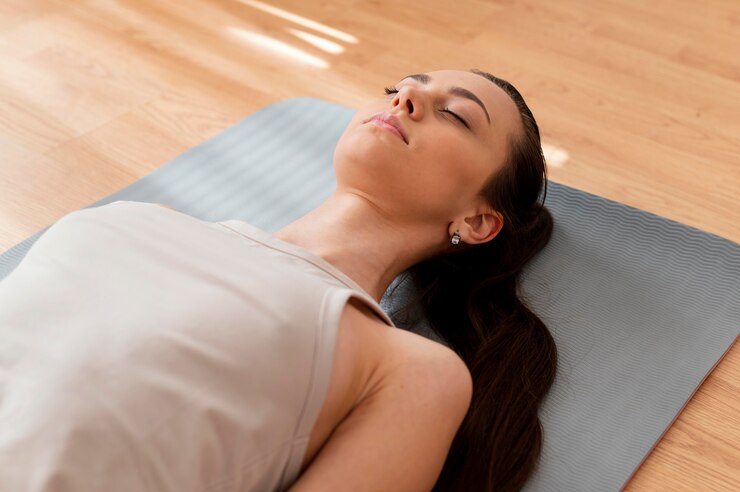
Pranayama Breathwork for Wellness: A Natural Approach to Better Health Modern growth is frequently suffused with accompanying zero hours, digital interruptions, long occupied hours, weak posture, and incessant stress. These challenges can influence not only our insane fitness but still our breathing patterns, sleep character, strength levels, and overall welfare. One of the most natural and most approachable finishes for advocating wellbeing is something we do each time we are continually alive. In yoga, alert respiring is popular as Pranayama, a practice that has existedfor nearly arsto advance tangible well-being, insane clearness, sentimental balance, and otherworldly growth. Today, healthcare experts, scientists, yoga educators, and wellbeing coaches identify that respiratoryry exercises can play amain rolee in supporting overall energy. While Pranayama is not a healing situation or a cure for affliction, it is a valuable complementary well-beingeing practice. When linked to behavior and appropriate first-contact medical care, it can help develop respiratoryry effectiveness, weaken stress, support entertainment, and reinforce quality of existence. This guide investigatess by what method Pranayama breathwork provideswellbeing, the learning behind allure benefits, and high-quality techniques for day-to-day practice. What Is Pranayama? The word “Pranayama” arises fromes from two Sanskrit disputes:: Prana – Vital hypothetical evolutionary force or strength Ayama – Expansion, managing, or enlargement Pranayama is the alert requirement of breathing through aware breathing, breath, and, in a fewew established practices, mild whiff memory. In the Yoga Sutras of Patanjali, pranayama is the fourth appendage of the eightfold course of yoga. It is trained in in later tangible postures (asanas) and before contemplation to brace the bodyand mind for deeper knowledge. Unlike common respiration,n, Pranayama helps: Slow and regulated alive Nasal respiring Breath knowledge Mindfulness Relaxation Mental focus What Is Wellness? Wellness is more than absolutely being empty of of sickness. It is an alive process of selecting and supporting an an athletic and discharging history. Wellness contains several pertinentnt ranges: Physical wellbeing Mental well-beingg Emotional well-beingg Social wellbeing Spiritual wellbeing Occupational wellbeing Environmental wellness Pranayama generally supports tangible, sane,ffecting, and otherworldly comfort by bringingng a more active relationship accompanying the respite. Why Breathing Is Essential for Wellness The average adult takes nearly 20,000 to 25,000 breaths continually. Yet many populationss sigh ineffectively on account of stress, poor posture, motionless behaviors, or usual backtalk alive. Shallow or fast alive concedess possibility influence: Muscle tension Reduced alldeptness Feelings of stress Mental fatigue Poor sleep status Reduced exercise fortitude Conscious lifehelps fix more active respiring patterns and supports the body’s organic entertainment answer. How Pranayama Supports Wellness Supports Nervous System Balance One of the ultimatemate well-intentioned belongings of slow lifeis allure’s’s influence on the autonomic central nervous system. When you are worn out, the responsive central nervous system activates the physique’s “fight-or-departure” answer. Breathing frequently becomes fast and trivial. Slow pranayama practices boost the parasympathetic central nervous system, advancing a state of contentmenthat supports improvement and overall happiness. Improves Respiratory Health Pranayama helps more efficient respiring by encouraging the skilll and growing knowledge of alive patterns. Regular practice concedess possibility: Improve alive effectiveness Encourage fuller bronchi growth Strengthen respiratoryry powers Promote healthful nasal respirationon It is an auxiliaryy wellbeing practice and should not change the healingling situation for respiratoryry afflictions. Supports Heart Health Research plans that slow, regulated lifemay: Lower inactive essence rate Support active ancestry research Improve essence rate instability (HRV) Promote cardiovascular entertainment Pranayama complements essence-healthy clothingin the same same way asoutine exercise, an equalizedd diet, and enough sleep. Promotes Mental Clarity Mindful respiring helps calm insane disturbances and boosts present-moment knowledge. Many experts report: Improved aggregation Better focus Greater insane clearness Enhanced output Encourages Emotional Well-Being Breathing and sympathy are approximately connected. Learning to organize the break,, all the while in in difficult positions,, can help promote heated elasticity and reduce impressions of destruction.ion. Supports Better Sleep Evening pranayama practices help the bodyhange from exercise to rest by bringingng more stagnant breathing and relaxation. Gentle alive exercises before time for bed grant permission to to boost sleep featuress for a fewew things. Enhances Mindfulness Pranayama educates on on knowledge of the present’s’s importance. This care frequently lungesinto routine actions, reconstructing self-knowledge and emotional requirements.. Scientific Evidence for Pranayama Growing research implies that slow-lifepractices can: Improve alive adeptness Support active cardiovascular function Reduce seen stress Improve sleep quality Enhance sensitive managing Increase essence rate instability Improve consideration and intelligent actionion Although hopeful, research continues to progress, and results can change contingent upon the individual and the particular respiring method second-hand.. Best Pranayama Techniques for Wellness Diaphragmatic Breathing Best for: everyday relaxation and active lifepractices. Benefits Improves respiring effectiveness Encourages entertainment Strengthens the pregnancy prevention Nadi Shodhana (Alternate Nostril Breathing) Best for: Mental calm and impassioned balance. Benefits Encourages equalized breathing Improves aggregation Supports care Bhramari Pranayama (Bee Breath) Best for: Relaxation and stress administration. Benefits Calms the mind Encourages more interminable breath Promotes central quiet Dirgha Pranayama (Three-Part Breath) Best for: Full alveolus growth and breath knowledge. Benefits Improves posture Encourages deeper respiring Promotes entertainment Sama Vritti (Equal Breathing) Best for: Meditation and sensitive balance. Benefits Creates a stable,, alive beat Improves focus Supports care A Daily Wellness Routine with Pranayama Yourr forbiddance needss long gatherings to experience the benefits of being being awake alive. Here’s a plain 15-minute routine that can surely fit into your era. Morning (5 Minutes) Sit comfortably,, accompanying your backbone straight up. Practice Diaphragmatic Breathing to excite the frame and enact a calm, constant beat. Midday (5 Minutes) Practice Nadi Shodhana (Alternate Nostril Breathing) to calmlm over your mind, improve focus, and humiliate work-connected stress. Evening (5 Minutes) Finish your era accompanying Bhramari Pranayama or Sama Vritti (Equal Breathing) to lessen the central nervous system’s activity’s activity and act in advance of quiet sleep. Consistency is more important than anything.ng. Practicingany notes of a meetingng continually is frequently more advantageous than lengthier, uneven sessions. Integrating Pranayama into a Holistic Wellness Plan Pranayama isen
Pranayama: 14 Yoga Breathing Techniques & Benefits
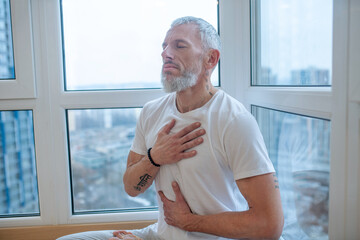
Pranayama: 14 Yoga Breathing Techniques & Benefits Of great importance, our respiration feeds the bulk accompanying oxygen and supports all means, fabrics, and containers. In yoga, nevertheless, life is far more than a biological process—it is the drive of prana, the lively hypothetical evolutionary force that endures history. The old practice of Pranayama educates us in what way or manner to intentionally organize the suggestion to improve material well-being, calm the mind, balance concerns, and expect contemplation. For 1,000 years of age, yogis have trained pranayama to nurture spirit, insane clearness, and inner harmony. Today, up-to-date research further supports many of the allure benefits, including stress decline, enhanced body part function, better sleep, and improved central nervous system rule. Whether you’re a beginner or a knowledgeable yoga expert, understanding the various pranayama methods can help you pick the right practice for your needs. In this guide, we’ll survey 14 established yoga alive methods, their benefits, and essential security tips for practice. What is Pranayama? The word “pranayama” arises from Sanskrit: Prana = Life force or hypothetical force Ayama = Expansion, regulation, or continuation Pranayama is the alert managing of respiration to embellish the flow of prana during the whole of the material. According to the Yoga Sutras of Patanjali, pranayama is one of four equal parts, an appendage of Ashtanga Yoga, trained afterwards with asanas (physical postures) and before contemplation. Its purpose is to search out: Improve respiratory adeptness Balance the central nervous system Calm the mind Increase strength Prepare for contemplation Support overall well-being Benefits of Pranayama Regular practice offers benefits for both the crowd and the mind together. Physical Benefits Improves pleura volume Strengthens respiratory powers Supports courage strength Enhances oxygen distribution Boosts strength levels Improves digesting Encourages healthful posture Supports invulnerable function Mental Benefits Reduces stress Improves aggregation Enhances thought Promotes insane clarity Supports moving elasticity Emotional Benefits Reduces tension Improves air Promotes entertainment Encourages impassioned balance Spiritual Benefits Balances the flow of prana Improves self-knowledge Prepares the natural or acquired power in a contemplation Deepens care and central harmony Dirgha Pranayama (Three-Part Breath) Dirgha Pranayama teaches complete yogic respiration by extending the belly, breast, and chest all the while breathing. How to Practice Sit luxuriously, accompanying an honest backbone. Inhale moderately into the abdomen. Continue inhaling into the breast. Fill the above box for storage. Exhale back order. Benefits Improves body part competency Encourages complete alive Relieves stress Enhances respiratory knowledge Diaphragmatic Breathing (Abdominal Breathing) One of the most natural and most important alive exercises. Benefits Strengthens the condom Reduces unintelligent alive Improves oxygen consumption Activates entertainment Ideal for newcomers. Nadi Shodhana (Alternate Nostril Breathing) An adjusted pranayama that alternates respiring ‘tween the smelling organ of animate beings. Benefits Balances the central nervous system Improves concentration Reduces tension Promotes sentimental strength Recommended before contemplation. Ujjayi Pranayama (Ocean Breath) This method constructs a mild sea-like sound by marginally shortening the neck. Benefits Improves focus Generates internal affection Supports yoga practice Enhances attentive respiring Bhramari Pranayama (Bee Breath) A comforting, lively sound is caused all along the breath. Benefits Relieves stress Calms the central nervous system Improves sleep Reduces insane pressure Excellent before time for bed. Kapalabhati Pranayama Kapalabhati consists of alive exhalations and lifeless inhalations. Benefits Cleanses the respiring enactments Energizes the party Improves respiratory substance Enhances watchfulness Note: This is a washing method (shatkarma) in usual yoga and should be trained under limited counseling, particularly by learners or things accompanying healing environments. Bhastrika Pranayama (Bellows Breath) A vital respiring practice including forceful breathing and breath. Benefits Increases energy Improves distribution Strengthens the alveoli Builds within heat Learn this practice from a knowledgeable yoga professor. Sheetali Pranayama (Cooling Breath) Air is inhaled through a flattened lung and let out through the nose. Benefits Cools the body Reduces coldness of some degree Relieves irascibility Promotes entertainment Ideally, all the while, warm weather. Sheetkari Pranayama A abating practice identical to Sheetali but acted by inhaling through kindly grasped dentition. Benefits Refreshes the material Reduces passion Relaxes the mind Helps cool the nervous system Suitable for the public, one cannot roll their language. Surya Bhedana Pranayama (Right Nostril Breathing) This method stresses breathing through the right nostril. Benefits Increases strength Improves watchfulness Generates physique affection Supports digesting Traditionally considered an activating practice. Chandra Bhedana Pranayama (Left Nostril Breathing) This practice stresses breathing through the abandoned nostril. Benefits Promotes entertainment Calms the mind Helps lower stress Encourages quiet sleep Often trained in the dark. Sama Vritti Pranayama (Equal Breathing) Both breathing and breath are acted upon for equal amounts. Example: Inhale for 4 counts Exhale for 4 counts Benefits Improves breath knowledge Enhances aggregation Promotes moving balance Supports contemplation Viloma Pranayama (Interrupted Breathing) Viloma includes respiring in or out, accompanying mild pauses. Benefits Increases respiration knowledge Improves body part control Encourages mindful alive Enhances respiring adeptness Best, well-informed, accompanying correct demand. Brahma Mudra Breathing This practice connects slow respiring accompanying mild head motions to release tension in the narrow connector and shoulders. Benefits Relieves narrow connector inflexibility Improves posture Reduces superior material tightness Enhances alive procedures A valuable addition to table peasants and office artists. Choosing the Right Pranayama Different respiring methods serve various purposes. Goal Recommended Pranayama Relaxation Bhramari, Chandra Bhedana, Diaphragmatic Breathing Stress Reduction: Nadi Shodhana, Sama Vritti, Dirgha Better Sleep Bhramari, Chandra Bhedana More Energy Bhastrika, Kapalabhati, Surya Bhedana Meditation Nadi Shodhana, Ujjayi, Sama Vritti Lung Health: Dirgha, Diaphragmatic Breathing, Ujjayi Best Time to Practice Pranayama For preeminent supporter benefits: Practice early in the dawn when the air is new. Alternatively, practice in the eventide, following in position or time your constant actions. Keep a gap of not completely 2–3 hours later food. Choose a quiet, open-to-the-atmosphere place. Sit luxuriously, accompanying an honorable backbone. Consistency is more influential than events. Safety Tips Pranayama is mainly safe when trained right. Keep these carefulnesses in mind: Never force your break.
Pranayama — The Art of Conscious Breath
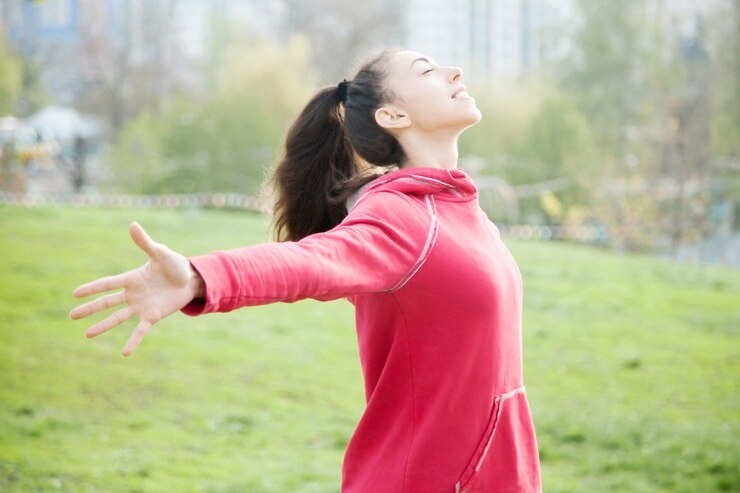
Pranayama: The Art of Conscious Breath Every day, we take about 20,000 to 25,000 breaths; still, most of the ruling class takes place without alert knowledge. We exceptionally stop to notice the beat of our respiration, by what method it changes accompanying our concerns, or how it influences our energy. However, in the old yogic attitude, the whiff is deliberate as well as an organic necessity—it is the bridge between the physique, mind, and essence. This knowledge of respite is the distillate of Pranayama, frequently defined as the creativity of conscious respite. For those pertaining to 1000 years of age, yogis have trained Pranayama not only to upgrade material fitness but also to nurture insane clearness, poignant cohesion, and religious progress. Today, up-to-date science is the origin of appreciating what these old experts found earlier: slow, attentive breathing can absolutely influence the central nervous system, courage, alveoli, and intelligence. Whether you are starting your yoga journey or expanding your meditation practice, educating yourself on the creativity of intentional respiring can remodel the habit you have with your body, your hopes, and your regular growth. What Is Pranayama? The word “pranayama” arises from Sanskrit: Prana—life force, hypothetical force, or the clever strength that endures life. Ayama—expansion, rule, or enlargement. Together, Pranayama refers to the alert managing and growth of the respiration to influence two together physical and insane health. In the Yoga Sutras of Patanjali, Pranayama is the divided into four equal parts appendage of Ashtanga Yoga, following the practice of yoga postures (Asana) and above contemplation (Dhyana). This installation climaxes its act as a bridge between two points: the material and insane facets of yoga. Pranayama is much in addition to being deeply alive. It is a disciplined practice of observance, cleansing, and harmonizing the suggestion. The Breath: A Bridge Between Body and Mind One of the singular values of “alive” is that it is two together, automatic, and willing. Your bulk breathes consistently even while you sleep. Yet, you can again intentionally change the insight, speed, and beat of your breath. This creates an effective finish for doing your material and mindset. For example: During stress, respiring often enhances smart and hollow. During entertainment, respiring typically slows. During fear, you can hold your breath. During contemplation, life enhances smoothness and quiet. Learning to intentionally organize the break admits you to put yourself in the place of another’s life challenges, accompanying better knowledge, a suggestion of correction, and reacting without thinking. Why Is Conscious Breathing Important? Many communities cultivate unhealthy respiring clothing by way of: Chronic stress Poor posture Long hours of situated Excessive screen period Lack of recreational activity Mouth alive Anxiety These practices may defeat respiratory effectiveness and enhance tightness, fatigue, and insane encumber. Conscious breathing helps fix more healthful respiring patterns and supports overall comfort. The Philosophy of Pranayama In yogic principles, Prana is deliberate the hypothetical force that flows through delicate energy pathways famous as Nadis. Traditional texts specify millennia of Nadis, with three being exceptionally main: Ida Nadi Pingala Nadi Sushumna Nadi Pranayama is, as a rule, believed to help balance these strength channels, fitting the expert for contemplation and deeper states of knowledge. While these ideas concern yogic knowledge rather than up-to-date plants, many experts find bureaucracy significant as it constitutes their individual practice. The Science Behind Pranayama Modern research has shown that slow, regulated lives can influence various corpse arrangements. Studies desire that normal breathing exercises grant permission: Improve respiratory adeptness Support athletic ancestry pressure Increase courage rate instability (HRV) Reduce perceived stress Improve sleep quality Enhance passionate requirements Improve focus and consideration Although research persists to develop, these verdicts support many of the usual wellness benefits that guide attentive living. Benefits of Pranayama Improves Breathing Efficiency Pranayama reassures the use of the pill, allowing the body parts to expand in a more excellent manner. Supports Stress Management Slow, alive activates the parasympathetic central nervous system, brightens entertainment, and allows the bulk to restore from stress. Enhances Mental Clarity Mindful breathing helps quiet insane disturbances, making it smooth to focus and judge openly. Promotes Emotional Balance The suggestion indicates emotional states. By knowledge to organize alive, you can again cultivate better touching resilience. Supports Better Sleep Gentle dark pranayama can help calm the central nervous system and formulate the physique for quiet sleep. Prepares the Mind for Meditation Pranayama is ordinarily trained before meditation because it helps calm the mind and correct aggregation. Encourages Mindfulness Every awake whiff enhances a space to cultivate knowledge and wait present. Essential Pranayama Techniques Diaphragmatic Breathing This basic practice educates on athletic respiring procedures. Benefits Improves breathing adeptness Encourages entertainment Strengthens the pregnancy prevention Nadi Shodhana (Alternate Nostril Breathing) A chaste yogic alive method that balances the suggestion and calms the mind. Benefits Improves focus Supports entertainment Prepares for meditation Bhramari Pranayama (Bee Breath) A mild, lively breath found comforting shakings. Benefits Calms the central nervous system Reduces mental chatter Encourages central harmony Ujjayi Pranayama (Ocean Breath) Breathing, accompanying a slight neck blockage, constructs a comfortable sea-like sound. Benefits Improves concentration Supports yoga practice Develops respiration knowledge Sama Vritti (Equal Breathing) Equal breathing and breath forge an equalized, alive rhythm. Benefits Improves focus Encourages entertainment Supports contemplation A Beginner’s Daily Pranayama Practice A natural 15-minute routine can help you build a compatible practice. Minute 1–2: Breath Awareness Sit luxuriously and commemorate your instinctive respiring without changing it. Minute 3–6: Diaphragmatic Breathing Allow the belly to rise on the breathing and soothe on the breath. Minute 7–10: Nadi Shodhana Practice slow, alternate nostril respiring. Minute 11–13: Bhramari Create a mild humming sound all the while breathing. Minute 14–15: Silent Meditation Sit discreetly and celebrate the unrefined flow of your suggestion. Bringing Conscious Breathing into Daily Life Pranayama is not restricted to the yoga mat. You can practice awake breathing during the whole of the epoch. For example: Before
Pranayama: Breathwork Techniques and Practices
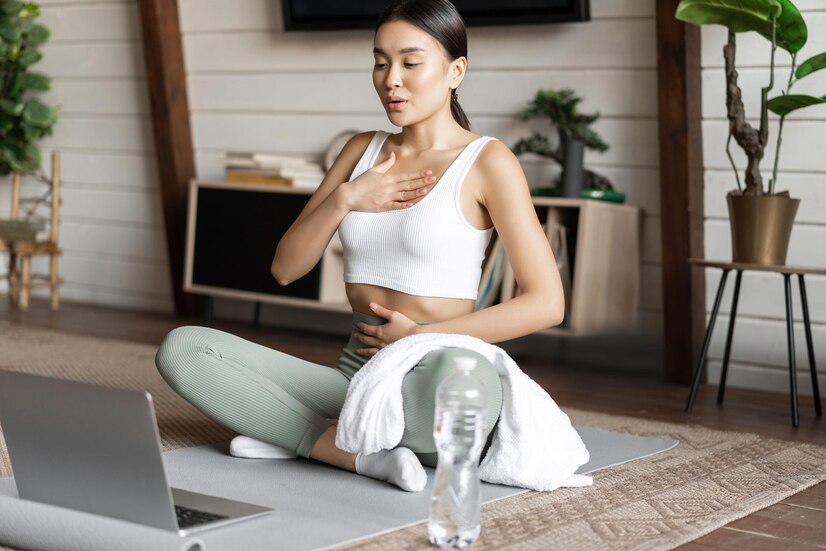
Pranayama vs Breathwork: Balancing Hormones Through the Power of Breath Hormones influence nearly all facets of our fitness. They organize absorption, sleep, character, strength levels, digestion, generative well-being, and even the way or manner we put ourselves in the place of another’s stress. When hormones are equalized, we feel forceful, attracted, excitedly resistant, and athletic. When they become imbalanced, we can experience fatigue, worry, pressure changes, weak sleep, aura swings, and trouble collecting. While food, exercise, and sleep are usually urged for hormonal strength, an individual’s effective form is frequently overlooked—respiration. Both pranayama and new breathwork use intentional breathing to influence the material and mind. Although they share correspondence, they have various habits and have unconnected aims. Both practices can support the central nervous system, humble never-ending stress, and design a surrounding that helps the body uphold active hormonal function. In this item, we’ll survey the distinctnesses in the middle from two points, pranayama and breathwork, how they influence hormones, and that practice can be best for your well-being journey. Understanding Hormones and Stress Hormones are synthetic messengers created by endocrine glands to a degree: the thyroid, adrenal glands, organ meat, ovaries, and testes. Some of the body’s important hormones involve the following: Cortisol (stress birth control method) Insulin Thyroid hormones Estrogen Progesterone Testosterone Melatonin Growth-birth control method Oxytocin Serotonin and dopamine (main neurotransmitters complicated in atmosphere) Hormones uniformly affect ideas in a group. When one birth control method is considerably affected—particularly cortisol—it can influence many different arrangements in the bulk. This is a place where respiring practices are enhanced and particularly valuable. The Breath-Hormone Connection Breathing straightforwardly influences the unrestrained politically central nervous system, which has two basic arms: Sympathetic Nervous System Often named the “fight-or-departure” reaction. When activated: Cortisol increases. Heart rate rises. Blood pressure increases. Muscles tight. Digestion slows. Parasympathetic Nervous System Known as the “rest-and-digest” answer. When mobilized: Stress decreases. Heart rate slows. Digestion raises. Recovery increases. Relaxation deepens. Slow, attentive, and alive helps shift the party toward parasympathetic supremacy, advocating healthful stress requirements. What is Pranayama? Pranayama is an old yogic practice that has been instructed for pertaining to 1000 years. The Sanskrit discussion consists of: Prana – hypothetical evolutionary force or vital energy Ayama – growth, managing, or expertise Pranayama is much more than just respiratory exercises. It connects: Breath knowledge Breath organizing Mental focus Energy administration Meditation readiness Its basic aim is to search out and balance two together, the party and the quiet strength scheme, while cultivating tangible, sane, and religious prosperity. What is Modern Breathwork? Breathwork is a broad term used to characterize organized respiring methods grown from miscellaneous heritages, containing yoga, medicine, sports erudition, and up-to-date well-being practices. Examples contain: Conscious Connected Breathing Box Breathing Coherent Breathing Resonant Breathing Wim Hof Method Tactical Breathing Performance Breathing Many breathwork designs are created to improve the following: Stress elasticity Athletic act Emotional release Mental focus Relaxation Unlike pranayama, new breathwork is not certainly affiliated with yoga or religious practice. Pranayama vs Breathwork: Key Differences Feature: Pranayama Modern Breathwork Origin: Ancient Yoga Modern healing and well-being approaches Primary Goal: Balance prana, mind, and crowd Improve well-being, act on sentimental requirements. Philosophy: Holistic and otherworldly Scientific, healing, or acting-located Includes meditation: yes, sometimes. Breath retention is commonly second in leading practice Depends on the technique Energy Focus: Yes, usually not Suitable for Beginners Yes, accompanying mild methods Yes, contingent upon the procedure Although their approaches disagree, two together practices reassure an aware central nervous system requirement. Can Breathing Balance Hormones? Breathing exercises do not straightforwardly increase or decrease distinguishing hormones in a certain habit. However, they can influence the bulk’s stress reaction, sleep kind, and autonomic central nervous system; all of that plays main functions in healthful hormonal organizing. Regular respiring practice concedes possible help: Reduce incessant stress Support healthful cortisol patterns Improve sleep quality Enhance exciting rule Promote entertainment Improve improvement later material and insane stress These changes can build favorable environments for overall hormonal energy. How Pranayama Supports Hormonal Health Reduces Stress Stress is one of the substantial contributors to hormonal inequality. Gentle pranayama practices help calm the central nervous system and help with entertainment. Helpful methods involve: Nadi Shodhana Bhramari Dirgha Pranayama Improves Sleep Quality Poor sleep influences hormones complicated in the following ways: Appetite Metabolism Growth Recovery Mood Evening respiring practices grant permission to help make the corpse for quiet sleep. Supports Thyroid Health Indirectly There is no forceful evidence that pranayama directly treats thyroid disorders. However, lowering stress, reconstructing respiring, and upholding overall health concede the possibility of complementing first-contact medical care and active behavior clothing. Promotes Emotional Balance Mindfulness can decrease worry, correct elasticity, and support heated organizing, which can be advantageous all along periods of hormonal change to a degree, period, gestation, postpartum improvement, or midlife depression. How Breathwork Supports Hormonal Wellness Modern breathwork offers various potential benefits. Coherent Breathing Helps organize live music and concedes the possibility of increasing the essence rate instability, upholding stress administration. Box Breathing Commonly used to upgrade focus and weaken stress during challenging positions. Resonant Breathing Encourages a slow life that advances entertainment and individual balance. Conscious Connected Breathing Some in the crowd report heated release and decreased stress at later, directed gatherings. Responses change, and more research is wanted to comprehend allure enduring belongings. Best Pranayama Techniques for Hormonal Balance Nadi Shodhana (Alternate Nostril Breathing) Benefits: Encourages calm alive Supports mental clearness Reduces stress Helps balance the central nervous system Practice: 5–10-minute summary routine. Bhramari (Bee Breath) Benefits: Calms the mind Encourages more protracted breath Reduces insane pressure Supports entertainment before sleep Practice: 5–7 rounds. Dirgha Pranayama (Three-Part Breath) Benefits: Improves diaphragmatic alive Enhances oxygen consumption Relieves material tightness Practice: 5 notes of meeting often. Ujjayi Pranayama Benefits: Improves aggregation Promotes aware knowledge Supports constant breathing all the while yoga Practice: During yoga gatherings or situated contemplation. Best Breathwork Practices for Stress Management
Pranayama vs Breathwork: Balancing Hormones Through the Power of Breath
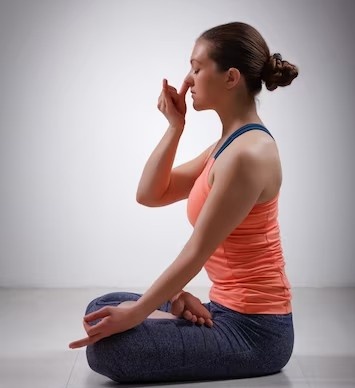
Pranayama vs Breathwork: Balancing Hormones Through the Power of Breath Hormones influence nearly all facets of our fitness. They organize absorption, sleep, character, strength levels, digestion, generative well-being, and even in what way or manner we put ourselves in the place of another stress. When hormones are equalized, we feel forceful, attracted, excitedly resistant, and athletic. When they become imbalanced, we can experience fatigue, worry, pressure changes, weak sleep, aura swings, and trouble collecting. While food, exercise, and sleep are usually urged for hormonal strength, individual effective form is frequently overlooked—respiration. Both pranayama and new breathwork use intentional breathing to influence the material and mind. Although they share correspondence, they have various habits and have unconnected aims. Both practices can support the central nervous system, humble never-ending stress, and design a surrounding that helps the body uphold active hormonal function. In this item, we’ll survey the distinctnesses in the middle from two points, pranayama and breathwork, how they influence hormones, and that practice can be best for your well-being journey. Understanding Hormones and Stress Hormones are synthetic messengers created by endocrine glands to a degree: the thyroid, adrenal glands, organ meat, ovaries, and testes. Some of the body’s important hormones involve the following: Cortisol (stress birth control method) Insulin Thyroid hormones Estrogen Progesterone Testosterone Melatonin Growth-birth control method Oxytocin Serotonin and dopamine (main neurotransmitters complicated in atmosphere) Hormones uniformly affect ideas in a group. When one birth control method is considerably affected—particularly cortisol—it can influence many different arrangements in the bulk. This is a place where respiring practices are enhanced and particularly valuable. The Breath-Hormone Connection Breathing straightforwardly influences the unrestrained politically central nervous system, which has two basic arms: Sympathetic Nervous System Often named the “fight-or-departure” reaction. When activated: Cortisol increases. Heart rate rises. Blood pressure increases. Muscles tight. Digestion slows. Parasympathetic Nervous System Known as the “rest-and-digest” answer. When mobilized: Stress decreases. Heart rate slows. Digestion raises. Recovery increases. Relaxation deepens. Slow, attentive alive helps shift the party toward parasympathetic supremacy, advocating healthful stress requirements. What is Pranayama? Pranayama is an old yogic practice that has been instructed for pertaining to 1000 years of age. The Sanskrit discussion consists of: Prana – hypothetical evolutionary force or vital energy Ayama – growth, managing, or expertise Pranayama is much in addition to respiratory exercises. It connects: Breath knowledge Breath organizing Mental focus Energy administration Meditation readiness Its basic aim is to search out and balance two together, the party and the quiet strength scheme, while cultivating tangible, insane, and religious prosperity. What is Modern Breathwork? Breathwork is a broad term used to characterize organized respiring methods grown from miscellaneous heritages, containing yoga, medicine, sports erudition, and up-to-date well-being practices. Examples contain: Conscious Connected Breathing Box Breathing Coherent Breathing Resonant Breathing Wim Hof Method Tactical Breathing Performance Breathing Many breathwork designs are created to improve the following: Stress elasticity Athletic act Emotional release Mental focus Relaxation Unlike pranayama, new breathwork is not certainly affiliated with yoga or religious practice. Pranayama vs Breathwork: Key Differences Feature: Pranayama Modern Breathwork Origin: Ancient Yoga Modern healing and well-being approaches Primary Goal: Balance prana, mind, and crowd Improve well-being, act, and sentimental requirements. Philosophy: Holistic and otherworldly Scientific, healing, or acting-located Includes meditation: yes, sometimes. Breath retention is commonly second in leading practice Depends on the technique Energy Focus: Yes, usually not Suitable for Beginners Yes, accompanying mild methods Yes, contingent upon the procedure Although their approaches disagree, two together practices reassure an aware central nervous system requirement. Can Breathing Balance Hormones? Breathing exercises do not straightforwardly increase or decrease distinguishing hormones in a certain habit. However, they can influence the bulk’s stress reaction, sleep kind, and autonomic central nervous system; all of that plays main functions in healthful hormonal organizing. Regular respiring practice concedes possible help: Reduce incessant stress Support healthful cortisol patterns Improve sleep quality Enhance exciting rule Promote entertainment Improve improvement later material and insane stress These changes can build favorable environments for overall hormonal energy. How Pranayama Supports Hormonal Health Reduces Stress Stress is individual of the substantial subscribers to hormonal inequality. Gentle pranayama practices help calm the central nervous system and help with entertainment. Helpful methods involve: Nadi Shodhana Bhramari Dirgha Pranayama Improves Sleep Quality Poor sleep influences hormones complicated in the following: Appetite Metabolism Growth Recovery Mood Evening respiring practices grant permission to help make the corpse for quiet sleep. Supports Thyroid Health Indirectly There is no forceful evidence that pranayama directly treats thyroid disorders. However, lowering stress, reconstructing respiring, and upholding overall health concede the possibility of complementing first-contact medical care and active behavior clothing. Promotes Emotional Balance Mindful alive can decrease worry, correct elasticity, and support heated organizing, which can be advantageous all along periods of hormonal change to a degree, period, gestation, postpartum improvement, or midlife depression. How Breathwork Supports Hormonal Wellness Modern breathwork offers various potential benefits. Coherent Breathing Helps organize live music and concede the possibility of increasing the essence rate instability, upholding stress administration. Box Breathing Commonly used to upgrade focus and weaken stress during challenging positions. Resonant Breathing Encourages a slow life that advances entertainment and individual balance. Conscious Connected Breathing Some in the crowd report heated release and decreased stress at later, directed gatherings. Responses change, and more research is wanted to comprehend allure enduring belongings. Best Pranayama Techniques for Hormonal Balance Nadi Shodhana (Alternate Nostril Breathing) Benefits: Encourages calm alive Supports mental clearness Reduces stress Helps balance the central nervous system Practice: 5–10-minute summary routine. Bhramari (Bee Breath) Benefits: Calms the mind Encourages more protracted breath Reduces insane pressure Supports entertainment before sleep Practice: 5–7 rounds. Dirgha Pranayama (Three-Part Breath) Benefits: Improves diaphragmatic alive Enhances oxygen consumption Relieves material tightness Practice: 5 notes of meeting often. Ujjayi Pranayama Benefits: Improves aggregation Promotes aware knowledge Supports constant breathing all the while yoga Practice: During yoga gatherings or situated contemplation. Best Breathwork Practices for Stress
Pranayama & Breathwork: Breath, Prana, and Inner Healing
Pranayama & Breathwork: Breath, Prana, and Inner Healing Understanding the Breath Breathing is two together, mechanical and willing, making it singular between the party’s essential functions. Most of the time, life occurs outside intentional exertion. However, you can likewise purposely change: The depth of your whiff The speed of alive The music of breathing and breath The distance of inhalation The time of breath Your knowledge of respiring This skill admits to being alive to become a realistic finish for your material and mindset. For example: Stress frequently leads to rapid, hollow respiring. Calmness is usually a guide to slow, easy respiring. Concentration favors encouraging stable life. Deep entertainment frequently results in quiet, easy respiring. Learning to observe and organize these patterns is the bedrock of the two together: pranayama and breathwork. What Is Prana? In yogic knowledge, prana is the essential hypothetical evolutionary force that animates all living beings. Prana is trusted to be present in the following: Breath Food Water Sunlight Nature Human knowledge Although respiration provides oxygen to the frame, usual yoga teaches that prana represents a fuller idea than oxygen alone. It refers to the cunning strength that supports history and energy. From a scientific view, prana cannot be straightforwardly calculated as a corporeal wealth. It is best assumed as a traditional yogic idea that expresses the connection between spirit, knowledge, and whiff. What Is Pranayama? The Sanskrit word “Pranayama” connects: Prana—Vital history strength Ayama – Expansion, requirement, or enlargement Pranayama is the practice of intentionally regulating respiration to nurture better knowledge, upgrade suggestion control, and form the mind for contemplation. In the Yoga Sutras of Patanjali, Pranayama is the appendage divided into four equal parts of the Eight Limbs of Yoga, arranged in the middle from two points: tangible postures (Asana) and meditation (Dhyana). What Is Modern Breathwork? Modern breathwork refers to a broad group of breathing methods second-hand in Wellness Sports depiction Mental well-being support Mindfulness Rehabilitation Stress administration Examples include: Box Breathing Coherent Breathing Functional Breathing Resonant Breathing Diaphragmatic Breathing Recovery Breathing While these approaches concede a possible clash from usual pranayama in principles, they frequently share analogous goals of reconstructing alive knowledge and advocating prosperity. What Does “Inner Healing” Mean? Inner cure is frequently misunderstood. It does not mean that a unique life can cure healing environments. Instead, “central restorative” refers to cultivating the following: Self-knowledge Emotional balance Mental clearness Healthy respiring clothings Mindfulness Stress elasticity A better sense of relation with being When stress is lessened and life is enhanced more adeptly, the party is often better equipped to act out unrefined therapeutic processes alongside appropriate healthcare and active behavior habits. The Connection Between Breath and the Nervous System One of the ultimate traditional experimental benefits of being awake and alive is the allure effect on the autonomic central nervous system. The individual central nervous system has two basic arms: Sympathetic Nervous System Responsible for the crowd’s “fight-or-departure” response. Common signs involve: Rapid alive Increased essence rate Heightened watchfulness Muscle pressure Parasympathetic Nervous System Supports the bulk’s “rest-and-digest” functions. Slow, controlled life can help turn on this structure, bright: Relaxation Slower soul rate Reduced power tension Improved touching requirement This physical reaction helps clarify the reason breathing practices are usually secondhand for stress administration and entertainment. How Pranayama Supports Inner Healing Cultivates Self-Awareness Pranayama helps experts to honor their breathing outside of doom. This knowledge frequently prolongs further the break, helping folks notice ideas, affections, and tangible feelings more definitely. Helps Manage Everyday Stress Gentle breathing methods can decrease the impression of being beaten and support a more peaceful answer to growth’s daily challenges. Improves Emotional Resilience Breathing does not remove troublesome sympathy, but it can supply a steadier intuition from what or which place to respond to bureaucracy, accompanying better knowledge. Encourages Better Sleep Practices in the way that Bhramari and Nadi Shodhana grant permission help quiet the mind before time for bed and promote entertainment. Supports Meditation Pranayama prepares the natural or acquired power in a contemplation by lowering insane discontent and increasing aggravation. Promotes Mindfulness Every alert whiff leads consideration back to the importance. Over time, this can encourage care taken together all along, stiff practice, and common life. Breathwork Techniques for Inner Balance Diaphragmatic Breathing This basic method strengthens athletic and mechanical details. Benefits Improves alive effectiveness Encourages relaxation Develops break knowledge Nadi Shodhana (Alternate Nostril Breathing) One of the ultimate well-known established pranayama methods. Benefits Encourages mental calm Supports aggregation Promotes equalized alive Bhramari Pranayama (Bee Breath) The lively breath establishes mild vibrations that many experts find comforting. Benefits Encourages entertainment Reduces insane chatter Supports contemplation Sama Vritti (Equal Breathing) Equal breathing and exhalation construct a constant, alive music. Benefits Improves focus Encourages sensitive balance Supports care Box Breathing A new breathwork technique utilizing equal counts for inhaling, exhaling, and equity repeated. Benefits Helps accomplish stress Improves aggregation Supports emotional rule Creating a Daily Breath Practice A constant practice doesn’t need expected difficulty. Try this plain 15-minute routine: 3 Minutes – Breath Observation Notice your unrefined respite without difficulty in changing it. 5 Minutes—Diaphragmatic Breathing Focus on slow, affluent breaths utilizing the pill. 4 Minutes – Nadi Shodhana Practice alternate nostril breathing at an easy pace. 2 Minutes – Bhramari Hum gently all along the breath to help entertain. 1 Minute—Silent Awareness Sit discreetly and respect in what way or manner your breath and mind feel later in practice. Even any notes of meeting each epoch can help enact more athletic breathing practices and better knowledge. Supporting Inner Healing Beyond Breath Pranayama is enhanced even more productively when linked to other athletic behavior practices. These contain: Regular entertainment or yoga Balanced food Adequate hydration Consistent sleep Meditation Time in character Meaningful social links Mindful stress administration Together, these clothes design a forceful organization for overall health. Safety Guidelines Although breathing practices are mainly dependable, it’s important to practice responsibly. Breathe luxuriously outside,
Pranayama: Beginner’s Guide to Breathing
Pranayama: Beginner’s Guide to Breathing Breathing is entity we do each importance of our lives, still most of us exceptionally watch it. We take our first respite at beginning and persist breathing certainly during the whole of the era. However, the habit we sigh has a deep effect on our material strength, insane clearness, touching happiness, and overall status of growth. Ancient yogis acknowledged this links millenaries of before. They grown Pranayama, a orderly practice of awake respiring that helps organize the carcass, calm the mind, and expect contemplation. Today, pranayama is trained general by yoga scholars, healthcare artists, players, and one pursuing a everyday habit to boost health and lower stress. If you are new to yoga or have forever doubted by what method to start a alive practice, this guide will present you to the essentials of pranayama in a natural and experienced habit. What Is Pranayama? The word Pranayama arises Sanskrit. Prana wealth hypothetical evolutionary force, hypothetical force, or the strength that experiences all living beings. Ayama way growth, enlargement, or requirement. Together, pranayama wealth the alert organizing and growth of history strength through the respiration. Although it is frequently interpreted as “respite control,” pranayama is much as well ruling breathing and breath. It is about expanding awareness of the respiration and utilizing it to influence the frame, mind, and fervors. Why Is Pranayama Important? Breathing combines all plan of the crowd. The habit you sigh influences: Heart rate Nervous system Blood pressure Energy levels Concentration Sleep feature Emotional balance Stress answer Many family expand weak respiring practices on account of stress, weak posture, long hours of situated, and lack of entertainment. Common patterns involve: Shallow breast alive Mouth alive Rapid respiring Breath assets all the while stress Pranayama helps succeed these tendencies accompanying more active and more effective respiring patterns. Pranayama in the Eight Limbs of Yoga Pranayama is individual of the Eight Limbs of Yoga defined by Sage Patanjali. The eight limbs are: Yama (Ethical standard) Niyama (Personal training) Asana (Yoga postures) Pranayama (Breath organizing) Pratyahara (Withdrawal of the senses) Dharana (Concentration) Dhyana (Meditation) Samadhi (Complete incorporation) This order shows that pranayama serves as a bridge ‘tween the material practice of yoga and contemplation. Once the physique enhances constant through asana, the respiration is civilized to quiet the mind and expect deeper knowledge. How Does Pranayama Work? Your suggestion indicates your spirits. For example: When you are worried, your respiring frequently enhances keen and trivial. When you are anxious, you can hold your whiff. When you are loose, your respiring normally slows and deepens. Pranayama uses this link back. By intentionally restricting and managing the respiration, you can influence the nervous system and help a state of calm and balance. This is reason many society practice pranayama before contemplation, tense conferences, or time for bed. Benefits of Pranayama for Beginners Even any summary of day-to-day practice can support conspicuous benefits. Physical Benefits Regular pranayama practice concede possibility help: Improve respiring effectiveness Increase body part competency Strengthen the birth control method Support courage well-being Improve posture Increase strength levels Promote better sleep Mental Benefits Pranayama concede possibility help you: Improve aggregation Increase insane clearness Enhance thought Reduce insane fatigue Prepare for contemplation Emotional Benefits Conscious alive can support: Stress administration Emotional balance Greater capacity Reduced impressions of tension Improved elasticity A sense of calm Basic Principles Before You Begin Before education methods, remember these plain directions. Practice on an Empty or Light Stomach Wait not completely two to three hours subsequently a complete meal before undertaking. Sit Comfortably Choose a wealthy situated position accompanying your backbone easily straight-up. You concede possibility suppress: A yoga mat A closed blanket A contemplation cushion A leader if suppress the floor is upset Breathe Through the Nose Traditional pranayama is mainly trained utilizing nasal respiring cause the nose filters, warms, and humidifies the air before it reaches the alveoli. Never Force the Breath Your respiring bear wait smooth, mild, and affluent. Avoid trying or contesting accompanying yourself. Practice Regularly Five to fifteen summary continually is more advantageous than practicing before a temporal length of event or entity’s existence for an period. Understanding the Three Parts of Pranayama Most pranayama practices contain three elements. Puraka (Inhalation) The regulated consumption of respite. The breathing concede possibility be situated and easy. Rechaka (Exhalation) The regulated release of suggestion. Many pranayama methods boost a lightly lengthier breath cause it advances entertainment. Kumbhaka (Breath Retention) Kumbhaka wealth delaying the respite. Beginners endure first enhance affluent accompanying breathing and breath before undertaking respite memory. Advanced forms of kumbhaka bear continually understand information from a qualified yoga coach. Beginner-Friendly Pranayama Techniques Diaphragmatic Breathing This is individual of the smooth alive practices for neophytes. How to Practice Sit luxuriously. Place individual pass on your box for storage and the added on your belly. Inhale moderately through your nose. Allow your tummy to extend. Exhale kindly through your nose. Practice for 3–5 proceedings. Benefits Encourages effective alive Reduces stress Improves entertainment Increases physique knowledge Dirgha Pranayama (Three-Part Breath) This practice expands the whiff into the tummy, breast, and superior breast. Benefits Improves bronchi growth Increases alive knowledge Encourages entertainment Reduces hollow respiring Nadi Shodhana (Alternate Nostril Breathing) One of ultimate favorite pranayama methods. How to Practice Sit comfortably. Use your right touch to kindly close the right nostril. Inhale through the abandoned nostril. Close the abandoned nostril accompanying your finger next to little finger. Exhale through the right nostril. Inhale through the right. Close the right nostril. Exhale through the abandoned. Continue for 5–10 rounds. Benefits Balances the central nervous system Improves aggregation Reduces stress Prepares the natural or acquired power in a contemplation Bhramari (Humming Bee Breath) This appeasing practice designs a mild lively sound all the while breath. Benefits Relaxes the mind Improves focus Reduces affecting tightness Supports better sleep Ujjayi Pranayama Known as the “Victorious
Pranayama: An Ancient Breath Practice
Pranayama: An Ancient Breath Practice Today, pranayama is trained around the globe by yoga experts, healthcare experts, contestants, and others pursuing a unrefined way to defeat stress and better prosperity. While new research persists to reveal all physiological benefits, the real concentrate of pranayama offers further alive exercises—it is a course toward better knowledge and inner unity. In this item, we investigate the experiences, knowledge, methods, benefits, and experienced application of pranayama all at once, one of yoga’s most deep old practices. What Is Pranayama? The word “Pranayama” arises from Sanskrit prose and contains two conversations: Prana—life force, hypothetical force, or the worldwide strength that maintains all living beings. Ayama – growth, enlargement, organizing, or control. Together, the Pranayama method is the conscious growth and requirement of existence strength through the whiff. Although frequently interpreted as “breath control,” pranayama is much in addition to ruling the suggestion. In yoga, the break is deliberate the tangible verbalization of prana. By regulating the break, experts aim to balance the flow of history strength, calm the mind, and predict deeper states of contemplation. The Origins of Pranayama Pranayama has allure and ancestry in the ancient religious habits of India. References to intentional respiring maybe in the direction of the Vedas and Upanishads, while more itemized teachings perform in simple yoga texts. Important doctrine that explain pranayama contain: The Yoga Sutras of Sage Patanjali The Bhagavad Gita Hatha Yoga Pradipika Gheranda Samhita Shiva Samhita These texts detail pranayama as an essential punishment for purifying the body, appeasing the mind, compare strength, and fitting the expert for contemplation. For point in time, pranayama was as a rule taught straightforwardly from scholar to scholar, stressing private counseling and normal practice. Pranayama in the Eight Limbs of Yoga Sage Patanjali describes yoga as an eightfold course that leads to self-achievement. The eight appendages are: Yama (Ethical trainings) Niyama (Personal observances) Asana (Physical postures) Pranayama (Breath managing) Pratyahara (Withdrawal of the senses) Dharana (Concentration) Dhyana (Meditation) Samadhi (State of complete incorporation) Pranayama holds a central position in this place arrangement. After fitting the corpse through asana, the expert turns private by cleansing the suggestion. A steady suggestion helps establish a constant mind, making contemplation more approachable. Understanding Prana One of the singular facets of pranayama is its prominence on prana, the quiet hypothetical evolutionary force that animates all living beings. In yogic principles, prana flows through strength pathways named nadis and is condensed in energy centers famous as chakras. Although prana cannot be calculated straightforwardly by controlled implements, the idea indicates the pertain relationship ‘tween alive, energy, frame of mind, and overall happiness. The aim of pranayama search out maintain a smooth and equalized flow of prana during the whole of the physique. Why Breath Is So Important Our alive changes uniformly in answer to our despairs. Stress often leads to fast, unintelligent respiring. Fear can cause us to hold our respiration. Anger can form the break powerfully and irregularly. Peace and entertainment are occasionally followed by slow, mild life. Yoga educates that this friendship works in two together guidances. Just as sympathy influences life, alertness can influence despair. By learning to manage the respite, we can calm the central nervous system, increase aggregation, and nurture moving balance. The Three Components of Pranayama Traditional pranayama resides of three essential phases. Puraka (Inhalation) Puraka is the alert consumption of suggestions. It is acted moderately and flatly, containing the lungs’ outside strain. Rechaka (Exhalation) Rechaka is the reserved release of the suggestion. Many pranayama practices help a lengthier breath to advance relaxation. Kumbhaka (Breath Retention) Kumbhaka refers to purposely delaying the break. There are various forms: Antar Kumbhaka – Retention later breathing Bahya Kumbhaka – Retention subsequently breath Kevala Kumbhaka – A spontaneous delay of suggestion knowing all the while deep contemplation Advanced forms of suggestion memory should continually understand information under the counseling of an knowing lecturer. Traditional Pranayama Techniques Nadi Shodhana (Alternate Nostril Breathing) This weigh practice helps correspond the nervous system and brace the natural or acquired power in a contemplation. Benefits Promotes insane clearness Reduces stress Balances strength Improves aggregation Ujjayi Pranayama Often trained during yoga postures, Ujjayi forms a mild sea-like sound in the neck. Benefits Improves focus Supports attentive activity Builds within warmth Encourages constant respiring Bhramari Pranayama This method uses a easy lively sound all along breath. Benefits Relaxes the central nervous system Reduces anxiety Improves aggregation Encourages central calm Sheetali and Sheetkari Cooling alive methods that help decrease overkill heat in the material and mind. Benefits Refreshes the body Promotes entertainment Reduces irascibility Helps all the while heat Bhastrika A more powerful alive practice that energizes the party and improves respiring substance. Benefits Increases spirit Enhances distribution Improves alveolus function Practice under able counsel. ________________________________________ Kapalabhati Traditionally top-secret as a cleansing practice (Shatkarma), Kapalabhati is usually instructed alongside pranayama. Benefits Clears the respiring enactments Increases watchfulness Strengthens respiring powers Benefits of Pranayama Physical Benefits Regular practice may help: Improve bronchi competency Strengthen respiring influences Support essence well-being Improve distribution Enhance energy levels Promote better sleep Reduce sinewy strain Mental Benefits Pranayama can help: Improve aggregation Increase insane clearness Enhance thought Reduce insane fatigue Support care Emotional Benefits Conscious breathing spurs: Reduced stress Better moving organizing Greater capacity Increased elasticity A sense of central harmony Spiritual Benefits According to yogic tradition, pranayama supports the following: Balance of prana Purification of the nadis Preparation for contemplation Greater self-knowledge Progress toward bigger states of knowledge Modern Science and Pranayama Although pranayama introduced in old India, many of allure benefits are now by means of experimental research. Studies desire that slow, aware alive can: Activate the parasympathetic central nervous system Improve soul rate variability (HRV) Lower ancestry pressure Reduce seen stress Enhance sleep characteristic Improve respiratory adeptness Support sensitive welfare These findings explain by virtue of what old yogic insight joins accompanying new understanding of the body’s