
What Is a 200-Hour Yoga Teacher Training? A Complete Beginner’s Guide (2026-27)

What Is a 200-Hour Yoga Teacher Training? If you’ve existed undertaking yoga and are going to expand your information, enhance your private practice, or start a course as a yoga trainer, you’ve apparently encountered the term “200-Hour Yoga Teacher Training” (200-Hour YTT or 200-Hour Yoga TTC). It is one of the ultimate favorite and widely acknowledged yoga coach preparation programs in general; be a part of the institution for hopeful yoga scholars and loyal experts alike. A 200-hour yoga teacher training is much, as well, a course on yoga poses. It is an organized course of study that investigates the tangible, insane, reflective, and efficient ranges of yoga. Students gain not only by means of acting cautiously but also by virtue of appreciating the learning, principles, plants, and education plans that support a lasting yoga practice. Whether your aim is to search out education professionally or completely happen upon yoga on a deeper level, a 200-moment program offers the information, assurance, and efficient abilities wanted to start your journey. ________________________________________ What Does “200 Hours” Mean? The term “200-moment” refers to the total number of LED education hours contained in the program. These hours are delivered across lecture room information, realistic preparation, directed education, responsibilities, self-study, and estimates. Depending on the institute, the preparation grant permission can be presented in various layouts: Intensive dwellings program achieved over 3–5 weeks. Weekend assortments spread across various months. Part-opportunity weekday programs. Online live classes. Hybrid education that integrates being connected to the internet and in-person gatherings. Although the schedule concedes the possibility of change, the overall educational effects wait, concentrated on constructing a powerful support in yoga. ________________________________________ Who Should Join a 200-Hour Yoga Teacher Training? A 200-hour yoga teacher training is acceptable for a wide range of learners. It is ideal for: Beginners are the ones who want organized education. Regular yoga experts. Aspiring yoga lecturers. Fitness artists. Physiotherapists. Healthcare experts. Wellness coaches. Corporate specialists pursuing a course change. Students concerned about incomplete energy. Anyone hoping to expand their understanding of yoga. Contrary to public opinion, you do not need to act progressive in yoga poses before enrolling. Most programs are devised to support juniors accompanying various levels of experience through liberal direction and embodied counseling. ________________________________________ What Will You Learn in a 200-Hour Yoga Teacher Training? A well-created yoga teacher training course integrates proficient knowledge with hypothetical information. The syllabus frequently involves the following center regions. Yoga Asanas (Postures) Students gain practice and education in an off-course assortment of yoga postures, containing: Standing poses Sitting poses Forward bends Backbends Twists Hip openers Balancing postures Restorative poses Introductory inversions The important act: Correct adjustment Breath arrangement Safe changes Modifications for various frame types Injury stop Understanding the purpose of each posture Rather than learning troublesome poses, pupils devote effort to something constructive, a cautious, tenable, and attentive practice. ________________________________________ Pranayama (Breathwork) Breath is a thought-out individual of ultimate strong finishes in yoga. During the course, pupils gain by means of what respiring methods influence the central nervous system, aggregation, and passionate comfort. Common pranayama practices contain the following: Nadi Shodhana (Alternate Nostril Breathing) Ujjayi Pranayama Bhramari (Bee Breath) Kapalabhati Bhastrika Sheetali Sheetkari Dirgha Shwas (Three-Part Yogic Breath) Students again gain when to use these methods and the carefulness guides each practice. ________________________________________ Meditation Meditation helps nurture care, aggregation, and sentimental balance. Students are made acquainted with practices in the way that: Breath knowledge contemplation Mindfulness contemplation Mantra contemplation Guided entertainment Yoga Nidra Trataka (directed scrutinizing, placing appropriately) Regular contemplation evolves insane clearness and supports overall health. ________________________________________ Yoga Philosophy Understanding yoga’s reflective groundworks helps graduates enjoy yoga as a complete lifestyle, alternatively merely an appropriateness project. Topics frequently involve: History and development of yoga Patanjali’s Yoga Sutras The Eight Limbs of Yoga (Ashtanga Yoga) Yamas and Niyamas Bhagavad Gita Pancha Kosha (Five Sheaths) Chakras (as bestowed inside the school’s habit) Yogic morality and behavior These educations help self-knowledge, training, kindness, and attentive living. ________________________________________ Anatomy and Physiology A reliable understanding of plants is essential for educating yourself about yoga carefully. Typical matters contain the following: Skeletal arrangement Muscular arrangement Joint mechanical details Functional plants Respiratory whole Nervous system Biomechanics Postural reasoning Injury stop Rather than replacement healing instruction, these communications help yoga supervisors appreciate the campaign and accommodate practices responsibly. ________________________________________ Teaching Methodology This is the place juniors start education. In what way or manner should one educate efficiently? Key affairs contain: Class preparation Class sequencing Verbal cueing Demonstration methods Observation abilities Hands-off and appropriate adaptation standard Time administration Voice bulge Building junior assurance Professional morality These abilities help undergraduates change from experts to instructors. ________________________________________ Practice Teaching Teaching assurance cultivates through efficient knowledge. Students evenly progress from the following: Explaining an alone posture. Guiding live exercises. Teaching companions. Leading narrow groups. Delivering complete yoga classes. Constructive responses from instructors and peers help clarify educational abilities during the whole of the course. ________________________________________ Benefits of a 200-Hour Yoga Teacher Training Many undergraduates uncover that the benefits offer far more than scoring a license. Physical Benefits Increased elasticity Improved substance Better posture Enhanced maneuverability Greater party knowledge Improved balance Mental Benefits Better aggregation Reduced stress Increased sentimental elasticity Improved care Greater self-knowledge Professional Benefits Foundation for education yoga Strong ideas abilities Leadership growth Confidence honestly expressive Career event in the wellbeing manufacturing Personal Benefits Healthier constantly habits Greater regimen Lifelong companionships A deeper understanding of yoga Personal renewal through compatible practice ________________________________________ Daily Schedule During a 200-Hour Yoga Teacher Training While each school has its own schedule, a conventional era can appear like this: Time Activity 6:00 AM Meditation & Pranayama 7:00 AM Asana Practice 9:00 AM Breakfast 10:00 AM Anatomy & Physiology 11:30 AM Yoga Philosophy 1:00 PM Lunch 2:30 PM Teaching Methodology 4:00 PM Practice Teaching 5:30 PM Self-Study & Reflection Weekend and connected-to-the-internet courses mainly allow for a more pliable schedule while claiming analogous education goals. ________________________________________ Can Beginners Join a 200-Hour Yoga Teacher Training? Yes. Most 200-time programs are
Understanding Yoga Anatomy for Safer Teaching: A Complete Guide for Yoga Teachers
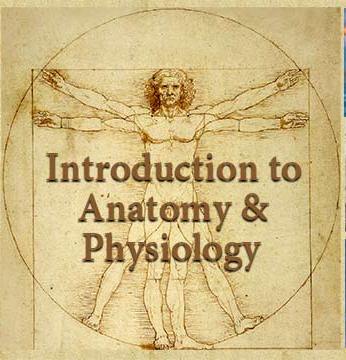
Understanding Yoga Anatomy for Safer Teaching: Why Every Yoga Teacher Needs Anatomical Knowledge Yoga is a practice of knowledge, balance, and networking in the middle from two points: the body and mind. While usual yoga focuses on developing unity through asana, pranayama, contemplation, and principles, up-to-date yoga education more demands a clear understanding of human anatomy. For a yoga professor, being aware of what method the physique moves is essential for founding reliable, persuasive, and all-encompassing classes. Anatomy information helps assistants perceive graduates’ material dissimilarities, guide correct adjustment, hamper harms, and offer appropriate modifications. A skillful yoga coach does not plainly show postures. They learn the party behind the posture. This is the reason plants and plant structure are main parts of a professional Yoga Teacher Training Course (YTTC). ________________________________________ What Is Yoga Anatomy? Yoga anatomy is the study of the human body’s makeup and flow concerning yoga practice. It involves understanding: Bones and wasted alignment Muscles and their functions Joints and maneuverability Connective tissues Nervous system reactions Breathing procedures Body movement patterns Yoga pants help professors comprehend what occurs inside the bulk when scholars practice various asanas. ________________________________________ Why Is Anatomy Important in Yoga Teacher Training? Many novices trust that yoga education is principally about learning poses and sequences. However, education harmlessly demands much deeper information. Anatomy instruction helps yoga scholars: Understand flow law Teach correct adjustment Reduce harm risks Identify restraints Modify postures Adapt classes for various graduates Every junior’s frame is various. Anatomy helps educators respect these individual differences. ________________________________________ Anatomy Helps Teachers Understand Alignment Alignment is not about making each graduate look alike. It is about sharing each pupil’s finding a reliable and working verbalization of a posture. For example, in Trikonasana (Triangle Pose), scholars can have various Hip mobility Hamstring elasticity Spine motion patterns Shoulder range of motion Anatomy information helps professors support appropriate counseling and a suggestion of correction, making all into the unchanging shape. ________________________________________ Understanding the Skeletal System The wasted method determines the establishment for change. A yoga professor bear thinks: Bones Joint forms Range of motion Anatomical alternatives Important districts contain: Spine Understanding sleep-inducing or numbing drug shifts helps faculty members guide Forward bends Backbends Twists Neutral backbone knowledge ________________________________________ Hips Hip plants are main for understanding: External turn Internal turn Flexion Extension This helps instructors carefully guide poses like the following: Pigeon Pose Warrior differences Lotus arrangement ________________________________________ Shoulders Shoulder plants help faculty members accept the following: Arm campaigns Weight-posture poses Shoulder strength Important in postures in the following ways: Downward-Facing Dog Plank Chaturanga ________________________________________ Understanding Muscles and Their Functions Muscles devise evolution and stability. A yoga lecturer endures learning: Which powers are mobilized Which powers are elongated How powers support junctures Examples: Quadriceps Important for: Standing poses Knee balance Leg substance Hamstrings Important for: Forward bends Hip evolution Flexibility Core Muscles Support: Balance Stability Posture control Understanding influences allows instructors to find more active sequences. ________________________________________ Preventing Injuries Through Anatomy Knowledge One of the greatest maturities of a yoga lecturer is pupil security. Poor adjustment, overdone force, or unfit practices concede the possibility of increased harm risk. Anatomy information helps instructors perceive: Unsafe motions Overstretching Joint disadvantages Incorrect date patterns An aware coach boosts juniors to investigate knowledge or alternative contests. ________________________________________ Understanding Joint Safety Joints admit motion, but they still require guardianship. Important junctures for yoga faculty members involve: Spine Shoulders Wrists Knees Hips Ankles Teachers endure and comprehend: Stability against maneuverability Healthy range of motion Common stress points For example, in burden-posture poses, decent wrist and push adjustment can humble irrelevant strain. ________________________________________ Anatomy Helps Create Better Modifications Not each junior can practice each posture similarly. Students who grant permission have the following: Limited elasticity Previous harms Age-connected changes Different frame percentages Mobility limits A skillful lecturer determines alternatives. Examples: Instead of urging deep forward folds, Bend knees Use props Reduce range of campaign Instead of compelling progressive poses: Offer basic differences Modifications make yoga more approachable. ________________________________________ Understanding Breath Anatomy Breathing is a fundamental part of yoga practice. Yoga supervisors benefit from understanding: Diaphragm function Rib campaign Respiratory powers Breath patterns This information supports education: Pranayama Meditation Relaxation techniques Understanding live logistics helps faculty members guide undergraduates toward more active addresses. ________________________________________ Understanding the Nervous System in Yoga Practice Modern yoga education more and more understands the duty of the central nervous system. Anatomy instruction helps lecturers believe the following: Stress answers Relaxation reactions Mind-frame relation Practices to a degree: Slow respiring Gentle motion Meditation Yoga Nidra Grant permission to support the central nervous system requirement. ________________________________________ Functional Anatomy vs. Perfect Alignment Traditional yoga education frequently stressed ideal shapes. Modern working plants admit that frames vary. Functional plants focus on: How the material moves Individual makeup Safety Adaptability A coach concedes the possibility of guiding graduates toward working motion or alternatively making a perfect external presence. ________________________________________ Anatomy Improves Yoga Sequencing Good sequencing demands understanding, arrangement, and progress. For example: Before deeper cool-chance poses, professors grant permission containing Hip maneuverability shifts Gentle restoring Warm-up exercises Before backbends, educators grant permission to gird: Spine flexibility Shoulder hole Core incitement Anatomy helps educators form astute and dependable sequences. ________________________________________ Common Anatomy Mistakes New Yoga Teachers Make Treating Every Body the Same Every undergraduate has singular plans. Avoid individual-diameter-fits-all commands. ________________________________________ Forcing Students Into Shapes Yoga endurance never rests on aggressive, further unrefined limits. ________________________________________ Ignoring Pain Signals Discomfort and pain are various. Teachers concede the possibility of boosting undergraduates to observe their frames. ________________________________________ Teaching Without Understanding Movement Memorizing poses is insufficient. Teachers need to think and reason by means of what changes work. ________________________________________ Essential Anatomy Topics for Yoga Teachers A comprehensive yoga teacher training program can possibly involve the following: Skeletal Anatomy Bones Joints Alignment standard Muscular Anatomy Major power groups Muscle conduct Stretching and invigorating Spine Anatomy Spinal flows Safety law Shoulder and Hip Anatomy Mobility Stability Common limits Respiratory Anatomy Breathing mechanism Pranayama support Nervous System Stress reaction Relaxation machines ________________________________________ How Yoga
The Importance of Sanskrit in Yoga Teacher Training: Understanding the Language of Yoga

The Importance of Sanskrit in Yoga Teacher Training Yoga is an eternal habit that was introduced in old India and has happened secondhand through creation. While yoga has enhanced an all-encompassing practice, many of the original education, texts, ideas, and practices are implanted in the Sanskrit style. For hopeful yoga lecturers, education in Sanskrit is not about appropriating a philosopher’s accent. It is about expanding deeper links accompanying the usual ancestries of yoga and understanding the real intention behind yoga practices. An inclusive Yoga Teacher Training Course (YTTC) presents pupils with the main Sanskrit agreements connected with: Asanas (postures) Pranayama (break practices) Meditation Yoga principles Mantras Traditional texts Understanding Sanskrit helps assistants correspond to yoga with better clearness, genuineness, and respect. ________________________________________ What Is Sanskrit? Sanskrit is one of the most aged, chaste expressions of India. The word “Sanskrit” means “civilized,” “completed,” or “refined.” Many main yoga texts were inscribed in Sanskrit, containing the following: The Yoga Sutras of Patanjali The Bhagavad Gita Hatha Yoga Pradipika Upanishads These texts hold the reflections and experienced education of yoga organizations. ________________________________________ Why Is Sanskrit Important in Yoga Teacher Training? Yoga is in addition to tangible exercise. It involves knowledge, contemplation, breathwork, morality, and religious knowledge. Sanskrit supports an approach to the original wording and deeper significations of yoga education. Learning Sanskrit helps yoga supervisors: Understand established ideas Pronounce yoga conditions right Teach asanas correctly Connect with yoga knowledge Communicate positively accompanying pupils ________________________________________ Sanskrit Helps Understand the Meaning Behind Asana Names Most yoga postures have Sanskrit names that detail their kinds, conduct, or typology. Understanding these names gives assistants deeper awareness of the practice. Examples: Tadasana Tada, the mountain. Asana = Posture Meaning: Mountain Pose It shows strength, substance, and educating. ________________________________________ Vrikshasana Vriksha is a tree. Asana = Posture Meaning: Tree Pose It shows balance, security, and rootedness. ________________________________________ Bhujangasana Bhujanga = Cobra Asana = Posture Meaning: Cobra Pose The name indicates the shape and characters of the posture. ________________________________________ By understanding Sanskrit significations, faculty members can illustrate the deeper goal behind each practice. ________________________________________ Sanskrit Connects Teachers With Traditional Yoga Knowledge Many yoga ideas cannot be adequately implied through rewording uniqueness. Sanskrit agreements frequently hold deeper aims. Examples: Prana Often interpreted as “hypothetical evolutionary force strength.” It shows the hypothetical force that supports existence. ________________________________________ Dhyana Means contemplation or deep planning. ________________________________________ Dharana Means aggregate or think about closely. ________________________________________ Samadhi Refers to a state of deep contemplative incorporation. ________________________________________ Understanding these agreements helps schoolteachers’ ideas of yoga principles exactly. ________________________________________ Sanskrit Improves Pronunciation and Teaching Quality Correct articulation shows respect for the ethic and develops ideas. Many yoga graduates listen to Sanskrit conditions all along: Asana classes Meditation gatherings Mantra practices Philosophy considerations An assistant, the one who understands articulation, can positively guide pupils. Examples: Shavasana Pranayama Dhyana Trikonasana Savasana Correct articulation builds clearness and rectitude. ________________________________________ Sanskrit Helps Teachers Understand Yoga Philosophy Yoga principles are suffused with accompanying Sanskrit wording. Important ideas involve: Yamas Ethical standard: Ahimsa (pacifism) Satya (honesty) Asteya (non-theft) Brahmacharya (reasonable use of strength) Aparigraha (non-affection) ________________________________________ Niyamas Personal practices: Saucha (cleanness) Santosha (happiness) Tapas (training) Svadhyaya (self-study) Ishvara Pranidhana (surrender) ________________________________________ Understanding these Sanskrit ideas admits educators to share yoga knowledge intentionally. ________________________________________ Sanskrit Supports Mantra and Meditation Practice Many established mantras are in Sanskrit. Examples involve: Om Mantra Gayatri Mantra Mahamrityunjaya Mantra Understanding Sanskrit helps faculty members: Pronounce mantras right Understand messages Guide intoning practices deferentially Mantra practice is enhanced more significantly when experts believe the sounds and aims behind the mantra. ________________________________________ Sanskrit Builds Authenticity as a Yoga Teacher A yoga professor shows a custom that has grown over millennia of age. Using Sanskrit suitably displays: Respect for yoga tradition Commitment to education Deeper understanding However, genuineness does not mean utilizing Sanskrit needlessly. A good professor discloses conditions obviously and guarantees juniors learn their significance. ________________________________________ Sanskrit Helps Create Better Communication With Students Many yoga graduates are bizarre about the aims behind yoga conditions. A faculty member, the one who understands Sanskrit, can answer questions in the way that What does this posture name mean? Why are yoga poses chosen for subsequent mammals? What is the significance concerning this chorus of song? What does this reflective idea show? This constitutes more abundant knowledge. ________________________________________ Sanskrit Enhances Meditation and Inner Practice Sanskrit is frequently characterized as a terminology of quivering by way of allure relation accompanying a chorus of song and intoning forms. Many experts consider the occurrence of Sanskrit sounds as a finish for: Concentration Mindfulness Meditation Inner knowledge For yoga coaches, understanding this facet increases insight into contemplation practices. ________________________________________ Common Sanskrit Terms Every Yoga Teacher Should Know Asana Posture or seat Pranayama Breath managing or growth of growth strength Prana Vital hypothetical evolutionary force Yoga Union, unification, or relation Dhyana Meditation Dharana Concentration Shanti Peace Namaste A mannerly welcome signifying assertion of the innermost being Savasana Corpse Pose Sukhasana Easy Pose ________________________________________ Sanskrit Learning in Yoga Teacher Training A conditional yoga teacher training program presents Sanskrit through proficient application. Students determine: Asana Terminology Understanding posture names and messages. Pronunciation Learning correct Sanskrit sounds. Yoga Philosophy Terms Understanding main ideas from usual texts. Mantras Learning significations and articulation. Teaching Application Using Sanskrit suitably while educating. ________________________________________ How Much Sanskrit Does a Yoga Teacher Need to Know? Yoga lecturers do not need to enhance articulate, Sanskrit speakers. A basic understanding is customarily adequate. Important extents involve the following: Common yoga wording Asana names Basic articulation Philosophy terminology Mantra messages The aim is understanding and mannerly discourse. ________________________________________ Common Mistakes When Using Sanskrit Using Sanskrit Without Understanding Meaning Teachers bear experience with what conditions show before presenting the ruling class. ________________________________________ Incorrect Pronunciation Learning elementary articulation enhances clearness. ________________________________________ Overusing Sanskrit Sanskrit concedes the possibility of improving knowledge, not involving juniors. ________________________________________ Ignoring Translations Always demonstrate messages in natural style. ________________________________________ How Yoga Teachers Can Improve Sanskrit Knowledge Teachers can impart knowledge through: Yoga principles studies Sanskrit laboratories Traditional passage study Mantra
Weekend Yoga Teacher Training Bangalore: Earn Your Yoga Certification Without Leaving Your Job
Weekend Yoga Teacher Training Bangalore Many populations desire flattering, ascertained yoga educators but struggle to find moments of truth to accompany adequate-period preparation. Busy work schedules, classification maturities, and academic assurances frequently manage to be troublesome to record in exhaustive weekday programs. Fortunately, a weekend yoga teacher training in Bangalore offers the adaptability to chase your excitement outside dawdling your course or individual growth pause. Weekend yoga teacher training programs are particularly devised for occupied specialists, administrators, undergraduates, healthcare experts, homemakers, and those pursuing professional yoga instruction accompanying a controllable schedule. Rather than attractive lengthened leave from work, graduates attend classes on Saturdays and Sundays while continuing their routine weekday obligations. Bangalore, popular for its allure, successful wellbeing society, and excellent yoga schools, has a combination of the best choices and goals for a pliable journey and professor preparation. Several institutes, including Karuna Yoga Vidya Peetham, offer journey-located 200-moment professor preparation programs accompanying organized educational programs and realistic education occurrences. (Karuna Yoga Vidya Peetham Bangalore) ________________________________________ What Is a Weekend Yoga Teacher Training? A weekend yoga teacher training is an any-occasion confirmation program that covers the same compulsory school subjects as an orderly professor preparation course but is placed on or reaches the highest part of weekends, a suggestion of correction for constant classes. Students accept inclusive instruction in: Yoga Asanas Pranayama Meditation Yoga Philosophy Anatomy and Physiology Teaching Methodology Class Sequencing Practice Teaching Professional Ethics The basic distinctness is the knowledge schedule—not the insight or feature of the instruction. ________________________________________ Why Choose a Weekend Yoga Teacher Training? A journey program offers adaptability while admitting scholars to claim constancy in their private and professional lives. Ideal for Working Professionals Continue your complete-opportunity task while following a professional yoga confirmation. Better Learning Retention Having opportunity betwixt meetings admits undergraduates to practice, index, and merge new information before the next class. Lower Career Disruption Your forbiddance needs to give up responsibility for your task or take a period-long break to complete your preparation. Immediate Practical Application Students can start including yoga into their own lives, workplaces, or societies while advancing through the course. ________________________________________ Why Choose Bangalore for Weekend Yoga Teacher Training? Bangalore has a combination of India’s superior centers for yoga instruction. Benefits contain: Experienced yoga schoolteachers Well-established yoga institutes Weekend and composite knowledge alternatives Excellent transport connectedness Active well-being society Opportunities for adult education Workshops and retreats during the whole of the old age Equalized surroundings for private progress Many institutes in the city immediately offer journey-located programs to meet the needs of artists and pupils. (Karuna Yoga Vidya Peetham Bangalore) ________________________________________ Who Can Join? Weekend yoga teacher training is acceptable for Working experts IT representatives Doctors Physiotherapists Nurses Fitness trainers Homemakers College juniors Entrepreneurs Wellness coaches Beginners curious in yoga Experienced experts hoping to educate You do not need to be expected to be very bendable or a leading expert. Most basic courses are devised to help scholars evolve abilities evenly. ________________________________________ What You’ll Learn A featured weekend yoga teacher training attends an organized educational program that integrates realistic education with hypothetical information. Yoga Asanas Students discover: Standing postures Sitting postures Forward bends Backbends Twists Balancing poses Hip openers Restorative yoga Basic inversions Special prominence is established on adjustment, life, security, and modifications. ________________________________________ Pranayama Breathwork preparation contains: Nadi Shodhana Ujjayi Kapalabhati Bhastrika Bhramari Sheetali Sheetkari Dirgha Shwas Students determine two individual practices and active education methods together. ________________________________________ Meditation Meditation practices usually involve: Breath knowledge Guided contemplation Mindfulness Mantra contemplation Yoga Nidra Concentration methods These practices raise focus, moving balance, and educational closeness. ________________________________________ Yoga Philosophy Students study: Patanjali’s Yoga Sutras Bhagavad Gita Eight Limbs of Yoga Pancha Kosha Chakras Yamas and Niyamas Yogic behavior Ethics of education yoga Understanding knowledge helps professors correspond yoga to further material postures. ________________________________________ Anatomy and Physiology Students expand information on: Skeletal method Muscular whole Respiratory method Nervous system Functional plants Joint logistics Biomechanics Injury stop Scientific understanding supports more reliable and more active education. ________________________________________ Teaching Methodology Students gain experience happening in: Class sequencing Verbal cueing Demonstrations Observation abilities Student modifications Classroom administration Practice education Professional ideas These gatherings help build assurance before education alone. ________________________________________ Sample Weekend Schedule A usual journey program grants permission to appear like this: Time Activity 8:00 AM Meditation & Pranayama 9:00 AM Yoga Asana Practice 11:00 AM Tea Break 11:30 AM Anatomy & Physiology 1:00 PM Lunch 2:00 PM Yoga Philosophy 3:30 PM Teaching Methodology 5:00 PM Practice Teaching & Discussion Schedules change contingent upon the institute and course plan. ________________________________________ Benefits of Weekend Yoga Teacher Training Personal Benefits Improved elasticity Better posture Enhanced substance Reduced stress Better aggregation Improved poignant comfort Greater self-knowledge Professional Benefits Professional yoga education abilities Enhanced guidance capabilities Better ideas Opportunities in well-being and appropriateness Ability to conduct yoga classes and meals Foundation for progressive yoga studies ________________________________________ Career Opportunities After finalizing your preparation, you grant permission to investigate functions in the following way: Yoga Instructor Corporate Yoga Trainer School Yoga Teacher Online Yoga Coach Private Yoga Instructor Wellness Consultant Meditation Teacher Retreat Facilitator Community Wellness Educator Yoga Studio Entrepreneur Career hope will build on your aptitudes, happenings, and local manager necessities. ________________________________________ Why Choose Karuna Yoga Vidya Peetham? If you’re expecting a weekend yoga teacher training in Bangalore, Karuna Yoga Vidya Peetham offers bendable programs planned to fit the schedules of occupied experts while upholding extreme instructional principles. Program Highlights Weekend 200-Hour Yoga Teacher Training Traditional Hatha Yoga Vinyasa Yoga Meditation Pranayama Yoga Philosophy Functional Anatomy & Physiology Teaching Methodology Practice Teaching Sessions Personalized advising Small assortment sizes Offline, Online, and Hybrid knowledge alternatives Convenient journey schedule The institute’s journey 200-moment program is transported over nearly three months at the Allure J.P. Nagar preparation scene, admitting juniors to complete their confirmation outside bothering their weekday maturities. (Karuna Yoga Vidya Peetham Bangalore) ________________________________________ How to Choose best choice Weekend Yoga Teacher Training Before enrolling, contemplate: Faculty aptitudes Course educational program Practical education excuse Batch capacity Flexible arranging Student reviews
Pranayama Teacher Training Bangalore: Become a Certified Breathwork & Pranayama Instructor
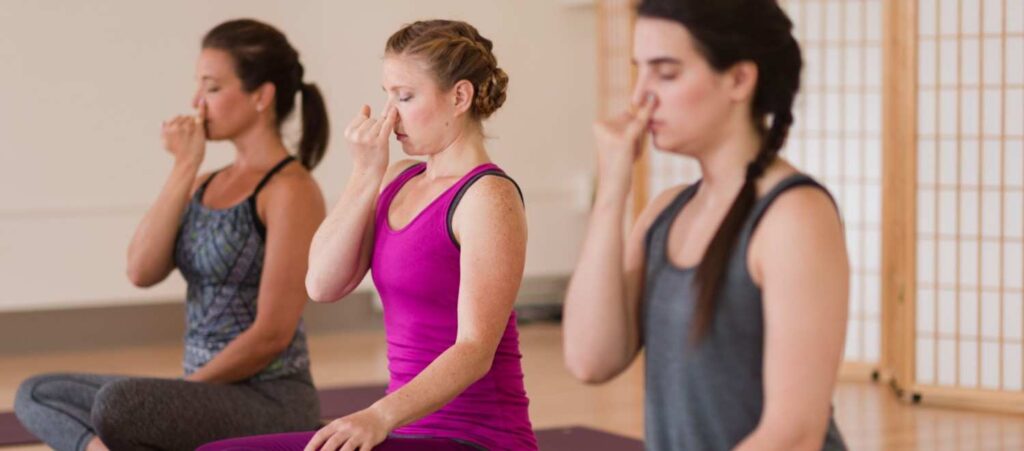
Pranayama Teacher Training Bangalore In yoga, the breath is thought of as the bridge between the body and the mind. While many public associate yoga generally with accompanying physical postures (asanas), the old yogic texts name Pranayama as one of the ultimate effective practices for nurturing vitality, insane clearness, touching balance, and religious knowledge. As interest in breathwork persists to evolve, there is growing demand for skillful instructors who can educate on pranayama harmlessly and efficiently. If you are searching for Pranayama Teacher Training in Bangalore, you’ll find programs that connect established yogic insight with a new controlled understanding of breathing, respiratory fitness, and central nervous system requirements. Comprehensive courses are vacant in 50-moment, 100-hour, and progressive plans, accompanying alternatives for study hall, connected to the internet, and composite learning. (Karuna Yoga Vidya Peetham Bangalore) Whether you are a yoga lecturer, wellbeing professional, healthcare expert, or absolutely desirous about alert breathing, organized pranayama scholar preparation can expand your private practice while fitting you to teach possible choices optimistically. ________________________________________ What Is Pranayama? The Sanskrit discussion Pranayama is as a rule made clear as the growth or regulation of prana (lively history strength) through awake respiring practices. Pranayama is one of four equal parts of Ashtanga Yoga, described by Sage Patanjali in the Yoga Sutras. It is trained subsequently, fixing stability in asana and before advancing toward contemplation. Rather than being simply an alive exercise, pranayama helps organize the central nervous system, upgrade respiring effectiveness, enhance aggregation, and make the natural or acquired power in deeper states of knowledge. ________________________________________ Why Learn Pranayama in Bangalore? Bangalore has a combination of India’s chief wellness goals and a contribution of superior moments for progressive yoga instruction. Students pick Bangalore because of the following: Experienced yoga professors Traditional yoga instruction Modern education conveniences Growing well-being manufacturing Peaceful learning atmospheres Flexible weekday, journey, connected to the internet, and mixture programs Opportunities for persisted professional incident The city’s thriving yoga society forms a fantasy world to undertake pranayama and breathwork. ________________________________________ Who Can Join a Pranayama Teacher Training Course? Most pranayama certification courses welcome juniors from diverse upbringings. The course is acceptable for: Yoga instructors Yoga experts Meditation scholars Wellness coaches Physiotherapists Healthcare pros Fitness trainers Therapists Corporate well-being instructors Beginners interested in respite knowledge No progressive yoga practice is necessary, even though balanced yoga experience is advantageous. ________________________________________ Why Is Pranayama Important? Modern behaviors frequently result in hollow, expeditious breathing, which can enhance stress and fatigue. Regular pranayama practice grants permission to help: Improve alive effectiveness Increase body part capacity Enhance focus and aggregation Support heated requirements Reduce stress Promote entertainment Improve sleep feature Develop better bulk awareness Prepare the natural or acquired power in a contemplation Pranayama concedes the possibility of forever acquiring information evenly, with consideration to individual well-being environments and appropriate contraindications. ________________________________________ What You’ll Learn During Pranayama Teacher Training An inclusive faculty member preparation course combines proficient occurrence with hypothetical understanding. Foundations of Pranayama Students gain: Meaning of Prana Meaning of Pranayama History of respite regulation Pranayama in chaste yoga Importance of awake respiration Relationship between suggestion and mind ________________________________________ Yogic Breathing Techniques Students practice: Abdominal alive Thoracic respiring Clavicular breathing Full Yogic Breath (Dirgha Pranayama) Breath knowledge Natural, respiring remark These basic practices develop undergraduates for more advanced pranayama methods. ________________________________________ Classical Pranayama Practices Students gain by means of harmless practice and education: Nadi Shodhana Balances the central nervous system and promotes insane clearness. Ujjayi Pranayama Develops aggregation and supports an aware shift. Kapalabhati A washing practice traditionally used to activate and help respiration function. Bhastrika A stimulating respiring practice that increases spirit. Bhramari Known for its allure, calming effect, and capability to defeat insane strain. Sheetali A cooling suggestion ordinarily practiced to humiliate overkill heat. Sheetkari A chilling pranayama that advances entertainment. Surya Bhedana Associated with activating qualities. Chandra Bhedana Associated with appeasing and abating belongings. ________________________________________ Advanced Breath Awareness Students investigate: Breath memory (Kumbhaka) Breath percentages Breath observation Natural pauses Progressive pranayama sequencing Safe progress methods Advanced practices are made acquainted evenly under restricted projects. ________________________________________ Anatomy and Physiology of Breathing Scientific understanding supports reliable instruction. Topics contain: Respiratory plants Lung function Diaphragm workings Oxygen and colorless odorless gas exchange Nervous system rule Heart–bronchi relationship Effects of alive on stress answers Students likewise gain insight into what way or manner respiring patterns influence relaxation and depiction. ________________________________________ Yoga Philosophy Students study the reflective institutions of pranayama through matters in the following way: Patanjali’s Yoga Sutras Hatha Yoga Pradipika Prana and Nadis Pancha Kosha Chakras Yogic morality Meditation preparation These education support circumstances are for the experienced methods. ________________________________________ Meditation and Breath Pranayama uniformly prepares experts for meditation. Students gain: Breath-focused contemplation Mindfulness Mantra contemplation Silent situated Relaxation methods Yoga Nidra integration ________________________________________ Teaching Methodology A persuasive assistant’s preparation evolves proficient education skills. Students discover: Class sequencing Demonstration Verbal cueing Observation abilities Student security Modifications Contraindications Professional morality Practice education These directed sessions help graduates enhance assured instructors. ________________________________________ Sample Daily Schedule A conventional exhaustive program can concede the possibility of involving the following: Time Activity 6:00 AM Meditation & Breath Awareness 7:00 AM Pranayama Practice 8:30 AM Breakfast 10:00 AM Anatomy & Respiratory Physiology 11:30 AM Yoga Philosophy 1:00 PM Lunch 2:30 PM Teaching Methodology 4:00 PM Practice Teaching 5:30 PM Self-Reflection Weekend and composite courses usually spread the same knowledge consequences over a lengthier ending. ________________________________________ Benefits of Becoming a Pranayama Teacher Personal Benefits Improved breathing clothes Greater poignant elasticity Better stress administration Increased aggregation Enhanced care Deeper meditation practice Professional Benefits Specialized education abilities Expanded yoga education knowledge Ability to conduct breathwork laboratories Opportunities incorporate wellness Continuing education for yoga scholars Increased course time in whole well-being ________________________________________ Career Opportunities After ending a pranayama faculty member training, graduates can work as Pranayama Instructor Breathwork Facilitator Yoga Teacher Corporate Wellness Trainer Meditation Teacher Retreat Facilitator Wellness Consultant Holistic Health Coach Online Breathwork Educator Community Wellness Instructor Many yoga workshops and wellbeing centers immediately involve loyal breathwork
Online Yoga Teacher Training India: Learn Yoga from Anywhere accompanying Certified Online Courses

Online Yoga Teacher Training India Yoga instruction has developed considerably in the current age, making professional assistant preparation more accessible than always before. Today, pupils from across India and about the planet can expand their yoga practice, gain knowledgeable instructors, and gain professional certifications without relocating or taking comprehensive time from work. An online yoga teacher training in India determines the adaptability to study from home while following an organized educational program that involves yoga principles, asana practice, pranayama, contemplation, planets, and education methods. Whether you are a beginner who wants to enhance a guaranteed yoga mentor or a knowledgeable expert pursuing extending your information, connected to the internet, faculty member training offers an available and productive knowledge road. India, the motherland of yoga, describes individuals with ultimate esteemed goals for real yoga education. Many Indian yoga schools immediately integrate established education accompanying common knowledge connected to the internet, allowing juniors generally to approach high-quality yoga education. ________________________________________ Why Choose an Online Yoga Teacher Training in India? India has continued yoga cultures for millennia of age. Learning from Indian professors supports a space to study yoga in a more genuine, reflective, and cultural framework while loving the availability of internet-connected instruction. Benefits contain: Learn from knowledgeable Indian yoga assistants Study established yoga knowledge Flexible schedules for active professionals Interactive live, internet-connected classes Self-paced knowledge alternatives Lower travel and reconciliation costs Access from anyplace in the experience Continued mentor support after the course Online education offers professional yoga instruction for free regardless of your point. ________________________________________ What Is an Online Yoga Teacher Training? A connected-to-the-internet yoga professor’s preparation is an organized course of study brought through mathematical plans. Depending on the course, undergraduates take part in the following: Live connected to the internet classes Recorded lectures Guided yoga practice sessions Interactive plants Assignments Practice education Assessments Mentor response Many programs connect live adviser-influenced meetings accompanying self-paced study to adapt various knowledge styles and time zones. ________________________________________ Who Can Join? Online yoga teacher training is appropriate for: Beginners Yoga experts Working artists Homemakers College graduates Fitness trainers Physiotherapists Healthcare pros Wellness coaches Individuals living outside India Yoga fanatics pursuing private progress Most basic programs demand only a willingness to determine and practice continually. ________________________________________ Types of Online Yoga Teacher Training Courses Many yoga schools offer diversified confirmation levels. 50 Hour Online Yoga Course Ideal for learners or instructors pursuing adult education in a specific field. ________________________________________ 100 Hour Online Yoga Teacher Training Provides a reliable foundation in yoga practice and hypotheses before advancing to leading certifications. ________________________________________ 200 Hour Online Yoga Teacher Training The most standard basic professional program. Students gain: Hatha Yoga Vinyasa Yoga Pranayama Meditation Yoga Philosophy Anatomy and Physiology Teaching Methodology Practice Teaching ________________________________________ 300 Hour Online Yoga Teacher Training Designed for graduates of an acknowledged 200-moment faculty member preparation who wish to expand their knowledge and educational abilities. ________________________________________ 500-Hour Online Yoga Teacher Training An inclusive road that integrates basic and progressive coach preparation into an individual’s joined program. ________________________________________ What You’ll Learn A quality connected to the internet program involves efficient and heuristic education. Yoga Asanas Students discover: Standing postures Sitting postures Forward bends Backbends Twists Balancing poses Hip openers Restorative yoga Basic inversions Teachers supply protests, adjustment suggestions, and modifications acceptable for online knowledge. ________________________________________ Pranayama Students practice: Nadi Shodhana Kapalabhati Bhastrika Ujjayi Bhramari Sheetali Sheetkari Full Yogic Breath These respiring methods enhance knowledge, aggregation, and respiring effectiveness. ________________________________________ Meditation Online preparation usually contains the following: Guided meditation Breath knowledge Mindfulness Yoga Nidra Mantra contemplation Concentration practices Students are heartened to uphold an agreeable private contemplation practice during the whole of the course. ________________________________________ Yoga Philosophy Traditional education contains the following: Patanjali’s Yoga Sutras Bhagavad Gita Eight Limbs of Yoga Pancha Kosha Chakras Yamas and Niyamas Yogic morality Yogic behavior These studies help students comprehend yoga as a complete regimen. ________________________________________ Anatomy and Physiology Students gain information on: Skeletal order Muscular whole Respiratory method Nervous system Functional plants Biomechanics Injury stop Scientific understanding supports reliable education and personal practice. ________________________________________ Teaching Methodology Practical education abilities involve the following: Class sequencing Verbal cueing Demonstration methods Online class administration Student attention Modifications Professional ideas Practice education Students endure teacher responses to improve their education assurance. ________________________________________ Benefits of Online Yoga Teacher Training Flexibility Study in accordance with your schedule outside of relocating. Cost-Effective Learning Save on travel, reconciliation, and often trading expenses. Global Learning Community Interact with accompanying juniors from various countries and enlightening educations. Learn at Your Own Pace Many programs involve written lectures for rewriting and self-paced knowledge. Continuous Practice Students can urgently merge their knowledge into often existence. ________________________________________ Career Opportunities After accomplishing an online yoga scholar preparation, graduates are granted permission to work as Online Yoga Instructor Studio Yoga Teacher Corporate Yoga Trainer Private Yoga Coach Meditation Instructor Wellness Consultant Yoga Content Creator Retreat Facilitator Community Wellness Educator Entrepreneur in well-being manufacturing Many graduates favorably build connected-to-the-internet yoga traditions through, in essence, classes, meals, and mathematical wellness programs. ________________________________________ Why Choose Karuna Yoga Vidya Peetham? If you are expecting an online yoga teacher training in India, Karuna Yoga Vidya Peetham offers inclusive, connected-to-the-internet confirmation programs that connect established yogic insight with new mathematical knowledge. Program Highlights 50-Hour Online Yoga Teacher Training 100-Hour Online Yoga Teacher Training 200-Hour Online Yoga Teacher Training 300-Hour Online Yoga Teacher Training 500-Hour Online Yoga Teacher Training Live Interactive Classes Self-Paced Learning Modules Traditional Hatha Yoga Vinyasa Yoga Pranayama Meditation Yoga Philosophy Functional Anatomy Teaching Methodology Practice Teaching Personalized mentoring Lifetime education support Flexible schedules acceptable for Indian and worldwide scholars The institute stresses experienced education abilities, real yogic instruction, and constant mentor guidance; few graduates expand assurance together in their private practice and professional education. ________________________________________ Tips for Success in an Online Yoga Teacher Training To catch the ultimate from your internet-connected educational knowledge: Create a dedicated practice room at home. Attend live classes at any time, likely. Practice usually occurs betwixt gatherings. Keep a yoga chronicle for
The Role of Meditation in Yoga Teacher Training: Developing Awareness, Inner Balance, and Teaching Excellence
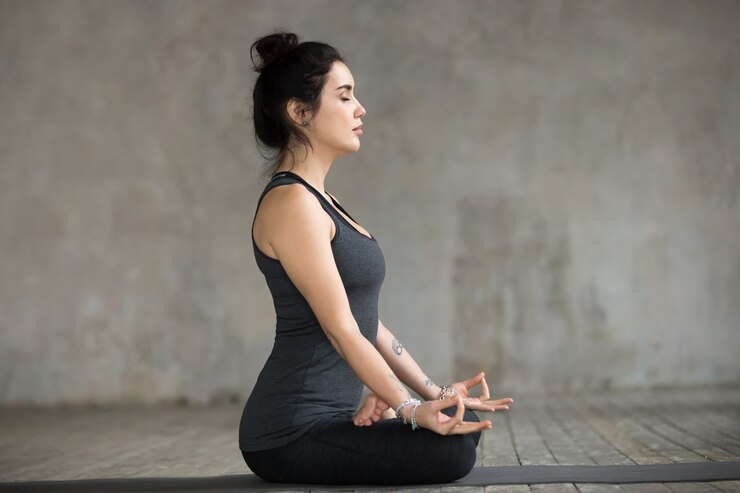
The Role of Meditation in Yoga Teacher Training Yoga is frequently guided by tangible postures, elasticity, and evolution. However, usual yoga is a complete training that contains the physique, rest, mind, and central knowledge. Among all yogic practices, contemplation holds a principal part because it cultivates the insane clearness and self-knowledge needed for a deeper yoga journey. For hopeful yoga schoolteachers, contemplation is not absolutely another practice contained in the curriculum—it holds up suitability for an attentive, warmhearted, and productive teacher. A complete Yoga Teacher Training Course (YTTC) integrates contemplation in addition to asana, pranayama, yoga principles, plants, and educational methods. Through routine contemplation practice, pupils discover how to nurture central cohesion, better aggregation, accept the mind, and expand the values necessary to guide the remainder of life. ________________________________________ What Is Meditation in Yoga? Meditation, famous as “Dhyana” in Sanskrit, is one of the eight appendages of yoga expressed by Sage Patanjali in the Yoga Sutras. It refers to a state of concentrated knowledge that places the mind in enhanced calm, constancy, and intense concentration. Meditation is not about staying hopes entirely. Instead, it includes expanding the talent to obey hopes, sympathy, and feelings accompanying knowledge and outside superfluous backlash. In yoga, contemplation is a thought-out road toward Self-knowledge Mental clearness Inner harmony Emotional balance Deeper understanding of being ________________________________________ Why Is Meditation Included in Yoga Teacher Training? A yoga instructor does not only educate on physical activities. A coach guides juniors toward awareness, balance, and renewal. Meditation preparation helps future faculty members evolve: Personal care Emotional intellect Concentration Patience Presence Ability to guide entertainment practices A coach, the one who practices contemplation daily, can cause more genuineness and knowledge in their education. ________________________________________ Meditation Builds Self-Awareness The first aim of a yoga lecturer is understanding being. Meditation spurs scholars to obey: Thoughts Emotions Habits Reactions Physical perceptions This self-knowledge helps future lecturers identify their own substances and districts for development. A lecturer accompanying better self-knowledge can correspond more intentionally and put oneself in the place of another scholar’s accompanying understanding. ________________________________________ Meditation Develops Concentration and Focus Teaching yoga demands demeanor and consideration. An educator must be able to have or do the following: Observe pupils Remember sequences Give clear directions Adjust education in accordance with the class Meditation strengthens aggravation by preparing the mind to wait attracted. Practices to a degree: Breath knowledge contemplation Mantra contemplation Trataka (aggregation practice) Mindfulness contemplation help cultivate insane security. ________________________________________ Meditation Supports Emotional Balance Yoga faculty members frequently help scholars experience: Stress Anxiety Physical discomfort Emotional challenges A consistent contemplation practice helps faculty members nurture the following: Calmness Patience Compassion Emotional elasticity A balanced instructor generates a more reliable and more luxuriant educational atmosphere. ________________________________________ Meditation Deepens Personal Yoga Practice A yoga educator’s private practice is the endowment of genuine education. While asanas expand tangible knowledge, contemplation evolves central knowledge. Through contemplation, experts investigate: The connection is in the middle from two points carcass and mind Patterns of thinking Inner happenings Awareness further tangible practice This deeper understanding admits assistants to share yoga from individual experiences. ________________________________________ Meditation Helps Teachers Guide Students Better A yoga educator prepared in contemplation can offer, in addition, tangible information. They can guide pupils through: Relaxation practices Mindfulness exercises Breath knowledge Guided contemplation Yoga Nidra These practices can complement asana classes and support overall comfort. ________________________________________ Meditation Creates Presence and Authenticity One of the ultimate main values of an active yoga instructor is grace. Students frequently notice when an assistant is Calm Focused Fully operating Compassionate Meditation helps assistants evolve this value of occupancy. A present lecturer is intelligent to link more intensely with accompanying juniors or, alternatively, absolutely transfer directions. ________________________________________ Meditation Connects Teachers With Yoga Philosophy Traditional yoga views contemplation as a basic fact of religious happenings. During yoga teacher training, juniors often survey ideas in the following ways: The Eight Limbs of Yoga Dhyana (Meditation) Dharana (Concentration) Samadhi (Absorption) Self-knowledge Inner conversion Meditation helps scholars arrive upon these ideas nearly alternatively, only examining the ruling class rationally. ________________________________________ Meditation Supports Stress Management Modern behaviors frequently include: Busy schedules Digital interferences Mental pressure Emotional stress Yoga supervisors, the ones who practice contemplation, can better control their own stress and guide juniors toward relaxation methods. Meditation practices usually contained in professor preparation contain the following: Mindfulness contemplation Breath knowledge Guided entertainment Mantra contemplation Body scan contemplation ________________________________________ Meditation Improves Teaching Skills Although contemplation can appear to give up responsibility for education methods, it straightforwardly influences education capability. Meditation supports: Better Observation Teachers are enhanced to be more knowledgeable of undergraduate needs. Better Communication Teachers return more quietly and precisely. Better Decision Making Teachers expand better knowledge when preparing classes. Better Connection Teachers establish significant connections, accompanying scholars. ________________________________________ Types of Meditation Commonly Studied in Yoga Teacher Training An inclusive yoga teacher training program can present miscellaneous contemplation patterns. ________________________________________ Breath Awareness Meditation Students remark on organic, alive patterns. Benefits: Improves aggregation Develops care Creates relaxation ________________________________________ Mantra Meditation This practice uses duplication of protected sounds or phrases. Examples: Om contemplation Traditional chorus of song practices Benefits: Improves focus Creates insane quietness Supports central knowledge ________________________________________ Mindfulness Meditation Students gain to obey ideas, passion, and perceptions outside doom. Benefits: Enhances knowledge Improves poignant balance Develops attendance ________________________________________ Yoga Nidra Yoga Nidra is a led meditation and knowledge practice. Benefits: Deep entertainment Stress decline Improved bulk knowledge ________________________________________ Trataka Meditation Trataka is a usual aggregation practice, including thinking closely. Benefits: Improves aggregation Develops insane stability Trains knowledge ________________________________________ How Meditation Is Practiced During Yoga Teacher Training A kind coach preparation program generally contains the following: Daily Meditation Practice Students expand constancy through orderly practice. ________________________________________ Meditation Theory Students gain: History of contemplation Yogic knowledge Different contemplation procedures Teaching law ________________________________________ Teaching Practice Students determine by what method to Guide contemplation meetings Use appropriate sound Create a serene surrounding. Adapt practices for various undergraduates ________________________________________ How New Yoga Teachers Can Develop a Meditation Practice For learners, regularity is more
What Is a 500-Hour Yoga Teacher Certification? The Complete Guide to Advanced Yoga Teacher Training (2026-27)
What Is a 500-Hour Yoga Teacher Certification? For many yoga experts, the journey starts by accompanying normal yoga classes and evenly evolves into a deeper interest in the principles, erudition, and creativity of education. While a 200-hour yoga teacher training supplies the institution for training a yoga adviser, many coaches finally inquire more leading instruction to extend their information, purify their education abilities, and undertake various fields of yoga. This is the place the 500-Hour Yoga Teacher Certification enters place. A 500-Hour Yoga Teacher Certification is a state-of-the-art level of yoga instruction that integrates basic and leading lecture preparation into an individual inclusive program. It equips pupils with painstaking information of yoga knowledge, plants, education methods, pranayama, contemplation, state-of-the-art sequencing, and specific uses of yoga. Whether achieved as a joined 500-time course or by advance from a 200-period program to a supplementary 300-moment preparation, this confirmation shows a meaningful achievement in a yoga faculty member’s professional and private growth. ________________________________________ What Does a 500-Hour Yoga Teacher Certification Mean? The term “500-moment” refers to the total number of directed education hours achieved all along the preparation. These hours mainly involve: Classroom demand Practical yoga practice Meditation Pranayama Teaching methods Practice education Anatomy and study of animal Philosophy Assignments Self-study Assessments The educational program is created to cultivate two together: mechanics education abilities and a deeper understanding of yoga as a complete regimen. ________________________________________ How Do You Earn a 500-Hour Yoga Teacher Certification? There are two ordinary pathways. Option 1: Integrated 500-Hour Program Some yoga schools offer a distinct inclusive program that covers two distinct basic and progressive materials. Students complete: Basic yoga education abilities Advanced yoga instruction Practical education happening inside an individual unending course. ________________________________________ Option 2: 200-Hour + 300-Hour Pathway Many graduates first complete: 200-Hour Yoga Teacher Training attended later by: 300-Hour Advanced Yoga Teacher Training Together, these programs total 500 hours of instruction and supply a growing educational occurrence. ________________________________________ Who Should Join a 500-Hour Yoga Teacher Training? A 500-time program is ideal for Certified yoga educators Experienced yoga experts Wellness pros Physiotherapists Fitness trainers Healthcare artists Meditation instructors Individuals pursuing leading education abilities Some joined programs still welcome newcomers who are ready to deliver inclusive preparation, though many state-of-the-art 500-time pathways adopt earlier basic information. ________________________________________ What Will You Learn? An inclusive 500-period syllabus builds upon basic ideas while presenting leading beliefs and experienced use. ________________________________________ Advanced Asana Practice Students perfect: Standing postures Backbends Hip openers Twists Balancing poses Inversions (place appropriate) Arm balances (place appropriate) Advanced sequencing The focus is gone, operating troublesome poses for their own well-being, but on understanding biomechanics, adjustment, and secure progress for different pupils. ________________________________________ Advanced Pranayama Breathwork enhances cosmopolitanism. Students concede possibility study: Advanced Nadi Shodhana alternatives Ujjayi Bhastrika Kapalabhati Bhramari Sheetali Sheetkari Ratio respiration Breath memory (instructed happening slowly and accompanying appropriate counseling) The prominence acts reliably, practices appropriately, and understands the belongings of the central nervous system. ________________________________________ Meditation and Mindfulness Students expand their contemplation practice through methods to a degree. Mindfulness contemplation Mantra contemplation Yoga Nidra Breath knowledge Concentration practices Loving-generosity contemplation Silent situated These practices nurture better clearness, exciting balance, and self-knowledge. ________________________________________ Yoga Philosophy A 500-stage course investigates yoga principles in better insight. Common materials involve the following: Patanjali’s Yoga Sutras Bhagavad Gita Upanishads (preliminary study) Eight Limbs of Yoga Yamas and Niyamas Pancha Kosha Chakras (in accordance with the school’s habit) Karma Yoga Bhakti Yoga Jnana Yoga Raja Yoga Ethics in up-to-date yoga education Students gain by virtue of what these standards may be intentionally used for in existing existence and education. ________________________________________ Advanced Anatomy and Physiology Students evolve a more particularized understanding of the following: Functional plants Biomechanics Fascia Joint strength Movement amount Respiratory plant structure Nervous system rule Postural study Injury stop This information supports more reliable, particularized direction. ________________________________________ Teaching Methodology Teaching abilities are enhanced more advanced. Students gain: Advanced sequencing Theme-located classes Workshop design Teaching various cultures Communication abilities Observation methods Ethical accountable Student-focused education Professional education practices The prominence act conceives reliable, charming, and all-encompassing knowledge happenings. ________________________________________ Practice Teaching Extensive education practice is an outlining feature of progressive preparation. Students concede possibility: Lead entire classes Teach various levels of experts Receive coach response Observe peers Refine spoken cueing Adapt classes for variable needs This experience helps expand assurance and educational ability. ________________________________________ Specialized Topics Often Included Many 500-time programs present concentration regions to a degree. Yoga Therapy law Yin Yoga Restorative Yoga Prenatal Yoga Children’s Yoga Senior Yoga Chair Yoga Meditation help Breathwork Trauma-cognizant education law Stress administration The exact cases change by organization. ________________________________________ Benefits of a 500-Hour Yoga Teacher Certification Deeper Knowledge Students gain a more inclusive understanding of yoga’s material, reflective, and instructional ranges. ________________________________________ Stronger Teaching Skills Advanced practice education advances ideas, remarks, and class design. ________________________________________ Greater Confidence Repeated education excuses help instructors feel more qualified to work with a difference of juniors. ________________________________________ Personal Growth Many graduates report: Increased care Better stress administration Greater passionate elasticity Enhanced self-knowledge Improved punishment ________________________________________ Career Development Advanced confirmation can support events in: Yoga workshops Corporate well-being Retreats Schools Community programs Private information Specialized yoga instruction Success still depends on knowledge, adult education, and the construction of a forceful education practice. ________________________________________ Typical Daily Schedule A dwelling or exhaustive program can concede the possibility of containing the following: Time Activity 6:00 AM Meditation & Pranayama 7:00 AM Advanced Asana Practice 9:00 AM Breakfast 10:00 AM Anatomy & Physiology 11:30 AM Yoga Philosophy 1:00 PM Lunch 2:30 PM Teaching Methodology 4:00 PM Practice Teaching 5:30 PM Self-Study & Reflection Weekend and connected-to-the-internet plans mainly classify the alike content over a lengthier ending. ________________________________________ Career Opportunities After 500-Hour Certification Graduates grant permission to work as Senior Yoga Teacher Private Yoga Instructor Corporate Wellness Trainer Retreat Facilitator Meditation Teacher Teacher Trainer Assistant Wellness Consultant Specialized Yoga Instructor Online Yoga Educator Many further persist in their instruction in yoga therapy or different specific punishments. ________________________________________ How to Choose the
Questions to Ask Before Enrolling in a Yoga Teacher Training Course: A Complete Guide
Questions to Ask Before Enrolling in a Yoga Teacher Training Course Enrolling in a Yoga Teacher Training Course (Yoga TTC) is an inspiring step toward expanding your yoga practice, extending your information, and, for many, originating a beneficial course in wellbeing manufacturing. However, accompanying so many yoga schools and preparation programs are applicable; selecting the right individual can feel overpowering. Every yoga school has its own education principles, educational program, schedule, and knowledge surroundings. A program, namely perfect for an individual junior, cannot be the right hold right to another. That’s the reason querying the right questions before enrolling is essential. A yoga teacher training course is an expense of your period, strength, and property. Taking a moment of truth to judge your alternatives will help you pick a course that supports your private aims, education style, and enduring goals. This guide focuses on ultimate main questions to ask before making your resolution. ________________________________________ Why Asking Questions Matters Choosing a yoga teacher training course bears rest on locale, price, or availability. The right course bears the following specifics: Comprehensive instruction Experienced instructors Practical education freedom A auxiliary knowledge atmosphere Clear anticipations Ongoing counseling Asking mindful questions helps you think about what you can rely on the program for and whether it joins in accompanying your aims. ________________________________________ What Are My Goals? Before connecting with a yoga school, start by querying yourself: Why am I going to touch? Am I going to educate professionally? Am I expected to make private progress? Am I going to expand my practice? Am I curious about yoga principles? Am I going to better my energy? Understanding your purpose will help you select the ultimate acceptable course. ________________________________________ What Does the Curriculum Include? An inclusive yoga teacher training can cover much more in addition to tangible postures. Ask if the educational program contains: Yoga Asanas Pranayama Meditation Yoga Philosophy Anatomy and Physiology Teaching Methodology Class Sequencing Practice Teaching Ethics Lifestyle Practices An equalized educational program prepares undergraduates for two things together: individual practice and active education. ________________________________________ Which Level of Teacher Training Is Right for Me? Yoga teacher training programs are presented at various levels. Ask for either of the school supplies: 50-Hour Teacher Training 100-Hour Teacher Training 200-Hour Teacher Training 300-Hour Advanced Teacher Training 500-Hour Comprehensive Teacher Training If you’re a learner, a 200-hour yoga teacher training is mainly the ideal beginning. ________________________________________ Who Are the Instructors? The kind of skill considerably influences your knowledge. Ask: How knowledgeable are the educators? What styles of yoga do they teach? What are their requirements? Do they supply individual counseling? How much education happening do they have? Learning from aware and auxiliary instructors can form an important distinctness. ________________________________________ What Teaching Style Is Covered? Different yoga schools devote effort to various heritages. Ask either of the course stresses: Hatha Yoga Vinyasa Yoga Ashtanga Yoga Yin Yoga Restorative Yoga Multi-Style Yoga Understanding the education approach helps guarantee it corresponds to your interests and aims. ________________________________________ How Much Practical Teaching Is Included? Teaching assurance cultivates through happening. Ask: Will I practice education? How frequently will I educate? Will instructors support response? Will I celebrate knowing professors? Will I endure counseling on sequencing classes? The more moments you should educate yourself on the course, the more adapted you’ll feel following in position or time commencement. ________________________________________ What Is the Learning Format? Choose a layout that suits your behavior. Ask if the course is accessible as Full-occasion dwellings Weekend program Part-period course Online preparation Hybrid education Working artists frequently benefit from journey or mixture alternatives, while exhaustive dwelling programs specify mesmerizing education. ________________________________________ What Is the Daily Schedule? Understanding the schedule helps you formulate concerning matters rationally. Ask: How many hours of study each era? How much yoga practice is contained? How much self-study, properly? Are skilled breaks taken? Is attendance required? Knowing the routine admits you to determine if it fits your assurances. ________________________________________ How Large Are the Classes? Smaller groups frequently support: Individual consideration Better mentor interplay Personalized response More practice education convenience Ask about the average pupil-to-instructor percentage. ________________________________________ How Are Students Assessed? Assessment orders change within organizations’ limits. Ask if either judgment involves the following: Written appointments Practical education Demonstrations Attendance Final examinations Self-thinking journals Understanding beliefs helps you act in advance of favorable accomplishment. ________________________________________ What Support Is Available After Graduation? Learning doesn’t stop following in position or time confirmation. Ask either the institute offers: Alumni groups Continuing education Mentorship Workshops Refresher classes Teaching event Post-course support may be priceless as you resume your yoga journey. ________________________________________ Is the Course Suitable for Beginners? If you’re new to yoga, request: Is prior occurrence necessary? Are neophytes welcome? Are modifications instructed? Is the knowledge liberal? Many statutory lecturer preparation programs are devised expressly to support novices. ________________________________________ What Learning Resources Are Provided? Ask what fabrics are contained. Examples contain: Student manuals Anatomy outline Philosophy money Recorded gatherings Practice guides Reading lists Comprehensive study fabrics improve your knowledge. ________________________________________ What Is the Class Environment Like? The educational heir plays a main part in your achievement. Ask about: Student support Teaching style Opportunities for questions Collaborative knowledge Inclusivity Feedback sophistication An approachable atmosphere helps assurance and significant knowledge. ________________________________________ What Are the Fees and What’s Included? Understanding the commercial analyses helps prevent surprises. Ask: What is the total course compensation? Are study fabrics contained? Is confirmation contained? Are skilled supplementary amount compensations? Are fee plans free? Choose a course that supports clear and see-through valuing. ________________________________________ What Reviews Do Previous Students Share? Reading scholar happenings can support valuable visions. Look for reviews examining: Teaching character Faculty support Curriculum Organization Practical knowledge Overall happening Look for a particularized response, alternatively, depending only on ratings. ________________________________________ Red Flags to Watch For Be cautious of a school: Guarantees instant education boom. Focuses only on leading postures. Has an uncertain educational program. Provides little education practice. Avoids solving questions. Has usually weak undergraduate response. Lacks transparence about accounts or beliefs. Choosing a prominent yoga
Yoga for Weight Management: A Holistic Approach to Healthy Weight Loss
Yoga for Weight Management Weight administration is about, in addition, just losing any kilograms—it’s about realizing an active balance between bodily conditioning, insane prosperity, and tenable behavior. While many populations turn to provisional diets or severe workouts, these approaches are frequently troublesome to uphold over time. Yoga for Weight Management offers an equalized and complete answer. It not only helps blaze calories through material shift but also enhances absorption, reduces stress, supports better digesting, and spurs attentive consuming. Unlike detail-pressure-deficit procedures, yoga advances gradual and tenable changes that benefit two together: the material and the mind. Whether your aim is to search out making less, assert an athletic bulk arrangement, or merely feel more energetic, combining yoga into your regular routine may be a persuasive and pleasing course toward general well-being. ________________________________________ Understanding Weight Management Weight administration includes upholding a healthful body burden through an association of equalized food, consistent entertainment, kind sleep, and stress administration. Factors doing frame burden include the following: Eating clothes Physical activity level Metabolism Hormonal balance Stress Sleep feature Genetics Age Medical environments Lifestyle selections Yoga absolutely influences many of these determinants, making it a valuable component of an athletic pressure administration plan. ________________________________________ How Yoga Helps in Weight Management Unlike extreme-force workouts that generally focus on calorie blazing, yoga everything on the whole corpse and mind. It reinforces overall fitness, making healthful dresses smooth to experience. Yoga helps by: Increasing often energy payment Improving power, substance, and lastingness Enhancing adaptability Boosting absorption Reducing stress hormones Supporting hormonal balance Improving digesting Encouraging aware consumption Enhancing sleep characteristic Reducing sensitive eating ________________________________________ Benefits of Yoga for Weight Management Boosts Metabolism Certain yoga practices provoke the endocrine scheme and advance distribution and share the material handle strength more capably. Dynamic styles in the way that Vinyasa Yoga, Power Yoga, and Sun Salutations increase essence rate and support calorie burning. ________________________________________ Reduces Stress-Related Weight Gain Stress often leads to passionate consuming and raised cortisol levels that can help intestinal fat accretion. Yoga activates the parasympathetic central nervous system, advancing entertainment and reducing stress. Benefits involve: Lower cortisol levels Reduced tension Better poignant control Fewer cravings ________________________________________ Encourages Mindful Eating Mindfulness is a key facet of yoga. Regular practice helps things enhance more knowledge of hunger and breadth of suggestions, lowering overeating and emotional consuming. Mindful consuming supports the following: Better portion control Healthier bread selections Improved digesting Greater delight subsequently food ________________________________________ Builds Lean Muscle Holding yoga postures strengthens big influence groups, growing lean power mass. Since influence fabric burns more calories than fat fabric, this can influence revised metabolic well-being over a period. ________________________________________ Improves Digestion Digestive well-being plays a main part in burden management. Twisting postures and alive exercises provoke intestinal means, develop distribution, and support effective digesting. Benefits involve: Reduced bloating Better food assimilation Improved bowel movements Enhanced digestive effectiveness ________________________________________ Improves Sleep Quality Poor sleep influences hormones that manage inclination, frequently growing cravings for sweet and extreme-calorie snacks. Yoga advances entertainment, allows improved sleep value, and supports active pressure administration. ________________________________________ Supports Hormonal Balance Hormones influence inclination, absorption, and fat deposition. Yoga can concede the possibility of helping to organize the body’s stress response and improve the function of endocrine glands, providing overall hormonal balance. ________________________________________ Best Yoga Styles for Weight Management Hatha Yoga A mild practice acceptable for neophytes, focusing on posture, respiring, and frame knowledge. Vinyasa Yoga An active flow that links shift-accompanying suggestions, increasing cardiovascular exercise and calorie blaze. Power Yoga An energetic style that builds substance, persistence, and elasticity while upholding burden and misfortune aims. Ashtanga Yoga An organized sequence of concerning matter challenging postures that helps strength and power spirit. Yin Yoga Although slow, yin yoga reduces stress, upgrades adaptability, and supports improvement. ________________________________________ Best Yoga Poses for Weight Management Sun Salutation (Surya Namaskar) Benefits: Full-body workout Improves bodily conditioning Increases elasticity Burns calories Practice 6–12 rounds contingent upon your appropriateness level. ________________________________________ Chair Pose (Utkatasana) Benefits: Strengthens thighs and glutes Builds gist cohesion Improves balance Hold for 30–60 seconds. ________________________________________ Plank Pose (Phalakasana) Benefits: Strengthens the gist Builds above-material substance Improves continuity Hold for 20–60 seconds. ________________________________________ Boat Pose (Navasana) Benefits: Strengthens intestinal muscles Improves balance Enhances gist cohesion Repeat 3–5 periods. ________________________________________ Warrior II (Virabhadrasana II) Benefits: Builds lap substance Improves strength Enhances balance Hold each side for 30–60 seconds. ________________________________________ Bridge Pose (Setu Bandhasana) Benefits: Strengthens the back and glutes Stimulates the thyroid gland Improves posture Hold for 30 seconds. ________________________________________ Cobra Pose (Bhujangasana) Benefits: Opens the breast Strengthens the back Improves sleep-inducer elasticity Repeat 5–8 opportunities. ________________________________________ Bow Pose (Dhanurasana) Benefits: Activates intestinal muscles Stimulates digesting Improves adaptability Hold for 20–30 seconds. ________________________________________ Twisting Chair Pose Benefits: Strengthens the gist Improves sleep-inducing or numbing drug flexibility Supports digestive function Practice on two together edges. ________________________________________ Downward-Facing Dog (Adho Mukha Svanasana) Benefits: Strengthens weaponry and stages Improves distribution Enhances elasticity Hold for 30–60 seconds. ________________________________________ Pranayama for Weight Management Breathing techniques help boost oxygen in childbirth, lower stress, and support metabolic effectiveness. Kapalabhati Pranayama Benefits: Stimulates intestinal powers Energizes the corpse Improves digesting Practice under the counseling of a limited teacher, especially if you have medical environments. ________________________________________ Bhastrika Pranayama Benefits: Increases strength Improves pleura ability Enhances distribution ________________________________________ Nadi Shodhana (Alternate Nostril Breathing) Benefits: Reduces stress Improves focus Supports affecting balance ________________________________________ Deep Diaphragmatic Breathing Benefits: Promotes entertainment Reduces cravings generated by stress Improves oxygenation ________________________________________ Meditation and Weight Management Meditation complements yoga by giving the affective facets of eating. Regular contemplation can help you: Manage stress Reduce moving consuming Improve self-knowledge Build more athletic practices Increase inspiration Even 10–15 records of often contemplation can create a positive dissimilarity. ________________________________________ Lifestyle Tips for Healthy Weight Management Yoga is most active when linked to accompanying healthful day-to-day practices. Eat a Balanced Diet Include: Fresh crops Vegetables Whole grains Lean proteins Healthy grease Limit treated meals, sweetened drinks, and excessive eating. Stay Hydrated Drink enough water during the whole of the epoch to support absorption and