Best Yoga Teacher Training Institutes in Bangalore (2026–27): Compare Contact Hours vs. Non-Contact Hours & Choose the Right Course
Best Yoga Teacher Training Institutes in Bangalore (2026–27): Compare Contact Hours vs. Non-Contact Hours & Choose the Right Course When searching for the best 200-Hour Yoga Teacher Training (YTT) in Bangalore, most students compare the syllabus, fees, accreditation, faculty, and location. However, another important factor often goes unnoticed: How many contact hours and non-contact hours does the course include? A 200-hour YTT is not simply 200 hours spent in a classroom. Different schools distribute these hours differently between direct instruction and independent learning. Understanding this difference helps you evaluate the quality and intensity of a program. What Are Contact Hours? Contact hours are the hours you spend learning directly with qualified instructors. These usually include: Asana practice Pranayama Meditation Yoga Philosophy Anatomy & Physiology Teaching Methodology Alignment workshops Practice teaching Group discussions Instructor feedback More contact hours generally mean more opportunities for guided learning and individual corrections. What Are Non-Contact Hours? Non-contact hours are learning activities completed independently outside live instruction. These commonly include: Self-practice Reading assignments Written assignments Journaling Lesson planning Practice teaching preparation Video study Project work Assessments and examinations These hours encourage self-directed learning and reinforce classroom instruction. Typical Distribution in a 200-Hour YTT There is no single standard used by every school. Some programs emphasize more instructor-led learning, while others allocate additional time for independent study. Examples include: 120 Contact Hours + 80 Non-Contact Hours 130 Contact Hours + 70 Non-Contact Hours 100 Contact Hours + 100 Non-Contact Hours The important question is not simply the number of hours, but how effectively they are used. Comparison of Selected Yoga Teacher Training Institutes in Bangalore Institute Publicly Available Hour Distribution* Notes Karuna Yoga Vidya Peetham Weekday and weekend formats commonly list 120–130 contact hours, 50 field training hours, and 50 non-contact hours (assignments, projects, and examinations). Some flexible weekend formats also describe a 100 contact / 100 non-contact model. (Karuna Yoga Vidya Peetham Bangalore) Clearly publishes hour breakdowns for several course formats. Yoga Wellness Center Publicly states course duration for Yoga Certification Board programs but does not publish a detailed contact/non-contact hour split on its overview page. (Online Yoga: Yoga Teacher Training Course) Contact the institute for the detailed breakdown. Sri Sri School of Yoga Course information emphasizes immersive training but does not publicly specify a contact/non-contact hour distribution for every program. Verify directly with the school before enrollment. Bodhi School of Yoga Detailed contact/non-contact hour allocation is not publicly listed for all teacher training programs. Request the latest timetable and handbook. Yogakulam Academy Publishes course formats, but students should request the current academic hour distribution directly. (Reddit) Verify before enrolling. HAMSA Learning Center Contact/non-contact hour distribution is not clearly published online. Ask for the official curriculum document. Vivekananda School of Yoga Total course information is available, but detailed hour allocation may vary by batch. Confirm with admissions. YogaTute Health Public information focuses on curriculum and certification rather than hour distribution. Contact the institute for the latest schedule. *Information is based on publicly available course pages as of 2026–27. Institutes may revise their schedules and hour allocations. Why Contact Hours Matter Higher-quality instructor-led sessions often provide the following: Immediate posture corrections Hands-on teaching practice Live demonstrations Personal mentoring Interactive discussions Individual feedback These experiences are difficult to replace through self-study alone. Why Non-Contact Hours Are Equally Important Independent learning helps students develop lifelong habits. During these hours, students often: Reflect on classroom learning Improve personal practice Read yoga philosophy Prepare teaching sequences Complete assignments Practice verbal cueing Build confidence before teaching A thoughtful balance between guided learning and independent study encourages deeper understanding. What Makes a Strong 200-Hour Program? Instead of comparing only the number of contact hours, evaluate the quality of those hours. A strong program should include: Practical Asana Training Students receive detailed instruction in posture alignment, modifications, and safe movement. Pranayama & Meditation Daily breathing and meditation practice help build awareness and concentration. Anatomy & Physiology Students learn how the body moves, common injuries, and ways to teach safely. Teaching Methodology Future teachers develop skills in: Class planning Verbal cueing Sequencing Observation Communication Professional ethics Practice Teaching One of the most valuable components of any YTT is supervised teaching with constructive instructor feedback. Questions to Ask Before Enrolling Before selecting a yoga teacher training institute, ask: How many instructor-led contact hours are included? Are field training or supervised teaching hours counted separately? What activities make up the non-contact hours? How many hours are dedicated to practice teaching? Will I receive individual feedback? Are assignments assessed by faculty? Is attendance required for all contact sessions? Which Type of Program Is Best? There is no single ideal distribution for every student. Choose a Program with More Contact Hours If You: Learn best through direct instruction Want frequent teacher feedback Are new to yoga Value structured learning Choose a Balanced Program If You: Enjoy independent study Have previous yoga experience Prefer flexible learning Want time for reflection and self-practice Final Thoughts Contact hours and non-contact hours are both essential parts of a high-quality yoga teacher training. Instructor-led sessions provide practical skills, feedback, and mentorship, while independent learning encourages reflection, discipline, and long-term growth. Rather than choosing a course based solely on the total number of hours, compare how those hours are organized. Look for a program that offers experienced faculty, meaningful practice teaching, comprehensive anatomy and philosophy, and a clear balance between guided instruction and self-directed learning. Ultimately, the best yoga teacher training institute in Bangalore is the one that provides a well-structured learning experience and prepares you to teach yoga safely, confidently, and professionally. Frequently Asked Questions Are all 200-hour yoga teacher training courses structured the same way? No. While the total training hours may be similar, each institute can organize contact hours, field training, and independent study differently. Do more contact hours mean a better course? Not necessarily. The quality of instruction, teaching practice, faculty experience, and curriculum are just as important as the number of hours. What are field training hours? Some schools
Build Your Dream Career as a Yoga Professional: Complete Guide for Aspiring Yoga Teachers
Build Your Dream Career as a Yoga Professional Yoga has transformed from an ancient wellness practice into a global profession that combines health, education, mindfulness, and entrepreneurship. Today, thousands of people are choosing yoga as a meaningful career because it allows them to Improve lives through holistic wellness Create flexible work opportunities Teach globally Build personal brands Develop specialized expertise Experience continuous personal growth However, becoming a successful yoga professional requires more than mastering yoga poses. A great yoga teacher combines knowledge, compassion, communication skills, professional training, and authentic connection with students. A yoga career is not just about teaching classes—it is about creating positive transformation. Why Choose Yoga as a Career? The demand for yoga professionals is growing because people worldwide are seeking: Stress management solutions Better physical health Mental well-being Mindfulness practices Holistic lifestyle guidance Yoga professionals now work in diverse environments: Yoga studios Wellness centers Corporate organizations Schools Hospitals Retreat centers Online platforms Private coaching Step 1: Develop a Strong Personal Yoga Foundation Every successful yoga teacher begins as a dedicated student. Before teaching others, develop your own practice. A strong foundation includes the following: Asana Practice Learn: Proper alignment Safe movement patterns Modifications Sequencing principles A teacher should understand not only how to perform a pose but also Why the pose is practiced Who can practice it How to modify it safely Pranayama and Breathwork Breath is an important part of yoga teaching. Study: Breath awareness Classical pranayama techniques Relaxation breathing Breath-body connection Meditation Practice Develop personal experience with: Mindfulness Concentration Inner awareness Mental calmness Yoga Philosophy A professional yoga teacher studies: Yoga Sutras of Patanjali Eight Limbs of Yoga Bhagavad Gita teachings Yogic lifestyle principles Philosophy helps teachers share yoga beyond physical exercise. Step 2: Complete a Professional Yoga Teacher Training Course A recognized Yoga Teacher Training Course (YTTC) provides the knowledge and skills required to teach professionally. 200-Hour Yoga Teacher Training Course The 200-hour YTT is considered the foundation program for aspiring yoga teachers. It typically covers: Yoga Philosophy Topics include: History of yoga Traditional yoga systems Ethics of teaching Yogic lifestyle Anatomy and Physiology Learn: Bones and joints Muscles Movement principles Nervous system Breathing mechanics Injury prevention Asana Methodology Students learn: Yoga posture techniques Alignment Adjustments Modifications Safe sequencing Pranayama and Meditation Study: Traditional breathing practices Meditation techniques Relaxation methods Teaching Methodology Develop skills in: Giving instructions Demonstrating poses Managing classes Creating lesson plans Supporting different students Step 3: Choose Your Yoga Career Specialization Specialization helps you develop expertise and stand out as a professional. Popular yoga career pathways include: Hatha Yoga Teacher Focus: Traditional yoga practices Alignment Breath awareness Mind-body connection Yoga Therapy Professional Focus: Therapeutic applications of yoga Lifestyle-related conditions Individualized practices Areas include: Stress management Back pain support Diabetes wellness Women’s health Prenatal Yoga Teacher Support expecting mothers through: Safe movement Breathing practices Relaxation techniques Pregnancy wellness Kids Yoga Teacher Teach children through: Games Stories Creative movement Mindfulness activities Meditation and Mindfulness Teacher Guide students in: Meditation techniques Stress reduction practices Mental awareness Somatic Yoga Teacher Focus on: Body awareness Nervous system regulation Movement exploration Mind-body connection Corporate Yoga Instructor Teach workplace wellness programs: Desk yoga Stress management Breathwork Relaxation Step 4: Develop Essential Skills of a Successful Yoga Teacher A professional yoga teacher needs skills beyond physical practice. Communication Skills Great teachers can: Explain clearly Inspire students Adapt teaching styles Create connection Observation Skills Teachers should recognize the following: Alignment concerns Student limitations Individual needs Leadership Skills A yoga teacher should confidently do the following: Guide groups Create safe spaces Motivate students Emotional Intelligence Important qualities include: Patience Compassion Listening ability Empathy Step 5: Gain Teaching Experience Confidence develops through practice. Start by teaching: Friends Family members Small groups Community classes Practice: Giving instructions Creating sequences Managing different abilities Every teaching experience builds your professional identity. Step 6: Build Your Personal Yoga Brand Modern yoga professionals need visibility. Your personal brand communicates the following: Who you are What you teach Who you help Create Your Professional Identity Define: Your Teaching Style Examples: Gentle yoga Therapeutic yoga Strength-based yoga Meditation-focused yoga Your Target Students Examples: Beginners Seniors Women Athletes Corporate employees Children Step 7: Use Digital Platforms to Grow Your Career Technology has created new opportunities for yoga teachers. Build an online presence through: Website Include: Your biography Certifications Services Class schedule Testimonials Social Media Share: Educational posts Yoga tips Breathing techniques Short videos Student experiences Online Teaching Opportunities include: Live classes Recorded courses Membership programs Online workshops Step 8: Explore Yoga Career Opportunities A certified yoga professional can work in many fields. Yoga Studio Teacher Responsibilities: Conduct group classes Guide students Create sequences Private Yoga Coach Benefits: Personalized teaching Flexible schedule Individual student relationships Yoga Retreat Teacher Teach: Wellness retreats Meditation programs International experiences Corporate Wellness Instructor Organizations hire yoga teachers for: Employee wellness Stress reduction Workplace health Online Yoga Entrepreneur Create: Digital courses Online communities Subscription programs Yoga Trainer and Mentor Experienced teachers can train: New yoga instructors Specialized practitioners Step 9: Continue Professional Development The best yoga teachers remain lifelong students. Continue learning through: Advanced YTT programs Workshops Anatomy studies Yoga therapy education Meditation training Ayurveda knowledge Growth creates confidence and credibility. Step 10: Develop a Sustainable Yoga Business Teaching yoga can become a successful profession with proper planning. Possible income streams include: Group Classes Regular studio or community sessions. Private Sessions One-on-one personalized teaching. Workshops Specialized topics: Breathwork Meditation Stress management Women’s wellness Online Courses Create educational programs for global audiences. Retreats Combine: Yoga Travel Wellness experiences Qualities That Make a Great Yoga Professional A successful yoga teacher develops: Knowledge Understanding of: Yoga practices Anatomy Philosophy Authenticity Teaching from personal experience. Compassion Supporting students without judgment. Adaptability Working with different Ages Bodies Goals Abilities Discipline Maintaining personal practice. Common Mistakes New Yoga Teachers Make Focusing Only on Advanced Poses Students need safe and meaningful practices. Ignoring Business Skills A professional teacher should understand: Marketing Communication Client relationships Copying Other Teachers Authenticity creates connection. Stopping Learning After
Best Yoga Teacher Training Institutes in Bangalore (2026–27): Compare Their Teaching Traditions & Choose the Right School

Best Yoga Teacher Training Institutes in Bangalore (2026–27): Compare Their Teaching Traditions & Choose the Right School Bangalore has become one of India’s leading destinations for Yoga Teacher Training (YTT), attracting students from across India and around the world. While many students compare course fees, certification, and location, one of the most important factors is often overlooked: What teaching tradition does the institute follow? The teaching tradition shapes everything from how asanas are practiced to the philosophy, sequencing, breathing techniques, meditation, and teaching methodology you will learn. This guide compares the publicly stated teaching traditions of several well-known yoga teacher training institutes in Bangalore, helping you choose a school that aligns with your personal practice and teaching goals. Note: Teaching faculty, curriculum, and emphasis may evolve over time. Always review the latest course details directly with the institute before enrolling. Why Teaching Tradition Matters Every yoga tradition has its own emphasis. Some focus on: Classical Hatha Yoga Dynamic Vinyasa Flow Traditional Ashtanga Yoga Satyananda Yoga Krishnamacharya-inspired teaching Integrated or Multistyle Yoga Therapeutic and functional movement Understanding these approaches helps you choose a program that matches your interests and future teaching plans. Comparison of Leading Yoga Teacher Training Institutes in Bangalore Institute Publicly Stated Teaching Tradition Best Suited For Karuna Yoga Vidya Peetham Yoga of Synthesis, inspired by Swami Satyananda Saraswati, B.K.S. Iyengar, and T. Krishnamacharya, integrates Hatha, Vinyasa, Ashtanga-inspired practice, somatic yoga, chair yoga, breathwork, and functional movement. Students seeking a broad multistyle education Sri Sri School of Yoga Classical yoga is rooted in the Art of Living tradition with emphasis on meditation, pranayama, yogic lifestyle, and holistic well-being. Students seeking a spiritual and immersive approach Samyak Institute of Yoga & Ayurveda Traditional Gurukula-inspired education with Hatha Yoga, Vinyasa Yoga, Ashtanga Yoga, and classical philosophy. Students seeking traditional teacher training Bodhi School of Yoga Modern Hatha and Vinyasa practice with alignment-based teaching and mindful movement. Beginners and contemporary practitioners Yogakulam Academy Classical Hatha with Ashtanga and Vinyasa influences, supported by structured teaching methodology. Students seeking balanced training Yoga Wellness Center The Satyananda Yoga tradition is inspired by Swami Sivananda Saraswati and Swami Satyananda Saraswati. Students interested in meditation, pranayama, and classical yoga HAMSA Learning Center Classical Hatha Yoga with emphasis on mindful practice and teacher development. Traditional Hatha practitioners Vivekananda School of Yoga Traditional yoga with a focus on philosophy, meditation, and holistic development. Students interested in yogic philosophy Understanding the Major Yoga Traditions Hatha Yoga Hatha yoga provides a strong foundation for most teacher training programs. Students typically learn the following: Classical postures Alignment Breath awareness Relaxation Safe sequencing Foundational teaching skills Hatha yoga is an excellent starting point for beginners and future teachers. Vinyasa Yoga Vinyasa emphasizes continuous movement coordinated with the breath. Students explore: Dynamic sequencing Creative transitions Strength and endurance Breath-led movement Flow-based class design It is popular among teachers who enjoy energetic and creative classes. Ashtanga Yoga Ashtanga follows a structured sequence of postures linked with: Ujjayi breathing Bandhas Drishti (gaze) Discipline Daily practice This tradition is ideal for practitioners who enjoy consistency and progressive development. Satyananda Yoga Tradition The Satyananda tradition emphasizes yoga as a complete lifestyle. Programs often include: Asana Pranayama Yoga Nidra Meditation Mantra Relaxation practices Yogic philosophy The approach focuses on balancing physical, mental, emotional, and spiritual well-being. Krishnamacharya Tradition The teachings associated with T. Krishnamacharya have influenced many modern schools of yoga. Common characteristics include: Breath-centered movement Individualized practice Functional alignment Intelligent sequencing Adaptability for different students Many contemporary Hatha and Vinyasa programs draw inspiration from this tradition. Multistyle Yoga Multistyle teacher training combines elements from several traditions into one curriculum. Students may study: Hatha Yoga Vinyasa Yoga Ashtanga-inspired practice Breathwork Meditation Somatic Yoga Chair Yoga Functional anatomy Teaching methodology This approach prepares graduates to teach a wide variety of students and settings. Which Teaching Tradition Is Right for You? Choose Hatha Yoga if you: Want a strong foundation Enjoy slower, alignment-focused practice Are new to teaching Choose Vinyasa Yoga if you: Prefer dynamic movement Enjoy creative sequencing Want energetic classes Choose Ashtanga Yoga if you: Thrive on discipline Enjoy structured sequences Appreciate traditional practice Choose Satyananda Yoga if you: Want to deepen meditation Enjoy Yoga Nidra and pranayama Seek a holistic yogic lifestyle Choose a multistyle program if you: Want to teach different populations Value versatility Plan to work in studios, corporate wellness, private practice, or therapeutic settings Wish to experience multiple yoga traditions before specializing Questions to Ask Before Enrolling Before joining a yoga teacher training, ask: Which yoga lineage or teaching tradition does the school follow? Is the curriculum based on one tradition or multiple styles? How much emphasis is placed on philosophy and meditation? Will I learn functional anatomy and safe alignment? How much supervised teaching practice is included? Can I observe classes before enrolling? Final Thoughts Every yoga tradition offers unique strengths. Classical Hatha Yoga builds a solid foundation, Vinyasa develops fluid movement and creativity, Ashtanga cultivates discipline, and Satyananda Yoga emphasizes meditation and inner awareness. Multistyle programs combine the strengths of several traditions to prepare teachers for diverse students and teaching environments. The best yoga teacher training institute in Bangalore is not simply the one that teaches the most styles. It is the one whose teaching philosophy, faculty, curriculum, and learning environment align with your personal goals. Take time to understand each school’s tradition, speak with the instructors, and choose a program that supports both your personal practice and your future as a yoga teacher. Frequently Asked Questions Which yoga tradition is best for beginners? Hatha yoga is often recommended because it builds a strong foundation in alignment, breathing, and mindful movement. Is a multistyle yoga teacher training better than a single-style course? It depends on your goals. Multistyle programs provide broader exposure, while single-style programs allow for deeper specialization in one tradition. Can I teach different styles after completing a multistyle YTT? Many multistyle graduates are prepared to teach foundational Hatha and Vinyasa classes and can later pursue advanced training in specific
From Student to Teacher in 3 Months: Karuna Yoga Vidya Peetham 200-Hour Yoga Teacher Training Transformation
From Student to Teacher in 3 Months: Karuna Yoga Vidya Peetham 200-Hour Yoga Teacher Training Transformation Every yoga teacher has a beginning. Some begin yoga to improve flexibility.Some begin to reduce stress.Some begin because they are searching for deeper meaning and balance in life. But for many students, the journey takes an unexpected direction. What starts as a personal yoga practice slowly becomes a desire to understand yoga deeply, share knowledge with others, and become a professional yoga teacher. A 200-Hour Yoga Teacher Training (YTT) is often the bridge between being a yoga student and becoming a confident instructor. At Karuna Yoga Vidya Peetham, Bangalore, the 200-hour Yoga Teacher Training journey is designed to guide students through personal transformation, technical learning, and teaching development. The program covers areas such as Hatha Yoga, asana, pranayama, meditation, anatomy, philosophy, kinesiology, biomechanics, ethics, and teaching methodology. (Karuna Yoga Vidya Peetham Bangalore) This is the story of how three months of dedicated learning can create a powerful shift—from student to teacher. The Beginning: A Student Searching for More Most students do not join yoga teacher training because they already know everything. They join because they have questions. Questions like: How can I deepen my own practice? Why does yoga create changes in the body and mind? How can I help others experience yoga? Can yoga become a meaningful career? Many beginners enter a teacher training program with: Limited teaching experience Different levels of flexibility Different backgrounds Different personal goals The common requirement is not perfection. It is: Commitment, curiosity, and willingness to learn. Karuna Yoga Vidya Peetham states that its 200-hour training welcomes beginners, intermediate, and advanced practitioners, focusing on developing knowledge, practice, and teaching skills. (Karuna Yoga Vidya Peetham Bangalore) Month 1: Building the Foundation of Yoga The first month is about understanding the roots of yoga. Students begin shifting their perspective from “I practice yoga.” to: “I understand yoga.” Deepening Asana Practice Students explore traditional yoga postures with attention to the following: Alignment Breathing Stability Safety Modifications The focus is not simply performing advanced poses. Instead, students learn: How postures work Why alignment matters How to guide different body types Topics include: Standing asanas Forward bends Twists Backbends Balancing postures Hip-opening practices Relaxation postures (Karuna Yoga Vidya Peetham Bangalore) Understanding Pranayama and Breath Awareness Many students discover that yoga is not only about movement. Breathing becomes a powerful tool for: Energy regulation Mental focus Relaxation Awareness Students learn traditional breathing practices and understand the connection between the following: Breath Nervous system Mind Introduction to Meditation Meditation training helps students develop: Concentration Self-awareness Emotional balance Students begin experiencing yoga beyond the physical body. Learning Yoga Philosophy A yoga teacher is not only someone who teaches poses. A yoga teacher understands the deeper principles behind yoga. Students explore: Patanjali Yoga Sutras Eight limbs of yoga Karma Yoga Bhakti Yoga Jnana Yoga Yogic lifestyle principles (Karuna Yoga Vidya Peetham Bangalore) Month 2: From Practitioner to Teacher The second month is where many students experience the biggest transformation. They begin learning: How to teach yoga effectively. Yoga Anatomy and Physiology Understanding the human body is essential for safe teaching. Students study: Skeletal system Muscular system Respiratory system Joint movements Functional anatomy This knowledge helps teachers guide students safely. Kinesiology and Biomechanics Modern yoga teaching requires understanding movement. Students learn: How joints move Muscle actions Alignment principles Safe modifications This allows teachers to adapt yoga practices for different students. Teaching Methodology A major part of teacher training is developing teaching confidence. Students practice: Giving instructions Demonstrating poses Creating sequences Observing students Providing corrections They learn that teaching yoga is not about showing perfect poses. It is about helping others learn safely. Practice Teaching Sessions Many students initially feel nervous: “Can I really teach?” Through practice sessions, they gradually develop: Confidence Communication skills Class management ability Every teaching attempt becomes a learning experience. Month 3: Becoming a Confident Yoga Teacher The final stage focuses on integrating knowledge into real teaching. Students begin bringing together the following: Practice Philosophy Anatomy Teaching skills Personal experience Creating Yoga Classes Students learn how to design classes based on the following: Student needs Level of experience Class goals Time duration Examples: Beginner yoga class Stress-relief yoga session Hatha yoga sequence Meditation-focused class Developing a Teacher’s Voice A great yoga teacher does not simply repeat instructions. They learn to communicate with: Clarity Compassion Awareness The teacher’s role becomes guiding rather than controlling. Field Training and Real Teaching Experience Practical teaching experience helps students transition into professional teaching. Karuna Yoga Vidya Peetham includes field training requirements as part of its 200-hour program, where students complete teaching hours under guidance before certification. (Karuna Yoga Vidya Peetham Bangalore) This practical experience helps students understand: Real classroom situations Student questions Teaching adjustments Confidence building The Inner Transformation: Beyond Certification The biggest change during yoga teacher training is often personal. Students commonly experience growth in: Confidence They learn: “I am capable of sharing knowledge.” Discipline Daily practice develops: Commitment Consistency Self-awareness Emotional Balance Yoga philosophy and meditation encourage: Patience Awareness Inner stability Purpose Many students discover that teaching yoga is not only a career. It is a way to serve others. Skills You Gain After 200-Hour Yoga Teacher Training A successful graduate develops skills in: Yoga Practice ✓ Asana techniques✓ Alignment principles✓ Pranayama✓ Meditation Teaching Skills ✓ Class planning✓ Sequencing✓ Communication✓ Student guidance Knowledge Skills ✓ Yoga philosophy✓ Anatomy✓ Physiology✓ Kinesiology Professional Skills ✓ Teaching confidence✓ Ethics✓ Yoga career awareness Who Can Join a 200-Hour Yoga Teacher Training? A common misconception is “I need years of yoga experience before teacher training.” This is not always true. A 200-hour program is suitable for: Beginners who want structured learning Regular practitioners seeking deeper knowledge Wellness professionals People looking for a yoga career Anyone passionate about yoga Karuna Yoga Vidya Peetham describes its 200-hour course as suitable for beginners through advanced practitioners and offers different learning formats, including offline, online, and hybrid options. (Karuna Yoga Vidya Peetham Bangalore) Why Choose a
Best Yoga Teacher Training Institutes in Bangalore (2026–27): Compare Locations & Choose the Right School
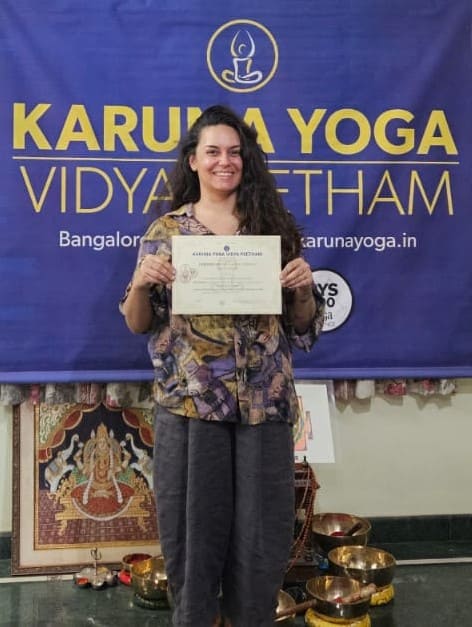
Best Yoga Teacher Training Institutes in Bangalore (2026–27): Compare Locations & Choose the Right School Choosing a Yoga Teacher Training (YTT) course involves more than comparing the syllabus or course fees. The location of the institute can have a significant impact on your learning experience, daily commute, accommodation options, and overall lifestyle during the program. Bangalore is home to many respected yoga schools spread across different parts of the city. Some are located in peaceful residential neighborhoods, while others are close to business districts, metro stations, or wellness communities. This guide compares the locations of several well-known yoga teacher training institutes in Bangalore and explains which type of learner each location may suit best. Note: Campuses, branches, and training venues may change over time. Always confirm the current training location directly with the institute before enrolling. Why Does Location Matter? The location of your yoga school can influence: Daily travel time Access to public transport Availability of accommodation Learning environment Weekend practice opportunities Balance between city life and peaceful surroundings A convenient location often makes it easier to attend every class and maintain a consistent practice. Yoga Teacher Training Institutes in Bangalore by Location Institute Main Location Environment Suitable For Karuna Yoga Vidya Peetham J. P. Nagar Residential, near Ragigudda Metro Working professionals, weekend learners, South Bangalore students Sri Sri School of Yoga Kanakapura Road (Art of Living Campus) Large spiritual campus Residential and immersive learning Bodhi School of Yoga Indiranagar Central urban neighborhood East Bangalore students Bodhi School of Yoga – HSR Layout HSR Layout IT corridor Professionals and nearby residents Yogakulam Academy Ganganagar Quiet residential area North Bangalore students YogaTute Health Chamrajpet Central Bangalore Traditional learners HAMSA Learning Center JP Nagar 7th Phase Residential South Bangalore students Vivekananda School of Yoga Hebbal North Bangalore Students from Hebbal and airport corridor Vishwa Poornima’s Yoga Centre Indiranagar Well-connected neighborhood East Bangalore students Aayana Yoga Academy Jayanagar Established residential area Central & South Bangalore students South Bangalore South Bangalore has become one of the city’s most popular destinations for yoga teacher training because of its green neighborhoods, metro connectivity, and established wellness culture. Major Institutes Karuna Yoga Vidya Peetham (J. P. Nagar) HAMSA Learning Center (JP Nagar) Aayana Yoga Academy (Jayanagar) Advantages Easy metro access Peaceful residential atmosphere Cafés and healthy food options Convenient for weekend courses Best suited for: Working professionals Weekend YTT students Beginners Long-term practitioners East Bangalore East Bangalore is home to many professionals and international residents. Major Institutes Bodhi School of Yoga (Indiranagar) Vishwa Poornima’s Yoga Centre (Indiranagar) Advantages Excellent public transport Vibrant wellness community Accessible from Whitefield, HAL, and Domlur Best suited for: IT professionals International students staying nearby Young professionals HSR Layout HSR Layout has become one of Bangalore’s major wellness hubs. Major Institutes Bodhi School of Yoga – HSR Layout Advantages Close to Electronic City Near Koramangala Easy access from Sarjapur Road Popular among software professionals North Bangalore North Bangalore offers quieter neighborhoods with growing educational infrastructure. Major Institutes Yogakulam Academy (Ganganagar) Vivekananda School of Yoga (Hebbal) Advantages Convenient for students living near Hebbal and Yelahanka Good airport connectivity Less traffic than central business districts Kanakapura Road For students looking for an immersive, campus-style learning experience, Kanakapura Road offers a different environment from the city center. Major Institute Sri Sri School of Yoga Advantages Spacious campus Natural surroundings Residential learning environment Dedicated meditation spaces This setting is ideal for students who prefer to step away from urban distractions during their training. Which Location Is Best for You? If You Live in South Bangalore Consider institutes in: J. P. Nagar Jayanagar JP Nagar 7th Phase These locations reduce commuting time and are well connected by road and metro. If You Live in East Bangalore Look at: Indiranagar HAL HSR Layout These areas are convenient for residents of Whitefield, Bellandur, Marathahalli, and Koramangala. If You Prefer a Residential Experience A campus-style program on Kanakapura Road may provide a quieter environment with fewer day-to-day distractions. If You Are an International Student Choose an institute that offers: Airport accessibility Accommodation support International student assistance Flexible schedules Comprehensive student services Should Location Be the Only Factor? No. Location is important, but it should be considered alongside the following: Curriculum Faculty experience Teaching methodology Practice teaching opportunities Student support Certification Learning environment Class size A slightly longer commute may be worthwhile if the course better matches your goals. Tips Before Choosing a Yoga Teacher Training Institute Before enrolling: Visit the campus if possible. Check public transport options. Ask about accommodation for outstation students. Compare the complete curriculum. Meet the instructors. Attend a trial class or open house if available. Read recent student reviews. Final Thoughts Bangalore offers excellent yoga teacher training opportunities across multiple neighborhoods, each with its own advantages. Whether you prefer the peaceful residential streets of J. P. Nagar, the vibrant wellness community of Indiranagar, the convenience of HSR Layout, the quiet surroundings of Ganganagar, or the retreat-like atmosphere of Kanakapura Road, there is a program to match your lifestyle and learning preferences. The best institute is not determined by location alone. A high-quality yoga teacher training combines experienced teachers, a comprehensive curriculum, practical teaching opportunities, supportive mentoring, and a learning environment that inspires personal and professional growth. Choose a school where you can attend consistently, feel supported throughout the course, and build the skills and confidence needed to become an effective yoga teacher. Frequently Asked Questions Which area in Bangalore is best for yoga teacher training? Popular areas include J. P. Nagar, Jayanagar, Indiranagar, HSR Layout, Hebbal, Ganganagar, and Kanakapura Road. The best choice depends on your commute, accommodation needs, and preferred learning environment. Is it better to study in the city or on a residential campus? City-based schools are often more convenient for working professionals, while residential campuses provide an immersive experience with fewer distractions. Should I choose the nearest institute? Convenience matters, but also compare the curriculum, instructors, teaching practice, and student support before making your decision. Keywords Best Yoga Teacher Training Institute Bangalore,
Different Types of Yoga: Which One Is the Best for You?
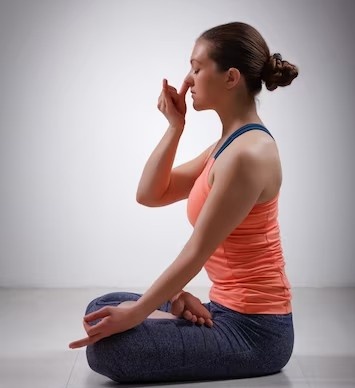
Different Types of Yoga: Which One Is the Best for You? Yoga has evolved into a diverse practice with styles that suit different personalities, fitness levels, health goals, and lifestyles. While all forms of yoga share the common aim of connecting the body, breath, and mind, each style offers a unique experience. Some people seek an energetic workout, while others are looking for relaxation, stress relief, improved flexibility, or deeper self-awareness. Choosing the right type of yoga can help you enjoy your practice, stay consistent, and achieve your personal goals. In this guide, we’ll explore some of the most popular styles of yoga, their benefits, who they are best suited for, and how to decide which one is right for you. What Are the Different Types of Yoga? Although there are many yoga traditions, most modern yoga classes fall into one or more of the following styles. Hatha Yoga Hatha yoga is one of the most widely practiced and beginner-friendly styles. It focuses on learning foundational postures, breathing techniques, and relaxation at a slower pace. What to Expect Gentle pace Basic yoga poses Breath awareness Simple meditation Relaxation techniques Benefits Improves flexibility Builds strength Enhances balance Reduces stress Develops proper alignment Best For Beginners Older adults Anyone starting yoga Those seeking a balanced practice Vinyasa Yoga Vinyasa yoga links movement with breath in flowing sequences. Every inhale and exhale guides the transition from one posture to the next, creating a dynamic and engaging practice. What to Expect Continuous movement Breath-coordinated sequences Creative class designs Moderate to vigorous intensity Benefits Improves cardiovascular fitness Builds endurance Increases flexibility Enhances coordination Develops concentration Best For Active individuals People who enjoy movement Fitness enthusiasts Intermediate practitioners Ashtanga Yoga Ashtanga Yoga follows a fixed sequence of postures performed in a specific order. It emphasizes discipline, consistency, breath control, and focused attention. What to Expect Structured sequences Repeated practice Ujjayi breathing Drishti (focused gaze) Progressive learning Benefits Builds strength Improves stamina Develops self-discipline Enhances flexibility Increases focus Best For Dedicated practitioners People who enjoy routine Students seeking a disciplined practice Yin Yoga Yin Yoga involves holding seated or reclining poses for several minutes to gently target connective tissues and encourage relaxation. What to Expect Long-held poses Quiet atmosphere Deep stretching Mindful breathing Benefits Improves mobility Supports flexibility Encourages relaxation Develops patience Promotes mindfulness Best For People with active lifestyles Athletes Those seeking stress relief Anyone wanting a slower practice Restorative Yoga Restorative yoga uses props such as bolsters, blankets, and blocks to fully support the body in comfortable poses. What to Expect Minimal physical effort Supported postures Deep relaxation Calm breathing Benefits Reduces stress Encourages recovery Improves sleep quality Supports nervous system relaxation Best For Beginners Busy professionals Older adults Individuals recovering from fatigue Somatic Yoga Somatic yoga emphasizes internal awareness rather than achieving specific poses. Gentle movements help improve movement quality, posture, and body awareness. What to Expect Slow movement Breath awareness Functional mobility Mindful exploration Benefits Improves posture Enhances body awareness Supports movement efficiency Helps reduce unnecessary muscular tension Encourages nervous system regulation Best For Office workers Seniors People seeking gentle movement Yoga teachers Anyone interested in mindful movement Chair Yoga Chair yoga adapts traditional yoga poses so they can be practiced while seated or using a chair for support. What to Expect Seated exercises Standing poses with chair support Gentle stretches Breathing exercises Benefits Improves mobility Enhances balance Supports joint health Makes yoga more accessible Best For Seniors Office workers Individuals with limited mobility Beginners Power Yoga Power Yoga is a vigorous style inspired by Ashtanga Yoga but with more flexibility in sequencing. What to Expect Fast-paced classes Strength-building poses Continuous movement Benefits Builds muscle strength Improves endurance Supports weight management Enhances cardiovascular fitness Best For Fitness enthusiasts Athletes Experienced practitioners Kundalini Yoga Kundalini Yoga combines movement, breathing, chanting, meditation, and mindfulness. What to Expect Dynamic breathing Mantra chanting Meditation Repetitive movement sequences Benefits Develops self-awareness Improves concentration Encourages emotional balance Supports mindfulness Best For Spiritual practitioners Meditation enthusiasts Those seeking inner awareness Prenatal Yoga Prenatal yoga is designed specifically for pregnancy, with guidance from qualified instructors. What to Expect Gentle stretching Pelvic floor awareness Relaxation Breath training Benefits Supports comfort during pregnancy Improves posture Encourages relaxation Builds breathing awareness Best For Pregnant individuals, with guidance from their healthcare provider and a qualified prenatal yoga teacher. Comparing Popular Yoga Styles Yoga Style Intensity Focus Best For Hatha Gentle Foundations Beginners Vinyasa Moderate–High Flow & Fitness Active practitioners Ashtanga High Discipline & Strength Experienced students Yin Gentle Flexibility & Relaxation Stress relief Restorative Very Gentle Recovery Relaxation Somatic Gentle Body Awareness Everyday movement Chair Yoga Gentle Accessibility Seniors & Office Workers Power Yoga High Strength & Endurance Fitness enthusiasts Kundalini Moderate Breath & Meditation Spiritual practice Prenatal Gentle Pregnancy Support Expectant parents How to Choose the Right Yoga Style The best yoga style depends on your goals rather than what is most popular. If your goal is… Learning the basics:Choose Hatha Yoga. Improving fitness:Try Vinyasa Yoga or Power Yoga. Building discipline:Consider Ashtanga Yoga. Reducing stress:Explore Yin Yoga or Restorative Yoga. Improving body awareness:Practice Somatic Yoga. Needing accessible movement:Choose Chair Yoga. Deepening meditation:Try Kundalini Yoga. Remember that your needs may change over time, and many practitioners enjoy combining different styles. Can You Practice More Than One Style? Absolutely. Many experienced practitioners combine styles to create a balanced routine. For example: Hatha Yoga for alignment and technique Vinyasa Yoga for strength and endurance Yin Yoga for flexibility Somatic Yoga for body awareness Restorative Yoga for recovery Meditation and Pranayama for mental clarity This variety can support overall physical and emotional well-being. Which Yoga Style Is Best for Beginners? For most beginners, Hatha yoga is an excellent starting point because it introduces the fundamentals at a comfortable pace. If you already enjoy exercise and movement, Vinyasa yoga may also be a good fit. If relaxation and stress reduction are your priorities, Yin Yoga, Restorative Yoga, or Somatic Yoga can provide a gentle introduction. The best beginner
Best Yoga Teacher Training Institutes in Bangalore (2026–27): Online vs Offline vs Hybrid Courses – Which One Is Best for You?
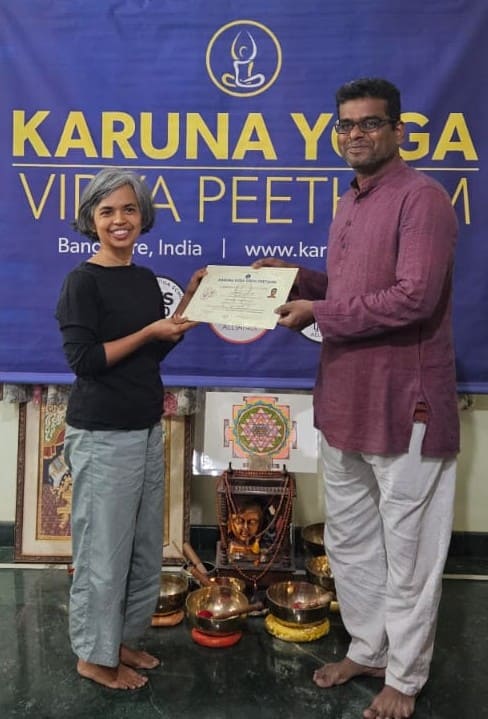
Best Yoga Teacher Training Institutes in Bangalore (2026–27): Online vs Offline vs Hybrid Courses – Which One Is Best for You? Thevs.ay studenvs. learn yCourses:hanged significantly over the last few years. While traditional classroom-based training remains popular, many Yoga Teacher Training (YTT) institutes in Bangalore now offer online, offline, and hybrid programs to suit different lifestyles and learning needs. Whether you are a working professional, an international student, a homemaker, or someone seeking a fully immersive experience, there is a learning format that can work for you. This guide compares the publicly available learning formats offered by several well-known yoga teacher training institutes in Bangalore and explains the advantages of each option. Note: Course delivery formats may change depending on the program or batch. Always confirm the latest schedule directly with the institute before enrolling. Understanding the Three Learning Formats Online Yoga Teacher Training Online YTT allows students to attend classes from anywhere in the world using live sessions, recorded lessons, digital manuals, assignments, and virtual mentoring. Typical features include the following: Live interactive classes Recorded lectures Digital study materials Online assessments Flexible schedules Self-paced learning (in some programs) Online learning is ideal for students who cannot relocate or who need flexibility because of work or family commitments. Offline Yoga Teacher Training Offline or in-person YTT takes place at the institute’s campus or yoga studio. Students benefit from: Face-to-face instruction Hands-on alignment guidance Immediate instructor feedback Community learning Practical teaching experience Structured daily routines This format is ideal for students who enjoy immersive learning and direct interaction. Hybrid Yoga Teacher Training Hybrid YTT combines online learning with in-person practical sessions. Students typically complete the following: Theory online Assignments from home Live mentoring sessions On-campus workshops Practical teaching assessments Hybrid programs offer flexibility while still providing valuable hands-on experience. Comparison of Leading Yoga Teacher Training Institutes in Bangalore Institute Publicly Advertised Learning Format Best For Karuna Yoga Vidya Peetham Online, Offline, Hybrid, and Weekend formats Working professionals, Indian and international students seeking flexibility Sri Sri School of Yoga Online, Hybrid, and On-Campus programs Students seeking a blend of traditional learning and flexible study Bodhi School of Yoga Primarily Offline (selected programs may vary) Students preferring studio-based learning Yogakulam Academy Offline with flexible formats, online offerings are also promoted for selected courses Students wanting weekday, weekend, or flexible study options YogaTute Health Primarily Offline with selected online offerings Students interested in therapeutic yoga HAMSA Learning Center Primarily Offline Students seeking traditional classroom instruction Chaitanya Wellness Yoga Academy Online and Offline Students wanting flexible attendance options S-VYASA (CODE YIC) Hybrid Students looking for university-supported blended learning Advantages of Online Yoga Teacher Training Online training has become increasingly popular because it offers the following: Learn from any location Flexible schedules Reduced travel costs Access to recorded classes Continued support after live sessions Suitable for international students However, students should ensure the program includes opportunities for supervised teaching practice and instructor feedback. Advantages of Offline Yoga Teacher Training Traditional classroom learning provides: Real-time posture corrections Hands-on demonstrations Immediate feedback Strong peer community Better practice teaching experience Immersive yogic environment For many beginners, learning in person helps build confidence more quickly. Advantages of Hybrid Yoga Teacher Training Hybrid programs combine the strengths of both formats. Benefits include: Flexible theory classes Practical in-person workshops Lower travel requirements Continued access to online resources Better work-life-study balance Many working professionals choose hybrid programs because they reduce the need for extended leave while preserving practical training. Which Learning Format Is Right for You? Choose Online If You Live outside Bangalore or India Have work or family commitments Prefer flexible study hours Want to learn from home Choose Offline If You: Learn best through direct interaction Value hands-on corrections Want an immersive classroom experience Enjoy practicing with a group Choose Hybrid If You: Want flexibility without giving up practical learning Prefer online theory with in-person practice Need to balance studies with work Want the advantages of both learning styles Beyond the Learning Format When comparing institutes, don’t focus only on whether the course is online, offline, or hybrid. Also evaluate: Faculty experience Curriculum depth Teaching methodology Practice teaching opportunities Student support Anatomy and philosophy modules Assessment process Alumni network Continuing education opportunities A well-designed curriculum is often more important than the delivery format alone. Questions to Ask Before Enrolling Before choosing a yoga teacher training program, ask: Are classes live, recorded, or both? How much supervised teaching practice is included? Will I receive personal feedback from instructors? Are practical assessments conducted in person? Is the hybrid schedule clearly defined? Will I have access to study materials after the course? Are weekend or flexible batches available? Final Thoughts The best learning format depends on your lifestyle, learning preferences, and career goals. If you enjoy immersive study and direct mentorship, an offline program may be the ideal choice. If flexibility is your priority, an online course can make high-quality yoga education accessible from anywhere. If you want both convenience and hands-on experience, a hybrid program offers an excellent balance. Rather than choosing a school solely because it offers a particular format, compare the quality of instruction, faculty expertise, curriculum, practical teaching opportunities, and student support. A thoughtfully designed yoga teacher training—whether online, offline, or hybrid—can provide the knowledge, confidence, and experience needed to build a successful yoga practice and teaching career. Frequently Asked Questions Is an online yoga teacher training as effective as an offline course? It can be effective when it includes live instruction, mentoring, assessments, and structured teaching practice. Practical experience remains an important part of learning to teach yoga. What are the benefits of a hybrid yoga teacher training? Hybrid programs combine the flexibility of online study with the practical advantages of in-person workshops, adjustments, and teaching practice. Which format is best for working professionals? Hybrid and weekend programs are often the most practical because they allow students to continue working while completing their training. Can international students join online or hybrid programs? Yes. Many Bangalore-based yoga schools now
Best Yoga Teacher Training Institutes in Bangalore (2026–27): Compare Lead Trainers, Faculty & Choose the Right School
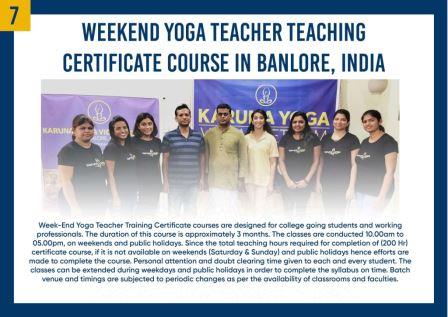
Best Yoga Teacher Training Institutes in Bangalore (2026–27): Compare Lead Trainers, Faculty & Choose the Right School When choosing a YTrainers &er Training (YTT) course, many students compare the syllabus, fees, location, and certification. However, one of the most important factors is often overlooked: Who will actually teach you? A comprehensive curriculum is valuable, but the quality of your learning depends heavily on the experience, teaching ability, and mentorship of the lead trainer and faculty. This guide compares the publicly available information about the leadership and faculty of several well-known yoga teacher training institutes in Bangalore. Since teaching teams may change over time, always confirm the current faculty with the institute before enrolling. Why the Lead Trainer Matters A skilled lead trainer does much more than demonstrate yoga poses. They guide students in: Safe asana practice Yoga philosophy Anatomy and biomechanics Teaching methodology Practice teaching Professional ethics Personal development An experienced mentor can help you become a confident and compassionate yoga teacher. Comparison of Leading Yoga Teacher Training Institutes Institute Publicly Listed Founder / Lead Faculty* Teaching Approach Karuna Yoga Vidya Peetham Dr. S. Karuna Murthy (Founder & Senior Trainer, according to the institute) Multistyle Yoga, Hatha, Vinyasa, Somatic Yoga, Breathwork, Anatomy, Philosophy Sri Sri School of Yoga Faculty from the Art of Living School of Yoga; courses are delivered by a team of senior teachers rather than a single instructor Classical Yoga, Meditation, Yogic Lifestyle Samyak Institute of Yoga & Ayurveda Yogacharya Rakesh (Founder & Director) Traditional Hatha, Vinyasa, Ashtanga Bodhi School of Yoga Faculty team (check current lead trainers directly with the school) Hatha & Vinyasa Yogakulam Academy Faculty team (verify current senior trainers with the institute) Hatha, Vinyasa & Ashtanga YogaTute Health Faculty team (verify current trainers) Therapeutic & Classical Yoga HAMSA Learning Center Faculty team (verify current trainers) Classical Hatha Yoga Vivekananda School of Yoga Faculty team (verify current trainers) Traditional Yoga *Leadership and faculty information is based on publicly available information and may change. What Makes a Great Yoga Teacher? The best yoga teachers generally have: Extensive Teaching Experience Experience helps instructors adapt classes to students of different abilities and explain concepts clearly. Strong Knowledge of Anatomy A knowledgeable trainer should understand: Joint mechanics Functional movement Alignment Injury prevention Safe modifications This knowledge supports safer teaching and practice. Teaching Skills Excellent yoga teachers know how to: Explain clearly Demonstrate effectively Observe students Offer constructive feedback Build confidence Being a skilled practitioner does not automatically make someone a skilled teacher. Personal Mentorship The best programs provide opportunities for: Individual guidance Question-and-answer sessions Practice teaching feedback Career advice Mentorship often has a lasting impact on a student’s development. Questions to Ask About the Faculty Before enrolling, ask the institute: Who will teach most of the course? Will I learn directly from the lead trainer? How many years of teaching experience does the faculty have? Are there guest lecturers? Will different teachers cover anatomy, philosophy, and teaching methodology? How much individual feedback will I receive? Choosing the Right Institute Instead of selecting a school based only on the reputation of one individual, consider the overall learning experience: Quality of the teaching team Comprehensive curriculum Practical teaching opportunities Small class sizes Student support Learning environment Ongoing mentorship A collaborative faculty with expertise in different subjects can often provide a richer education than relying on a single instructor. Final Thoughts The lead trainer plays an important role in your yoga teacher training, but they are only one part of the learning experience. A great YTT combines experienced faculty, a balanced curriculum, supervised teaching practice, supportive mentorship, and an environment that encourages continuous growth. When comparing yoga teacher training institutes in Bangalore, look beyond marketing claims. Review the instructors’ experience, ask who will actually teach your classes, and choose a program that aligns with your learning goals and preferred teaching style. The best yoga teacher training institute is the one that helps you become a knowledgeable, confident, and ethical yoga teacher—not just one with a well-known name. Frequently Asked Questions Is the lead trainer more important than the curriculum? Both matter. An experienced teacher can bring the curriculum to life, while a comprehensive syllabus ensures you receive well-rounded training. Should I learn from one teacher or a faculty team? Both models have advantages. A single mentor offers continuity, while a faculty team provides expertise across anatomy, philosophy, meditation, and teaching methodology. How can I verify who will teach my course? Contact the institute directly and request the current faculty list, trainer biographies, and the schedule for your specific batch. Keywords Best Yoga Teacher Training Institute Bangalore, Yoga Teacher Training Faculty Bangalore, Yoga Teacher Training Lead Trainer Bangalore, Senior Yoga Trainer Bangalore, Best Yoga School Bangalore, 200 Hour Yoga Teacher Training Bangalore, Multistyle Yoga Teacher Training Bangalore, Yoga Teacher Training India, Yoga Instructor Course Bangalore, Compare Yoga Teacher Training Bangalore.
Developing Your Unique Yoga Teaching Style: A Complete Guide for Yoga Teachers
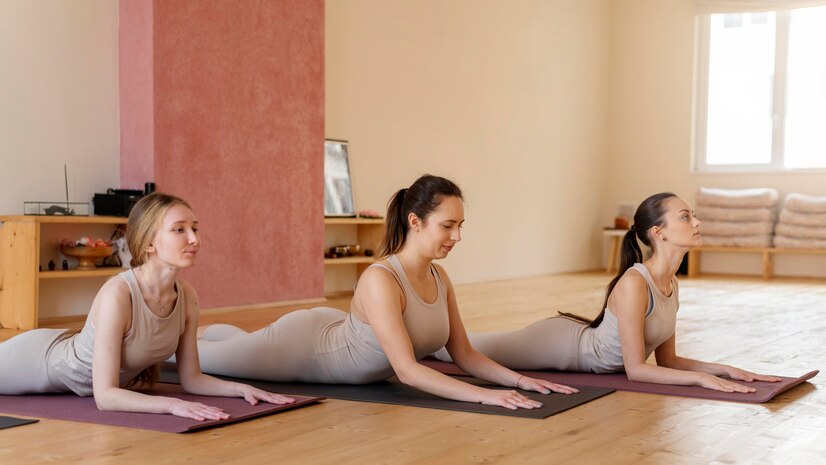
Developing Your Unique Yoga Teaching Style Every great yoga teacher has something unique to offer. While many teachers may teach similar asanas, pranayama techniques, or meditation practices, their teaching style, personality, approach, and connection with students make their classes different. Developing your unique yoga teaching style is not about creating something completely new—it is about discovering your authentic voice and expressing yoga through your own experience, knowledge, and values. A strong teaching style helps you: Connect deeply with students Build confidence as a teacher Create memorable classes Attract the right students Develop a sustainable yoga career Your teaching style evolves through practice, learning, experience, and self-awareness. What Is a Yoga Teaching Style? A yoga teaching style is the unique way you guide students through their yoga journey. It includes: How you communicate How you structure classes The yoga traditions you emphasize Your teaching personality Your approach to student needs Your philosophy as a teacher Two teachers can teach the same pose, but their classes may feel completely different because of their individual style. For example: One teacher may focus on the following: Alignment Anatomy Precision Another may focus on: Breath Meditation Emotional awareness Both approaches can be valuable. Why Developing Your Own Teaching Style Matters Builds Authenticity Students connect with teachers who teach from genuine experience. Authenticity means: Sharing what you truly understand Teaching according to your values Avoiding imitation Your personal journey becomes part of your teaching. Helps You Stand Out The yoga industry has many teachers. A unique approach helps you create your identity. Your uniqueness may come from: Your background Your specialization Your communication style Your teaching philosophy Creates Better Student Relationships When your teaching style is clear, students who resonate with your approach naturally connect with you. Step 1: Deepen Your Personal Practice Your teaching style begins with your own yoga journey. A teacher cannot teach only from books; they teach from experience. Develop a consistent practice including: Asana Practice Explore: Alignment Breath connection Body awareness Movement patterns Pranayama Practice Experience: Different breathing techniques Effects of breath on mind and body Energy regulation Meditation Practice Develop: Inner awareness Mental clarity Emotional balance Self-Reflection Ask yourself: What aspects of yoga inspire me most? What transformation has yoga created in my life? What do I want my students to experience? Step 2: Identify Your Teaching Philosophy Your teaching philosophy is the foundation of your style. Consider what you believe about yoga. Examples: Yoga as Physical Transformation Focus: Strength Flexibility Mobility Fitness Yoga as Mental Wellness Focus: Stress reduction Mindfulness Emotional balance Yoga as Spiritual Practice Focus: Self-awareness Meditation Inner growth Yoga as Therapeutic Practice Focus: Individual needs Functional movement Healing support Your philosophy influences every class you teach. Step 3: Discover Your Natural Teaching Personality Your personality is one of your greatest teaching tools. Different teachers have different strengths. The Encouraging Teacher Characteristics: Motivating Supportive Positive Best for: Beginners Confidence building The Analytical Teacher Characteristics: Detailed explanations Alignment-focused Anatomy-based Best for: Students who enjoy understanding movement The Calm Teacher Characteristics: Slow pace Relaxing voice Mindfulness emphasis Best for: Stress relief Restorative practices The Energetic Teacher Characteristics: Dynamic classes Motivational environment Best for: Fitness-oriented students Step 4: Choose Your Areas of Expertise Specialization helps shape your identity as a teacher. Popular areas include: Hatha Yoga Focus: Traditional practice Alignment Breath awareness Vinyasa Yoga Focus: Movement and breath connection Creative sequencing Yin Yoga Focus: Deep stretching Stillness Meditation Yoga Therapy Focus: Individualized practices Wellness support Prenatal Yoga Focus: Pregnancy support Safe movement Kids Yoga Focus: Creativity Learning through play Somatic Yoga Focus: Body awareness Nervous system regulation Mind-body connection Step 5: Develop Your Communication Style How you communicate strongly influences your teaching identity. A great yoga teacher develops: Clear Instructions Instead of: “Move into the pose.” Try: “Place your feet hip-distance apart, soften your shoulders, and lengthen through the spine.” Positive Language Use: Encouragement Support Respectful guidance Avoid: Judgment Comparison Pressure Storytelling Ability Stories can make teachings meaningful. You can include: Yoga philosophy Personal experiences Traditional wisdom Practical examples Step 6: Create Your Signature Class Structure A recognizable structure helps students feel comfortable. Example: Mindful Beginning Breath awareness Centering Intention setting Warm-Up Joint movements Gentle mobility Main Practice Asana sequence Strength Balance Flexibility Integration Pranayama Meditation Relaxation Your structure may evolve as you gain experience. Step 7: Understand Your Students A great teaching style is student-centered. Different students need different approaches. Beginners Need: Clear explanations Encouragement Simple modifications Advanced Students Need: Deeper exploration Refinement Challenges Seniors Need: Safety Adaptations Functional movement Corporate Students Need: Stress relief Simple practices Time-efficient techniques Step 8: Combine Tradition With Modern Knowledge Modern yoga teachers often integrate the following: Traditional Wisdom Including: Yoga philosophy Meditation Pranayama Sanskrit concepts Modern Understanding Including: Anatomy Biomechanics Neuroscience Psychology A balanced approach creates a well-rounded teaching style. Step 9: Learn From Other Teachers Without Copying Observing experienced teachers helps you grow. Study: Their communication Class organization Teaching methods But avoid becoming a copy. Ask: “What can I learn from this teacher?” Not: “How can I become this teacher?” Step 10: Practice Teaching Regularly Your style develops through experience. Teach: Friends Family Small groups Community classes After each class, reflect: What worked well? What can improve? How did students respond? Examples of Unique Yoga Teaching Styles Mindful Alignment Yoga Combines: Precise alignment Breath awareness Meditation Therapeutic Movement Yoga Combines: Anatomy Functional movement Individual adaptations Emotional Wellness Yoga Combines: Gentle movement Breathwork Mindfulness Strength and Mobility Yoga Combines: Functional strength Flexibility Balance training Traditional Yogic Lifestyle Teaching Combines: Asana Philosophy Meditation Yogic principles Common Mistakes When Developing a Teaching Style Trying to Please Everyone A clear identity attracts the right students. Copying Popular Teachers Your authenticity is your greatest strength. Focusing Only on Physical Postures Yoga teaching includes the following: Mind Breath Philosophy Lifestyle Developing a Style Too Quickly Your teaching style naturally evolves with experience. How Long Does It Take to Develop a Yoga Teaching Style? There is no fixed timeline. Many teachers develop their unique approach through: Years
Best Places for Yoga in Bangalore: Find Out Before You Plan Your Trip (2026 Complete Guide)

Best Places for Yoga in Bangalore: Find Out Before You Plan Your Trip Bangalore (Bengaluru), often called the Wellness Capital of South India, has become one of India’s most popular destinations for yoga education and holistic living. With its pleasant climate, cosmopolitan culture, lush green parks, and thriving wellness community, the city attracts yoga practitioners, aspiring teachers, corporate professionals, and international students from around the world. Whether you’re planning to attend a 200-Hour Yoga Teacher Training (YTT), deepen your personal practice, join weekend yoga classes, or experience a wellness retreat, Bangalore offers a diverse range of options to suit every level and lifestyle. This guide explores the best places for yoga in Bangalore, the city’s most popular neighborhoods for yoga, what to expect from different yoga schools, and how to choose the right place before planning your trip. Why Choose Bangalore for Yoga? Unlike many traditional yoga destinations that primarily offer intensive residential programs, Bangalore combines authentic yoga education with modern convenience. Some of the advantages include: Pleasant weather throughout much of the year Excellent domestic and international connectivity Diverse yoga schools and teaching styles Weekend, weekday, online, offline, and hybrid courses Affordable accommodation compared to many global cities Strong wellness and startup culture Healthy cafés and vegetarian restaurants Easy access to nearby nature retreats Bangalore is particularly attractive for professionals who want to study yoga while continuing their careers. What Makes Bangalore a Great Yoga Destination? The city offers: Traditional Hatha Yoga Ashtanga Yoga Vinyasa Yoga Yin Yoga Restorative Yoga Prenatal Yoga Kids Yoga Chair Yoga Meditation programs Pranayama courses Yoga Therapy Somatic Yoga Breathwork certification Ayurveda-integrated yoga programs Many schools also provide internationally recognized teacher training programs and continuing education workshops. Best Areas for Yoga in Bangalore Indiranagar Indiranagar is one of Bangalore’s most vibrant neighborhoods and home to numerous yoga studios, wellness centers, cafés, and fitness communities. Best For Daily yoga classes Vinyasa Yoga Hatha Yoga Corporate professionals Beginners Nearby Attractions Healthy cafés Parks Boutique wellness centers Organic food stores Jayanagar Known for its peaceful residential atmosphere, Jayanagar has long been associated with traditional yoga schools. Ideal For Hatha Yoga Meditation Seniors Family-friendly classes Long-term practice Koramangala Koramangala combines modern lifestyle with a thriving wellness scene. Popular among: Young professionals Digital nomads International residents Fitness enthusiasts You’ll find: Boutique yoga studios Functional movement classes Breathwork workshops Community yoga events Whitefield Whitefield has become a major wellness hub due to its large international community and IT workforce. Best suited for: Corporate yoga Weekend teacher training Online-hybrid programs Family yoga Wellness workshops HSR Layout HSR Layout offers numerous yoga centers emphasizing the following: Mindfulness Meditation Yoga therapy Holistic wellness Stress management JP Nagar JP Nagar is known for its spacious parks and growing wellness community. Popular options include: Morning yoga classes Pranayama sessions Meditation groups Teacher training programs Malleshwaram One of Bangalore’s oldest neighborhoods, Malleshwaram blends traditional culture with modern wellness practices. Suitable for: Classical yoga Spiritual learning Seniors Long-term practitioners Electronic City With thousands of IT professionals, Electronic City has seen increasing demand for: Corporate wellness programs Evening yoga Stress-relief classes Weekend workshops Types of Yoga Courses Available in Bangalore Beginner Yoga Courses Ideal for: Complete beginners Office workers Students Senior citizens Topics include: Basic postures Breathing exercises Relaxation Flexibility Meditation 200-Hour Yoga Teacher Training The most popular certification program. Students typically study: Yoga philosophy Anatomy Alignment Pranayama Meditation Teaching methodology Practice teaching 300-Hour Advanced Teacher Training Designed for experienced teachers wishing to deepen their knowledge of: Functional anatomy Advanced sequencing Therapeutic applications Yoga philosophy Leadership Specialized Courses Bangalore offers a wide variety of specialty programs, including: Yoga Therapy Pranayama Teacher Training Meditation Teacher Training Somatic Yoga Yin Yoga Restorative Yoga Prenatal Yoga Kids Yoga Chair Yoga Ayurveda and Yoga Breathwork Yoga Nidra Mindfulness Online, Offline, or Hybrid? Online Learning Best for: Working professionals Parents International students Advantages: Flexible schedules Learn from home Recorded lessons (where available) Offline Learning Ideal for: Beginners Hands-on practice Teacher training Community learning Benefits include: Direct instructor feedback Practical adjustments Peer interaction Hybrid Learning Hybrid courses combine online theory with in-person practical sessions. Ideal for: Busy professionals Weekend learners Students balancing work and education What to Look for in a Yoga School Before enrolling, evaluate: Experienced Teachers Look for instructors with strong teaching experience, ongoing professional development, and expertise relevant to your goals. Comprehensive Curriculum A quality program should include: Asana practice Alignment Anatomy Pranayama Meditation Philosophy Teaching methodology Practical teaching experience Class Size Smaller groups often allow for more personalized guidance and feedback. Learning Environment Choose a school that offers: Clean practice spaces Supportive atmosphere Safe instruction Clear communication Student Reviews Read recent reviews and testimonials to understand the experiences of past students. Nearby Weekend Yoga Retreat Destinations If you’re extending your trip, consider short retreats within driving distance of Bangalore: Nandi Hills Kanakapura Ramanagara Savandurga Mysore Chikmagalur Coorg These locations offer opportunities to combine yoga with nature, hiking, and relaxation. Best Time to Visit Bangalore for Yoga Bangalore’s moderate climate makes yoga comfortable year-round. However, many visitors prefer the following: October to February for cooler weather March to May for quieter schedules at some schools June to September if you enjoy the monsoon atmosphere Who Should Learn Yoga in Bangalore? Bangalore is suitable for: Beginners Intermediate practitioners Advanced teachers Corporate professionals Healthcare professionals International students Retirees Families Entrepreneurs Wellness coaches Tips Before Planning Your Yoga Trip Compare course curricula, not just course titles. Confirm instructor qualifications and teaching experience. Check whether accommodation and meals are included. Review class schedules to ensure they fit your plans. Bring comfortable clothing and a reusable water bottle. Visit local parks such as Cubbon Park or Lalbagh for personal practice. Frequently Asked Questions Is Bangalore good for yoga teacher training? Yes. Bangalore is one of India’s leading destinations for yoga teacher training because it offers flexible learning formats, experienced instructors, specialized courses, and a large wellness community. Which yoga style is most popular in Bangalore? Hatha Yoga, Vinyasa Yoga, Ashtanga Yoga, Yin Yoga, Restorative Yoga,