
50 Hours – Breathwork & Meditation Teacher Training Certificate Course (TTC)
Course Overview
- Course Name: 50-Hour Breathwork & Meditation Teacher Training Certificate Course
- Total Fee for the Training (For Indian Citizens Only): INR 20,000 (Registration Fee) + INR 40,000 (Course Fee) = INR 60,000
- Total Fee for the Training (For Non-Indian Citizens Only): USD 400 (Registration Fee) + USD 600 (Course Fee) = USD 1000
- Accreditation: Yoga Alliance USA YACEP.
- Contact hours: 40 hrs
- Contact HR—Direct or live interaction with teacher. This includes in-person or real-time online sessions where you are actively engaged with the teacher, receiving instruction, feedback, and guidance.
- Non-Contact Hr – Reading a book or article, or watching a video, self-practice, written assignment, project work, audio assignment, or video assignment.
- Non-Contact hours: 10 hrs
- Language: English
- Mode: Offline/Online/Hybrid/Self-Paced
- Duration: 10 to 30 Days
- About the course facilitator: Dr. S. Karuna Murthy, M.Sc., Ph.D., E-RYT 500, YACEP
- Level: Beginner to Intermediate/Teacher Level
- Practice: Individual and group practice
- Assessment: Written, practical, and teaching assessment
Course Overview
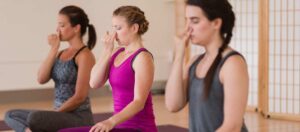
The 50-Hour Breathwork & Meditation Certificate Course aims to support yoga instructors, wellness experts, meditation enthusiasts, therapists, and healthcare and fitness professionals, as well as dedicated students seeking to enhance their comprehension of breathing techniques and meditation. The program merges the age-old teachings of yoga with modern techniques focused on breath awareness, pranayama, relaxation, mindfulness, and meditation.
Students acquire knowledge on practicing various techniques safely, as well as on guiding individuals and groups in suitable breathwork and meditation sessions. The focus is on individual experience, proper technique, instructional methods, safety, observation, and responsible usage.
Course Objectives
- Comprehend the fundamentals of Pranayama within the context of the Yoga tradition.
- Safely practice essential and intermediate breathing methods.
- Comprehend the fundamental anatomy and physiology of breathing.
- Distinguish between gentle breath control, pranayama, and intensive breath exercises.
- Enhance self-awareness by engaging in consistent breathwork and meditation.
- Explore various traditional and modern meditation techniques.
- Facilitate meditation sessions for beginners.
- Choose suitable methods based on the requirements and capabilities of the participants.
- Comprehend contraindications, precautions, and safety measures.
- Develop organized breathwork and meditation sessions lasting 30, 45, and 60 minutes.
- Uphold professional boundaries and adhere to ethical teaching principles.
Career Opportunities After the Course
One of the major benefits of completing a Breathwork & Meditation Certificate Course is the variety of career paths it can support. The course does not necessarily limit a student to one particular job title. Instead, it can complement an existing profession or become the foundation for a new career in wellness and education.
- Opportunity to Work as a Breathwork Instructor
Breathwork has become increasingly popular among people looking for practical methods of relaxation and self-awareness. A trained instructor can conduct structured breathing sessions for individuals or small groups.
A breathwork instructor may teach foundational breathing awareness, diaphragmatic breathing, gentle breath regulation, relaxation breathing, breath-focused meditation, and other techniques included within their training and professional scope.
Employment opportunities may be available in yoga studios, wellness centers, holistic health centers, retreat facilities, fitness centers, and private wellness practices.
- Career as a Meditation Teacher
Meditation is another major area of opportunity. Many people want to learn meditation but find it difficult to establish a regular practice on their own. A trained meditation teacher can provide structure, guidance, motivation, and a supportive learning environment.
Graduates may conduct beginner meditation classes, guided meditation sessions, mindfulness sessions, breath-awareness practices, relaxation sessions, or meditation workshops.
They may work with adults, senior citizens, students, professionals, yoga practitioners, or wellness groups, depending on their training and experience.
- Opportunities in Yoga Studios and Wellness Centers
Breathwork and meditation naturally complement yoga education. Yoga studios increasingly offer classes that go beyond physical postures and include pranayama, meditation, relaxation, and mindfulness.
A person who already has yoga teaching experience can use a Breathwork & Meditation Certificate Course to expand their professional skills.
For example, a yoga teacher may add:
- Guided breathing sessions
- Meditation classes
- Pranayama-based relaxation sessions
- Breath-awareness workshops
- Stress-management programs
- Meditation for beginners
- Workplace relaxation sessions
- Special wellness workshops
- Corporate Wellness Opportunities
Corporate wellness is another potential career area. Modern workplaces can be demanding, and organizations often look for practical wellness activities that employees can participate in without requiring extensive equipment or space.
A trained instructor may conduct short sessions such as
- Workplace breathing practices
- Guided relaxation
- Mindfulness breaks
- Breath-awareness sessions
- Short meditation sessions
- Concentration and relaxation practices
- Desk-based breathing sessions
- Wellness workshops
These programs can be offered in offices, employee wellness programs, training events, retreats, or online.
- Teaching in Schools and Educational Settings
Meditation and breathing awareness are also being explored in educational and youth-wellness settings. Depending on local policies, qualifications, age requirements, and institutional guidelines, trained instructors may assist with age-appropriate relaxation, attention, breathing awareness, and mindfulness activities.
- Retreats and Wellness Tourism
Wellness retreats are another potential employment and self-employment area. Retreat centers may offer yoga, meditation, relaxation, breathwork, healthy lifestyle education, and other wellness activities as part of their programs.
A qualified instructor may participate in:
- Weekend wellness retreats
- Yoga and meditation retreats
- Breathwork workshops
- Meditation camps
- Holistic wellness programs
- Corporate retreats
- Residential yoga programs
- Private Sessions and Independent Practice
A certificate can also help students develop an independent teaching practice, subject to local regulations and appropriate professional qualifications.
A practitioner may offer individual or small-group sessions in person or online. Private sessions can be designed around general wellness goals such as relaxation, meditation practice, breath awareness, concentration, or establishing a regular practice.
Independent work provides flexibility because the teacher can develop their own schedule, teaching style, course structure, and client base.
- Online Teaching Opportunities
Digital education has created new possibilities for meditation and breathwork instructors. Many students now participate in wellness programs through online platforms.
A trained teacher can potentially conduct:
- Live online meditation classes
- Online breathwork sessions
- Recorded guided meditation programs
- Virtual workshops
- One-to-one online sessions
- Online beginner courses
- Corporate wellness sessions
- Additional Advantage for Existing Professionals
The course can be particularly beneficial for professionals who already work in related fields.
For example, a yoga teacher may use breathwork and meditation to broaden their classes. A fitness instructor may incorporate appropriate relaxation and breathing awareness into wellness education. A life coach may use meditation as a complementary self-awareness practice within their professional scope. A wellness educator may develop specialized workshops.
The certificate therefore does not have to represent a complete career change. It can function as a professional skill enhancement.
- Scope for Workshops and Specialized Programs
After gaining sufficient experience, instructors may develop workshops around specific educational themes, provided they remain within their qualifications and scope of practice.
Syllabus—Breathwork & Meditation
Module 1: Introduction to Breathwork & Meditation
Module 2: Respiratory Anatomy & Physiology
Module 3: Breath Awareness & Foundational Breathing
Module 4: Foundations of Pranayama
Module 5: Classical Pranayama Practices
Module 6: Advanced Breath Regulation & Kumbhaka
Module 7: Breathwork, Nervous System & Emotional Regulation
Module 8 Meditation Foundations
Module 9: Traditional & Contemporary Meditation Techniques
Module 10 Meditation Teaching Methodology
Module 11: Safety, Contraindications & Professional Ethics
Module 12 Practicum, Assessment & Teaching Practice
Module 1: Introduction To Breathwork & Meditation
1.1 Understanding Breathwork
- What is breathwork?
- Meaning and purpose of conscious breathing
- Natural breathing versus controlled breathing
- Breath awareness as a bridge between body and mind
- Traditional pranayama and modern breathwork
- Different approaches to breath training
- Importance of gradual progression
1.2 Understanding Meditation
- Meaning and definition of meditation
- Meditation in the yoga tradition
- Dhyana and its place in Ashtanga Yoga
- Meditation versus concentration
- Meditation versus relaxation
- Meditation versus mindfulness
- Goals and expectations of meditation practice
1.3 Breath and Mind
- Relationship between breathing and mental state
- Breath during stress and relaxation
- Observing changes in breathing patterns
- Developing non-judgmental awareness
Module 2: Respiratory Anatomy & Physiology
2.1 Respiratory System
- Nose and nasal passages
- Pharynx and larynx
- Trachea
- Bronchi and bronchioles
- Lungs
- Alveoli
- Diaphragm
- Intercostal muscles
- Accessory breathing muscles
2.2 Mechanics of Breathing
- Inhalation
- Exhalation
- Diaphragmatic movement
- Rib-cage movement
- Abdominal movement
- Pressure changes during respiration
2.3 Gas Exchange
- Oxygen and carbon dioxide
- Pulmonary gas exchange
- Transport of oxygen
- Removal of carbon dioxide
- Basic understanding of blood oxygenation
2.4 Nervous System and Breathing
- Autonomic nervous system
- Sympathetic and parasympathetic activity
- Stress response
- Relaxation response
- Breathing and nervous-system regulation
Module 3: Breath Awareness & Foundational Breathing
3.1 Establishing Healthy Breath Awareness
3.2 Foundational Practices
3.3 Breath Ratios
- 1:1 breathing
- 1:2 breathing
3.4 Breath Observation Practices
- Counting the breath
- Counting inhalation and exhalation
- Observing pauses naturally
- Breath awareness while walking
- Breath awareness during relaxation
Module 4: Foundations of Pranayama
4.1 Meaning of Pranayama
- Meaning of Prana
- Meaning of Ayama
- Classical understanding of Pranayama
- Pranayama in Patanjali Yoga Sutra
- Relationship between Pranayama and meditation
4.2 Components of Pranayama
- Puraka – inhalation
- Rechaka – exhalation
- Antar Kumbhaka – internal retention
- Bahya Kumbhaka – external retention
4.3 Preparation for Pranayama
- Appropriate posture
- Preparation of the respiratory system
- Relaxation
- Breath awareness
- Appropriate progression
4.4 Important Principles
- Never force the breath
- Comfort before intensity
- Gradual progression
- Stable posture
- Awareness throughout practice
- Respecting individual limitations
Module 5: Breathwork & Classical Pranayama Practices
Breathwork Practices
1.Breathing Coordination
- Coherent (resonant) breathing
- Buteyko breath
- Walking/running hypoventilation
- Tummo breathing
- Box breathing
- 4-7-8 breathing
- Breath awareness
- Diaphragmatic breathing (belly breathing)
- Pursed lip breathing
- Lion’s breath (simha pranayama)
- Extreme hypoxia super ventilation
- 1:2 ratio breathing
- Rebirthing breathwork
- Holotropic breathwork
- Rectangle breathing
- Shamanic breathwork
Classical Pranayama Practices
- Natural breathing
- Full Yogic breathing or Vibhagya Pranayama (Sectional Breathing)
2.1. Abdominal (or diaphragmatic) breathing
2.2. Thoracic Breathing
2.3. Clavicular Breathing
2.4. Full Yogic Breathing
- Kapala Bhati Pranayama (frontal brain cleansing breath)
3.1.Technique 2: Alternate nostrils
3.2.Left nostril
3.3.Right nostril
3.4.Both nostrils
- Bhastrika Pranayama (bellows breath)
4.1.Technique I: Preparatory practice
4.2.Technique 2: Alternate nostrils
4.3.Right nostril
4.4. Both nostrils
- Nadi Shodhana Pranayama (psychic network purification)
5.1. Technique I: Preparatory practice
Stage I:
Stage2:
5.2. Technique 2: Alternate nostril breathing
Stage I:
Stage 2:
5.3. Technique 3: with Antar Kumbhaka (inner retention)
Stage I:
Stage 2
Stage 3
Stage 4
Stage 5
5.4. Advanced practice: (addition of bandhas)
5.5. Jalandhara and Moola bandhas
5.6.Technique 4: Antara & Bahir Kumbhak (internal and external retention)
Stage I:
Stage 2
Stage 3
Stage 4
Stage 5
Stage 6
5.7. Advanced practice: (addition of bandhas)
- Ujjayi Pranayama (the psychic breath)
- Chandra Bhedana Pranayama (calming energy)
- Surya Bhedana Pranayama (stimulating vitality)
- Sheetali Pranayama (cooling pranayama)
- Sheetkari Pranayama (hissing breath)
- Bhramari Pranayama (humming bee breath)
12.Swara Yoga
1.Balancing the Swara
1.1. Padadhirasana (breath balancing pose)
2.Danda Kriya (stick action)
2.1. Variation: two Dandas
2.2. Lying on the side
2.3. Alternate nostril breathing
Module 6: Advanced Breath Regulation & Kumbhaka
6.1 Understanding Breath Retention
- Purpose of Kumbhaka
- Antar Kumbhaka
- Bahya Kumbhaka
- Natural pauses
6.2 Breath Ratios
- 1:1
- 1:2
- 4:4
- 4:6
6.3 Bandhas and Breath
- Jalandhara Bandha
- Uddiyana Bandha
- Mula Bandha
6.4 Mudra and Pranayama
- Chin Mudra
- Jnana Mudra
- Nasagra Drishti
- Simple mantra awareness
- Integration of awareness with breath
Module 7: Breathwork, Nervous System & Emotional Regulation
7.1 Breath and the Nervous System
- Sympathetic activation
- Parasympathetic activity
- Stress and breathing
- Relaxation response
- Importance of slow and comfortable breathing
7.2 Breathwork for Relaxation
7.3 Breath and Emotional Awareness
- Recognizing changes in breathing
- Breath during anxiety and stress
- Emotional responses during practice
- Grounding through breath awareness
- Developing self-regulation
Module 8: Meditation Foundations
8.1 Foundations
- What is meditation?
- Dharana and Dhyana
- Developing concentration
- Developing awareness
- Witness consciousness
- Non-judgmental observation
8.2 Preparing for Meditation
- Meditation posture
- Comfortable seating
- Spinal alignment
- Relaxation
- Establishing intention
- Working with distractions
8.3 Stages of Meditation Practice
1.Preparation
2.Relaxation
3.Concentration
4.Awareness
5.Meditation
6.Integration
8.4 Working with the Mind
- Restlessness
- Dullness
- Sleepiness
- Wandering thoughts
- Emotional reactions
- Expectations
- Patience and consistency
Module 9: Traditional & Contemporary Meditation Techniques
Meditation Technique – 1 Vipassana Meditation
Meditation Technique – 2 Yoga Nidra
Meditation Technique – 3 Ajapa Japa
Meditation Technique – 4 Cyclic Meditation
Meditation Technique – 5 Japa Yoga
Meditation Technique – 6 Trataka and Antar Trataka
Meditation Technique – 7 Om – Meditation
Meditation Technique – 8 Antar Mouna
Meditation Technique – 9 Mantra Siddhi Yoga
Meditation Technique – 10 Mind Sound Resonance Technique (MSRT)
Meditation Technique 11- Chapter 11- Nada Yoga
Meditation Technique 12 – Prana Vidya Meditation
Meditation Technique 13 – Kundalini Kriya Meditation
Meditation Technique 14 – Loving-Kindness Yoga Nidra Script
Meditation Technique 15 – Pancha Mahabhutas Yoga Nidra (five great elements)
Meditation Technique 16 – Pancha Kosa Yoga Nidra (five layers of yogic sleep)
Meditation Technique 17 – Mantra Chanting Meditation (Eyes Closed – Loud & Mental)
Meditation Technique 18 – Breath Meditation
Meditation Technique 19 – Soham Meditation
Meditation Technique 20 – Mantra Meditation
Meditation Technique 21 – Mindfulness Meditation
Module 10: Meditation Teaching Methodology
10.1 How to Teach Meditation
- Preparing the environment
- Establishing a comfortable posture
- Giving clear instructions
- Using appropriate language
- Voice and pace
- Silence and pauses
- Timing a meditation session
10.2 Guiding Participants
- Demonstration
- Verbal instruction
- Observation
- Gentle correction
- Avoiding unnecessary interruption
- Respecting individual experiences
10.3 Teacher Communication
- Clear and simple language
- Non-judgmental communication
- Avoiding exaggerated claims
- Respecting different beliefs and backgrounds
Module 11: Safety, Contraindications & Professional Ethics
11.1 General Safety
- Individual assessment
- Comfortable practice
- Avoiding excessive effort
- Recognizing warning signs
- Rest and recovery
- Hydration and appropriate environment
Module 12: Practicum, Assessment & Teaching Practice
12.1 Personal Practice
- Breath awareness
- Pranayama
- Meditation
- Reflection
- Observations and experiences
12.2 Written Assignment
12.4 Practical Examination
12.5 Viva / Oral Assessment
Module 13: Project Work (100 Pages)