
Posture: Stand upright with your feet together.
Exercise: Extend one foot forward and raise it approximately 9 inches above the ground. Use the ankle to draw a circular motion, first going from right to left, and then reversing the direction from left to right. Switch to the other foot and repeat. Start with ten repetitions. This exercise helps alleviate rheumatism in the ankles while also strengthening the toes and feet.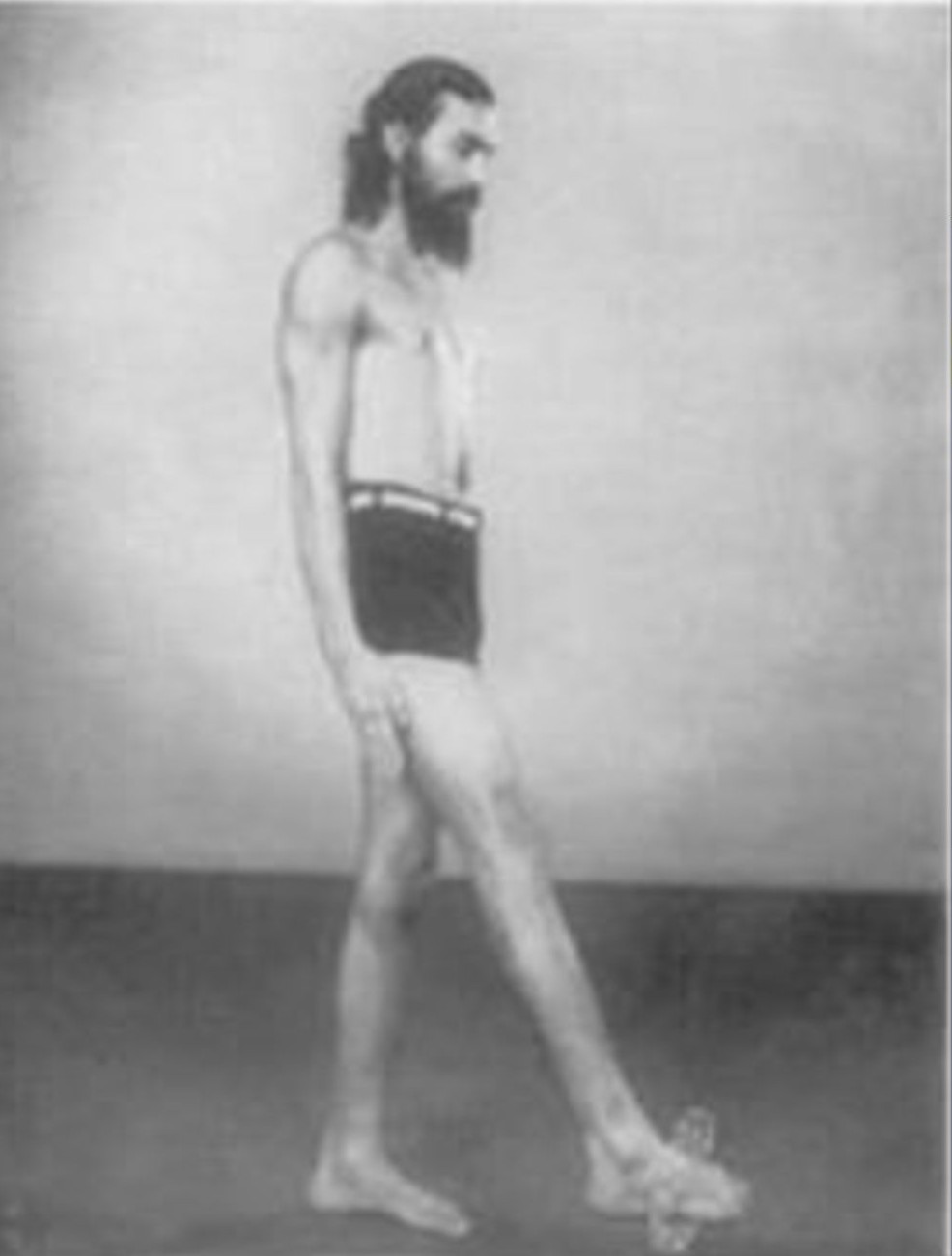
Introduction
Yoga is a holistic discipline that aims at the harmonious development of body, mind, and spirit. While advanced practices such as asanas, pranayama, and meditation are widely practiced, the foundational practices known as Sukshma Vyayama (subtle yogic exercises) play a vital role in preparing the body. These exercises involve gentle, controlled movements that enhance joint mobility, improve circulation, activate muscles, and increase body awareness.
In today’s sedentary lifestyle, the lower extremities, especially the feet and ankles, often suffer from stiffness, weakness, poor circulation, and fatigue. Long hours of sitting, standing, or wearing improper footwear can adversely affect the ankle joint (Gulpha), the dorsum of the foot (Pada-Prshtha), and the sole of the foot (Pada-Tala).
Gulpha–Pada-Prshtha–Pada-Tala–Shakti-Vikasaka is a specialized Sukshma Vyayama practice designed to strengthen and enhance the flexibility and function of these regions. This practice includes movements that target the ankle joint, the upper surface of the foot, and the sole, thereby improving overall foot health and mobility.
This practice is essential for maintaining balance, preventing injuries, improving posture, and ensuring efficient movement in daily life.
Gulpha–Pada-Prshtha–Pada-Tala–Shakti-Vikasaka is an important Sukshma Vyayama practice that enhances the strength, flexibility, and functional efficiency of the ankle and foot regions. Through controlled movements and breath awareness, it improves circulation, balance, and neuromuscular coordination.
In modern lifestyles, where foot and ankle problems are common due to inactivity and improper habits, this practice offers a simple and effective solution for maintaining lower limb health. Regular practice leads to improved stability, reduced discomfort, and enhanced overall mobility.
Ultimately, it supports the broader aim of yoga—achieving balance, stability, and optimal functioning of the body and mind.