
Introduction
Reclining Twists, commonly referred to as Supta Matsyendrasana, are among the most soothing and therapeutically beneficial postures in Yin Yoga. Practiced in a supine position, this pose involves a gentle spinal twist that allows the body to release deeply held tension while promoting relaxation and internal balance. In Yin Yoga, Reclining Twists are held for extended periods with minimal muscular effort, enabling a profound effect on the connective tissues, spine, and internal organs.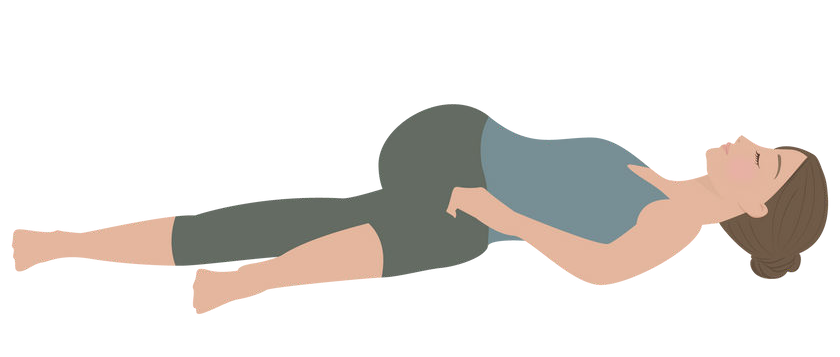
Modern lifestyles often involve prolonged sitting, repetitive movements, and stress, which contribute to spinal stiffness, digestive issues, and nervous system imbalance. Reclining Twists offer a simple yet effective way to counter these effects. By gently rotating the spine and compressing the abdominal organs, this pose stimulates circulation, enhances digestion, and supports detoxification.
Beyond physical benefits, Reclining Twists are deeply calming to the mind. The passive nature of the pose activates the parasympathetic nervous system, encouraging relaxation and stress relief. The gentle wringing action of the twist is often associated with releasing emotional tension and promoting a sense of renewal.
Reclining Twists are a cornerstone of Yin Yoga practice, offering deep physical, therapeutic, and emotional benefits. Their gentle yet effective nature makes them accessible to practitioners of all levels.
Through sustained stillness and mindful breathing, this pose promotes spinal health, supports internal organ function, and encourages relaxation. It embodies the essence of Yin Yoga—softness, surrender, and deep awareness.
With regular practice, Reclining Twists become a powerful tool for maintaining balance, releasing tension, and cultivating a sense of calm and well-being.
Getting Into the Pose
Entering Reclining Twists mindfully ensures safety and effectiveness.
Step-by-Step Instructions
- Starting Position
Lie on your back in a comfortable position with legs extended and arms relaxed by your sides. - Bend the Knees
Draw both knees toward your chest. - Extend the Arms
Stretch your arms out to the sides in a T-shape, palms facing upward or downward. - Initiate the Twist
Gently lower both knees to one side, allowing them to rest on the floor or a support. - Head Position
Turn your head in the opposite direction of the knees, if comfortable. - Adjust the Legs
- Keep knees stacked
- Optionally extend one leg for a deeper variation
- Use Props (Yin Variation)
- Place a bolster or cushion under the knees
- Support the head with a pillow
- Relaxation Phase
Release muscular effort and allow gravity to deepen the twist. - Breath Awareness
Focus on slow, deep breathing, especially into the abdomen and ribcage.
Coming Out of the Pose
Exiting the pose slowly helps maintain spinal safety.
- Return Awareness to Breath
Take a few deep breaths. - Engage the Core
Gently activate abdominal muscles. - Bring Knees to Center
Slowly lift the knees back to the chest. - Neutral Pause
Rest briefly before switching sides. - Repeat on Other Side
Counterposes
Counterposes help rebalance the spine and body.
- Knees-to-Chest Pose
Neutralizes the spine. - Constructive Rest Pose
Promotes relaxation. - Gentle Backbend (Bridge Pose)
Balances spinal movement. - Savasana
Integrates the effects.
Meridians & Organs Affected
Reclining Twists stimulate several meridians and organs.
Primary Meridians
- Liver Meridian
- Detoxification and emotional balance
- Gallbladder Meridian
- Decision-making and energy flow
- Stomach and Spleen Meridians
- Digestion and metabolism
Organs Affected
- Liver
- Gallbladder
- Stomach
- Intestines
- Kidneys
The twisting action massages and stimulates these organs.
Joints Affected
- Spinal Joints
- Rotation and decompression
- Hip Joints
- Mild rotation
- Shoulder Joints
- Stabilization
- Sacroiliac Joint
- Gentle mobilization
Recommended Hold Times
- Beginners: 1–2 minutes per side
- Intermediate: 3–5 minutes per side
- Advanced: 5–7 minutes per side
Practice Tips
- Use props for support
- Avoid forcing the twist
- Maintain steady breathing
Contra-indications
- Spinal Injuries
- Avoid deep twisting
- Herniated Disc
- Practice cautiously
- Pregnancy
- Modify with open twist
- Recent Abdominal Surgery
- Avoid compression
- Severe Back Pain
- Use support or avoid
Benefits
Physical Benefits
- Improves Spinal Mobility
- Enhances flexibility
- Relieves Back Tension
- Reduces stiffness
- Enhances Circulation
- Improves blood flow
- Supports Joint Health
- Nourishes connective tissue
Therapeutic Benefits
- Aids Digestion
- Stimulates abdominal organs
- Supports Detoxification
- Enhances liver function
- Relieves Lower Back Pain
- Improves Posture
Mental and Emotional Benefits
- Reduces Stress
- Promotes Relaxation
- Encourages Emotional Release
- Enhances Mindfulness
Energetic Benefits
- Balances liver and gallbladder energy
- Promotes energy flow
- Releases stagnation
Anatomy and Physiology
Muscles Involved
Primary Muscles
- Obliques
- Erector spinae
- Gluteal muscles
Muscles Being Stretched
- Spinal rotators
- Lower back muscles
- Hip stabilizers
Connective Tissue Engagement
- Fascia of spine
- Ligaments of vertebrae
- Hip connective tissues
Spinal Mechanics
- Rotation
- Gentle decompression
- Improved alignment
Circulatory System
- Enhances blood flow to organs
- Supports detoxification
Digestive System
- Massages internal organs
- Improves digestion
Respiratory System
- Expands ribcage
- Encourages deep breathing
Nervous System Effects
- Activates parasympathetic system
- Reduces stress
Endocrine System
- Supports adrenal function
- Balances hormones
Fascial Lines
- Spiral line
- Deep front line
Psychological and Subtle Body Perspective
Reclining Twists have a calming effect.
Energetic Interpretation
- Releases emotional tension
- Promotes inner balance
- Encourages letting go
Integration in Yin Yoga Practice
Reclining Twists are used in:
- Relaxation sequences
- Digestive support practices
- Spinal mobility sessions
Complementary Poses
- Butterfly Pose
- Child’s Pose
- Sphinx Pose
- Happy Baby Pose