
Times and duration of Pranayama practice

Times and duration of Pranayama practice Times and duration of practice – Early morning, midday, evening and midnight, holding is step by step held up to eighty counts in one sitting. Pratarmadhyandine sayamardharatre cha kumbhakan/ Sanairasitiparyantam chaturvaram samabhyaset//(Chapter -2, Verse 11). Holding should be practiced perfectly four times a day: early morning, midday, evening and midnight, so that holding is step by step held up to eighty counts in one sitting. (Chapter -2, Verse 11).
Signs and symptoms of right Pranayama practice
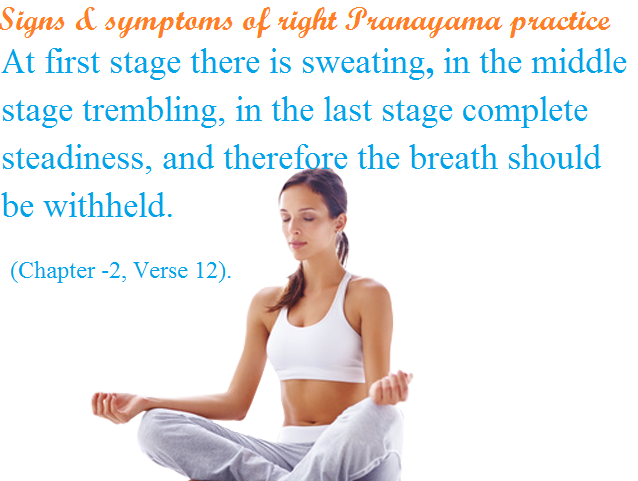
Signs and symptoms of right Pranayama practice Kaniyasi bhavedsveda kampo bhavati madhyame / Uttame sthanamapnoti tato vayum nibandhayet//(Chapter -2, Verse 12). At first stage there is sweating, in the middle stage trembling, in the last stage complete steadiness, and therefore the breath should be withheld. (Chapter -2, Verse 12).
Sattvic quality of mind and the three Gunas for pranayama Practice
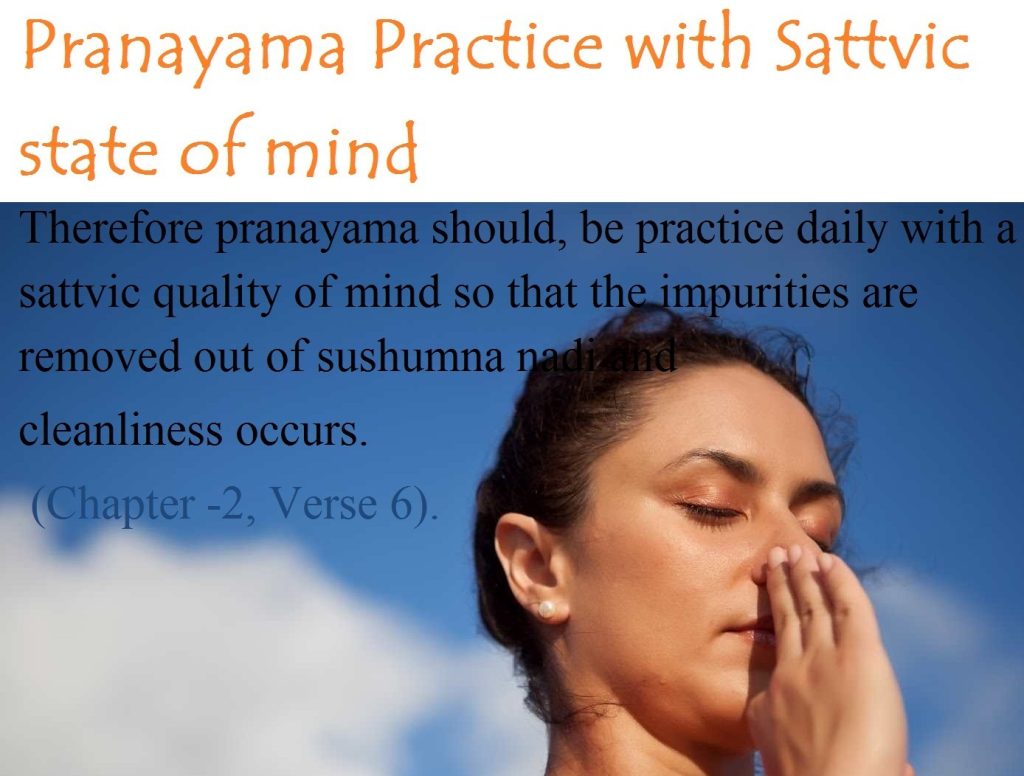
Sattvic quality of mind and the three Gunas for pranayama Practice Pranayamam tatah kuryannityam sattvikaya dhiya / Yatha sushumnanadistha malah suddhim prayanti cha//(Chapter -2, Verse 6). Therefore pranayama should, be practice daily with a sattvic quality of mind so that the impurities are removed out of sushumna nadi and cleanliness occurs. (Chapter -2, Verse 6).
Pranayama three types, rechaka, pooraka, and kumbhaka

Pranayama three types, rechaka, pooraka, and kumbhaka. Pranayamas tridha prokto rechapurakakumbhakaih / Sahitah kevalascheti kumbhako dvividho matah// (Chapter -2, Verse 71). Pranayama is said to be of three types: exhalation (rechaka), inhalation (pooraka), and retention (kumbhaka). Kumbhaka is again of two types: connected sahita and unconnected kevala. (Chapter -2, Verse 71). Yavat kevalasiddhih syat sahitam tavad abhyaset/ Rechakam purakam muktva sukham yadvayudharanam//(Chapter -2, Verse 72). Till attain perfection in kevala kumbhaka, sahita kumbhaka has to be practiced. When you are freed of inhalation/exhalation then the breath/prana is ceased spontaneously. (Chapter -2, Verse 72). Pranayamoa yam ityuktah sa vai kevalakumbhakah/ Kumbhake kevale siddhe rechapurakavarjite//(Chapter -2, Verse 73). Perfection of isolated holding is freedom from inhalation and exhalation process. This pranayama spoken of is verily kevala kumbhaka. (Chapter -2, Verse 73). Na tasya durlabham kimchittrishu lokeshu vidyate/ Saktah kevalakumbhena yatheshtam vayudharanat//(Chapter -2, Verse 74). Nothing in the three worlds of existence is unobtainable by him who has mastery over kevala kumbhaka and can hold the breath as desired time. (Chapter -2, Verse 74).
Mind and Prana

Interconnection of Mind and Prana Interconnection of Mind and Prana and their controlling through Pranayama Chale vate chalam chittam nischale nischalam bhavet / Yogi sthanutvamapnoti tato vayum nirodhayet//(Chapter -2, Verse 2). When Prana moves, chitta the mental force too moves. When prana is still, Chitta also still without any movement. By this steadiness of prana the Hatha Yogi reaches stableness and should thus control the Vayu air. (Chapter -2, Verse 2).
Diet and Pranayama – Milk and Ghee is recommended
Diet and Pranayama – Milk and Ghee is recommended. At the beginning period of pranayama practice, food, consisting of milk and ghee is recommended very much. Upon being established in the practice such conditions are not necessary at all. (Chapter -2, Verse 14).
Abnormal Breathing and Breathing Disorders:
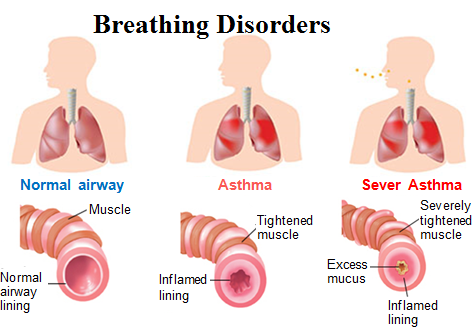
Abnormal Breathing and Breathing Disorders Apnea:Absence of breathing. Orthopnea:Only able to breathe comfortably in upright, unable to breath laying down Dyspnea: Subjective sensation related by patient as to breathing difficulty Paroxysmal nocturnal dyspnea – attacks of severe shortness of breath that wake a person from sleep, such that they have to sit up to catch their breath – common in patients with congestive heart failure. Hyperventilation: Hyperventilation occurs when the rate and quantity of alveolar ventilation of carbon dioxide exceed the body’s production of carbon dioxide. Hypoventilation: Hypoventilation occurs when ventilation is inadequate to perform needed gas exchange. Hypoventilation is considered a precursor to hypoxia and its lethality is attributed to hypoxia with carbon dioxide toxicity. Cheyne-Stokes respirations (CSR): Gradual increase in volume and frequency, followed by a gradual decrease in volume and frequency, with apnea periods of 10 – 30 seconds between cycle. Described as a crescendo – decrescendo pattern. Characterized by cyclic waxing and waning ventilation with apnea gradually giving way to hyperpneic breathing.
Ujjayi The Victorious Breath
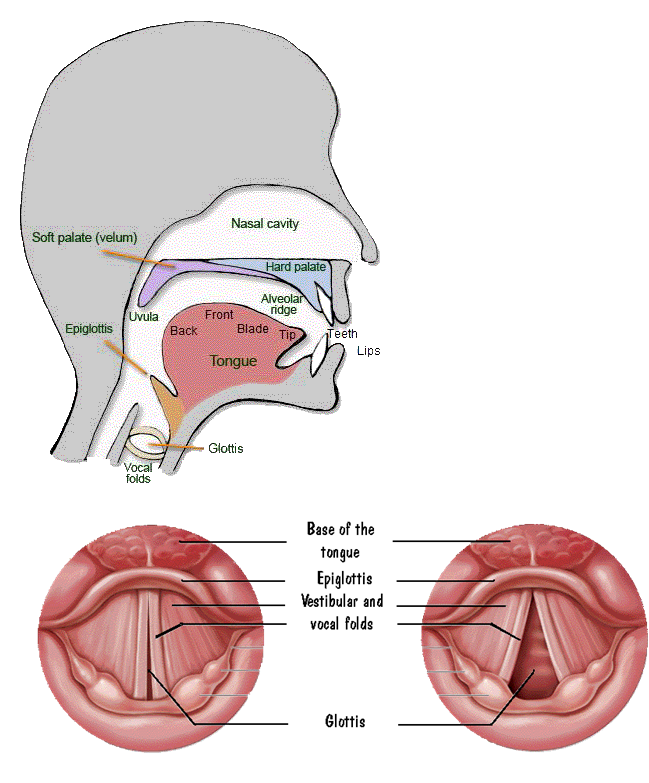
Ujjayi The Victorious Breath Breath is the fuel that feeds the internal fire, gives it life, keeps the flame going. The vital life energy, prana, is controlled by the breath. In yoga, ujjayi breathing (victorious breath) is used to enrich prana. By breathing through the nose, with the mouth closed, the breath is felt from the throat, producing a hissing sound. This sound of the breath keeps the mind focused. As the mind begins to wander, the sound of the breath keeps bringing you back home and away from the mumbling, bumbling mind. The mind becomes focused and calm as each pose flows into the next in concert with the breath. The breath is the link between body and mind. Practice Sit in a comfortable meditative pose or lie in savasana. Become aware of the natural breathing process and feel the air passing down through the windpipe. Slightly contract the region at the back of the throat as you do when you swallow. Inhale and exhale through the nose with the mouth closed. Make the inhalation and exhalation long, deep and controlled. Practice full yogic breathing and concentrate on the sound. Begin practicing for 3 minutes and progressively work your way up to 10 minutes. 2. Practice as above, but fold the tongue back so that the tip of the tongue presses the back of the soft palate on the roof of the mouth. 3. As you inhale say “sa” to yourself and as you exhale say “ha.” Repeat ten times. Inhalation and exhalation should be of equal duration, smooth and relaxed. 4. Notice your mind wandering as you practice breathing and keep bringing your mind back to the breath. 5. Focus on the exhalation. Notice where your breath normally stops. Increase the fullness of the exhalation. #Yoga teacher training certification course near me #Best yoga teacher training certification courses in Bangalore #Yoga teacher training certificate course fees in Bangalore
Surya Bhedana Pranayama
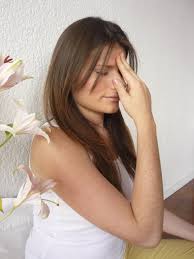
Surya Bhedana Pranayama Sit on Padmasana or any sitting posture by keeping your spine, neck and head straight. Close the eyes. Keep the left nostril closed with your right ring and little fingers. Slowly inhale without making any sound as long as you can do it comfortably through the right nostril. Then exhale very slowly without making any sound through the left nostril by closing the right nostril with the thumb. Repeat OM mentally with Bhava and meaning during inhalation and exhalation. This Pranayama should again and again be performed, as it purifies the brain and destroys the intestinal worms and diseases arising from excess of wind (Vayu). This removes the four kinds of evils caused by Vayu and cures Vata or rheumatism. It cures rhinitis and various sorts of neuralgia. The worms that are found in the frontal sinuses are removed. It destroys decay and death, awakens Kundalini Sakti and increases the bodily fire. #Yoga teacher training certification course near me #Best yoga teacher training certification courses in Bangalore #Yoga teacher training certificate course fees in Bangalore
Kapalabhati (frontal brain cleansing breath)
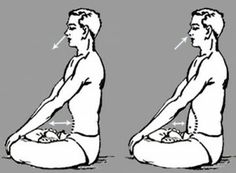
Kapalabhati (frontal brain cleansing breath) Practice Practice rapid breathing with active and forceful exhalation and passive inhalation. During each exhalation, blast out the air by vigorous flapping movements of the abdomen in quick succession. Inhale passively by relaxing the abdominal muscles at the end of each exhalation. Repeat the exhalation as quickly as possible at the rate of 60 strokes per minute. At the end of one minute, stop the practice. Now observe an automatic suspension of breath. In fact, there will be no urge for breathing for a few seconds. Simultaneously the mind may experience a deep state of silence. Enjoy this state of deep rest and freshness. Wait until the breathing comes back to normal. Benefits Brain cells are invigorated. It brings brightness to the face with regular practice. It balances and strengthens the nervous system. It removes the drowsiness from the body. It provides a nice massage to all the abdominal organs. People with digestive problems are highly benefited. It cleanses the lungs and also the entire respiratory tract. It is good for asthmatics and for other respiratory disorders. #Online 300 hour Yoga teacher training Bangalore